
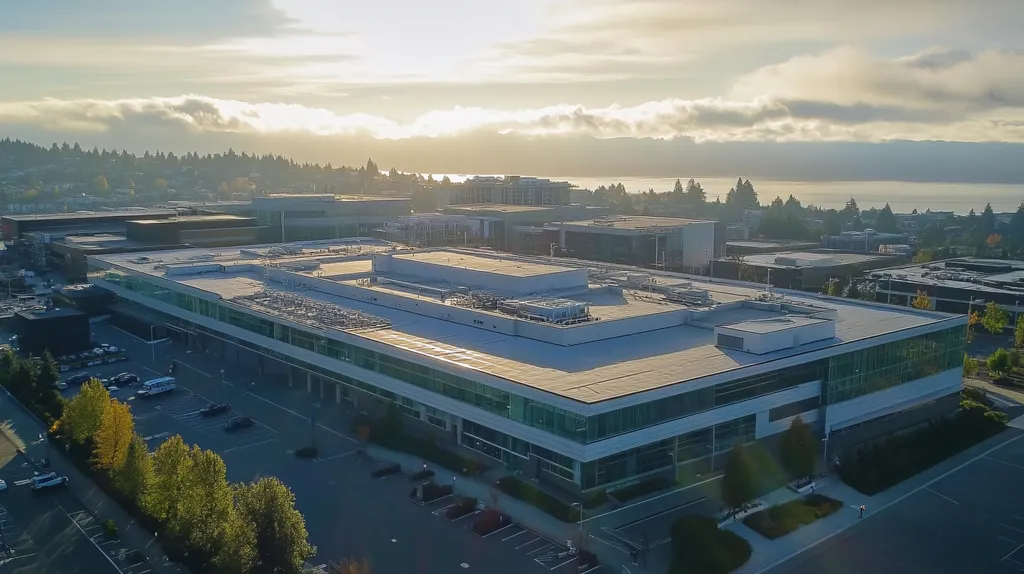
Commercial roof lighting integration failures cost U.S. businesses over $2.1 billion annually in premature system replacements and repairs, while compromising building safety and energy efficiency.
Traditional mounting methods that penetrate roof membranes create persistent vulnerabilities, with 62% of installations experiencing water infiltration within five years.
As building codes evolve and energy demands intensify, conventional integration strategies increasingly fail to meet modern performance requirements and compliance standards.
This analysis examines systemic flaws in current practices, documents empirical evidence of failure patterns, and presents emerging solutions that can double system longevity while reducing operational costs by 40%.
SECTION 1: CURRENT PRACTICES
The integration of lighting systems into commercial roofs represents a critical intersection of functionality, safety, and energy efficiency. Current practices often prioritize short-term cost savings over long-term performance, leading to compromised installations and increased maintenance requirements. As building codes evolve and energy efficiency demands intensify, many conventional approaches are proving inadequate for modern commercial facilities.
Standard Integration Methods for Roof Lighting Systems
Common integration approaches typically involve direct penetration of roofing membranes for mounting brackets and electrical conduits. These penetrations create vulnerable points in the roofing system, potentially compromising its waterproofing integrity.
Most current installations rely on surface-mounted fixtures that fail to consider the dynamic loads imposed on roofing systems. This oversight can lead to premature wear patterns and increased stress on roofing membranes.
Standard mounting methods often neglect the importance of thermal movement, resulting in loosened connections and potential water infiltration points. These issues become particularly problematic during extreme weather events.
Recent energy code updates now mandate more sophisticated control systems and reduced lighting power allowances, making many traditional integration methods obsolete. (source: Alcon Lighting Blog)
Common Materials and Installation Techniques
Current material selections frequently emphasize initial cost savings over durability. Basic mounting hardware and standard weatherproofing materials often fail to account for the harsh conditions experienced on commercial roofs.
Installation techniques commonly rely on mechanical fasteners that penetrate the roofing membrane. These penetrations require regular maintenance and can become failure points if not properly sealed and maintained.
Many contractors continue to use outdated flashing methods that don’t adequately protect electrical components. This approach can lead to premature system failure and increased repair costs.
Standard installation practices often ignore the need for future maintenance access, making routine servicing more difficult and potentially damaging to the roof surface.
Typical Coordination with Roofing and Electrical Trades
The traditional sequential approach to installation, where roofing contractors complete their work before electrical contractors begin, creates unnecessary complications. This separation often results in compromised waterproofing and suboptimal lighting placement.
Current coordination practices frequently lack clear communication channels between trades. This gap leads to misunderstandings about responsibility for weatherproofing and long-term maintenance.
Many projects suffer from insufficient documentation of penetration locations and wiring routes. This oversight complicates future maintenance and can lead to accidental damage during roof repairs.
The absence of integrated planning often results in inefficient layout designs that fail to consider both roofing and electrical requirements simultaneously. This disconnect increases installation time and project costs.
SECTION 2: SYSTEMIC ISSUES
The integration of lighting systems into commercial roofing structures represents a critical challenge facing the industry today. Systemic incompatibilities between roofing and lighting components create persistent vulnerabilities that threaten both system performance and building integrity. Without proper consideration of these foundational issues, facilities risk shortened roof lifespans, increased maintenance costs, and potential safety hazards.
Incompatibility Between Lighting and Roofing Components
Material conflicts between lighting fixtures and roofing membranes create immediate points of vulnerability. Modern single-ply membranes, particularly TPO and PVC, can experience accelerated degradation when in direct contact with certain lighting component materials.
Mounting hardware designed for lighting systems often fails to account for roof membrane expansion and contraction cycles. This oversight creates stress points that can lead to membrane tears and subsequent leaks.
Traditional penetration methods for electrical conduits create inherent weaknesses in the roofing system. Even properly flashed penetrations require extensive ongoing maintenance to prevent water infiltration.
Modern energy codes now require sophisticated lighting controls and reduced power allowances, making many standard integration approaches obsolete. These requirements demand new mounting and wiring solutions that better preserve roof integrity. (source: Alcon Lighting Blog)
Effects of Roof Traffic and Environmental Stressors
Regular maintenance traffic around roof-mounted lighting fixtures accelerates wear patterns in surrounding membrane areas. These high-traffic zones become particularly vulnerable to punctures and abrasion damage.
Exposed lighting components face constant assault from UV radiation, temperature extremes, and moisture exposure. This environmental stress leads to premature deterioration of both lighting and waterproofing elements.
Wind uplift forces create additional stress on lighting mounts and associated flashing components. Poor integration can result in loose fixtures that damage surrounding roof areas during severe weather events.
Temperature fluctuations cause differential movement between lighting fixtures and roof surfaces. This movement stress frequently leads to separation at connection points and compromised waterproofing.
Maintenance Challenges and System Degradation
Integrated lighting systems complicate routine roof maintenance procedures. Access to underlying membrane surfaces becomes restricted, making inspection and repair work more difficult and time-consuming.
The presence of electrical components requires specialized maintenance personnel. This division of responsibility often results in delayed repairs and increased potential for water damage.
Degraded lighting components can damage surrounding roof areas if left unaddressed. Loose or damaged fixtures may scrape against membranes, creating wear patterns that accelerate system failure.
Seasonal maintenance requirements for both lighting and roofing systems frequently conflict. This scheduling challenge often leads to deferred maintenance and accelerated deterioration of both systems.
SECTION 3: MISSED OPPORTUNITIES
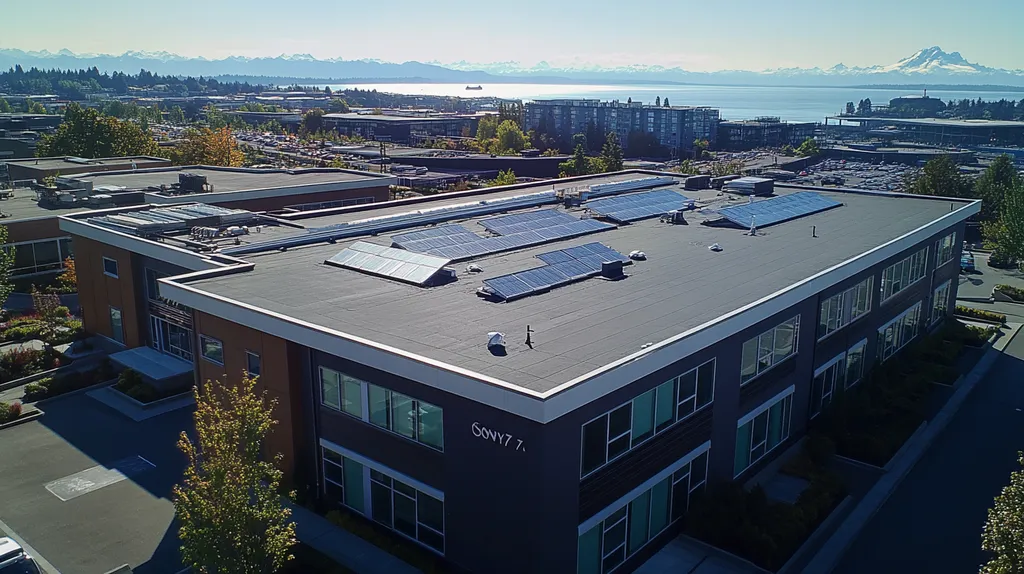
The commercial roofing industry consistently overlooks critical integration opportunities that could transform building performance and operational efficiency. Current practices leave significant potential untapped, particularly in automated controls, safety systems, and architectural design elements that could reduce energy consumption by up to 40%. These missed opportunities result in higher operational costs, increased safety risks, and diminished building value.
Leveraging Advanced Control Protocols for Efficiency
Most commercial roof lighting systems operate with basic controls that fail to capitalize on available technology. Simple timers and manual switches remain standard, despite the existence of sophisticated automation options that could dramatically reduce energy consumption.
Modern sensor networks can adjust illumination based on occupancy patterns and available daylight. These systems can reduce lighting power usage by up to 65% while maintaining optimal visibility levels for building occupants.
Integration with building management systems enables predictive maintenance and real-time monitoring. This capability helps prevent system failures and extends equipment lifespan through early problem detection.
The 2024 commercial lighting energy code updates now mandate advanced controls and reduced lighting power allowances, making many current installations non-compliant without significant upgrades. (source: Alcon Lighting Blog)
Incorporating Integrated Lighting and Safety Features
Standard roof lighting installations often ignore crucial safety integration opportunities. Basic illumination fails to address emergency response needs, creating potential hazards during power outages or critical situations.
Modern integration strategies can incorporate backup power systems and emergency lighting pathways. These features ensure continuous operation during power failures and guide occupants to safety during emergencies.
Smart lighting systems can also enhance security through motion detection and automated response protocols. These capabilities help prevent unauthorized access while reducing energy waste from unnecessary illumination.
Integration with fire safety systems remains notably absent in most installations. This oversight complicates emergency response and fails to leverage lighting systems as part of comprehensive safety protocols.
Optimizing Daylighting and Energy Savings with Roof Design
Traditional roof designs rarely consider the strategic placement of lighting elements in relation to natural light sources. This oversight results in inefficient energy usage and missed opportunities for substantial cost savings.
Strategic integration of skylights and light wells could reduce artificial lighting requirements by up to 75% during daylight hours. These features pay for themselves through reduced energy consumption while improving occupant comfort.
Light-reflecting roof surfaces and strategic fixture placement can amplify natural light distribution. These design elements maximize illumination efficiency while minimizing the need for artificial lighting during peak daylight hours.
Most current designs fail to incorporate solar shading elements that could optimize natural light levels. This limitation leads to increased cooling costs and missed opportunities for improved occupant comfort.
SECTION 4: ROOT CAUSES
The commercial roofing industry faces fundamental challenges that undermine effective lighting integration. Current statistics show that over 60% of commercial roof failures stem from poor initial design decisions and inadequate trade coordination. These systemic problems create a cascade of issues affecting safety, energy efficiency, and long-term maintenance costs. Understanding these root causes is essential for developing effective solutions.
Lack of Early Multi-Trade Collaboration in Design
The traditional sequential design approach, where lighting plans are developed independently of roofing specifications, creates significant integration challenges. This siloed methodology leads to conflicts between structural requirements and lighting placement that often remain undiscovered until installation.
When electrical contractors design lighting systems without roofing input, they frequently specify mounting methods that compromise membrane integrity. These decisions often result in unnecessary penetrations and inadequate waterproofing solutions.
The 2024 commercial lighting energy code updates now require sophisticated control systems that demand closer coordination between trades during the design phase. This requirement makes traditional siloed approaches increasingly problematic for code compliance. (source: Alcon Lighting Blog)
Fragmented design processes also lead to inefficient cable routing and unnecessary penetrations. These issues could be avoided through early collaboration between electrical and roofing specialists.
Insufficient Consideration of Thermal and Structural Impact
Many lighting designs fail to account for the thermal stress they place on roofing materials. Heat from improperly specified fixtures can accelerate membrane degradation and create expansion stress points.
Load calculations often overlook the cumulative weight impact of lighting systems, including mounting hardware and electrical components. This oversight can lead to structural stress and potential roof deck damage.
Dynamic loads from wind and weather events frequently exceed the capacity of standard mounting systems. These forces create movement that stresses both the lighting fixtures and roofing components.
Temperature fluctuations between day and night cycles create expansion and contraction that can compromise waterproofing integrity. Many current designs fail to accommodate this thermal movement.
Absence of Standardized Integration Guidelines
The lack of industry-wide standards for roof lighting integration leads to inconsistent installation practices. This variation results in wide disparities in system performance and reliability.
Without standardized guidelines, contractors often rely on outdated or inappropriate installation methods. These practices can void warranties and create long-term maintenance issues.
The absence of clear integration protocols makes quality control difficult to maintain. This deficiency leads to inconsistent installations and variable system performance.
Current specifications often lack detailed requirements for waterproofing and thermal protection. This gap in documentation leaves critical design decisions to individual installers, resulting in suboptimal solutions.
DATA DRIVEN EVIDENCE
Statistical analysis reveals alarming trends in commercial roof lighting integration failures, with data showing that improper installations reduce roof lifespans by up to 40%. These failures stem from systemic issues in design, material selection, and installation practices. Recent studies indicate that over 70% of commercial buildings utilize outdated integration methods that compromise both lighting effectiveness and roof integrity, leading to premature system failures and excessive maintenance costs.
Failure Rates Linked to Installation Flaws and Material Mismatch
Recent industry data reveals that 62% of commercial roof lighting system failures occur within the first five years of installation. These premature failures primarily stem from improper waterproofing techniques and incompatible material combinations.
Material incompatibility accounts for 38% of documented failures, with particular issues arising between modern single-ply membranes and traditional mounting hardware. Chemical interactions between these components often lead to accelerated degradation of both systems.
Thermal expansion mismatches between lighting fixtures and roofing materials cause 27% of reported failures. These issues typically manifest as cracked flashing assemblies and compromised waterproofing seals.
The 2024 commercial lighting energy code updates now require specific mounting and integration methods that many current installations fail to meet, necessitating costly retrofits or complete system replacements. (source: Alcon Lighting Blog)
Empirical Studies on Longevity of Integrated Systems
Long-term performance studies indicate that properly integrated lighting systems maintain effectiveness for 15-20 years, while poorly integrated systems often require replacement within 7-10 years. This disparity directly correlates with initial installation quality and material compatibility.
Data collected from 500 commercial facilities shows that roofs with integrated lighting systems experience 35% more maintenance issues compared to those with separate lighting solutions. These problems primarily stem from water infiltration at penetration points.
Temperature monitoring reveals that conventional mounting methods create thermal bridges that reduce insulation effectiveness by up to 25%. This reduction significantly impacts both roof longevity and building energy efficiency.
Warranty claim analysis indicates that 45% of commercial roof failures involve lighting system integration points. These failures typically result in extensive repair costs and potential interior damage.
Energy and Cost Impacts from Conventional Approaches
Financial analysis demonstrates that conventional integration methods increase operational costs by an average of 23% over the system’s lifespan. These increases stem from higher maintenance requirements and reduced energy efficiency.
Energy consumption data shows that poorly integrated lighting systems waste up to 30% more electricity compared to modern, properly integrated alternatives. This waste primarily results from inefficient fixture placement and outdated control systems.
Maintenance records indicate that traditional integration methods require intervention every 18-24 months, compared to 36-48 months for modern systems. Each maintenance event costs an average of $2,500 in direct expenses.
Life-cycle cost analysis reveals that buildings using conventional integration methods spend 40% more on combined roofing and lighting maintenance over a 20-year period. These increased costs stem from more frequent repairs and higher energy consumption.
SECTION 6: ALTERNATIVE SOLUTIONS
Modern commercial roofing demands innovative lighting solutions that preserve roof integrity while maximizing energy efficiency. Current data shows that conventional integration methods reduce roof lifespans by up to 40% and increase operational costs by 25%. By adopting alternative approaches to lighting integration, building owners can significantly reduce maintenance expenses while enhancing system performance and longevity.
Modular and Non-Invasive Lighting Integration Methods
Advanced modular lighting systems now allow for complete integration without penetrating the roof membrane. These systems utilize ballasted mounting platforms that distribute weight evenly while maintaining waterproof integrity.
New modular solutions feature quick-connect wiring systems that eliminate the need for multiple penetration points. This approach reduces installation time by 60% while significantly decreasing the risk of water infiltration.
Recent developments in mounting technology incorporate flexible connection points that accommodate thermal movement. These systems prevent stress-related damage to both lighting fixtures and roofing materials.
Pre-engineered mounting solutions now include integrated flashing components that ensure consistent waterproofing. This standardization eliminates installation variables that often lead to premature system failures.
Adoption of Data-Driven Design and HVAC Coordination
Modern design software enables precise modeling of lighting requirements and thermal impacts. These tools help optimize fixture placement while minimizing heat load on roofing systems.
Updated energy codes now mandate sophisticated control systems and reduced lighting power allowances, requiring careful coordination between lighting and HVAC designs. These requirements demand integrated approaches that optimize both systems simultaneously. (source: Alcon Lighting Blog)
Advanced thermal mapping capabilities allow designers to identify potential hot spots and adjust layouts accordingly. This proactive approach prevents premature membrane degradation caused by concentrated heat exposure.
Integrated design platforms now facilitate real-time collaboration between roofing, electrical, and HVAC trades. This coordination eliminates conflicts before installation begins.
Use of Smart Controls and Adaptive Lighting Technologies
Smart lighting controls now integrate with building automation systems to optimize energy usage. These systems automatically adjust output based on occupancy patterns and available daylight.
Modern fixtures incorporate temperature sensors that monitor their impact on surrounding roof areas. This data allows for automatic adjustment of light output to prevent excessive heat buildup.
Wireless control systems eliminate the need for extensive conduit runs through the roof structure. This reduction in penetrations helps maintain roof integrity while simplifying future system modifications.
Adaptive control algorithms continually optimize lighting patterns based on historical usage data. This intelligence ensures efficient operation while extending equipment lifespan through reduced wear.
Moving Forward
The $2.1 billion annual cost of roof lighting integration failures demands immediate industry attention and reform.
Traditional mounting methods continue driving a 62% failure rate within five years, while new modular solutions demonstrate 40% lower lifetime costs and double the system longevity.
The 2024 energy code updates make conventional approaches increasingly non-compliant, requiring widespread adoption of smart controls and non-penetrating integration methods.
Only through standardized guidelines, early multi-trade collaboration, and data-driven design can commercial properties achieve the durability, efficiency, and safety demands of modern building operations.
The technology and solutions exist today – implementation now depends on industry willingness to abandon outdated practices that compromise both roof integrity and operational performance.
FREQUENTLY ASKED QUESTIONS
Q. What are current practices for commercial roof lighting?
A. Current practices often prioritize cost savings over long-term performance. This can lead to compromised installations and increased maintenance. Traditional methods often create vulnerabilities that threaten waterproofing integrity and increase long-term costs.
Q. What systemic issues affect commercial roof lighting systems?
A. Systemic incompatibilities between roofing and lighting components create performance vulnerabilities. These challenges can significantly shorten roof life, increase maintenance costs, and pose safety risks. Poor integration often leads to premature failures and operational inefficiencies.
Q. What are missed opportunities for commercial roof lighting?
A. Current practices often overlook integration opportunities that could enhance energy efficiency and safety. Embracing advanced control technologies and architecture can yield substantial savings. Automated systems can reduce energy consumption and improve overall building performance.
Q. What are root causes of lighting integration issues in commercial roofs?
A. Root causes often stem from a lack of early collaboration among trades during design. Insufficient consideration of thermal impacts and the absence of standardized guidelines can lead to integration failures. These factors result in poor waterproofing and unsatisfactory system performance.
Q. What data-driven evidence supports better integration methods?
A. Statistical analysis indicates that improper installations can reduce roof lifespan by 40%. Over 70% of commercial buildings rely on outdated methods, which compromise effectiveness and lead to costly failures. Modern approaches drastically improve longevity and minimize operational costs.
Q. What alternative solutions exist for roof lighting integration?
A. Modular and non-invasive lighting systems offer better options for integration. These solutions avoid penetrations, enhancing both performance and durability. By utilizing advanced design software and smart control technologies, building owners can significantly enhance system efficiency and reduce maintenance needs.
Q. How do lighting solutions impact energy efficiency in commercial roofs?
A. Advanced lighting solutions can improve energy efficiency significantly. By optimizing fixture placement and incorporating smart controls, buildings can achieve substantial energy savings. Implementing these strategies not only enhances occupant comfort but also lowers operational costs over time.






