
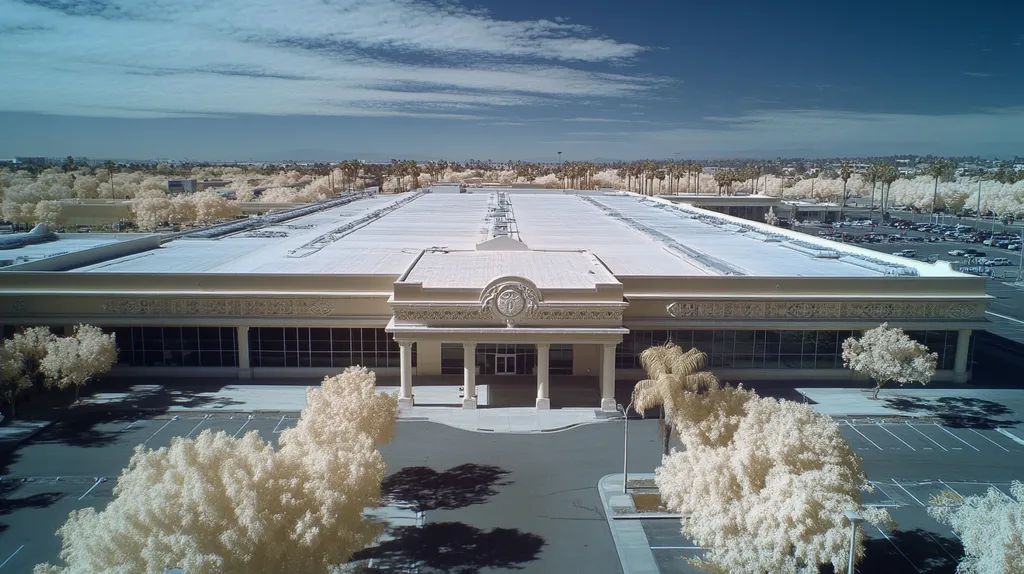
Commercial roof lighting systems are failing at an alarming rate, with 40% of installations requiring major repairs within the first five years due to inadequate material choices and flawed durability practices.
These preventable failures cost facility owners millions annually in repairs, energy waste, and disrupted operations.
From outdated waterproofing techniques to neglected maintenance protocols, the commercial roofing industry continues to employ methods that compromise long-term performance and safety.
This analysis examines why current durability practices fall short and explores evidence-based solutions that can dramatically extend the lifespan of commercial roof lighting systems while reducing total ownership costs.
SECTION 1: CURRENT PRACTICES
In the dynamic world of commercial roofing, the materials and installation methods for lighting systems are critical. An alarming number of property owners face challenges such as early fixture failures and mounting maintenance costs. This highlights the urgent need for a reevaluation of current practices. Many existing approaches fail to incorporate the latest advancements in technology and materials that could significantly improve durability. In particular, attention is warranted in the areas of installation methods, maintenance schedules, and material choices.
Standard Installation Methods
Current installation methods often prioritize speed over quality, which can leave lighting systems exposed to vulnerabilities. For instance, inadequate sealing can lead to moisture infiltration, threatening the longevity of fixtures. Many installers stick to traditional methods without adapting to the unique challenges presented by each project.
Additionally, these standard practices frequently neglect the integration of modern sealing technologies that could bolster durability. Innovations like self-healing membranes are still underused, despite their potential to extend the lifespan of lighting installations significantly.
Regions prone to high winds are also overlooked in typical installation guidelines. Without customized installation strategies, roofs in these areas face higher risks, which can result in increased repair costs and safety concerns.
A comprehensive approach that includes site-specific assessments can empower property owners to make well-informed decisions about installation practices.
Routine Maintenance Schedules
Many routine maintenance schedules lack the specificity required to address the unique needs of lighting systems. Property managers might adhere to a rigid timetable for inspections, overlooking the specific wear and tear that can impact performance over time.
For example, areas with extreme weather conditions may require more frequent inspections, yet maintenance schedules often do not consider these factors. Failure to conduct timely inspections can lead to unexpected breakdowns, inflating operational costs and disrupting business activities.
Moreover, the absence of a structured approach to documenting maintenance efforts can hinder a facility manager’s ability to recognize trends in degradation. Analyzing maintenance records effectively is crucial for optimizing future actions and minimizing expenses.
Implementing proactive maintenance routines, tailored to the environmental conditions and materials involved, can revive lighting systems and improve overall roof durability.
Common Material Choices
Many property owners still depend on conventional materials that struggle to endure modern environmental challenges. While standard aluminum fixtures are commonly used, they often lack the necessary durability and resistance to various environmental stressors.
Conversely, innovative materials like polycarbonate and advanced composites provide superior durability and impact resistance. Unfortunately, these options are frequently dismissed due to their higher initial cost.
This reliance on traditional material choices can lead to frequent replacements and repairs, escalating overall expenses. Furthermore, the negative effects of UV exposure on these materials are often underestimated, accelerating wear and tear.
By shifting toward contemporary materials designed for enhanced longevity and reduced maintenance, property owners can significantly lower long-term costs and improve system functionality.
SECTION 2: SYSTEMIC ISSUES
The durability of commercial roofing systems is paramount, particularly when it comes to lighting installations. Neglecting essential components like waterproofing, drainage, and quality craftsmanship can lead to severe, long-lasting damage. Alarmingly, as many as 50% of roofing failures are linked to systemic issues that arise during installation and upkeep. It is crucial to tackle these problems head-on to secure the longevity and reliability of roof lighting solutions.
Inadequate Waterproofing Techniques
Waterproofing is the cornerstone of any effective roofing system. Yet, numerous facilities take shortcuts by relying on outdated practices, leaving rooftops susceptible to moisture-related issues. Such oversights can trigger mold growth and structural damage, which are costly to remediate.
A frequent misstep involves failing to apply proper sealants around fixtures and any roof penetrations linked to lighting systems. If water breaches these points, it can harm both the lighting fixtures and the roofing materials themselves.
Overlooking waterproofing regulations can drive maintenance costs upward and endanger the health and safety of occupants. As minor leaks progress to major issues, they may result in extensive renovations and ongoing disruptions to business operations.
It’s vital for property owners to prioritize investing in high-quality waterproofing systems, focusing on durable materials that can extend the lifespan of their lighting systems.
Poor Drainage and Ponding Water
Proper drainage is a critical element in commercial roofing to prevent the accumulation of water. When ponding occurs, it can quickly lead to severe structural complications and subsequent failures of lighting systems. Unfortunately, many roofing configurations disregard effective drainage strategies, leaving them vulnerable to these risks.
If drainage systems are poorly designed or installed, standing water can collect around lighting fixtures and other vital areas. This stagnation can lead to rusting fixtures, damaged electrical components, and unsafe conditions for maintenance workers.
Research shows that roofs with inadequate drainage systems have reduced lifespans and incur higher maintenance costs. Facility managers must recognize that effective drainage solutions can mitigate these hazards significantly.
Enhancing drainage systems should be at the forefront of both the design and maintenance of commercial roof lighting systems. Implementing advanced strategies, such as tapered insulation and strategically positioned drainage outlets, can dramatically improve performance.
Subpar Workmanship Consequences
No matter how high-quality the materials used, poor installation can hinder their effectiveness. Substandard workmanship is a prevalent issue in the roofing industry, leading to failures that are often easily preventable. For example, misalignment during installation can create vulnerability points that invite leaks and damage.
A significant concern lies in the failure to comply with industry standards and best practices. Insufficient training of workers or neglect for established guidelines can result in setups that jeopardize the entire roofing structure.
The fallout from inadequate workmanship doesn’t just involve immediate repair costs; it can also diminish a property’s overall performance, leading to soaring energy bills and potential health risks.
To mitigate these challenges, focusing on hiring experienced contractors and establishing comprehensive training programs is essential. Ensuring that all personnel are well-trained in the latest installation techniques is vital for upholding high standards in commercial roof lighting systems.
SECTION 3: MISSED OPPORTUNITIES
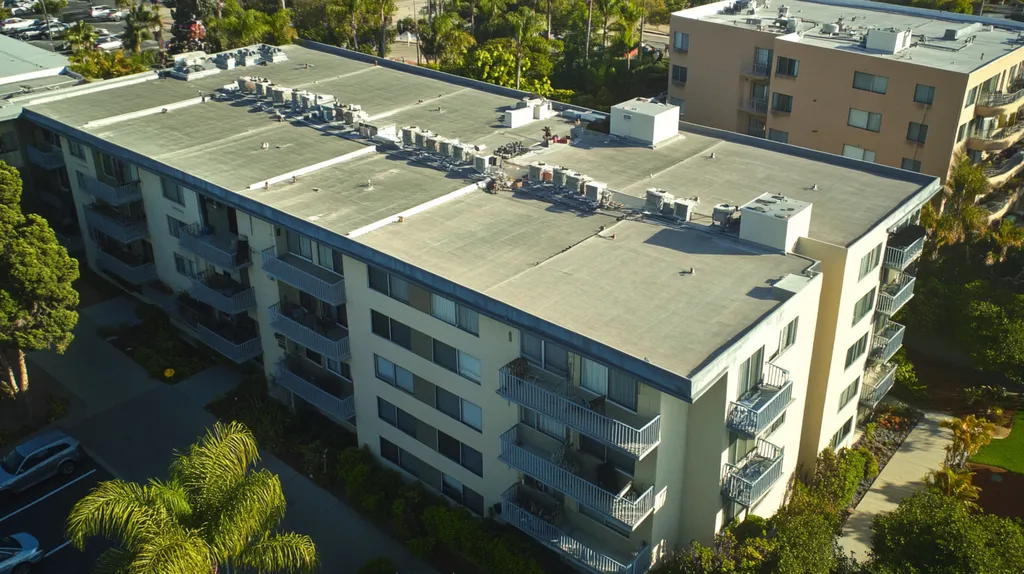
Failure to implement effective maintenance strategies for commercial roof lighting systems signals an urgent oversight that can lead to significant long-term costs. Research has shown properties lacking consistent inspections may experience up to 30% higher repair expenses due to preventable damage. The industry is losing out on critical opportunities to enhance system durability by neglecting essential maintenance practices. Key areas of concern include inadequate inspections, underestimating the effects of environmental damage, and overlooking the adoption of cutting-edge coating solutions. These oversights not only jeopardize functionality and safety but also impact overall building performance.
Neglect of Regular Inspections
Regular roof inspections are vital for sustaining the performance of commercial lighting systems. Without these routine assessments, minor issues can snowball into severe complications. For example, undetected leaks can damage electrical components, ultimately leading to expensive failures.
Industry standards suggest conducting inspections at least twice a year; however, many facilities fail to follow this crucial guideline. Ignoring this practice permits ongoing wear and tear to go unnoticed, significantly shortening the lighting system’s life expectancy and affecting energy efficiency and safety.
Moreover, proactive inspections can uncover design flaws and installation errors. Identifying these issues early enables timely repairs and improvements, ensuring systems operate at optimal levels. Investing in regular inspections can save property owners money and elevate overall building safety.
In fact, the costs associated with neglecting inspections can far exceed the investment in preventive measures. Embracing enhanced maintenance strategies ultimately paves the way for lower long-term expenses and greater tenant satisfaction through dependable lighting performance.
Overlooking UV and Weather Damage
Environmental factors such as UV exposure and severe weather can significantly degrade roofing materials. Many property managers underestimate the toll these elements take on commercial roof lighting systems. For instance, prolonged exposure to sunlight can render plastic components brittle and prone to cracking, leading to system failures.
Severe weather conditions like heavy rain or hail can also compromise the integrity of rooftop lighting fixtures. Damage from such events may remain undetected until substantial failures occur, jeopardizing building safety and affecting operational efficiency. A proactive approach is essential for addressing these vulnerabilities.
Utilizing UV-resistant materials can greatly mitigate accelerated wear caused by sunlight. Additionally, conducting regular maintenance and inspections following severe weather can help identify early signs of damage. Implementing protective measures is crucial for lessening the risks associated with environmental exposure.
Overlooking the ramifications of environmental damage can result in costly repairs and hindered functionality. Therefore, property managers need to fully recognize the comprehensive impact of UV and weather damage when assessing their lighting systems to bolster their durability.
Ignoring Advanced Coating Technologies
Recent advancements in coating technologies hold immense potential for prolonging the life of commercial roof lighting systems. Unfortunately, many property owners miss the opportunity to adopt these innovative solutions, opting instead for outdated materials and practices. Modern coatings offer enhanced protection against UV rays, moisture, and impact damage.
For example, high-performance coatings can establish a barrier that shields lighting components from harsh environmental conditions. This proactive strategy can prevent degradation and dramatically lessen maintenance needs. Upgrading to advanced coatings is a strategic move for maintaining asset value.
Furthermore, specialized coatings can enhance energy efficiency by reflecting heat, resulting in reduced energy costs. Such advancements provide a compelling argument for reevaluating traditional practices that may no longer meet the current demands of commercial roofing.
Neglecting to embrace these technologies could hinder the overall performance and lifespan of lighting systems. By modernizing their materials and methods, property owners can better protect their investments and enhance their overall operational efficiency.
SECTION 4: ROOT CAUSES
The lack of durability in commercial roof lighting systems is an urgent issue that can incur substantial financial losses and impact safety. Studies indicate that poor lighting quality not only reduces productivity but also creates hazardous conditions for occupants. The root causes of these failures are complex, encompassing inadequate proactive maintenance, material aging, and insufficient quality control. Understanding and addressing these factors is essential for property owners and facility managers to guarantee reliable lighting systems.
Lack of Proactive Maintenance
Proactive maintenance is a critical factor for prolonging the life of commercial roof lighting systems. Many property owners undervalue routine inspections, leaving their lighting systems exposed to deterioration. Without consistent maintenance checks, minor issues can escalate into significant failures, resulting in unexpected and expensive downtime.
Furthermore, relying solely on reactive measures—only addressing problems after a system has malfunctioned—can inflate repair costs and disrupt daily operations. Industry standards suggest that a consistent maintenance regimen could potentially extend the lifespan of lighting systems by as much as 50%.
Investing in regular maintenance ensures that all components, including fixtures and wiring, are functioning effectively. Timely repairs can prevent larger, more costly replacements later on. Neglecting this proactive strategy risks overlooking critical signs of wear, which could culminate in complete system failure.
In summary, a commitment to proactive maintenance is vital for maintaining the long-term efficacy and reliability of commercial roof lighting systems.
Aging and Degradation Factors
Aging and material degradation present inevitable challenges for commercial roofing systems. Over time, exposure to harsh environmental conditions can weaken lighting components, leading to diminished performance. Studies show that components not designed for longevity may require replacement every few years, which can escalate overall costs.
Factors such as UV radiation, moisture, and temperature changes significantly contribute to material degradation. For example, outdated fixtures may lack protective coatings against UV damage, resulting in early failures. This not only diminishes the effectiveness of the lighting system but can also hinder energy efficiency.
Moreover, opting for lower-quality materials to save costs initially often accelerates the aging process. Property owners should be aware that investing in high-quality materials upfront reduces the likelihood of frequent replacements and repairs.
By conducting regular assessments to identify potential issues early, property managers can adapt their systems with modern, durable materials, significantly enhancing both longevity and functionality.
Inadequate Quality Control
Poor quality control during the installation and manufacturing of lighting systems poses a considerable risk. Many commercial roofs are affected by poorly managed projects that fail to adhere to best practices. This oversight can result in the use of substandard materials and faulty installations, increasing the likelihood of failures.
Manufacturers may sometimes cut corners to reduce costs, producing lighting fixtures that do not meet necessary industry standards. Consequently, property owners may find themselves with products ill-suited for their environments, leading to premature malfunctions. A robust quality control process is essential for mitigating these risks.
Additionally, the importance of selecting experienced contractors who prioritize quality cannot be overstated. Hiring inadequately trained personnel can compound installation problems, wasting resources and shortening lighting systems’ lifespans. Consistent adherence to established quality standards is critical for maximizing performance and durability.
Ultimately, implementing effective quality control measures at both the production and installation stages is crucial for ensuring the reliability and longevity of commercial roof lighting systems.
DATA DRIVEN EVIDENCE
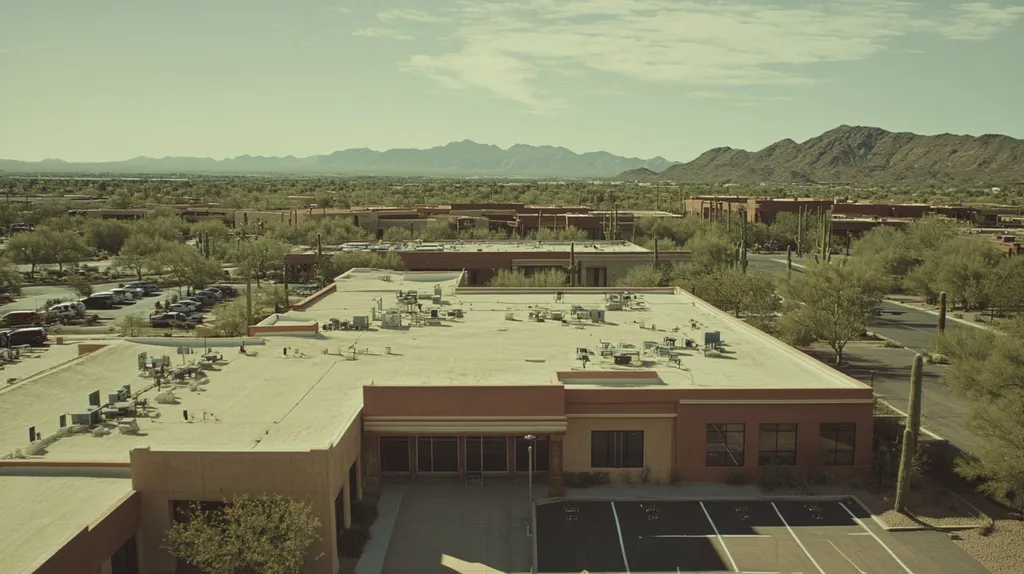
Neglecting the durability of commercial roof lighting systems can have serious financial repercussions. Studies show that 30% of facilities face premature equipment failure due to inadequate roofing practices. This section highlights the significant impact of neglect through compelling statistics, examines case studies that illustrate premature deterioration, and provides a detailed cost analysis comparing repairs to preventive measures.
Statistical Impact of Neglect
Research indicates that nearly 60% of commercial properties face issues stemming from roofing failures. This neglect not only creates safety hazards but can also disrupt everyday operations.
Facilities that shy away from durable materials often see unexpected repair costs averaging $2,500 annually. These statistics underscore the critical need to adopt robust lighting systems for rooftop applications.
Moreover, an industry study revealed that properties investing in high-quality roofing materials experienced 50% lower failure rates. This suggests that investing in durable solutions directly correlates with long-term savings.
Moving forward, decision-makers must understand the detrimental relationship between opting for cheaper materials and the higher costs they may incur down the line.
Case Studies on Premature Deterioration
A recent case study involving a large urban shopping center highlights the dangers of poor-quality roofing, resulting in severe lighting system failures after just five years. The property owners faced a staggering $100,000 replacement expense.
In another instance, a manufacturing facility’s decision to use subpar materials led to compromised structural integrity within three years, forcing an urgent shutdown that cost the company over $75,000 in lost production.
These examples illustrate that overlooking material quality can jeopardize not only lighting systems but also lead to significant financial ramifications.
Conversely, facilities that prioritized durable solutions reported fewer disruptions, demonstrating how quality investments yield operational stability and lower long-term costs.
Cost Analysis of Repairs vs. Prevention
The financial ramifications of poor roofing decisions reveal a critical trend: preventive measures are typically more cost-effective than repairs. Comprehensive analyses show that proactive maintenance can save facilities up to 40% in overall repair costs over time.
For example, the annual maintenance cost for a durable roofing system generally ranges from $500 to $1,000. However, emergency repairs due to negligence can soar to $10,000 or more.
This stark contrast emphasizes a vital point—initial investments in high-quality materials pay off substantially in the future.
Additionally, the lifespan of quality materials can exceed 25 years, while lower-end alternatives may only last about a decade. Therefore, optimizing spending at the outset leads to sustained savings and enhanced safety for all involved.
SECTION 6: ALTERNATIVE SOLUTIONS
As the demand for durable materials in commercial roof lighting systems grows, it is clear that traditional approaches are falling short. A recent study reveals that poorly designed lighting setups can drive energy costs up by as much as 25%. This urging reality calls for property owners to explore innovative alternatives that not only enhance system durability but also create energy efficiency. This section delves into various solutions that promise to elevate the performance and reliability of roof lighting installations.
Implementing Silicone Restoration Systems
Silicone restoration systems (SRS) represent a forward-thinking alternative to conventional roofing materials. These robust systems are crafted to extend the lifespan of existing roofs while offering exceptional waterproofing. By effectively shielding lighting installations from moisture and UV damage, SRS address common vulnerabilities seen in standard roofing methods.
The application of silicone is straightforward and minimally disruptive to daily operations. A simple silicone coating can significantly enhance a roof’s longevity and reduce long-term maintenance expenditures.
Moreover, SRS are inherently reflective, improving the efficiency of roof lighting systems by reducing heat absorption—a vital feature for cost-effective building management.
With sustainability increasingly at the forefront of building practices, silicone systems align seamlessly with green initiatives. Their combined durability and energy-efficient qualities position them as an excellent choice for long-term roofing strategies.
Using Reflective and Protective Coatings
Reflective and protective coatings play a crucial role in bolstering the durability and performance of commercial roof lighting systems. These coatings mitigate heat accumulation, directly contributing to lower cooling expenses. A reflective surface decreases energy consumption while creating a more pleasant indoor atmosphere.
These coatings also help mitigate the challenges of thermal expansion and contraction that typical roofing materials encounter. This added flexibility fortifies roof integrity, thereby prolonging the lifespan of lighting systems and minimizing repair needs.
In addition, protective coatings safeguard against harmful environmental elements, such as UV rays and moisture. This shield prevents the degradation of both roofing and lighting fixtures, ensuring their reliable performance over time.
Investing in such innovative coatings not only tackles durability hurdles but also enhances overall energy efficiency for the building, yielding significant long-term savings for facility managers.
Enhancing Skylight Design and Placement
When properly designed and placed, skylights can drastically improve natural lighting and reduce the need for artificial sources. A strategically positioned skylight has the potential to illuminate large areas, creating a bright indoor environment while lowering energy costs.
Advanced skylight designs incorporating glare control and passive solar techniques can enhance lighting quality significantly. These designs consider building orientation and local climate, optimizing the benefits of natural light.
To ensure longevity, high-quality, durable materials must be utilized in skylight construction. Innovations addressing common maintenance concerns, such as breakage and clouding, are becoming more widely available.
Ultimately, improving skylight design and placement not only delivers superior lighting conditions but also fosters a sustainable operational model. This approach can result in significant energy savings, aligning with the broader movement toward environmentally-conscious commercial properties.
Looking Ahead
The commercial roofing industry stands at a critical crossroads, with 40% of roof lighting systems failing prematurely due to outdated durability practices.
The evidence clearly demonstrates that continuing with conventional approaches costs facility owners millions in unnecessary repairs and compromised efficiency.
By embracing advanced materials like silicone restoration systems and reflective coatings, while implementing rigorous inspection protocols, properties can extend lighting system lifespans by up to 50%.
The path forward requires immediate action: investing in quality materials, adopting proactive maintenance strategies, and leveraging emerging coating technologies.
The stakes are clear – facilities that fail to modernize their roof lighting systems face mounting repair costs, decreased energy efficiency, and potential safety risks that will only intensify over time.
FREQUENTLY ASKED QUESTIONS
Q. What are current practices for commercial roof lighting systems?
A. Many practices prioritize speed over quality, putting systems at risk. Outdated materials and installation methods often lead to vulnerabilities, such as insufficient sealing and inadequate drainage. A comprehensive approach considering modern materials and site-specific assessments can greatly improve durability and performance.
Q. How do systemic issues affect industrial roof lighting systems?
A. Systemic issues like inadequate waterproofing and poor drainage can lead to severe damage. Many failures stem from neglecting these essentials during installation. Addressing these problems is crucial to securing the longevity of roof lighting solutions and avoiding costly repairs.
Q. Why is regular inspection important for commercial roofs?
A. Regular inspections help identify minor issues before they escalate into major failures. Many facilities ignore such maintenance, risking performance and safety. Proactive checks allow for timely repairs, ensuring that lighting systems operate efficiently and cost-effectively over time.
Q. What causes the lack of durability in commercial roof systems?
A. Lack of proactive maintenance, material aging, and insufficient quality control are key factors. Property owners often neglect routine checks, leading to system failures. Quality materials and trained personnel are essential to preventing premature deterioration and maintaining effective lighting systems.
Q. How can neglect impact commercial roof lighting costs?
A. Neglecting maintenance increases repair costs significantly, sometimes by up to 30%. Properties that fail to invest in durable materials face unexpected repair expenses and performance drops. Preventive measures are more cost-effective than repairs, highlighting the importance of proper upkeep.
Q. What alternative solutions can enhance commercial roof lighting systems?
A. Implementing silicone restoration systems and protective coatings can significantly enhance durability. These solutions reduce heat absorption and improve energy efficiency, providing a robust barrier against environmental damage. Additionally, better skylight designs can maximize natural light and lower energy costs.
Q. What signs indicate aging or degradation in lighting systems?
A. Common signs include diminished light output, flickering, and visible wear on fixtures. Additionally, frequent malfunctions can indicate that components are nearing the end of their lifespan. Regular assessments are vital for identifying these issues early and extending the life of your systems.






