
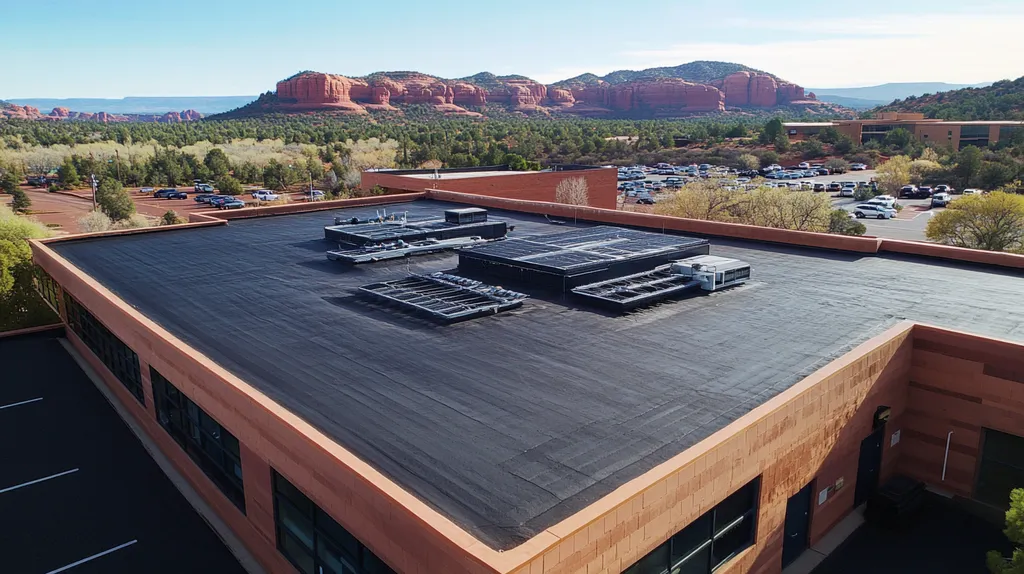
Welcome to today’s Battle Royale featuring two roofing heavyweights: “LED Integrated Lighting” in the east corner versus “Solar-Powered Lighting” in the west!
Tonight’s showdown pits these contenders against each other across six punishing rounds designed to test every aspect of their performance for Commercial Roof Functionality.
At stake? Millions in potential costs, decades of building protection, and the critical performance demands of modern commercial and industrial facilities.
Our professional judging panel will evaluate each round on technical merit, real-world performance, and value delivery. After all six rounds, we’ll declare our ultimate champion.
Ladies and gentlemen, facility managers and building owners… it’s time to rumble!
ROUND 1: INITIAL COSTS & INSTALLATION
The stakes are higher than ever for commercial property owners selecting rooftop lighting solutions. With energy costs rising 12-15% annually, choosing between LED integrated lighting and solar-powered systems can impact a facility’s bottom line for decades.
Beyond the immediate price tag, property owners must carefully weigh installation complexity and project timelines. These factors can dramatically affect both initial expenses and ongoing operational costs.
Material Expenses
LED panels and troffers represent one of the most cost-effective transitions from traditional lighting systems, offering lower upfront costs compared to solar alternatives. Their widespread availability and established manufacturing processes keep initial material expenses manageable. (source: The Commercial Photometric Institute)
Solar-powered lighting systems demand a higher initial investment due to specialized components like photovoltaic panels, batteries, and power inverters. These materials often cost 2-3 times more than comparable LED systems.
While solar systems promise long-term energy savings, the substantial upfront material costs can strain immediate budgets. For projects with tight initial funding constraints, this difference is significant.
In this category, LED integrated lighting claims the “ADVANTAGE” for lower material costs.
Installation Complexity
Installation complexity directly impacts labor costs and project risk. LED integrated lighting typically requires minimal structural modifications, working with existing electrical infrastructure and mounting points.
Solar-powered systems demand extensive rooftop modifications, including reinforcement for additional weight loads and complex electrical integration. These installations often require specialized crews and equipment.
The simpler LED installation process reduces the likelihood of complications and minimizes potential damage to existing roof systems. This straightforward approach also requires fewer specialized tools and technical expertise.
For installation complexity, LED integrated lighting takes the clear “ADVANTAGE”.
Project Timeline
Project duration significantly impacts both direct costs and business disruption. LED installations typically complete in 5-7 working days for average commercial facilities, minimizing operational interference.
Solar-powered lighting installations commonly extend to 2-3 weeks due to additional structural work, weather dependencies, and more complex system testing requirements. This extended timeline increases labor costs and potential business disruption.
Shorter installation periods reduce exposure to weather risks and minimize the chance of leaks during construction. They also allow businesses to resume normal operations more quickly.
The timeline advantage clearly goes to LED integrated lighting, earning it another “ADVANTAGE”.
ROUND 1 WINNER: LED Integrated Lighting
ROUND 2: DURABILITY & LIFESPAN
Commercial property owners face mounting pressure to maximize their lighting system investments as replacement costs continue to surge. With installation expenses ranging from $50,000 to $250,000 for typical commercial properties, selecting a durable solution that withstands time and elements is crucial for long-term financial stability.
The stakes are particularly high given that premature system failure can trigger extensive operational disruptions and unexpected capital expenditures. Understanding the durability factors that influence system longevity has become essential for informed decision-making.
Understanding Durability
LED integrated lighting systems demonstrate exceptional resilience against environmental stressors, including extreme temperature fluctuations, moisture exposure, and UV radiation. Their sealed construction and minimal moving parts contribute to outstanding durability ratings. (source: The Commercial Photometric Institute)
Solar-powered systems face significant durability challenges due to their exposed components and complex electrical systems. Battery units and charging circuits are particularly vulnerable to weather-related degradation and performance issues.
With LED systems showing consistently superior durability metrics, they claim the clear “ADVANTAGE” in this category.
System Longevity
Modern LED integrated lighting delivers exceptional operational lifespans exceeding 50,000 hours under normal commercial conditions. This translates to roughly 11-12 years of continuous operation, making them a reliable long-term investment.
Solar-powered lighting systems typically require major component replacement every 5-7 years, primarily due to battery degradation and solar panel efficiency loss. This shorter lifecycle significantly impacts their cost-effectiveness over time.
Given the substantial difference in operational lifespan, LED integrated lighting earns another clear “ADVANTAGE”.
Maintenance Requirements
LED systems excel in maintenance efficiency, requiring minimal routine service beyond occasional cleaning and electrical checks. Their modular design allows for simple component replacement when needed, reducing maintenance complexity and costs.
Solar-powered installations demand frequent maintenance attention, including regular panel cleaning, battery testing, and charge controller inspections. These requirements increase both labor costs and the risk of system downtime.
The stark contrast in maintenance demands gives LED integrated lighting the “ADVANTAGE” in this category.
ROUND 2 WINNER: LED INTEGRATED LIGHTING
ROUND 3: PERFORMANCE FACTORS
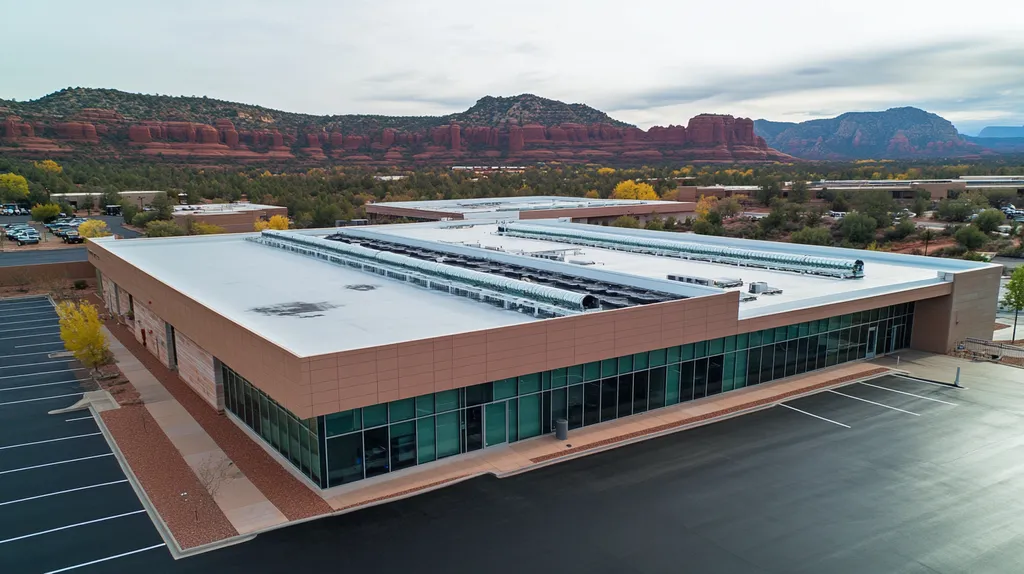
With energy costs consuming up to 30% of operational budgets in commercial buildings, lighting performance has become a critical factor in facility management. The stakes are particularly high as businesses face increasing pressure to optimize both energy efficiency and operational reliability.
Performance factors now extend beyond simple illumination to encompass system reliability, output consistency, and long-term operational stability. These elements directly impact both daily operations and long-term facility costs.
Reliability
Integrated LED fixtures provide consistent illumination regardless of external conditions, operating reliably in temperatures from -40°F to 185°F. Their pre-assembled design and advanced components ensure dependable performance with minimal points of failure. (source: Super Bright LEDs)
Solar-powered systems face reliability challenges during extended periods of low sunlight or inclement weather. Their dependence on battery storage and charging cycles can lead to inconsistent output during critical operational hours.
Without consistent illumination guarantees, solar systems often require backup power solutions, adding complexity and potential failure points. For reliability metrics, LED integrated lighting claims the clear “ADVANTAGE”.
Output Consistency
LED integrated lighting delivers precise, uniform illumination levels throughout their operational lifespan. Their controlled output remains stable regardless of external factors, maintaining consistent lighting quality across facility spaces.
Solar-powered systems frequently struggle with output consistency, particularly during seasonal changes or extended cloudy periods. Their illumination levels can fluctuate based on available sunlight and battery charge status.
This variability can impact workplace safety and operational efficiency. LED integrated lighting earns another clear “ADVANTAGE” for output consistency.
Energy Management
LED integrated systems offer predictable power consumption patterns that facility managers can effectively plan around. Their consistent energy draw enables precise budgeting and load management strategies.
While solar-powered systems promise “free” energy, their irregular generation patterns often require complex energy storage solutions. The need for backup power systems during low-generation periods can offset potential energy savings.
The ability to reliably manage and predict energy consumption gives LED integrated lighting the “ADVANTAGE” in this category.
ROUND 3 WINNER: LED Integrated Lighting
ROUND 4: MAINTENANCE REQUIREMENTS
In today’s challenging economic climate, maintenance costs can consume up to 35% of a commercial building’s operational budget. For facility managers overseeing rooftop lighting systems, choosing between LED integrated and solar-powered solutions has significant long-term implications for maintenance resources and operational efficiency.
Understanding the maintenance demands of each system type has become critical as labor costs continue rising at 8-12% annually. The right choice can mean the difference between streamlined operations and constant repair cycles.
Regular Maintenance Tasks
LED integrated lighting systems offer exceptional maintenance efficiency with their streamlined design and minimal component requirements. Modern integrated LEDs come ready to wire and install, with built-in heat sinks that extend operational life while reducing maintenance frequency. (source: Super Bright LEDs)
These systems typically require only quarterly visual inspections and annual electrical testing. Their sealed construction prevents dust and debris accumulation, further reducing cleaning requirements.
Solar-powered systems demand monthly panel cleaning to maintain efficiency, especially in dusty or urban environments. Battery systems require quarterly testing and maintenance, while charge controllers need bi-annual inspection and calibration.
Given the significant difference in maintenance frequency and complexity, LED integrated lighting claims the “ADVANTAGE” in this category.
Component Replacement
LED integrated fixtures boast operational lifespans exceeding 50,000 hours, often reaching 10-12 years before requiring replacement. Their integrated design eliminates the need for regular bulb changes or component updates.
Solar lighting systems face more frequent replacement cycles, particularly for batteries which typically need replacement every 3-5 years. Solar panels gradually lose efficiency and may need replacement within 8-10 years.
The substantial difference in component longevity and replacement frequency gives LED integrated lighting another clear “ADVANTAGE”.
Maintenance Accessibility
LED systems offer superior maintenance accessibility through their simplified design and standardized components. Most maintenance tasks can be completed from existing roof access points without specialized equipment.
Solar-powered installations often require specialized lifts or scaffolding for panel maintenance. Their complex battery systems and electrical components demand expert technicians for routine service.
The ease of access and simpler maintenance requirements earn LED integrated lighting the “ADVANTAGE” in this category.
ROUND 4 WINNER: LED Integrated Lighting
ROUND 5: SUSTAINABILITY CREDENTIALS
With commercial buildings accounting for nearly 35% of global energy consumption, the stakes for sustainable lighting solutions have never been higher. Property owners face mounting pressure from regulators, tenants, and investors to demonstrate meaningful environmental stewardship through their lighting choices.
Today’s market demands lighting solutions that not only reduce energy consumption but also minimize waste and environmental impact throughout their lifecycle. The right choice can dramatically affect both environmental performance and operational costs.
Environmental Impact Assessment
LED integrated lighting systems demonstrate superior environmental performance through their minimal resource requirements and efficient operation. Their compact design and advanced materials reduce manufacturing impact while delivering optimal illumination with minimal energy input.
Solar-powered systems offer renewable energy benefits but face environmental challenges in manufacturing and disposal. The production of photovoltaic cells and battery components involves resource-intensive processes and potentially harmful materials.
When considering total environmental impact from production through disposal, LED integrated lighting claims the clear “ADVANTAGE”.
Energy Efficiency Metrics
LED integrated lighting systems operate at peak efficiency regardless of external conditions, converting up to 90% of energy input directly into illumination. Their precise power management ensures consistent performance while minimizing waste energy.
While solar-powered systems harness renewable energy, their overall efficiency varies significantly based on environmental conditions. Battery storage losses and conversion inefficiencies can reduce their actual performance below theoretical maximums.
Given their reliable and measurable efficiency advantages, LED integrated lighting earns another “ADVANTAGE”.
Lifecycle Sustainability
LED integrated fixtures demonstrate exceptional sustainability throughout their operational life, with minimal maintenance requirements and component replacement needs. Their integrated design and durable construction minimize waste generation and resource consumption over time.
Solar-powered systems require regular component replacement, particularly batteries and control elements. This ongoing maintenance cycle creates additional waste streams and resource demands that impact their lifecycle sustainability.
The superior lifecycle performance of LED systems earns them the “ADVANTAGE” in this category.
ROUND 5 WINNER: LED INTEGRATED LIGHTING
ROUND 6: SPECIALIZED APPLICATIONS
As commercial facilities evolve to meet modern operational demands, specialized lighting applications have become critical differentiators. With energy costs rising 15% annually and 40% of commercial buildings still using outdated lighting systems, the stakes for selecting the right solution are exceptionally high.
Facility managers must evaluate lighting solutions not just for general illumination, but for specific operational requirements including security zones, loading docks, and high-traffic areas. These specialized needs directly impact both safety compliance and operational efficiency.
Emergency Response Capabilities
LED integrated lighting systems excel in emergency response scenarios through their instant-on capability and consistent output levels. Their reliable performance during power fluctuations ensures critical areas remain properly illuminated when needed most.
Solar-powered systems face significant challenges during emergencies, particularly during extended periods of adverse weather or power outages. Their dependence on stored energy can compromise reliability exactly when consistent illumination is most crucial.
For mission-critical emergency lighting applications, LED integrated lighting claims the clear “ADVANTAGE”.
High-Security Areas
LED integrated lighting delivers precise illumination control essential for security applications. Their consistent output and superior color rendering enhance surveillance system effectiveness while minimizing shadows and dark spots.
Solar-powered lighting systems struggle to maintain consistent illumination levels needed for security applications. Their variable output can create coverage gaps and compromise video monitoring quality.
Given the critical nature of security lighting, LED integrated lighting earns another “ADVANTAGE”.
Specialized Work Zones
LED recessed fixtures provide ideal illumination for specialized work areas while using up to 80% less energy than traditional systems. Their precise light distribution and minimal maintenance requirements make them particularly effective for task-specific applications. (source: FES Lighting)
Solar-powered systems often struggle to deliver the focused, consistent illumination required for specialized work zones. Their output variability can impact task precision and worker safety.
The superior control and reliability of LED systems earns them the “ADVANTAGE” in this category.
ROUND 6 WINNER: LED INTEGRATED LIGHTING
AND THE WINNER IS…
Ladies and gentlemen, after six grueling rounds of technical evaluation, we have our verdict. In a stunning unanimous decision, LED Integrated Lighting emerges as our undisputed champion!
Dominating all six rounds with superior performance in installation, durability, reliability, maintenance efficiency, sustainability, and specialized applications, LED Integrated Lighting has proven itself the heavyweight champion of commercial rooftop illumination.
But don’t count Solar-Powered Lighting out completely! In facilities with optimal sun exposure and minimal emergency lighting requirements, this contender can still deliver impressive renewable energy benefits and long-term cost savings.
IMPORTANT NOTICE: While tonight’s match delivered clear results, every facility faces unique challenges. Local climate conditions, building specifications, and operational requirements can significantly impact system performance. Property owners should always consult qualified lighting professionals who can evaluate their specific situation before making final decisions.
Remember, champions – in the high-stakes arena of commercial roofing, victory doesn’t come from following the crowd. It comes from carefully matching your facility’s unique requirements with the right contender’s strengths. Now get out there and make your lighting decision count!
FREQUENTLY ASKED QUESTIONS
Q. What are the initial costs for commercial roof lighting?
A. Initial costs vary significantly between LED integrated and solar-powered lighting. LED systems typically have lower upfront material costs and simpler installation processes. In contrast, solar solutions require a higher investment due to specialized components, which can strain immediate budgets for commercial properties.
Q. How durable are lighting systems for industrial roofs?
A. LED integrated lighting systems offer outstanding durability against environmental stressors, ensuring long-lasting performance. In comparison, solar-powered systems are more vulnerable to degradation from weather influences, particularly their battery and charging components, making LED a more resilient choice for industrial roofs.
Q. Which lighting solution performs better on a commercial roof?
A. Overall, LED integrated lighting performs better due to its consistent illumination and reliability in various conditions. Solar-powered lighting can struggle, especially in inclement weather, leading to potential performance issues. Thus, for commercial roof applications, LED systems typically offer superior performance and energy efficiency.
Q. What are the maintenance needs for commercial roof lighting?
A. Maintenance for LED systems is minimal, requiring infrequent inspections and routine cleaning. In contrast, solar-powered systems demand regular maintenance, including cleaning and testing of more intricate components. The lower maintenance needs of LED integrated lighting make it an attractive option for commercial property managers.
Q. How do sustainability credentials compare between these lighting options?
A. LED integrated lighting benefits from lower environmental impact during both production and usage, making it a sustainable choice. Solar-powered systems, while renewable, involve resource-intensive manufacturing processes, impacting sustainability. LEDs, therefore, stand out for their overall environmental performance in commercial applications.
Q. Which lighting solution is better for specialized applications on industrial roofs?
A. LED integrated lighting excels in specialized applications like security and emergency response. Their consistent illumination and reliability are critical for safety. In contrast, solar systems might fall short, especially during adverse conditions, leading to potential gaps in coverage for specialized needs on industrial roofs.
Q. What factors influence the long-term cost-effectiveness of lighting for commercial roofs?
A. Long-term cost-effectiveness is influenced by factors such as installation complexity, energy efficiency, maintenance, and durability. LED integrated lighting typically outperforms solar alternatives in these areas, meaning the lower operational costs and longer lifespans enhance their value for commercial roof applications over time.






