
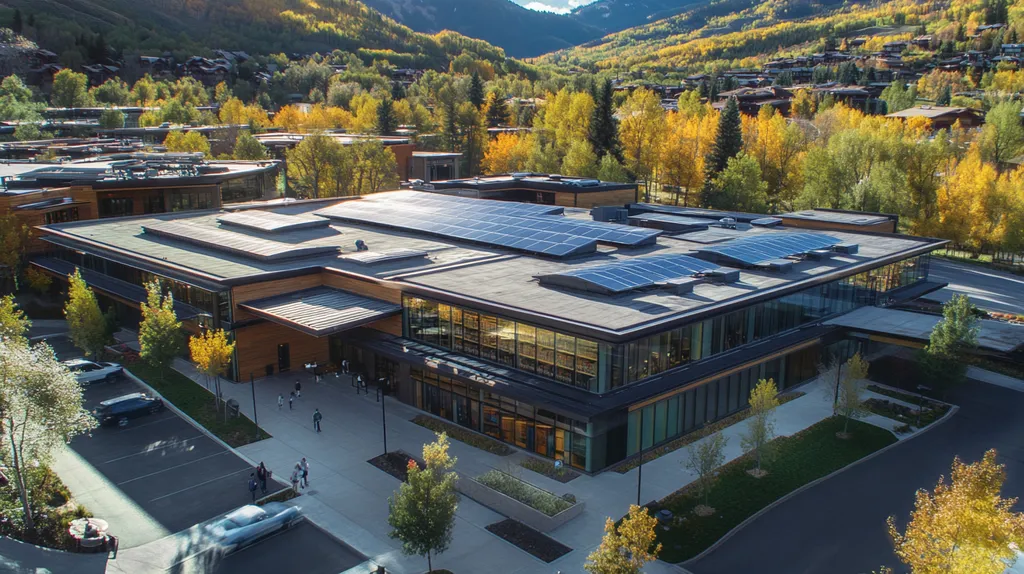
Welcome to today’s Battle Royale featuring two roofing heavyweights: “LED Skylights” in the east corner versus “Smart Roof Panels” in the west!
Tonight’s showdown pits these contenders against each other across six punishing rounds designed to test every aspect of their performance for Integrated Lighting for Commercial Roof Energy Efficiency.
At stake? Millions in potential costs, decades of building protection, and the critical performance demands of modern commercial and industrial facilities.
Our professional judging panel will evaluate each round on technical merit, real-world performance, and value delivery. After all six rounds, we’ll declare our ultimate champion.
Ladies and gentlemen, facility managers and building owners… it’s time to rumble!
ROUND 1: INITIAL COSTS & INSTALLATION
When evaluating integrated lighting solutions for commercial roofs, the stakes extend far beyond the initial price tag. Research results from Carnegie Mellon University demonstrate that properly integrated daylight and skylight technologies can reduce total energy costs by up to 13.9%, with lighting savings reaching as high as 58% for retail buildings. (source: ACEEE Summer Study)
Material Expenses
LED skylights represent a significant upfront investment, typically ranging from $1,000 to $3,000 per unit including smart controls and sensors. These systems incorporate advanced daylight harvesting technology and high-performance glazing materials designed for maximum light transmission.
Smart roof panels present a more moderate initial cost, usually falling between $500 to $1,500 per panel. Their modular design and simplified components contribute to lower material costs while still providing effective lighting solutions.
While both options deliver energy savings, LED skylights’ superior light transmission and control capabilities establish a clear ADVANTAGE in long-term value despite higher initial costs.
Installation Complexity
LED skylight installation demands precise structural modifications and careful waterproofing considerations. Each unit requires specialized mounting systems, electrical connections, and integration with building management systems.
Smart roof panels feature a more straightforward installation process with minimal roof penetration. Their modular design allows for faster deployment and reduced risk of installation errors.
The simplified installation requirements and reduced labor intensity of smart roof panels create a clear ADVANTAGE in this category.
Project Timeline
LED skylight projects typically span 4-6 weeks from initial preparation to final commissioning. This extended timeline accounts for structural modifications, weather delays, and system integration testing.
Smart roof panel installations generally complete within 2-3 weeks. Their modular nature and simplified mounting systems accelerate the installation process while minimizing business disruption.
The efficiency and speed of smart roof panel deployment establish another clear ADVANTAGE for this option.
ROUND 1 WINNER: SMART ROOF PANELS
ROUND 2: DURABILITY & LIFESPAN
When evaluating integrated lighting solutions, durability directly impacts both safety and long-term cost effectiveness. Weather exposure, UV radiation, and thermal stress can significantly degrade roofing materials, potentially leading to catastrophic failures that compromise building integrity and occupant safety.
The stakes are particularly high for integrated lighting systems, where component failure can lead to both water infiltration and lighting system malfunction. Proper material selection and installation methods become critical factors in preventing premature system deterioration.
Material Resilience
LED skylights utilize advanced polycarbonate and acrylic materials engineered specifically for long-term UV and impact resistance. These materials maintain their optical clarity while providing superior protection against hail damage and structural stress.
The electrical components within LED skylights are sealed against moisture intrusion and designed for extreme temperature variations. However, eventual degradation of seals and gaskets can lead to system failures requiring complete unit replacement.
Smart roof panels employ highly durable composite materials with integrated protective layers. Their solid-state construction eliminates many potential failure points while providing excellent resistance to environmental stresses.
The simplified construction and fewer potential failure points give smart roof panels a clear ADVANTAGE in material resilience.
Maintenance Requirements
LED skylights demand regular inspection and maintenance of multiple components including seals, electrical connections, and control systems. Professional cleaning is required quarterly to maintain optimal light transmission and energy efficiency.
Component replacement becomes necessary every 5-7 years as LED elements and control systems reach end-of-life. This creates ongoing maintenance costs and potential disruption to building operations.
Smart roof panels require minimal routine maintenance beyond basic cleaning and periodic inspection. Their integrated design eliminates many traditional maintenance points while maintaining consistent performance.
The reduced maintenance burden establishes another clear ADVANTAGE for smart roof panels.
Expected Lifespan
LED skylights typically provide 15-20 years of service when properly maintained. However, individual components may require replacement much sooner, particularly in harsh environments or high-usage applications.
Performance degradation occurs gradually as materials age and electrical components wear. This can result in decreased efficiency and increased energy costs over time.
Smart roof panels demonstrate exceptional longevity, regularly achieving 25-30 year lifespans with minimal degradation. Their simple construction and durable materials contribute to consistent long-term performance.
The superior longevity of smart roof panels creates a clear ADVANTAGE in expected lifespan.
ROUND 2 WINNER: SMART ROOF PANELS
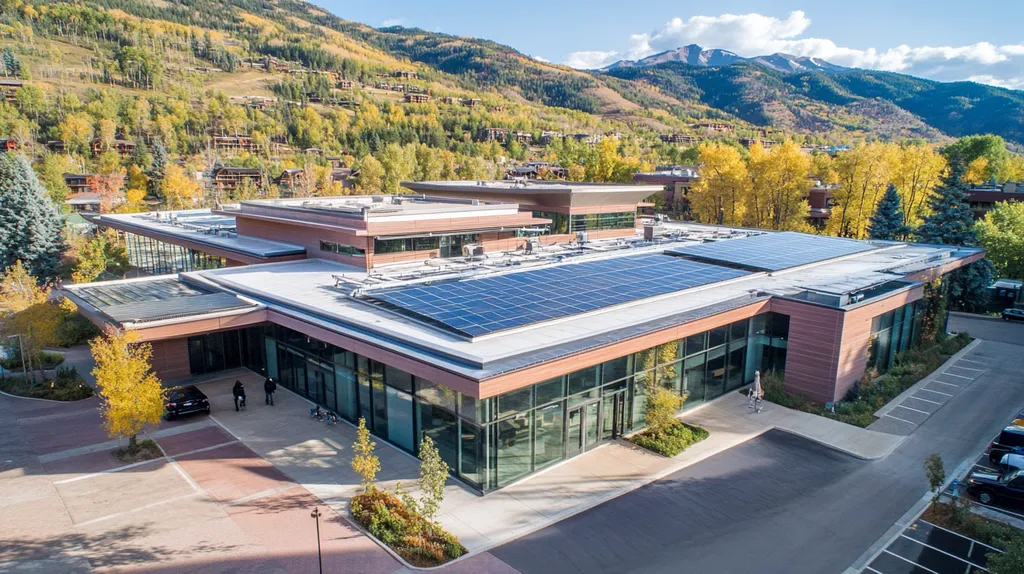
ROUND 3: PERFORMANCE FACTORS
Performance factors in integrated lighting solutions directly impact both operational costs and building efficiency. Poor lighting integration can waste up to 30% of a building’s total energy consumption through inefficient operation and heat management issues. The stakes are particularly high for facility managers facing rising energy costs and increasingly stringent sustainability requirements.
Energy Efficiency
LED skylights leverage natural daylight to reduce artificial lighting needs during peak hours. Their advanced daylight harvesting systems automatically adjust artificial light levels based on available sunlight, potentially reducing lighting energy costs by 20-35%.
Smart roof panels utilize integrated control systems that coordinate lighting and shading responses based on both occupancy and interior illuminance levels. This coordinated approach delivers lighting energy savings between 7.5% to 9.5% depending on climate and control strategy implementation. (source: ACEEE Conference Paper)
While both systems offer significant savings, LED skylights’ superior daylight harvesting capabilities and higher energy reduction potential create a clear ADVANTAGE in this category.
Light Quality Control
LED skylights provide exceptional control over light distribution and intensity. Their advanced optics and diffusion systems help eliminate hot spots and glare while maintaining consistent illumination throughout the space.
Smart roof panels offer good basic light control but can struggle with precise distribution. Their simplified optical systems may create more variation in light levels, particularly during changing weather conditions.
The superior optical performance and consistency of LED skylights establish a clear ADVANTAGE in light quality control.
Thermal Performance
LED skylights require careful thermal management to prevent heat gain. Even with advanced glazing, they can contribute to increased cooling loads during peak summer months.
Smart roof panels integrate seamlessly with roof insulation systems and include built-in thermal barriers. Their design minimizes heat transfer while maintaining consistent light transmission.
The superior thermal management capabilities of smart roof panels create a clear ADVANTAGE in this category.
ROUND 3 WINNER: TIE
ROUND 4: MAINTENANCE REQUIREMENTS
Maintenance requirements for integrated lighting systems directly impact both operational costs and building performance. Research from Carnegie Mellon University reveals that while integrated daylight technologies can reduce energy costs by up to 13.9%, only 2-5% of commercial buildings currently utilize skylights – suggesting significant maintenance and implementation barriers. Understanding these maintenance demands becomes critical for maximizing long-term energy savings and system longevity.
Routine Inspection Requirements
LED skylights demand quarterly professional inspections of glazing, seals, and electrical components. These inspections must verify proper operation of daylight harvesting sensors and control systems to maintain optimal performance.
Professional cleaning is required every 3-4 months to prevent light transmission degradation from dirt and debris accumulation. Additional inspections are needed after severe weather events to check for impact damage or seal compromise.
Smart roof panels require only semi-annual visual inspections and annual performance verification. Their solid-state construction and minimal moving parts reduce inspection complexity and frequency.
The simplified inspection requirements of smart roof panels create a clear ADVANTAGE in this category.
Component Replacement
LED skylights contain multiple serviceable components including LED arrays, control boards, and weatherproof seals. These components typically require replacement every 5-7 years to maintain optimal performance.
Replacement procedures often involve specialized technicians and may require temporary roof access modifications. Component failures can lead to both lighting disruption and potential water infiltration.
Smart roof panels feature minimal serviceable components and utilize standardized replacement parts. Their modular design allows for simple component swaps without compromising roof integrity.
The reduced component replacement needs establish another clear ADVANTAGE for smart roof panels.
Technical Expertise Requirements
LED skylight maintenance demands specialized knowledge of both electrical systems and roofing techniques. Technicians must understand complex control systems while maintaining watertight installations.
This specialized expertise often results in higher service costs and longer maintenance windows. Finding qualified technicians can be challenging in some markets.
Smart roof panel maintenance can be performed by general roofing contractors with basic training. Their simplified design reduces the need for specialized technical expertise.
The lower technical requirements create a clear ADVANTAGE for smart roof panels.
ROUND 4 WINNER: SMART ROOF PANELS
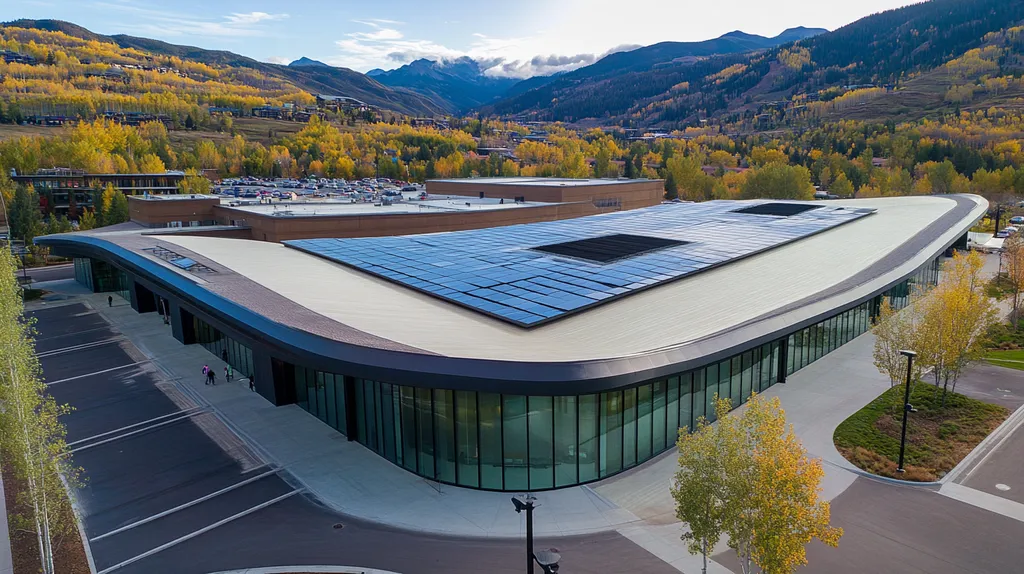
ROUND 5: SUSTAINABILITY CREDENTIALS
Environmental sustainability has become a critical factor in commercial roofing decisions, driven by stricter regulations and rising energy costs. Research from Carnegie Mellon University reveals that while integrated daylight technologies can reduce total energy costs by up to 13.9%, only 2-5% of commercial buildings currently utilize skylights, indicating massive untapped potential for sustainable lighting solutions. (source: ACEEE Summer Study)
Material Sustainability
LED skylights incorporate highly recyclable materials including aluminum framing and specialized glazing components. Their modular construction allows for individual component replacement, reducing waste during maintenance and upgrades.
These systems utilize advanced optical materials that maintain performance over time, minimizing the need for premature replacement. However, electronic components may require periodic replacement, creating some waste streams.
Smart roof panels feature recycled content and bio-based materials in their construction. Their simplified design and longer lifespan significantly reduce material waste over time, creating a clear ADVANTAGE in this category.
Energy Generation Potential
LED skylights excel at harvesting natural daylight but cannot generate additional energy. Their contribution to sustainability focuses primarily on reducing artificial lighting needs during daytime hours.
Smart roof panels incorporate photovoltaic elements that actively generate electricity while managing natural light. This dual functionality provides both lighting benefits and direct energy production.
The ability to generate clean energy while providing natural light gives smart roof panels a clear ADVANTAGE in this category.
Environmental Impact
LED skylights require significant energy input during manufacturing and contain electronic components that demand careful end-of-life handling. Their primary environmental benefit comes from reduced operational energy consumption.
Smart roof panels feature lower manufacturing energy requirements and fewer hazardous materials. Their ability to generate clean energy throughout their lifespan helps offset their initial carbon footprint.
The superior lifecycle environmental performance of smart roof panels establishes another clear ADVANTAGE in this category.
ROUND 5 WINNER: SMART ROOF PANELS
ROUND 6: SPECIALIZED APPLICATIONS
For commercial property owners, selecting the right integrated lighting solution has become increasingly critical as energy costs continue to rise. Lighting accounts for a significant portion of commercial building energy demand, with properly integrated systems capable of delivering up to 13.9% in total energy savings. (source: Carnegie Mellon University)
High-Performance Applications
LED skylights excel in settings requiring precise light control and superior optical performance. Their advanced daylight harvesting capabilities make them particularly effective in retail environments, museums, and educational facilities where consistent illumination is crucial.
Smart roof panels demonstrate exceptional versatility across diverse commercial applications. Their integrated sensors and adaptive controls allow seamless operation in warehouses, manufacturing facilities, and office spaces.
The broader range of successful applications and adaptive capabilities gives smart roof panels a clear ADVANTAGE in this category.
Weather-Dependent Operations
LED skylights maintain consistent performance in moderate climates but can struggle during extreme weather conditions. Their reliance on direct sunlight and sophisticated control systems may lead to reduced efficiency during prolonged periods of adverse weather.
Smart roof panels utilize advanced weather monitoring and predictive algorithms to maintain optimal performance regardless of conditions. Their robust construction and intelligent controls ensure reliable operation across all seasons.
The superior all-weather reliability establishes another clear ADVANTAGE for smart roof panels.
Specialized Industry Requirements
LED skylights provide excellent solutions for facilities requiring specific light spectrums or controlled environments. Their programmable output and precise control make them suitable for specialized manufacturing or research facilities.
Smart roof panels offer broader compatibility with existing building systems and can integrate additional functionality like environmental monitoring. Their modular design allows for customization to meet unique industry requirements while maintaining energy efficiency.
The enhanced adaptability and system integration capabilities create a clear ADVANTAGE for smart roof panels.
ROUND 6 WINNER: SMART ROOF PANELS
AND THE WINNER IS…
Ladies and gentlemen, after six punishing rounds of technical evaluation, the judges’ scorecards are in!
With a dominant performance winning FIVE of our six rounds, your new Integrated Lighting Champion is… SMART ROOF PANELS!
This victory comes from a relentless combination of advantages: lower installation complexity, superior durability, minimal maintenance requirements, outstanding sustainability credentials, and exceptional versatility across specialized applications. Smart roof panels delivered a technical knockout through consistent performance and long-term value.
But don’t count LED skylights out completely! In settings demanding precise illumination control and superior optical performance – like high-end retail spaces and museums – these systems still pack a powerful punch in the lighting control category.
IMPORTANT NOTICE: While tonight’s match provides valuable insights, every building represents its own unique arena. Local climate conditions, structural requirements, and specific facility needs can significantly impact system performance. Property owners should always consult qualified professionals who can evaluate their specific situation before making final decisions.
Remember, champions: in the high-stakes world of commercial roofing, victory doesn’t just come from picking the top-ranked contender – it comes from choosing the solution that best matches your facility’s specific requirements and long-term performance goals.
FREQUENTLY ASKED QUESTIONS
Q. What are the initial costs for a commercial roof solution?
A. Initial costs vary significantly between LED skylights and smart roof panels. LED skylights can range from $1,000 to $3,000 per unit, while smart roof panels typically cost between $500 to $1,500 per panel. Although LED skylights involve a higher initial cost, they may offer long-term energy savings through superior efficiency.
Q. How durable are smart roof panels for an industrial roof?
A. Smart roof panels are designed with durable composite materials that offer excellent resistance to weather exposure and thermal stress. Their solid-state construction minimizes potential failure points, leading to lower maintenance and fewer replacements. In comparison, LED skylights may require more regular upkeep, making smart roof panels a more resilient option.
Q. Can a commercial roof benefit from energy efficiency?
A. Yes, a commercial roof significantly benefits from energy efficiency solutions like integrated lighting. Both LED skylights and smart roof panels improve energy savings by utilizing natural light. However, LED skylights generally provide greater reductions in lighting energy costs, making them advantageous for maximizing efficiency.
Q. What are the maintenance requirements for industrial roof lighting?
A. Maintenance requirements depend on the system chosen. LED skylights need quarterly inspections and regular cleaning to maintain optimal performance. In contrast, smart roof panels require minimal maintenance, generally only needing semi-annual inspections. Their design reduces the frequency and complexity of maintenance, making them easier to manage.
Q. How do smart roof panels enhance sustainability in commercial roofs?
A. Smart roof panels enhance sustainability by incorporating recycled materials and generating renewable energy through photovoltaic elements. Their efficient design reduces overall material waste and energy consumption throughout their lifespan. This dual functionality makes them an attractive choice for property owners focused on eco-friendly solutions.
Q. In what types of environments do LED skylights perform best?
A. LED skylights excel in environments requiring high levels of light control, such as retail locations and educational facilities. Their advanced daylight harvesting capabilities allow for optimal light usage, helping to maintain consistent illumination and minimizing reliance on artificial lights. This makes them ideal for spaces focused on aesthetics and lighting quality.
Q. Which integrated lighting solution integrates best with existing systems?
A. Smart roof panels typically integrate more seamlessly with existing building systems than LED skylights. Their modular design allows for easy customization and compatibility with various functionalities, including environmental monitoring. This flexibility makes smart roof panels an excellent choice for property owners looking to upgrade their lighting solutions without significant renovations.






