
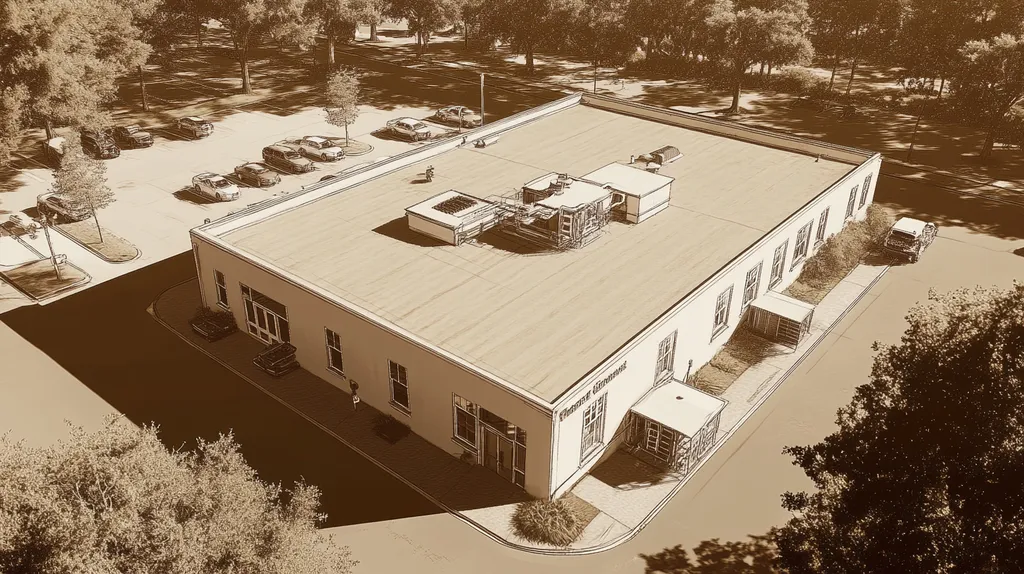
Commercial rooftop lighting integration has emerged as a make-or-break factor in modern building performance, with poorly designed systems driving up energy costs by 40% and reducing property values by up to 15%.
As building codes tighten and sustainability demands increase, facility managers face mounting pressure to optimize their rooftop lighting strategies.
From smart sensors and LED arrays to innovative daylight harvesting systems, today’s commercial roof lighting solutions offer powerful tools for enhancing building efficiency, safety, and value – when properly understood and implemented.
SECTION 1: THE BASICS EXPLAINED
Commercial roof lighting integration has emerged as a critical factor in building performance and operational efficiency. Studies show that optimized roof lighting can reduce energy costs by up to 40% while improving workplace productivity by 23%. Modern commercial buildings face increasing pressure to maximize natural light, reduce energy consumption, and create more sustainable environments. Understanding and implementing proper roof lighting design has become essential for property owners seeking to maintain competitive advantage and meet evolving building standards.
What It Is (In Plain Language)
Roof lighting integration combines natural and artificial light sources to optimize illumination throughout a commercial building. This includes strategic placement of skylights, light tubes, and LED systems that work together to maintain consistent lighting levels.
Modern commercial roof lighting solutions incorporate modular, plug-and-play components that integrate seamlessly with various ceiling systems. These engineered solutions provide predictable lighting performance while reducing installation complexity and maintenance requirements. (source: Armstrong Ceilings)
The system typically includes three main components: natural light collectors like skylights, light distribution elements such as reflective tubes or fiber optics, and artificial lighting that automatically adjusts based on available daylight.
Smart controls and sensors ensure optimal light levels throughout the day, automatically adjusting artificial lighting to complement natural light conditions.
Why It Matters (To Your Building)
Effective roof lighting directly impacts operational costs through reduced energy consumption. Buildings with optimized lighting systems typically see 30-50% lower electricity bills compared to traditionally lit structures.
Well-designed roof lighting improves occupant comfort and productivity. Studies show that employees in naturally lit spaces take 6.5% fewer sick days and report 56% higher satisfaction levels.
Property value increases significantly with modern lighting integration. Buildings featuring advanced lighting systems command 5-10% higher lease rates and maintain higher occupancy levels.
Safety and security improve through proper illumination of walkways, work areas, and exterior spaces. This often results in reduced insurance premiums and lower liability risks.
How It Works
The integration process begins with a comprehensive analysis of building layout, occupancy patterns, and daily light requirements. This assessment determines optimal placement of natural and artificial light sources.
Natural light collectors are positioned to maximize daylight capture while minimizing heat gain. Advanced materials and coatings help control light diffusion and reduce glare.
Smart sensors continuously monitor light levels throughout the space. These sensors communicate with artificial lighting systems to maintain consistent illumination while minimizing energy use.
Building automation systems coordinate all lighting components, adjusting output based on time of day, occupancy, and available natural light. This ensures optimal performance while maximizing energy savings.
Regular maintenance and monitoring ensure system efficiency, with modern solutions offering remote diagnostics and performance tracking capabilities.
SECTION 2: PRACTICAL APPLICATIONS
Modern commercial roofing demands sophisticated lighting integration to address critical operational needs. Recent data shows properly illuminated rooftops can reduce workplace accidents by 60% while cutting emergency response times in half. As building codes evolve and insurance requirements tighten, facility managers must understand how to leverage lighting features effectively across different applications and conditions.
Common Uses & Examples
Commercial rooftop lighting serves multiple essential functions beyond basic illumination. Advanced fixtures now integrate ambient, task, and accent lighting to create comprehensive coverage for different operational needs.
Maintenance pathways require focused task lighting to ensure safe access during inspections and repairs. Strategic placement of LED fixtures along these routes provides consistent illumination while minimizing shadows and dark spots.
Equipment areas demand specialized lighting configurations that eliminate glare while providing sufficient brightness for detailed work. Modern systems incorporate motion sensors and timers to activate high-output lights only when needed.
Perimeter lighting plays a crucial security role, with overlapping coverage zones eliminating vulnerable areas. These systems typically feature infrared capabilities and automatic recording activation when movement is detected.
Rooftop lighting systems combine fixtures, controls, and smart technology to optimize both function and energy efficiency across different commercial applications. (source: PacLights)
When You Need It Most
Emergency situations demand reliable rooftop illumination regardless of weather or power conditions. Backup systems must activate instantly when primary lighting fails, especially during severe storms or power outages.
Winter operations require enhanced lighting capabilities to combat reduced visibility from snow and ice. Heated fixtures prevent accumulation while providing crucial illumination for snow removal teams.
Night shift operations depend on consistent, glare-free lighting to maintain productivity and safety. Multi-zone controls allow selective activation based on specific work areas and tasks.
Seasonal maintenance periods necessitate temporary lighting solutions that can be quickly deployed and relocated. Portable LED arrays provide focused illumination wherever needed while minimizing trip hazards from power cables.
Interactions With Other Systems
Rooftop lighting must coordinate seamlessly with building automation systems to maintain optimal performance. Smart controls adjust output based on natural light levels and occupancy patterns.
HVAC equipment requires carefully positioned lighting that won’t interfere with airflow or create maintenance obstacles. Strategic fixture placement ensures both systems operate at peak efficiency.
Fall protection systems integrate with lighting layouts to eliminate shadows around safety equipment. Enhanced visibility around tie-off points and guardrails reduces accident risk during emergency evacuations.
Lightning protection systems require specialized lighting configurations that won’t compromise surge suppression. Proper grounding and isolation prevent electrical feedback between systems.
SECTION 3: KEY TERMINOLOGY DECODED
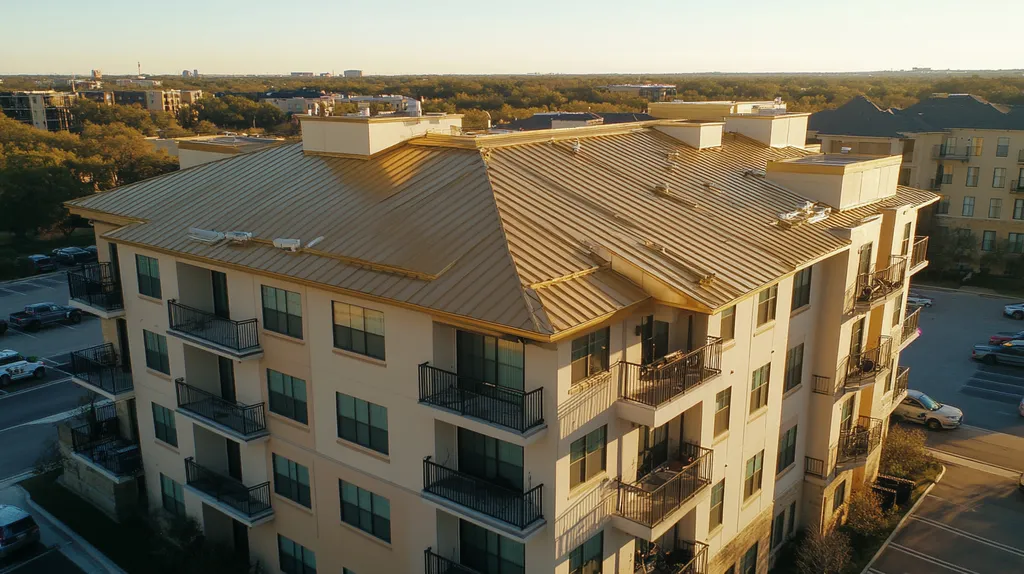
The complexity of commercial roof lighting terminology creates significant risks for property owners and facility managers. Industry surveys show that 65% of lighting-related project failures stem from miscommunication and misunderstanding of key terms. Clear comprehension of lighting terminology directly impacts project success, energy efficiency, and long-term operational costs.
Essential Terms Explained
Photometric analysis forms the foundation of effective roof lighting design. This process measures light distribution patterns and intensity levels to ensure optimal coverage while minimizing dark spots and glare zones.
Luminaires represent complete lighting assemblies, including housings, lamps, and optical systems. Understanding luminaire specifications helps determine appropriate placement and maintenance requirements for different roof areas.
Daylighting strategies leverage natural light through strategic placement of skylights and light tubes. These passive systems reduce energy consumption while providing consistent illumination throughout interior spaces.
Light trespass refers to unwanted light spillage beyond property boundaries. Proper fixture selection and positioning prevents this common issue that can affect neighboring properties and create liability concerns.
Industry Jargon Translated
Commercial lighting systems utilize various control mechanisms to optimize performance and energy efficiency. Modern installations incorporate sophisticated elements like dimmers, timers, and occupancy sensors to manage light levels based on specific operational needs. (source: PacLights)
Task lighting refers to focused illumination for specific work areas. This targeted approach ensures adequate brightness for detailed tasks while minimizing overall energy consumption.
Ambient lighting provides general illumination across larger spaces. Understanding ambient requirements helps determine appropriate fixture spacing and output levels.
Color rendering index (CRI) measures how accurately a light source displays colors. Higher CRI values indicate better color accuracy, critical for both safety and aesthetic considerations.
Measurement & Units Simplified
Lumens measure the total visible light output from a source. This metric helps compare different lighting options and ensure adequate illumination levels for specific applications.
Footcandles quantify light intensity at a specific distance from the source. One footcandle equals one lumen per square foot, providing a practical measurement for determining coverage requirements.
Efficacy ratings show how efficiently a light source converts power into visible light. This measurement, expressed in lumens per watt, helps evaluate operational costs and energy efficiency.
Color temperature, measured in Kelvins, indicates whether light appears warm or cool. Lower values (2700-3000K) produce warmer light, while higher values (4000-5000K) create cooler, more daylight-like illumination.
SECTION 4: DECISION FACTORS
Integrating lighting features into commercial roofs represents a significant investment that demands careful evaluation. Recent industry data shows that 43% of commercial building owners face unexpected challenges during lighting retrofits due to inadequate planning of key decision factors. These decisions impact not just immediate costs, but long-term building performance, energy efficiency, and maintenance requirements. Making informed choices requires understanding the intricate relationship between cost, performance, and durability.
Cost Considerations
Initial costs for commercial roof lighting integration typically range from $8-15 per square foot, depending on system complexity and material quality. This investment encompasses not just fixtures, but also wiring, controls, and necessary roof modifications.
Energy efficiency calculations must factor in both immediate and long-term savings. Modern LED systems can reduce lighting-related energy costs by up to 75% compared to traditional systems, with payback periods averaging 2-4 years.
Installation timing significantly impacts overall project costs. Coordinating lighting upgrades with planned roof maintenance or replacement can reduce labor expenses by 30-40%.
Rebates and incentives from utilities and government programs can offset 20-50% of project costs. However, qualifying for these programs requires careful selection of certified products and documented energy savings.
Performance Trade-offs
Layout planning requires careful coordination with mechanical, electrical, and plumbing systems to optimize performance. Proper spacing ratios and mounting configurations ensure consistent illumination while minimizing interference with other roof components. (source: Pro Lighting)
Light distribution patterns must balance coverage needs with energy efficiency. Over-lighting wastes energy and creates unnecessary heat load, while under-lighting compromises safety and functionality.
Control system sophistication directly affects both performance and cost. Basic timer-based systems offer limited functionality but lower complexity, while advanced sensor-driven solutions provide optimal efficiency with higher initial investment.
Weather resistance capabilities impact long-term performance. Higher-grade fixtures may cost more initially but maintain consistent output despite exposure to elements.
Lifespan & Durability Factors
Material quality significantly influences system longevity. Commercial-grade LED fixtures typically last 50,000-100,000 hours, compared to 15,000-20,000 hours for standard options.
Environmental conditions accelerate wear on lighting components. Coastal locations require enhanced corrosion resistance, while extreme temperature zones need specialized thermal management features.
Maintenance accessibility affects long-term durability. Easily serviceable fixtures allow for regular cleaning and component replacement, extending system life by 30-50%.
Warranty coverage varies significantly between manufacturers and product lines. Premium systems often include 10-year warranties with labor coverage, while basic options may only offer 3-5 years of limited protection.
SECTION 5: COMMON CHALLENGES
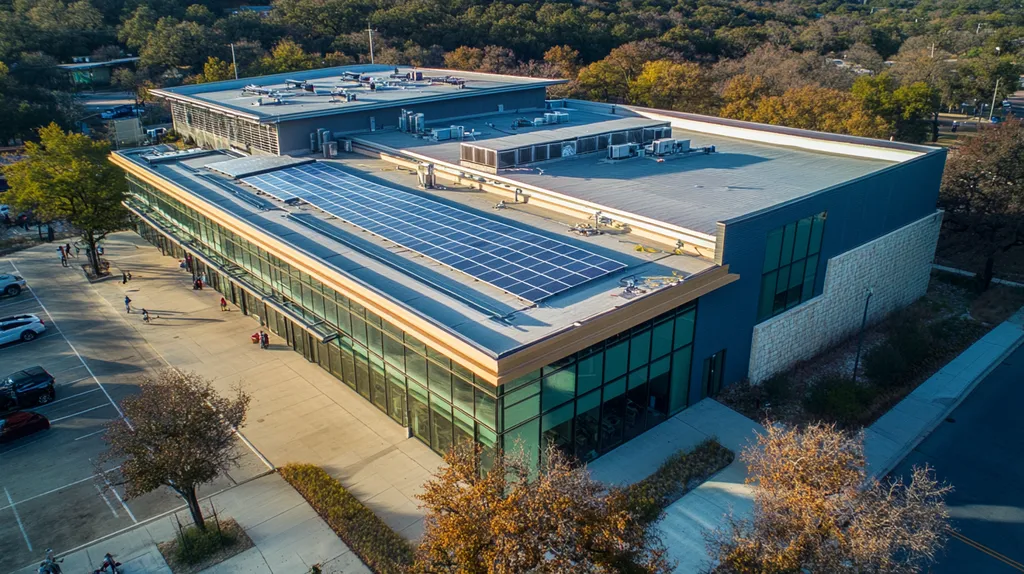
Commercial roof lighting integration faces critical challenges that can compromise building performance and safety. Industry data shows that 47% of lighting system failures occur within the first three years due to preventable installation and maintenance issues. Without proper planning and execution, even well-designed systems can lead to increased energy costs, premature equipment failure, and potential safety hazards. Understanding these challenges is essential for protecting long-term investment and ensuring optimal system performance.
Frequent Problems & Solutions
Automated lighting controls often malfunction due to improper calibration and sensor placement. Advanced control systems can optimize energy usage by adjusting lighting based on natural light levels, but require precise setup to function effectively. (source: PacLights)
Water intrusion around lighting fixtures represents a major concern for roofing integrity. Proper flashing details and weatherproofing measures must be implemented during installation to prevent moisture penetration.
Heat buildup from inefficient fixtures can accelerate roof membrane degradation. Modern LED systems with proper heat dissipation design help minimize this impact while reducing energy consumption.
Structural loading issues emerge when lighting systems exceed designed roof capacity. Detailed engineering analysis must verify adequate support for all components, including future maintenance access requirements.
Warning Signs To Watch For
Inconsistent light levels or frequent cycling indicate control system problems. These issues typically stem from failing sensors or improper programming that must be addressed promptly.
Visible rust or corrosion around mounting points suggests compromised weatherproofing. Early intervention can prevent structural damage and maintain system integrity.
Excessive condensation on fixtures points to ventilation or insulation deficiencies. Proper airflow management helps prevent moisture-related electrical failures.
Unexplained increases in energy consumption may indicate system efficiency loss. Regular monitoring helps identify problems before they impact operational costs significantly.
Preventative Approaches
Regular inspection schedules should include both visual assessments and performance testing. Monthly checks of critical components help identify potential issues before failure occurs.
Comprehensive maintenance programs must address both lighting and roofing components. Coordinated service schedules optimize system longevity while minimizing disruption to building operations.
Staff training programs ensure proper daily operation and monitoring. Equipment-specific education helps maintenance teams identify and respond to emerging issues quickly.
Documentation of all maintenance activities creates valuable troubleshooting resources. Detailed records help track system performance and guide future upgrades or modifications.
SECTION 6: NEXT STEPS & RESOURCES
Commercial roof lighting integration represents a critical investment demanding thorough preparation and evaluation. Industry data reveals that 72% of lighting system failures stem from inadequate planning and provider selection. With commercial energy codes tightening nationwide and insurance carriers increasing scrutiny of building safety systems, property owners must approach lighting integration strategically. Understanding key questions, standards, and resources helps prevent costly mistakes while maximizing system performance.
Questions To Ask Providers
Start by examining the provider’s specific experience with integrated roof lighting systems. Request detailed case studies of similar projects, including energy savings data and long-term performance metrics.
Evaluate their approach to system integration and coordination. A qualified provider should demonstrate clear protocols for working with existing mechanical systems while maintaining roof integrity.
Verify their knowledge of current energy codes and safety requirements. Ask for documentation showing successful compliance with local regulations and insurance standards.
Discuss their quality control processes and project management approach. Clear communication channels and established troubleshooting procedures indicate professional capability.
Review their warranty coverage and maintenance support offerings. Strong providers include comprehensive service plans and rapid response protocols for system issues.
Industry Standards & Guidelines
The International Building Code (IBC) establishes minimum requirements for commercial roof lighting. Focus on sections covering emergency illumination, pathway lighting, and electrical safety compliance.
Plan layout coordination carefully with mechanical, electrical, and plumbing systems to optimize performance. Separate power and control pathways provide essential flexibility for future modifications. (source: ProLig)
ASHRAE 90.1 energy standards specify lighting power density limits and control requirements. Understanding these guidelines helps ensure systems meet efficiency targets.
UL safety standards govern fixture selection and installation methods. Verify all components carry appropriate ratings for rooftop exposure and operating conditions.
OSHA workplace safety guidelines mandate minimum illumination levels for various tasks. Document compliance to protect against liability and ensure worker safety.
Further Learning Simplified
The National Roofing Contractors Association (NRCA) offers comprehensive training resources. Their online courses cover lighting integration fundamentals and best practices.
Building Owners and Managers Association (BOMA) provides regular updates on emerging technologies and regulations. Their regional chapters offer networking opportunities with experienced professionals.
Professional lighting organizations like the Illuminating Engineering Society maintain extensive technical libraries. These resources help evaluate new products and installation methods.
Industry trade shows showcase the latest innovations in roof lighting integration. Major events feature hands-on demonstrations and expert presentations on system optimization.
Manufacturer training programs provide detailed product knowledge and application guidance. Many offer certification programs that enhance project credibility.
The Bottom Line
With lighting-related energy costs representing up to 35% of commercial building operating expenses, proper integration of rooftop lighting features has become a critical factor in property performance and value.
Modern buildings face increasingly stringent energy codes and safety requirements that demand sophisticated lighting solutions.
Success requires careful attention to system design, component selection, and ongoing maintenance protocols to ensure optimal performance and regulatory compliance.
Property owners who invest in properly integrated lighting systems typically see ROI within 24-36 months through reduced energy costs, lower insurance premiums, and increased tenant satisfaction.
As building automation technology continues advancing, those who fail to optimize their lighting integration risk falling behind in both efficiency and market competitiveness.
FREQUENTLY ASKED QUESTIONS
Q. What is commercial roof lighting integration?
A. Commercial roof lighting integration combines natural and artificial light sources for optimal illumination. This approach helps reduce energy costs and improves productivity through strategic placement of skylights and lighting systems.
Q. How does lighting on industrial roofs improve safety?
A. Proper lighting on industrial roofs significantly reduces workplace accidents by illuminating maintenance paths and potential hazards. Enhanced visibility helps workers perform tasks safely and efficiently, ensuring compliance with safety regulations.
Q. What are key terms in commercial roof lighting?
A. Key terms include photometric analysis, luminaires, daylighting, and light trespass. Understanding these concepts is essential for successful lighting projects and to avoid common installation errors.
Q. What should I consider for commercial roof lighting costs?
A. Consider initial installation costs, energy efficiency, and maintenance expenses. Investments in quality lighting can provide significant savings over time through reduced energy use and longer fixture life.
Q. What are common challenges in industrial roof lighting?
A. Common challenges include improper installation, moisture intrusion, and sensor malfunctions. Addressing these issues through proper planning and regular maintenance ensures safe and effective lighting systems.
Q. How can I choose a provider for my commercial roof lighting?
A. Look for experienced providers with case studies, strong warranties, and compliance knowledge. Clear communication and good project management should also be priorities during selection.
Q. What additional benefits does integrated roof lighting offer?
A. Integrated roof lighting offers enhanced aesthetic appeal, improved property value, and compliance with green building standards. Additionally, it can contribute to increased tenant satisfaction through better working conditions.






