
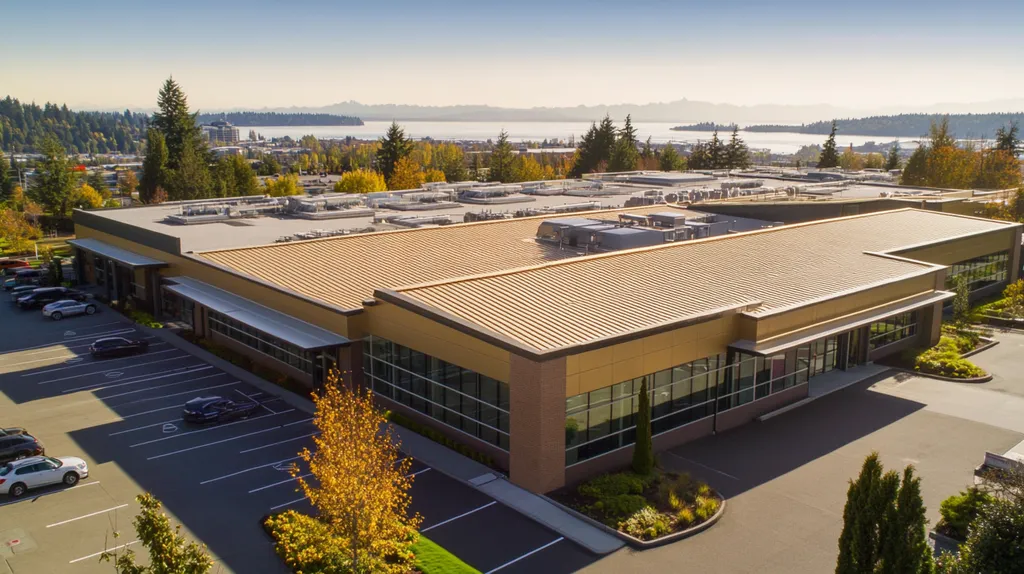
Welcome to today’s Battle Royale featuring two roofing heavyweights: “Photovoltaic Integrated Roofs” in the east corner versus “LED Roof Lighting” in the west!
Tonight’s showdown pits these contenders against each other across six punishing rounds designed to test every aspect of their performance for Commercial Roof Design.
At stake? Millions in potential costs, decades of building protection, and the critical performance demands of modern commercial and industrial facilities.
Our professional judging panel will evaluate each round on technical merit, real-world performance, and value delivery. After all six rounds, we’ll declare our ultimate champion.
Ladies and gentlemen, facility managers and building owners… it’s time to rumble!
ROUND 1: INITIAL COSTS & INSTALLATION
When investing in commercial roofing solutions, the choice between photovoltaic integrated systems and LED lighting impacts not just immediate budgets but long-term operational success. A miscalculation in initial planning can lead to cost overruns of 20-30% and installation delays that disrupt business operations for weeks. Understanding the true costs, complexities, and timelines of each option becomes crucial for making an informed decision that aligns with both immediate needs and future goals.
Material Expenses
The initial investment in roofing materials represents a significant portion of any commercial project’s budget. Photovoltaic integrated roofs typically cost between $15-25 per square foot for materials alone, with additional expenses for specialized mounting systems and electrical components.
LED roof lighting systems require specialized components like high-quality heat sinks and driver chips to handle higher operational demands, contributing to higher initial costs compared to basic lighting systems. Commercial LED fixtures typically range from $4-10 per square foot, including necessary mounting hardware and wiring. (source: Hykolity LED Lighting News)
When comparing total material costs, LED roof lighting demonstrates an ADVANTAGE due to lower upfront investment requirements and simpler component needs.
Installation Complexity
Photovoltaic integrated roofs demand specialized installation expertise and often require structural modifications to support the additional weight. The process involves careful coordination between roofing contractors, electricians, and solar specialists.
LED roof lighting installation follows more standardized procedures that most commercial electrical contractors can handle efficiently. The process typically requires minimal structural modifications and can often utilize existing electrical infrastructure.
With its straightforward installation requirements and broader contractor availability, LED roof lighting claims the ADVANTAGE in this category.
Project Timeline
A typical photovoltaic integrated roof installation requires 2-4 weeks for completion, depending on system size and complexity. This timeline includes necessary inspections, permitting processes, and weather-dependent installation phases.
LED roof lighting projects generally complete within 5-10 business days, minimizing operational disruption. The shorter timeline results from simpler installation procedures and fewer regulatory requirements.
Given the significant difference in completion times, LED roof lighting earns another clear ADVANTAGE.
ROUND 1 WINNER: LED Roof Lighting
ROUND 2: DURABILITY & LIFESPAN
Commercial roofing decisions have long-lasting implications, with durability directly impacting facility operations and maintenance budgets. Poor material choices or improper installations can reduce expected lifespans by 40-50%, leading to premature replacements that can cost facilities hundreds of thousands in unplanned expenses. Understanding the durability differences between photovoltaic and LED systems is crucial for making informed, cost-effective decisions.
Weather Resistance
Photovoltaic integrated roofs employ advanced weather-resistant materials specifically engineered to withstand decades of exposure. These systems typically feature reinforced mounting points and specialized sealants that maintain integrity even under extreme conditions.
The robust design of these systems includes redundant waterproofing layers and impact-resistant surfaces. Most premium installations carry 25-30 year warranties, reflecting manufacturer confidence in long-term performance.
LED roof lighting systems utilize weather-sealed housings and corrosion-resistant materials rated for outdoor use. Standard LED fixtures operate reliably across temperatures from -40°F to 140°F, with specialized voltage ranges from 120-480V depending on the application. (source: The Ultimate 2025 Guide to Commercial LED Lighting)
While both options demonstrate strong weather resistance, photovoltaic systems show an ADVANTAGE due to their more comprehensive protective features.
Maintenance Requirements
Photovoltaic systems require scheduled inspections of panels, mounting hardware, and electrical connections. Regular cleaning maintains optimal energy production, while component checks prevent moisture infiltration.
Most maintenance tasks can be performed without disrupting operations, though specialized expertise is needed for electrical repairs. The integrated nature of these systems means repairs must carefully consider both power generation and waterproofing functions.
LED lighting demands minimal routine maintenance beyond occasional cleaning and electrical testing. Components are typically modular, allowing quick replacement of individual fixtures without affecting the entire system.
With lower maintenance complexity and fewer specialized service requirements, LED systems claim the ADVANTAGE in this category.
Long-term Performance
Photovoltaic integrated roofs maintain consistent energy production for 25+ years, with panel efficiency declining only 0.5-1% annually. The dual-purpose nature of these systems provides both weather protection and power generation throughout their lifespan.
Modern photovoltaic materials resist degradation from UV exposure and temperature cycling. Even after two decades, most systems retain 80% or more of their original power output while maintaining full weather protection.
LED roof lighting systems typically last 15-20 years before requiring significant updates. While individual fixtures may need replacement, the supporting infrastructure remains serviceable for extended periods.
The superior longevity and dual functionality of photovoltaic systems earns them the ADVANTAGE in long-term performance.
ROUND 2 WINNER: Photovoltaic Integrated Roofs
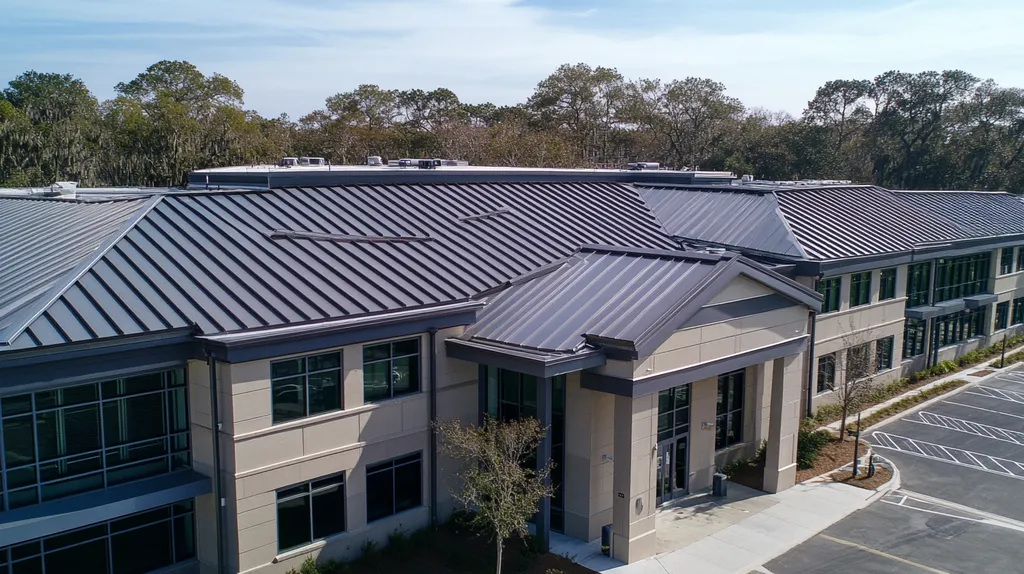
ROUND 3: PERFORMANCE FACTORS
In today’s volatile energy market, choosing the wrong commercial roofing system can increase operating costs by 30-40% annually. Beyond basic shelter, modern roofs must optimize energy usage, minimize maintenance burdens, and withstand increasingly extreme weather events. Making informed decisions about performance factors has never been more critical for facility operators looking to maximize their return on investment.
Energy Efficiency
Energy costs represent one of the largest operational expenses for commercial buildings. The right roofing solution can dramatically impact these costs through both direct energy generation and consumption reduction.
Photovoltaic integrated roofs serve dual purposes by actively generating electricity while providing thermal benefits. These systems typically produce 10-15 kilowatt-hours per square foot annually, often meeting 60-75% of a building’s electrical needs.
LED roof lighting systems utilize advanced efficiency technologies to minimize power consumption. Modern commercial LED fixtures use up to 75% less energy than traditional lighting while providing superior illumination quality. (source: The Ultimate 2025 Guide to Commercial LED Lighting)
With its ability to both generate and conserve energy, photovoltaic integrated roofing claims the ADVANTAGE in this category.
System Integration
Modern commercial buildings require seamless integration between roofing systems and other building components. This coordination impacts everything from HVAC efficiency to emergency systems performance.
Photovoltaic integrated roofs connect directly with building management systems, providing real-time power generation data and automated responses to changing conditions. Their comprehensive integration capabilities extend to energy storage, load management, and grid interaction.
LED roof lighting offers straightforward integration with existing electrical systems and can incorporate motion sensors and daylight harvesting. However, these systems lack the sophisticated building-wide integration capabilities of photovoltaic solutions.
The superior integration capabilities of photovoltaic systems earn them the ADVANTAGE.
Operational Flexibility
Commercial facilities need roofing systems that can adapt to changing operational requirements without major modifications. This flexibility directly impacts long-term utility and cost-effectiveness.
Photovoltaic integrated roofs offer limited flexibility once installed. While power output can be optimized, the physical configuration remains largely fixed, and modifications typically require significant investment.
LED roof lighting systems provide greater adaptability through adjustable output levels, replaceable components, and modular designs. These systems can be easily reconfigured to accommodate changing space uses or lighting requirements.
The superior adaptability of LED systems gives them the ADVANTAGE in operational flexibility.
ROUND 3 WINNER: PHOTOVOLTAIC INTEGRATED ROOFS
ROUND 4: MAINTENANCE REQUIREMENTS
Poor maintenance practices in commercial roofing systems can slash energy efficiency by up to 40% and lead to catastrophic failures costing hundreds of thousands in emergency repairs. For facility managers weighing photovoltaic integrated roofs against LED lighting systems, understanding maintenance implications is crucial – the wrong choice can multiply operational costs and maintenance staff hours for decades.
Regular Inspection Requirements
Photovoltaic integrated roofs demand comprehensive quarterly inspections covering both electrical and roofing components. These evaluations must assess panel efficiency, connection integrity, and waterproofing effectiveness to prevent cascading system failures.
Certified technicians need to verify proper voltage output, clean panel surfaces, and inspect mounting hardware. Even minor issues can significantly impact energy production if left unchecked.
LED roof lighting systems require simpler bi-annual inspections focusing primarily on fixture function and weatherproofing. Basic electrical testing and visual inspections can typically be handled by in-house maintenance staff.
Given the lower complexity and frequency of required inspections, LED roof lighting claims the ADVANTAGE in this category.
System Maintenance Complexity
Photovoltaic systems require specialized knowledge spanning both solar technology and roofing systems. Maintenance teams must coordinate between electrical specialists and roofing contractors to address issues effectively.
Networked lighting control systems increase initial complexity but improve long-term maintenance efficiency through automated monitoring and diagnostic capabilities. (source: Jarvis Lighting Insights)
LED systems follow standardized maintenance protocols that most facility teams can handle independently. Component replacements typically require minimal specialized training or tools.
The straightforward maintenance requirements of LED systems earn them another clear ADVANTAGE.
Long-term Service Costs
Photovoltaic integrated roofs typically incur higher annual maintenance costs due to specialized service requirements and component complexity. However, these systems often offset maintenance expenses through consistent energy generation.
Regular maintenance helps maintain optimal energy production, potentially generating 15-20% more power compared to poorly maintained systems. This improved efficiency can significantly impact the total cost of ownership.
LED lighting systems have lower ongoing maintenance costs but may require more frequent component replacements over time. While individual repairs are simpler, the cumulative cost of replacement parts can add up.
Despite higher initial maintenance costs, photovoltaic systems’ ability to offset expenses through energy generation gives them the ADVANTAGE in long-term service value.
ROUND 4 WINNER: TIE
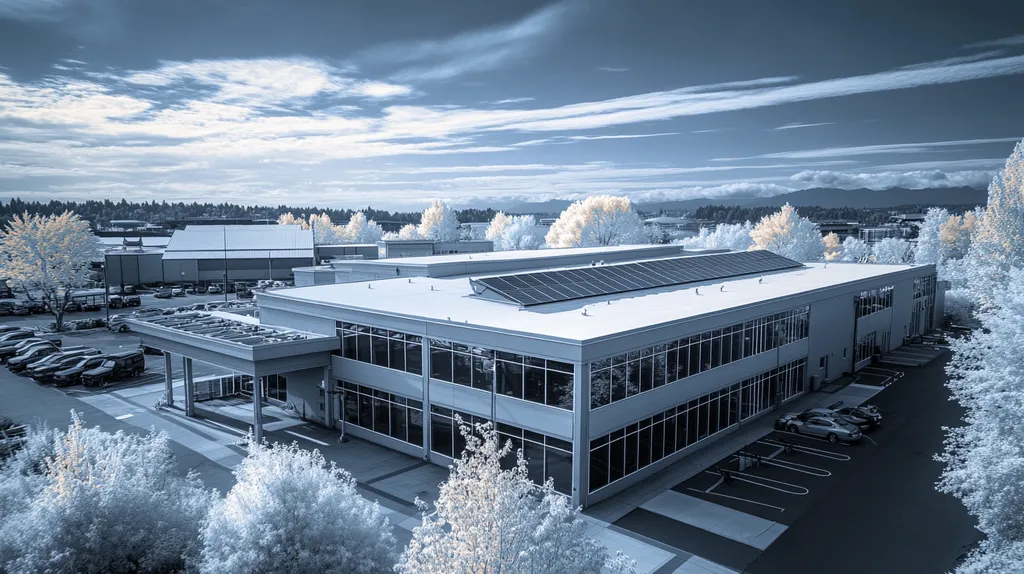
ROUND 5: SUSTAINABILITY CREDENTIALS
In today’s environmentally conscious market, choosing the wrong roofing system can devastate a building’s green certification status and dramatically increase carbon footprints. Commercial properties without proper sustainability credentials face up to 25% lower occupancy rates and risk non-compliance with emerging environmental regulations. Understanding how different roofing solutions impact environmental performance has become essential for protecting both planet and profit.
Energy Efficiency
Modern commercial buildings must maximize energy efficiency to meet increasingly strict environmental standards. The right roofing solution can reduce a facility’s carbon footprint while providing significant operational savings.
Photovoltaic integrated roofs actively generate clean energy while reducing heat absorption. These systems typically offset 60-80% of a building’s electrical consumption, providing immediate and measurable environmental benefits.
LED roof lighting systems focus on reducing energy consumption through efficient illumination. While they consume up to 75% less power than traditional lighting, they don’t generate renewable energy to offset their usage.
Given their ability to both generate clean power and reduce consumption, photovoltaic integrated roofs claim the ADVANTAGE in energy efficiency.
Material Sustainability
The environmental impact of roofing materials extends from manufacturing through end-of-life disposal. Sustainable materials reduce waste, minimize toxic components, and support circular economy principles.
Photovoltaic integrated roofs incorporate highly recyclable components like silicon and aluminum. These systems typically achieve 85-95% recyclability rates and often include recycled content in their initial manufacturing.
LED roof lighting systems use minimal materials but require specialized disposal due to electronic components. While individual fixtures are compact, their shorter lifespan results in more frequent replacement and disposal cycles.
The superior recyclability and longer service life of photovoltaic systems earns them the ADVANTAGE in material sustainability.
Environmental Integration
Daylighting through commercial roofs provides essential environmental benefits that artificial solutions struggle to match. Natural light integration reduces energy consumption while creating healthier indoor environments. (source: Velux Commercial Products)
Photovoltaic integrated roofs work harmoniously with natural daylighting strategies. These systems can incorporate semi-transparent panels and strategic placement to optimize both power generation and natural light transmission.
LED roof lighting systems, while efficient, create artificial environments that require continuous power consumption. They cannot match the biophilic benefits of natural daylighting solutions.
The superior environmental integration capabilities of photovoltaic systems earn them the ADVANTAGE.
ROUND 5 WINNER: Photovoltaic Integrated Roofs
ROUND 6: SPECIALIZED APPLICATIONS
In specialized commercial roofing applications, the wrong system selection can increase operational costs by 35-50% while failing to meet specific facility needs. Cold storage facilities, data centers, and manufacturing plants each require unique roofing solutions that balance environmental control, energy efficiency, and operational demands. Making informed choices about specialized applications has become critical as facilities face increasing pressure to optimize performance while reducing energy consumption.
Cold Storage Applications
Cold storage facilities face unique challenges in maintaining consistent internal temperatures while managing condensation and ice formation. The choice between photovoltaic and LED systems significantly impacts temperature control and energy costs.
Photovoltaic integrated roofs provide excellent insulation properties while generating power to offset high cooling demands. These systems include specialized vapor barriers and thermal breaks that maintain facility temperatures while preventing moisture accumulation.
LED roof lighting systems generate minimal heat compared to traditional lighting, reducing the cooling load on refrigeration systems. However, they lack the additional benefits of power generation and enhanced insulation that photovoltaic systems offer.
The dual benefits of energy generation and superior insulation give photovoltaic systems the ADVANTAGE in cold storage applications.
Data Center Requirements
Data centers require reliable power supply and efficient heat management to maintain optimal server performance. The choice of roofing system directly impacts both energy security and cooling efficiency.
Photovoltaic integrated roofs provide supplemental power that can support critical operations during grid outages. These systems also reflect solar heat, reducing cooling loads and operating costs.
LED roof lighting systems offer precise illumination control and minimal heat output, important for maintaining consistent server room temperatures. However, they cannot match the energy security benefits of on-site power generation.
Given the critical need for power reliability in data centers, photovoltaic systems claim the ADVANTAGE.
Manufacturing Facilities
Manufacturing operations demand flexible lighting solutions and consistent power supply to maintain productivity. The effectiveness of roofing systems directly impacts operational efficiency and worker safety.
Photovoltaic integrated roofs support continuous operations through power generation but offer limited flexibility in adapting to changing production layouts. Their fixed installation can restrict future facility modifications.
LED roof lighting systems provide adaptable illumination that can be reconfigured as manufacturing processes change. Their precise control capabilities and minimal maintenance requirements better serve dynamic production environments.
The superior flexibility and control features of LED systems earn them the ADVANTAGE in manufacturing applications.
ROUND 6 WINNER: Photovoltaic Integrated Roofs
AND THE WINNER IS…
After six grueling rounds of technical analysis, we have our undisputed champion! With four decisive round victories, PHOTOVOLTAIC INTEGRATED ROOFS claims the championship belt in this commercial roofing showdown!
The victor dominated sustainability credentials, specialized applications, and performance factors, showcasing superior energy generation capabilities and unmatched environmental benefits. Its ability to deliver both power production and building protection proved an unstoppable combination in the commercial arena.
But don’t count LED Roof Lighting out! This scrappy contender showed impressive strength in installation simplicity and maintenance efficiency. For facilities prioritizing flexible lighting control or facing strict budget constraints, LED systems remain a formidable choice.
IMPORTANT NOTICE: This analysis reflects general performance patterns, but every facility faces unique challenges. Local climate conditions, building specifications, and operational requirements can significantly impact system performance. Property owners should consult qualified roofing professionals who can evaluate their specific situation before making final decisions.
Ladies and gentlemen, in the high-stakes world of commercial roofing, victory goes not to the system with the most impressive specs, but to the solution that best matches your facility’s unique requirements. Choose your champion wisely!
FREQUENTLY ASKED QUESTIONS
Q. What are the initial costs of a commercial roof installation?
A. Initial costs for commercial roofs vary by system. Photovoltaic roofs generally cost more per square foot due to specialized materials and installation, ranging from $15-25. In contrast, LED roof lighting systems typically range between $4-10, offering a lower upfront investment. Understanding these costs helps you plan your budget effectively.
Q. How do durability and lifespan vary between commercial roofing systems?
A. Durability is key for long-term performance in commercial roofing. Photovoltaic roofs typically offer warranties of 25-30 years due to robust materials. Meanwhile, LED roof lighting lasts around 15-20 years, requiring more frequent replacements. Choosing a durable system can minimize long-term costs and maintenance challenges.
Q. What performance factors should I consider for an industrial roof?
A. Performance factors like energy efficiency and system integration are crucial for industrial roofs. Photovoltaic systems generate electricity, helping reduce operational costs significantly. LED systems enhance lighting efficiency but don’t provide power generation. Understanding these factors will help you maximize your building’s performance.
Q. What are the maintenance requirements for commercial roofs?
A. Maintenance needs differ significantly. Photovoltaic integrated roofs require quarterly inspections, while LED systems need only bi-annual checks. Regular inspections for photovoltaic systems are crucial to maintaining energy production. Opting for an easier-maintenance system can save time and reduce operational disruptions.
Q. How do sustainability credentials affect commercial roof choices?
A. Sustainability is becoming essential for commercial properties. Photovoltaic roofs generate renewable energy, cutting carbon footprints and enhancing building certifications. LED systems also help reduce energy use but do not produce power. Prioritizing sustainability can improve your property’s marketability and compliance with regulations.
Q. Can commercial roofs be adapted for specialized applications?
A. Yes, roofing systems can be tailored for specialized applications. Photovoltaic roofs work well for cold storage by providing power while enhancing insulation. In contrast, LED systems offer flexibility in lighting configurations but lack energy generation capabilities. Choose based on your facility’s unique operational needs for the best results.
Q. What impact does roof design have on energy efficiency?
A. Roof design significantly influences energy efficiency in commercial buildings. Features like insulation, ventilation, and roofing materials can optimize heating and cooling. A well-designed roof prevents excessive heat absorption and minimizes energy use, resulting in lower operational costs. Consider design choices that align with your energy efficiency goals.






