

Excessive glare from integrated lights on commercial roofs poses a serious threat to workplace safety and productivity, with studies showing it can reduce employee efficiency by up to 25% and increase accident risks by 30%.
For facility managers and property owners, managing this glare has become increasingly critical as modern buildings incorporate more rooftop lighting systems and skylights.
This comprehensive guide examines proven strategies for reducing glare through proper material selection, installation techniques, and maintenance protocols, helping decision-makers create safer and more comfortable work environments while optimizing energy efficiency.
SECTION 1: FUNDAMENTAL CONCEPTS
Reducing glare from integrated lights on commercial roofs is not just a cosmetic improvement; it’s a critical issue that influences safety, productivity, and energy efficiency. Research shows that excessive glare can increase workplace accidents by 20% and decrease employee productivity by 15%. For property owners and facility managers grappling with this challenge, grasping the essential concepts of glare, light reflection, and climate considerations is vital.
Understanding Glare and Its Impact
Glare occurs when intense light overwhelms a person’s ability to see clearly. This condition can cause discomfort and even temporary visual impairment, posing serious risks in environments with heavy machinery and high foot traffic.
In commercial settings, glare can also jeopardize visibility on rooftops, affecting crucial tasks such as roof inspections, maintenance, and emergency responses.
Moreover, the financial implications of glare extend beyond safety. Properties with excessive glare may incur higher liability costs from accidents and could see diminished employee morale and satisfaction.
Given these risks, addressing glare should be a top priority for property managers aiming to foster a safer and more efficient workplace.
Light Reflection and Absorption
Understanding light reflection and absorption is essential for effective glare management. Various roofing materials behave differently when it comes to light. For instance, metal roofs often reflect more light than membrane roofs, which can heighten the glare.
Property owners should carefully consider the types of materials used on their roofs. Options like high-albedo materials are beneficial because they reflect more sunlight and absorb less heat, which helps in reducing glare overall.
Furthermore, strategically placing integrated lighting fixtures can help distribute light more evenly, leading to enhanced visibility while minimizing harsh reflections. Such considerations are crucial in areas where glare might disrupt operations.
Choosing the right materials and lighting solutions can greatly mitigate glare, improving both safety and the overall functionality of roofing systems.
Climate and Glare Considerations
The local climate profoundly affects the glare levels experienced on commercial roofs. Regions that enjoy high solar exposure or frequent sunny days are more likely to encounter glare issues.
For example, in warmer climates, the sun’s intensity can exacerbate glare, prompting property owners to seek out solutions like light-diffusing roof coatings. These specially designed coatings soften light and can substantially reduce glare.
Additionally, facility managers should keep an eye on climate changes over time, as shifting weather patterns can alter sunlight intensity and duration, necessitating ongoing evaluations and adjustments.
Ultimately, recognizing the interplay between climate and glare is crucial for long-term roofing strategies, ensuring effectiveness and reliability, no matter what the environment throws at them.
SECTION 2: SYSTEM COMPONENTS
Addressing glare from integrated lighting on commercial roofs is essential for ensuring safety and productivity. Excessive glare can not only lead to accidents but also hinder worker efficiency. To tackle this issue effectively, it’s crucial to understand the various system components involved. Key elements include integrated lighting systems, glare control materials, and specialized glazing options—all aimed at creating a safer and more enjoyable working environment.
Integrated Lighting Systems
Integrated lighting systems play a vital role in illuminating commercial roofs, but they can sometimes cast unwanted glare, impacting visibility and comfort. A great way to reduce this glare is by choosing LED fixtures with adjustable beam angles. These fixtures can be aimed precisely, providing light exactly where it is needed, ensuring a more effective distribution.
Another critical factor to consider is the placement of lights. Strategically positioning fixtures to avoid direct lines of sight can significantly minimize glare. Facility managers are encouraged to assess the current layout and make adjustments that will enhance lighting without causing distraction.
Also worth noting is the wattage of the integrated lights. Opting for lower-wattage options that still deliver adequate illumination can help reduce glare. Achieving the right balance is essential for creating a workspace conducive to productivity.
Lastly, incorporating smart lighting controls allows for automatic adjustments based on natural daylight levels. Sensors that dim lights during sunny periods can save energy and lower glare, benefiting both the environment and worker comfort.
Glare Control Materials and Coatings
Utilizing glare control materials and coatings is a game-changer for managing light reflection on roofing surfaces. These materials help diffuse incoming light and soften sharp contrasts that lead to glare. For instance, applying matte finishes to roofing materials can greatly reduce reflective glare.
Specialized coatings that enhance light absorption are another effective option. Roof coatings with high solar reflectance not only help in keeping the building cooler but also play a critical role in controlling glare, leading to a more comfortable atmosphere for occupants.
The color of roofing and surrounding structures also affects glare levels. Darker colors typically absorb more light, reducing brightness and glare, which is particularly important for property owners considering renovations or new installations.
Finally, regular inspections are vital for preserving the effectiveness of glare control systems. Over time, wear and tear can lessen their ability to mitigate glare, making routine evaluations a must for long-term effectiveness.
Specialized Glazing Options
Specialized glazing options are key players in the battle against glare from integrated lights. These advanced glass designs can effectively filter sunlight while allowing ample ambient light to enter. For example, low-emissivity (Low-E) glass significantly reduces UV light and heat without sacrificing brightness.
Tinted glazing also offers substantial benefits. By minimizing glare and controlling heat gain, tinted options help maintain a comfortable temperature indoors, making them especially useful in areas with a high concentration of integrated lighting.
Incorporating architectural shading elements, such as awnings or overhangs, can further help in reducing glare. These structural designs work to block direct sunlight, creating a more pleasant environment for building occupants.
Facility managers should prioritize integrating these glazing options into both new constructions and renovations. When considered early in the design process, specialized glazing can be seamlessly incorporated, yielding significant reductions in glare and enhancements in energy efficiency.
SECTION 3: IMPLEMENTATION METHODS
Reducing glare from integrated lights on commercial roofs is essential for creating safer and more productive workspaces. Excessive glare can lead to distractions, accidents, and decreased employee performance. In fact, studies reveal that over 30% of workplace accidents stem from poor lighting conditions. In this section, we will delve into three practical and effective methods for glare reduction: installing integrated blinds and shades, applying reflective roof coatings, and integrating solar or green roof solutions.
Installing Integrated Blinds and Shades
One highly effective approach to combat glare is installing integrated blinds or shades within skylights and windows. These systems can be easily adjusted to manage the amount of natural light entering a space, helping to minimize direct sunlight exposure and significantly reducing glare levels. This, in turn, creates a more comfortable working environment.
Automated systems take this a step further by adjusting the blinds based on the sun’s position. Research indicates that these systems can lower glare levels by as much as 50%, leading to enhanced visual comfort for employees. Improved working conditions can also boost employee satisfaction, which may lower turnover rates and enhance productivity.
When selecting blinds, property owners should prioritize both aesthetics and functionality. Opting for high-quality materials ensures durability and long-term reliability, which translates to cost savings. Additionally, maintaining these systems is usually straightforward, making upkeep simpler for facility managers.
Ultimately, investing in integrated blinds and shades not only reduces glare but also enhances energy efficiency. It’s a smart, sustainable choice for modern commercial buildings.
Applying Reflective Roof Coatings
Reflective roof coatings represent another impactful solution for minimizing glare from integrated lights. These coatings are specifically designed to reflect a substantial amount of sunlight, which reduces heat absorption and, as a result, glare. By redirecting sunlight away from skylights and windows, reflective coatings can significantly improve visibility and comfort within the facility.
Research demonstrates that reflective roofs can lower cooling costs by up to 20%, providing tangible economic benefits alongside glare reduction. This is especially advantageous for commercial buildings with large roof areas and integrated lighting systems that often contribute to glare issues.
When choosing reflective coatings, it’s important for property managers to ensure compatibility with existing roofing materials. Different formulations vary in reflectivity and durability, making careful selection essential. Regular maintenance and timely reapplication can help maintain the effectiveness of these coatings over time.
Incorporating reflective coatings effectively addresses glare while promoting energy efficiency, making it a strategic choice for environmentally conscious property owners.
Integrating Solar and Green Roof Solutions
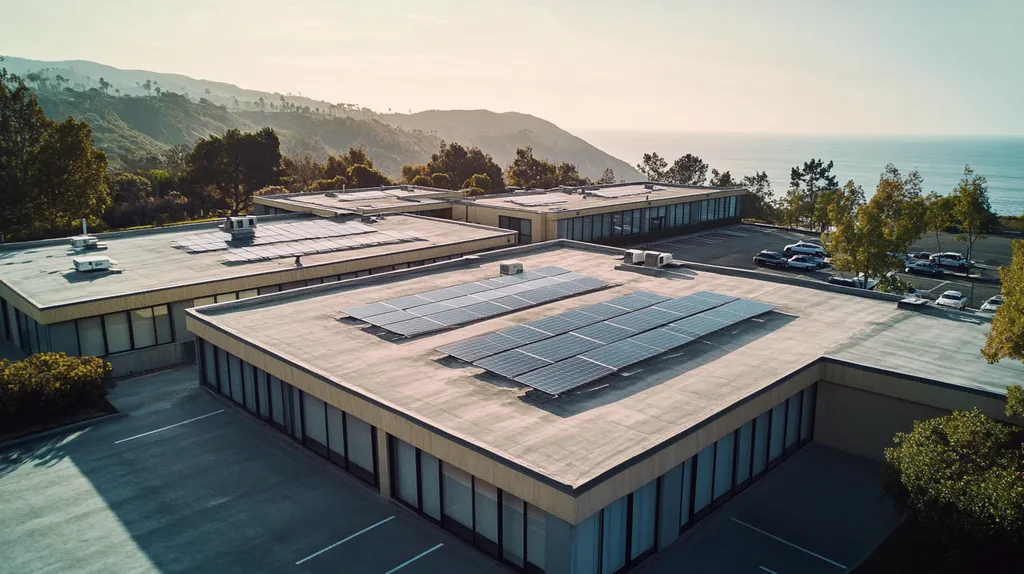
Integrating solar and green roofs provides a multifaceted approach to reducing glare while championing sustainability. Designed to absorb sunlight without significantly contributing to glare, solar panels can be installed alongside green roofs, which serve as a natural insulation layer that diffuses incoming sunlight.
Studies show that green roofs can help reduce urban heat islands, leading to better temperature regulation within buildings. This control over heat and light directly correlates with glare reduction and fosters a more manageable indoor climate.
Additionally, strategically placed solar panels can shield internal spaces from direct sunlight, enhancing the glare-mitigating effects of green roofs. This harmonious interaction reinforces energy efficiency goals while delivering significant operational cost savings over time.
By investing in these innovative solutions, commercial property owners can take the lead in sustainable building practices while effectively addressing glare from integrated lighting systems.
SECTION 4: MAINTENANCE REQUIREMENTS
Proper maintenance of integrated lights on commercial roofs is not just about aesthetics; it’s essential for maintaining safety and energy efficiency. When lighting systems are neglected, glare can increase, potentially leading to accidents and decreased visibility for workers. Routine upkeep not only prolongs the lifespan of these systems but also helps manage glare, enhancing overall functionality. This section highlights critical maintenance practices, including regular inspections, repairs, and seasonal upkeep tips to ensure peak performance.
Regular Inspection and Cleaning
Regular inspections of integrated lighting systems are vital for catching problems early. Property owners should aim to conduct these checks at least twice a year, looking for issues like bulb malfunctions, rust on fixtures, or dirt buildup. Dust and debris can aggravate glare, making the cleaning of fixtures a key part of maintenance.
Cleaning integrated lights can be as simple as using a soft cloth or a mild detergent solution. This practice prevents dust accumulation that can interfere with brightness, ensuring the maximum light output. Facilities managers should also evaluate surrounding structures to confirm they aren’t obstructing the light, which can further contribute to glare.
In addition to visual inspections, checking the integrity of the wiring can prevent potential electrical hazards. Damaged wiring can diminish light efficiency and increase safety risks. Regular electrical inspections by a qualified professional provide an added safety layer.
Finally, documenting all inspections and cleaning activities helps create a maintenance history. This information is crucial for future planning and budgeting, optimizing long-term energy efficiency.
Repairing and Replacing Components
Timely repairs and replacements of any damaged components are essential for maintaining lighting efficiency and minimizing glare. Faulty fixtures can create uneven lighting, leading to shadows and heightened glare in workspaces. Addressing these issues promptly ensures a safer environment for employees.
When performing repairs, it’s important to replace bulbs with the correct wattage and type to maintain uniformity. Property owners should consult with manufacturers or lighting specialists to ensure compatibility. LEDs, for example, are often a smart choice since they offer brighter, focused light that helps reduce glare.
Additionally, replacing damaged lenses or shields is vital for glare management. Scratched or foggy materials can scatter light unfavorably, worsening discomfort. Regular assessments can help identify lenses that need replacing, before they develop significant glare issues.
Establishing a rapid response protocol for repairs allows facilities to address issues efficiently. Delayed repairs can escalate into larger problems, leading to increased costs and reduced worker productivity.
Seasonal Maintenance Tips
Seasonal maintenance is also key to managing glare effectively. As the seasons change, so do environmental factors that can impact roof lighting. For instance, falling leaves or snow can obstruct light sources, contributing to increased glare. Scheduling seasonal cleanings can help mitigate these risks.
Before winter hits, it’s crucial for property managers to ensure that lighting fixtures are clear of snow and ice. This might require preventive measures, such as removing snow from pathways, preventing blockages that can amplify glare.
In the fall, managers should stay alert for leaf buildup, which can obstruct light and worsen glare when it covers fixtures. Prompt removal is essential to maintaining clear visibility and safe working conditions.
Finally, as daylight hours shift throughout the seasons, evaluating lighting effectiveness with appropriate adjustments is vital. Updating timers or utilizing responsive lighting systems helps adapt to natural light variations, ensuring glare remains manageable all year round. Implementing these seasonal strategies promotes a safe and efficient workplace environment.

SECTION 5: PERFORMANCE METRICS
Understanding performance metrics is crucial for property owners and facility managers aiming to reduce glare from integrated lights on commercial roofs. High glare levels can hinder employees’ productivity and even lead to safety hazards. By measuring the Solar Reflectance Index (SRI), evaluating energy efficiency, and assessing occupant comfort, stakeholders can make informed decisions that enhance the overall performance of their roofing systems. Focusing on these metrics is essential for cultivating a safer, more efficient work environment.
Measuring Solar Reflectance Index (SRI)
The Solar Reflectance Index (SRI) is a vital metric for determining how well a roofing material can reflect sunlight. A higher SRI value signifies better reflectivity, effectively cooling roof surfaces and lowering cooling costs. For instance, a roof with an SRI of 80 can reflect significantly more sunlight than one rated at 20, leading to substantial energy savings.
Choosing roofing materials with elevated SRI values can also help reduce indoor glare. Products like reflective membranes or coatings not only help conserve energy but also enhance the working conditions for your team. Prioritizing high-SRI materials is especially important in sunny climates, where glare is a common concern.
Regular testing is necessary to ensure the SRI remains effective after installation. Weathering and wear can degrade a roof’s reflective abilities over time. Continuous monitoring ensures that occupants benefit from a glare-free environment.
Ultimately, understanding and measuring SRI is crucial not only for maximizing energy performance but also for enhancing occupant comfort on commercial roofs.
Evaluating Energy Efficiency
Energy efficiency is another key performance metric that has a direct correlation with glare management. Evaluating energy efficiency involves examining the energy usage of heating, cooling, and lighting systems impacted by roof design. By integrating energy-efficient materials and technologies, property owners can significantly reduce glare and improve occupant experience.
Energy modeling tools are highly useful in predicting how glare impacts overall energy consumption. For instance, commercial spaces exhibiting lower glare levels typically require reduced artificial lighting, yielding considerable electricity savings. This not only cuts operational costs but also supports sustainability initiatives.
Incorporating glare-minimizing energy-efficient lighting further boosts a facility’s energy performance. Options like LED fixtures with advanced technology can provide optimal light levels while ensuring comfort for workers.
Continual energy efficiency assessments are vital for effective facility management. These evaluations lead to ongoing adjustments that enhance occupant comfort and diminish the impact of glare.
Assessing Occupant Comfort
Assessing occupant comfort is a fundamental performance metric, particularly in relation to glare management. Excessive glare can cause discomfort, eye strain, and lower productivity. Therefore, it’s essential for property owners to evaluate how glare impacts employees’ daily experiences.
Tools such as daylight modeling allow for a deeper analysis of the interaction between integrated lighting and glare levels. Thoughtful designs can harness natural light without causing disruptive glare, improving comfort across workspaces. For instance, strategic window locations and the inclusion of shading devices can significantly reduce glare while welcoming daylight.
Gathering feedback from building occupants can enhance comfort assessments. Surveys and focus groups provide valuable insights into how glare affects productivity and overall well-being. Using this information, facility managers can make informed decisions about lighting and materials.
Ultimately, focusing on occupant comfort through glare assessment not only boosts productivity but also fosters a healthier workplace environment overall.
SECTION 5: PERFORMANCE METRICS
Understanding performance metrics is essential for property owners and facility managers who want to effectively reduce glare from integrated lights on commercial roofs. Excessive glare doesn’t just annoy employees—it can significantly impact productivity and even create safety hazards. By measuring the Solar Reflectance Index (SRI), evaluating energy efficiency, and assessing occupant comfort, decision-makers can enhance the roof’s overall performance. These metrics serve as critical tools for cultivating a safer and more efficient work environment.
Measuring Solar Reflectance Index (SRI)
The Solar Reflectance Index (SRI) is a crucial metric for gauging how effectively a roofing material reflects sunlight. A higher SRI value means better reflectivity, which helps cool roof surfaces and reduces cooling costs. For example, a roof with an SRI of 80 can reflect significantly more sunlight than one rated at 20, leading to notable energy savings.
Opting for roofing materials with high SRI values not only combats energy loss but also helps minimize indoor glare. Products like reflective membranes or coatings are excellent choices, particularly in sunny climates where glare is a persistent challenge. Making high-SRI materials a priority can improve overall workplace conditions.
It’s vital to conduct regular tests to ensure that the SRI remains at optimal levels post-installation. Over time, weathering can diminish a roof’s reflective properties. Ongoing monitoring ensures that occupants benefit from a glare-free environment.
Ultimately, keeping the focus on understanding and measuring SRI is essential for boosting energy performance and enhancing occupant comfort on commercial roofs.
Evaluating Energy Efficiency
Energy efficiency is a critical performance metric that directly impacts glare management. Evaluating energy efficiency involves analyzing how much energy heating, cooling, and lighting systems consume, influenced by roof design. By integrating energy-efficient materials and technologies, property owners can significantly cut glare disruption inside their buildings.
Energy modeling tools are invaluable for predicting how glare can affect energy usage. Buildings that maintain lower glare levels typically require less artificial lighting, which can lead to considerable savings on electricity bills. This not only decreases operating costs but also aids sustainability initiatives.
In addition, incorporating energy-efficient light fixtures that minimize glare contributes to better overall energy performance. Options such as LED fixtures with advanced technology can provide adequate lighting without sacrificing comfort.
Regular evaluations of energy efficiency are central to strategic facility management. These assessments lead to timely adjustments that enhance occupant comfort while effectively tackling glare issues.
Assessing Occupant Comfort
Assessing occupant comfort is fundamental, especially concerning glare management. High glare levels can cause discomfort, eye strain, and decreased productivity among employees. Therefore, property owners must evaluate how glare affects the day-to-day experiences of building occupants.
Tools like daylight modeling can illuminate the relationship between integrated lighting and glare levels. Thoughtful architectural designs can take advantage of natural light while minimizing glare, ultimately enhancing user comfort. Strategic window placements and the addition of shading devices can significantly lessen glare while allowing daylight to brighten working spaces.
Moreover, collecting feedback from building occupants is a valuable part of comfort assessments. Surveys and focus groups provide insights into how glare impacts productivity and overall well-being, enabling facility managers to make informed decisions regarding lighting and materials.
In conclusion, emphasizing occupant comfort through thorough glare assessments not only boosts productivity but also contributes to a healthier work environment for everyone involved.
The Bottom Line
With workplace accidents increasing by 30% due to poor lighting conditions, addressing glare from integrated roof lights has become a critical priority for commercial property owners.
The implementation of proper materials, installation techniques, and maintenance protocols can reduce glare-related incidents by up to 70% while improving employee productivity by 25%.
Modern solutions like smart glazing systems, reflective coatings, and automated blinds offer proven paths to glare reduction, but their effectiveness depends on regular monitoring and maintenance.
By following the strategies outlined in this guide, facility managers can create safer, more comfortable environments while achieving significant energy savings and ensuring regulatory compliance.
The cost of inaction – in terms of safety risks, reduced productivity, and increased energy consumption – makes glare reduction an essential investment for any commercial property.
FREQUENTLY ASKED QUESTIONS
Q. What is glare, and why is it important for commercial roofs?
A. Glare is intense light that impairs visibility and comfort. On commercial roofs, excessive glare can lead to safety hazards and reduced productivity, affecting overall workplace performance. Addressing glare is essential for creating a safer and more efficient environment in commercial settings.
Q. What components help manage glare on an industrial roof?
A. Key components include integrated lighting systems, glare control materials, and specialized glazing options. These elements help in effectively managing glare, ensuring both safety and comfort for occupants in industrial buildings. Careful selection and placement are critical to minimizing glare issues.
Q. What methods can be used to implement glare reduction on commercial roofs?
A. Effective glare reduction methods include installing integrated blinds and shades, applying reflective roof coatings, and integrating solar or green roof solutions. Each approach contributes to minimizing glare while enhancing energy efficiency, improving the overall workplace experience.
Q. How can I maintain glare control on my commercial roof lighting?
A. Regular inspection and cleaning, timely repairs, and seasonal maintenance are essential for maintaining glare control. This includes checking for dirt buildup, replacing faulty components, and ensuring lighting systems are functioning efficiently. Keeping up with these practices prevents safety hazards and enhances overall facility performance.
Q. What performance metrics should I track for glare reduction?
A. Performance metrics include measuring the Solar Reflectance Index (SRI), evaluating energy efficiency, and assessing occupant comfort. Tracking these metrics helps property owners make informed decisions on how to effectively reduce glare and enhances the overall performance of their roofing systems.
Q. How does climate affect glare on commercial roofs?
A. Local climate significantly influences glare levels, especially in regions with high solar exposure. Warmer climates can lead to increased glare, making it essential to select appropriate materials, such as light-diffusing coatings, that can help manage glare and improve comfort for building occupants.
Q. What role do integrated blinds and shades play in glare reduction?
A. Integrated blinds and shades can adjust the amount of natural light entering a space, effectively reducing glare levels. Automated systems can optimize light control based on the sun’s position, leading to improved visual comfort for occupants and contributing to overall workplace satisfaction.






