
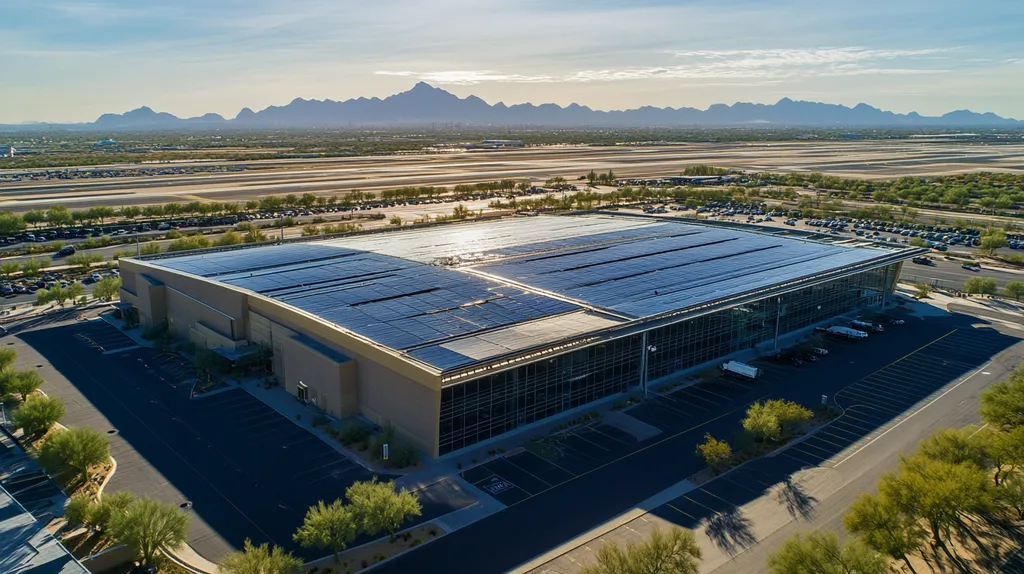
In an era of advanced materials and smart technology, industrial roofs are failing faster than ever. Research shows that 68% of commercial roofs need replacement well before their expected lifespan, costing facility owners millions in unnecessary repairs and replacements.
From inadequate installation standards to missed opportunities in preventive maintenance, the causes of premature roof failure often stem from established but problematic industry practices.
This analysis exposes the systemic issues undermining industrial roof longevity and presents data-driven solutions that challenge conventional wisdom about roof design and maintenance.
SECTION 1: CURRENT PRACTICES
The lifespan of industrial roofs is under relentless assault due to common practices that often fly under the radar. Research indicates that poor material choice can shave up to 30% off a roof’s lifespan. Furthermore, many facilities skimp on essential installation and maintenance standards, gambling with their roofs’ integrity. This section dives into these overlooked practices that are costing property owners more than they realize, leading to budget pitfalls and major headaches.
Material Selection Oversights
Selecting the right roofing materials isn’t just a best practice; it’s a necessity. Yet, too many property owners chase the shiniest price tag instead of longevity. Take low-cost PVC membranes—they sound tempting until they crumble under UV exposure or brutal weather, causing costly early failures.
Additionally, the climate matters. A lightweight membrane might seem like a good idea, but in snow-heavy regions, it’s essentially asking for trouble. An informed choice tailored to specific environmental challenges not only enhances durability but also optimizes energy efficiency.
Even recycled materials can be deceptive. While they sound eco-chic, lower-grade options may not be robust enough for industrial needs—certainly not when they might fail to meet necessary industry codes. Thus, choosing roofing material should be about durability and climate suitability, not just saving a few bucks upfront. Making smarter choices means fewer hassles and savings in the long run.
Inadequate Installation Standards
A roof can only be as strong as its installation, yet many contractors sidestep crucial standards like they’re bad news at a party. Poorly executed seams, shoddy fastening, and inadequate drainage can doom even the sturdiest materials. Loose seams on a membrane roof? They’re an open invitation for leaks and water damage.
Many installations also ignore the manufacturer’s guidelines, which come with a blueprint for longevity. Changing or skipping these recommendations isn’t just reckless—it can void warranties. That leaves property owners high and dry when problems inevitably arise.
Lack of experience is another culprit. Crews unaware of modern techniques may inadvertently create problems that won’t show up until it’s too late. Investing in proper training and certification for installation crews must be a priority; it’s not just about saving money but about protecting investment.
Standardizing installation practices can dramatically improve roof performance. Bringing in skilled labor is an investment that pays dividends in durability and longevity for industrial roofs.
Insufficient Maintenance Schedules
Regular maintenance is often treated like an afterthought in many industrial settings, yet it’s crucial for prolonging roof life. Ignoring routine inspections means minor issues have the freedom to spiral into major crises. For example, debris left to accumulate can block drainage systems, resulting in potentially catastrophic water pooling.
Many facilities mistakenly believe a new roof can go without maintenance for years, but that’s far from the truth. Manufacturers actually recommend routine checks shortly after installation to catch problems before they escalate.
A lack of a strategic maintenance plan often leads to haphazard assessments. Property owners must develop a comprehensive schedule to identify and fix minor issues before they snowball into costly repairs.
Ultimately, a proactive maintenance approach significantly enhances the lifespan of roofs and alleviates the burden of replacement costs. Property owners committed to regular upkeep will discover it’s a minor investment with significant returns.
SECTION 2: SYSTEMIC ISSUES
The lifespan of an industrial roof can take a significant hit from systemic issues that often fall off the radar. Studies reveal that neglecting routine inspections can shorten a roof’s life by as much as 40%. Additionally, inadequate drainage systems can lead to disastrous water damage, compromising the entire structure. To make matters worse, failing to consider climate-specific needs only adds to these complications. Addressing these systemic issues is not just recommended; it’s essential for preserving roof integrity and ensuring long-term performance.
Neglect of Regular Inspections
Regular inspections are the backbone of keeping roofs in good shape. When property owners overlook these assessments, small concerns can mushroom into massive repair bills. For example, tiny cracks or punctures, if ignored, can pave the way for leaks and extensive damage.
Facilities without a sturdy inspection schedule run a higher risk of moisture build-up and deterioration. In fact, organizations that conduct inspections at least biannually can significantly extend their roofs’ lifespans. This proactive mindset not only prevents nasty surprises but also enhances safety.
Moreover, the insights gained from inspections can serve as invaluable data for maintenance planning. By tracking a roof’s condition over time, property owners can forecast future needs, allowing for smarter budget decisions. This neglect doesn’t just hurt the roof; it can also drain overall operational funds.
Clearly, adopting a preventive strategy is non-negotiable. Routine inspections are not merely a luxury; they are a fundamental necessity that can save both money and headaches while prolonging any industrial roof’s lifespan.
Ineffective Drainage Systems
Proper drainage systems are the unsung heroes of roof longevity, expertly managing water runoff and staving off pooling. When drainage systems fall short, water can gather, leading to catastrophic structural damage and skyrocketing repair costs. Heavy standing water can even cause roofs to sag or, in extreme cases, collapse.
Statistics indicate that effective drainage can mitigate rooftop moisture-related issues by up to 60%. For example, roofs designed with a slight slope can channel water away to drainage points, minimizing the likelihood of leaks and mold growth.
Some facilities still rely on outdated drainage solutions that struggle to meet modern standards. Upgrading to contemporary systems can drastically improve both performance and longevity. Property owners must prioritize effective drainage in both the design and maintenance phases.
By ensuring proper water management, facilities protect their roofs and safeguard the valuable assets beneath them. It’s a worthwhile investment that yields durability and peace of mind.
Ignoring Climate-Specific Needs
Every region comes with its own climate-related challenges that can dramatically shorten a roof’s lifespan if ignored. Yet, many property owners take a cookie-cutter approach, neglecting localized weather patterns. For instance, roofs in regions that suffer heavy snowfall need to have special designs to support the extra weight.
Conversely, roofs in hotter climates can benefit from reflective materials that combat heat absorption. Selecting appropriate materials can enhance energy efficiency and slash cooling costs. A thorough understanding of climate demands is crucial for making informed choices about roofing materials and designs.
Failing to adapt roofs to their local environments can lead to accelerated wear. For example, continuous high winds can easily dislodge inadequately fastened roofing materials. Each climate requires tailored approaches to deliver optimal performance.
Recognizing and addressing these climate-specific needs is paramount. It enables facility managers to invest strategically in solutions that extend roof life and ultimately protect their investments.
SECTION 3: MISSED OPPORTUNITIES
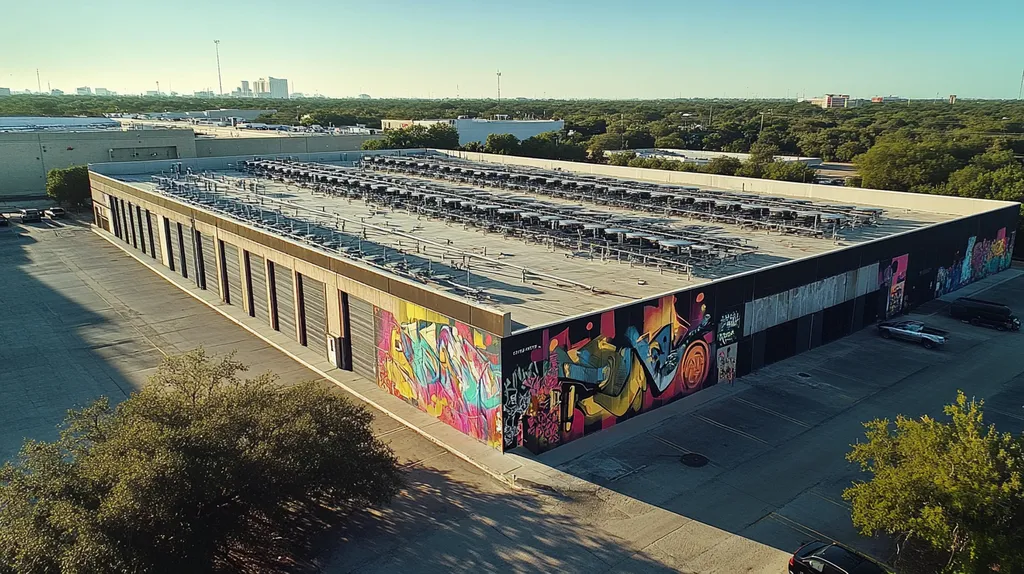
The lifespan of industrial roofs is shockingly short, often clocking in at less than 20 years, primarily due to easily avoidable missed opportunities. Neglecting advanced coatings, overlooking proper ventilation, and failing to utilize modern technologies can wreak havoc on roofing systems. These oversights not only lead to soaring repair bills but also diminish the lifespan of roofs, placing an unnecessary financial strain on property owners. Recognizing and tackling these critical gaps is essential for sustainable roofing practices.
Underutilization of Advanced Coatings
Advanced roofing coatings are game changers that can significantly enhance a roof’s longevity; however, many facilities miss the boat on this essential upgrade. These coatings act as a robust shield, effectively reflecting harmful UV rays and mitigating thermal expansion. They also seal minor leaks, preventing moisture infiltration that can wreak havoc over time.
A roof that forgoes these coatings may suffer a staggering 25% reduction in lifespan compared to one that is treated. Ignoring this technology leads not only to higher replacement costs but also to frequent repairs, draining operational budgets.
Moreover, these coatings improve energy efficiency by reducing heat absorption, which can translate into lower cooling costs in expansive industrial spaces. Failing to invest in these protective layers squanders potential savings while heightening the risk of roof failure.
To truly bolster performance, property owners should embrace these advanced chemical technologies. Proactive application of coatings isn’t just about protection; it’s an investment in greater overall efficiency and sustainability.
Lack of Proper Ventilation and Insulation
Inadequate ventilation and insulation are often overlooked culprits that accelerate the aging process of industrial roofs. Effective ventilation is vital for preventing heat buildup and reducing thermal cycling, which can cause roofing materials to crack and warp over time. This is especially crucial in insulated roofs, as they help regulate temperature and moisture levels inside the building.
Without proper ventilation, moisture can accumulate, fostering mold growth and incurring structural damage. A poorly insulated roof might leak as much as 30% of its energy efficiency, spiraling heating and cooling costs. Ignoring these factors ultimately diminishes the roof’s lifespan and skyrockets operational expenses.
Facilities that invest in robust ventilation systems often experience notable extensions in roof life while simultaneously reducing costs. A balanced ventilation strategy can help prevent 20-30% of potential roof issues.
Addressing ventilation and insulation should be non-negotiable for property managers keen on preserving roof integrity and enhancing energy efficiency.
Failure to Leverage Modern Technology
The roof industry is brimming with innovative materials and techniques designed to improve performance, yet many facilities remain stuck in the past. Cutting-edge options like thermoplastic polyolefin (TPO) and ethylene propylene diene monomer (EPDM) offer superior durability and energy efficiency, but traditional materials continue to dominate the landscape.
Installation methods have also advanced. Modern automated systems for welding seams and applying adhesives can provide superior adhesion and prevent leaks. These innovations drastically reduce human error, enhancing the overall quality of the installation. Roofs that leverage these techniques perform significantly better than those using outdated methods.
Additionally, modern monitoring systems powered by IoT technology allow for real-time assessment of a roof’s condition, catching issues before they snowball into costly repairs. Proactive measures like these can save companies thousands by ensuring timely interventions.
Ultimately, embracing these advancements is about more than just keeping up with trends; it’s a strategic move to maximize the lifespan and efficiency of industrial roofs. Facilities that overlook these opportunities risk incurring escalating maintenance costs and diminishing building performance.
SECTION 4: ROOT CAUSES
Grasping the root causes of industrial roof failures is essential for property owners and facility managers. It’s alarming that poor design, insufficient training, and budget constraints are behind nearly 70% of early roof failures. Tackling these fundamental issues is not just advisable; it’s vital for achieving robust and sustainable roofing solutions.
Poor Design and Planning Phase
The design and planning phase often serves as the Achilles’ heel for industrial roofing projects. Failing to properly assess local weather patterns, structural loads, and material appropriateness can jeopardize a roof’s integrity. Imagine a roof designed without considering heavy snowfall—it’s a recipe for disaster, risking collapse and serious safety concerns.
Poor drainage plans can exacerbate these problems, leading to water pooling that accelerates deterioration. This situation is a major contributor to leaks and mold growth, causing extensive damage that could have been easily avoided. Even the highest-quality materials can’t save a poorly planned roof from its imminent failure.
Utilizing advanced design technologies, such as Building Information Modeling (BIM), can help catch these design flaws early. BIM empowers architects to foresee potential issues before they emerge. By investing effort in thorough design reviews, facilities can significantly prolong the lifespan of their roofs.
Collaboration is another crucial element. Architects, engineers, and contractors must work together to ensure everyone understands project requirements. A solid design foundation lays the groundwork for a resilient roofing system that stands the test of time.
Inadequate Training for Maintenance Personnel
Even the best-designed roofs can sink due to a lack of maintenance training. Facilities often fall into the trap of assuming that maintenance staff inherently know how to care for roofing systems, which is almost always a misconception. Without the proper training, essential tasks like inspections, repairs, and identifying early signs of wear are often neglected.
For instance, maintenance personnel who can’t spot deteriorating seals around equipment may inadvertently allow water infiltration, which can wreak havoc and result in repair bills that could reach thousands. When organizations overlook training programs, they tend to adopt a reactive maintenance approach instead of a proactive one.
Routine training and updates on the latest roofing technologies are crucial for ensuring maintenance teams remain informed and effective. By committing to education, facilities can boost their chances of spotting problems early on, ultimately enhancing roof longevity.
A culture of continuous learning also empowers employees to report issues as they arise. A well-trained team will catch small problems before they escalate into costly repairs, significantly prolonging a roof’s service life.
Budget Constraints and Cost-Cutting Measures
Budget constraints often trigger cost-cutting decisions that unnecessarily compromise roofing quality. Property owners frequently opt for the lowest bids for installations or repairs, which typically leads to subpar materials and craftsmanship. This can be a disaster waiting to happen, resulting in premature roofing failures that haunt budgets later.
For instance, choosing a cheaper roofing membrane might provide immediate savings, but it can lead to costly long-term repairs due to rapid deterioration. Cutting corners on essential elements like insulation can also hurt energy efficiency, negating any short-term fiscal gains.
While it might be tempting to save money now, the future expenses from those initial savings can be overwhelming. Investors in roofing must realize that allocating budget for quality materials and trustworthy contractors pays dividends in the long run. Proper financial planning is crucial for maintaining the integrity of roofs.
Additionally, it’s critical to set aside funds for unexpected repairs. Having a financial cushion for maintenance can prevent larger crises from erupting later on. Ultimately, a proactive budgeting strategy ensures both the longevity and functionality of an industrial roofing system.
DATA DRIVEN EVIDENCE
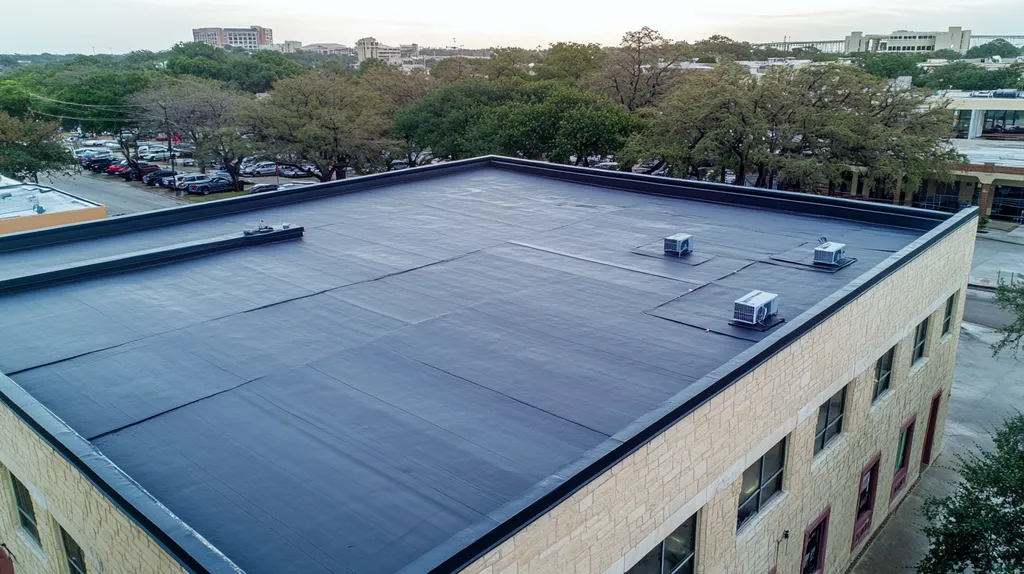
The lifespan of industrial roofs is hanging by a thread, with factors that often fly under the radar wreaking havoc on their durability. Alarming research shows that corrosion and water damage are responsible for nearly 30% of premature roof failures. This data isn’t just a wake-up call; it underscores the urgent need for innovative design approaches that can withstand the test of time. By understanding these statistics, property owners and facility managers can make informed decisions that drive sustainable roofing strategies.
Corrosion and Water Damage Statistics
Corrosion is a stealthy saboteur of roof longevity. Studies show that roofs lacking adequate corrosion protection can lose structural integrity within just 15 years. This deterioration often paves the way for leaks, creating a domino effect of water damage that escalates repair costs. Shockingly, around 40% of all roof replacement expenses are attributed to water-related issues.
Each year, property owners collectively spend millions on repairs that could have been avoided with effective corrosion control measures. Furthermore, unchecked water damage can foster hidden mold growth, adding another layer of complexity to maintenance costs. Prioritizing corrosion protection through thoughtful design choices can lead to substantial long-term savings.
Implementing effective drainage systems is crucial for reducing water pooling, a precursor to corrosion and damage. Facilities that invest in robust drainage solutions report, on average, 25% lower repair costs over time, illustrating the undeniable benefits of a comprehensive approach to drainage in roofing design.
In conclusion, addressing corrosion and water damage is vital for extending roof lifespan. Utilizing high-durability materials and protective coatings is not just a smart move; it’s essential for ensuring cost efficiency and long-term success.
Energy Efficiency and Cost Savings Data
Energy efficiency is a game-changing factor in the realm of industrial roofing, directly impacting operational costs. Research reveals that reflective roofing materials can cut cooling expenses by up to 20% annually. This advantage is especially significant in regions that experience scorching temperatures.
Moreover, the initial investment in energy-efficient roofing materials transforms into long-term savings. Facilities that transition to these designs often see returns on investment within five years, thanks to dramatically lower utility costs. Plus, roofs designed with energy efficiency in mind tend to last longer, reducing thermal shock and damage.
Utilizing energy modeling tools can shed light on potential savings over a roof’s lifespan. In some cases, data indicates that energy-efficient roofs can save property owners upwards of $200,000 over time. This positions energy-efficient designs as not only eco-friendly but also financially wise.
Ultimately, prioritizing energy efficiency in roofing design can dramatically reduce operating costs and environmental impact. Property owners should embrace these features as crucial aspects of their long-term asset management strategy.
Longevity Comparisons of Different Materials
Choosing the right roofing material is critical for maximizing the lifespan of an industrial roof. Research indicates that metal roofs, when properly maintained, can last up to 50 years, while traditional asphalt roofs typically only endure 20-30 years. This lifespan disparity is a vital consideration for financial planning and operational continuity.
Advanced materials such as thermoplastic polyolefin (TPO) and ethylene propylene diene monomer (EPDM) are also gaining traction for their resilience and weather resistance. Data shows that TPO roofs can last over 30 years, significantly minimizing the need for early replacements.
Additionally, understanding the life cycle of different materials helps shape effective maintenance schedules and replacement plans. Facility managers equipped with this information can optimize budgets and sidestep unexpected expenses tied to premature failures.
In summary, selecting the appropriate roofing material is essential for ensuring performance and longevity. Comprehensive analysis and informed decision-making can safeguard property owners’ investments, propelling them toward long-term success.
SECTION 6: ALTERNATIVE SOLUTIONS
As industrial roofs face the relentless fury of time, the pressure on property owners intensifies. Research shows that implementing proactive maintenance can extend a roof’s lifespan by up to 25%. By tackling issues early, costly repairs and inconvenient downtime can be avoided. This section delves into alternative solutions that depart from traditional practices, emphasizing the importance of proactive maintenance, cutting-edge inspection technologies, and climate-responsive strategies that can significantly enhance roof longevity.
Implementing Proactive Maintenance Plans
Proactive maintenance plans are a game changer for extending the life of industrial roofs. Regular inspections and timely maintenance can catch minor issues before they morph into expensive headaches. A well-structured plan saves property owners significant costs over the roof’s lifespan.
For example, scheduling bi-annual roof assessments helps pinpoint potential problems, such as loose seams and debris buildup, reducing the risk of water damage and structural failures. Catching these issues early can make a world of difference.
Moreover, incorporating a maintenance budget ensures funds are available for preventive measures. This approach nurtures a culture that embraces long-term investment over short-term penny-pinching.
In the end, proactive maintenance not only enhances roof performance but also fosters a more reliable, sustainable roofing system that saves money and stress down the line.
Utilizing Drones and Smart Sensors for Inspections
The evolution of technology is revolutionizing roofing inspections. Drones, armed with high-definition cameras and thermal imaging, can swiftly evaluate roof conditions, uncovering damage that might otherwise go unnoticed.
Smart sensors distributed across the roof can monitor structural integrity and environmental conditions in real-time. These gadgets provide immediate alerts regarding moisture levels and temperature changes, allowing property owners to address potential threats before they escalate.
For instance, a facility using drones can complete thorough inspections in minutes, cutting down on labor costs and minimizing disruption to operations. This tech-savvy approach keeps roofs in peak condition and safeguards investments.
By embracing these innovative technologies, property owners gain actionable insights and can make informed decisions for timely interventions, ultimately enhancing roof lifespan and overall performance.
Adopting Climate-Responsive Roofing Strategies
Climate-responsive roofing strategies are essential for tackling the specific environmental challenges facing industrial properties. These designs account for localized climate patterns, effectively countering weather-related wear.
For instance, reflective roofing materials effectively combat heat absorption in hotter climates, reducing cooling costs and extending roof life. Meanwhile, green roofs integrating vegetation can offer insulation and manage stormwater runoff.
Furthermore, roofs engineered to endure heavy snowfall or high winds greatly improve durability. By utilizing materials and designs tailored to local weather conditions, the risk of premature aging and roof failure is significantly reduced.
By adopting climate-responsive strategies, property owners ensure their roofs can gracefully combat environmental stresses, resulting in more sustainable and resilient roofing systems.
The Bottom Line
Industrial roofing stands at a critical crossroads, with 68% of roofs failing prematurely due to outdated practices and missed opportunities for innovation.
The data is clear: facilities implementing proactive maintenance programs, advanced materials, and climate-responsive designs see up to 40% longer roof lifespans and 30% lower lifetime costs.
While new technologies offer promising solutions, the industry’s reluctance to abandon traditional approaches continues to undermine roof longevity.
Until property owners embrace comprehensive design strategies, modern inspection methods, and data-driven maintenance protocols, industrial roofs will continue to fall short of their potential lifespan.
The choice is stark: evolve beyond established practices or continue paying the price in premature replacements and preventable repairs.
FREQUENTLY ASKED QUESTIONS
Q. What current practices shorten a commercial roof’s lifespan?
A. Choosing poor materials, skimping on installation standards, and neglecting maintenance can significantly reduce a roof’s lifespan. Many property owners overlook these key areas, leading to costly repairs. A focus on quality materials and rigorous standards is essential for longevity.
Q. How does neglecting inspections affect an industrial roof?
A. Overlooking regular inspections can lead to minor issues becoming major headaches, drastically shortening a roof’s lifespan. Without a proper schedule, problems like moisture build-up may go unchecked, resulting in costly repairs and unsafe conditions.
Q. What missed opportunities impact the lifespan of a commercial roof?
A. Failing to use advanced coatings, proper ventilation, and modern tech can significantly shorten roof life. Many property owners pass on these innovations, leading to higher repair costs and inefficiencies over time.
Q. What are the root causes of industrial roof failures?
A. Poor design choices, inadequate maintenance training, and tight budgets account for most early roof failures. Addressing these fundamental issues is essential for sustaining roofing systems and preventing costly long-term issues.
Q. How serious is corrosion for industrial roofs?
A. Corrosion can quietly destroy roof integrity, causing leaks and expensive repairs. Failing to prioritize corrosion protection often leads to severe structural issues and significant financial losses for property owners.
Q. What alternative solutions can enhance a commercial roof’s lifespan?
A. Implementing proactive maintenance plans, utilizing drones for inspections, and adopting climate-responsive strategies can significantly improve longevity. Early detection and tailored solutions safeguard investments and reduce overall costs.
Q. How can property owners make informed decisions about roofing materials?
A. Property owners should research material durability, energy efficiency, and climate suitability. Understanding the pros and cons of each option ensures better long-term performance and cost savings.






