
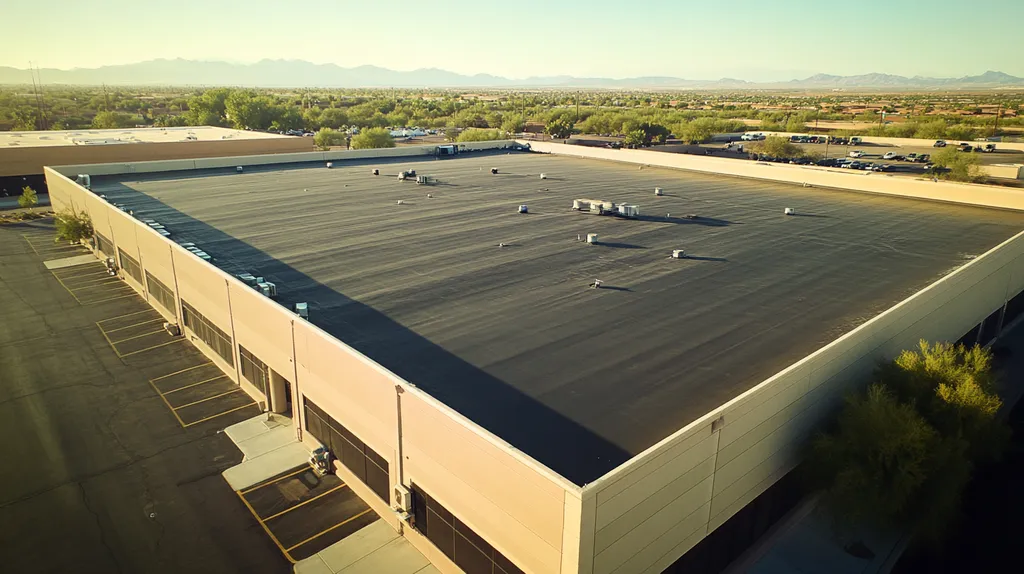
A staggering 85% of commercial roof failures could have been prevented through regular inspections, yet many building owners continue to overlook this crucial maintenance step. The consequences? Millions in avoidable repair costs and structural damage across the industry each year.
From mysterious leaks that appear months after initial damage to skyrocketing energy bills from compromised insulation, the price of neglecting roof inspections can be astronomical.
This guide separates fact from fiction about commercial roof inspections, equipping property owners with practical insights to protect their investments and avoid costly misconceptions.
SECTION 1: COMMON MISCONCEPTIONS
In the world of commercial roofing, myths can lead to costly mistakes that seriously impact a property’s value. Many building owners unintentionally put their investments at risk by overlooking essential roof inspections. Did you know that a staggering 80% of roof failures could have been avoided with regular check-ups? Grasping the truth behind these common misconceptions is vital for protecting roof integrity and ensuring a longer lifespan.
Myth: Inspections Are Optional
One of the most widespread myths is that roof inspections are optional. This dangerous belief can have dire financial consequences for building owners. Regular inspections are crucial for spotting early warning signs of wear, leaks, or structural issues.
Take, for example, a minor problem like a small seam separation. It can quickly escalate into a major water intrusion issue if neglected. Many property owners don’t realize that roofs can face serious challenges long before any visible signs appear.
Conducting routine inspections allows for a proactive maintenance strategy. This not only saves money over time, but also maximizes the building’s overall durability.
Building owners should aim to schedule inspections at least twice a year, ideally in the spring and fall. This practice helps ensure roofs are in excellent shape and prepared to handle seasonal changes.
Myth: Roofs Only Need Inspection After Damage
Another misleading notion is that inspections are only needed once visible damage occurs. This perspective can lead to neglect and often results in increased repair costs. Waiting until there are visible issues to inspect a roof is a highly reactive strategy that can backfire.
For instance, many leaks start as tiny problems that go unnoticed for months. By the time water stains appear on ceilings, extensive internal damage may have already taken root.
Regular inspections empower property owners to catch issues early, allowing for swift repairs. This not only minimizes disruptions to business operations but also safeguards the facility’s functionality.
Furthermore, routine inspections are key for keeping warranty coverage intact. Many roofing manufacturers require regular evaluations to validate warranties. Ignoring the need for assessments could risk losing vital financial protection against costly failures.
Myth: Flashing Needs Replacement Only With New Roofs
A common misconception is that flashing is only a concern when a new roof goes on. However, flashing is vital for the roof’s health throughout its entire lifespan. Neglecting the inspection and maintenance of flashing can lead to water infiltration and serious structural damage.
Flashing is strategically placed at critical seams and junctions to direct water away from vulnerable areas. Over time, however, exposure to the elements can weaken flashing, necessitating repair or replacement.
For example, compromised flashing around roof penetrations can cause leaks that might not be apparent at first. Regular inspections are essential to ensure that flashing remains intact and works as it should.
Property owners should prioritize flashing checks during their routine assessments. This will be instrumental in prolonging the roof’s life and protecting the building from moisture-related issues.
SECTION 2: PRACTICAL IMPLICATIONS
When it comes to commercial roofs, regular inspections are not merely a formality—they’re absolutely essential for the longevity and performance of the entire building. A staggering statistic reveals that neglecting these vital check-ups can slash a roof’s lifespan by up to 50%! This reality can lead to significant financial losses for property owners and even endanger tenant safety and comfort. Understanding the practical implications of regular roof inspections is critical for building owners and facility managers.
Impact on Roof Lifespan and Performance
Regular inspections have a direct correlation with the lifespan and performance of commercial roofs. A well-cared-for roof can thrive for 20 years or more, while a neglected one may develop leaks or structural weaknesses in a matter of just a few years. According to the National Roofing Contractors Association, routine inspections help identify minor issues before they escalate into major problems, increasing roof longevity.
These inspections facilitate timely repairs, warding off pesky water damage that can compromise the roof’s integrity. For example, addressing a small crack early enough can save property owners thousands in eventual replacement costs. Without regular check-ups, seemingly minor concerns can snowball into severe deterioration, requiring extensive and expensive interventions.
Additionally, seasonal inspections are crucial for regions prone to heavy snowfall or torrential rain. Checking gutters and drainage systems during peak seasons can prevent potential flooding disasters. This proactive maintenance strategy not only secures the roof’s performance but also extends its useful life, optimizing overall maintenance budgets.
Ultimately, ongoing inspections foster a robust roofing system that enhances the property’s value. A well-maintained roof boosts a building’s curb appeal and can improve energy efficiency, adding even more financial benefits to the property owner.
Effects on Building Integrity and Safety
The overall integrity and safety of a commercial building rest significantly on the condition of its roof. Regular inspections are key to identifying potential hazards that could threaten occupants. For instance, a failing roof can result in mold growth from trapped moisture—putting tenant health at risk.
Moreover, a compromised roof can trigger structural failure, presenting a serious safety hazard. As reported by the Occupational Safety and Health Administration (OSHA), improper roof conditions rank among the leading causes of workplace accidents. Regular checks can mitigate these risks, ensuring that roofs remain safe and stable.
Neglecting roof maintenance can also create complications with insurance coverage. Many insurance policies require proof of regular inspections to stay valid. Failing to document these assessments may lead to denied claims after incidents, resulting in financial repercussions that could have been easily avoided.
In essence, routine inspections reinforce the safety standards that property owners are obligated to uphold. This responsibility is not just a regulatory requirement but an ethical duty to safeguard tenants and maintain the building’s integrity.
Disruption to Tenants and Operations
When roof maintenance is overlooked, it can disrupt tenants and overall operations, potentially leading to lost revenue and dissatisfaction. For instance, a leak from neglected inspections may force tenants to evacuate, causing operational delays and costly interruptions for everyone involved.
These disruptions can also result in additional financial burdens. When maintenance is deferred, extensive repair work may become necessary, creating even greater inconveniences for tenants. Research shows that tenants are more inclined to renew leases in well-maintained buildings, reinforcing the necessity of a proactive approach to roof maintenance.
Effective communication during inspection periods is vital. Properly informing tenants about upcoming inspections can help mitigate complaints and align expectations. This transparency fosters a partnership between property owners and tenants, nurturing long-term relationships.
In addition, regular inspections can uncover potential problems that might lead to tenant disruptions, allowing for preventative action. This foresight not only maintains operational efficiency but also prioritizes tenant comfort and satisfaction.

SECTION 3: COST OF MISINFORMATION
When regular roof inspections are brushed aside, the financial fallout can be staggering for property owners. Research shows that a whopping 80% of roofing issues are tied to insufficient maintenance. In this section, we will explore the steep costs associated with delayed maintenance, the impact on energy bills, and the serious risks of extensive structural damage, illustrating how crucial proactive care is for maintaining roof integrity.
Financial Consequences of Delayed Maintenance
Ignoring regular roof maintenance isn’t just a bad habit—it can be a financial trap. A single neglected inspection can let minor issues snowball into hefty repairs. For example, a minor leak might initially seem harmless, but it can rapidly lead to water damage that racks up thousands of dollars in repair costs.
Additionally, property owners may find themselves facing higher insurance premiums after a claim due to negligence. Insurers may deny claims, arguing that lack of maintenance was the root cause of the damage, putting owners in a tough spot financially. A proactive maintenance plan is a smart strategy to help mitigate these costs.
Investing in routine inspections can uncover small problems before they become giants. Preventative maintenance leads to a healthier bottom line and minimizes long-term expenses.
In essence, committing to regular inspections is not merely a line item in the budget; it’s an essential investment in the future of a building that can yield significant savings over time.
Increased Energy Costs and Utility Bills
Looking the other way on roof maintenance doesn’t only threaten structural soundness—it can also hike up energy expenses. A roof that’s damaged or poorly maintained may fail to insulate properly, forcing heating and cooling systems to work overtime to keep temperatures comfortable.
Studies indicate that roofing inefficiencies can spike utility bills by up to 30%. This financial strain is not only detrimental to the budget but also undermines sustainability initiatives.
Regular inspections can enable swift repairs that ensure roofs are performing efficiently. Simple tasks like sealing leaks or changing out old insulation can dramatically boost a building’s energy performance.
By prioritizing roof assessments, owners can see lower energy costs over time while also contributing to a more eco-friendly operational model.
Potential for Extensive Structural Damage
Nix the roof maintenance routine, and the risk of extensive structural damage can skyrocket. A seemingly innocuous leak can escalate into widespread water intrusion, leading to rotting wood, mold growth, and significant weakening of the building’s structure.
The consequences can be dire, often resulting in costly repairs that require a team of contractors to fix. The overall expenses can easily reach six figures, depending on the severity of the damage and the materials needed for reconstruction.
Even worse, significant structural damage may force property owners to relocate tenants or suspend normal operations, which can drain revenue. Regular roof inspections are essential to safeguard against these expensive surprises.
In the end, routine inspections protect a property’s foundational structure, ensuring alignment with safety regulations and preserving overall property value.
SECTION 4: REALITY CHECK
Commercial roofs play a pivotal role as the first line of defense against unpredictable weather and harsh environmental conditions. Yet, many property owners overlook the critical need for regular inspections. Alarmingly, roofs that undergo biannual inspections can enjoy up to a 30% longer lifespan compared to those that do not. This section delves into the essential reasons behind timely inspections, the diverse needs of various roofing materials, and how cutting-edge technology can elevate the evaluation process.
Importance of Biannual Inspections
Biannual inspections are essential to maintain the integrity of commercial roofs. Regular check-ups help catch minor issues before they snowball into significant problems. For instance, a tiny leak can quickly morph into costly water damage if it’s not flagged during an inspection.
These inspections also provide an invaluable opportunity to assess the overall condition of the roof. Weather exposure, debris buildup, and inadequate maintenance can compromise its integrity. By conducting targeted inspections, building owners can address these concerns promptly and effectively.
Moreover, many insurance providers offer better rates for properties that prioritize regular roof inspections. This commitment not only can lead to potential savings but also enhances coverage options.
When considering costs, the price of inspections is minimal compared to the potential financial burdens of unplanned repairs, legal liabilities, and business interruptions. Committing to a biannual inspection schedule is a proactive strategy that protects a property’s bottom line over time.
Diverse Roofing Materials and Their Needs
Each roofing material comes with its own set of unique needs that significantly influence its durability and performance. Flat roofs, for example, are particularly susceptible to water accumulation, making frequent inspections crucial to prevent mold and structural damage. Conversely, sloped roofs have their own sets of challenges, like debris buildup and weather-related wear.
Built-up roofs require periodic checks to ensure the membrane layers remain intact, while metal roofs need attention focused on seams and fasteners, which are often at risk for rust and corrosion. Recognizing these distinctions is vital for effective maintenance strategies.
Additionally, specialized materials like TPO or EPDM require targeted inspections to spot punctures and membrane shrinkage. Understanding the specific roofing materials used in a building fosters tailored maintenance strategies that enhance durability and reduce long-term upkeep costs.
By adapting inspection practices to meet the unique needs of various roofing materials, property owners can better safeguard their investments while minimizing maintenance expenses.
Role of Infrared Scans and Laboratory Analysis
The advent of modern technology has transformed roofing assessments, with innovations like infrared scanning taking center stage. This non-destructive method allows inspectors to detect moisture trapped within roofing systems, enabling early intervention for hidden leaks that could lead to extensive damage.
Laboratory analysis of roofing materials provides in-depth insights into their current condition and projected lifespan. For example, core sampling can uncover deterioration that might go unnoticed during a standard inspection. These detailed evaluations equip property managers with the actionable data necessary for informed decision-making.
Incorporating advanced technologies into regular inspections results in more accurate assessments. This proactive approach enables the development of customized maintenance plans that target specific vulnerabilities of the roof.
As the roofing industry evolves, embracing cutting-edge inspection methods gives property owners a competitive advantage. Utilizing infrared scans and laboratory analysis transforms routine inspections into comprehensive, data-driven evaluations, maximizing the lifespan and performance of commercial roofs.

SECTION 5: EVIDENCE-BASED ALTERNATIVES
Ignoring regular inspections for commercial roofs can result in not just costly repairs but also significant structural damage. Research shows that approximately 70% of roof failures could be avoided through timely assessments and proactive maintenance. This alarming statistic underscores the necessity for building owners and facilities managers to adopt evidence-based strategies. By leveraging comprehensive checklists, implementing preventative maintenance programs, and utilizing specialized care for different roof types, they can effectively protect their roofing investments.
Comprehensive Inspection Checklists
Using comprehensive inspection checklists is essential for maintaining the health of commercial roofs. These structured tools standardize the inspection process, ensuring that critical areas—like flashing, drainage systems, and surface integrity—aren’t missed during assessments.
Checklists also act as valuable documentation, creating a record of inspections and repairs that informs future maintenance decisions. By categorizing findings into urgent, moderate, and low-priority issues, property owners can efficiently allocate resources. This organized approach promotes collaboration between property managers and roofing contractors, leading to effective maintenance strategies.
Regularly updating these checklists to reflect changing manufacturers’ recommendations and industry standards ensures alignment with best practices. In summary, a systematic checklist enhances the roof’s durability while fostering proactive maintenance rather than reactive fixes.
Benefits of Preventative Maintenance Programs
Establishing a preventative maintenance program is a game-changer for commercial roofs, significantly boosting their longevity and performance. These programs address minor issues before they grow into major headaches. By investing in preventive upkeep, building owners can save up to 50% on repair costs compared to waiting for problems to arise.
A well-crafted preventative maintenance schedule includes regular inspections, cleaning services, and minor repairs. This comprehensive approach not only protects the structural integrity of the roof but also enhances energy efficiency through well-maintained insulation and drainage systems. Regularly clearing debris and checking for wear prevents larger issues that could lead to the necessity of complete roof replacement.
Furthermore, such programs assist in informed budgeting for future repairs and upgrades. By anticipating roof needs, property owners can sidestep unexpected expenses, thereby protecting their investment value while also enhancing tenant satisfaction in commercial properties.
Specialized Care for Different Roof Types
Diverse roofing types demand specialized care to extend their operational life. Flat roofs, for instance, present unique challenges such as pooling water, while sloped roofs are more vulnerable to wind damage and debris impacts. A customized maintenance strategy that considers these differences is essential for optimizing roof stability.
When it comes to materials, whether TPO, EPDM, or metal, a tailored approach ensures roofs receive the proper care. Different materials may require specific cleaning agents and maintenance methods, which can significantly impact their longevity. For example, a metal roof requires regular inspections for rust and corrosion, while TPO roofs need checks for ultraviolet damage.
By being aware of the specific requirements and vulnerabilities of each roof type, facilities managers can implement targeted maintenance strategies that effectively tackle common issues. This specialized care not only enhances overall roof performance but also mitigates the risk of serious damage or premature failure.
SECTION 6: TEST AND VERIFY
Neglecting to test and verify roof conditions can lead to unexpected disasters for commercial property owners. Statistics indicate that a staggering 30% of premature roof failures stem from unseen issues that regular inspections alone can miss. A commitment to thorough testing methods not only secures a roof’s durability but also ensures the safety of the building itself. This section will delve into effective inspection techniques, advanced testing methodologies, and the significance of robust data documentation to support smart roof management.
Visual and Thermal Inspection Methods
Visual inspections act as the first line of defense against roof deterioration. Skilled professionals can spot visible signs of wear and tear, such as cracks or areas of ponding water. By catching these small issues early on, property owners can avoid a cascade of problems that could lead to costly repairs down the line.
Meanwhile, thermal imaging takes inspections a step further by revealing hidden conditions. Using infrared technology, specialists can identify temperature discrepancies, suggesting moisture trapped beneath the surface. This powerful method reveals issues that might not be visible with the naked eye, ensuring a thorough evaluation.
It’s wise to incorporate both visual and thermal inspections into a regular maintenance routine, ideally linked to seasonal changes. These inspections help to ensure a roof withstands the environmental stresses it faces throughout the year.
By adopting both techniques, building owners can secure a comprehensive assessment, proactively guarding their investments.
Laboratory Testing for Roof Condition
Occasionally, visual inspections don’t provide a complete picture of a roof’s condition. That’s where laboratory testing comes in, offering a scientific assessment of roofing materials. This process often involves sampling to analyze key properties such as tensile strength and moisture absorption, illuminating how well a roof can endure environmental challenges over time.
For instance, identifying subpar materials through testing can prompt swift action before significant issues arise. It’s particularly beneficial for ensuring that roofing materials fulfill their warranty criteria and meet necessary performance standards.
By incorporating laboratory testing into routine inspections, building owners gain a deeper understanding of their roofs. This valuable information empowers them to take informed decisions about necessary repairs, upgrades, or replacements.
Documentation and Data Analysis for Future Planning
Effective roof management hinges on meticulous data collection and analysis. Every inspection, test result, and repair should be systematically documented to create a historical record. This comprehensive archive is crucial for forecasting and planning future maintenance.
Analyzing documentation helps identify trends, such as frequent areas of wear or recurring issues, which can guide targeted preventative measures. Proper record-keeping also aids facility managers in budget planning for future needs, ensuring that unexpected expenses are minimized.
Additionally, well-organized documentation can streamline warranty claims and satisfy regulatory inspection requirements. By maintaining thorough records, property owners demonstrate responsible management of their assets.
In conclusion, diligent documentation and data analysis pave the way for more strategic decision-making. This proactive approach not only extends roof longevity but also helps to keep costs predictable, ultimately benefiting property owners significantly.
The Bottom Line
With 85% of commercial roof failures being preventable through regular inspections, the choice between proactive maintenance and reactive repairs has never been clearer.
The evidence overwhelmingly shows that twice-yearly professional inspections, combined with modern testing methods like infrared scanning and core sampling, can extend a roof’s lifespan by up to 30%.
Building owners who implement comprehensive inspection programs typically save 50% on long-term maintenance costs compared to those who defer routine checks.
By embracing a systematic approach to roof inspections, property owners can protect their investments, maintain tenant satisfaction, and avoid the astronomical costs of preventable failures.
The message is clear: regular roof inspections aren’t just recommended—they’re essential for responsible commercial property management.
FREQUENTLY ASKED QUESTIONS
Q. Are inspections for commercial roofs really necessary?
A. Yes, regular inspections are vital for the longevity of your roof. They help identify and address minor issues before they develop into costly problems that could jeopardize your building’s integrity. These assessments act as a proactive measure, ensuring your investment remains safe and sound.
Q. How do routine inspections affect an industrial roof’s lifespan?
A. Maintaining a regular inspection schedule can significantly boost your roof’s lifespan. With biannual evaluations, necessary repairs are made promptly, preventing minor damages from escalating into severe issues that shorten your roof’s durability. This proactive care helps you maximize your roofing investment.
Q. What are the costs of delaying commercial roof inspections?
A. Delaying inspections can lead to expensive repairs and increased maintenance costs. A minor issue can snowball into major damage, resulting in significant financial strain. Additionally, neglecting regular care may also cause spikes in insurance premiums and risk losing coverage.
Q. Why are biannual inspections important for commercial roofs?
A. Biannual inspections are key to maintaining your roof’s condition. They help catch minor issues that could transform into significant problems if ignored. Regular assessments ensure your roof can withstand seasonal changes and perform at its best, saving you money in the long run.
Q. How can specialized care improve my roof’s maintenance?
A. Providing specialized care tailored to your roofing material significantly enhances maintenance effectiveness. Different materials, like flat or sloped roofs, have unique vulnerabilities. Customized maintenance strategies ensure that each type receives the proper attention, boosting durability and reducing long-term upkeep costs.
Q. What innovative technologies should be used for roof inspections?
A. Utilizing innovative technologies like infrared scanning can revolutionize roof inspections. These methods help identify moisture and hidden issues not visible in standard assessments. Implementing advanced techniques enhances inspection accuracy and helps mitigate potential roof problems before they escalate.
Q. How does thorough documentation aid roof management?
A. Thorough documentation creates a historical record of inspections, repairs, and tests. This archive enables better forecasting, planning, and trend analysis to inform future maintenance tasks. Keeping organized records also boosts accountability when dealing with warranties and insurance claims.






