
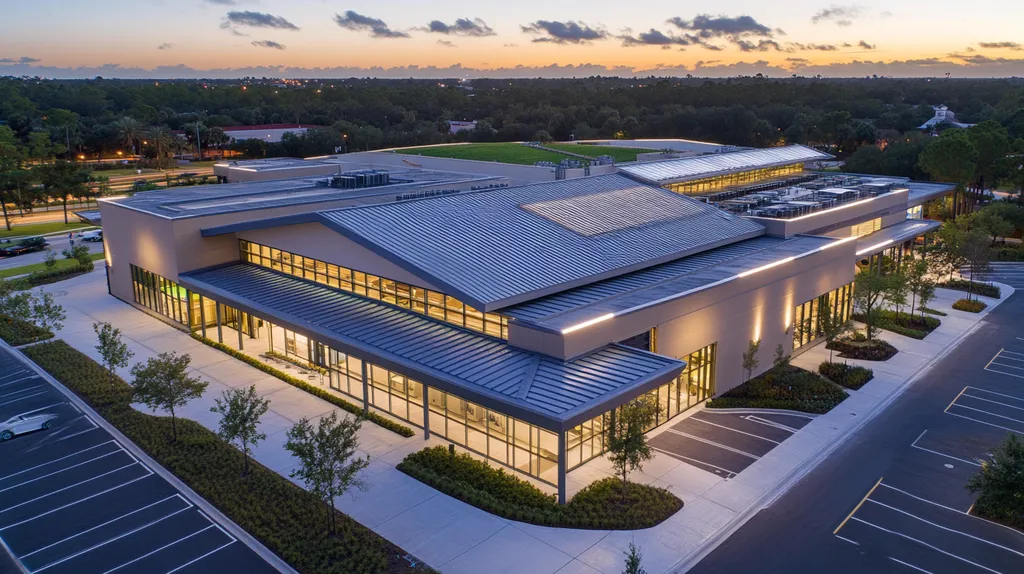
Built-up roofing systems protect over 40% of commercial buildings in North America, yet industry data shows that nearly one-third will develop serious issues due to preventable maintenance oversights.
As aging infrastructure and deferred maintenance collide, facility managers face mounting pressure to separate roofing facts from costly fiction.
From ponding water to improper repairs, understanding the true challenges of built-up roofing maintenance has never been more critical for protecting both assets and occupants.
This comprehensive guide examines six key areas where misinformation leads to expensive failures, providing evidence-based solutions for extending the life of commercial built-up roofing systems.
SECTION 1: COMMON MISCONCEPTIONS
Built-up roofing systems are often clouded by misconceptions that can lead commercial property owners into costly traps. Many mistakenly believe that these roofs require little maintenance until a leak surfaces, putting their investment at risk. A lack of understanding surrounding necessary care and upkeep can lead to premature failures, jeopardizing financial stability and building safety. This section aims to unravel the common myths surrounding built-up roofing while highlighting the critical importance of proactive maintenance.
Myth: No Maintenance Needed Until Leaks Appear
Many property owners assume their built-up roofs require no attention until noticeable leaks occur. This belief can spell disaster, leading to significant long-term damage. Early signs of wear, like cracking or blistering, often go unnoticed without regular inspections, setting the stage for bigger issues.
When these early indicators are ignored, water can infiltrate the roof, compromising both the roofing materials and underlying structures. The cost of addressing hidden damages can quickly surpass that of routine maintenance. Additionally, businesses may face unexpected downtime due to roof failures, further impacting operations.
A commitment to regular maintenance and inspections can act as a first line of defense against leaks and unforeseen costs. Annual roof inspections facilitate timely repairs, preserving the roof’s lifespan. Recognizing that built-up roofs require attention long before leaks arise is essential for savvy property owners.
By tackling minor issues proactively, property owners can save significant time and resources. A proactive approach to roof care is crucial for protecting investments and ensuring long-term stability.
Myth: All Roofing Materials Require Same Care
Another prevalent misconception is that all roofing materials, including built-up systems, necessitate the same maintenance guidelines. This one-size-fits-all mindset can undermine a roof’s longevity and performance. Built-up roofs, featuring a distinctive layered structure, require specialized care tailored to their specific design and materials.
The coatings and flashing unique to built-up roofing systems provide protections that other roof types may lack. Unlike single-ply membranes, built-up roofs must be monitored for UV degradation and their structural integrity, necessitating maintenance routines that cater specifically to these needs.
Additionally, the upkeep of built-up roofs should include regular inspections for blisters, cracks, and punctures. Overlooking these distinctions can lead to improper care, ultimately diminishing roof performance and lifespan. Maintenance protocols should reflect the unique requirements of built-up roofing systems.
By grasping the individual characteristics of different roofing types, property owners can develop effective maintenance strategies. Tailoring care to each roofing system can significantly bolster both durability and performance.
Myth: Built-Up Roofs Are Maintenance-Free
A widespread myth suggests that built-up roofs are maintenance-free due to their resilient construction. This notion is not only misleading but can also lead to significant issues as time progresses. Like any roofing system, built-up roofs require regular evaluation and maintenance to ensure optimal performance and prevent failures.
While built-up roofing is engineered for durability, it still demands routine inspections and maintenance to address challenges posed by environmental factors such as UV exposure, storms, and debris accumulation. Consistent upkeep is vital for preserving material integrity and preventing premature deterioration.
Neglecting essential maintenance can culminate in unexpected leaks, inflated energy costs, and structural damage that could have been avoided. Routine cleaning, inspections, and repairs not only extend the lifespan of built-up roofs but also enhance their efficiency.
It is essential for property owners to embrace the understanding that all roofs, including built-up systems, require ongoing maintenance. By adopting this perspective, they can ensure their roofs remain in prime condition while steering clear of expensive repairs.
SECTION 2: PRACTICAL IMPLICATIONS
Neglecting regular inspections of built-up roofing can lead to severe consequences for commercial property owners. Alarmingly, properties lacking routine evaluations reported leaks twice as often as those with regular checks. Furthermore, the typical lifespan of built-up roofs diminishes significantly when minor issues go unnoticed. This section explores the critical impact of neglecting inspections, the repercussions of improper installation methods, and the troubling effects of ponding water and blistering.
Impact of Neglecting Regular Inspections
Regular inspections are essential for catching potential problems before they escalate. Without these proactive measures, small leaks can morph into major repairs. Statistics reveal that 40% of roofs that go uninspected develop significant issues within five years.
When inspections are overlooked, hidden damage can fester beneath the surface, causing extensive structural harm over time. Unseen issues like rust or material degradation can jeopardize support structures, resulting in costly repairs or even entire roof replacements.
In contrast, frequent inspections can prolong the life of built-up roofs, ensuring they maintain optimal performance. Investing in regular evaluations often pays off by preventing costly repairs and extending roof functionality.
This underscores the urgent need for integrating routine inspections into standard maintenance practices for commercial properties with built-up roofing systems.
Consequences of Improper Installation Methods
Improper installation of built-up roofing sets the stage for numerous problems. Issues frequently arise from neglecting manufacturer specifications or opting for inferior materials during installation. For instance, insufficient bonding of roofing layers can result in premature failures.
Research indicates that roofs poorly installed are more prone to leaks, leading to earlier remediation compared to those properly installed. This not only impacts the roof’s lifespan but also burdens budgets with unanticipated repair costs.
Moreover, warranty claims for incorrectly installed roofs are often rejected, leaving property owners liable for expenses that could have been avoided with quality installation practices.
Thus, the importance of hiring qualified professionals and adhering to correct procedures during installation cannot be emphasized enough for built-up roofing systems.
Effects of Ponding Water and Blistering
Ponding water presents a severe challenge for built-up roofs. When water accumulates on the surface, it can cause extensive damage, leading to issues like blistering and membrane weakening. Studies show that roofs susceptible to ponding typically fail much sooner than those designed for efficient drainage.
Blistering occurs when moisture trapped between roofing layers turns into vapor, forming bubbles that can burst. These ruptures further exacerbate water ingress, leading to compounded damage over time. Facilities experiencing frequent ponding face recurring repair costs, creating significant financial strain.
Addressing ponding water is crucial not only for maintaining roof integrity but also for ensuring safety and usability of roof areas. Regular maintenance and effective drainage solutions can significantly mitigate these risks.
In conclusion, managing ponding water and minimizing blistering are essential for the longevity and optimal performance of built-up roofing systems.

SECTION 3: COST OF MISINFORMATION
The peril of misinformation in the realm of built-up roofing cannot be overstated. Property owners and facility managers often overlook the significant financial consequences of neglecting vital roofing issues. A staggering 30% increase in expenses may arise from delaying necessary repairs, underscoring the urgency for a clear understanding of these potential financial risks. Recognizing these pitfalls is essential for maintaining a safe, efficient roof and safeguarding investments.
Financial Burden of Delayed Repairs
Ignoring small repairs on built-up roofs can turn into a financial burden that spirals out of control. When water seeps through minor cracks or seams, it wreaks havoc, damaging insulation and surrounding materials, which ultimately demands expensive repairs that could have been easily avoided.
For instance, a small leak might initially cost a mere few hundred dollars to fix. However, if left unattended, that same leak could escalate to thousands of dollars in water damage, mold remediation, and HVAC repairs. This cascading effect can severely strain operational budgets, forcing owners to divert funds from other critical projects.
In severe cases, a delay could even necessitate a full roof replacement, which can be ten times more costly than regular maintenance. Understanding the financial implications of misinformation regarding repair timelines empowers managers to allocate their resources more judiciously.
By prioritizing proactive maintenance informed by accurate data, property owners can extend the lifespan of their built-up roofing systems while keeping expenditures in check.
Added Weight and Structural Strain
The spread of misinformation can lead property owners to poor maintenance practices, inadvertently increasing the burden on built-up roofing systems. Many may not realize how quickly accumulated water or debris can affect their roof’s structure, often leading to sagging or, in dire cases, structural failure.
For example, a built-up roof that retains water can experience an alarming increase in weight. This heavier load can compromise the building’s structural integrity, ultimately leading to costly repairs and posing serious safety risks.
Furthermore, neglecting proper drainage solutions exacerbates these issues. When property owners fail to acknowledge the importance of effective eave design or drainage, they unknowingly jeopardize their buildings, leading to grave financial and safety consequences.
Thus, adhering to accurate maintenance information is crucial not just for the roof’s longevity, but also for the overall safety and durability of the building itself.
Costs Associated with Leak Detection
Leak detection often proves to be a complicated endeavor, particularly when misinformation leads to incorrect assumptions about built-up roofs. Misidentifying the source of a leak can generate escalating costs as multiple areas are unnecessarily investigated.
For instance, dedicating time and resources to false leads can extend the inspection process, delaying essential repairs while driving up labor costs. This misdirected approach wastes valuable resources that could be better allocated elsewhere.
Poor detection methods can further deepen the problem, resulting in increased damage. Employing effective and reliable leak detection technologies enables prompt identification of issues, helping to keep repair costs manageable and minimizing downtime.
Investing in accurate leak detection is vital for avoiding unnecessary expenses. Effective leak management, rooted in solid information, plays a key role in preserving the longevity of built-up roofing systems and protecting facilities from expensive failures.
SECTION 4: REALITY CHECK
While built-up roofing (BUR) is often touted as a low-maintenance option for commercial properties, neglecting essential upkeep can lead to severe financial repercussions. Studies show that inadequate routine care can reduce a roof’s lifespan by up to 30%, and the costs of deferred maintenance can escalate quickly. Acknowledging the true maintenance needs of these roofs and adapting to seasonal challenges is crucial for property owners and facility managers. This reality check enables them to make informed decisions that safeguard both their investment and the integrity of their buildings.
Actual Maintenance Needs of Built-Up Roofs
Property owners frequently underestimate the ongoing maintenance demands of built-up roofs. Though designed for longevity, these roofs require consistent attention to maintain their performance. Routine inspections can catch small issues like blisters, cracks, and loose seams before they become major headaches.
Additionally, BUR systems can collect debris, creating pockets of moisture that accelerate wear and tear. To prevent water pooling—a common problem that can result in leaks—drainage paths must be kept clear. Regular maintenance is critical for extending the life of BUR systems and maximizing return on investment.
Failing to appreciate the importance of maintenance can have dire consequences. A neglected BUR may ultimately need a complete replacement, significantly raising costs. Proactively implementing a maintenance schedule not only saves money but also enhances the roof’s durability.
Beyond addressing immediate maintenance needs, routine care supports the overall health of the facility. A well-maintained roof not only signifies good stewardship but also contributes to a safer and more energy-efficient environment.
Importance of Seasonal Inspections
Seasonal inspections of built-up roofs are vital for sustaining their integrity. Each season presents unique challenges that may undermine the roof’s performance. For instance, heavy snowfall can add undue stress to a weakened structure, potentially leading to structural failures if not managed.
Spring and fall are prime times for thorough evaluations. These transitional seasons can expose vulnerabilities such as loose flashing or compromised seams. By identifying and rectifying these issues, property owners can avoid the high costs associated with emergency repairs down the line.
A successful inspection process includes verifying proper drainage, checking the condition of all seams, and assessing the overall roof surface. These proactive practices significantly lessen the likelihood of water damage and leaks.
Moreover, scheduling inspections prior to extreme weather events heightens the roof’s resilience. Property owners who invest in seasonal assessments face fewer unexpected roofing issues when they are least equipped to tackle them.
Real-Life Examples of Preventable Issues
Real-world examples starkly illustrate the consequences of neglecting built-up roofing maintenance. In one notable case, a facility manager’s failure to clear debris from the rooftop led to water accumulation and severe leakage. This oversight not only resulted in extensive membrane damage but also decreased energy efficiency throughout the building.
In another instance, an aging BUR that had not been inspected for years developed small cracks, allowing moisture to seep in and ultimately fostering hazardous mold growth. This situation caused significant remediation expenses and operational disruptions.
Conversely, facilities that maintain rigorous maintenance schedules report markedly fewer issues overall. These proactive organizations effectively extend their roofs’ lifespans while minimizing operational costs linked to unplanned repairs.
By learning from these examples of preventable problems, property owners and facility managers can make informed investments in maintenance and inspections, ensuring that their built-up roofing systems remain reliable assets for years to come.
SECTION 5: EVIDENCE-BASED ALTERNATIVES
As built-up roofing (BUR) systems age, effectively addressing common issues is no longer optional; it’s essential. Research underscores that without proactive strategies, over 80% of BUR systems will deteriorate within 20 years, resulting in costly repairs and premature replacements. This section highlights crucial maintenance schedules, proper installation techniques, and innovative solutions—steps that can significantly enhance the performance and lifespan of these roofing systems.
Recommended Maintenance Schedules
Implementing a consistent maintenance routine is vital for extending the lifecycle of built-up roofing. Experts advocate for at least one annual inspection, with an additional check in harsher climates. Identifying and rectifying small issues at these intervals can prevent them from escalating into major repairs, often creating considerable cost savings in the long run.
Maintenance routines should also include diligently clearing gutters and drains to avoid water pooling—an issue that commonly aggravates existing roofing problems. Property managers should maintain detailed records of repairs and inspections conducted, forming a crucial reference for informed future maintenance decisions.
Additionally, adopting a comprehensive roof management program can be invaluable. Such programs blend regular inspections, essential maintenance tasks, and a strategic budget for future repairs, ensuring BUR systems receive the attention they deserve over time.
Through rigorous adherence to a proactive maintenance schedule, facility managers can help mitigate the risks associated with BUR systems, fostering optimal roof performance and longevity.
Proper Installation and Repair Techniques
The longevity and success of a built-up roofing system hinge significantly on proper installation practices. Engaging qualified roofing contractors who comply with established industry best practices is not just advisable; it’s essential. Many future roofing issues, including leaks, stem from poor installation, jeopardizing the entire system’s integrity.
Furthermore, correct placement of all roofing layers, including the insulation, bolsters the resilience of the roof. Proper ventilation during installation is necessary as well—it prevents moisture from becoming trapped within the roofing assembly, which can lead to severe damage over time.
When repair work becomes necessary, it should mirror the meticulous standards applied to initial installation. Ensuring overlapping seams and utilizing high-quality materials can significantly enhance durability. Incorporating thermoplastic membranes during the repair process can provide added water-resistant barriers.
Ultimately, prioritizing quality installation and repair techniques can develop a more robust BUR system, equipping it to resist the common challenges faced by poorly maintained roofs.
Use of Reflective Coatings and Aggregate
Implementing reflective coatings on built-up roofs can maximize their efficiency. By reducing heat absorption, these coatings can significantly lower cooling costs in warmer months. Research suggests that reflective roofs can decrease energy consumption by as much as 20% in hotter climates.
Another beneficial enhancement is the application of aggregate materials, such as gravel or ceramic granules. This creates an additional defensive layer against UV radiation and physical wear, prolonging the roof’s lifespan while also improving its visual appeal.
Moreover, ensuring an even distribution of aggregate is crucial in minimizing problems related to standing water—an issue that can otherwise jeopardize the roof’s integrity. Facility managers should regularly inspect and replenish aggregate as needed to maintain its effectiveness.
Integrating reflective coatings and properly applied aggregate into a BUR system can substantially improve both energy efficiency and overall durability, providing a sustainable benefit for property owners.
SECTION 6: TEST AND VERIFY
Ensuring the integrity of a built-up roof is vital for safeguarding assets and maintaining business operations. Alarmingly, nearly 30% of roofing failures can be attributed to neglected maintenance and inadequate inspections. Implementing regular testing and verification processes can help property owners pinpoint vulnerabilities before they escalate into costly repairs or dangerous conditions. This section emphasizes the significance of comprehensive inspections, the identification of common roofing issues, and the critical verification of roof integrity after maintenance.
Conducting Thorough Roof Inspections
Routine inspections are crucial for the health of built-up roofing systems. A careful examination of the roof’s surface for cracks, blisters, and punctures can prevent minor issues from evolving into major concerns. It is advisable to conduct inspections at least twice a year, particularly after significant weather events.
During these inspections, trained professionals should pay close attention to flashing, seams, and drainage systems. These areas tend to exhibit wear first and can greatly affect the roof’s overall performance. Utilizing advanced technologies, like infrared thermography, can uncover hidden moisture problems lurking beneath the surface.
Timely inspections allow for early identification of necessary repairs, ultimately extending the lifespan of the roof. Property owners should keep detailed records of findings and photos to track the roof’s condition over time. This documentation plays an invaluable role in planning future maintenance or renovations.
Engaging a qualified roofing contractor adds expertise to the inspection process. Experienced professionals can often spot issues that may be overlooked by those untrained, ensuring a thorough evaluation alongside valuable recommendations.
Identifying and Addressing Common Issues
Recognizing common issues that impact built-up roofing is essential for effective management. For instance, pooling water can lead to water damage and accelerated degradation of the membrane, heightening the risk of structural failure. Addressing drainage issues promptly can enhance roof durability and minimize the chance of extensive repairs.
Cracking and splitting in the membrane, often triggered by temperature fluctuations, is another concern. Property managers should monitor these vulnerabilities closely to prevent serious structural implications. Additionally, the harmful effects of ultraviolet (UV) rays necessitate regular assessments to safeguard the roofing surface.
Furthermore, moisture intrusion is a pervasive threat that can compromise the entire roofing system. Inspections should include thorough checks for leaks, mold, or mineral staining, as early intervention can save considerable time and money in the long run.
When issues are identified, timely remediation is crucial. This often entails patching, replacing specific sections, or applying advanced waterproofing solutions. A proactive approach not only enhances the roof’s lifespan but also ensures compliance with local building regulations.
Verifying Roof Integrity Post-Maintenance
Following any maintenance, verifying the integrity of the roof is a critical step. A thorough evaluation should confirm that repairs were completed correctly and that the roofing system continues to function optimally. This verification process helps assess if the roof is still performing as intended after maintenance activities.
Using tools like moisture meters and thermal imaging can help detect any lingering problems. These devices can identify areas that may still harbor moisture despite repairs, allowing for appropriate follow-up actions if needed. Establishing a post-maintenance evaluation protocol is essential for the long-term health of the roof.
Documenting these verification steps ensures transparency and accountability. Property owners should make it a point to log all repairs and any findings from the evaluations. This data serves as a valuable resource for planning future inspections and making informed decisions.
Collaborating with roofing professionals after maintenance ensures that best practices are adhered to. Engaging a qualified contractor’s insight confirms that all aspects of the roof have been addressed, preparing the system to confront potential challenges ahead, thus significantly reducing future risks.
Looking Ahead
With over 40% of commercial buildings relying on built-up roofing systems, the stakes for proper maintenance have never been higher.
Industry data reveals that properties implementing rigorous inspection protocols and addressing issues promptly can extend their roof’s lifespan by 15-20 years, while those neglecting maintenance often face premature failure within a decade.
The evolution from traditional tar-and-gravel systems to modern built-up roofing has brought enhanced durability, but also demands more sophisticated maintenance approaches.
As aging infrastructure continues to challenge property owners, separating roofing facts from fiction becomes increasingly critical for protecting these valuable assets.
The future of commercial roofing depends on embracing evidence-based maintenance practices that preserve both building integrity and bottom-line performance.
FREQUENTLY ASKED QUESTIONS
Q. What are common misconceptions about commercial roofs?
A. Many assume commercial roofs require little maintenance until leaks appear. This belief is misleading. Proactive maintenance is crucial, as ignoring minor damage can lead to substantial issues down the line, threatening both financial stability and structural integrity.
Q. What happens to an industrial roof without regular inspections?
A. Neglecting inspections can result in leaks and significant damage over time. Properties without routine checks often face severe issues within only a few years. Inspections help catch small problems early, ultimately prolonging the roof’s lifespan and preventing costly repairs.
Q. How does misinformation affect commercial roof maintenance?
A. Misinformation can lead to deferred repairs, increasing expenses and resulting in serious damage. Property owners might misjudge the urgency of issues, allowing small problems to escalate, which can dramatically increase costs associated with maintenance and repairs.
Q. What should I know about seasonal inspections for commercial roofs?
A. Seasonal inspections are vital to address challenges posed by different weather conditions. Heavy snow or rain can exacerbate existing issues. Regular evaluations in spring and fall help identify and fix potential vulnerabilities, preventing costly emergency repairs and extending the roof’s lifespan.
Q. What are the effects of ponding water on built-up roofs?
A. Ponding water can cause major damage to built-up roofs, leading to blistering and membrane weakening. Roofs susceptible to standing water typically fail sooner, resulting in increased repair costs. Managing proper drainage is essential to maintain roof integrity and prevent long-term issues.
Q. How can I verify the integrity of my commercial roof post-maintenance?
A. After maintenance, it’s crucial to verify that repairs were effective. Using tools like moisture meters and thermal imaging can help detect lingering issues. Documenting findings ensures transparency and helps plan future maintenance, enhancing the roof’s longevity and overall performance.
Q. What are some protective measures for my industrial roof?
A. Implementing protective measures like reflective coatings can reduce heat absorption, lowering cooling costs. Additionally, using aggregate materials aids in UV protection and mitigates the impact of standing water. These enhancements significantly contribute to the roof’s durability and efficiency, benefiting property managers.






