
In an era where nearly 40% of commercial roofs fail prematurely due to poor material selection and installation, the choice of roofing system has never been more critical for property owners and facility managers.
Built-up roofing (BUR) systems, with their century-long track record of reliability, continue to demonstrate superior performance in modern commercial construction.
From enhanced durability and weather resistance to improved energy efficiency, understanding the advantages of BUR systems is essential for making informed decisions that protect valuable commercial assets.
This comprehensive guide explores the fundamental concepts, components, implementation methods, maintenance requirements, performance metrics, and optimization strategies that make BUR a leading choice in commercial roofing.
SECTION 1: FUNDAMENTAL CONCEPTS
In today’s world, where the longevity of buildings and energy efficiency are more important than ever, the choice of roofing system plays a crucial role in determining a property’s operational costs and environmental impact. Built-up roofing (BUR) has proven its worth since the 19th century, evolving to meet the rigorous demands of modern commercial spaces. Grasping the fundamentals of BUR is essential for property owners and facility managers who aim to make smart, informed roofing choices.
History and Evolution of BUR
Built-up roofing (BUR) has been a cornerstone of the commercial roofing industry for over a century. It first emerged in the 1840s, utilizing layers of asphalt and felt that created a powerful waterproof barrier. These initial designs focused primarily on flat-roofed buildings, showcasing their effectiveness against harsh weather conditions.
As the years went by, BUR systems integrated new materials and technologies. Innovations like modified bitumen and fiberglass felt have significantly improved performance while preserving the traditional layered approach. These advancements have not only extended the lifespan of BUR systems but have also enhanced their ability to withstand environmental challenges.
The transformation of BUR reflects changes in industry standards and a growing emphasis on environmental responsibility. Today’s BUR systems often incorporate recycled materials, aligning perfectly with green building practices and minimizing waste.
This extensive history highlights BUR’s reliability and flexibility, proving it continues to meet the evolving needs of modern commercial construction.
Basic Principles of BUR Systems
At its foundation, built-up roofing comprises multiple layers, typically consisting of a waterproofing membrane, insulation, and a protective top layer. This configuration serves as a robust barrier against moisture, harmful UV rays, and the fluctuating temperatures commonly experienced on rooftops.
The key principle behind BUR is redundancy: if one layer were to fail, the others remain in place to safeguard the structure below. This thoughtful design elevates the durability of BUR, enabling roofs to endure for 20 years or more when properly cared for.
Moreover, BUR systems can be enhanced with reflective coatings, boosting energy efficiency by limiting heat absorption. This modification supports sustainability objectives, as buildings with BUR require less energy for cooling during the hot months.
Additional elements, such as strengthened seams and reinforced edges, enhance the overall integrity of the roofing system, making it particularly resilient in regions prone to severe weather conditions.
Typical Applications and Uses
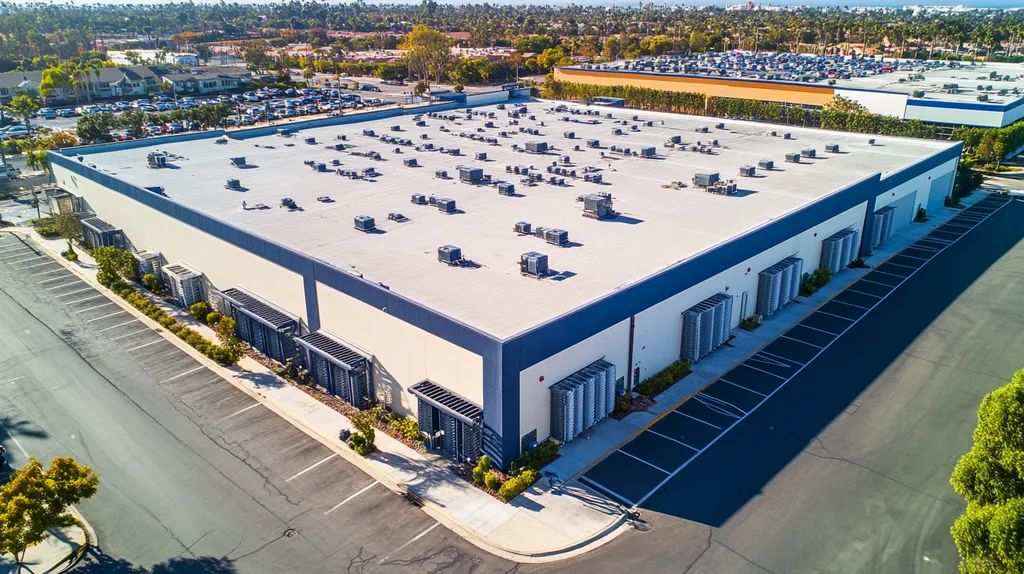
Built-up roofing systems shine in commercial and industrial contexts, thanks to their sturdiness and adaptability. They are commonly seen on warehouses, manufacturing facilities, and large retail establishments, where flat roofs are the standard.
Moreover, BUR is a great solution for urban settings where space on rooftops is often limited. Its impressive durability can easily support the weight of essential equipment, like HVAC units, while offering reliable protection against urban pollution.
In fields such as healthcare and education, BUR systems provide dependable, low-maintenance roofing solutions. Their long lifespan reduces the need for frequent roof replacements, leading to considerable cost savings over time.
Thus, the versatility of BUR makes it an excellent choice for a wide range of commercial properties, ensuring that owners achieve both high performance and cost-effectiveness.
SECTION 2: SYSTEM COMPONENTS
Understanding the key components of built-up roofing (BUR) is essential for property owners and facility managers aiming for longevity and efficiency. The materials selected influence a roof’s resilience, maintenance requirements, and overall performance. When components are chosen carelessly, the risk of costly repairs and decreased roof lifespan skyrockets. This section delves into critical elements such as bitumen, surfacing materials, and insulation, illuminating their significance in a high-performing BUR system.
Bitumen and Roofing Felts
Bitumen forms the backbone of built-up roofing systems, offering both waterproofing and durability. This essential, petroleum-based material comes in two primary varieties: asphalt and coal tar. Asphalt is favored for its ease of application, while coal tar provides exceptional resistance to harmful UV rays.
Roofing felts, crafted from either organic or fiberglass materials, are layered with bitumen to create a formidable waterproof shield. These lays of felts reinforce the roof’s structure, enhancing its resilience against severe weather. By employing multiple plies of felt combined with bitumen, BUR roofs show remarkable leak resistance compared to single-layer systems.
The selection of bitumen and roofing felts is a decisive factor in the roof’s performance and durability. Opting for high-quality materials is critical, directly influencing the roof’s capacity to withstand harsh climactic conditions while maintaining energy efficiency.
To make informed choices about bitumen and felts that suit specific climates and building needs, property owners should engage with knowledgeable roofing professionals. Being proactive at this step can prevent significant issues and expenses later.
Surfacing Materials and Aggregate
The surfacing layer of a built-up roof plays a pivotal role in safeguarding underlying materials from environmental hazards. Choices for surfacing materials include gravel, tar, or reflective coatings, with each offering distinct advantages. Gravel, for example, not only provides weight to shield against wind uplift but also protects from UV radiation, extending the roof’s lifespan considerably.
Reflective coatings serve to enhance energy efficiency by minimizing heat absorption, a crucial benefit in warmer regions where cooling costs can soar. The selection of appropriate surfacing materials can result in a roofing solution that is not only longer-lasting but also more economical in terms of energy expenditure.
Incorporating aggregate, such as crushed stone, boosts the roof’s durability and adds a layer of insulation. While surfacing options can influence the aesthetic, their primary purpose should remain functionality and robust performance. Choosing the right surfacing materials can significantly reduce maintenance requirements and lengthen the roof’s service life.
Investing in high-quality surfacing materials and suitable aggregates is vital for property owners. This thoughtful choice can mitigate the need for extensive repairs and prolong the roof’s resilience against wear and tear from the elements.
Insulation Layers and Thermal Protection
Insulation is a fundamental yet often underestimated component of built-up roofing. Proper insulation layers are critical for enhancing energy efficiency and lowering heating and cooling expenses. Common insulation materials include polyisocyanurate and expanded polystyrene, both known for their excellent thermal resistance.
Furthermore, effective insulation helps prevent moisture buildup, which can cause significant structural damage if not managed properly. A reliable thermal barrier safeguards against temperature fluctuations, maintaining a comfortable environment in commercial spaces—especially those with temperature-sensitive areas.
Integrated insulation systems can also offer soundproofing benefits, creating a more pleasant working environment. Efficient insulation reduces noise pollution from outside, which is especially beneficial for properties located in urban settings.
For optimal functionality, property owners must evaluate insulation materials according to their specific building needs and local climate conditions. Selecting the right insulation can greatly improve the roof’s energy-saving capabilities, leading to substantial long-term cost efficiencies.
SECTION 3: IMPLEMENTATION METHODS
Choosing the right application method is critical for ensuring the durability and performance of built-up roofing systems. With nearly a third of commercial roofs failing prematurely, understanding effective implementation techniques is essential for property owners aiming to minimize costly repairs down the line. This section will explore the importance of selecting appropriate application methods, dive into hot and cold techniques, discuss the intricacies of layering processes, and examine installation practices for different roof decks. Making informed decisions during these stages can significantly enhance the longevity and efficiency of a roofing system.
Hot vs. Cold Application Techniques
Hot application methods involve heating asphalt until it melts, creating a strong, watertight seal as it binds to each layer. This technique is celebrated for its superb bonding properties, ensuring every layer adheres securely to the substrate. However, this method requires specialized equipment and skilled labor, increasing the risk of accidents and potential hazards if not executed properly.
On the other hand, cold application techniques utilize adhesive that allows for installation at lower temperatures. This method minimizes safety risks associated with fire hazards and enables quicker installation without the need for heating equipment. While cold applications may offer less robust bonding compared to hot methods, they provide flexibility that can adapt to varying environmental conditions.
The choice between hot and cold application techniques hinges on project specifics, local climate, and budget constraints. Property owners should carefully consider the advantages and limitations of each method to find the ideal fit for their requirements. Engaging with experienced roofing professionals can greatly assist in making this critical decision.
Regardless of the application method chosen, strict adherence to local building codes and safety regulations is essential. Each technique presents its unique benefits and challenges, but an informed selection leads to a solid and reliable roofing foundation.
Layering and Plying Processes
The layering process plays a pivotal role in the effectiveness of built-up roofing, significantly enhancing its durability and resistance to the elements. Traditionally, BUR systems consist of several layers of felt and asphalt, meticulously applied to create a robust protective barrier. Each layer must be installed with precision to ensure maximum strength, particularly under harsh weather conditions.
Proper installation of layers is critical; insufficient overlap or inadequate adhesive can result in leaks and jeopardize the roof’s integrity. It’s important for property owners to recognize that the number of plies directly impacts both the roof’s lifespan and performance. Generally, a standard built-up roof includes at least three plies of felt for optimal results.
In addition, using aggregates like gravel provides enhanced UV resistance and waterproofing capabilities. These materials offer support by shielding the underlying layers from damage due to exposure to the elements, which ultimately prolongs the roof’s service life.
Professional installation is instrumental in ensuring that layering techniques meet industry standards, thereby reducing potential risks. Investing in quality installation can lead to significant savings over the roof’s lifespan by cutting down on maintenance and repair costs. By grasping these processes, property owners can make informed choices that positively affect their roofing investments.
Installation on Various Roof Decks
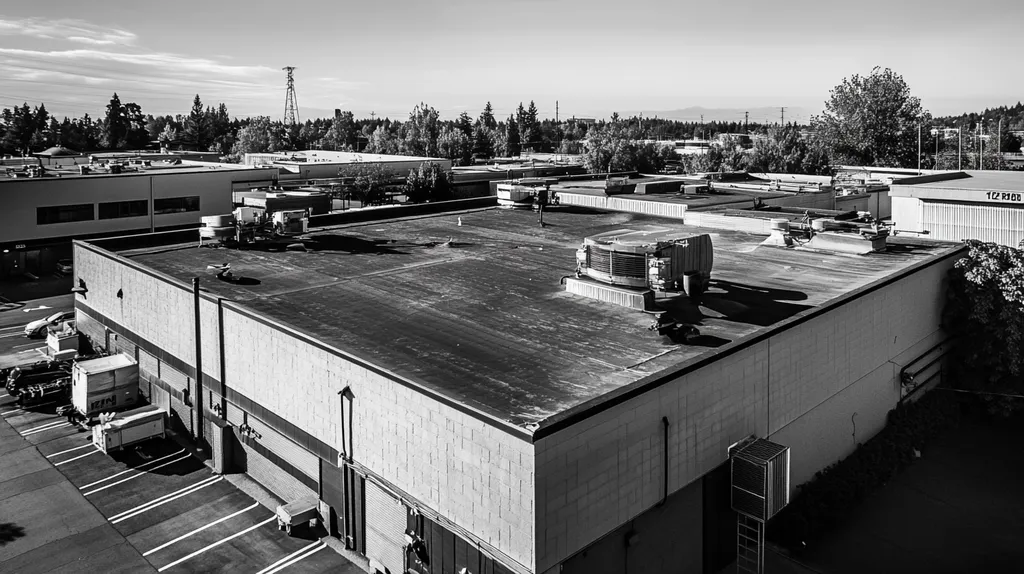
The selection of roof deck materials can greatly influence the choice of installation methods for built-up roofing systems. Common deck materials include concrete, wood, and metal, each presenting its unique benefits and challenges. For instance, concrete decks offer superb stability and can support heavier materials, while wood decks demand careful moisture management to prevent deterioration.
When it comes to metal decks, utilizing the proper fastening techniques is crucial to assure compatibility and mitigate any risks associated with thermal expansion. In some cases, metal installations may require additional insulation layers to combat condensation issues that threaten the roofing system’s integrity. Understanding the characteristics of deck materials enables roofing professionals to tailor installations to specific requirements.
The choice of insulation type is also vital, as it can significantly impact the performance of built-up roofing. Adequate insulation improves energy efficiency and temperature regulation, which directly influences heating and cooling costs. Property owners should consult roofing experts to determine the most appropriate insulation options for their specific roof deck materials.
Ultimately, effective built-up roofing installations rely on a comprehensive understanding of the roof deck’s characteristics. By carefully considering deck materials, property owners can ensure optimal performance and longevity, better protecting their investment in commercial roofing systems.
SECTION 4: MAINTENANCE REQUIREMENTS
Maintaining built-up roofing (BUR) is not just an option; it’s a necessity for securing the longevity and performance of these systems. Property owners who neglect maintenance risk costly repairs and severe damage that can disrupt operations. Regular attention to the roof’s condition can prevent small issues from escalating into major problems, ultimately allowing owners to protect their valuable investments. A comprehensive maintenance strategy is essential for extending a built-up roof’s service life and maximizing return on investment.
Annual Inspection and Repair
Annual inspections form the backbone of effective maintenance for built-up roofing systems. A thorough assessment by a qualified roofing professional is essential to detect signs of wear, damage, or potential vulnerabilities. Regular examinations signal the opportune moment to identify bubbling, cracking, or drainage issues before they evolve into significant threats.
It is crucial for property owners to engage certified inspectors who are well-versed in BUR nuances. These detailed assessments can highlight minor concerns that, if addressed promptly, can prevent water intrusion and prolong the roof’s life. For instance, sealing small cracks before winter can stop leaks from forming as temperatures drop.
Timely repairs flagged during inspections are paramount. Overlooking necessary fixes can amplify damage and lead to extensive, costly interventions down the line. By embracing a proactive maintenance approach, property owners can protect the structure beneath the roof and safeguard their overall investment.
In essence, regular inspections not only extend the roof’s lifespan but also lead to significant savings on emergency repair costs, providing a quality return on investment for commercial property owners.
Common Issues and Troubleshooting
Built-up roofs can face a range of common issues that jeopardize their effectiveness. One prevalent problem is the development of blisters, caused by trapped moisture that can severely weaken the roofing membrane. Immediate action is necessary to address these blisters and prevent further damage.
Ponding water emerges when drainage systems fail, allowing water to pool on the roof surface. This can lead to leaks and structural damage if not swiftly addressed. Recognizing areas with inadequate drainage allows for timely solutions, like adding new drains or enhancing existing systems.
Granule loss is another issue that often arises as roofs age. This diminishes the protective covering, exposing underlying layers to harmful UV rays, making them vulnerable to wear and damage. Regular inspections provide an opportunity to apply protective coatings when significant granule loss is noticed, effectively shielding the roof.
By diligently monitoring and troubleshooting these common issues, property owners can prevent excessive repair costs and significantly extend the life of their BUR systems.
Preventative Maintenance Strategies
Implementing strong preventative maintenance strategies can dramatically boost the durability of built-up roofing systems. A well-structured maintenance schedule that includes cleaning the roof surface and inspecting drainage systems is vital. Preventing debris buildup enhances drainage and mitigates potential issues.
Protective coatings should be applied every few years to fortify the roof against UV damage and general wear. These coatings not only seal minor cracks but also improve the roof’s appearance and functionality. Selecting coatings aligned with the building’s specific needs and its local climate is an essential step.
Moreover, educating staff about basic roof care can make a significant impact. Limiting traffic on the roof helps reduce wear, while training employees to report visible issues ensures timely resolution. Quick action on problems can significantly enhance the roof’s longevity.
By prioritizing preventative maintenance, property owners can protect their investments, ensuring that built-up roofs maintain optimal condition and performance for years to come.
SECTION 5: PERFORMANCE METRICS
For commercial property owners, evaluating the durability and performance of roofing systems is essential to safeguarding integrity and managing costs. Built-up roofing (BUR) systems demonstrate remarkable resilience and longevity, making them a leading choice in commercial construction. Recognizing key performance metrics is vital when considering BUR for any project. This section examines durability expectations, UV and heat resistance capabilities, and how well these systems withstand impacts and punctures.
Durability and Lifespan Expectations
Built-up roofing systems are celebrated for their exceptional lifespan, often lasting 20 to 30 years or more. This impressive longevity is attributed to the thick layers of asphalt, felt, and gravel, forming a robust defense against the elements.
In regions that experience severe weather, the durability of BUR can dramatically minimize the frequency of repairs and replacements. The result is lower lifecycle costs for property owners, making it an economical choice.
Furthermore, regular maintenance can significantly extend the lifespan of a BUR system. Simple tasks like routine inspections and periodic resurfacing can intercept minor issues before they develop into costly repairs.
Thus, investing in a BUR system can lead to long-term returns through reduced downtime associated with roof failures, granting facilities managers valuable peace of mind.
UV and Heat Resistance Capabilities
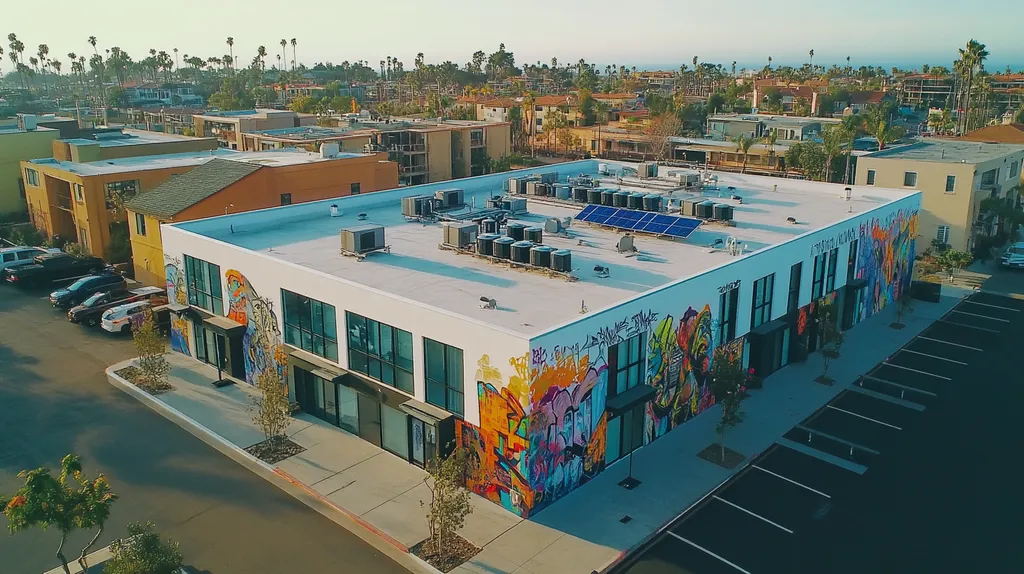
Engineered for resilience, built-up roofing systems effectively combat UV radiation and extreme temperatures. The granular surface of BUR is particularly adept at reflecting sunlight, which significantly reduces heat absorption into the building.
This capability enhances energy efficiency and lowers cooling costs during sweltering months. Studies reveal that buildings fitted with BUR maintain more constant indoor temperatures compared to those with less effective roofing systems.
Moreover, BUR’s resistance to thermal expansion and contraction alleviates stress on roofing materials, fostering a more stable roofing environment.
This dual capability against heat and UV damage translates to fewer repairs and an extended system lifespan, making BUR a wise choice for property owners focused on long-term performance.
Impact and Puncture Resistance
Known for their superb impact and puncture resistance, BUR systems feature multiple layers that create a formidable barrier against heavy objects and debris. This is especially crucial in commercial settings where maintenance personnel or heavy equipment may pose risks to the roof’s integrity.
Evidence indicates that BUR systems excel in surviving severe weather events, including hailstorms, which pose significant threats to roofs with less resilience.
Investing in a BUR system provides not only everyday wear protection but also an added layer of security during extreme weather conditions. This makes BUR a judicious choice for property owners considering both immediate and long-term roofing investments.
SECTION 5: PERFORMANCE METRICS
For commercial property owners, understanding the durability and performance of roofing systems is vital for safeguarding structural integrity and managing operational costs effectively. Built-up roofing (BUR) systems are distinguished by their impressive lifespan and their ability to withstand various environmental challenges. Grasping key performance metrics is essential when considering BUR for a commercial construction project. This section explores durability expectations, UV and heat resistance capabilities, and the strength of these systems against impacts and punctures.
Durability and Lifespan Expectations
Built-up roofing systems provide one of the longest lifespans available in commercial roofing, often exceeding 20 to 30 years. This extended durability stems from the multiple layers of asphalt, felt, and gravel, forming a sturdy barricade against environmental elements.
In areas prone to extreme weather, the resilience of BUR significantly decreases the need for frequent repairs and replacements, translating to reduced lifecycle costs for property owners.
Moreover, regular maintenance plays a crucial role in prolonging the lifespan of BUR systems. Simple practices such as scheduled inspections and timely resurfacing can prevent minor issues from escalating into costly repairs.
Ultimately, investing in a BUR system offers long-term returns through less downtime linked to potential roof failures, granting facility managers peace of mind regarding their investments.
UV and Heat Resistance Capabilities
Designed with resilience in mind, built-up roofing systems effectively resist UV radiation and high temperatures. The granular surface of BUR excels at reflecting sunlight, which minimizes heat absorption in the building.
This reflective quality not only boosts energy efficiency but also helps lower cooling costs during the hottest months. Research indicates that buildings equipped with BUR maintain more stable indoor temperatures than those with less effective roofing options.
Additionally, BUR’s capability to withstand thermal expansion and contraction reduces stress on roof materials, contributing to a more stable roofing environment.
This resistance to heat and UV degradation ultimately results in fewer repairs and an extended service life, making BUR a pragmatic choice for property owners focused on long-term performance.
Impact and Puncture Resistance
BUR systems are recognized for their exceptional impact and puncture resistance. The several layers of materials create a thick shield that protects against falling objects and debris, a crucial feature in commercial environments where heavy equipment or maintenance activities may pose risks.
Research demonstrates that BUR systems perform strongly during severe weather events, including hailstorms, which can severely damage less resilient roofing types.
Choosing a BUR system not only safeguards against everyday wear but also adds an extra layer of protection during extreme weather conditions, representing a wise investment for property owners considering both immediate needs and long-term durability.
Looking Ahead
With commercial roofing failures costing businesses over $2 billion annually in repairs and lost productivity, the advantages of built-up roofing systems have never been more relevant.
BUR’s century-long track record demonstrates its exceptional durability, with properly maintained systems regularly lasting 30 years or more.
The multi-layer construction, superior weather resistance, and remarkable energy efficiency make BUR an increasingly attractive option for modern commercial construction.
As environmental concerns and energy costs continue to rise, BUR’s adaptability to new materials and technologies positions it as a forward-thinking solution for commercial property owners.
By embracing these time-tested systems enhanced with modern innovations, facility managers can protect their investments while preparing for future challenges.
FREQUENTLY ASKED QUESTIONS
Q. What are the advantages of built-up roofing for commercial roofs?
A. Built-up roofing systems provide exceptional durability, energy efficiency, and low maintenance needs. Their layered design ensures redundancy, making them reliable against leaks and environmental elements. Additionally, their long lifespan means less frequent replacements, ultimately leading to cost savings for property owners.
Q. How do materials affect the performance of an industrial roof?
A. The materials in built-up roofing, such as bitumen and insulation, critically determine the roof’s durability and maintenance needs. High-quality bitumen and felts enhance waterproofing and structural integrity, while proper insulation decreases energy costs and prevents moisture issues. Wise material choices are essential for long-lasting performance.
Q. What application techniques ensure a reliable commercial roof installation?
A. The choice between hot and cold application methods can significantly impact the performance of the roofing system. Properly layered installations, attention to building codes, and engagement with skilled professionals ensure that the commercial roof is durable and effective against potential moisture and weather-related challenges.
Q. How important are annual inspections for an industrial roof?
A. Annual inspections are critical for maintaining the health of built-up roofs. Regular assessments by professionals help identify potential issues early, preventing costly repairs and extending the roof’s lifespan. Proactive maintenance often translates into significant savings on future repairs and mitigates operational disruptions.
Q. What performance metrics should I consider for a commercial roofing system?
A. Key performance metrics include durability, UV and heat resistance, and impact resilience. Understanding these factors helps property owners choose roofing systems that withstand environmental challenges while minimizing maintenance needs. Proper evaluation ensures the selected roofing option meets both immediate and long-term performance goals.
Q. What common issues should I troubleshoot on a built-up roof?
A. Common issues include blisters from trapped moisture, ponding water due to drainage failures, and granule loss over time. Identifying these problems early can prevent leaks and extensive damage. Engaging in routine monitoring allows for timely interventions, which can significantly extend the roof’s lifespan.
Q. What is the cost-effectiveness of a built-up roofing system?
A. Built-up roofing systems tend to offer strong cost-effectiveness due to their long lifespan and low maintenance needs. While the initial investment may be higher compared to other types, their reduced frequency of repairs and energy efficiency ensure savings over time. This combination leads to a favorable return on investment for property owners.






