

Every year, poorly matched commercial roofing materials cost property owners millions in premature replacements and skyrocketing energy bills, with 73% of climate-related roof failures occurring within the first decade of installation.
As extreme weather events increase in frequency and severity, selecting the right roofing system for specific climate conditions has become more critical than ever.
This comprehensive guide examines how climate zones impact material selection, installation methods, and long-term performance, providing property managers with actionable strategies to maximize their roofing investments across different regions.
SECTION 1: FUNDAMENTAL CONCEPTS
Commercial roofing decisions carry significant financial implications, with poor material choices potentially leading to premature failure and excessive energy costs. Recent industry data shows that mismatched roofing systems can reduce a building’s energy efficiency by up to 40% and cut the expected lifespan of materials in half. Understanding the relationship between climate conditions and roofing materials isn’t just about avoiding failure—it’s about maximizing investment and protecting valuable assets.
Climate-Specific Roofing Considerations
Each climate zone presents unique challenges that directly impact roofing performance and longevity. In northern regions, freeze-thaw cycles can stress material seams and joints, while southern locations face intense UV exposure that can degrade traditional membranes.
In many climates, sudden temperature fluctuations can cause rapid dimensional changes in roofing materials, leading to thermal shock and potential system failure. (source: Insulfoam)
Coastal environments introduce additional complexities, as salt spray and high humidity levels can accelerate corrosion in metal components and reduce adhesive effectiveness. Understanding these regional factors is crucial for material selection.
Local building codes and insurance requirements often reflect these climate-specific concerns, making compliance both a legal necessity and a risk management strategy.
Material Selection Criteria
Effective material selection balances four critical factors: durability, installation requirements, maintenance needs, and lifecycle costs. Each factor must be weighted against specific climate challenges and building use patterns.
Modern roofing materials offer varying degrees of weather resistance. Single-ply membranes excel in UV protection, while modified bitumen provides superior puncture resistance. The key is matching these properties to local conditions.
Installation methods must account for seasonal weather patterns and potential climate-related complications. For instance, cold-weather installations require special adhesives and modified techniques to ensure proper bonding.
Long-term maintenance requirements often correlate directly with climate exposure. Properties in high-rainfall areas may need more frequent inspections and drainage maintenance than those in arid regions.
Thermal Performance Basics
Thermal performance directly impacts building energy efficiency and material longevity. Understanding how different materials respond to temperature changes helps prevent premature aging and system failures.
R-value requirements vary significantly by climate zone. Northern regions typically demand higher R-values to prevent heat loss, while southern areas focus on heat reflection and dissipation.
Material expansion and contraction rates become critical in areas with extreme temperature swings. Proper installation must account for these movements to prevent membrane tears and seam failures.
Modern roofing systems often incorporate multiple layers with different thermal properties. This layered approach allows for customization based on specific climate challenges while maintaining overall system integrity.
SECTION 2: SYSTEM COMPONENTS
The selection of roofing system components represents a critical decision point that can mean the difference between decades of protection and premature failure. Recent industry data shows that 35% of commercial roof failures stem from improper component selection or integration, leading to billions in repair costs annually. Modern commercial roofing demands a sophisticated understanding of how individual components work together to create a cohesive system that can withstand specific climate challenges.
Roofing Material Types Overview
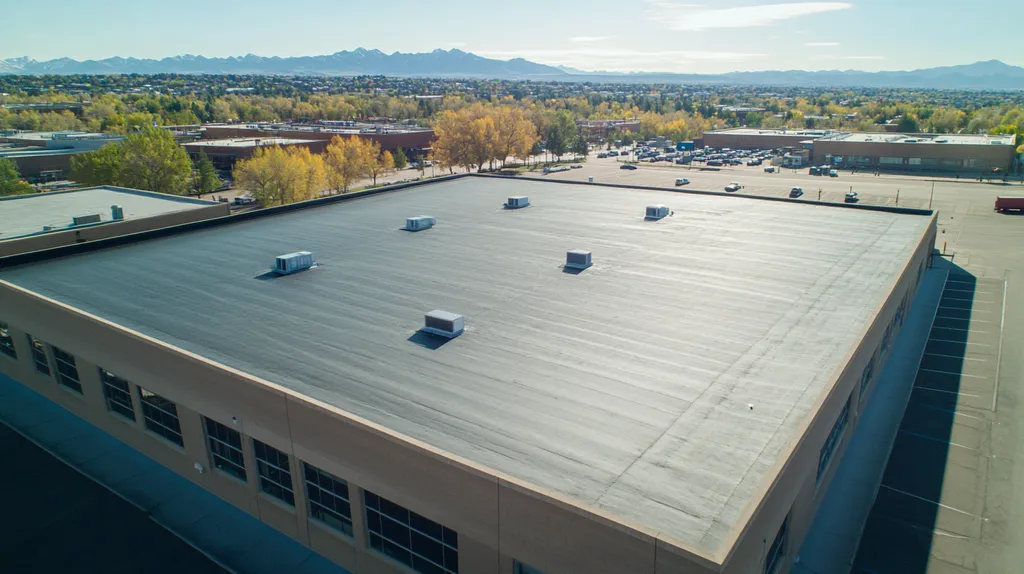
Different climates demand distinct roofing solutions to ensure optimal building protection and energy efficiency. Flat roofs with reflective coatings excel in hot, arid regions by deflecting UV rays and reducing cooling costs, while sloped metal roofs prove invaluable in snowy climates by facilitating snow removal and preventing ice dam formation. (source: Businessing Magazine)
Single-ply membranes like TPO and EPDM dominate the commercial market due to their versatility and reliable performance across diverse weather conditions. These materials offer excellent resistance to UV radiation and can maintain flexibility in extreme temperatures.
Modified bitumen and built-up roofing systems provide exceptional durability for high-traffic roofs or areas with frequent maintenance requirements. Their multi-layer construction creates redundant waterproofing protection.
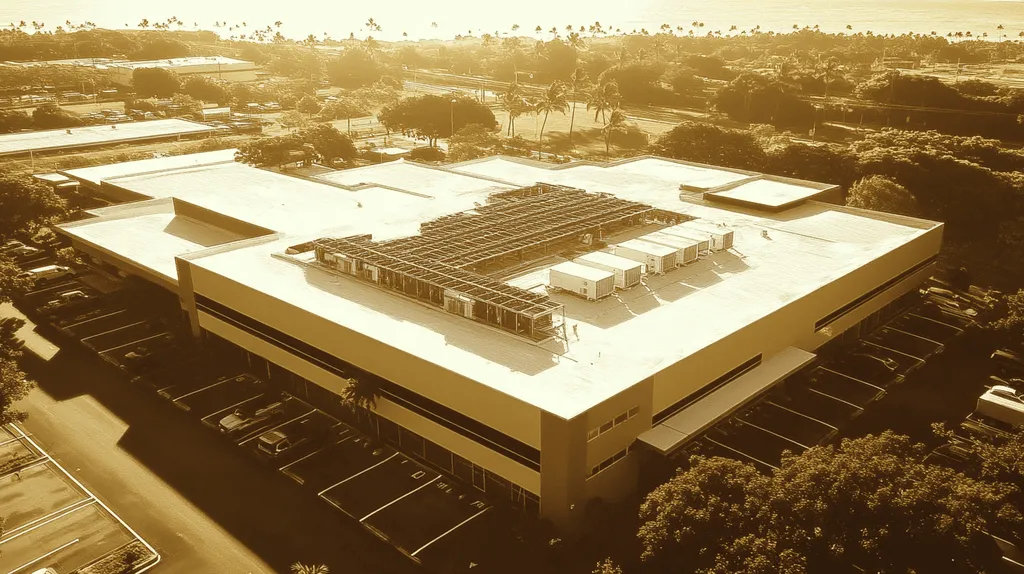
Emerging hybrid systems combine traditional materials with modern technology, such as cool roof coatings or photovoltaic integration, offering enhanced performance for specific climate challenges.
Component Compatibility and Integration
Successful roofing systems depend on seamless integration between all components, from the deck up through the weatherproofing layer. Even minor incompatibilities between materials can create vulnerabilities that compromise the entire system.
Adhesives and fasteners must be specifically designed for the chosen roofing material and local climate conditions. Temperature fluctuations can affect bonding strength and long-term durability of these crucial connection points.
Proper flashing integration remains critical for system performance, particularly at roof penetrations and transitions. These areas experience the highest stress and most frequent failures when components are mismatched.
Edge metal systems require careful consideration of thermal movement and wind resistance requirements. Their proper integration affects not only waterproofing but also the roof system’s wind uplift resistance.
Insulation and Drainage Systems
Effective insulation strategies must balance thermal performance with moisture management. Multi-layer insulation systems allow for better thermal control while reducing the risk of condensation within the roof assembly.
Drainage design requires careful calculation of rainfall intensity data and roof geometry. Inadequate drainage can result in ponding water, which accelerates material degradation and increases structural loads.
Tapered insulation systems serve dual purposes by providing both thermal protection and positive drainage. This integration eliminates the need for complex structural slopes while ensuring efficient water removal.
Vapor barriers and air barriers play crucial roles in managing moisture movement through the roof assembly. Their proper placement and integration with other components prevent condensation and maintain insulation effectiveness.
SECTION 3: IMPLEMENTATION METHODS
Proper implementation of commercial roofing systems represents a critical junction where design meets reality. Industry data reveals that implementation failures account for 47% of all premature roof system failures, with climate-inappropriate installation methods being the leading cause. The financial impact extends beyond immediate repair costs, often resulting in business disruption, increased energy consumption, and shortened system lifespan.
Installation Techniques for Various Climates
Each climate zone demands specific installation approaches to ensure optimal performance. Northern regions require careful attention to thermal movement accommodation, with expansion joints placed strategically to prevent membrane stress during freeze-thaw cycles.
Coastal installations demand enhanced corrosion protection measures and reinforced membrane attachment systems to combat salt spray and high winds. Special attention must focus on seam integrity and edge terminations.
High insulation values prove crucial for temperature control in extreme climates. Polyiso insulation delivers exceptional thermal resistance with R-values between 5.5 and 8 per inch, making it particularly effective for cold-climate installations. (source: Best Roof Help)
Desert environments require specialized UV-resistant materials and installation techniques that account for extreme temperature fluctuations. This includes specific attachment patterns and enhanced surface preparation methods.
Adhesion and Fastening Methods
Climate conditions directly influence the selection of appropriate fastening systems. Cold-weather installations require specialized adhesives with lower temperature limitations and extended cure times.
Wind-prone regions demand enhanced mechanical fastening patterns, often exceeding standard specifications by 50% or more. These areas also benefit from increased adhesive application rates in field and perimeter zones.
Humid climates necessitate moisture-resistant fasteners and adhesives capable of maintaining bond strength under high humidity conditions. Regular testing during installation ensures proper adhesion.
Temperature fluctuations affect both initial adhesion and long-term performance. Installation schedules must account for daily and seasonal temperature variations to achieve optimal bonding.
Project Management Best Practices
Successful implementation requires comprehensive project planning that accounts for climate-specific challenges. This includes detailed weather monitoring and contingency planning for adverse conditions.
Quality control measures must adapt to local environmental factors. This involves increased inspection frequencies during critical installation phases and specific testing protocols for different climate zones.
Material storage and handling procedures vary by climate zone. High-humidity regions require enhanced protection against moisture absorption, while extreme temperature zones need specialized storage conditions.
Documentation requirements increase in challenging climates, with detailed daily logs tracking environmental conditions, material temperatures, and installation variables. This data proves invaluable for warranty compliance and troubleshooting.
SECTION 4: MAINTENANCE REQUIREMENTS
Maintenance decisions directly impact both the longevity and performance of commercial roofing systems. Industry data shows that neglected maintenance leads to 80% of premature roof failures, with repair costs averaging 3-4 times higher than preventive maintenance expenses. Climate-specific challenges magnify these risks, making proper maintenance protocols essential for protecting commercial property investments.
Preventive Maintenance Strategies
A strategic maintenance program must align with local climate patterns and specific roofing system requirements. Scheduling inspections before and after severe weather seasons helps identify potential vulnerabilities before they become critical failures.
Built-up roofing systems, PVC membranes, and green roofing solutions provide excellent protection in humid and rainy climates, with each requiring specific maintenance protocols to maintain their moisture-resistant properties. (source: A Team Unlimited)
Digital maintenance tracking systems enable proactive scheduling and documentation of all maintenance activities. This systematic approach helps identify patterns of wear and potential problem areas before they escalate.
Regular drainage system maintenance prevents water accumulation that can stress roofing materials. Monthly inspections of drains, gutters, and scuppers become particularly crucial during high-precipitation seasons.
Repair Techniques for Common Issues
Surface deterioration requires immediate attention to prevent moisture infiltration. Proper repair techniques vary by material type and climate conditions, with membrane patches requiring specific temperature and humidity ranges for optimal adhesion.
Seam failures demand specialized repair approaches based on the roofing system type. Heat welding provides superior results for thermoplastic materials, while pressure-sensitive adhesives work better for EPDM systems.
Flashing repairs must address both the immediate damage and underlying causes. This often involves removing and replacing damaged materials while improving drainage or ventilation to prevent future issues.
Emergency repair protocols should focus on rapid response while ensuring compatibility with existing materials. Temporary repairs must not compromise the integrity of future permanent solutions.
Inspecting for Climate-Related Damage
Inspection protocols must adapt to specific climate challenges and seasonal weather patterns. High-wind regions require particular attention to membrane attachment and edge securement, while areas with extreme temperature fluctuations need focus on expansion joint performance.
UV exposure assessment becomes critical in southern regions, where material degradation can accelerate rapidly. Regular surface evaluations help identify early signs of UV damage before system failure occurs.
Moisture mapping helps identify subsurface water infiltration, particularly crucial in regions with high rainfall or humidity. This technology enables precise identification of problem areas before visible damage appears.
Documentation of climate-related wear patterns helps optimize future maintenance schedules and repair strategies. This data-driven approach ensures resources focus on the most vulnerable system components.
SECTION 5: PERFORMANCE METRICS
Performance metrics drive critical decisions in commercial roofing, yet many property owners lack clear frameworks for evaluation. Poor metric tracking leads to premature roof failures and excessive operating costs, with some facilities seeing energy bills spike by 40% due to inefficient systems. As climate patterns become more extreme, understanding and monitoring these metrics becomes essential for protecting both the building envelope and bottom line.
Measuring Energy Efficiency
Energy efficiency metrics directly impact operating costs and building performance. Modern roofing systems must balance thermal resistance with climate-specific demands to optimize building energy consumption.
The insulation R-value standards vary significantly by climate zone, ranging from R20 in Zone 1 to R35 in Zones 7-8, with Zones 4-6 requiring an R30 rating to ensure appropriate insulation for regional conditions. (source: Atlas Molded Products)
Solar reflectance and thermal emittance values provide crucial data points for evaluating cooling efficiency. High-performance roofing systems can reduce peak cooling demands by up to 15-25% in warm climates.
Regular monitoring of energy performance helps identify degradation in insulation values or reflective properties. This data enables proactive maintenance before efficiency losses impact operating costs.
Assessing Weather Resistance and Durability
Weather resistance metrics focus on material performance under specific climate stresses. Key indicators include wind uplift resistance, impact resistance, and chemical stability under UV exposure.
Standard testing protocols measure resistance to specific weather conditions. These include accelerated aging tests, simulated wind exposure, and thermal shock resistance evaluations.
Water penetration resistance remains a critical metric across all climate zones. Regular moisture surveys and leak detection testing help quantify system integrity over time.
Physical inspection scores track visible deterioration and early warning signs of failure. These assessments focus on seam integrity, surface wear, and membrane flexibility.
Evaluating Cost-Effectiveness Over Time
Life-cycle cost analysis provides the framework for comparing different roofing solutions. This evaluation includes installation costs, maintenance requirements, and expected service life under specific climate conditions.
Energy savings calculations demonstrate the financial impact of efficient systems. High-performance roofs often recover premium costs through reduced operating expenses within 3-5 years.
Maintenance cost tracking reveals the true expense of different roofing systems. This data helps facilities managers optimize repair schedules and budget for replacements.
Return on investment calculations must consider both direct costs and indirect benefits. These include reduced HVAC loads, extended equipment life, and improved indoor comfort conditions.
SECTION 6: OPTIMIZATION STRATEGIES
Modern commercial roofing faces unprecedented challenges from climate change, rising energy costs, and evolving sustainability requirements. Studies reveal that optimized roofing systems can reduce building energy consumption by up to 30% while extending material lifespan by decades. Yet most commercial properties operate with outdated systems that waste energy, compromise safety, and fall short of current performance standards.
Energy Efficiency Upgrades and Retrofits
The insulation R-value standards vary significantly by climate zone, ranging from R20 in Zone 1 to R35 in Zones 7-8, with intermediate zones requiring R25-R30 ratings to ensure optimal thermal performance. (source: Atlas Molded Products)
Strategic upgrades to reflective coatings and insulation systems can reduce cooling loads by 25-35% in warm climates while improving winter heat retention in colder regions. These improvements often pay for themselves within 3-5 years through reduced energy costs.
Regular assessments of thermal performance help identify areas where efficiency has degraded. Infrared scanning can pinpoint insulation gaps and moisture infiltration that compromise system performance.
Advanced monitoring systems track real-time energy performance, enabling facility managers to optimize HVAC operations and identify emerging efficiency issues before they impact operating costs.
Enhancing Weather Resilience and Safety
Weather-resistant upgrades must address specific regional challenges. High-wind zones require enhanced mechanical fastening and edge securement, while areas with heavy rainfall need superior drainage capacity and waterproofing redundancy.
Impact-resistant materials and reinforced membrane systems provide crucial protection against hail and debris. These upgrades significantly reduce the risk of catastrophic failure during severe weather events.
Enhanced flashing details and penetration sealing methods prevent water infiltration at vulnerable points. Modern sealant technologies offer superior durability and flexibility across extreme temperature ranges.
Safety improvements include non-slip walking surfaces, permanent anchor points for maintenance access, and enhanced lightning protection systems. These features protect both maintenance personnel and building occupants.
Implementing Sustainable Roofing Solutions
Sustainable roofing strategies combine environmental benefits with operational advantages. Green roof systems reduce urban heat island effects while providing natural insulation and stormwater management.
Recycled and recyclable materials minimize environmental impact while often delivering superior performance. Modern recycled membranes offer excellent durability and weather resistance.
Solar integration transforms unused roof space into energy-generating assets. Careful design ensures compatibility between photovoltaic systems and roofing components while maintaining system integrity.
Advanced drainage solutions capture and filter rainwater for reuse, reducing municipal water demand. These systems help properties meet increasingly stringent environmental regulations while providing operational cost savings.
The Bottom Line
With climate-related roof failures costing commercial property owners over $3.8 billion annually, selecting appropriate roofing materials for specific climate conditions has never been more critical.
The data clearly shows that climate-optimized roofing systems can extend service life by 40% while reducing energy costs by up to 30%.
Success requires a systematic approach that considers local weather patterns, material compatibility, proper installation methods, and ongoing maintenance protocols.
As extreme weather events continue to increase in frequency and severity, property owners who implement climate-specific roofing solutions will achieve superior protection, enhanced energy efficiency, and significantly better returns on their roofing investments.
The future of commercial roofing lies in this targeted, climate-aware approach to material selection and system design.
FREQUENTLY ASKED QUESTIONS
Q. How do climate factors affect commercial roof material choices?
A. Climate factors such as temperature extremes, humidity, and UV exposure critically influence the lifespan and performance of roofing materials. Selecting materials unsuitable for the local climate can lead to premature failures and increased energy costs. This makes understanding your region’s specific conditions essential for making informed decisions.
Q. What are important components of a commercial roof system?
A. Essential components of a commercial roof system include insulation, waterproofing membranes, and drainage systems. Each part must be compatible and integrated well to ensure maximum protection against the elements. Utilizing effective adhesives and flashings can also enhance the system’s reliability and longevity across varying climates.
Q. What are common installation methods for commercial roofs?
A. Installation methods vary by climate but generally include mechanical fastening, adhesion, or ballasting. For example, northern regions often require careful placement of thermal movement joints, while coastal areas might need enhanced protection against salt damage and high winds. Selecting the appropriate method is crucial for long-term roofing success.
Q. How can I maintain my commercial roof effectively?
A. Effective maintenance includes scheduling regular inspections, especially after severe weather. Addressing minor issues promptly prevents costly repairs down the road. Implementing a digital tracking system for maintenance activities can enhance organization and efficiency, ensuring that your roof stays in optimal condition and extends its lifespan.
Q. What performance metrics should I track for my commercial roof?
A. Key performance metrics include energy efficiency, weather resistance, and overall durability. Tracking insulation R-values, energy consumption, and resistance to water penetration are critical. Regular assessments help identify areas needing improvement and ensure your roofing system operates efficiently throughout its lifespan.
Q. What are some strategies for optimizing roof performance?
A. Strategies include upgrading insulation and reflective coatings to improve energy efficiency. Implementing advanced drainage solutions can prevent water damage, while enhancing weather resistance through high-quality materials boosts durability. These steps can help optimize overall performance and reduce energy costs considerably.
Q. How can I prepare for climate-specific challenges with my industrial roof?
A. Preparing for climate-specific challenges involves selecting the right materials and installation techniques tailored to local conditions. Consider factors such as temperature fluctuations and moisture levels. Regular assessments and adaptability to new materials or methods can enhance resilience against climate impacts over time.






