

For industrial property owners, the stakes couldn’t be higher when it comes to roofs supporting critical HVAC systems and equipment. Industry studies show that improper installation or maintenance of rooftop units leads to 40% higher energy costs and can reduce roof lifespan by up to 15 years.
Understanding the complex interplay between roof structure, equipment requirements, and long-term performance is essential for protecting these vital assets. This comprehensive guide examines the critical aspects of industrial roofing systems that support additional equipment, from fundamental concepts to optimization strategies.
By following established best practices in design, implementation, and maintenance, facility managers can ensure their roofing systems deliver maximum value while supporting mission-critical operations.
SECTION 1: FUNDAMENTAL CONCEPTS
In today’s industrial landscape, where advanced systems like HVAC are a must-have, understanding how roofs accommodate this added burden is crucial. A poorly equipped roof can lead to severe structural failures, jeopardizing safety and incurring substantial repair costs. To safeguard against operational disruptions, property owners and facility managers must familiarize themselves with essential concepts surrounding load capacity and roof design.
Roof Structure and Load Capacity
The design of an industrial roof is not only about keeping the elements at bay; it must also support its own weight, along with any additional equipment. Typically, industrial roofs feature beams, trusses, and decking materials that must bear these extra loads over time. If load capacity is overlooked, the roof may experience structural fatigue, leading to potentially dangerous outcomes.
For example, a roof initially crafted for lightweight materials could struggle under the weight of heavy HVAC units. To avoid such complications, property owners should work with structural engineers to assess the existing roof’s capabilities and reinforce it as needed, ensuring it can accommodate current and future installations.
Performing load-bearing calculations is vital to confirm that the roof can adequately support all added systems without compromising its integrity. Different materials can influence both weight and support needs; understanding these factors is key to avoiding unexpected stresses on the structure.
Addressing load capacity proactively not only prevents expensive repairs or replacements down the line but also promotes a longer lifespan for the roof, enhancing overall facility performance.
HVAC System Types and Functions
In the realm of industrial facilities, different HVAC systems address varied needs, including rooftop units, chillers, and cooling towers. Each type comes with distinct weights and operational requirements, making their strategic integration into roof design essential. For instance, rooftop units are often bulkier and require specific mounting techniques for optimal support.
Additionally, systems like chillers necessitate extra space for ductwork and drainage, all of which must be strategically considered in roof layout. Therefore, understanding each system’s operational demands is critical for aligning them with the roof structure.
Inadequate support for HVAC systems can lead to malfunctions or premature failures. By grasping the requirements of each system, property owners can make informed decisions that enhance overall planning and integration.
Ultimately, a thoughtful selection of HVAC types can improve energy efficiency and lower long-term costs, underscoring the significance of thorough and strategic roof planning.
Integration with Roof Design
To effectively integrate HVAC systems, a carefully considered approach to roof design is necessary. Important factors to weigh include drainage, accessibility, and ongoing maintenance. Neglecting these aspects may result in leaks, water damage, and other safety hazards.
A well-engineered roof design includes clear pathways for maintenance access and could also incorporate green roofing solutions, which not only support equipment but also improve insulation and help decrease energy expenses.
Moreover, local building codes often mandate specific criteria for roof structures meant to support mechanical equipment. Compliance with these regulations is vital to ensure safety and avoid legal issues.
Collaborating with architects and engineers fosters a well-rounded approach, ensuring that structural capabilities align with operational requirements. Such teamwork can maximize efficiency and extend the life of the roof, all while reliably supporting substantial equipment.
SECTION 2: SYSTEM COMPONENTS
Choosing the right rooftop unit configurations is vital for enhancing the efficiency of industrial roofs. Misplacing or improperly sizing these units can result in energy inefficiencies, driving up costs by nearly 30%. For property owners and facility managers, a solid understanding of system components—including their configurations and mechanisms—is essential to maximize operational effectiveness.
Rooftop Unit Configurations
Rooftop unit configurations profoundly affect heating and cooling efficiency. Common types include packaged units, split systems, and variable refrigerant flow systems, each presenting unique advantages. Tailoring the choice of system to a facility’s specific needs can lead to better climate control and reduced energy consumption.
Packaged units offer an all-in-one design that simplifies both installation and maintenance. However, for larger facilities, split systems may provide more customizable climate solutions. When precision is key, variable refrigerant flow systems shine, allowing for targeted temperature control across various zones.
Investing time in understanding these configurations empowers facility managers to make informed decisions that align with operational requirements and financial goals. This knowledge directly influences the performance and longevity of HVAC systems, ultimately benefiting the entire facility.
Cooling and Heating Mechanisms
The cooling and heating mechanisms deployed on industrial roofs are crucial for achieving stable indoor temperatures. Common methods include air-cooled chillers and heat pumps, each tailored for specific applications with distinct benefits.
Air-cooled chillers are flexible and easier to install than their water-cooled counterparts but often consume significant energy during peak usage periods. This could lead to inflated operational costs, making efficiency an important consideration.
Conversely, heat pumps can efficiently provide both heating and cooling. They excel in milder climates but require careful selection to ensure they can meet heating demands during colder months. Pairing the right mechanism with proper system planning can translate into meaningful cost savings for facilities.
Ventilation and Air Quality Systems
Strategic ventilation and air quality systems are essential for creating optimal indoor environments. Poor air quality not only affects employee productivity but can also increase health risks, making thoughtful planning paramount.
Mechanical ventilation options like economizers and exhaust fans help ensure a steady influx of fresh air. Economizers can significantly boost energy efficiency by utilizing outside air for cooling whenever weather conditions allow.
Incorporating effective filtration systems into ventilation designs captures airborne pollutants, promoting a healthier workplace. Regular system maintenance is crucial to maintaining high air quality levels and ensuring these systems perform optimally over time.
Investing in robust ventilation and air quality solutions ultimately enhance overall employee well-being, fostering better performance and reducing long-term healthcare costs.
SECTION 3: IMPLEMENTATION METHODS
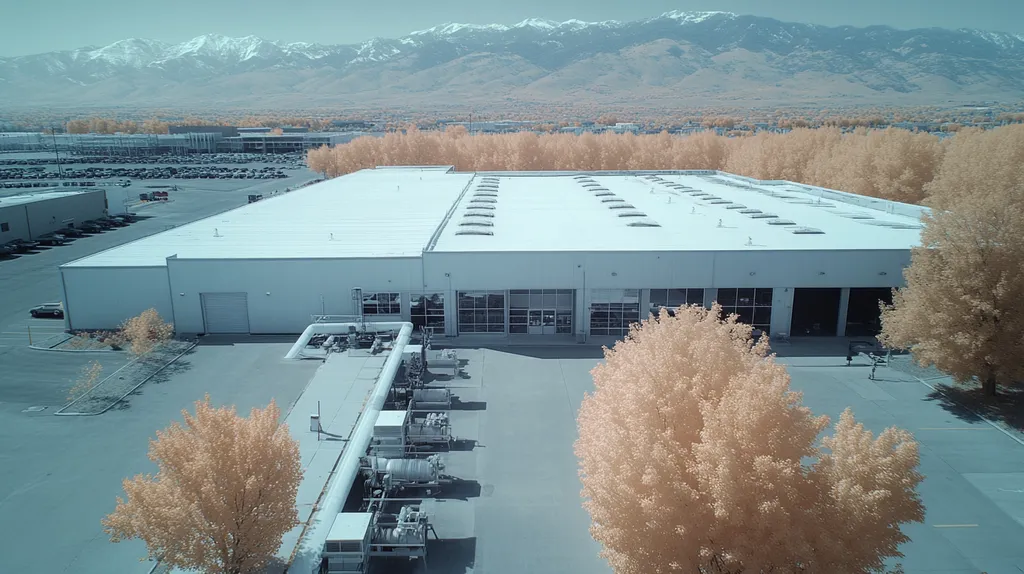
The implementation of industrial roofs to support essential equipment like HVAC systems is a pressing concern for property owners. Without careful planning and execution, there’s a high risk of structural failures, increased maintenance costs, and serious safety hazards. Issues such as uneven weight distribution or overlooked safety regulations can lead to costly repairs and operational downtime. This section outlines crucial steps for successful implementation, focusing on site assessment, weight distribution strategies, and adherence to safety considerations.
Site Assessment and Planning
A comprehensive site assessment is the foundation of successful roofing projects. Property owners must evaluate existing structures, materials, and drainage systems to spot potential challenges. For example, aging roofs may not be equipped to support the additional weight of new HVAC systems.
Engaging certified roofing professionals during the planning phase is essential. These experts ensure that design specifications align with the current roof’s capabilities, significantly reducing risks down the line. Assessing local climate conditions is also critical in choosing appropriate materials.
Additionally, a well-crafted blueprint detailing the location of HVAC units and maintenance access points can facilitate smoother installation. This proactive approach includes planning for future expansions, preventing costly modifications and enhancing the roof’s long-term functionality.
Weight Distribution and Anchoring
Even distribution of weight is crucial when adding equipment to industrial roofs. Misplaced or unevenly distributed loads can lead to sagging and structural failures, which threaten safety and incur repair costs. Precise calculations of the total load from all equipment are necessary before installation begins.
Using effective anchoring systems is equally important. Securely fastening equipment minimizes movement caused by wind or vibrations, protecting both the equipment and the roof structure. Specialized mounting systems tailored to different roof types can optimize weight distribution, ensuring materials maintain their integrity.
Regular assessments of weight distribution after installation help identify any early signs of stress on the structure. Early detection allows for timely adjustments or reinforcements, preserving the roof’s longevity and preventing long-term damage.
Safety Considerations and Regulations
Prioritizing safety is essential when implementing roofs that support additional equipment. Compliance with local building codes and safety regulations is crucial not only for legal protection but also for the welfare of workers and the public. Non-compliance can lead to severe financial penalties and liabilities.
Before any installation, property owners should familiarize themselves with Occupational Safety and Health Administration (OSHA) guidelines and relevant safety regulations. This includes understanding requirements for fall protection systems and establishing safe access routes for maintenance teams.
Moreover, training workers in proper installation handling is critical. Clear communication of safety protocols helps prevent accidents and ensures efficient operations. Regular safety audits following installation are beneficial for maintaining compliance and mitigating legal issues.
Investing in quality safety gear for workers reflects a commitment to their well-being and ultimately contributes to a more robust workplace safety culture.
SECTION 4: MAINTENANCE REQUIREMENTS
Failing to maintain industrial roofs that host crucial equipment such as HVAC systems can lead to dire consequences, including exorbitant repair costs and unexpected operational downtime. Alarmingly, around 80% of roof failures arise from inadequate maintenance practices, according to the National Roofing Contractors Association. To keep both the roof’s structure and its integral systems in optimal condition, regular inspection and proactive maintenance are essential. This section explores vital maintenance protocols, effective preventative strategies, and well-planned repair and replacement methods.
Regular Inspection Protocols
Establishing a regular inspection routine for industrial roofs is paramount. Inspections should ideally take place at least twice a year, during spring and fall. Qualified professionals should evaluate the roof’s surface, drainage systems, and any added equipment like HVAC units.
Using a checklist can ensure that all critical areas receive attention. Inspectors should look for signs of wear, water pooling, and vegetation growth—each indicating potential problems. Early identification of such issues prevents small concerns from developing into major repairs.
In addition to these seasonal assessments, immediate inspections following severe weather events are crucial. High winds, hail, or heavy snow can cause hidden damage that might otherwise go unnoticed. By prioritizing regular inspections, property managers can better protect their investment and enhance operational efficiency.
Documenting findings after each inspection is also vital for tracking roof condition over time. This historical data proves invaluable when making decisions about necessary repairs or upgrades, ensuring resources are utilized wisely.
Preventative Maintenance Techniques
Adopting a proactive approach through preventative maintenance significantly extends the lifespan of industrial roofs. One key technique is managing drainage effectively to avoid water accumulation. Clogged gutters and downspouts can lead to pooling water, jeopardizing the roof and supporting structures.
Regular cleaning of roof surfaces is another essential preventative measure. Removing debris, leaves, and dirt not only lessens the risk of mold growth but also reduces the need for costly repairs down the line. Additionally, periodic sealing and coating protect the roof from harmful UV exposure.
It is equally important to maintain the HVAC units and other equipment installed on the roof. Regular maintenance of these systems benefits both the roof and the performance of the equipment itself. Issues like loose connections or minor leaks can lead to extensive water damage, complicating roofing matters.
Investing in preventative maintenance is not just about saving on repair costs; it promotes a safer and more efficient operation. By implementing these strategies, property managers can achieve peace of mind and realize savings in the long run.
Repair and Replacement Strategies
Having a strategic approach to repairs is vital for the long-term health of industrial roofs. When damage is identified, deciding whether to repair or replace should hinge on both the extent of the damage and the roof’s age. Small issues like minor punctures may only require quick patches, while more significant problems may necessitate extensive repairs or even a full replacement.
Effective repair tactics involve using materials that are compatible with the existing roof structure. This compatibility ensures that repairs won’t undermine the roofing system’s integrity. For instance, if a TPO (Thermoplastic Olefin) roof is damaged, using TPO-specific repair materials is essential to maintain performance.
When planning for roof replacement, it is wise to budget for future needs, taking into account potential increased loads from additional equipment. Partnering with roofing contractors for assessments facilitates informed decisions regarding the timing and scope of any replacement projects.
Ultimately, establishing clear repair and replacement strategies mitigates safety risks and minimizes financial impacts. Understanding the factors that drive roofing decisions empowers property managers to make choices that effectively safeguard their investment.
SECTION 5: PERFORMANCE METRICS
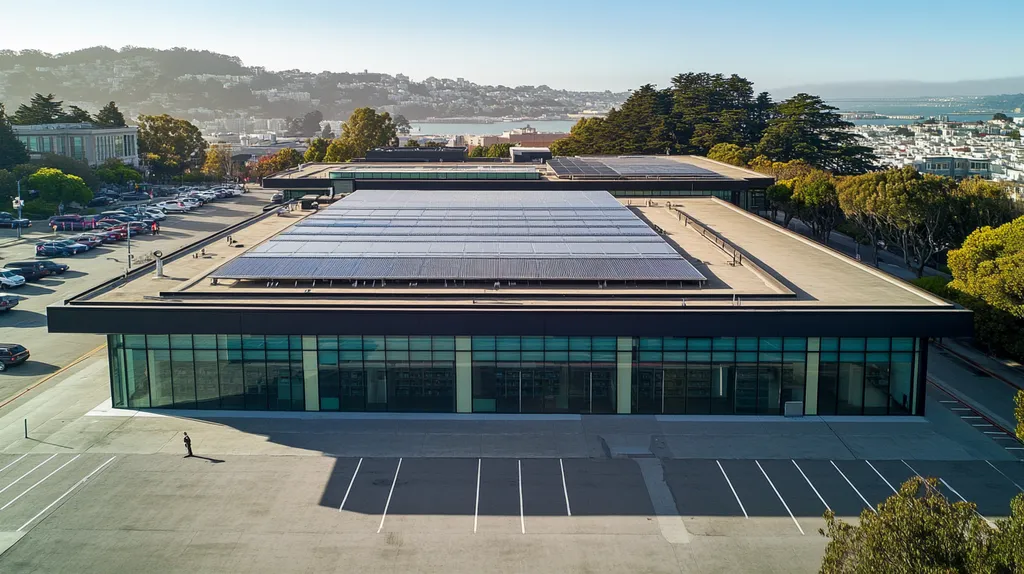
Grasping performance metrics for industrial roofs is not just a good practice—it’s essential. Inefficient roofing systems can lead to escalated energy bills and increased maintenance costs, with energy loss from poorly insulated roofs contributing to nearly 30% higher heating and cooling expenses. For property owners and facility managers, prioritizing energy efficiency, adhering to standards, and conducting thorough operational cost analyses is crucial for ensuring their roofs can adequately support additional equipment while optimizing financial performance.
Energy Efficiency Standards
Energy efficiency standards play a vital role for industrial roofs that are designed to support HVAC systems. Poorly crafted roofs lead to significant energy loss, raising operational costs substantially. Compliant roofs can decrease energy consumption by as much as 20% compared to their non-compliant counterparts.
Utilizing insulation and reflective materials effectively is key to promoting energy efficiency. These practices help maintain stable indoor temperatures, easing the burden on HVAC systems. It is essential for building owners to select roofing materials that either meet or exceed local and national energy codes.
Neglecting these standards can have serious repercussions, impacting both costs and the lifespan of equipment. Therefore, regular evaluations of roofing systems against energy efficiency benchmarks are imperative for ensuring long-term sustainability and financial viability.
Conducting routine inspections and audits is critical for confirming compliance with energy efficiency standards, enhancing both the roof’s performance and longevity.
ASHRAE Compliance and LEED Credits
Adhering to ASHRAE standards is of utmost importance for industrial roofs supporting additional equipment. ASHRAE guidelines ensure superior building performance in terms of energy efficiency and indoor environmental quality, significantly boosting a facility’s operational efficiency.
Furthermore, properties that implement sustainable roofing practices may qualify for LEED credits. For example, utilizing green roofing materials can earn valuable points for LEED certification. This not only aligns with environmental stewardship but also enhances property values.
Facilities that achieve LEED certification often enjoy lower utility expenses. Meeting these standards equips property owners to fulfill environmental regulations, improving their appeal to eco-conscious tenants.
Maintaining comprehensive records of compliance efforts is equally crucial. This documentation streamlines future performance assessments and lays the groundwork for ongoing improvements.
Operational Cost Analysis
Conducting an operational cost analysis is essential when assessing roofs that support additional equipment. This analysis helps identify the financial impacts stemming from roofing design and material selection. Well-insulated roofs can significantly reduce HVAC operating hours, translating to cost savings.
Evaluating maintenance costs is equally important. A roof that receives regular maintenance can prevent costly repairs and prolong the lifespan of the installation. Ignoring these elements can lead to budget overruns and unforeseen expenses.
Employing software tools for cost analysis allows facilities managers to forecast energy usage trends and budget for upcoming maintenance needs. This proactive management approach aids in spotting potential issues before they evolve into expensive repairs.
Integrating real-time energy monitoring tools can further refine operational cost analyses. By gaining a comprehensive understanding of the costs involved, property owners can make informed choices that enhance both energy efficiency and overall profitability.
SECTION 5: PERFORMANCE METRICS
Understanding performance metrics for industrial roofs is essential, as inefficient roofing systems can lead to skyrocketing energy bills and higher maintenance costs. For instance, energy loss through poorly insulated roofs can account for as much as 30% of additional heating and cooling expenses. Property owners and facility managers must prioritize energy efficiency, adhere to established standards, and conduct comprehensive operational cost analyses to ensure their roofs adequately support additional equipment while enhancing financial performance.
Energy Efficiency Standards
Energy efficiency standards are pivotal for industrial roofs that support HVAC systems. Poorly designed roofs can lead to substantial energy loss, driving up operational costs. In fact, compliant roofs can lower energy consumption by up to 20% compared to non-compliant roofs.
Utilizing effective insulation and reflective materials is crucial for maximizing energy efficiency. These materials help maintain stable indoor temperatures, thereby reducing the strain on HVAC systems. Building owners should ensure that roofing materials meet or exceed local and national energy codes.
Disregarding these standards not only affects expenses but may also shorten the lifespan of the HVAC equipment. Therefore, routine evaluations of roofing systems against energy efficiency benchmarks are vital for promoting long-term sustainability and financial viability.
Regular inspections and audits of existing roofing systems are essential for maintaining compliance with energy efficiency standards, ultimately enhancing both roof performance and longevity.
ASHRAE Compliance and LEED Credits
Compliance with ASHRAE standards is critical for industrial roofs that support additional equipment. ASHRAE guidelines promote high performance in energy efficiency and indoor environmental quality, significantly enhancing a facility’s operational effectiveness.
Moreover, properties that incorporate sustainable roofing practices can qualify for valuable LEED credits. For example, using green roofing materials can earn points toward LEED certification. This not only aligns with environmental sustainability but can also elevate property values.
Facilities achieving LEED certification often enjoy reduced utility costs and demonstrate a commitment to environmental regulations, making them more attractive to eco-conscious tenants.
Furthermore, documenting compliance efforts is essential for streamlining future assessments and providing a foundation for ongoing performance improvements.
Operational Cost Analysis
Conducting an operational cost analysis is crucial for evaluating roofs that support additional equipment. This analysis uncovers the financial impacts related to roofing design and material choices. For instance, well-insulated roofs can reduce HVAC operating hours, leading to significant cost savings.
It’s equally important to assess maintenance costs. Regularly maintained roofs can help prevent high repair expenses and extend the lifespan of the installation. Ignoring these factors may result in budget overruns and unexpected financial burdens.
Facilities managers can employ software tools for comprehensive cost analysis, enabling them to forecast energy usage trends and prepare for maintenance needs. This proactive approach identifies potential issues before they escalate into costly repairs.
Additionally, integrating real-time energy monitoring tools can refine operational cost analyses even further. By thoroughly understanding the costs involved, property owners can make informed decisions that enhance both efficiency and profitability.
Looking Ahead
With industrial HVAC equipment failures costing facilities an average of $250,000 in emergency repairs and operational disruptions annually, proper rooftop system integration has never been more critical.
The sustainable operation of industrial facilities depends on understanding and implementing comprehensive roofing strategies that support essential equipment while maintaining structural integrity.
From load capacity considerations to energy efficiency standards, each element discussed plays a vital role in creating resilient, cost-effective roofing systems.
As technology advances and environmental regulations tighten, facility managers must stay informed about emerging best practices and innovative solutions.
By following the guidelines outlined in this handbook, property owners can protect their investments while ensuring their facilities remain competitive in an increasingly demanding industrial landscape.
FREQUENTLY ASKED QUESTIONS
Q. What aspects of commercial roofs affect load capacity?
A. Commercial roofs must support their own weight and any additional systems like HVAC. Structural elements, such as beams and trusses, determine load capacity. Engaging with a structural engineer helps assess and reinforce the roof effectively to ensure safety and prevent structural failures.
Q. How do industrial roof configurations impact HVAC efficiency?
A. The configuration of an industrial roof affects how efficiently HVAC systems operate. Properly placed rooftop units optimize climate control and reduce energy waste, while mismatched sizes or types can lead to increased operational costs. Understanding system types is crucial for effective HVAC integration.
Q. What is involved in site assessment for industrial roofs?
A. Site assessment for industrial roofs involves evaluating the existing structure, materials, and drainage systems. This helps identify challenges, such as aging roofs that may not support new HVAC units. A detailed plan helps ensure smooth installation and long-term functionality.
Q. Why are regular inspections essential for commercial roofs?
A. Regular inspections help identify maintenance issues early, preventing costly repairs. Inspections should occur at least twice a year, looking for wear, drainage problems, and potential roof leaks. Documenting findings enhances long-term maintenance strategies and protects your investment.
Q. How can I enhance energy efficiency in industrial roofs?
A. Enhancing energy efficiency involves using quality insulation and reflective materials in your roofing. Meeting energy codes not only lowers utility costs but also extends the lifespan of your HVAC systems. Regular evaluations ensure compliance and optimize overall roof performance.
Q. What strategies should I use for roof repairs?
A. A strategic approach involves assessing damage size and age before deciding on repairs. Use compatible materials for repairs to maintain roof integrity. Regularly review the roof’s condition to prevent minor issues from escalating into costly repairs, ensuring lasting protection.
Q. How can I guarantee compliance with safety regulations during installation?
A. Compliance starts with understanding local building codes and OSHA guidelines. Familiarize your team with safety protocols, prioritizing training for proper installation and safe equipment use. Regular audits post-installation ensure ongoing adherence to safety standards, protecting workers and your investment.






