
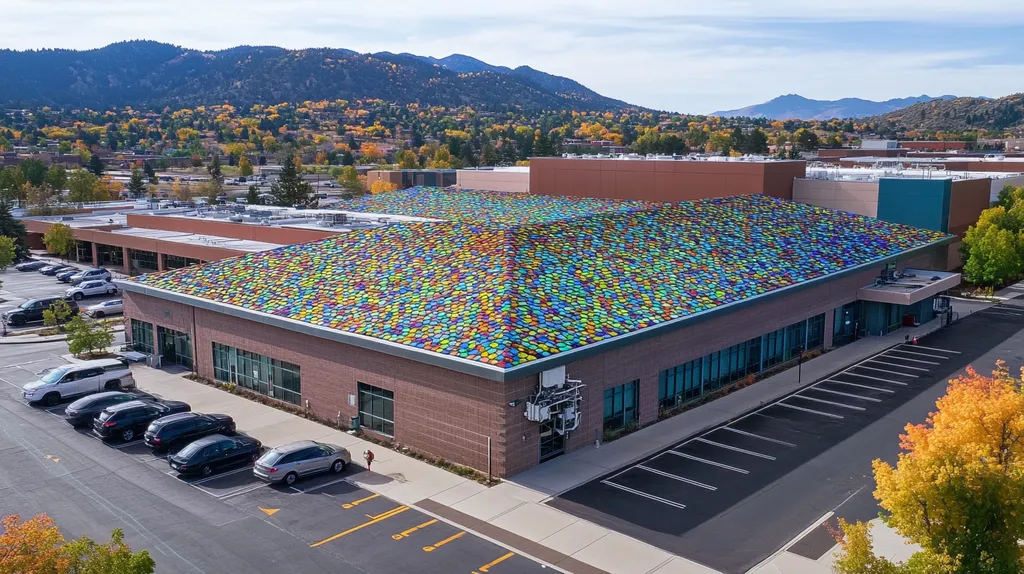
Welcome to today’s Battle Royale featuring two roofing heavyweights: “TPO” in the east corner versus “PVC” in the west!
Tonight’s showdown pits these contenders against each other across six punishing rounds designed to test every aspect of their performance for Industrial Roofs in Wet Climates.
At stake? Millions in potential costs, decades of building protection, and the critical performance demands of modern commercial and industrial facilities.
Our professional judging panel will evaluate each round on technical merit, real-world performance, and value delivery. After all six rounds, we’ll declare our ultimate champion.
Ladies and gentlemen, facility managers and building owners… it’s time to rumble!
ROUND 1: INITIAL COSTS & INSTALLATION
When it comes to industrial roofing in wet climates, the stakes couldn’t be higher. Water infiltration can devastate operations, damage inventory, and compromise structural integrity, leading to millions in losses. The initial investment in either TPO or PVC roofing systems represents a critical decision point that will impact facility performance for decades to come.
Material Expenses
Material costs represent the foundation of any roofing project budget. TPO membranes typically cost $3-5 per square foot, making them an attractive option for cost-conscious facility managers working with tight budgets.
PVC roofing materials command a premium price point of $5-8 per square foot, reflecting their enhanced chemical formulation and superior moisture resistance properties. PVC roofing offers exceptional resistance to moisture and chemicals, though at notably higher initial costs. (source: National Roofing Contractors Association)
While the higher cost of PVC may be justified by its performance, TPO’s significantly lower material costs earn it the clear “ADVANTAGE” in this category.
Installation Complexity
Installation complexity directly impacts labor costs and project risk. TPO installations benefit from lighter-weight materials and simpler welding requirements, allowing for faster deployment with standard roofing crews.
PVC installations demand specialized expertise and equipment, particularly for properly heat-welding seams. This complexity requires more skilled labor and careful quality control throughout the installation process.
The straightforward nature of TPO installation, combined with lower labor requirements, gives it a clear “ADVANTAGE” in this category.
Project Timeline
Project duration affects both direct costs and business disruption. TPO installations typically proceed quickly, with most projects completing in 25-40% less time than comparable PVC installations.
PVC installations require additional time for proper seam welding and quality control measures. The extra attention needed for proper PVC installation can extend project timelines significantly.
With its faster installation process and minimal disruption to operations, TPO demonstrates another clear “ADVANTAGE” in this category.
ROUND 1 WINNER: TPO
ROUND 2: DURABILITY & LIFESPAN
In wet climates, roofing materials face relentless challenges from moisture, UV exposure, and temperature fluctuations. Every day of exposure tests the integrity of industrial roofing systems, with water being particularly unforgiving of any weakness. The difference between a robust and inadequate roofing system can mean millions in damage to equipment, inventory, and operations.
Material Composition
Single-ply membranes like TPO and PVC offer exceptional waterproofing capabilities critical for wet climate performance. Their molecular structure and manufacturing process directly impact their ability to withstand constant moisture exposure and UV radiation. (source: Solaria Solar and Roofing)
TPO membranes incorporate flexible polyolefins that provide good initial resistance to water penetration. However, this flexibility can sometimes lead to dimensional instability under constant moisture exposure.
PVC’s chemical composition creates inherently stronger molecular bonds, resulting in superior resistance to water absorption and chemical exposure. This fundamental material advantage gives PVC membranes better long-term stability in wet conditions.
In this category, PVC demonstrates clear “ADVANTAGE” due to its superior molecular structure.
Weather Resistance
TPO membranes feature good initial UV resistance and maintain reflectivity well in the first years of service. Their surface remains relatively stable under normal rainfall conditions but can show accelerated aging in areas of ponding water.
PVC exhibits exceptional resistance to ponding water and maintains its protective properties even after years of exposure. Its chemical formulation actively resists biological growth and maintains structural integrity under constant moisture exposure.
For long-term weather resistance, PVC shows clear “ADVANTAGE” over TPO, particularly in managing ponding water conditions.
Service Life Expectations
TPO roofs typically provide 15-20 years of service when properly installed and maintained. Performance can vary significantly based on membrane thickness and installation quality.
PVC systems consistently deliver 20-30 years of reliable service, with many installations exceeding their predicted lifespan. Their proven track record in wet climates demonstrates superior longevity.
The documented longevity of PVC systems gives them clear “ADVANTAGE” in service life expectations.
ROUND 2 WINNER: PVC
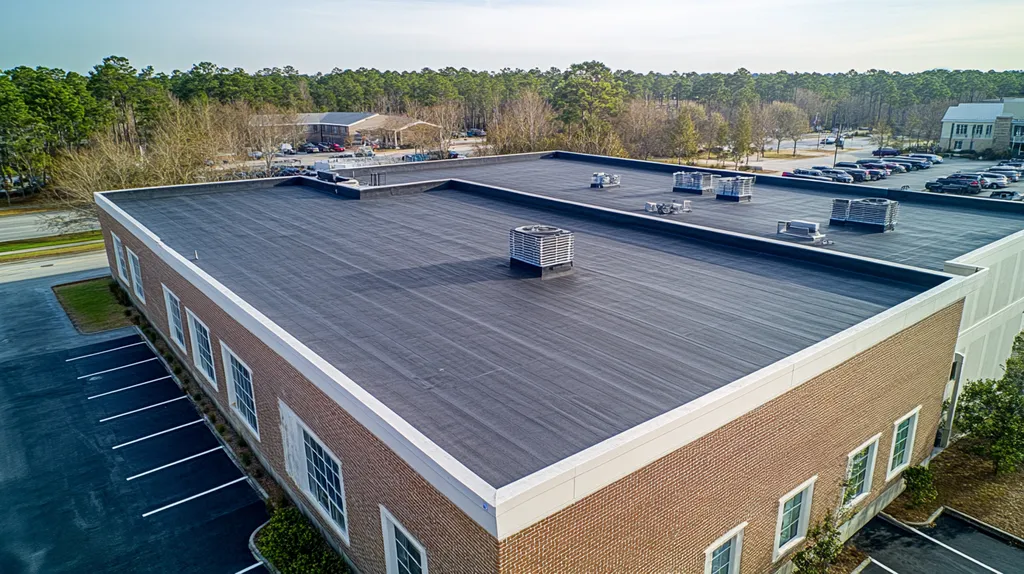
ROUND 3: PERFORMANCE FACTORS
In wet climates, industrial roofing performance can mean the difference between business continuity and catastrophic failure. Water infiltration through underperforming roofs costs facilities millions annually in damaged inventory, equipment failures, and operational disruptions. Understanding how TPO and PVC materials perform under challenging wet conditions is crucial for protecting valuable assets and maintaining operational integrity.
Moisture Resistance
Moisture resistance capabilities directly impact a roof’s ability to protect facilities from water damage. TPO membranes feature heat-welded seams that create strong barriers against water infiltration, particularly effective during heavy rainfall events.
PVC roofing systems demonstrate exceptional resistance to standing water and maintain their protective properties even after prolonged exposure. Their chemical composition actively resists moisture absorption and biological growth that can compromise roof integrity.
Single-ply membrane roofing systems like TPO and PVC each demonstrate different performance characteristics in wet conditions, with TPO offering reliable moisture resistance at a lower cost point, while PVC provides superior chemical resistance at a higher price point. (source: Solaria Solar & Roofing)
While both materials perform well, PVC’s superior resistance to standing water and biological growth gives it the clear “ADVANTAGE” in this category.
UV Protection
UV radiation poses a significant threat to roofing materials, particularly in wet climates where reflection from standing water can intensify exposure. TPO membranes maintain good initial UV resistance and reflectivity, helping protect the underlying structure.
PVC roofing demonstrates exceptional UV stability, maintaining its protective properties even after years of exposure. Its chemical formulation provides inherent resistance to UV degradation, helping preserve structural integrity longer.
Given PVC’s proven long-term UV stability and superior resistance to degradation, it earns the “ADVANTAGE” in this category.
Thermal Performance
Temperature fluctuations in wet climates can stress roofing materials through expansion and contraction cycles. TPO membranes offer excellent flexibility and maintain dimensional stability across a wide temperature range.
PVC roofing systems can become slightly more rigid in cold temperatures, though they maintain their waterproofing integrity. Their thermal performance remains consistent but may require additional attention during installation in extreme conditions.
TPO’s superior flexibility and consistent performance across temperature ranges gives it the “ADVANTAGE” in this category.
ROUND 3 WINNER: TIE
ROUND 4: MAINTENANCE REQUIREMENTS
In wet climates, proper maintenance of industrial roofing systems can mean the difference between protecting millions in assets and facing catastrophic failures. Water infiltration from poorly maintained roofs leads to structural deterioration, mold growth, and compromised operations. Understanding the maintenance demands of TPO and PVC systems is crucial for long-term facility protection and budget planning.
Routine Inspections
TPO roofing systems require quarterly inspections in wet climates to monitor seam integrity and identify potential water infiltration points. Special attention must focus on areas prone to ponding water, as these locations face accelerated degradation risks.
PVC systems generally need only bi-annual inspections due to their superior chemical stability and resistance to biological growth. Their enhanced durability and consistent performance reduce the frequency of required monitoring.
The reduced inspection requirements and proven reliability of PVC systems give them a clear “ADVANTAGE” in this category.
Repair Requirements
Single-ply membranes like TPO and PVC offer distinct advantages in repair scenarios, with each material demonstrating unique characteristics that impact maintenance approaches. TPO repairs often require extensive surface preparation and precise heat welding to ensure proper adhesion. (source: Solaria Solar and Roofing)
PVC membranes maintain their weldability throughout their service life, making repairs more straightforward and reliable. Their chemical composition allows for superior bonding even after years of environmental exposure.
Given its consistent weldability and simpler repair process, PVC demonstrates clear “ADVANTAGE” in this category.
Long-term Maintenance Costs
TPO systems typically require increasing maintenance attention as they age, particularly in areas of constant moisture exposure. The need for more frequent inspections and repairs can significantly impact long-term maintenance budgets.
PVC roofing systems maintain their performance characteristics longer, resulting in more predictable maintenance costs over time. Their superior resistance to chemical exposure and biological growth reduces the need for corrective maintenance.
The lower long-term maintenance demands of PVC systems give them clear “ADVANTAGE” in this category.
ROUND 4 WINNER: PVC

ROUND 5: SUSTAINABILITY CREDENTIALS
Environmental impact has become a critical factor in industrial roofing decisions, with regulations and corporate sustainability goals driving material choices. Poor selection of roofing materials can result in increased carbon footprints, higher energy costs, and substantial waste at disposal. Understanding the environmental implications of TPO and PVC systems is essential for making sustainable choices that align with modern environmental standards.
Recycled Content and Resource Efficiency
TPO membranes typically contain 15-25% recycled materials, reducing their environmental impact during production. Their manufacturing process requires less energy and produces fewer emissions compared to alternative materials.
PVC production relies heavily on chlorine-based processes and petroleum products, resulting in higher environmental impact during manufacturing. While some manufacturers have improved their processes, PVC still generates more greenhouse gases during production.
With its higher recycled content and lower production impact, TPO demonstrates clear “ADVANTAGE” in this category.
Energy Efficiency and Reflectivity
TPO membranes maintain excellent solar reflectivity throughout their service life, typically reflecting 70-80% of solar radiation. This high reflectivity translates to reduced cooling costs and lower energy consumption for facilities.
PVC roofing also offers good initial reflectivity but can show more significant degradation over time in wet climates. Their performance in reducing heat island effects and energy consumption often diminishes faster than TPO.
Based on sustained reflectivity and energy performance, TPO shows clear “ADVANTAGE” in this category.
End-of-Life Management
TPO roofing materials can be effectively recycled into new roofing products at the end of their service life. The simpler chemical composition makes TPO more amenable to recycling processes, reducing landfill impact.
PVC recycling faces challenges due to chemical additives and potential contamination. While technically recyclable, many PVC roofs end up in landfills due to limited recycling infrastructure and processing complexity.
TPO’s superior recyclability and simpler end-of-life processing gives it clear “ADVANTAGE” in this category.
ROUND 5 WINNER: TPO
ROUND 6: SPECIALIZED APPLICATIONS
In industrial settings, specialized roofing applications can make or break facility operations. From food processing plants requiring strict sanitation to manufacturing facilities dealing with chemical exposure, choosing the wrong roofing material can lead to devastating consequences. Understanding how TPO and PVC perform in specialized scenarios is crucial for protecting millions in assets and ensuring operational continuity.
Chemical Resistance Requirements
Industrial facilities often expose roofing materials to harsh chemicals through ventilation systems and processing operations. TPO membranes offer good initial chemical resistance but can show degradation when exposed to certain industrial solvents and oils.
PVC roofing demonstrates superior resistance to chemicals, acids, and industrial pollutants. Its molecular structure actively resists deterioration even under prolonged exposure to aggressive chemical environments.
Given its proven track record in chemical-intensive environments, PVC shows clear “ADVANTAGE” in this category.
Food Processing Environments
Food processing facilities require roofing systems that resist bacterial growth and maintain strict sanitation standards. TPO provides a smooth surface that resists biological growth initially but may require more frequent cleaning and maintenance over time.
PVC’s inherent resistance to bacteria and fungi makes it ideal for food processing environments. Its non-porous surface and chemical stability help maintain sanitary conditions with minimal maintenance.
For food-grade facility applications, PVC demonstrates clear “ADVANTAGE” in this category.
High-Temperature Applications
Industrial processes often generate significant heat that can impact roofing performance. TPO membranes maintain excellent flexibility and dimensional stability even under elevated temperatures, making them suitable for facilities with hot exhaust systems.
PVC roofing systems can become slightly more rigid under extreme heat conditions, though they maintain their waterproofing integrity. Their performance in high-temperature environments remains reliable but may require additional consideration during installation.
TPO’s superior flexibility and consistent performance under high temperatures gives it clear “ADVANTAGE” in this category.
ROUND 6 RESULTS: TIE
AND THE WINNER IS…
After six grueling rounds of technical analysis, with millions in facility protection at stake, we have our verdict!
In a split decision that went down to the final scorecard, PVC emerges as our heavyweight champion! With dominant victories in durability, performance, and maintenance requirements, PVC proved its worth as the superior defender against relentless moisture assault.
PVC’s championship-caliber performance stems from its superior chemical composition, exceptional ponding water resistance, and lower long-term maintenance demands – crucial advantages for facilities facing constant moisture exposure.
However, don’t count TPO out! Its lower initial costs, faster installation, and superior sustainability credentials make it a compelling challenger, particularly for projects with tight budgets or aggressive environmental goals.
Remember, folks – every facility faces unique conditions that can impact roofing performance. Local climate patterns, building specifications, and operational requirements all play crucial roles in determining the ideal system. This analysis provides general guidance, but property owners should always consult qualified roofing professionals who can evaluate their specific situation.
In the high-stakes world of industrial roofing, there’s no substitute for matching your facility’s unique requirements with the right contender’s strengths. Choose wisely – because in wet climates, your roof is all that stands between success and a technical knockout!
FREQUENTLY ASKED QUESTIONS
Q. What are the initial costs for a commercial roof with TPO?
A. TPO roofing materials typically range from $3 to $5 per square foot. This lower cost makes TPO appealing for tight budgets, especially in industrial roofing applications where controlling expenditures is crucial.
Q. How long does PVC last for industrial roofing?
A. PVC roofing systems generally provide reliable service for 20 to 30 years. Their superior durability in wet climates often allows installations to exceed expected lifespans, making them a solid choice for long-term asset protection.
Q. Which roofing option has better moisture resistance for commercial roofs?
A. PVC roofing systems show exceptional resistance to standing water and water absorption. This quality is crucial for protecting against moisture issues, making it an ideal choice for commercial roofs in wet climates.
Q. How often should I inspect my TPO roof in a wet climate?
A. TPO roofing systems should be inspected quarterly in wet climates. Regular checks help identify potential infiltration points and address issues before they lead to significant damage or costly repairs.
Q. Are TPO roofs eco-friendly for commercial usage?
A. TPO roofs contain 15-25% recycled materials, reducing their overall environmental impact. Additionally, their energy-efficient reflectivity helps lower cooling costs and carbon footprints, aligning with modern sustainability goals.
Q. What is the impact of UV rays on commercial roofs?
A. UV rays can degrade roofing materials, impacting longevity. PVC roofs demonstrate superior long-term UV stability, essential for protecting structural integrity and reducing maintenance needs in exposed environments.
Q. How do TPO and PVC perform in specialized industrial applications?
A. PVC excels in chemical resistance, making it ideal for environments with harsh substances. Conversely, TPO is favored for high-temperature applications due to its flexibility, making each suitable for different industrial needs.






