

In commercial buildings across America, up to 30% of heating and cooling costs are literally going through the roof – specifically through improperly sealed penetrations. These seemingly minor openings for pipes, vents, and equipment create significant pathways for energy loss.
With energy costs continuing to rise, understanding how roof penetrations impact building efficiency has never been more critical. A single poorly sealed penetration can waste thousands in energy costs annually.
This comprehensive guide examines how penetrations affect your roof’s energy performance, outlining practical solutions for property owners and facility managers to optimize their building’s efficiency.
SECTION 1: THE BASICS EXPLAINED
Understanding roof penetrations is vital if you want to maximize energy efficiency in commercial and industrial buildings. These openings, created by vents, pipes, or ducts, can be significant sources of energy loss if not sealed correctly. In fact, the U.S. Department of Energy warns that unsealed roofs can increase heating and cooling expenses by as much as 30%. This section will break down the fundamentals of roof penetrations, explain their impact on building efficiency, and highlight how they contribute to overall energy performance.
What It Is (In Plain Language)
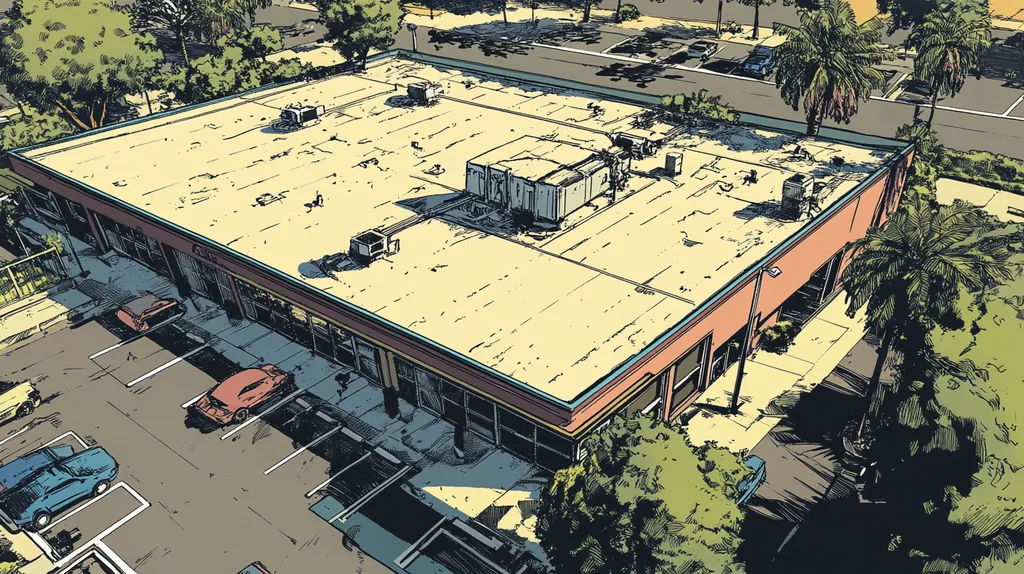
Roof penetrations are any openings in a roof that facilitate the passage of essential utilities. These include plumbing vents, HVAC ducts, and electrical conduits. While they are crucial for a building’s functionality, if not designed and sealed properly, they can become weak points for energy loss.
Recognizing what constitutes a penetration is essential for property owners. Each penetration disrupts the roof’s continuous insulation layer, allowing conditioned air to escape and unconditioned air to enter. This compromises energy efficiency and comfort.
Effective sealing techniques, such as using flashing and durable sealants, are fundamental. These strategies help to close off gaps, enhance energy performance, and extend the roofing system’s lifespan.
It’s crucial for property owners to focus on managing these penetrations to ensure optimal thermal performance. Building professionals may overlook them, but these seemingly small details can greatly impact energy efficiency.
Why It Matters (To Your Building)
The influence of roof penetrations on a building’s energy efficiency is significant. Inefficiently sealed penetrations force HVAC systems to work harder, leading to soaring energy consumption. This uptick not only inflates utility costs but also accelerates wear and tear on equipment, risking premature failures.
For example, a commercial facility burdened with numerous poorly sealed roof penetrations could see yearly energy bills grow by thousands of dollars. Over time, these escalating costs can become a substantial financial burden.
Additionally, ignoring these critical details can jeopardize warranty claims on the roofing system. Manufacturers often stipulate that proper installation and sealing are vital for maintaining warranty coverage. Sticking to these guidelines is essential to avoid unexpected repair costs.
As energy efficiency regulations become increasingly stringent, a lack of proper management for these penetrations may lead to compliance issues. Proactively addressing them not only mitigates regulatory risks but helps maintain a competitive edge in the marketplace.
How It Works
Roof penetrations affect energy efficiency through several key channels. When these openings are not sealed appropriately, they create pathways for unwanted air leakage. This can disrupt the carefully balanced environment inside your building, leading to uncomfortable temperature fluctuations.
In colder climates, warm air can escape through unsealed penetrations, increasing heating demands. Meanwhile, in warmer regions, conditioned air may leak out, leading to excessive cooling cycles. This inefficiency drives up operational costs.
To ensure effective sealing, a combination of materials like mastic sealants and metal flashing can be employed to create robust, watertight barriers. These solutions not only improve energy efficiency but also guard against moisture intrusion that could lead to serious structural damage.
Moreover, regular maintenance and inspection of roof penetrations are essential. Conducting periodic assessments allows property owners to identify any wear and tear early, enabling them to tackle problems before they result in significant energy losses.
SECTION 2: PRACTICAL APPLICATIONS
Recognizing the practical applications of roof penetrations is essential for optimizing energy efficiency. Every opening in the roof—be it for HVAC systems, plumbing stacks, or exhaust vents—can serve as a pathway for energy loss if not managed correctly. Research indicates that effectively sealed penetrations can lower energy costs by as much as 30%. By exploring their common uses, the best timing for improvements, and how they interact with other systems, property owners can make strategic decisions that safeguard their investments while enhancing overall building performance.
Common Uses & Examples
Roof penetrations play a vital role in numerous building functions. HVAC systems typically require several openings for ductwork, with each site posing a potential energy leak. Plumbing vents must be positioned carefully to ensure effective drainage and ventilation.
Additional examples include exhaust vents for commercial kitchens and skylights for natural illumination. Although these features are crucial for a building’s operation, they can present risks if not adequately ventilated and sealed.
Ongoing maintenance of these penetrations is fundamental for optimal performance. For instance, insulating ducts reduces heat loss, while evaluating the integrity of flashing materials keeps gaps secure. These proactive steps significantly enhance the energy efficiency of the roof.
Recognizing these common applications helps facility managers prioritize maintenance efforts and bolsters overall building performance. Awareness around roof penetrations is a crucial stepping stone toward effective energy management.
When You Need It Most
Timing is everything when addressing roof penetrations, particularly during planning and installation. Crucial moments—such as a roofing replacement or major renovations—provide opportunities to incorporate energy-efficient solutions from the start.
For example, retrofitting existing roofs requires detailed attention to the seals surrounding all penetrations. This is especially important for enhancing energy efficiency in older buildings.
In areas prone to extreme weather, the importance of sealing penetrations cannot be overstated. Tight seals are essential in preventing moisture intrusion, which could lead to further energy loss and structural damage.
As energy prices rise and regulations become stricter, evaluating penetrations during energy audits is critical. Taking proactive measures at key moments can yield substantial savings in the long run.
Interactions With Other Systems
Roof penetrations do not operate in isolation; they significantly interact with other building systems. For instance, the efficiency of an HVAC system is closely linked to how well its roof penetrations are sealed. Inefficient seals compromise heating and cooling efforts, driving up energy costs.
This principle also applies to lighting and ventilation systems. Thoughtfully designed roof penetrations can enhance natural light entry while effectively managing energy expenditures.
Moreover, these interactions highlight the necessity of a holistic roof design. Seamlessly incorporating insulation and waterproofing with penetrations delivers improved energy performance.
Monitoring these relationships is key to advanced maintenance strategies. Regular evaluations can pinpoint potential inefficiencies early, protecting the roof’s energy-saving capabilities over time.
SECTION 3: KEY TERMINOLOGY DECODED
A firm grasp of roofing terminology is essential for property owners and facility managers. Misunderstandings can lead to costly oversights that impact energy efficiency. For example, not fully understanding the types of penetrations can result in improper sealing, significantly compromising insulation effectiveness. In a landscape where energy costs continue to soar, comprehending these terms is crucial for making informed decisions. This section aims to clarify key concepts related to roof penetrations and their energy implications.
Essential Terms Explained
Roof penetration refers to any opening in the roofing system that accommodates equipment, vents, or pipes. While these penetrations are necessary for building operations, they can also create pathways for energy leaks if not managed correctly. Understanding “thermal bridging” is critical, as these leaks can dramatically reduce energy efficiency. A thermal bridge occurs when heat transfers through a penetration, increasing heating or cooling demands.
Another important term is “flashing,” a material used to channel water away from roof penetrations. Properly installed flashing is essential to prevent moisture intrusion, which can lead to energy losses through potential damage. If the flashing is improperly applied, it can permit mismatched airflows that severely impact HVAC efficiency.
“Sealing” is a vital process associated with roof penetrations. It involves using specific materials to block gaps around openings effectively, preventing air leaks. Adequate sealing can enhance overall roof energy performance, significantly lowering heating and cooling expenses.
Lastly, “insulation continuity” plays a critical role in energy efficiency. Gaps around penetrations can disrupt insulation layers, leading to thermal inefficiencies. Familiarizing oneself with these terms allows property owners to make informed choices regarding their roofing systems.
Industry Jargon Translated
The term “R-value” is often featured in discussions about insulation effectiveness. R-value measures a material’s resistance to heat flow; the higher the R-value, the more effective the insulation. When evaluating penetrations, property owners should seek materials that uphold a high R-value, ensuring gaps do not compromise overall thermal performance.
Another vital term is “air leakage,” which describes the unintended flow of air in and out of a building caused by gaps, cracks, or penetrations. In commercial roofing, minimizing air leakage is crucial for ensuring comfortable indoor environments and reducing energy costs.
“Cool roofs” refer to roofing systems designed to reflect more sunlight, absorbing less heat. Presence of penetrations can diminish the effectiveness of a cool roof, emphasizing the need for careful design that balances multiple building features and energy efficiency.
Finally, the term “life cycle costs” encompasses the total ownership costs of the roof, including installation, maintenance, and energy expenditures. Property owners must evaluate how penetrations impact these costs over time as part of their overarching roofing strategy.
Measurement & Units Simplified
Understanding measurement units is critical for assessing roof energy efficiency. Common measurements include “BTU,” or British Thermal Unit, which gauges the energy required to raise the temperature of one pound of water by one degree Fahrenheit. This measurement is key when evaluating heating and cooling demands caused by penetrations.
Another essential measurement is “CFM,” or cubic feet per minute, which indicates airflow. Knowing the CFM through roof penetrations is vital to assess airflow rates, ultimately affecting energy consumption in HVAC systems. Excessive air leakage can lead to inflated CFM rates, raising energy demands.
Property owners should also be acquainted with “U-value,” which measures thermal transmittance through building elements. This metric assesses how effectively a penetration transmits heat. A low U-value signifies better energy efficiency, making it a crucial factor in evaluating roofing performance.
Lastly, “square footage” is often referenced when discussing roofing materials and energy efficiency. Knowing the square footage is essential for calculating the necessary insulation or sealing materials to address penetrations appropriately. This awareness can significantly enhance both resource allocation and energy management efforts.
SECTION 4: DECISION FACTORS
Property owners and facility managers must navigate crucial decisions about roof penetrations, as these seemingly minor elements can significantly shape a roof’s energy efficiency and overall performance. Each choice made around costs, performance trade-offs, and durability can lead to ripple effects, influencing future energy bills, maintenance expenses, and even asset value over time. Failing to consider these factors may lead to unnecessary financial strain and missed opportunities for improvement.
Cost Considerations
Cost often emerges as the primary concern for property owners. While it’s crucial to operate within budget constraints, choosing the lowest-priced solutions might result in long-term setbacks. Investing in high-quality materials may incur a higher initial cost, but the potential savings on energy efficiency can far outweigh these upfront expenses.
Installation costs also play a vital role in decision-making. Complex penetrations that require skilled labor can elevate initial financial commitments. However, opting for a superior installation can prevent future repair costs that often overshadow what seemed like short-term savings.
Additionally, property owners should seek out available state or federal incentives aimed at promoting energy-efficient buildings. Leveraging these programs can effectively mitigate some costs associated with choosing the right penetrations.
In conclusion, adopting a comprehensive understanding of both immediate and long-term costs enables a more balanced, informed assessment of roofing projects.
Performance Trade-offs
The performance of a roofing system is highly influenced by the type and quality of its penetrations. While certain materials may appear sufficient, they might unintentionally create thermal bridges that compromise energy efficiency. For instance, poorly insulated vent pipes can draw heat away during winter and allow cool air to escape in summer, leading to inefficiencies.
The strategic placement of penetrations is equally important, with the potential to enhance or hinder airflow and insulation effectiveness. Thoughtfully designing these openings can optimize thermal performance and facilitate better temperature control throughout the building.
Moreover, integrating advanced technologies, such as reflective coatings on penetrations, can further bolster energy conservation initiatives. Evaluating and understanding the trade-offs between various materials and methods is imperative for achieving optimal roof performance.
Smart choices in penetration design ultimately lead to improved energy savings and pave the way for a more sustainable roofing system overall.
Lifespan & Durability Factors
Lifespan and durability are critical elements in evaluating roof penetrations. Cheaper materials may seem attractive but often result in premature failures, causing energy losses that could have been avoided. For example, rubber flashings can degrade more quickly than silicone or thermoplastic alternatives, leading to costly repairs.
Frequent repairs disrupt business operations and can generate hidden costs over time. Opting for durable, high-quality solutions minimizes repair needs, contributing positively to overall building efficiency.
It’s also essential to consider local environmental conditions. Areas facing severe weather may require specially designed penetrations that can withstand harsh elements while preventing water intrusion. Investing in robust solutions tailored to unique environmental challenges ensures a longer-lasting roof.
Integrating durability into decision-making not only fosters cost-efficient solutions but also preserves energy performance across the roof’s lifespan.
SECTION 5: COMMON CHALLENGES
When it comes to roof penetrations, commercial buildings face serious challenges that can derail energy efficiency efforts. According to the U.S. Department of Energy, almost 30% of a building’s energy is lost through these weak points in the roof. Issues such as improperly sealed vents and inadequate flashing not only escalate energy costs but also affect occupant comfort. Identifying and solving these challenges is crucial for ensuring optimal energy performance in any facility.
Frequent Problems & Solutions
Poorly installed or neglected roof penetrations can create significant openings for air leaks. This is particularly troublesome in intricate roofing systems housing HVAC units, pipes, or ventilation systems. If these penetrations aren’t sealed correctly, thermal energy can escape, causing heating and cooling costs to soar.
One effective solution is utilizing high-quality sealants and flashing materials to create a secure seal at all penetration points. Regular maintenance and inspections are essential for catching any damage before it escalates. Employing professional roofing contractors for installation and repairs can also greatly reduce the risks associated with poor sealing.
Another common issue is insufficient slope at penetration points, resulting in water pooling and leakage over time. Ensuring proper drainage and slope during installation can effectively mitigate this risk for better long-term performance.
Property owners should also pay attention to the quality of materials surrounding penetrations, as inferior options can degrade faster, compromising the roof’s overall integrity. Consistent reviews of roofing installations and materials will support long-lasting energy efficiency.
Warning Signs To Watch For
Being proactive in spotting energy loss signs related to roof penetrations is vital for effective maintenance. Sudden changes in energy bills can indicate leaks around penetrations. Unexplained spikes in heating or cooling costs should prompt immediate examination of the roof.
Visual symptoms, like discoloration or moisture stains on ceilings, often signal underlying leaks. Additionally, if tenants report drafts or discomfort in certain areas, this could indicate inadequate sealing around roof penetrations.
Regular inspections focusing on these points are critical. A trained roofing professional can quickly assess seals and recommend necessary repairs. Vigilance against mold or mildew growth is also crucial, as these are strong indicators of moisture infiltration. Taking quick action upon noticing these signs can help avoid costly repairs in the future.
Preventative Approaches
Implementing a preventive maintenance plan is essential for effectively managing penetration-related challenges. Regular inspections that specifically target these areas should occur at least biannually to catch issues early on.
Incorporating advanced sealing technologies, such as thermoplastic membranes, can enhance energy efficiency beyond traditional methods. Moreover, ensuring installation complies with industry standards is crucial for maintaining the roof’s integrity.
Educating facility teams on monitoring existing penetrations empowers them to identify and address common issues promptly. Training personnel to recognize warning signs can facilitate timely repairs before energy efficiency is compromised.
Establishing a systematic approach to the repair or replacement of faulty penetrations is vital. This ensures the longevity of the roofing system while simultaneously enhancing overall energy efficiency and cost-effectiveness for the building.
SECTION 6: NEXT STEPS & RESOURCES
Addressing roof penetrations is vital for maximizing energy efficiency and minimizing operational costs. Alarmingly, up to 30% of a building’s energy loss can originate from these inadequately sealed points. Understanding this issue’s impact on performance and expenses is crucial. In this section, we outline actionable steps and resources to empower informed decisions concerning roof penetrations.
Questions To Ask Providers
Asking the right questions can clarify how providers tackle penetrations in roofing systems. Start by inquiring about their specific experience with various types of penetrations, such as HVAC units, skylights, and plumbing vents. It’s essential to understand which materials and sealing methods they employ.
Furthermore, ask how they evaluate energy loss associated with these penetrations. Request examples from past projects that showcase their effectiveness in maintaining energy efficiency. Ensuring they adhere to industry best practices is critical to achieving optimal results.
Don’t forget to confirm their protocols for regular inspections and ongoing maintenance of penetration areas. Consistent assessment is vital in managing energy efficiency, particularly as conditions evolve over time.
Industry Standards & Guidelines
Consulting established industry standards can offer valuable guidance on best practices for managing roof penetrations. Organizations like the National Roofing Contractors Association (NRCA) have created guidelines emphasizing the need for sealing penetrations to minimize energy loss.
The American Society of Heating, Refrigerating, and Air-Conditioning Engineers (ASHRAE) also provides valuable resources focusing on energy performance. These standards equip property owners with knowledge about minimum requirements and effective penetration management strategies.
Utilizing these resources helps ensure compliance while bolstering the long-term energy efficiency of roofing systems. They serve as a vital blueprint for decision-making about materials and construction practices, safeguarding investment over time.
Further Learning Simplified
Education is key to making informed choices regarding roof penetrations and energy efficiency. Online resources, industry webinars, and local workshops frequently provide foundational knowledge relevant to roofing systems and efficiency practices.
Property owners should also consider subscribing to industry publications and newsletters featuring best practices and innovations in roofing technology. Accessing case studies offers insights into real-world applications and effective solutions.
Finally, engaging with professional associations can provide networking opportunities for sharing experiences and addressing common challenges. Building a solid knowledge base enhances decision-making capabilities, reinforcing the commitment to maintaining energy-efficient roofing systems.
The Bottom Line
With energy costs rising by an average of 8% annually, properly managing roof penetrations has never been more critical for commercial properties.
Studies show that addressing penetration-related energy loss can reduce HVAC costs by up to 30%, translating to tens of thousands in annual savings for typical commercial buildings.
The future of commercial roofing lies in sophisticated penetration management systems that integrate smart sensors and advanced sealing technologies.
Property owners who take decisive action now – implementing proper sealing techniques, conducting regular inspections, and upgrading to energy-efficient materials – position themselves for significant long-term cost savings.
In an era where energy efficiency directly impacts property values and operational costs, roof penetrations represent both a critical vulnerability and an unprecedented opportunity for improvement.
FREQUENTLY ASKED QUESTIONS
Q. What are roof penetrations in a commercial roof?
A. Roof penetrations refer to openings created by vents, ducts, or pipes in roofing systems. They are essential for building functionality but must be properly sealed to prevent energy loss.
Q. How do roof penetrations impact energy efficiency in an industrial roof?
A. If not sealed correctly, roof penetrations can allow conditioned air to escape, increasing heating and cooling costs. Proper management of these openings is vital for energy conservation in industrial buildings.
Q. What common uses do roof penetrations serve in commercial roofs?
A. Common uses include areas for HVAC ductwork, plumbing vents, exhaust systems, and skylights. Properly designed and sealed penetrations enhance operational efficiency in commercial buildings.
Q. What are the costs associated with managing roof penetrations in a commercial roof?
A. Costs include materials and installation, which can vary based on the complexity of penetrations. Investing in quality solutions may reduce long-term energy expenses and minimize maintenance needs.
Q. What are common challenges related to roof penetrations?
A. Common challenges include poorly sealed openings, inadequate drainage, and material degradation over time. These issues can lead to significant energy losses and increased operational costs.
Q. How can property owners learn more about roof penetration management?
A. Property owners can explore industry standards, attend workshops, and subscribe to relevant publications. Engaging with professionals and associations also provides valuable insights into effective energy management strategies.
Q. What can I do if I suspect energy loss due to roof penetrations?
A. If you suspect energy loss, conduct a detailed inspection, check for visible leaks, and consider hiring a professional for an energy audit. Prompt action can prevent further financial losses.






