

Nearly 80% of commercial roof failures stem from inadequate inspection and maintenance of roof penetrations. These critical areas, where pipes, vents, and equipment breach the roofing membrane, represent the most vulnerable points in any commercial roofing system.
The financial impact of neglected penetrations can be staggering, with repair costs often exceeding $10,000 per incident when water damage occurs.
Understanding proper inspection protocols for roof penetrations isn’t just about preventing leaks – it’s about protecting valuable business assets, ensuring operational continuity, and maximizing the lifespan of the entire roofing system.
SECTION 1: THE BASICS EXPLAINED
Ignoring roof penetrations could lead to catastrophic damage for commercial buildings. Remarkably, nearly 80% of roofing failures stem from poor sealing around these critical openings. To prevent leaks and protect the structural integrity of a roof, regular inspections are essential. By grasping the fundamentals of roof penetrations, property owners and facility managers can better safeguard their investments against costly repairs.
What It Is (In Plain Language)
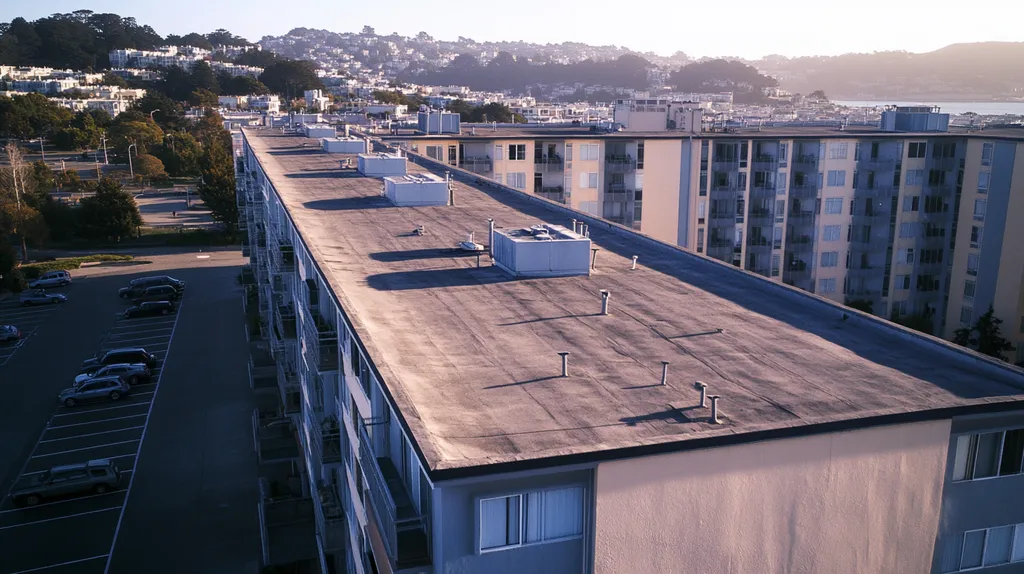
Roof penetrations are the locations where various systems or equipment, such as HVAC units, plumbing vents, and skylights, breach the roof’s surface. Each of these openings poses a potential risk if not properly sealed against water intrusion.
Even a slight seal failure can lead to severe moisture issues inside a building. A solid understanding of what constitutes a penetration is vital for maintaining the roof effectively.
It is crucial for property owners to recognize that different types of penetrations come with their own unique challenges. By familiarizing themselves with each type, they can prioritize the necessary inspections and repairs. Taking a proactive approach helps ensure these critical areas remain watertight and secure.
Consistent inspections are key to identifying potential issues before they escalate. Vigilantly monitoring these essential components contributes significantly to the longevity of a commercial roof.
Why It Matters (To Your Building)
Inspecting roof penetrations is crucial as these areas are particularly susceptible to leaks and damage. Water intrusion can result in mold growth and structural deterioration, jeopardizing the health and safety of occupants. Moreover, this may lead to expensive repairs and disrupt business operations.
A compromised roofing system often translates to increased energy costs. Unsealed penetrations can allow conditioned air to escape, forcing HVAC systems to work harder and wasting energy, which escalates expenses.
Additionally, undetected deterioration around penetrations poses safety risks. For instance, leaks or falling debris can endanger employees and visitors alike. Regular inspections mitigate these risks and help uphold crucial safety standards.
Ultimately, neglecting these inspections can have ramifications that extend beyond the roof, directly influencing the entire building’s operational efficiency and costs, making thorough inspections essential.
How It Works
The process of inspecting roof penetrations involves a series of important steps. Initially, property managers or roofing professionals should conduct visual inspections to detect signs of damage, looking for cracks, gaps, or missing sealants around these critical openings.
Routine maintenance also requires clearing away debris from penetrations. Leaves and dirt can block drainage systems, leading to water pooling and leaks. Ensuring that pathways around penetrations remain clear is vital for proper functioning.
Utilizing advanced technology, such as infrared cameras, can reveal hidden moisture issues. These tools are invaluable for detecting leaks that might not be visible during standard inspections.
After completing an inspection, it is essential to document the findings and carry out necessary repairs promptly. Adopting a proactive maintenance schedule will help prevent more significant problems from developing. By implementing these practices, property owners can ensure that roof penetrations remain secure in the long term.
SECTION 2: PRACTICAL APPLICATIONS
Regular inspections of commercial roof penetrations are not just essential—they can mean the difference between manageable maintenance costs and exorbitant repair bills. Shockingly, about 50% of roofing failures originate from issues at these vulnerable points. By grasping the common uses of roof penetrations, determining the best times for inspections, and understanding their interactions with other systems, property managers can significantly enhance cost efficiency and protect their investments.
Common Uses & Examples
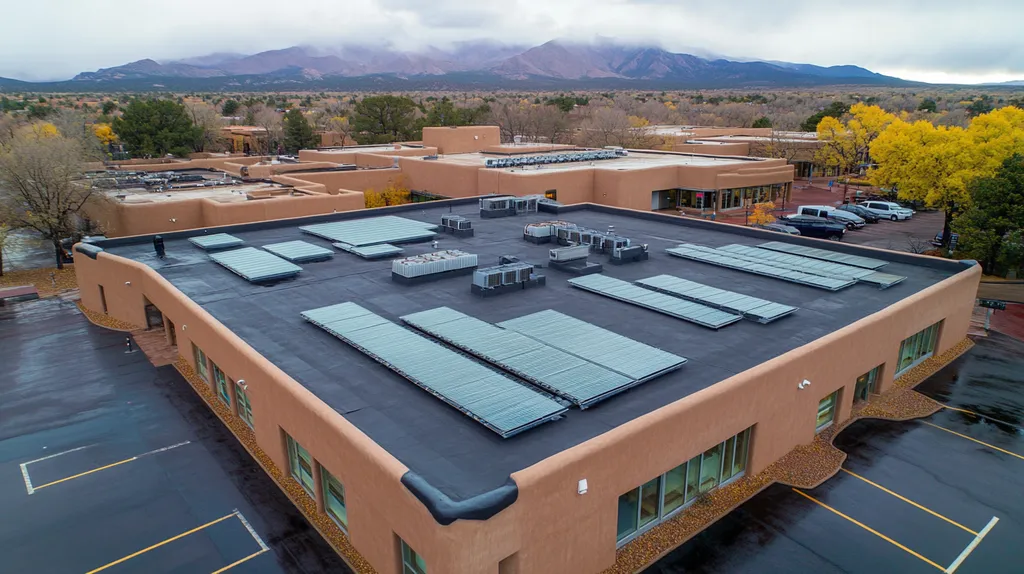
Roof penetrations serve critical functions for a variety of building systems, including HVAC units, vents, lightning rods, and plumbing stacks. Each of these openings represents a potential weak spot on the roof that requires vigilant maintenance. For instance, inadequately sealed HVAC units can create moisture accumulation, leading to mold growth and potential structural damage.
Furthermore, components like parapet walls and green roofs can lead to water pooling if their penetrations aren’t properly managed. Implementing a regular maintenance program can identify early signs of deterioration, such as cracked seals or loose flashings, preventing more significant problems down the line. This proactive approach not only saves money but also enhances the roof’s lifecycle.
Specific examples of penetration elements include exhaust fans, skylights, and satellite dishes. Each installation can disturb the roofing membrane, making it more susceptible to environmental factors. Therefore, it’s crucial for property owners to prioritize these areas in their inspection routines.
Ultimately, acknowledging these common uses and their implications helps ensure that building requirements are tailored effectively, preventing unnecessary repairs and extending the roof’s durability.
When You Need It Most
The need for inspections escalates during seasonal shifts, particularly before heavy rainfall or snowstorms. Such weather conditions can exacerbate vulnerabilities in roof penetrations, leading to leaks and extensive damage. Conducting thorough evaluations before these seasons is critical for prevention.
After severe weather events, inspections should also be promptly conducted. High winds and hail can weaken seals and flashings, creating hidden threats. Catching these issues early can save property owners from significant repair costs and operational disruptions.
Facilities managers should not overlook inspections when new equipment is added or existing systems are relocated. These changes can inadvertently impact the integrity of existing roof penetrations. Regular evaluations must take these structural alterations into account.
By establishing a responsive inspection schedule based on these factors, property owners can drastically reduce risks and protect their investments from unforeseen losses.
Interactions With Other Systems
Roof penetrations frequently interact with various building systems, which makes their maintenance even more crucial. For example, HVAC units are linked to electrical and plumbing networks, meaning a failure at the penetration point can disrupt overall system performance. This dependency underscores the necessity for regular evaluations to prevent ripple effects across systems.
Poorly managed penetrations can also impact insulation efficiency. If moisture seeps in, it may dampen insulation material, leading to spikes in energy costs. Regular inspection ensures that insulation remains dry and effective, which supports energy efficiency goals.
Interactions with drainage systems are another key consideration. Obliterated or damaged penetrations can obstruct proper drainage, leading to water pooling and leaks. Early detection of these issues through inspections is essential for maintaining the roof system’s integrity.
Overall, a comprehensive understanding of how roof penetrations relate to other building systems is vital for strategic maintenance planning. Property owners and facility managers must recognize the broad implications of neglecting these inspections, as they directly influence the protection of their assets.
SECTION 3: KEY TERMINOLOGY DECODED
For property owners and facility managers, grasping roofing terminology is not just beneficial—it’s essential. Misunderstandings can lead to improper maintenance, costly repairs, and even threaten the structural integrity of a building. Terms like “flashing,” “penetrations,” and “sealants” are vital in maintaining a commercial roof. A strong foundation in these concepts empowers decision-making, ultimately protecting investments and enhancing operational efficiency.
Essential Terms Explained
“Roof penetrations” are openings in the roof’s surface, such as vents, skylights, and pipes. These areas are often more vulnerable to leaks compared to flat roof sections, making them critical to monitor.
“Flashing” refers to the materials installed around penetrations that direct water away from these vulnerable spots. Properly installed flashing serves as a guard against leaks, dramatically lowering the risk of water intrusion.
Next, “sealants” are specially formulated substances used to fill in gaps around penetrations. These compounds are essential for weatherproofing, ensuring that moisture cannot seep into the building and cause damage.
Lastly, “substrate” denotes the underlying base material of the roof, which supports all other layers. A robust substrate is crucial for the overall performance and longevity of the roofing system.
Industry Jargon Translated
Regular inspections of roof penetrations should be a fundamental practice for facility managers, yet the terminology can sometimes be baffling. Take “decking,” for instance; it refers to the boards that form the structure upon which roof materials are laid.
“Drainage slope” indicates the angle of the roof designed to channel water toward drainage systems. Ensuring an efficient slope is essential for preventing standing water that can lead to leaks and extensive wear.
The term “roof membrane” describes the protective outer layer that serves as a barricade against moisture. Damage to this membrane, especially around penetrations, can jeopardize the entire roofing system’s integrity.
By familiarizing themselves with these terms, property owners can communicate effectively with roofing professionals and make informed decisions about maintenance, promoting a proactive approach to roof care.
Measurement & Units Simplified
In roofing discussions, specific measurements are vital. “Square footage” refers to the total surface area of the roof, typically measured in square feet. Knowing the accurate square footage is essential for estimating material requirements and costs.
Another critical term is “gauge,” which measures the thickness of metal roofing materials. A lower gauge number indicates thicker metal, which generally offers better resistance to environmental elements, extending the roof’s lifespan.
“Pitch” is the term that defines the steepness of a roof. A higher pitch usually results in improved water shedding, minimizing the risk of water pooling.
Understanding these measurements empowers property owners to make sound decisions when selecting materials or planning maintenance, ensuring well-informed choices that benefit their roofing systems in the long run.
SECTION 4: DECISION FACTORS
Understanding the decision factors surrounding roof penetrations is paramount for property owners and facility managers. Neglecting these critical areas can lead to devastating leaks and structural damage, incurring exorbitant repair costs and operational interruptions. Studies reveal that nearly 60% of roofing-related water intrusion problems stem from poorly managed penetrations. Evaluating essential factors like cost, performance trade-offs, and longevity can empower decisions that safeguard both the roof and the entire building.
Cost Considerations
Cost is typically the first hurdle when addressing roof penetration maintenance. Regular inspections might seem like an unnecessary expense at first glance, but overlooking this crucial step can result in significantly greater costs due to severe water damage. Just one unaddressed leak can lead to repairs totaling thousands of dollars, not to mention the potential business disruptions that follow.
Investing in preventive maintenance strategies can save a substantial amount over time. The cost of routine inspections is often minimal compared to emergency repairs or costly roof replacements triggered by cumulative neglect. Many organizations wisely allocate budgets for proactive measures, recognizing that this investment pays off in the long run.
Additionally, hiring skilled professionals may entail upfront costs but pays dividends by identifying issues early. Their expertise can ensure that resources are allocated effectively, preventing stressful, last-minute repairs.
Ultimately, weighing immediate expenses against potential future liabilities is crucial. A small, well-planned investment in regular inspections can preempt larger financial headaches for property owners.
Performance Trade-offs
Performance is another vital consideration when evaluating roofing penetrations, especially in the high-demand landscape of commercial properties. Different materials and installation techniques play pivotal roles in the long-term success of these openings. For instance, while polyvinyl chloride (PVC) may offer outstanding durability and energy efficiency, it may not be suitable for every roofing application.
The choice of flashing or sealant can significantly affect the overall performance of a roof. If installation materials aren’t matched to the local climate or the specific needs of a building, even the highest-quality products can fail prematurely. Regular assessments of these performance factors allow for timely interventions when degradation is identified.
Moreover, the performance of the entire roofing system hinges on the durability of its penetrations. Manufacturers often provide guidelines on optimal installation practices to boost longevity. Adhering to these recommendations can drastically reduce performance-related issues.
Striking the right balance between performance and cost-effectiveness leads to informed maintenance decisions. A roof that performs well is crucial for protecting valuable assets and ensuring seamless operations within commercial spaces.
Lifespan & Durability Factors
The durability and overall lifespan of roof penetrations are central to assessing the health of a roofing system. Each penetration represents a vulnerable point that can significantly influence the roof’s longevity. Conducting regular inspections helps spot wear and tear that could shorten the lifespan of these critical roofing components.
For example, addressing flashing wear during routine checks can considerably enhance the life of a penetration by effectively keeping moisture out. The materials chosen for penetrations are equally important; some may corrode or deteriorate faster than others, leading to early failures.
Using the right combination of materials and installation techniques can boost durability. For instance, opting for stainless steel components rather than aluminum can prevent common rust and corrosion issues, leading to enhanced long-term integrity. Property owners should factor in the expected lifespan of materials when planning maintenance frequencies.
In summary, a proactive approach to lifespan and durability through consistent inspections not only maintains the roof’s integrity but also contributes to improved building safety and performance. Engaging in these critical factors can significantly lengthen the service life of any commercial roof.
SECTION 5: COMMON CHALLENGES
Inspecting commercial roof penetrations may seem like a simple task, but it is riddled with complications that can spell disaster if ignored. Neglecting these critical areas can lead to severe water damage, escalating repair costs, and significant disruptions to business operations. Alarmingly, around 60% of roof leaks can be traced back to penetrations, highlighting why vigilance is not just advisable, but essential. Facility managers must be aware of common hurdles associated with roof penetrations, including recurring issues, warning signs, and effective preventative measures.
Frequent Problems & Solutions
Improper sealing around roof penetrations is a frequent issue faced by property managers. This usually arises from subpar installation or materials that have degraded over time. The result? Water intrusion that can jeopardize the structural integrity of the building.
Additionally, flashings—the crucial components that redirect water away from these openings—often suffer from wear, especially in regions prone to high winds. If flashings deteriorate, they may allow significant leaks to develop.
To combat these issues, regular inspections are indispensable. Hiring a qualified roofing contractor ensures proper installation and timely repairs, minimizing the risk of extensive damage.
For example, proactively replacing worn flashings can avert significant interior issues. Establishing a routine maintenance schedule is vital for addressing potential failures before they escalate into crises.
Warning Signs To Watch For
Detecting warning signs early can help prevent costly repairs later on. Discoloration on ceilings and walls serves as a clear indicator of water intrusion from roof penetrations. Often, these stains point to compromised sealing materials that need immediate intervention.
Mold and mildew growth around ventilation systems and plumbing stacks are other critical red flags. Such issues typically arise from moisture problems linked to mismanaged penetrations, posing health risks to occupants.
Moreover, unexpected spikes in energy costs may suggest underlying problems. Increased heating and cooling expenses could mean that roof penetrations are disrupting the building’s energy efficiency.
Lastly, cracked or loose seals around ducts and vents warrant close scrutiny. These physical signs can lead to bigger, more complicated issues if left unaddressed, underscoring the need for routine evaluations.
Preventative Approaches
Implementing preventative measures can greatly extend the life of roof penetrations. Regular inspections every six months should focus not only on visible damage but also on potential vulnerabilities.
Property owners should also opt for high-quality, durable sealants during installation. These robust materials can provide a much-needed defense against water intrusion and extend the lifespan of roof penetrations.
A comprehensive maintenance plan is essential for long-term protection. This should include clearing gutters and downspouts to ensure efficient drainage away from the building.
Additionally, training staff on basic roof care practices—such as keeping debris away from penetrations—can further enhance preventative strategies. An empowered team can quickly report any unusual signs, allowing for early intervention.
SECTION 6: NEXT STEPS & RESOURCES
Maintaining the structural integrity of a commercial roof hinges on timely inspections, especially around penetrations that are notoriously vulnerable to damage. Alarmingly, nearly 80% of roofing failures are connected to poor maintenance of these critical areas. By proactively addressing penetrations, property owners can not only safeguard their financial investments but also bolster safety and operational efficiency. This section presents essential steps and valuable resources that property owners and facility managers can utilize for effective penetration inspections.
Questions To Ask Providers
When selecting roofing contractors, property owners should ask targeted questions to ensure comprehensive inspections. Begin by inquiring about their experience specifically related to roof penetrations and past inspections, as this can indicate their familiarity with best practices.
Also, dive into discussions about the materials they plan to use for inspections and repairs. Higher-quality materials often translate to greater longevity in repairs, a critical factor for maintaining integrity.
Request a detailed inspection report that outlines any vulnerabilities discovered and suggests necessary actions. This step ensures accountability among all parties and sets clear expectations for future maintenance efforts.
Finally, ask about their follow-up procedures. A consistent maintenance plan should be integral to any roofing agreement, enhancing protection against environmental factors.
Industry Standards & Guidelines
Understanding industry standards is crucial for effective roof management. The National Roofing Contractors Association (NRCA) offers extensive resources on best practices for inspections and maintenance.
Additionally, guidelines from the International Roofing Institute (IRI) focus on roof penetrations, emphasizing the need for regular inspection intervals and meticulous documentation of findings.
Adopting these standards not only enhances safety but also establishes a framework for consistent quality in maintenance routines. Following industry guidelines minimizes the risks associated with improper installations or overlooked issues.
Compliance with these standards facilitates better communication with contractors, ensuring that all parties align on approaches to effective roof management.
Further Learning Simplified
For those eager to expand their knowledge of roof penetration inspections, a wealth of resources is readily available. Webinars and online courses from professional roofing associations can provide crucial insights into best practices.
Various books and publications focus on roofing maintenance, breaking down complex concepts into easily digestible information for non-experts.
Furthermore, industry conferences present invaluable hands-on learning opportunities. Networking with peers allows for the exchange of innovative ideas and solutions for common roofing challenges.
Staying informed through these resources empowers property owners to navigate the complexities of roof maintenance, particularly with respect to penetrations. Informed decisions are essential for extending the lifespan and functionality of commercial roofing systems.
The Bottom Line
With 80% of commercial roof failures traced to inadequate penetration maintenance, the stakes couldn’t be higher for property owners and facility managers.
Regular, professional inspections of roof penetrations represent a crucial investment, preventing catastrophic water damage that often exceeds $10,000 per incident.
The evidence is clear: implementing a systematic inspection program, understanding warning signs, and following industry guidelines dramatically reduces risk while extending roof lifespan.
Modern technology and proper maintenance protocols have made it easier than ever to protect these vulnerable areas effectively.
The choice is simple: invest in proactive penetration maintenance now or face potentially devastating repairs later – a decision that can make or break a building’s long-term viability.
FREQUENTLY ASKED QUESTIONS
Q. What are roof penetrations in a commercial roof?
A. Roof penetrations are openings for systems or equipment like HVAC units, skylights, and vents. These points can allow water to enter if not sealed properly, increasing the risk of significant moisture damage. Understanding these key areas is essential for maintaining roof integrity and avoiding costly repairs.
Q. Why are regular inspections critical for industrial roofs?
A. Regular inspections prevent costly repairs by identifying issues at penetrations early on. Almost half of roofing failures emanate from these vulnerable areas, making proactive evaluations essential. By prioritizing inspections, property owners can save money and ensure ongoing operational efficiency.
Q. What is the importance of flashing around roof penetrations?
A. Flashing is critical as it directs water away from roof penetrations, significantly reducing the risk of leaks. Properly installed flashing acts as a protective barrier, helping to maintain the structural integrity of the roof. Neglecting this installation can lead to significant moisture accumulation and costly repairs.
Q. How can weather impact inspections of a commercial roof?
A. Severe weather conditions can exacerbate vulnerabilities in roof penetrations, making timely inspections during seasonal changes vital. Heavy rain or snow can lead to leaks if issues are left unaddressed. By assessing the roof before and after severe weather, property owners can prevent significant damage and associated costs.
Q. What are common signs of roof penetration issues?
A. Common signs include ceiling stains, mold growth near vents, and energy cost spikes. Discoloration indicates water intrusion, often tied to compromised seals. Being vigilant about these warning signs empowers property managers to take action before issues escalate into larger problems that could disrupt business operations.
Q. What should be included in roof penetration maintenance plans?
A. Maintenance plans should encompass regular inspections, debris removal, and sealant checks. Documenting findings is crucial for tracking issues over time. A proactive approach helps ensure the longevity of roof penetrations and can prevent larger repair costs down the line.
Q. What resources can help with commercial roof maintenance?
A. Resources include guidelines from roofing associations and educational webinars on best practices. Engaging with industry experts also provides valuable insights. Utilizing these resources equips property managers with knowledge for effective maintenance and informed decision-making for their roofing systems.






