
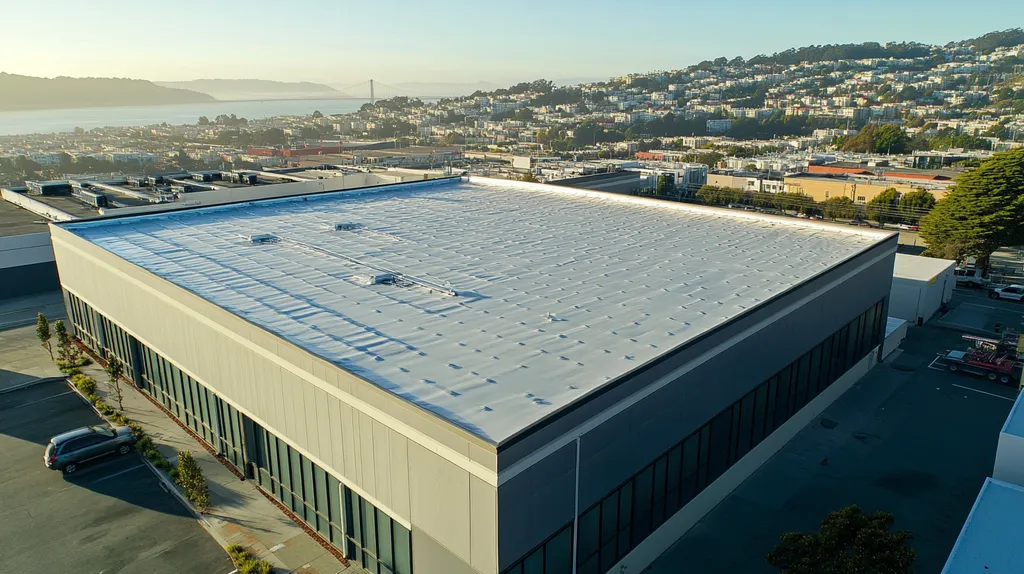
In today’s commercial building landscape, pest-related roofing damage costs property owners over $2 billion annually, with infestations compromising structural integrity and disrupting business operations.
Specialized membranes have emerged as a crucial defense against these threats, offering innovative solutions that combine pest resistance with enhanced durability and energy efficiency.
This comprehensive guide examines the latest developments in membrane technology, installation methods, and maintenance strategies that safeguard commercial roofs from pest intrusion while maximizing return on investment.
SECTION 1: FUNDAMENTAL CONCEPTS
Understanding specialized membranes for pest resistance is not just beneficial; it’s essential for the health of commercial roofs. With pest-related damages costing property owners millions of dollars each year, finding effective roofing solutions has become a top priority. These membranes can play a critical role in reducing the risk of infestations while enhancing the durability of roofing systems. This section will delve into the various types of specialized membranes available, their material characteristics, and how climate and weather conditions can affect their performance.
Types of Specialized Membranes
Specialized membranes are designed with specific pest challenges in mind, making them a versatile choice for any commercial roof. Some membranes contain insect-repelling substances, while others serve as physical barriers that discourage pests from settling in.
Among these, modified bitumen membranes stand out due to their exceptional strength and flexibility. Similarly, PVC and TPO membranes feature smooth exteriors that do not easily attract pests, making them effective options for pest resistance.
Another cutting-edge choice is bio-based membranes, crafted from natural materials known for their pest-repelling properties. These environmentally friendly solutions allow roofs to function effectively while promoting sustainability.
Moreover, integrating pest barriers during the installation process significantly boosts roof performance. This proactive strategy not only aids in pest control but also extends the lifespan of the roof.
Material Composition and Properties
The performance of specialized membranes hinges on their material composition. High-quality polymers deliver superior resistance to both pests and environmental challenges. For example, membranes made from ethylene propylene diene monomer (EPDM) exhibit exceptional durability against UV rays and extreme temperatures.
Additionally, some membranes incorporate additives aimed at repelling particular pests, such as rodents and insects. When applied correctly, these chemical compounds can drastically lessen the chances of infestations.
Installation techniques and adherence properties are also pivotal for membrane effectiveness. Proper installation ensures there are no gaps or seams where pests might gain entry, maximizing protection.
Selecting the right materials and having a deep understanding of their properties can lead to significant long-term cost savings by minimizing the need for repairs and pest control measures.
Climate and Weather Considerations
The climate can greatly influence how well specialized membranes perform. In areas prone to heavy rainfall or high humidity, roofs are especially vulnerable to pest infestations. Therefore, choosing membranes with excellent moisture resistance and drainage capabilities is crucial.
In warmer climates, heat resistance and UV stability become critical factors. Membranes must be able to withstand temperature fluctuations and intense sunlight while still providing effective pest deterrence.
Weather patterns also play a role in determining the most efficient installation methods. For example, cold-weather adhesives might be necessary for roofs in northern climates, while tropical regions may benefit from heat-welded seams for increased durability.
By understanding the specific climate needs, property owners can make informed choices about their specialized membranes, ensuring their roofs remain functional and free from pests.
SECTION 2: SYSTEM COMPONENTS
When it comes to defending commercial roofs against pests, understanding the system components is absolutely vital. The choice of membrane materials, reinforcement layers, and fastening systems plays a significant role in a roof’s ability to withstand infestations. With pest-related damages costing businesses thousands each year, property owners and facility managers must prioritize selecting the right materials. This section will explore essential components that contribute to resilient, pest-resistant roofing systems.
Membrane Materials: TPO, EPDM, PVC
The choice of membrane material sets the foundation for achieving effective pest resistance. Thermoplastic Olefin (TPO) and Ethylene Propylene Diene Monomer (EPDM) are widely favored for their durability and resistance to various environmental challenges. PVC membranes also shine, offering chemical resistance and adding an extra barrier against pests.
TPO membranes are particularly notable for their reflective surfaces, which enhance energy efficiency while creating an environment that’s less inviting to pests. EPDM, a synthetic rubber, boasts excellent elongation properties and resilience against UV radiation, making it an excellent choice for long-term durability.
Meanwhile, PVC membranes not only resist tearing but also feature a smoother surface that discourages pests from nesting. To achieve optimal results, property owners should consult with roofing professionals to determine the best membrane for their local climate and specific pest threats.
By utilizing effective membrane materials, property owners can establish a robust defense, not just against pests but also against environmental hazards like water intrusion.
Reinforcement and Insulation Layers
The inclusion of reinforcement and insulation layers dramatically enhances the effectiveness of roofing systems against pests. Reinforcement materials, such as fiberglass or polyester, add crucial strength to the membrane, helping to prevent structural damage while keeping moisture at bay—something pests absolutely love.
Insulation layers are equally important. Proper insulation regulates temperature effectively, reducing condensation that can lead to mold, a known pest attractor. For instance, closed-cell spray foam insulation minimizes moisture while acting as an effective barrier against unwanted invaders.
By thoughtfully selecting reinforcement and insulation layers, property owners can create a fortified shield against potential pest infiltration. Investing in these components is essential, as they directly affect the longevity and performance of the roof.
Routine inspections by qualified professionals ensure these layers maintain their effectiveness and help identify vulnerabilities early on, preventing costly infestations.
Adhesives and Fastening Systems
The effectiveness of adhesives and fastening systems is crucial in building a durable, pest-resistant roofing system. High-quality adhesives guarantee that membranes stay securely in place, eliminating gaps that can serve as entry points for pests. Choosing adhesives designed specifically for the selected membrane type is vital for ensuring compatibility and optimal strength.
Fastening systems, whether mechanical fasteners or adhesive-based methods, provide the necessary holding power to resist severe weather and pest pressure. Mechanical fastening is particularly beneficial in high-wind areas, where storm conditions can threaten roof integrity.
Choosing the wrong fastening method can result in leaks and create openings for pests. Therefore, it’s essential for facility managers to regularly assess their installation techniques and ensure they align with the latest industry standards.
Employing the right adhesives and fasteners not only strengthens the roof but also extends its lifespan, protecting the building’s assets from the damaging effects of pest-related issues.
SECTION 3: IMPLEMENTATION METHODS
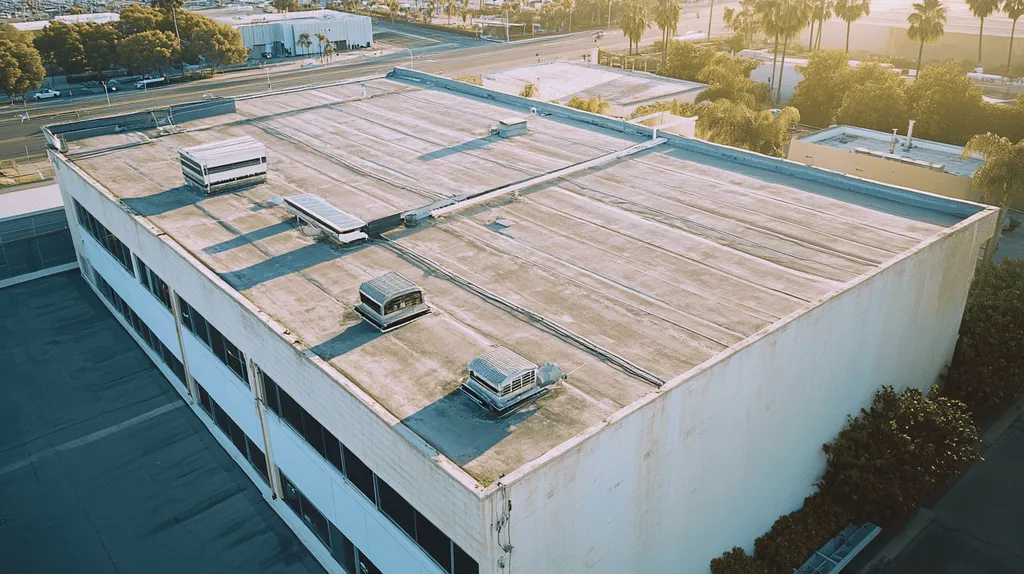
In the realm of commercial roofing, implementing effective pest resistance is crucial for the longevity of the roof and the overall integrity of the building. Research indicates that roofs lacking proper pest-resistant technology may see maintenance costs soar by 30%, primarily due to damage from rodents and insects. This section explores essential techniques for installing specialized membranes, focusing on how correct methods can lead to long-lasting performance and durability.
Installation Techniques: Mechanical, Adhesive, Ballast
Selecting the right installation technique is pivotal for boosting pest resistance in specialized membranes. Mechanical attachment fastens the membrane securely to the roof structure, forming a strong barrier against pests. This approach shines on sloped roofs, where proper water drainage and debris management are vital.
Adhesive systems provide a seamless installation alternative, effectively minimizing gaps that pests might exploit. High-quality adhesives contribute to long-lasting performance by creating a moisture-resistant barrier. This technique is especially useful for flat roofs susceptible to wind uplift.
Ballasted systems use weights to secure the membrane, adding stability while allowing for easy access for maintenance. However, it’s important to ensure this method doesn’t compromise overall pest resistance. Each installation technique offers unique advantages that directly influence pest management.
It’s essential for roofing contractors to have proper training and experience in these methods. The chosen technique should complement the building’s design and its vulnerability to pests, ultimately enhancing both roof longevity and performance.
Seam Construction and Welding
The seams of roofing membranes are critical points where pests can infiltrate. Ensuring effective seam construction helps create tight seals that block potential entry points. Heat welding is one of the most reliable methods for achieving this, forming a strong, waterproof bond between the edges of the seams.
Cold adhesive techniques can also be effective, but they may not match the durability of heat-welded seams. The best choice often depends on environmental factors such as temperature and humidity during the installation process. Proper training in seam welding can significantly minimize the risk of pest entry.
Regular monitoring of seams post-installation is essential to maintain pest resistance. Season changes can cause wear and tear that might expose seams to vulnerabilities. Routine inspections enable property managers to address minor issues before they escalate into major problems.
Using specialized membranes that require precise seam construction reinforces pest management strategies. The right welding or adhesive techniques can enhance overall roof performance while reducing the threat posed by pests.
Substrate Preparation and Compatibility
Effective substrate preparation is a cornerstone of successful membrane installation. A clean, dry surface enhances adhesion and decreases the likelihood of pests finding a foothold. It’s crucial to remove debris, old roofing materials, and moisture before installation.
Ensuring compatibility between the substrate and the membrane is equally important for maximizing pest resistance. Different materials interact with specialized membranes in various ways, so property owners must verify they are using compatible products. For instance, a concrete surface may necessitate a specific adhesive for optimal performance.
Surface irregularities can lead to water pooling, creating an inviting environment for pests. Conducting a thorough assessment of the substrate helps identify necessary repairs. A uniformly flat surface significantly enhances the membrane’s protective qualities against pest invasions.
Lastly, addressing moisture issues and making timely repairs can extend the lifespan of both the membrane and the substrate. A proactive approach to substrate preparation not only boosts pest resistance but also increases overall roofing durability.
SECTION 4: MAINTENANCE REQUIREMENTS
Maintaining specialized membranes for pest resistance in commercial roofs is more than just a good idea; it’s essential for safeguarding the property from costly damages. Statistics reveal that facilities with regular roof inspections can cut their repair costs by as much as 30%. To protect the investment and ensure the longevity of the roof, implementing a proactive maintenance plan is vital.
Regular Inspection and Repair
Carrying out regular inspections is crucial for spotting early signs of wear or potential pest problems. Facilities managers are advised to conduct these inspections at least every six months to catch issues before they escalate. Roofing professionals should thoroughly examine seams, punctures, and any soft spots that pests could exploit.
When potential problems are identified, addressing them with prompt repairs is necessary to uphold the membrane’s pest-resistant features. Ignoring repair needs can create entry points for pests, worsening the situation. Therefore, a responsive maintenance strategy is critical for addressing these issues as quickly as possible.
Maintaining a detailed log of inspections and repairs enhances accountability and aids in future planning. This documentation becomes a valuable resource for ongoing maintenance assessments and coordinating with contractors. By prioritizing inspections and repairs, property owners effectively protect their roofs from pest-related damages.
Cleaning and Debris Removal
Regular cleaning plays a vital role in sustaining specialized membranes designed for pest resistance. Accumulated debris can trap moisture, creating a welcoming environment for pests. Clearing away leaves, branches, and other obstructions should be part of an annual maintenance routine.
Additionally, a proactive cleaning approach is essential to ensure uninterrupted airflow within ventilation systems. Adequate airflow is critical for preventing moisture buildup, which invites pests. By keeping rooftops clean and dry, property owners can significantly reduce the risk of pest-related problems.
Utilizing professional cleaning services is also a prudent choice to prevent unintentional damage to the membrane. Incorrect cleaning methods can compromise the membrane’s integrity and its effectiveness against pests. Regular professional cleanings, combined with owner-led inspections, create a solid maintenance framework.
Preventing Chemical and Biological Damage
Facilities managers must remain vigilant about the chemicals used around roof areas. Some substances can degrade specialized membranes, undermining their effectiveness. Using eco-friendly pest deterrents is highly recommended to minimize potential harm to the roofing materials.
Moreover, biological factors such as standing water or organic debris can attract pests. Regularly inspecting drainage systems and clearing clogs is crucial for preventing these conditions. Implementing proper landscaping techniques, such as maintaining distance between vegetation and the building, also helps mitigate risks.
Educating staff on these preventive measures fosters awareness and compliance. A knowledgeable team contributes to sustaining the roofing system’s integrity and pest resistance. By emphasizing chemical and biological prevention, property owners protect both the functionality of the roof and their investment in specialized membranes.
SECTION 5: PERFORMANCE METRICS
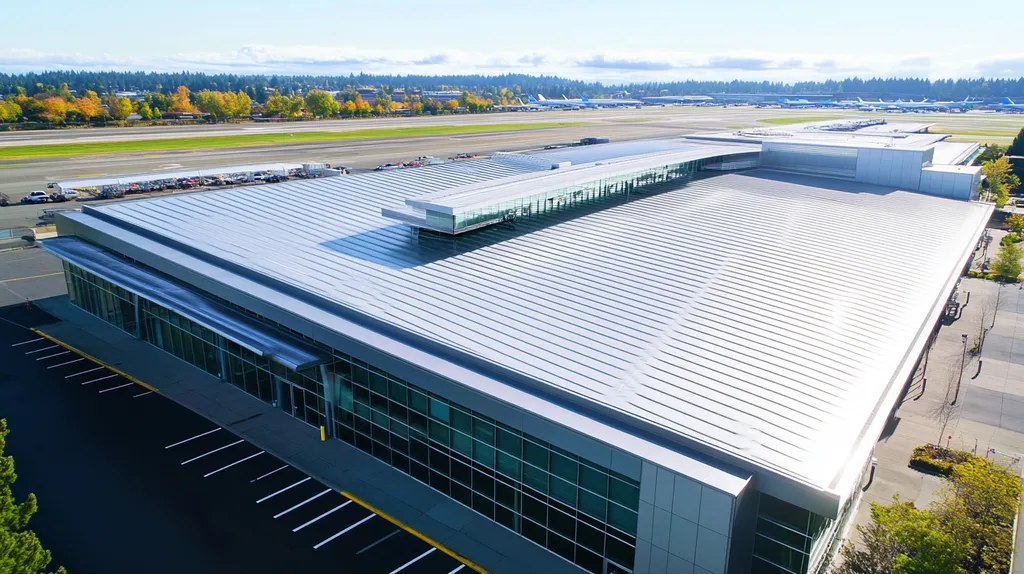
Understanding the performance metrics of specialized membranes in commercial roofing is more than just useful; it’s crucial for protecting a building’s structure and managing operational costs effectively. Research indicates that roofs vulnerable to pests can lead to maintenance expenses that exceed 20% of total facility costs each year. This section evaluates key performance indicators such as durability, weather resistance, and energy efficiency to empower property owners to make informed decisions for their roofing systems.
Durability and Lifespan Evaluation
Durability is essential for commercial roofs, especially those subjected to harsh weather conditions. Specialized membranes designed for pest resistance often utilize reinforced materials that withstand both physical damage and environmental challenges. For instance, membranes with pest-repelling additives may have a lifespan twice as long compared to standard options.
Selecting the right membrane minimizes the need for frequent repairs and replacements. A well-constructed membrane endures the challenges posed by weather and pests, ensuring the initial investment pays off. This longevity translates into reduced long-term costs associated with roof maintenance.
Durability evaluations typically involve rigorous testing under various conditions, including moisture exposure and temperature shifts. These controlled tests simulate years of use in a fraction of the time, helping property managers trust the reliability of the membranes that pass these assessments.
Additionally, quality membranes come with robust warranties that provide peace of mind. A solid warranty usually covers material defects and performance, offering protection against unexpected failures throughout the membrane’s expected lifespan.
Weather Resistance and UV Protection
Weather resistance is paramount for any commercial roofing system, especially in regions prone to extreme weather. Membranes enhanced with UV-resistant compounds significantly reduce the risk of degradation from sun exposure, essential for maintaining the roof’s structural integrity and overall appearance.
Additionally, rain, wind, and drastic temperature variations can pose serious threats. Quality membranes effectively repel moisture and resist storm damage, shielding the building from leaks. Roofs lacking adequate weather resistance often face soaring costs related to water damage and structural repairs.
Many advanced membranes also deliver thermal insulation benefits, which help regulate indoor temperatures. This not only enhances occupant comfort but can also lower energy consumption. A roof that manages heat effectively decreases reliance on HVAC systems, potentially leading to substantial energy savings.
Investing in membranes with proven weather resistance can significantly mitigate operational risks. Reliable weather performance results in fewer service disruptions, enhancing overall tenant satisfaction.
Energy Efficiency and Cost Savings
Energy efficiency is becoming a top priority for commercial properties. Specialized membranes often feature reflective surfaces designed to deflect sunlight, which lowers heat absorption. This property can lead to decreased energy bills, particularly in air-conditioned facilities.
Industry studies reveal that reflective roofing can reduce cooling costs by as much as 30%. This notable reduction in energy expenses presents a significant advantage for property owners looking to improve their financial outlook.
Moreover, energy-efficient membranes may qualify for tax incentives and rebates, providing additional financial benefits. By aligning roofing materials with energy efficiency goals, property owners not only contribute to environmental sustainability but also enjoy cost savings.
Choosing roofs with strong energy performance not only addresses immediate budgeting concerns but also boosts a building’s market appeal. As tenants increasingly seek green building certifications, energy-efficient roofing becomes a highly attractive feature for potential renters.
SECTION 5: PERFORMANCE METRICS
Performance metrics for specialized membranes in commercial roofing are critical for safeguarding a building’s structure while effectively managing operational costs. Research shows that roofs susceptible to pest infestations can lead to maintenance costs soaring above 20% of total facility expenses each year. This section highlights essential metrics such as durability, weather resistance, and energy efficiency to empower property owners to make well-informed roofing decisions.
Durability and Lifespan Evaluation
Durability is a top priority for commercial roofs, particularly those subjected to harsh weather conditions. Specialized membranes crafted for pest resistance often incorporate reinforced materials, enabling them to withstand both physical stress and environmental factors. For example, membranes with pest-repelling additives can double their lifespan compared to their traditional counterparts.
Selecting the right membrane can significantly reduce the frequency of repairs and replacements. A well-engineered membrane can endure the challenges posed by weather and pests, ensuring that the initial investment pays off. This longevity translates into lower overall costs associated with roofing maintenance.
Durability evaluations typically involve rigorous testing under various conditions, including exposure to moisture and temperature fluctuations. These simulated tests can reflect years of wear within a short period, providing assurance to property managers regarding the reliability of the membranes that successfully pass these assessments.
Moreover, reputable warranties often come with these durable membranes, offering added peace of mind. A solid warranty usually covers material defects and performance, safeguarding property owners against unexpected failures over the expected lifespan of the roof.
Weather Resistance and UV Protection
Weather resistance is essential for any commercial roofing system, especially those located in areas prone to extreme conditions. Membranes reinforced with UV-resistant compounds can effectively prevent degradation from sunlight. This trait is crucial for maintaining the roof’s integrity and overall appearance.
Rain, wind, and temperature variations also present significant risks. High-quality membranes repel moisture and resist storm damage, protecting the building’s structure from leaks. Roofs that lack adequate weather resistance often face escalating costs associated with water damage and structural repairs.
Many advanced membranes additionally provide thermal insulation benefits, aiding in the regulation of building temperatures. This capability enhances occupant comfort while reducing energy consumption. A well-designed roof that manages heat effectively can lower reliance on HVAC systems, leading to considerable energy savings.
By investing in membranes with proven weather resistance, facility managers can substantially reduce operational risks. Reliable performance against the elements results in fewer service interruptions and improved tenant satisfaction.
Energy Efficiency and Cost Savings
Energy efficiency is becoming increasingly vital for commercial properties. Specialized membranes frequently feature reflective surfaces designed to deflect sunlight, reducing heat absorption and contributing to lower energy bills, particularly in air-conditioned environments.
Studies indicate that reflective roofing can decrease cooling costs by up to 30%. This notable reduction in energy expenses represents a significant benefit for property owners looking to enhance their financial performance.
Moreover, energy-efficient membranes may qualify for various tax incentives and rebates, adding another layer of financial advantage. By aligning roofing choices with energy efficiency objectives, property owners can contribute to environmental sustainability while enjoying additional cost savings.
Choosing roofs with strong energy performance not only addresses immediate budget concerns but also boosts a building’s market attractiveness. With tenants increasingly interested in green building certifications, energy-efficient roofing becomes an appealing feature for prospective renters.
The Bottom Line
With pest-related damage costing commercial property owners over $2 billion annually, specialized roofing membranes have become an essential defense against costly infestations and structural deterioration.
The latest advances in membrane technology, from UV-resistant compounds to pest-repelling additives, offer unprecedented protection when properly installed and maintained.
Property owners who invest in these specialized systems can expect up to 30% reduction in maintenance costs and twice the average roof lifespan compared to traditional materials.
As regulations tighten and energy efficiency demands increase, these innovative membranes represent not just a solution to pest challenges, but a critical component of modern, sustainable commercial building management.
The future of commercial roofing lies in these integrated systems that protect against pests while delivering superior durability, weather resistance, and energy performance.
FREQUENTLY ASKED QUESTIONS
Q. What are specialized membranes for commercial roofs?
A. Specialized membranes are roofing materials that offer pest resistance and durability. They help prevent infestations and prolong roof lifespan, essential for commercial property protection.
Q. How do membrane materials impact industrial roof pest resistance?
A. The choice of membrane materials significantly affects pest resistance. Durable materials like TPO, EPDM, and PVC help keep pests out while also providing protection against environmental challenges.
Q. What installation methods enhance commercial roof pest resistance?
A. Techniques like mechanical attachment, adhesive applications, and ballast systems can boost pest resistance. Selecting the right method based on roof design and climate is crucial for long-lasting performance.
Q. How often should I inspect my commercial roof?
A. It’s recommended to inspect your roof at least every six months. Regular inspections help catch early signs of wear or potential pest problems, keeping your roof in optimal condition.
Q. What performance metrics should I monitor for commercial roofs?
A. Essential performance metrics include durability, weather resistance, and energy efficiency. These indicators help you assess the roof’s condition and effectiveness against pests and other environmental factors.
Q. Can I use any cleaning method for my specialized roof membrane?
A. Not all cleaning methods are safe for specialized roof membranes. It’s best to use professional services to avoid damaging the membrane and compromising its pest-resistant properties.
Q. What should I consider when choosing a roofing contractor for pest-resistant membranes?
A. Look for contractors with experience in installing specialized membranes, strong industry references, and familiarity with climate-specific challenges. Proper training ensures effective installation and long-term pest protection.






