

The commercial roofing industry stands at a critical crossroads, with environmental materials driving a $23.7 billion market shift expected by 2027. Yet misconceptions about green roofing solutions continue to cost property owners millions in missed opportunities and inefficient installations.
From structural myths about excessive weight to unfounded concerns about maintenance costs, these misunderstandings prevent businesses from capitalizing on sustainable solutions that could slash energy costs by up to 30%.
This comprehensive guide separates fact from fiction, examining the real-world implications of eco-friendly roofing choices through the lens of structural requirements, energy efficiency, and long-term cost analysis.
SECTION 1: COMMON MISCONCEPTIONS
As the trend towards environmentally friendly materials gains momentum in commercial roofing, many property owners and facility managers still cling to outdated beliefs. Strikingly, a recent survey showed that more than 60% of decision-makers worry that green roofs are too heavy for their buildings. Shifting these misconceptions can empower decision-makers to embrace sustainable solutions, unlocking both environmental advantages and enhanced building performance.
Green Roofs are Too Heavy
One of the most common myths is that green roofs impose excessive weight on a building’s structure. While it’s true that these roofs need extra support, modern engineering has made significant strides in addressing weight concerns. Innovative designs now utilize lightweight materials and systems, making them ideal for a range of existing structures.
For instance, modular green roofs use pre-vegetated trays that spread weight across the roof, reducing pressure on any single point. This approach not only simplifies retrofitting older buildings but also allows engineers to conduct thorough structural assessments, ensuring compliance with local building codes.
By overlooking the potential of green roofs due to fears about weight, property owners miss out on benefits like superior insulation and effective stormwater management. A well-planned design can enhance a building’s resilience while cutting energy costs.
Furthermore, the potential for increased property values and improved aesthetics often far outweigh any initial concerns about structural capacity. Collaborating with professionals early in the design phase helps ensure that property owners can confidently invest in this sustainable solution.
Green Roofs are More Prone to Leaks
Another widespread misconception is that green roofs are more susceptible to leaks compared to traditional roofing systems. In reality, when installed properly, green roofs offer exceptional waterproofing. These systems typically feature a robust multi-layer design, including a waterproof membrane that, with proper maintenance, acts as a formidable barrier against water intrusion.
Thanks to advancements in technology, the waterproofing capabilities of green roofs have only improved. Many manufacturers now provide built-in leak detection systems that alert facility managers to water intrusion before it can cause serious damage.
Additionally, the vegetation and growing substrate help absorb rainfall, reducing the volume of water directly reaching the membrane. This natural drainage mechanism not only safeguards the roof but also enhances the longevity of the underlying materials.
It’s vital for property owners to recognize that regular maintenance is essential for preventing leaks, much like conventional roofs. Partnering with qualified contractors who specialize in green roofing technologies can significantly boost safety and overall system performance.
Green Roofs Require Extensive Maintenance
The notion that green roofs demand constant and costly upkeep is misleading. In fact, the maintenance requirements of a green roof can vary greatly depending on the specific system and local climate conditions. Many modern green roofs are designed to be low-maintenance, requiring only seasonal care.
For example, extensive green roofs that feature resilient vegetation typically thrive with minimal intervention. These systems often rely on natural rainfall for hydration and only need occasional weeding and inspections. Well-designed green roofs may even prove to be more resilient than traditional roofing systems as they adjust to changing weather patterns.
Engaging a professional landscaping service can streamline maintenance, distributing tasks throughout the year. Thoughtfully selected vegetation can flourish with little human intervention while improving a building’s energy efficiency.
However, routine evaluations of plant health and system performance are crucial for long-term viability. Choosing the right plants and optimizing drainage can ease any perceived maintenance challenges.
SECTION 2: PRACTICAL IMPLICATIONS
The push for environmentally friendly materials in commercial roofing is not merely a trend; it’s a critical necessity. With buildings accounting for over 40% of energy consumption in the U.S., the roofing decisions made today will have lasting impacts on energy efficiency, expenses, and sustainability. Property owners must grasp the practical implications of choosing green roofing solutions to make informed decisions that benefit both their bottom line and the environment.
Structural Requirements for Green Roofs
Integrating a green roof involves a keen focus on structural integrity. Unlike traditional roofs, which may not handle the added weight of soil and vegetation, modern green roofs require thoughtful engineering. For instance, a typical extensive green roof can weigh between 15 to 25 pounds per square foot when saturated—a significant consideration.
Before installation, conducting a thorough structural assessment is essential. This ensures that any necessary reinforcements, like additional joists or beams, are made, safeguarding the integrity of the property. Property managers should collaborate with professionals who specialize in green roofing to fully understand these structural requirements.
Proper planning not only avoids costly renovations down the line but also enhances the building’s overall value. Strong structural support lays the groundwork for additional sustainable solutions, making buildings more resilient and energy-efficient.
Energy Efficiency and Cost Savings
Green roofs significantly reduce energy consumption by serving as natural insulation, keeping buildings cooler in summer and warmer in winter. Research indicates that these roofs can lower energy costs by as much as 25% compared to conventional roofing systems.
One major advantage is the decreased dependence on air conditioning and heating systems. This leads to lower utility bills and minimizes the building’s overall carbon footprint. Additionally, many municipalities provide incentives for energy-efficient roofing solutions, offering immediate financial relief.
Long-term savings are equally enticing. A well-installed green roof can last 40 years or more, compared to only 20 years for traditional roofs. This longevity translates to fewer replacements, minimized waste, and reduced maintenance expenses over time.
Choosing a green roof is not only an environmentally sound choice; it’s a financially savvy move that enhances asset value while fostering sustainable savings.
Impact on Stormwater Management
As urban flooding risks rise, effective stormwater management has never been more crucial. Green roofs excel at absorbing rainwater, substantially reducing runoff. Evidence suggests that these roofs can decrease stormwater runoff by 50% or more during peak rainfall times.
By capturing rainwater, green roofs lighten the load on municipal drainage systems, helping to mitigate sewer overflows and water pollution. This proactive approach benefits not only the property owner but also the community at large. By addressing stormwater challenges, property owners can bolster their corporate sustainability image.
Furthermore, many cities offer incentives or rebates for green roof installations due to their stormwater management benefits. This helps offset initial installation costs and engages businesses in environmental stewardship.
Incorporating green roofs allows property owners to contribute to a healthier and more sustainable urban landscape while protecting their investments from climate-related challenges.
SECTION 3: COST OF MISINFORMATION
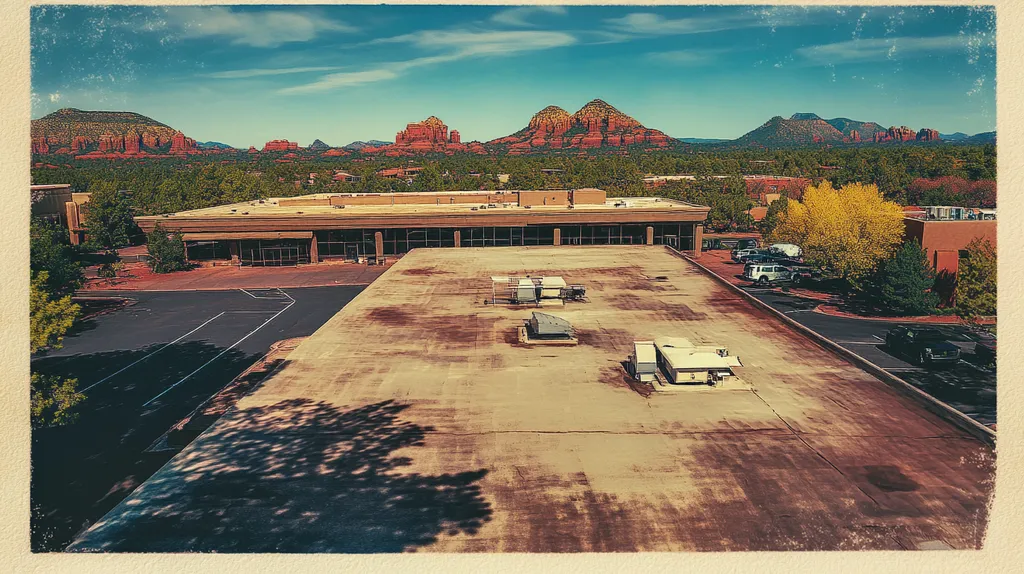
Misinformation surrounding environmentally friendly roofing materials can spell disaster for commercial properties. When installations go wrong due to misunderstandings, financial fallout can be significant. For example, states like California estimate that improper roofing can inflate maintenance costs by as much as 30%, placing a heavy burden on budgets over time.
Financial Consequences of Poor Installation
The financial ramifications of misinformation about roofing materials are considerable. A subpar installation opens the door to immediate repair costs and secondary issues like damage to insulation, wall structures, and electrical systems from leaks. These cascading effects can result in hefty repair bills that compound over time.
Additionally, property owners face the risk of lawsuits or insurance claims arising from water damage, further straining finances and potentially harming reputations. Selecting the right materials and ensuring a professional installation is essential to avoid these costly pitfalls and safeguard investments.
Although investing in high-quality, eco-friendly roofing might seem steep at first, the long-term savings it offers can be substantial. Understanding the importance of proper installation ultimately leads to better financial outcomes for commercial properties.
Long-Term Maintenance Costs
Long-term maintenance costs often spiral when misinformation spreads about roofing options. Many property owners are lured into choosing cheap, non-sustainable materials that may appear appealing initially but can lead to frequent repairs and replacements down the line. These choices can result in spending three times more on maintenance over a decade.
Conversely, sustainable materials frequently come with superior warranties and lower maintenance needs, making them more cost-effective over time. Their extended lifespan also means less waste and a smaller environmental impact.
Making informed decisions about maintenance needs and lifecycle costs can bolster financial stability for property managers. By focusing on accurate information about sustainable roofing, property owners can mitigate long-term expenses and increase a property’s overall value.
Missed Opportunities for Energy Savings
Misinformation can result in property owners missing out on substantial energy savings in their buildings. Many are unaware of how different roofing materials affect energy efficiency and inadvertently drive up their energy bills by opting for traditional materials.
For instance, roofs designed to reflect sunlight can slash cooling costs by up to 30%. Given that commercial buildings are responsible for a significant portion of energy use, these inefficiencies don’t just hurt the bottom line; they contribute to higher carbon emissions as well.
In contrast, eco-friendly materials engineered for energy efficiency can yield significant cost savings over time. Investing in these options allows facilities to take advantage of local and national incentives that promote sustainable practices.
Ultimately, the costs associated with energy waste can easily surpass the initial investment in sustainable materials. By educating property owners on energy-efficient roofing, the industry can promote smarter and more sustainable choices that positively impact both the environment and finances.
SECTION 4: REALITY CHECK
The hunt for environmentally friendly roofing materials might feel like an easy win for property owners, but the truth is a bit more layered. Decisions involve more than just picking a green option; they require a fine balance of structural integrity, long-term maintenance, and real energy efficiency. Ignoring these components can lead to significant pitfalls that threaten both sustainability ambitions and operational smoothness.
Actual Weight and Structural Needs
Weight matters when it comes to roofing materials. Some eco-friendly choices may pack a heavier punch than traditional options, which can strain the building’s structure. Not considering these weight differences can result in costly structural upgrades or worse—a compromised roof.
For instance, a green roof with thick vegetation layers demands a sturdy framework. If the current infrastructure isn’t designed to handle this extra load, property owners could face serious issues, even compromising the building’s safety.
To avoid any structural surprises, property managers should conduct in-depth assessments of their roofs before making decisions. Understanding load-bearing limitations and possibly reinforcing the structure is crucial in the planning phases.
Ultimately, aligning selected materials with the building’s structural capabilities not only saves time but also optimizes costs down the line. Professional evaluations can help avert risks tied to incomplete planning.
Real Maintenance Needs and Costs
While many green roofs tout low-maintenance credentials, the reality can be more complex. Some eco-friendly systems may lead to increased upkeep, creating unexpected budgeting headaches if not managed properly.
Take living roofs, for example. While they excel in insulation and draining rain, they may require consistent irrigation and pest management. This adds a layer of maintenance that can accumulate hidden costs over time.
Property managers must factor these ongoing expenses into their financial planning. Neglecting to do so might turn a green investment into an unforeseen financial burden.
Routine inspections and maintenance schedules are essential to maximizing the lifespan of green materials. By intervening before small issues escalate, property owners can maintain cost-effective, sustainable roofing solutions.
Energy Efficiency in Practice
Claims that eco-friendly roofing materials boost energy efficiency are inviting, but the results can vary widely. While reflective materials can indeed cut cooling costs, the actual savings hinge on a multitude of factors, including climate and building usage.
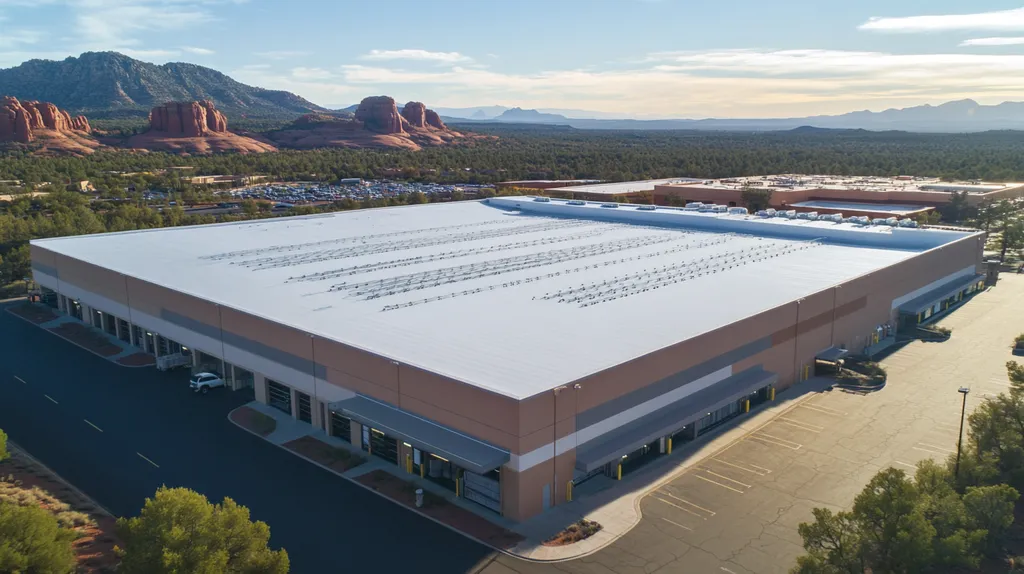
For instance, although a white roofing membrane can reduce heat absorption in hot conditions, benefits may wane in cooler climates where different materials might outperform it. Analyzing the building’s specific context is essential for making effective energy-efficient choices.
Moreover, energy efficiency projections often rest on ideal conditions that may not apply universally. Variables like building orientation and HVAC system performance can significantly influence outcomes.
Therefore, property owners should prioritize energy audits tailored to their unique circumstances rather than clinging solely to marketing claims about energy efficiency. This proactive approach will lead to informed choices that genuinely advance sustainability goals.
SECTION 5: EVIDENCE-BASED ALTERNATIVES
As the urgency for environmental responsibility escalates, the selection of roofing materials holds substantial sway over sustainability efforts. Alarmingly, the roofing sector contributes nearly 10% of landfill waste every year. By opting for evidence-based alternatives, property owners can dramatically decrease this footprint while improving overall building performance. This section will delve into the benefits of recycled materials, the advantages of metal and clay roofing options, and the innovative pairing of green roofs with solar panels to guide informed decision-making.
Benefits of Recycled Roofing Materials
Recycled roofing materials offer a powerful solution for modern commercial structures. They not only repurpose waste but also help lower manufacturing emissions, presenting an eco-friendly choice. For instance, rubber shingles crafted from recycled tires stand out for their superior durability and resistance to harsh weather.
Additionally, many recycled roofing products conform to rigorous building codes and can translate into significant cost savings. Research indicates that buildings using recycled materials can achieve up to a 15% reduction in energy costs, leading to improved long-term profitability.
Choosing recycled materials signals a commitment to environmental responsibility, enhancing a company’s reputation in the process. Their continual evolution also means that new designs are improving aesthetics and functionality to meet changing market demands.
Advantages of Metal and Clay Roofing
Metal and clay roofing materials are gaining recognition for their sustainability and longevity. With lifespans surpassing 50 years when properly maintained, these materials minimize the need for replacements, thus reducing waste substantially over time.
Both metal and clay roofs have energy-efficient attributes. Metal roofs reflect sunlight, contributing to cooling cost reductions of up to 25%. Clay tiles offer excellent insulation properties, which further decrease energy consumption, promoting healthier indoor environments.
Another pivotal benefit is their recyclability at the end of their lifecycle. Metal roofs can be completely recycled, while clay tiles can often be repurposed, making them a more sustainable option compared to traditional asphalt roofs.
Ultimately, selecting metal or clay roofing aligns with forward-thinking environmental strategies while bolstering a building’s resilience and durability.
Combining Green Roofs with Solar Panels
The integration of green roofs with solar panels is a game-changing avenue for eco-conscious commercial buildings. Research shows that green roofs enhance energy efficiency by providing insulation, consequently lowering heating and cooling costs.
This innovative combination maximizes the potential of available rooftop space, enhancing property efficiency. Interestingly, solar panels perform better on green roofs due to the cooler temperatures that vegetation provides, resulting in increased energy generation and a longer lifespan for solar components.
Moreover, green roofs are exceptional at managing stormwater, substantially reducing runoff and minimizing flooding risks in urban settings. This dual function not only beautifies cities but also fosters biodiversity.
Additionally, the visual appeal of green roofs can elevate property values, creating a welcoming atmosphere for tenants and fostering a positive impression among employees.
SECTION 6: TEST AND VERIFY
When it comes to commercial roofing, the stakes couldn’t be higher. A failing roof can wreak havoc on budgets and disrupt daily operations. Consider this: studies show that neglecting regular inspections can inflate repair costs by up to 70%. For property owners and facility managers, proactive measures are essential to ensure that environmentally friendly roofing materials perform optimally. In this section, we will explore the significance of inspecting for structural integrity, monitoring energy consumption, and conducting regular roof inspections.
Inspecting for Structural Integrity
Keeping a close eye on structural integrity is vital for all roofing systems, especially those made from eco-friendly materials. Regular inspections reveal weaknesses, cracks, or other concerns that might compromise a roof’s performance. Taking a proactive approach not only helps extend the roof’s lifespan but also ensures safety and compliance with building codes.
Engaging certified roofing professionals for comprehensive assessments is a smart strategy. These experts can spot issues early and provide recommended solutions. For instance, if they notice water pooling on the roof, it could signal potential leaks and material breakdown.
Incorporating advanced technologies, such as infrared scans, significantly enhances inspection capabilities. Infrared technology helps identify moisture trapped within roofing layers by detecting unusual heat patterns. Early identification allows for quick remediation, protecting investments in sustainable roofing solutions.
Moreover, documenting inspection findings is crucial. Keeping clear records facilitates informed decision-making about repairs and maintenance. Routine inspections lay a solid foundation for effective roof management and longevity.
Monitoring Energy Consumption
Energy consumption monitoring is a key element in assessing the effectiveness of eco-friendly roofing. While energy-efficient roofs can lower utility bills, consistent tracking ensures property managers don’t miss out on potential savings. Without proper oversight, it’s easy to overlook how well these roofs perform.
Implementing energy management systems that provide real-time data on energy use is essential. By comparing energy bills before and after installing new roofing, managers can quantify its impact on overall consumption. An efficient roof can significantly reduce heating and cooling demands, leading to lower operating costs.
Benchmarking energy use against similar properties adds another layer of insight. If energy consumption remains high despite a green roof, this may indicate other underlying issues, such as problems with the HVAC system. Identifying these factors is critical for comprehensive property management.
Additionally, ongoing energy monitoring can help evaluate roof performance over time. Understanding how seasonal variations impact energy efficiency can aid in making necessary adjustments, ensuring that environmentally friendly roofs reach their full potential.
Conducting Regular Roof Inspections
Regular roof inspections form the backbone of effective roof management. These check-ups catch potential problems before they escalate, particularly for roofs made from sustainable materials that may react differently than traditional options. Inspections should ideally be scheduled at least twice a year and immediately after any significant weather events.
Property owners should prepare detailed inspection checklists focusing on seams, flashings, and gutters, as these areas are critical for preventing water infiltration. Investing in advanced inspection technologies, like drones, can streamline this process while enhancing safety for inspection teams.
During inspections, it’s crucial to be vigilant about signs of wear unique to eco-friendly materials. For instance, reflective coatings might peel or lose efficacy over time. Spotting these changes early can lead to timely maintenance, ultimately prolonging the life of the roof.
Lastly, leveraging data from past inspections can provide valuable insights into recurring issues or trends. This historical knowledge empowers property managers to make informed repair decisions, boosting the overall efficiency of the roofing system. In essence, consistent inspections are key to fostering longevity and performance in environmentally friendly roofs.
Moving Forward
With the commercial roofing industry projected to hit $23.7 billion by 2027, property owners can’t afford to let misconceptions about eco-friendly materials cloud their judgment.
The evidence is clear: sustainable roofing solutions offer compelling advantages in energy efficiency, durability, and environmental impact.
Through proper testing, monitoring, and maintenance, these materials consistently outperform traditional options while reducing operating costs by up to 30%.
The real challenge isn’t whether to adopt environmentally friendly roofing—it’s ensuring proper installation and maintenance to maximize returns on this crucial investment.
As climate concerns escalate and energy costs rise, property owners who embrace evidence-based sustainable roofing solutions today will be better positioned to thrive tomorrow.
FREQUENTLY ASKED QUESTIONS
Q. Are green roofs too heavy for my commercial roof?
A. While they do require extra support, modern engineering solutions make green roofs lighter. Innovative designs use lightweight materials, enabling compatibility with many buildings, thus allowing owners to unlock significant sustainability benefits.
Q. How do green roofs enhance energy efficiency for industrial roofs?
A. Green roofs naturally insulate buildings, reducing energy costs by keeping them cooler in summer and warmer in winter. This insulation reduces reliance on heating and cooling systems, leading to significant long-term savings.
Q. What are the costs of misinformation about commercial roofing options?
A. Misinformation can lead to expensive repairs and maintenance. Choosing the wrong materials may inflate costs and waste resources, burdening budgets over time while compromising sustainability efforts.
Q. What should I consider about structural needs for green roofs?
A. Proper structural assessment is vital, as green roofs can add significant weight. Ensuring buildings can support this weight prevents costly upgrades and ensures a safe, sturdy installation.
Q. How can I benefit from recycled roofing materials for my commercial roof?
A. Recycled materials not only lower manufacturing emissions but also can reduce energy costs by improving building insulation. This eco-friendly choice enhances your reputation while contributing to sustainability efforts.
Q. Why are regular inspections important for my industrial roof?
A. Regular inspections can catch issues early, saving costs on repairs and preventing business disruptions. Proactive assessments ensure the roof’s longevity and performance, particularly with eco-friendly roofing materials.
Q. What other sustainable roofing options can I consider?
A. Consider advanced technologies like solar panels integrated with green roofs or using durable materials like metal or clay. These options enhance sustainability while providing long-term benefits like reduced energy costs.






