
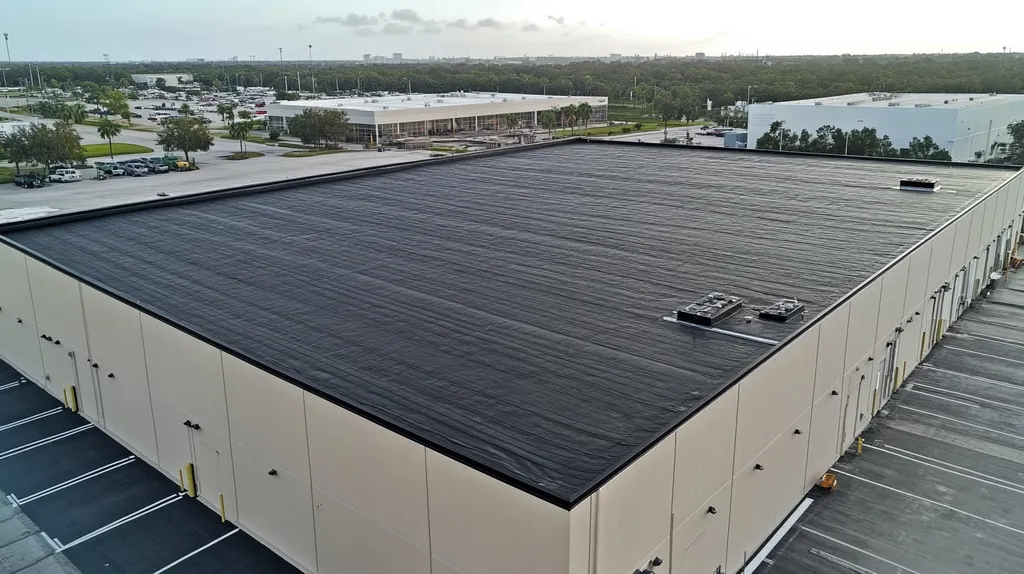
Each year, commercial roofing projects generate over 10 million tons of waste material, with up to 95% being potentially recyclable. Yet most of these valuable resources end up in landfills, creating unnecessary environmental impact and financial burden.
As building owners face increasing pressure to adopt sustainable practices, understanding how to effectively recycle roofing materials has become critically important. Modern recycling technologies and proper planning can transform what was once considered waste into valuable resources.
This comprehensive guide examines the environmental impact of roofing waste, identifies recyclable materials, and provides practical strategies for implementing successful recycling programs that benefit both the environment and the bottom line.
SECTION 1: FUNDAMENTAL CONCEPTS
The roofing industry stands at a critical environmental crossroads. Each year, millions of tons of roofing materials end up in landfills, creating an urgent need for sustainable solutions. As commercial buildings account for nearly 20% of U.S. energy consumption, the choices property owners make about roofing materials and disposal methods have far-reaching implications for both environmental sustainability and operational costs.
Environmental Impact of Roofing Waste
The scale of roofing waste presents a mounting challenge for facility managers and environmental stewards alike. Each commercial roof replacement typically generates tons of waste material that, when improperly disposed of, contributes to landfill overcrowding and greenhouse gas emissions.
Chemical compounds in traditional roofing materials can leach into soil and groundwater systems when disposed of in landfills. This contamination poses risks to local ecosystems and potentially affects groundwater quality for surrounding communities.
The transportation of roofing waste to landfills creates additional environmental impacts through vehicle emissions and fuel consumption. These hidden costs compound the environmental burden of traditional disposal methods.
By implementing proper recycling protocols, facilities can dramatically reduce their environmental footprint while setting new standards for responsible waste management.
Types of Recyclable Roofing Materials
Metal roofing components represent one of the most valuable recyclable materials in commercial roofing. These materials can be fully recycled while requiring up to 80% less energy than producing new metals from raw ore, significantly reducing carbon emissions. (source: Okon Recycling)
Asphalt-based roofing materials offer substantial recycling potential. When properly processed, these materials can be incorporated into road construction or manufactured into new roofing products.
Single-ply membranes like TPO and PVC can be collected, processed, and transformed into new roofing materials or other plastic products. This circular approach helps reduce dependency on virgin materials.
Even insulation materials can often be salvaged and repurposed, particularly rigid foam insulation that remains intact during removal.
Energy and Resource Savings from Recycling
The energy benefits of recycling roofing materials extend far beyond the construction site. Every ton of recycled material represents significant savings in manufacturing energy, transportation costs, and raw material extraction.
Recycling programs help preserve natural resources by reducing the need for new material production. This conservation approach protects valuable minerals, oil resources, and forest products from unnecessary exploitation.
The financial advantages of recycling often include reduced disposal fees, potential tax benefits, and lower material costs for future projects. These savings can offset initial recycling program implementation costs.
Modern recycling technology continues to improve efficiency and expand the range of materials that can be successfully recovered, making recycling increasingly attractive from both environmental and economic perspectives.
SECTION 2: SYSTEM COMPONENTS
The complexity of modern commercial roofing systems demands a strategic approach to material recycling. With the average commercial roof replacement generating 2-4 tons of waste material, proper identification and handling of recyclable components can dramatically reduce environmental impact and disposal costs. Understanding which materials can be recycled, how to properly sort them, and what precautions to take with hazardous components forms the foundation of an effective recycling program.
Identification of Recyclable Roofing Materials
Metal components represent the most readily recyclable materials, including copper flashings, aluminum fascia, and steel fasteners. These materials maintain their value through multiple recycling cycles and can be sorted by type for maximum return.
Built-up roofing (BUR) materials contain valuable components that can be separated and recycled. The asphalt content can be processed for road construction, while the felts and membranes may be suitable for manufacturing new roofing products.
Single-ply membranes require special handling but offer significant recycling potential. TPO and PVC membranes can be processed into new roofing materials when properly cleaned and segregated.
Rigid insulation boards, particularly polyisocyanurate (ISO), can often be salvaged if they remain dry and undamaged. Even damaged sections may be suitable for grinding and reuse in other applications.
Separation and Sorting Techniques on Site
Surveys show contractors achieving superior recycling outcomes through advance planning, dedicated material sorting stations, and partnerships with recycling facilities. The key to success lies in establishing clear protocols and training crews in proper identification and handling procedures. (source: We Coat Commercial Roofing)
Setting up distinct collection zones for different material types prevents cross-contamination. Metal components should be separated by type, while membrane materials require their own designated area to maintain recyclability.
Using clearly marked containers and providing visual guides helps ensure proper sorting. Regular quality checks during the tear-off process maintain material separation standards and prevent contamination.
Protecting sorted materials from weather exposure preserves their recycling value. Tarps and temporary storage solutions shield materials until they can be transported to recycling facilities.
Handling Hazardous or Contaminated Components
Some roofing materials may contain hazardous substances that require specialized handling. Common concerns include asbestos in older roofing felts, chemical residues in adhesives, and contaminated insulation materials.
Professional testing should precede any recycling effort when hazardous materials are suspected. This assessment determines whether materials can be safely recycled or require specialized disposal.
Proper personal protective equipment (PPE) and containment protocols protect workers and the environment. Materials should be secured in appropriate containers and clearly labeled according to regulatory requirements.
Documentation of proper disposal methods protects building owners from future liability. Maintaining detailed records of material testing, handling procedures, and final disposition provides essential legal protection.
SECTION 3: IMPLEMENTATION METHODS
Every year, commercial roofing projects generate millions of tons of recyclable materials that could be diverted from landfills. Despite advances in recycling technology, many facility managers struggle with implementing effective recycling programs. Understanding proper collection methods, leveraging modern recycling technologies, and establishing clear contractual requirements can transform waste materials into valuable resources while reducing disposal costs and environmental impact.
Collection and Transportation Logistics
Successful recycling begins with proper material handling during roof removal. Establishing designated collection zones for different material types prevents cross-contamination and preserves recycling value.
Transportation planning requires coordination between roofing crews and recycling facilities. Scheduling regular pickups prevents material buildup on site while ensuring proper chain of custody documentation.
Weather protection during temporary storage maintains material quality. Using appropriate containers and covers prevents degradation that could compromise recyclability.
Clear labeling and tracking systems help verify that materials reach their intended recycling destinations. This documentation supports sustainability reporting and validates proper disposal practices.
Recycling Facility Technologies and Processes
Modern recycling facilities employ sophisticated separation and processing equipment to maximize material recovery. Advanced sorting technologies can process multiple material types while maintaining high quality standards.
Innovative programs now enable the recycling of previously challenging materials like PVC roofing membranes. Sika Sarnafil’s recycling program demonstrates how technical and cost barriers can be overcome through systematic takeback schemes that benefit both business owners and the environment. (source: Vantage Vinyl)
Quality control systems ensure recycled materials meet specifications for reuse. Regular testing verifies that processed materials maintain consistent properties suitable for manufacturing.
Continuous technology improvements expand the range of recyclable materials. Investment in new processing methods creates additional opportunities for material recovery.
Integrating Recycling Specifications into Contracts
Clear recycling requirements in roofing contracts establish accountability from project start. Specifications should detail material handling procedures, documentation requirements, and performance metrics.
Including specific recycling targets helps measure success. Contracts can specify minimum percentages of materials to be recycled while allowing flexibility in achieving those goals.
Verification procedures ensure compliance with recycling requirements. Regular reporting and documentation validate that materials reach approved recycling facilities.
Financial incentives encourage contractor participation in recycling programs. Cost savings from reduced disposal fees can offset any additional handling expenses.
SECTION 4: MAINTENANCE REQUIREMENTS
Proper maintenance stands as the cornerstone of successful roofing material recycling programs. While up to 95% of roofing materials are technically recyclable, poor maintenance practices often render otherwise salvageable materials unsuitable for recycling. Understanding and implementing proper inspection protocols, contamination prevention, and documentation procedures can dramatically increase the volume of materials that can be successfully recycled while reducing disposal costs.
Inspecting Roofs to Maximize Recyclable Material Recovery
A strategic inspection program forms the foundation for maximizing material recovery. Semi-annual comprehensive inspections should evaluate all roofing components, identifying areas requiring maintenance before degradation compromises recyclability.
Metal roofing components deserve particular attention during inspections, as these materials offer the highest recycling value and energy savings potential. Steel and aluminum panels, when properly maintained, can be 100% recycled while requiring just 5% of the energy needed to produce new metal from raw materials. (source: Sheffield Metals)
Inspection protocols should include moisture scanning to identify wet insulation, which can contaminate otherwise recyclable materials. Early detection allows for targeted repairs that preserve recyclability across larger roof sections.
Documentation during inspections should map material types and conditions, creating valuable data for future recycling planning. This information helps prioritize maintenance activities that protect recyclable materials.
Minimizing Contamination and Material Degradation
Establishing clear protocols for handling repairs and modifications prevents cross-contamination between different roofing materials. Training maintenance staff on proper material segregation ensures that recyclability isn’t compromised during routine work.
Regular cleaning and debris removal protect roofing materials from chemical and organic contamination. Accumulated dirt, vegetation, and standing water can all accelerate degradation of recyclable components.
Weather protection measures during maintenance work prevent unnecessary exposure to elements. Using appropriate covering materials and establishing proper drainage patterns reduces material degradation.
Careful selection and documentation of repair materials ensures compatibility with future recycling efforts. Using materials known to be recyclable maintains the long-term sustainability of the roofing system.
Documentation and Compliance for Sustainable Practices
Comprehensive maintenance records provide essential documentation for recycling programs. Detailed logs of inspections, repairs, and material conditions support planning for eventual material recovery.
Digital tracking systems streamline documentation while ensuring accuracy and accessibility. Modern platforms can map material locations, track repair histories, and forecast maintenance needs that impact recyclability.
Regular updates to maintenance protocols reflect evolving recycling capabilities and requirements. As recycling technologies advance, documentation systems should adapt to capture relevant material characteristics.
Compliance verification requires maintaining records of material sources, maintenance activities, and disposal methods. This documentation protects property owners while demonstrating commitment to sustainable practices.
SECTION 5: PERFORMANCE METRICS
The roofing industry faces a critical challenge in quantifying and improving recycling efforts. While most commercial roofing materials are recyclable, lack of measurement and tracking leads to millions of tons needlessly entering landfills each year. Understanding and implementing proper performance metrics allows property owners to maximize material recovery, reduce disposal costs, and demonstrate environmental leadership. By establishing clear benchmarks and tracking systems, facilities can transform their roofing programs from waste generators into resource conservers.
Measuring Waste Diversion and Recycling Rates
Successful recycling programs begin with establishing clear baseline measurements. Property owners should document the total weight and volume of materials removed during roof replacement or repair projects.
Regular tracking of diverted materials provides concrete evidence of program success. Monthly and annual reports should detail the percentage of materials recycled by type, weight, and intended reuse pathway.
Key performance indicators (KPIs) help facilities benchmark their progress against industry standards. Common metrics include diversion rate percentage, cost savings per ton recycled, and reduction in landfill fees.
Data collection systems must be both comprehensive and practical. Digital tracking platforms can streamline reporting while ensuring accuracy and accessibility of recycling metrics.
Assessing Environmental and Cost Benefits
Metal roofing components offer some of the most compelling environmental returns through recycling. These materials can be recycled repeatedly while dramatically reducing energy consumption – recycled steel requires just 26% of the original production energy, while recycled aluminum needs only 5%. (source: Sheffield Metals)
Carbon footprint reduction represents another key metric for sustainability reporting. Tracking avoided emissions through recycling helps facilities demonstrate environmental leadership.
Cost analysis should consider both immediate savings and long-term benefits. While recycling programs may require initial investment, reduced disposal fees and potential material resale value often provide quick returns.
Market advantages from sustainable practices can translate into measurable facility value. Properties with documented recycling programs often command higher rents and attract environmentally conscious tenants.
Tracking Material Life Cycle and Circularity
Life cycle assessment provides crucial insights into material performance and recyclability. Tracking helps identify which materials offer the greatest potential for circular reuse.
Documentation should follow materials from installation through maintenance and eventual removal. This cradle-to-cradle approach ensures maximum recovery of recyclable components.
Quality metrics help maintain material value through multiple recycling cycles. Regular testing and verification ensure recycled materials meet specifications for reuse.
Forward-looking facilities increasingly track circularity ratios. These measurements compare virgin material inputs against recycled content, helping drive continuous improvement in resource efficiency.
SECTION 6: OPTIMIZATION STRATEGIES
The commercial roofing industry generates over 10 million tons of recyclable waste annually, yet most of these materials end up in landfills due to inefficient recovery practices. Optimizing recycling strategies represents both an environmental imperative and a significant cost-saving opportunity. Through strategic partnerships, advanced technologies, and careful program development, property owners can transform their roofing waste from an expense into an asset while demonstrating environmental leadership.
Partnering with Specialized Recycling Vendors
Metal roofing components, including Galvalume, aluminum, copper, and steel, offer exceptional recycling value when properly handled. These materials can be recycled repeatedly while dramatically reducing energy consumption – recycled steel requires just 26% of the original production energy, while recycled aluminum needs only 5%. (source: Sheffield Metals)
Specialized vendors bring expertise in material sorting, processing, and distribution to recycling markets. Their established networks and bulk processing capabilities can significantly reduce handling costs while ensuring maximum material recovery.
Vendor evaluation should focus on demonstrated recycling rates, processing capabilities, and compliance track records. Look for partners who maintain transparent documentation and can verify material chain of custody.
Strong vendor relationships often unlock additional benefits like preferred pricing, priority scheduling, and access to emerging recycling technologies. These partnerships position facilities to capitalize on evolving sustainability opportunities.
Utilizing Advanced Material Recovery Technologies
Modern recycling facilities employ sophisticated separation equipment that can process multiple material types simultaneously. These systems use automated sorting, chemical processing, and quality control measures to maximize recovery rates.
Infrared scanning and moisture detection technologies help identify salvageable materials that might otherwise be discarded. This precision approach preserves material value while reducing contamination risks.
Mobile processing units bring advanced recycling capabilities directly to project sites. These systems reduce transportation costs while enabling immediate material recovery during roof removal.
Emerging technologies like chemical recycling are expanding the range of recoverable materials. These innovations create new opportunities for recycling previously challenging components like adhesives and sealants.
Developing Cost-Neutral Recycling Programs for Projects
Successful recycling programs begin with comprehensive material audits that identify valuable components and potential recovery pathways. This analysis helps facilities target high-value materials while streamlining collection processes.
Strategic material segregation during removal preserves recycling value while reducing processing costs. Clear protocols and proper training ensure crews maintain material separation standards.
Bulk processing agreements with recycling facilities can offset program costs through volume pricing and shared transportation. These partnerships often provide additional revenue through material buyback programs.
Regular program evaluation helps identify optimization opportunities and adapt to changing market conditions. Tracking key metrics like diversion rates and processing costs supports continuous improvement efforts.
Looking Ahead
With over 10 million tons of commercial roofing waste generated annually, the industry stands at a critical turning point in sustainable practices.
Modern recycling technologies now enable recovery rates exceeding 95% for most roofing materials, offering both environmental benefits and significant cost savings.
The key to successful implementation lies in strategic planning, proper material handling, and partnerships with specialized recycling vendors.
By adopting comprehensive recycling programs, property owners can reduce disposal costs by up to 60% while demonstrating environmental leadership and regulatory compliance.
The transformation of roofing waste from an expense into an asset represents not just an environmental imperative, but a compelling business opportunity that forward-thinking facilities cannot afford to ignore.
FREQUENTLY ASKED QUESTIONS
Q. What is the environmental impact of a commercial roof?
A. A commercial roof can produce tons of waste, contributing to landfill issues and greenhouse gas emissions. When materials are improperly disposed of, harmful chemicals may leach into the soil, impacting local ecosystems. By recycling, property owners can significantly reduce their environmental footprint and promote sustainable practices.
Q. How can I identify recyclable materials from an industrial roof?
A. To identify recyclable materials, assess metal components like copper and aluminum, as they hold high value. Asphalt roofing can be recycled into new products, and single-ply membranes must be sorted carefully. Ensure proper handling of insulation materials that are clean and undamaged to maximize recyclability.
Q. What collection methods improve recycling from a commercial roof?
A. Effective recycling starts with designated collection zones for different materials. Coordinating transportation with recycling facilities is crucial to prevent material buildup. Regularly inspecting stored materials for quality and ensuring they’re weather-protected can optimize the recycling process and maintain material integrity.
Q. How can I minimize contamination of recyclable roofing materials?
A. To minimize contamination, implement strict handling protocols and train staff on material segregation. Regular cleaning prevents dirt and debris buildup that can degrade materials. Weather protection during maintenance work is also essential to maintain the quality of recyclable components.
Q. What key performance metrics measure roofing material recycling success?
A. Metrics such as diversion rates and recycling percentages are crucial for measuring success. Document the weight and type of materials recycled to assess performance against industry standards. Tracking cost savings and landfill reductions provides tangible evidence of your program’s impact.
Q. How can partnerships enhance roof material recycling?
A. Partnering with specialized recycling vendors brings expertise in maximizing material recovery. They offer established processing capabilities and can significantly reduce handling costs. Strong vendor relationships often provide benefits, such as better pricing and access to innovative recycling technologies, enhancing overall sustainability efforts.
Q. What should I include in my recycling program documentation?
A. Essential documentation should include inspection logs, material conditions, and disposal methods. Maintain records of training, handling procedures, and recycling outcomes to ensure compliance. Digital tracking systems can enhance accuracy, providing clear visibility on recyclables and supporting sustainability goals.






