

In an industry where 30% of commercial roofs fail prematurely due to code violations, the stakes couldn’t be higher for property owners and facility managers navigating the complex world of building regulations.
While established practices have long dictated how roofs should be constructed and maintained, mounting evidence suggests these norms may be doing more harm than good.
From inconsistent enforcement to outdated material standards, the current system leaves buildings vulnerable while driving up costs—a perfect storm that demands immediate attention and innovative solutions.
SECTION 1: CURRENT PRACTICES
In the world of commercial roofing, navigating the intricate maze of building codes and regulations can feel like a high-stakes game of chess. With a staggering 30% of roofing projects facing delays due to non-compliance, understanding these requirements is not just prudent—it’s essential for property owners and facility managers aiming to avoid costly setbacks. This section will dissect the building code requirements, unravel the complexities of the permitting process, and highlight the critical nature of contractor licensing and certification.
Building Code Requirements Overview
Building codes serve as the blueprint for safety and quality in roofing installations. These regulations can vary significantly from one region to another, specifying everything from materials to structural integrity and environmental standards. For example, certain areas mandate that roofs are built to withstand specific wind and snow loads, a vital consideration for ensuring longevity and performance.
Neglecting these codes can trigger penalties and fines—or worse, costly rework that can set projects back for weeks. In the most serious scenarios, non-compliance could expose occupants to safety hazards. Thus, property owners must make it a priority to keep abreast of local codes, ensuring compliance from day one.
It’s also important to note that building codes are in a constant state of flux. What passed muster last year might be outdated today. Therefore, partnering with knowledgeable professionals is a wise move, as they can help shield against risks associated with yesterday’s standards.
In essence, grasping building code requirements is non-negotiable for anyone involved in commercial roofing. Informed property owners can sidestep legal issues while bolstering the durability and safety of their investments.
Permitting Process Complexities
When it comes to the permitting process for commercial roofing projects, property owners may find themselves navigating a complex labyrinth of regulations and protocols. Each jurisdiction has its unique set of rules detailing how permits are to be obtained, often leading to confusion and frustrating delays. When permits stall, projects can be thrown off schedule, driving up costs and elongating timelines.
The process typically involves several layers of inspections and reviews by local authorities. From initial assessments and plan checks to final inspections, securing necessary approvals can take weeks—sometimes even months. Therefore, a solid understanding of the specific requirements in your area is crucial for swift project completion.
Unfortunately, incomplete or erroneous permit applications can exacerbate the situation. A rejected application means more time—and more resources—wasted on reapplications. Engaging with experienced contractors who navigate these nuances daily is imperative.
Mastering the permitting process is vital for the success of any commercial roofing venture. A streamlined permitting experience not only ensures compliance but can also significantly reduce project timelines and costs.
Contractor Licensing and Certification
Contractor licensing and certification are pivotal in maintaining the quality of roofing installations. Many states require roofing contractors to hold specific certifications, demonstrating their expertise and adherence to established industry standards. Such requirements serve as a crucial safeguard against substandard work.
Opting for licensed and certified contractors means enlisting professionals who are well-acquainted with local building codes and safety regulations. This knowledge significantly lowers the chance of non-compliance, which can lead to fines or unsafe installations. What many property owners may overlook is that fishing for unlicensed contractors can complicate warranty claims and insurance matters.
The technical demands of commercial roofing often necessitate specialized knowledge, particularly when utilizing unique materials or advanced technologies. Certified contractors bring invaluable expertise that can enhance the project’s overall success.
In conclusion, ensuring that contractors possess the proper licenses and certifications instills confidence in property owners. This practice not only safeguards investments but also boosts the likelihood of a successful roofing project that meets both safety and quality benchmarks.
SECTION 2: SYSTEMIC ISSUES
The commercial roofing landscape is rife with perilous inconsistencies that can lead to catastrophic consequences. Alarmingly, nearly 30% of commercial projects fail to comply with local building codes. This gap not only places occupant safety in jeopardy but also balloons costs for property owners who may face legal repercussions and expensive repairs. Key systemic issues—including inconsistent code enforcement, a lack of standardized materials, and gaps in safety protocols—underscore the urgent need for reform in commercial roofing practices.
Inconsistent Code Enforcement
When it comes to building codes for commercial roofs, enforcement can vary dramatically across regions. Some jurisdictions are known for their rigorous adherence to guidelines, while others take a laissez-faire approach. This inconsistency creates a chaotic compliance landscape, leaving property owners and contractors perplexed.
The fallout from this chaotic enforcement can be severe, leading to project delays, inflated costs, and even dangerous safety oversights. Imagine a business investing in a roofing system only to discover it won’t pass inspection due to lax regulation enforcement, a costly surprise that could result in major project setbacks.
Add to this the frequent amendments to building codes, and you have a recipe for confusion. Property owners attempting to stay informed may find themselves confronting an ever-moving target, leading to missteps in material selection and installation.
Ultimately, the inconsistent enforcement of codes undermines the integrity of the entire roofing industry, placing property owners’ investments in jeopardy.
Lack of Standardized Materials
The roofing world suffers from a troubling lack of standardized materials and specifications, compounding the hurdles of compliance. In the absence of universally recognized quality benchmarks, roofing materials can differ significantly in terms of durability and safety.
Picture this: a property owner unknowingly opts for subpar materials that jeopardize essential performance standards. This blunder can lead to roofs that fail prematurely, triggering expensive repairs that could have been sidestepped with stringent guidelines.
Moreover, contractors often find themselves grappling with the challenge of sourcing compliant materials that fulfill local code mandates. Miscommunication between contractors and suppliers due to unclear standards can threaten the project’s integrity from the get-go.
Advocating for a standardized approach isn’t just beneficial for compliance; it’s crucial for extending the lifespan and efficiency of commercial roofs. The industry must rally for clear, actionable guidelines to navigate this pivotal aspect effectively.
Safety Protocol Gaps
Shockingly, safety protocols within the commercial roofing sector frequently fall short of essential measures necessary to protect workers and properties. Current practices may not sufficiently address the numerous risks inherent in complex installations or repairs.
This negligence can translate to heightened injury rates among roofing crews, further straining project costs and timelines. Property owners bear the brunt of these oversights, facing increased insurance premiums and potential liability claims.
Moreover, safety breaches not only jeopardize worker well-being but can also compromise the overall integrity of the roofing system. Such oversights can lead to costly repairs or complete replacements.
It’s imperative to establish comprehensive safety protocols that safeguard both personnel and investments. The industry must prioritize a cultural shift towards safety that emphasizes compliance and best practices for everyone involved.
SECTION 3: MISSED OPPORTUNITIES
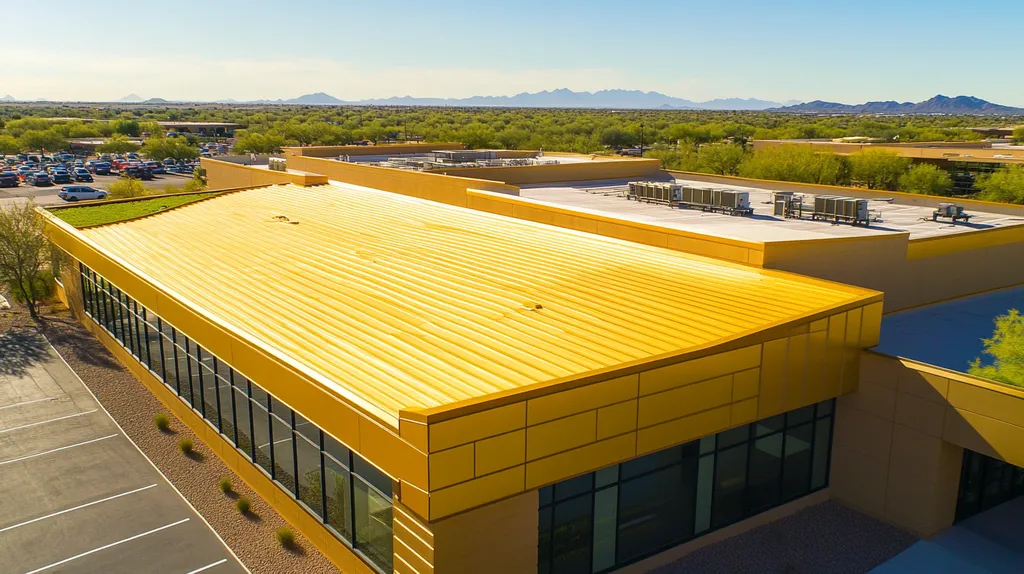
In the competitive world of commercial roofing, overlooking modern building codes can be more than just a minor inconvenience—it can have serious ramifications. Many property owners and facility managers miss critical opportunities for energy efficiency, long-term maintenance, and climate-specific solutions. Such oversights can lead to inflated costs, a shorter roof lifespan, and potential safety hazards. Recognizing these missed opportunities is essential for maximizing roof performance and sustainability.
Overlooking Energy Efficiency
Too often, commercial property owners stick with traditional roofing materials without considering energy-efficient alternatives. This can lead to dramatically increased heating and cooling costs over time. For instance, opting for a single-ply membrane roof equipped with reflective properties could slash energy usage by as much as 30% compared to conventional materials.
By failing to embrace energy-efficient designs, property owners ignore the substantial savings available on utility bills. Building codes increasingly stress the importance of energy efficiency, yet many facilities remain trapped in outdated practices. The resulting neglect can set businesses back with elevated operational costs that eat into profit margins.
Furthermore, energy-efficient roofs can qualify for tax incentives and rebates that many property owners overlook. These financial perks can help offset initial investment costs, smoothing the transition to greener options. Ignoring these opportunities isn’t just a missed chance—it compounds financial losses and undermines long-term sustainability targets.
Investing in energy efficiency goes beyond mere compliance; it’s a crucial step toward being a responsible environmental steward. Property owners are encouraged to reevaluate their roofing strategies, aligning them with modern energy standards for a greener future.
Neglecting Long-Term Maintenance
Another major pitfall is neglecting the importance of long-term maintenance in roofing plans. Too many property managers zero in on initial installation costs, leaving future maintenance needs out of the equation. This often leads to significant expenses later when small issues morph into major repairs.
Regular maintenance can significantly extend a roof’s lifespan—sometimes by a decade or more. Failing to schedule inspections and repairs can invite leaks and structural damage, risking the building’s integrity. Statistics indicate that preventive maintenance can lower repair costs by up to 30%.
Additionally, building codes typically enforce compliance with stringent maintenance standards. Ignoring these regulations can lead to legal troubles and, more importantly, endanger the safety of building occupants. A robust maintenance strategy ensures roofs not only meet compliance but also perform effectively over time.
In the end, investing in a comprehensive maintenance program benefits both the building’s longevity and the financial bottom line. Small expenditures on maintenance can yield significant savings and peace of mind for property managers.
Ignoring Local Climate Considerations
Failing to take into account local climate conditions is a significant oversight in commercial roofing compliance. Each region experiences unique weather patterns that necessitate specific roofing solutions. For example, roofs in snowy climates require steep pitches for effective snow shedding, while structures in sunny locales benefit from heat-reflective coatings.
Neglecting these climate-specific factors puts property owners at risk for long-term damage and compliance headaches. A roof that can’t handle severe weather will likely face accelerated wear and tear, ultimately affecting its lifespan and performance. In storm-prone regions, building codes often mandate materials designed for wind resistance and effective water drainage—requirements that cannot be ignored.
Moreover, different roofing systems come with varying performance ratings based on regional climates. Failing to select an appropriate system can lead to higher insurance premiums, decreased property values, and increased repair costs. Addressing climate considerations leads to a more resilient roofing system that satisfies both code requirements and local conditions.
Paying attention to local climate is essential—not just advisable—for ensuring compliance and effective performance. Property owners should conduct careful climate assessments before making roofing decisions to set themselves up for success, come rain or shine.
SECTION 4: ROOT CAUSES
Identifying the root causes of commercial roofing compliance issues is crucial for property owners and facility managers. The stakes couldn’t be higher: non-compliance can lead to not just costly repairs, but also safety hazards and legal headaches. A staggering study indicates that inadequate roof inspections account for nearly 30% of commercial roofing failures. Key challenges such as variability in local regulations, limited contractor knowledge, and insufficient inspection practices play a significant role in this ongoing dilemma.
Variability in Local Regulations
The terrain of roofing regulations can feel like a patchwork quilt, with significant variations from one jurisdiction to another. Property owners are often left to navigate this complex landscape, leading to unintentional compliance failures that can result in fines or legal scrutiny.
For instance, some municipalities may have strict requirements for fire-rating materials, while others might overlook them entirely. This patchy approach can mean that contractors, in their rush to complete projects, might skip vital safety measures, risking serious repercussions down the line. Inconsistent enforcement only complicates matters further, leading to a disparity in how guidelines are applied.
Moreover, without a standardized framework, property owners face a constant battle to ensure their roofing systems meet all necessary criteria. Many may remain blissfully unaware of critical regulations that could impact not only their investments but also occupant safety.
This regulatory inconsistency compels property owners to stay vigilant and informed, fostering a deeper understanding of local codes as a crucial first step towards compliance.
Limited Contractor Knowledge
Another significant contributor to compliance issues is the limited knowledge that some contractors possess regarding current regulations and best practices. It’s not uncommon for roofing professionals to either overlook or be unaware of the latest code changes, which leaves property owners vulnerable.
Imagine a contractor who installs outdated insulation materials simply because they weren’t aware of the latest requirements. This misstep not only violates local codes but can also hurt the roof’s energy efficiency, driving up operational costs. Regular training and certification for contractors are essential in bridging this knowledge gap.
Furthermore, some roofing companies prioritize speed over quality, often cutting corners that lead to code violations. Property owners must thoroughly vet contractors to ensure they are not just qualified but also committed to compliance. Blinking at this due diligence can open the door to unexpected expenses and project delays.
Promoting ongoing education within the roofing industry will ultimately enhance both compliance and craftsmanship, benefiting all stakeholders.
Insufficient Inspection Practices
While a new roof can be an impressive sight, its effectiveness heavily relies on diligent inspection practices—something many property owners overlook. Inspections are the first line of defense against potential code violations, ensuring that installations meet regulatory standards.
Neglecting regular inspections can result in significant issues going unnoticed. For example, inadequate oversight during installation may lead to poor workmanship that compromises the entire roofing system’s integrity. Assumptions that building codes have been automatically met can be a costly blunder for property owners.
The fallout from insufficient inspections can be serious, leading to unforeseen repairs and safety concerns over time. Therefore, establishing a robust inspection protocol is not just beneficial; it is essential for compliance and property protection.
Encouraging routine and thorough inspections can help mitigate risks, providing property owners with peace of mind and significantly prolonging the longevity of their roofs.
DATA DRIVEN EVIDENCE
The stakes surrounding commercial roof building code compliance are higher than ever. A recent industry report indicates that over 30% of commercial roofs are not compliant with existing codes. This non-compliance can lead to severe structural damage, increased maintenance costs, and even legal liabilities for property owners. Understanding the urgency of these issues is crucial as they can impact both safety and profitability.
Statistical Analysis of Code Violations
Data reveals alarming trends in code violations across the commercial roofing sector. A 2022 survey found that nearly 40% of inspected roofs failed to meet local building codes. Most violations arise from improper materials or inadequate installation practices.
This non-compliance not only jeopardizes the structural integrity of buildings but also heightens risks during extreme weather events. Property owners face not just immediate repairs but also potential fines from regulatory authorities.
Moreover, code violations are often tied to a lack of training among roofing professionals. Without ongoing education, the cycle of non-compliance is likely to continue.
Ultimately, these statistics underscore the urgent need for stringent oversight and enhanced training within the roofing industry.
Economic Impact of Non-Compliance
Financial repercussions of failing to adhere to building codes cannot be overlooked. Research indicates that non-compliance can lead to an average increase of 20-30% in repair costs over time. Property owners may also face inflated insurance premiums due to the heightened risk associated with code violations.
In addition, properties that fall short on compliance can see reduced market value. Buyers are often hesitant to invest in facilities with a history of code breaches. This hesitation can result in prolonged market exposure and ultimately lower profits when properties are sold.
The economic impacts extend beyond immediate costs; future renovations may escalate in price as existing violations need to be rectified, creating a cycle of financial strain.
Thus, recognizing the economic implications of non-compliance should motivate property owners to prioritize adherence to building codes.
Case Studies of Code Failures
Several documented case studies illustrate the severe consequences of failing to comply with building codes. One notable case involved a commercial building that suffered significant roof leaks shortly after construction. Investigations revealed that the roofing materials used did not meet local standards.
The resulting damage necessitated costly repairs and disrupted business operations for several months. This situation highlights the direct connection between code compliance and operational efficiency.
Another glaring example involved a warehouse that experienced catastrophic roof failure during a severe storm. Inspections revealed the roof structure lacked adequate reinforcement, violating established regulations. The financial fallout was substantial, prompting the organization to reassess their compliance strategies.
These instances serve as stark reminders that neglecting building codes can yield dire outcomes, underscoring the need for rigorous adherence in the industry.
SECTION 6: ALTERNATIVE SOLUTIONS
The state of commercial roofing regulations is in dire need of a makeover, with nearly 40% of roofs suffering premature failures due to inconsistent codes. This alarming statistic underscores the urgent need to explore alternative solutions that not only enhance safety but also boost cost efficiency. By implementing strategic changes, the industry can create a more reliable framework for roofing practices that benefits all stakeholders.
Implementing Uniform National Standards
The patchwork of local roofing codes can confuse even the most seasoned professionals, creating a recipe for non-compliance. Establishing uniform national standards would ensure that every roof adheres to the same rigorous safety and performance guidelines. This significant overhaul can lessen discrepancies among contractors and simplify compliance efforts.
By standardizing codes, contractors can collaborate more seamlessly across state lines without wading through a sea of complex local regulations. Property owners gain peace of mind, backed by consistent quality, enhanced warranties, and lowered liability risks, knowing their roofs meet a national safety ceiling.
Furthermore, uniform standards can catalyze the adoption of best practices in roofing technology. Consistent testing methodologies for materials would yield improvements in durability and energy efficiency. This holistic approach ensures that every roofing installation exceeds basic requirements.
In summary, adopting uniform national standards could reshape the roofing landscape, fostering a culture of compliance and innovation that benefits property owners, contractors, and the environment alike.
Enhancing Contractor Training Programs
To tackle compliance issues effectively, robust training for roofing contractors is essential. Many of the challenges related to non-compliance stem from contractors’ lack of up-to-date knowledge regarding codes and best practices. Investing in comprehensive training programs can effectively bridge this knowledge gap.
Targeted workshops that focus on the latest materials, installation techniques, and code updates can elevate roofing professionals’ skills. Providing certifications that recognize expertise does more than assure quality; it builds a workforce that’s knowledgeable about compliance requirements.
Moreover, ongoing educational initiatives promote a culture of safety and responsibility among contractors. When they understand the importance of adhering to building codes, the risk of costly mistakes and repair expenses decreases significantly. This proactive stance protects both the property and its occupants.
Ultimately, improving contractor training programs can create a more proficient workforce, leading to lower rates of non-compliance and promoting sustainable roofing practices across the board.
Integrating Advanced Roofing Technologies
The future of compliance in commercial roofing lies in the integration of advanced technologies. Innovations like Building Information Modeling (BIM) streamline the design process, ensuring roofs meet compliance from the get-go. These tech solutions enable precise planning and in-depth analysis, significantly minimizing misunderstandings around code requirements.
Moreover, adopting smart sensors and IoT devices can provide real-time insights into roof conditions. These innovations allow for proactive maintenance and offer timely alerts for potential issues, aligning with compliance standards before they escalate into costly repairs.
For instance, reflective roof coatings monitored for performance contribute not only to energy efficiency but also to environmental compliance. This technological integration promotes a dynamic approach to building management, enhancing the overall sustainability of commercial roofs.
Embracing advanced roofing technologies facilitates compliance and pushes the industry into a new era of innovation, ensuring safer and more efficient building practices for all.
Looking Ahead
With 30% of commercial roofs failing prematurely due to code violations, the industry stands at a critical crossroads that demands immediate action.
The evidence clearly shows that current building code practices, marked by inconsistent enforcement and outdated standards, are costing property owners millions in repairs and premature replacements.
While implementing uniform national standards and enhanced contractor training programs offers promise, the integration of advanced technologies like IoT monitoring and smart sensors represents the most transformative path forward.
Unless the industry embraces these changes collectively, commercial roofing will continue to suffer from the same systemic issues that plague it today – putting both properties and people at unnecessary risk.
The time for maintaining established norms has passed; the future of commercial roofing depends on bold reform and innovation.
FREQUENTLY ASKED QUESTIONS
Q. What are the building code requirements for a commercial roof?
A. Building codes vary by region and outline safety, material, and structural standards. Understanding these requirements is critical to avoid legal headaches and ensure the roof’s longevity. Compliance not only protects investments but contributes to occupant safety, so it’s essential for property owners to stay updated with local codes.
Q. How does inconsistent code enforcement affect commercial roofs?
A. Inconsistent code enforcement can lead to bewildering compliance landscapes, complicating projects and causing unforeseen costs. Some jurisdictions enforce codes rigorously, while others are less stringent, potentially leaving contractors to cut corners. This confusion can yield costly delays and significant safety issues, putting property investments at risk.
Q. What energy efficiency opportunities are missed with commercial roofs?
A. Many property owners overlook energy-efficient roofing materials that can reduce heating and cooling costs dramatically. Opting for outdated options can inflate utility bills and miss potential tax incentives for sustainable upgrades. Embracing energy-efficient designs is not just about compliance; it’s also financially sensible in the long run.
Q. How does limited contractor knowledge lead to compliance issues?
A. Contractors lacking up-to-date knowledge on codes risk making costly mistakes, like using outdated materials. This oversight can lead to non-compliance and increased operational costs for property owners. Ensuring contractors are well-versed in regulations is essential for avoiding unnecessary setbacks and ensuring quality work.
Q. What economic impacts arise from non-compliance of a commercial roof?
A. Non-compliance can inflate repair costs by 20-30% and raise insurance premiums. Additionally, properties not meeting standards often suffer diminished market value, complicating future sales. The financial burden can create a cycle of escalating costs, making compliance a priority for long-term sustainability and profitability.
Q. How can uniform national standards improve commercial roofing compliance?
A. Uniform national standards can eliminate confusion by ensuring that every roof complies with the same guidelines. This consistency streamlines contractor practices, reduces liabilities, and enhances safety. By fostering best practices across the industry, the adoption of national standards can ultimately lead to improved quality and compliance.
Q. Why is a comprehensive maintenance strategy important for commercial roofs?
A. Regular maintenance helps extend a roof’s lifespan and prevents costly repairs. Without it, small issues can escalate into major problems, leading to legal troubles and safety hazards. By prioritizing inspections and upkeep, property owners ensure compliance while safeguarding their investments and maintaining efficiency over time.






