
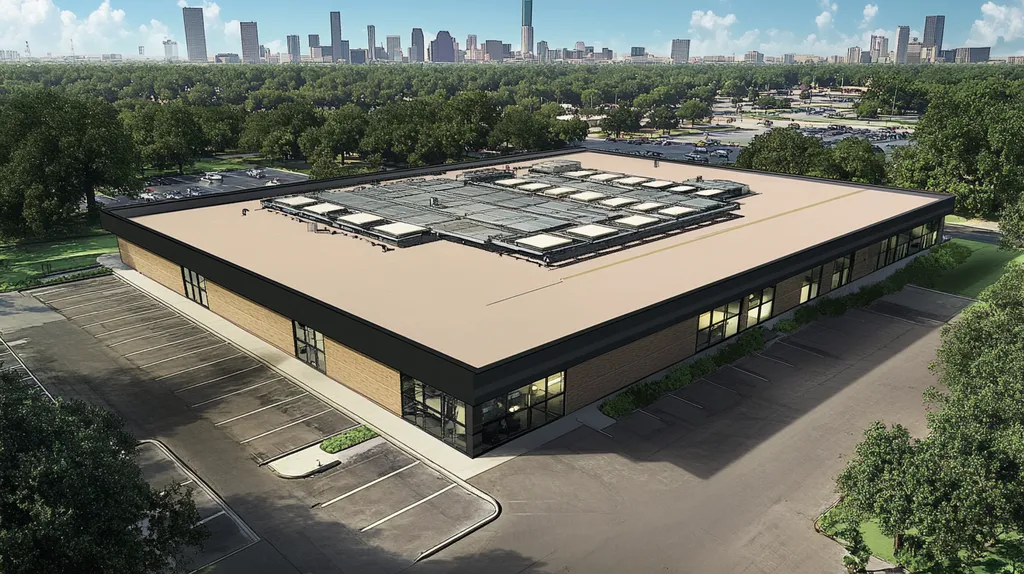
Welcome to today’s Battle Royale featuring two roofing heavyweights: “Drone Inspections” in the east corner versus “Traditional Inspections” in the west!
Tonight’s showdown pits these contenders against each other across six punishing rounds designed to test every aspect of their performance for Commercial Roof Maintenance.
At stake? Millions in potential costs, decades of building protection, and the critical performance demands of modern commercial and industrial facilities.
Our professional judging panel will evaluate each round on technical merit, real-world performance, and value delivery. After all six rounds, we’ll declare our ultimate champion.
Ladies and gentlemen, facility managers and building owners… it’s time to rumble!
ROUND 1: INITIAL COSTS & INSTALLATION
Every commercial roof inspection decision carries significant financial implications. Industry data shows that undetected roof issues can escalate repair costs by 300-400% when left unchecked. Understanding the initial investment and setup requirements for different inspection methods is crucial for making informed maintenance decisions.
Material Expenses
One crucial aspect of roof inspections is examining penetration points and their surrounding areas. These locations represent high-risk areas for potential leaks and require specialized inspection equipment to assess properly. (source: Procore)
Traditional inspections demand substantial equipment investments, including safety harnesses, thermal imaging devices, moisture meters, and specialized inspection tools. These materials often require regular replacement and calibration, adding to ongoing costs.
Drone inspections primarily require an initial investment in the drone system and imaging equipment. While this upfront cost can be significant, the equipment serves multiple inspections without substantial additional material expenses.
For material expenses, drone inspections claim the ADVANTAGE due to lower long-term costs and reduced equipment requirements.
Installation Complexity
Setting up for traditional roof inspections involves extensive preparation, including securing safety equipment, establishing access points, and deploying inspection tools. This complexity increases with building height and roof accessibility challenges.
Drone inspection setup primarily involves establishing a ground control station and ensuring clear flight paths. The process requires minimal physical infrastructure and can be completed in a fraction of the time.
Weather conditions affect both methods, but traditional inspections face greater limitations due to safety concerns for personnel on the roof. Drones can operate in more varied conditions while maintaining inspection quality.
Regarding installation complexity, drone inspections hold the ADVANTAGE through simpler deployment and fewer setup requirements.
Project Timeline
Traditional inspection timelines extend beyond the actual inspection process. Setup time, safety briefings, and physical movement across the roof surface can stretch projects over multiple days.
Drone inspections dramatically compress the timeline by eliminating manual setup requirements. A typical commercial roof inspection can be completed in hours rather than days.
The efficiency gained through drone technology allows for more frequent inspections without disrupting business operations. This increased inspection frequency helps identify potential issues earlier.
In the project timeline category, drone inspections secure the ADVANTAGE through significantly reduced completion times.
ROUND 1 WINNER: DRONE INSPECTIONS
ROUND 2: DURABILITY & LIFESPAN
Commercial roof durability directly impacts business continuity and property value. Studies show that undetected roof issues can reduce a roof’s expected lifespan by up to 25%, while increasing repair costs exponentially. Understanding how different inspection methods affect long-term roof performance is crucial for making informed maintenance decisions.
Impact on Lifespan
Regular inspections play a vital role in maximizing roof longevity. Contractors walking the roof must systematically check installation quality, material conditions, and manufacturer compliance to identify potential issues. (source: Procore)
Traditional inspections rely heavily on visual assessments and spot checks, which can miss developing problems in hard-to-reach areas. This limitation often leads to oversight of early warning signs that could prevent major repairs.
Drone inspections utilize high-resolution imaging and thermal scanning to create comprehensive roof maps. This technology enables thorough documentation of roof conditions and tracking of changes over time.
For impact on lifespan, drone inspections claim the ADVANTAGE through superior detection capabilities and documentation.
Durability Considerations
Environmental factors like UV exposure, temperature fluctuations, and moisture infiltration constantly challenge roof durability. These stressors require careful monitoring to prevent premature deterioration.
Traditional inspection methods often struggle to assess subtle material degradation across large roof areas. Physical access limitations and time constraints can result in incomplete evaluations of critical areas.
Drone technology allows for consistent, repeatable assessments of entire roof surfaces. The ability to capture detailed imagery from multiple angles helps identify vulnerable areas before they compromise roof integrity.
Regarding durability considerations, drone inspections secure the ADVANTAGE through comprehensive coverage and early detection capabilities.
Long-Term Cost Implications
Effective roof maintenance strategies directly impact long-term operational costs. Proactive identification of potential issues can reduce repair expenses by up to 75% compared to reactive maintenance.
Traditional inspections often require significant labor hours and multiple site visits, increasing both immediate costs and operational disruption. These methods may miss developing issues that lead to expensive emergency repairs.
Drone inspections provide efficient, data-driven assessments that support predictive maintenance planning. The detailed documentation helps facility managers optimize repair timing and budget allocation.
In terms of long-term cost implications, drone inspections demonstrate a clear ADVANTAGE through improved planning capabilities and reduced emergency repairs.
ROUND 2 WINNER: DRONE INSPECTIONS
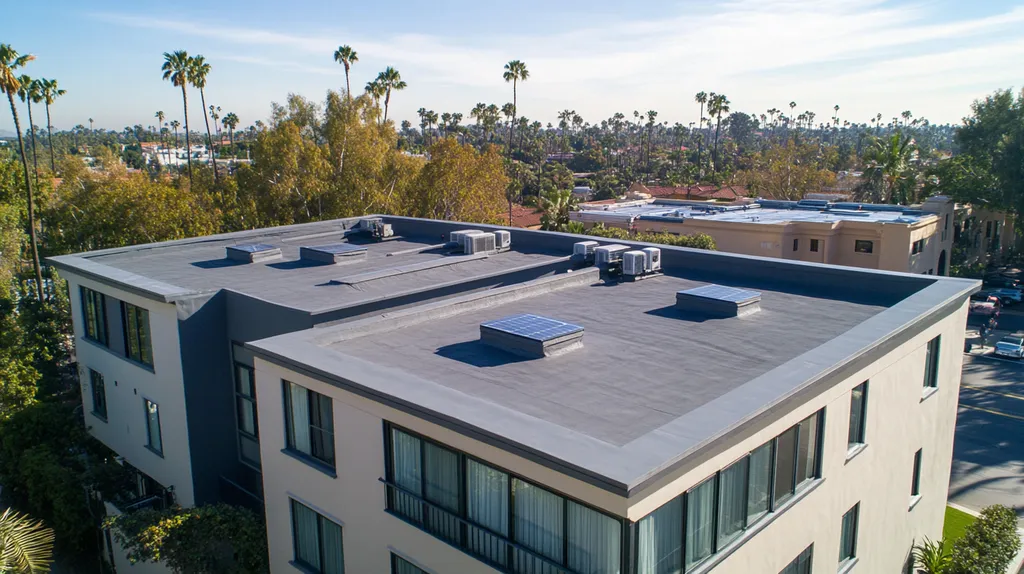
ROUND 3: PERFORMANCE FACTORS
Commercial roof inspection performance directly impacts building longevity and maintenance costs. Studies show that inadequate inspections lead to 40% higher repair costs and reduce roof lifespans by up to seven years. Understanding how different inspection methods perform across key metrics helps property managers make data-driven maintenance decisions.
Access and Safety
Post-construction roof inspections require thorough evaluation of installation quality, material conditions, and compliance with manufacturer specifications. Proper inspection access ensures these critical elements are adequately assessed. (source: Procore)
Traditional inspections demand physical roof access, exposing workers to fall hazards and other safety risks. These dangers increase with roof height, complexity, and weather conditions.
Drone inspections eliminate the need for direct roof access while providing comprehensive visual coverage. Advanced imaging capabilities allow detailed examination of difficult-to-reach areas without putting personnel at risk.
For access and safety considerations, drone inspections claim the ADVANTAGE through reduced risk exposure and improved accessibility.
Data Collection Accuracy
Accurate data collection forms the foundation of effective roof maintenance strategies. Missed defects or improperly documented conditions can lead to accelerated deterioration and unexpected failures.
Traditional inspections rely heavily on individual inspector expertise and manual documentation methods. This approach introduces potential inconsistencies and human error into the inspection process.
Drone systems capture standardized, high-resolution imagery and thermal data across the entire roof surface. This systematic approach ensures consistent documentation and reduces the likelihood of overlooked issues.
In terms of data collection accuracy, drone inspections secure the ADVANTAGE through superior documentation capabilities.
Analysis and Reporting
Effective roof maintenance depends on clear, actionable inspection reports. Property managers need detailed information to prioritize repairs and allocate resources efficiently.
Traditional inspection reports often vary in detail and format between inspectors. This inconsistency can complicate maintenance planning and historical tracking of roof conditions.
Drone inspections generate standardized reports with precise measurements and geo-tagged imagery. These comprehensive documents support data-driven decision-making and simplified maintenance tracking.
For analysis and reporting capabilities, drone inspections demonstrate the ADVANTAGE through superior documentation and consistency.
ROUND 3 WINNER: DRONE INSPECTIONS
ROUND 4: MAINTENANCE REQUIREMENTS
Commercial roof maintenance directly impacts building longevity and operational costs. Industry data shows that poorly maintained roofs typically fail 30-40% earlier than well-maintained systems, leading to premature replacement costs exceeding $250,000 for average commercial buildings. Understanding maintenance requirements across different inspection methods helps property managers optimize their roof management strategies.
Inspection Frequency
Regular inspection intervals determine how quickly potential issues are identified and addressed. Most commercial roofs require at least bi-annual comprehensive inspections, with additional checks after severe weather events.
Traditional inspections often face scheduling constraints due to personnel availability and weather conditions. These limitations can force longer intervals between inspections, increasing the risk of undetected problems.
Drone inspections enable more frequent assessments without disrupting business operations. The efficiency of drone deployment allows for quarterly or even monthly surveillance of critical areas, ensuring early detection of developing issues.
For inspection frequency optimization, drone inspections claim the ADVANTAGE through greater scheduling flexibility and reduced operational impact.
Maintenance Documentation
Comprehensive documentation creates a historical record of roof conditions and repairs. This information proves essential for warranty compliance and maintenance planning.
Traditional inspection documentation relies heavily on manual note-taking and selective photography. This approach often results in inconsistent records and gaps in condition tracking.
Drone inspections generate standardized, high-resolution imagery of entire roof surfaces. These digital records provide precise before-and-after comparisons and simplify maintenance tracking.
In maintenance documentation, drone inspections secure the ADVANTAGE through superior record-keeping capabilities.
Repair Verification
Verifying repair quality ensures maintenance investments deliver expected results. Proper verification prevents recurring issues and validates contractor performance.
Traditional inspection methods struggle to consistently document repair outcomes. Physical access limitations and time constraints can result in incomplete verification of work quality.
Drone technology enables precise comparison of pre and post-repair conditions. High-resolution imaging and thermal analysis provide objective evidence of repair effectiveness.
For repair verification capabilities, drone inspections demonstrate the ADVANTAGE through superior documentation and analysis tools.
ROUND 4 WINNER: DRONE INSPECTIONS
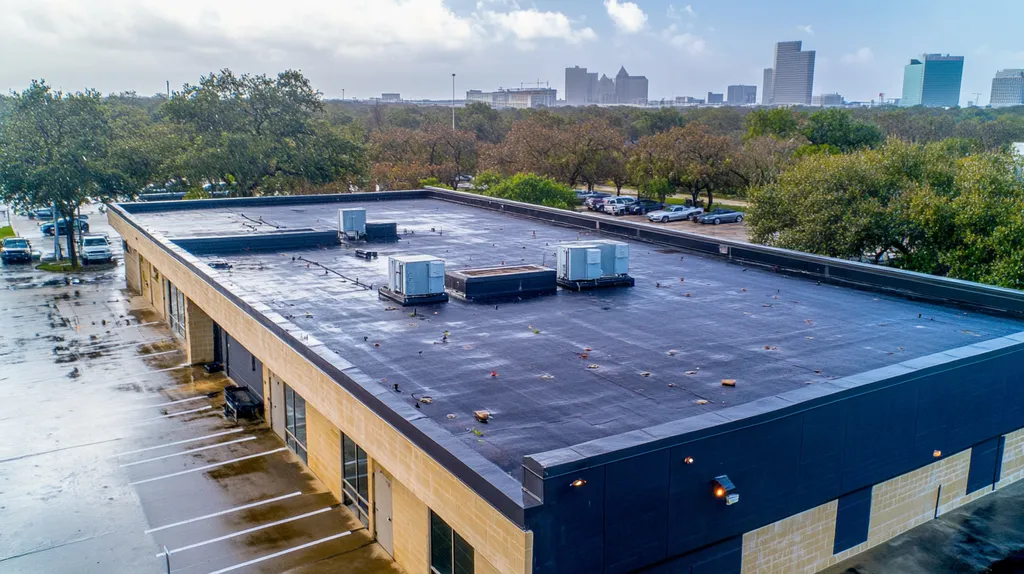
ROUND 5: SUSTAINABILITY CREDENTIALS
Environmental sustainability in commercial roofing has become a critical business imperative. Studies show that inefficient inspection methods can increase a building’s carbon footprint by up to 25% while compromising roof integrity. Understanding the environmental impact of different inspection approaches helps property managers meet sustainability goals while protecting their investments.
Environmental Impact
Regular roof maintenance requires careful attention to debris removal and drainage system functionality. Proper cleaning and inspection procedures help prevent water damage while preserving roof integrity. (source: Travelers Insurance)
Traditional inspections often damage roofing materials through excessive foot traffic and equipment placement. This physical wear accelerates material degradation and shortens roof lifespan, leading to premature replacement and increased waste.
Drone inspections minimize direct contact with roof surfaces while providing comprehensive coverage. Their non-invasive approach preserves roof integrity and reduces material waste through early problem detection.
For environmental impact, drone inspections claim the ADVANTAGE through reduced material damage and waste generation.
Energy Efficiency
Roof inspection methods directly impact building energy performance. Damaged insulation and compromised seals from invasive inspections can increase heating and cooling costs by up to 20%.
Traditional inspection techniques frequently disturb insulation and create gaps in protective barriers. These disruptions compromise the building envelope and reduce overall energy efficiency.
Drone technology enables thorough assessment without disturbing roofing systems. Thermal imaging capabilities help identify energy loss points while maintaining roof system integrity.
Regarding energy efficiency, drone inspections secure the ADVANTAGE through non-invasive evaluation methods.
Carbon Footprint
The carbon impact of roof inspections extends beyond immediate operations. Equipment transportation, personnel movements, and repair frequency all contribute to overall emissions.
Traditional inspections require multiple site visits and heavy equipment deployment. These activities generate significant emissions through vehicle use and extended operation times.
Drone inspections dramatically reduce transportation needs and operation duration. Their efficiency minimizes fossil fuel consumption while maintaining inspection quality.
For carbon footprint considerations, drone inspections demonstrate the ADVANTAGE through reduced operational emissions.
ROUND 5 WINNER: DRONE INSPECTIONS
ROUND 6: SPECIALIZED APPLICATIONS
Specialized commercial roof applications present unique inspection challenges that directly impact building integrity and safety. Recent industry statistics show that 65% of roof failures occur in areas with complex architectural features or limited accessibility. Understanding how different inspection methods perform in these demanding scenarios is crucial for protecting valuable roofing assets and ensuring workplace safety.
Complex Roof Structures
Modern commercial buildings often feature intricate roof designs with multiple levels, mechanical systems, and architectural elements. These complex structures require thorough inspection of every surface and connection point to maintain system integrity.
Traditional inspections struggle with complex structures due to access limitations and safety concerns. Inspectors must navigate multiple obstacles while maintaining proper fall protection, often resulting in incomplete or rushed assessments.
Drone technology excels in complex environments by capturing detailed imagery from multiple angles without physical access constraints. Advanced flight controls enable comprehensive documentation of intricate roof features while maintaining consistent inspection quality.
For complex roof structures, drone inspections claim the ADVANTAGE through superior coverage and accessibility.
Accessing Hazardous Areas
Hazardous roof areas include locations near chemical exhaust systems, high-voltage equipment, and structurally compromised sections. These zones require regular inspection but pose significant risks to personnel safety.
Traditional inspection methods often compromise between thorough assessment and worker safety in hazardous areas. This trade-off frequently results in abbreviated inspections or delayed maintenance of critical components.
Drone inspections eliminate personnel exposure while maintaining comprehensive coverage of hazardous zones. High-resolution imaging and thermal scanning provide detailed assessment data without risking worker safety.
When accessing hazardous areas, drone inspections secure the ADVANTAGE through risk elimination and thorough documentation.
Environmental Conditions
Harsh weather conditions and environmental factors significantly impact roof inspection capabilities. High winds, extreme temperatures, and poor visibility create dangerous inspection conditions that affect assessment quality.
Traditional inspections face severe limitations during adverse weather, often resulting in shortened inspection times or incomplete coverage. These constraints can lead to missed defects and delayed maintenance responses.
Drone systems can operate effectively in a wider range of environmental conditions while maintaining consistent data quality. Their ability to quickly deploy and complete inspections helps minimize weather-related delays.
For environmental adaptability, drone inspections demonstrate the ADVANTAGE through superior operational flexibility.
ROUND 6 WINNER: DRONE INSPECTIONS
AND THE WINNER IS…
After six grueling rounds of technical evaluation, we have our verdict. In a stunning sweep of all categories, DRONE INSPECTIONS emerges as our undisputed heavyweight champion of commercial roof maintenance!
The champion dominated with superior performance across every major category, showcasing exceptional strengths in safety, efficiency, and documentation. From round one’s cost advantages through round six’s mastery of specialized applications, drone technology proved itself the future of commercial roof inspection.
Yet don’t count traditional inspections out completely. In situations requiring hands-on material testing or immediate minor repairs during inspection, the old-school approach still packs a punch. There’s no replacement for experienced boots on the roof when direct physical interaction is needed.
IMPORTANT NOTICE: Every commercial property faces unique challenges based on location, design, and usage patterns. Local regulations, environmental conditions, and specific building requirements can significantly impact inspection method effectiveness. This analysis provides general guidance but cannot account for all variables. Always consult qualified roofing professionals who can evaluate your specific situation.
Ladies and gentlemen, the future of commercial roof inspection has arrived! But remember – in the high-stakes arena of property protection, the true victory comes from matching your specific building’s needs with the right inspection strategy’s strengths. Choose wisely, maintain diligently, and protect your investment like a champion!
FREQUENTLY ASKED QUESTIONS
Q. What are the initial costs of a commercial roof inspection?
A. Initial costs vary significantly between traditional and drone inspections. Traditional methods require substantial investments in safety and equipment, increasing long-term expenses. In contrast, drone inspections may have a higher upfront cost but are more cost-effective due to minimal material requirements.
Q. How do inspection methods impact the lifespan of commercial roofs?
A. Different inspection methods can affect the longevity of a commercial roof significantly. Traditional inspections may overlook hard-to-reach areas, leading to undetected problems. Conversely, drone inspections provide comprehensive visual documentation, helping identify issues early to extend the roof’s lifespan.
Q. What performance factors should I consider for my commercial roof?
A. Key performance factors include access and safety, data accuracy, and reporting capabilities. Traditional inspections pose safety risks by requiring physical access, while drones eliminate these hazards. Drones also ensure data collection is consistent and precise, enhancing overall inspection quality.
Q. How often should commercial roofs be inspected for maintenance?
A. Most commercial roofs should be inspected at least bi-annually. Traditional inspections can be constrained by scheduling and weather, leading to longer intervals. Drone inspections offer flexibility, enabling more frequent assessments, which can proactively address potential issues.
Q. What are the sustainability credentials of commercial roof inspections?
A. Sustainability in roof inspections can be impacted significantly by the methods employed. Traditional inspections can damage materials and waste resources, while drones minimize physical contact, preserving roof integrity. Consequently, drones support sustainability efforts and reduce the carbon footprint of inspections.
Q. How do inspections handle specialized applications in commercial roofing?
A. Specialized applications can pose unique challenges during inspections. Traditional methods struggle with complex structures and hazardous areas due to safety concerns. Drones excel by providing comprehensive visual documentation without needing personnel access, ensuring thorough assessments while maintaining safety.
Q. What technology is used in drone inspections for commercial roofs?
A. Drone inspections leverage advanced imaging technology, such as high-resolution cameras and thermal sensors. This technology captures detailed images of the roof’s surface and identifies hidden issues effectively. The data collected is also beneficial for long-term monitoring and maintenance planning.






