

When storms ravage commercial roofs, every minute counts. Each year, severe weather events cause over $8 billion in property damage to businesses across the United States, with roof damage leading the list of costly repairs.
From wind-torn membranes to compromised drainage systems, storm damage requires swift, strategic action to prevent catastrophic failures and protect valuable assets.
This comprehensive guide walks property owners and facility managers through the essential steps of post-storm commercial roof repair, from initial damage assessment to implementing lasting solutions that enhance resilience against future weather events.
SECTION 1: FUNDAMENTAL CONCEPTS
Storm damage to commercial roofs isn’t just a minor inconvenience; it can spell disaster for businesses, leading to hefty financial losses and safety concerns. Each year, severe weather events in the United States cost billions of dollars in property damage. To navigate these challenges effectively, property owners and facility managers must grasp the various types of storm damage, the durability of roofing materials, and the fundamentals of structural integrity. This knowledge equips them to make timely and informed decisions for repairs and replacements.
Understanding Storm Damage Types
Recognizing the types of storm damage is vital for swift repairs and ongoing maintenance. Different storms unleash unique challenges, from wind-driven debris to water infiltration and hail impacts. For instance, powerful winds can peel back roofing membranes, creating tears and punctures, while hailstones can leave behind dents that result in leaks over time.
Property owners should inspect their roofs after severe weather hits. A thorough visual check can uncover problems hidden from immediate view but detrimental in the long term. Postponing repairs can worsen existing issues, escalating costs, and raising the risk of structural failures.
Additionally, being aware of risks tied to local weather patterns can inform maintenance strategies. In areas susceptible to significant snowfall, for example, extra attention is essential to prevent ice dams that could lead to moisture-related complications. Empowered with this knowledge, property owners can take steps to safeguard their roofs proactively.
Regular inspections by qualified roofing professionals ensure any type of storm damage is detected and addressed quickly. Speed is of the essence; swift action can limit the long-term effects and help maintain the building’s integrity.
Roofing Material Durability
The roofing material chosen is crucial in determining a roof’s ability to withstand storm damage. Common choices such as TPO, PVC, and EPDM each have unique strengths. TPO roofs stand out for their resistance to UV rays and punctures, while EPDM excels in handling thermal shock.
Being informed about the durability of roofing materials aids in selecting the best option and predicting how it will handle adverse weather. Highly durable materials typically endure storm forces better, reducing the frequency of necessary repairs.
Advancements in roofing technology continue to enhance the resilience of materials available today. Property owners should remain in the loop regarding new products that offer improved features, like better waterproofing or wind resistance. Choosing the right roofing material serves as a robust defense against storm damage.
Investing in durable roofing can lead to long-term savings by minimizing maintenance costs. This proactive strategy helps property owners avoid unexpected financial strains from weather-related repairs.
Structural Integrity Basics
A commercial roof’s structural integrity is key to its performance during storm events. It’s essential that a roof can support its own weight as well as resist external stresses like wind, rain, and snow. Ignoring these factors could lead to catastrophic failures, including roof collapses.
Regular evaluations and maintenance of structural elements are a must. Property owners should verify that support beams, trusses, and decking are in excellent condition and capable of withstanding extreme weather. Weak structural points may amplify damage during storms, resulting in significant repair bills.
Adhering to safety standards and building codes during the initial construction—and during any repairs—is critical for maintaining structural integrity. Familiarity with local regulations aids in making sure that roofs can withstand the specific challenges posed by the environment.
Investing in resilient designs and conducting regular structural assessments can save property owners from long-term risks. This approach not only bolsters safety but also extends the lifespan of the roof, ensuring a solid investment for the future.
SECTION 2: SYSTEM COMPONENTS
After a storm, understanding the components of a commercial roofing system is not just helpful—it’s essential for swift and effective repairs. The roofing membrane, flashing, and support structures are the frontline warriors against continued damage. According to the National Roofing Contractors Association, neglecting proper repairs can expose properties to needless water intrusion and escalating repair costs. Addressing each component with urgency is necessary to prevent long-term risks and ensure the roof’s longevity.
Roofing Membrane and Coatings
The roofing membrane acts as your first line of defense against the elements. After a storm, it’s crucial to check for tears, punctures, or blisters that can open the door to water penetration. Just one breach can lead to unforeseen repair costs if neglected—think of it as a tiny leak turning into a waterfall if left unchecked.
Coatings can bolster that initial defense, providing an extra layer of protection and enhancing the membrane’s overall durability. Not only do these coatings shield against UV damage, but they can also prolong the lifespan of the roof. Conducting routine inspections will help identify spaces needing extra attention or repair.
Neglecting damage to the membrane can result in sneaky leaks, creating hazardous conditions inside the building. Property owners should prioritize prompt evaluations after storm events to ensure membrane integrity is intact.
Regularly maintaining the roofing membrane with the right coatings can proactively stave off many weather-related issues. This approach keeps the investment safe and can even improve energy efficiency, making it a win-win for property owners.
Flashing and Drainage Systems
Flashing plays a critical role in steering water away from vulnerable areas such as seams and roof penetrations. Storms can easily displace or damage flashing, heightening the risk of leaks. Property owners must verify that all flashing is intact, securely sealed, and functioning as it should.
Effective drainage systems are equally vital for recovering from storm damage. Clogged gutters and downspouts can lead to water pooling on the roof, which exacerbates damage and shortens the roof’s lifespan. Prioritizing the cleaning and maintenance of these systems is crucial after heavy rain or snow.
When assessing drainage, consider the slope of the roof as insufficient drainage can lead to premature wear of the entire roofing system, resulting in heftier repair bills down the line. Regular monitoring can help catch potential blockages early, and timely action can save a fortune.
When working in harmony, flashing and drainage systems are powerful allies in mitigating water infiltration risks. Upgrading these components can dramatically fortify a roof against future storms, making them smart investments for property owners.
Support Structures and Framing
Support structures and framing are the backbone of a roof’s strength. During storms, intense winds can challenge these components, potentially leading to significant structural issues. Evaluating the framing should be a top priority following any significant weather event.
Visible clues of damage, such as sagging or warping, could hint at serious underlying problems. Property owners should call in a qualified inspector to assess these critical components for safety and integrity. Being proactive can save lives and money.
Neglecting support issues can lead to catastrophic failures, posing serious safety risks to everyone inside. Promptly reinforcing weak areas can prevent extensive repairs in the future and give peace of mind.
Advancements in materials have transformed the durability of support structures. Considering upgrades to modern framing systems can provide better resistance to severe weather, ultimately offering long-term savings and enhanced safety for your investment.
SECTION 3: IMPLEMENTATION METHODS
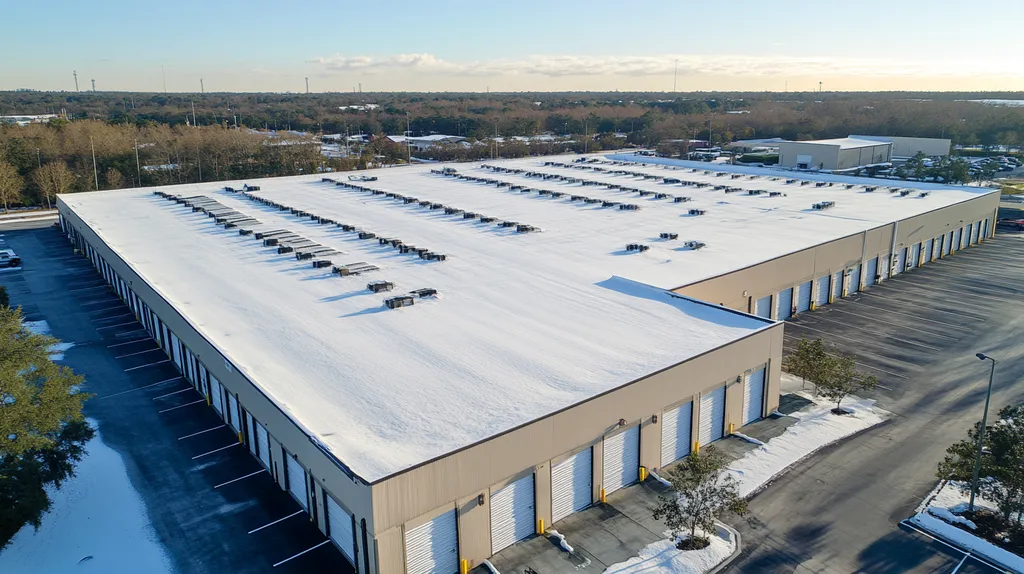
When a storm strikes, the clock starts ticking for commercial roofs. Without swift action, property owners risk not only their investments but also their peace of mind, as severe storms account for billions in property damage each year (source: NOAA). To tackle the aftermath effectively, implementing solid strategies is essential. This section dives into vital methods including conducting professional inspections, prioritizing repairs, and carefully choosing the right materials.
Conducting Professional Roof Inspections
After a storm, a thorough professional inspection is not just recommended—it’s vital. Qualified roofing experts are trained to identify damage that may escape the untrained eye, ranging from subtle leaks to serious structural concerns. Techniques such as visual assessments, moisture detection, and infrared scanning enable them to uncover problems efficiently.
Early identification of issues can prevent costly repairs down the line. For instance, a seemingly minor leak can trigger extensive water damage, mold growth, and serious structural issues. To ensure a detailed assessment, property owners should aim to schedule inspections within 24 to 48 hours post-storm to capture damage while it’s still visible.
Choosing the right roofing contractor is a significant step. A trustworthy contractor will provide a comprehensive report on the roof’s condition along with tangible recommendations for repair. They can also assist property owners in navigating insurance claims, easing that often stressful process.
Documentation is key. Inspections should include photographs and detailed descriptions of damage, which are essential for insurance claims and help in planning future maintenance.
Prioritizing and Executing Repairs
Following the inspection, the next step is to prioritize repairs based on urgency. Not all damage is critical, but some issues, like compromised flashing, must be addressed sooner to prevent greater risks. For effective management, property owners should develop a structured action plan categorizing repairs into urgent, necessary, and planned.
Addressing urgent repairs first is essential for maintaining safety and protecting the property from further harm. This proactive approach can save significant costs and stress in the long run.
Executing repairs also requires teamwork. Roofers, electricians, and HVAC specialists must collaborate for a comprehensive solution, effectively minimizing downtime. This coordinated effort ensures repairs are handled efficiently and effectively.
Communication is another vital component. Keeping everyone informed, from tenants to facility managers, helps manage expectations about timelines and potential disruptions during the repair process. A well-informed team is a productive team!
Choosing the Right Repair Materials
The materials selected for repairs can make all the difference in durability and effectiveness. It’s essential to choose materials that are compatible with the existing roofing system and ones designed to withstand local weather conditions. For instance, utilizing a robust, weather-resistant sealant can greatly reduce the risk of future leaks.
Consulting with roofing experts ensures property owners use the most suitable materials. Opting for lower-grade products can lead to repeated failures and costly repair cycles, whereas investing in high-quality materials may have higher upfront costs but pays off through reduced long-term maintenance expenses.
Lastly, warranties should not be overlooked when selecting materials. Investing in options that come with extensive warranties protects property owners against unforeseen liabilities linked to repairs, providing peace of mind for future challenges.
SECTION 4: MAINTENANCE REQUIREMENTS
After a storm, effective roof maintenance isn’t just advisable—it’s essential for safeguarding your investment. Studies show that property owners who skip regular inspections face a staggering 30% higher risk of severe damage and mounting repair costs. By prioritizing proactive maintenance, businesses can significantly lower long-term expenses and protect their assets. This section emphasizes the importance of regular inspections, preventive maintenance techniques, and the advantages of catching issues early.
Regular Inspection Schedules
Establishing a consistent inspection schedule is crucial for keeping commercial roofs in tip-top shape. Regular check-ups allow facility managers to spot potential problems before they spiral into major repairs. Although inspection frequency can vary based on location and roofing materials, a minimum of biannual inspections is recommended.
Post-storm inspections are particularly vital. Strong winds, heavy rains, and hail can create hidden weaknesses in roofing materials. By addressing these vulnerabilities quickly, property owners can fend off potential leaks and structural damage.
Documenting inspection findings is equally important. Maintaining detailed records helps track any recurring issues and demonstrates compliance with maintenance standards, which may be a requirement for insurance providers. A robust history of repairs and conditions empowers property owners to make informed decisions.
To maximize inspection effectiveness, consider enlisting qualified roofing professionals. Their expertise ensures that even the least visible problems don’t go unnoticed, ultimately protecting the long-term value of the investment.
Preventive Maintenance Techniques
Implementing preventive maintenance techniques offers a savvy way to extend a commercial roof’s lifespan. Simple tasks, such as regularly cleaning gutters and drains, can prevent water accumulation—one of the leading causes of roof leaks. Keeping debris off the roof ensures it can perform optimally through varying weather conditions.
Applying protective coatings when needed is another critical aspect of preventive care. These coatings not only fortify roof durability but also reflect solar UV rays, leading to reduced energy expenses. Facilities stand to gain significantly from lower energy costs and increased roof longevity.
It’s wise to keep nearby trees trimmed and clear of the building to prevent falling branches during storms. This proactive approach shields the roof from physical damage and minimizes repair costs stemming from storm-related incidents.
Equipping maintenance personnel with basic roof care training empowers them to identify problems early. Investing in knowledge among staff can yield substantial savings over time by keeping the roof in optimal condition.
Addressing Common Issues Early
Swiftly addressing common roof issues at the first sign can save commercial property owners from extensive damage and costly repairs. Early detection of minor leaks, blisters, or punctures typically allows for straightforward fixes. Conversely, ignoring these problems can lead to more significant complications and expensive repairs later.
Utilizing technology, such as infrared scanning, is a game-changer for identifying issues. This technology can detect moisture that isn’t visible to the naked eye, helping to pinpoint leaks before they inflict structural damage. This proactive method can save thousands in future repair costs.
Regular follow-up visits after repairs are also critical. Making sure that previous repairs hold up is key to maintaining roof integrity. Property owners should set up feedback systems so maintenance teams can report newly discovered issues promptly.
Ultimately, the goal is to build a robust system for early detection and resolution of problems. By fostering a culture of regular check-ins and proactive repairs, property owners can ensure their roofs remain reliable shields against the elements.
SECTION 5: PERFORMANCE METRICS
After a storm passes, the need to assess commercial roof performance swiftly becomes a top priority. This evaluation can be the fine line between minor repairs and major structural failures that could cost thousands. It’s alarming to note that nearly 50% of commercial roofs experience undetected water infiltration, which can drastically decrease property value and tenant satisfaction. This section dives into essential performance metrics that every property owner should keep an eye on: water infiltration, structural stability, and ongoing condition monitoring.
Assessing Water Infiltration
Water infiltration is a sneaky adversary after severe storms, yet it often falls off property managers’ radars. Immediate inspections should zero in on seams, flashing, and drainage systems, where vulnerabilities often hide. Employing moisture detection tools can unveil water lurking beneath the surface, preventing future surprises.
Regular monitoring is critical for catching leaks before they escalate into bigger problems. For example, roofs battered by harsh weather need checks for pooling water, a potential sign of serious underlying damage. These assessments should be a priority for property owners eager to protect their investments.
Once initial evaluations are complete, creating a comprehensive water management plan is essential. Documenting findings and repair actions not only helps ensure effectiveness but also reduces the chance of recurring issues. This proactive approach can significantly lower repair costs and extend the life of the roof.
Ultimately, investing in thorough water infiltration assessments can save property owners substantial amounts in repairs while prolonging roof performance. Accurately identifying issues and addressing them promptly is vital to safeguarding commercial properties.
Evaluating Structural Stability
Assessing the structural stability of a commercial roof is indispensable, especially in the wake of a storm. Severe weather can impose excess loads on roofs, creating potential weaknesses. Inspections should closely examine sagging, warping, and any other signs of distress that indicate the need for immediate action.
It’s crucial to check the underlying support structures like trusses and beams; failures here can lead to disastrous consequences. Just one compromised truss can trigger a failure that threatens the entire building’s integrity.
Hiring professional engineers for structural evaluations adds an invaluable layer of expertise. Their insights can catch issues that standard inspections might overlook, enabling timely repairs. This vigilance is essential for facility managers to ensure occupant safety and protect equipment.
In summary, evaluating structural stability is a non-negotiable post-storm task. Regular assessments help ward off long-term damage, ensuring both safety and functionality for the commercial roofing system.
Monitoring Roof Condition Over Time
Keeping tabs on roof condition is vital for preventing future issues and maintaining property value. Weather events can accelerate wear and tear, making regular assessments a must. The expected frequency of monitoring should align with the storm severity typical for the area; regions prone to severe weather may need more frequent check-ups.
Documentation is key to tracking the roof’s condition over time. Property owners should maintain a detailed log of repairs, inspections, and any visible wear. This historical data is invaluable for informed decisions about maintenance, repairs, or replacements.
Innovative technologies, such as drone inspections, can significantly enhance monitoring efficiency. Drones cover vast areas quickly and capture detailed imagery to spot potential issues, allowing for thorough assessments without cumbersome scaffolding or climbing.
Ultimately, a structured approach to monitoring roof condition helps identify emerging issues and allows for informed budgeting for future repairs and maintenance. Proactivity in this area can drastically reduce emergency repair scenarios, fostering long-term stability.
SECTION 5: PERFORMANCE METRICS
When a storm passes, it’s not just a quick fix needed; a thorough evaluation of commercial roof performance is crucial. This assessment can be the difference between minor repairs and costly structural failures. Shockingly, nearly 50% of commercial roofs experience undetected water infiltration, which can lead to huge losses in property value and tenant satisfaction. This section highlights key performance metrics every property owner should monitor: water infiltration, structural stability, and ongoing condition tracking.
Assessing Water Infiltration
Water infiltration is a sneaky threat after severe storms, often flying under the radar of property managers. Immediate inspections should focus on seams, flashing, and drainage systems—common points of vulnerability that need attention. Utilizing moisture detection tools is essential for uncovering any hidden water that could lead to future problems, ensuring no moisture lurks beneath the surface.
Staying on top of leaks is crucial; a little water pooling can indicate more serious underlying damage. Regular evaluations should become a priority for property owners, especially for roofs battered by severe weather. Identifying and addressing leaks early can save significant money down the line.
After conducting initial evaluations, maintaining an ongoing water management plan is imperative. Comprehensive documentation of findings and repair actions helps ensure repairs are effective, reducing the chance of recurring water issues. This proactive strategy minimizes repair costs and significantly extends the lifespan of the roof.
Investing in meticulous water infiltration assessments is a smart move for property owners. It not only saves on potential repair costs but also helps prolong the roof’s life, ensuring commercial properties remain secure and financially viable.
Evaluating Structural Stability
The structural stability of a commercial roof is a top priority, especially post-storm. Extreme weather can add unexpected loads that may create weaknesses. Roof inspections should rigorously check for sagging, warping, and other signs of distress that signal the need for swift action to prevent catastrophic failures.
Attention must be paid to the underlying support structures, like trusses and beams. If compromised, these critical components can lead to serious failures; for instance, one weakened truss can threaten the overall integrity of the building. Taking a proactive stance on evaluating these support systems is crucial.
Hiring professional engineers for thorough structural evaluations adds expertise to the inspection process. They can spot issues that may elude standard assessments, allowing for timely repairs. This vigilance is not just for safety; it safeguards equipment and occupants alike.
In summary, evaluating structural stability after storm damage is non-negotiable for property owners. Regular assessments help ward off long-term damage, ensuring the roof’s safety and functionality while protecting the overall investment.
Monitoring Roof Condition Over Time
Continual monitoring of roof condition is key to preventing future issues and maintaining property value. Weather can expedite wear and tear, highlighting the necessity for regular assessments. The frequency of these evaluations should correspond to the severity of storms typical in the area; regions facing severe weather might require checking more often.
Documentation is vital for tracking the roof’s condition over time. Property owners should maintain detailed logs of repairs, inspections, and any visible wear. This history of performance and repairs is invaluable when making informed decisions about maintenance, repairs, or eventual replacements.
Innovative technologies, such as drone inspections, are game-changers in enhancing monitoring efficiency. Drones can quickly cover large areas and capture detailed images to identify potential issues, enabling thorough assessments without needing extensive scaffolding or climbing.
Ultimately, adopting a structured approach to monitoring roof condition is essential. It not only helps identify emerging issues but also facilitates informed budgeting for future maintenance. Proactivity in this area can significantly reduce the risk of emergency repairs, ensuring long-term stability for commercial roofs.
The Bottom Line
With storm-related commercial roof damage causing over $8 billion in annual losses, property owners can’t afford to delay implementing comprehensive repair strategies.
From conducting thorough post-storm inspections to selecting proper repair materials, every decision impacts both immediate safety and long-term performance.
Modern technologies like moisture detection tools and drone surveys now make it easier than ever to spot hidden damage before it escalates into catastrophic failure.
By prioritizing regular maintenance, documenting all repairs, and staying current with advancing roofing technologies, facility managers can transform their roofs from vulnerable assets into resilient shields against whatever Mother Nature throws their way.
The stakes are clear: proactive roof management isn’t just about protecting buildings—it’s about safeguarding business continuity itself.
FREQUENTLY ASKED QUESTIONS
Q. What types of storm damage affect commercial roofs?
A. Storm damage can vary widely, including wind-driven debris, water infiltration, and hail impacts. Each type poses unique challenges, such as tears in roofing membranes from high winds or dents from hail that may lead to leaking. Understanding these types is essential for effective repairs and ongoing roof maintenance.
Q. How do I assess the condition of my commercial roof after a storm?
A. Start with a thorough visual inspection focusing on membranes, flashing, and structural elements. Look for visible signs of wear, such as tears, sagging, or water damage. It’s recommended to enlist professional roofers who can provide a comprehensive evaluation and identify issues that may not be readily visible.
Q. Why is my commercial roof’s material selection important?
A. The material you select significantly impacts how well your roof can withstand severe weather. Different materials, such as TPO and EPDM, offer distinct advantages in durability and resistance to environmental challenges. Choosing the right material can save you money in repairs by minimizing wear and enhancing performance.
Q. What steps should I take for efficient roof maintenance?
A. Establish a routine inspection schedule, ideally twice a year, particularly after storms. Regularly clean gutters, inspect for debris, and check for visible damage. Employ competent maintenance personnel with proper training to help identify and address minor issues before they escalate into major problems.
Q. How can water infiltration affect my commercial roof?
A. Water infiltration can lead to significant structural and aesthetic damage, including mold growth and compromised materials. It often occurs unnoticed and can worsen over time, causing hidden damages that are costly to repair. Regular assessments for water leakage are vital to preserving the overall health of your roof.
Q. What performance metrics should I monitor for my industrial roof?
A. Key metrics include monitoring for water infiltration, evaluating structural stability, and assessing roof condition over time. Documenting repairs and inspections aids in tracking performance, helping to predict future maintenance needs and budget accordingly. Regular monitoring allows you to catch issues early, reducing the risk of extensive damage.
Q. How do I choose the right materials for commercial roof repairs?
A. Choose materials that are compatible with your existing roofing system and suit local weather conditions. Consulting professional roofers will guide you toward materials that ensure durability and minimal future repairs. Remember to consider factors like eco-friendliness and warranties to enhance the longevity of your repairs.






