

Commercial roof failures cost U.S. businesses over $2.5 billion annually in repairs, with 40% of these incidents stemming from inadequate maintenance and improper repair procedures.
For property owners and facility managers, understanding standardized repair protocols isn’t just about preventing leaks—it’s about protecting valuable assets, ensuring occupant safety, and maximizing building longevity.
This comprehensive guide explores essential repair procedures across six critical areas: fundamental concepts, system components, implementation methods, maintenance requirements, performance metrics, and optimization strategies, providing actionable insights for effective roof management.
SECTION 1: FUNDAMENTAL CONCEPTS
Grasping the nuances of commercial roofing systems is vital for anyone responsible for building maintenance. Making uninformed choices can lead to severe water damage, expensive repairs, and unexpected business disruptions. In fact, studies reveal that nearly 30% of roofs are replaced too soon, primarily due to neglect of proper maintenance. This section will explore different roofing system types, key criteria for selecting materials, and the fundamental anatomy of roofs, providing essential insights for property owners and facility managers.
Roofing System Types
Commercial roofs are not one-size-fits-all; they come in various types, each tailored to meet specific building requirements. The most prevalent varieties include flat, low-slope, and steep-slope roofs. Flat roofs, commonly made of single-ply membranes, are particularly efficient for buildings in areas with low rainfall. However, they require regular maintenance to avoid issues like water pooling.
Low-slope roofs offer a gentle incline, aiding drainage and adaptability in varied climates. In contrast, steep-slope roofs, such as gable or hip designs, excel in water runoff, making them popular in industrial settings. Understanding the attributes of each type empowers property owners to make informed choices about installation and repairs.
Ultimately, selecting the right roofing system enhances durability and safety, significantly improving the building’s overall performance. Knowledge in this area is not just beneficial—it’s essential.
Material Selection Criteria
Choosing the right roofing material is crucial for ensuring long-lasting performance and durability. Factors such as climate, building function, and budget heavily influence this choice. For example, locations that experience extreme weather cycles may find reinforced TPO or PVC membranes particularly beneficial for their resilience.
Energy efficiency is another critical aspect of material selection. Materials that reflect sunlight can lead to significant savings on cooling costs. Metal roofing, for instance, is well-regarded for its ability to lower heat absorption, thereby extending its lifespan while reducing energy expenses.
Moreover, sustainability has become a pressing consideration for many property managers. Green roofing systems, which integrate vegetation, not only provide thermal insulation but also manage stormwater effectively.
By taking these factors into account during material selection, property owners can optimize performance and minimize long-term costs, benefiting both their assets and the environment.
Basic Roof Anatomy
A sound understanding of basic roof anatomy is essential for identifying issues and planning necessary repairs. Each roofing structure typically consists of several key layers: the deck, membrane, insulation, and finish. The deck, often made from materials like plywood or concrete, serves as the roof’s structural backbone.
Above the deck, the insulation layer plays a vital role in maintaining energy efficiency and moisture control. The membrane acts as a waterproof barrier, protecting against leaks and environmental elements. Finally, the finish layer, which can vary from gravel to exposed membranes, contributes both to UV protection and visual appeal.
Recognizing these components helps property managers swiftly identify vulnerabilities. For instance, a deteriorating membrane can lead to serious leaks and damage, highlighting the importance of regular inspections and timely repairs (source: Roofing by Landmark).
By enhancing their understanding of roof anatomy, property owners can engage more effectively with roofing professionals and significantly extend the life of their roofing systems.
SECTION 2: SYSTEM COMPONENTS
A commercial roof represents much more than a simple shelter; it is a sophisticated system that plays an essential role in a building’s structure and safety. Poorly managed roof components can lead to significant financial repercussions, with reports indicating that 30% of commercial roofing failures stem from inadequate materials and installation practices. By gaining an understanding of what makes up a roofing system, property owners and facility managers can reduce risks and make well-informed decisions. This section delves into critical components, including membrane and coating systems, flashing and penetration details, and drainage and gutter systems.
Membrane and Coating Systems
The membrane is the first line of defense against weather elements, acting as the primary barrier for a commercial roof. Choosing the right membrane type—whether PVC, TPO, or EPDM—is essential for ensuring durability and optimal performance. Each material offers unique advantages regarding energy efficiency, UV resistance, and installation costs.
Coating systems serve to enhance the membrane’s effectiveness by providing an additional layer of protection. For example, reflective coatings can dramatically reduce heat absorption, leading to lower energy expenses. Ensuring compatibility and correct installation of membranes and coatings is vital for preventing premature failures.
Regular inspections are key for spotting issues such as cracks, blisters, or punctures that could jeopardize the membrane’s integrity. Keeping up with maintenance and making timely repairs can significantly extend the life of the roofing system.
In summary, a solid grasp of membrane and coating systems empowers property managers to safeguard their investments and maintain a reliable roofing structure.
Flashing and Penetration Details
Flashing is integral in preventing water intrusion at vulnerable areas of the roof, such as seams or where vents and pipes penetrate the surface. Utilizing robust, well-sealed flashing materials is critical for directing water away from vital sections, thus protecting the underlying structure from damage.
Common types of flashing include base flashing, counter flashing, and drip edges, each tailored to a specific purpose. When flashing is not properly installed or maintained, it can lead to leaks, mold growth, and serious structural issues. Adequate detailing around penetrations can also improve overall system performance.
Maintaining vigilance over the condition of flashing involves looking for signs of corrosion or displacement, which could indicate an impending failure. Managing these components effectively takes a proactive approach to lessen the risk of water-related issues and costly repairs.
Ultimately, meticulous attention to flashing and penetration details can greatly enhance a roof’s resilience against the elements.
Drainage and Gutter Systems
Proper drainage is vital for the longevity of a commercial roof. Blocked drains or poorly designed gutter systems can lead to standing water, which not only diminishes the roof’s lifespan but also raises the chances of leaks. Well-planned and maintained drainage systems are crucial for ensuring that water is efficiently directed away from the roof surface.
Regular cleaning of gutters and downspouts is essential for maintaining unobstructed water flow. Property managers must prioritize inspections of both the drainage and gutter systems to avoid backups and prevent unwanted water pooling that can cause extensive damage.
Incorporating overflow mechanisms is also an important feature, as these allow excess water to escape safely during heavy rainfall. Understanding the intricacies of proper drainage is a proactive way to prevent water damage while extending the life of the roofing system.
In conclusion, effective management of drainage and gutter systems is a crucial aspect of overall roof maintenance and integrity.

SECTION 3: IMPLEMENTATION METHODS
In the realm of commercial roofing, timely and effective implementation of repair procedures is not just crucial—it’s essential for the longevity of the building. A small leak can quickly become a costly nightmare, potentially leading to extensive damage and loss of business revenue. Alarmingly, research indicates that improper maintenance and inspection are responsible for 50% of roof failures. This section will cover the vital inspection procedures, efficient repair techniques for common issues, and the critical safety protocols necessary for successful roofing work.
Comprehensive Inspection Procedures
Regular and thorough roof inspections form the cornerstone of effective roofing maintenance. Property owners should schedule these inspections at least twice a year—preferably during spring and fall. Each inspection must focus on checking for debris, signs of pooling water, and visible damage like cracks or blisters.
Leveraging technology enhances these inspections significantly. For example, infrared scanning can reveal hidden pockets of moisture that might not be visible. This method offers a higher level of accuracy, allowing for timely intervention before issues worsen. It’s also crucial to document all findings during inspections for tracking purposes.
Innovative tools, like drones, can also be a game-changer in roof inspection. Drones provide comprehensive aerial views, ensuring a detailed assessment while keeping inspectors safe from high-risk areas. Regular, in-depth inspections help save money over time by identifying issues at an early stage.
Utilizing a structured checklist during each inspection promotes consistency and thoroughness. This method not only improves the chances of spotting issues but also aids in planning future maintenance, ensuring that nothing gets overlooked.
Repair Techniques for Common Issues
Punctuality in addressing common roof problems can significantly prolong the life of a commercial roof. Seam failures are a frequent issue that can invite water infiltration. A reliable solution is the application of high-quality sealants to restore the integrity of seams and guard against leaks.
Blisters, often caused by trapped moisture, are another common concern. They can typically be patched with roofing cement, restoring the roof’s surface and preventing further issues, especially in low-slope roofs where water can gather.
The integrity of flashing is also a vital aspect; loose or damaged flashing could compromise the roof’s protective capabilities. Properly securing or replacing flashing helps maintain the roof’s defenses against water intrusion. Routine maintenance evaluations assist in identifying such concerns before they escalate into major repairs.
Employing reflective coatings can significantly reduce the effects of thermal expansion, lowering the risk of stress fractures. Implementing these straightforward repair techniques not only protects the roof but also enhances energy efficiency, ultimately leading to cost savings.
Safety Protocols for Roof Work
Prioritizing safety during roofing activities is not just a necessity; it’s a responsibility that minimizes accident risks. Establishing a comprehensive safety plan, which includes anchoring systems for all personnel, is essential when working on roofs.
Mandatory training sessions should educate all roofing staff on the correct usage of safety gear and fall prevention strategies. Awareness of hazards—such as nearby electrical lines or changing weather conditions—is critical, as these factors can change the safety landscape quickly.
Effective communication among team members further enhances safety. Utilizing radios or communication devices ensures everyone is informed of potential dangers or emergencies as they arise.
Implementing signage and barriers helps restrict access to the work area, ensuring protection for bystanders and those untrained. Evaluating site conditions before commencing work is crucial for recognizing potential risks and addressing them promptly.
SECTION 4: MAINTENANCE REQUIREMENTS
Regular maintenance of commercial roofs is far more than just a good practice; it is vital for ensuring both long-term durability and peak performance. Neglected roofs can quickly lead to leaks and major damage, setting property owners back thousands of dollars in unexpected repair costs. By establishing a solid maintenance routine, essential issues can be spotted early, significantly extending the roof’s lifespan. This section will discuss key annual inspection schedules, crucial preventive maintenance tasks, and strategies for tackling seasonal challenges.
Annual Inspection Schedules
Setting up an annual inspection schedule is crucial for maintaining the integrity of a commercial roof. These inspections should ideally occur before the onset of rainy and winter seasons, times when weather-related damage is most prevalent. A professional roofing contractor can examine the roof for signs of wear and tear, such as cracks, blisters, and damaged flashing.
Regularly scheduled inspections can make a significant difference in mitigating risks. For instance, a leak detected during an inspection might only require a few hundred dollars to repair, while failing to catch it could result in extensive water damage costing thousands. Documenting findings during each inspection enhances tracking and planning for future maintenance.
Setting seasonal reminders for these inspections can help ensure property managers don’t overlook this critical step. Providing access to the roof and any relevant building plans can also streamline the inspection process, making it as efficient as possible.
In conclusion, consistent annual inspections represent a proactive approach to roof maintenance, ultimately saving time and resources.
Preventive Maintenance Tasks
Implementing preventive maintenance tasks is essential for keeping a commercial roof in top condition. Simple activities like cleaning gutters and drains can thwart ponding water, which can penetrate roofing materials over time. Additionally, routinely removing debris helps reduce the risk of mold and moss growth, both of which can compromise the roof’s structural integrity.
Regular checks on seals around membrane joints and penetrations are equally vital. Even a minor issue in sealants can escalate into severe leaks, highlighting the importance of these frequent assessments. Property owners should collaborate with their roofing contractor to create a targeted maintenance checklist that aligns with their unique roofing system.
Moreover, scheduling repairs during off-peak seasons can minimize disruptions to daily operations. Through proactive measures, property owners can expect to see a reduction in overall maintenance costs, making routine upkeep a wise investment.
Ultimately, effective application of preventive maintenance tasks enhances the roof’s longevity and reduces the chance of unexpected repairs.
Addressing Seasonal Challenges
Each season introduces specific challenges for commercial roofs that require distinct strategies to manage effectively. Winter may bring heavy snow accumulation, placing excessive weight on the roof and necessitating snow removal to avert structural damage. In contrast, summer’s extreme heat can accelerate the degradation of roofing materials, making diligent assessments during this time critical.
Spring is an ideal season for conducting thorough inspections post-winter, allowing for the identification of any damage caused by ice or pooling water. Facilities managers should be on the lookout for signs such as cracked tiles or blistering and address any issues immediately.
As autumn approaches, preparation for winter becomes imperative; ensuring that drainage systems are clear is essential for handling rain and melting snow efficiently. This proactive measure can help prevent costly leaks and moisture buildup, which could lead to mold problems later on.
In summary, understanding the unique challenges presented by each season enables property owners to take timely actions, ensuring their roofs remain resilient throughout the year.
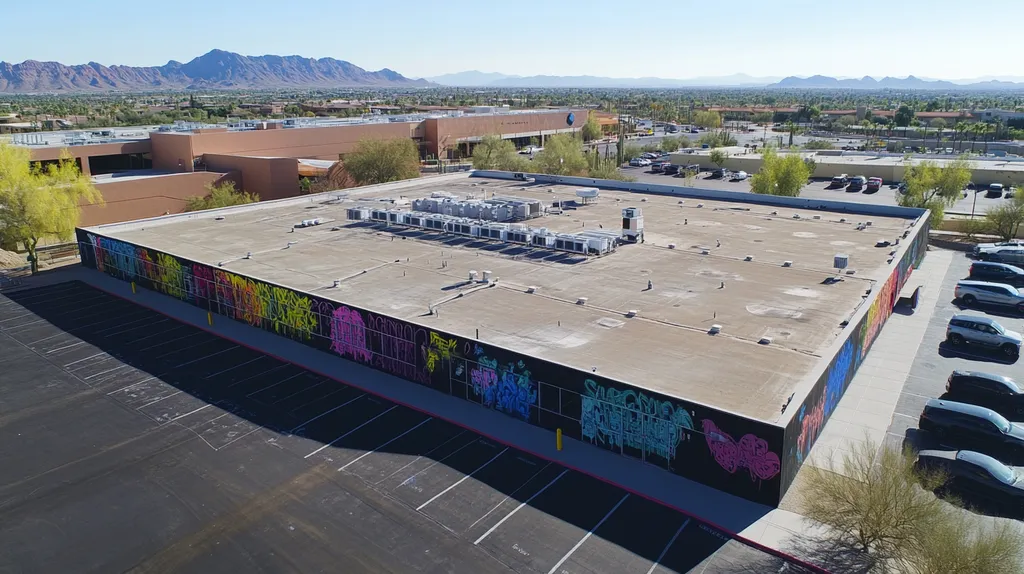
SECTION 5: PERFORMANCE METRICS
Understanding the performance metrics of a commercial roof is essential for safeguarding property value and ensuring safety. Alarmingly, studies indicate that up to 30% of commercial properties suffer roofing failures primarily due to inadequate maintenance and monitoring. Evaluating roof conditions, monitoring water intrusion, and assessing energy efficiency are crucial actions to mitigate risks and optimize repair strategies. This section explores these vital performance metrics that property owners and facility managers must prioritize.
Evaluating Roof Condition
Regularly evaluating the condition of a commercial roof is critical to prevent unexpected failures. Property owners should schedule inspections at least twice a year, ideally during spring and fall. During these evaluations, it’s important to look for signs of wear such as cracks, blisters, or punctures, which call for early intervention.
Utilizing infrared technology can enhance these assessments by detecting moisture buildup beneath the roof’s surface. This method reveals hidden issues that might otherwise go unnoticed, allowing for proactive repairs before significant damage occurs.
Documenting findings and changes in roof conditions over time provides valuable context for future assessments. This historical data helps identify trends and recurring issues, informing maintenance schedules and budgeting decisions.
Engaging qualified roofing professionals for assessments ensures a comprehensive evaluation. Their expertise facilitates accurate identification of needed repairs, which is integral to maintaining the roof’s longevity and enhancing the property’s overall value.
Monitoring Water Intrusion
Water intrusion is a leading cause of roofing failures, resulting in severe structural damage and costly repairs. Establishing a robust monitoring system is critical for detecting leaks before they escalate into major issues. Conducting regular visual inspections after significant rain or snow can help identify immediate concerns.
Incorporating moisture sensors on the roof can automate the monitoring process. These sensors provide real-time data, alerting facility managers to potential leaks or moisture accumulation. Quick responses to these alerts help minimize damage and preserve the building’s integrity.
Furthermore, routinely reviewing drainage systems is vital. Clogged gutters and downspouts can lead to standing water, increasing the risk of leaks. Regular maintenance and cleaning of these systems ensure optimal water flow and mitigate this risk.
Lastly, documenting any incidents of water intrusion and related repairs helps track patterns. This information can highlight areas needing further attention, enhancing long-term performance and reliability of the roof.
Assessing Energy Efficiency
Energy efficiency is crucial to the overall performance of commercial roofs. Inefficient roofing systems can lead to higher energy costs, straining operational budgets. Conducting thorough energy performance assessments helps identify necessary upgrades or repairs to enhance efficiency.
Utilizing reflective roofing materials is one effective strategy to improve energy efficiency. These materials significantly decrease heat absorption, leading to lower cooling costs during hot months. Regular evaluations of insulation levels are equally important; inadequate insulation results in energy losses that can easily be addressed.
Energy audits provide insights into roof performance by analyzing energy consumption and identifying hotspots. This data equips commercial property managers to make informed decisions about necessary upgrades to improve efficiency.
Moreover, recognizing the relationship between roof performance and HVAC systems can yield substantial benefits. Efficient roofs can lessen the load on heating and cooling systems, prolonging equipment life and reducing maintenance expenses. This holistic understanding of energy efficiency offers considerable opportunities for long-term cost savings.
SECTION 5: PERFORMANCE METRICS
Understanding the performance metrics of a commercial roof is crucial for preserving property value and ensuring safety. Alarmingly, 30% of commercial properties suffer roofing failures, often stemming from inadequate maintenance and monitoring. By focusing on roof evaluations, monitoring water intrusion, and assessing energy efficiency, property owners and facility managers can mitigate risks and optimize repairs. This section explores these essential performance metrics that must be prioritized.
Evaluating Roof Condition
Regular evaluation of a commercial roof’s condition is vital for preventing unexpected failures. To stay ahead, property owners should schedule inspections at least twice yearly, ideally during spring and fall. Noticing signs of wear—such as cracks, blisters, or punctures—early allows for timely interventions that can save significant costs down the line.
Utilizing infrared technology enhances these evaluations by detecting hidden moisture beneath the roof’s surface. This non-invasive method identifies potential problems that are not visible to the naked eye, facilitating proactive repairs before substantial damage occurs.
Furthermore, keeping a detailed record of findings and changes in roof conditions over time provides valuable insights for future assessments. This historical data assists in spotting trends and recurring problems that may inform maintenance schedules and budgeting.
Engaging qualified roofing professionals to conduct these assessments ensures a comprehensive evaluation. Their expertise plays a key role in accurately identifying necessary repairs, which is crucial for prolonging the roof’s life and enhancing overall property value.
Monitoring Water Intrusion
Water intrusion remains a leading cause of roofing failures, often resulting in severe structural damage and costly repairs. Establishing an effective monitoring system is essential for catching leaks before they escalate into significant problems. Routine visual inspections after significant rainfall or snowfall can help spot immediate concerns.
Incorporating moisture sensors on the roof can automate monitoring, providing facility managers with real-time data about potential leaks or moisture buildup. This technology allows for quick responses, minimizing damage and maintaining the integrity of the building.
It’s equally important to regularly review drainage systems, as clogged gutters and downspouts can lead to standing water that significantly increases leak risk. Consistent maintenance and cleaning of these systems are crucial for ensuring optimal water flow and reducing this risk.
Finally, documenting all water intrusion incidents and related repairs helps identify patterns over time. This information can reveal areas that may need extra attention or different repair strategies, significantly enhancing the long-term performance of the roof.
Assessing Energy Efficiency
Energy efficiency is fundamental to the overall performance of commercial roofs. Inefficient roofing systems can lead to increased energy costs, straining operational budgets. Conducting thorough energy performance assessments is essential for identifying potential upgrades or repairs that could enhance overall efficiency.
One effective strategy to improve energy efficiency is the utilization of reflective roofing materials. These materials can drastically decrease heat absorption, ultimately lowering cooling costs during hotter months. Additionally, regularly evaluating insulation levels is important, as inadequate insulation can lead to unnecessary energy losses.
Energy audits serve as valuable tools for understanding roof performance. By analyzing energy consumption and identifying problem areas, commercial property managers can make informed decisions on necessary modifications to enhance efficiency.
Moreover, recognizing the relationship between roof performance and HVAC systems can yield additional cost savings. Efficient roofing systems can relieve some of the loads on heating and cooling systems, prolonging their lifespan and reducing maintenance expenses. This comprehensive view of energy efficiency highlights significant opportunities for long-term savings.
Looking Ahead
With commercial roof failures costing businesses billions annually, implementing standardized repair procedures is no longer optional—it’s imperative for organizational survival.
The increasing frequency of extreme weather events and rising energy costs make proper roof maintenance more critical than ever for protecting valuable assets and controlling expenses.
By following the comprehensive protocols outlined in this guide—from fundamental concepts through optimization strategies—property owners and facility managers can significantly extend roof lifespans while reducing repair costs by up to 40%.
As roofing technology continues to evolve, staying informed about best practices and emerging solutions will be crucial for maintaining competitive advantages in commercial property management.
The future of commercial roofing lies in proactive maintenance, data-driven decisions, and sustainable solutions that benefit both business operations and environmental stewardship.
FREQUENTLY ASKED QUESTIONS
Q. What are the main types of commercial roofs?
A. Commercial roofs come in various types, including flat, low-slope, and steep-slope roofs. Each type serves different building requirements, and understanding these differences is essential. Flat roofs are efficient in low rainfall areas, while steep-slope roofs excel in water runoff, making them popular in industrial environments.
Q. Why is proper flashing important on a commercial roof?
A. Flashing is crucial as it prevents water from entering the roof at vulnerable areas, such as seams and penetrations. When installed correctly, it directs water away from critical sections and protects the structure from leaks and damages. Regular maintenance ensures flashing remains effective in safeguarding against water intrusion.
Q. How often should I inspect a commercial roof?
A. Inspections should occur at least twice a year, ideally in spring and fall. These regular assessments allow property owners to detect early signs of wear, debris buildup, or pooling water that can lead to costly leaks. Consistency in inspection helps protect your roof and investment long-term.
Q. What are basic preventive maintenance tasks for a commercial roof?
A. Essential preventive maintenance tasks include cleaning gutters and drains, inspecting sealant integrity, and removing debris. Regularly addressing these issues reduces the risk of water damage and extends roof life. Collaborating with roofing professionals to develop a maintenance checklist is vital for proactive care.
Q. How can I assess the energy efficiency of my commercial roof?
A. Assessing energy efficiency involves evaluating insulation levels and utilizing reflective materials that lower heat absorption. Conducting energy audits helps identify problem areas and necessary upgrades. With efficient roofs, you can reduce cooling costs and extend the life of HVAC systems, optimizing overall building performance.
Q. What seasonal challenges should be addressed for commercial roofs?
A. Different seasons pose unique challenges, such as snow accumulation in winter and heat degradation in summer. Regular inspections post-winter are essential for identifying ice or pooling water damage. Additionally, ensuring clear drainage systems before autumn can prevent leaks and moisture-related issues.
Q. What are the key components of a commercial roof system?
A. Key components of a commercial roof system include the membrane, insulation, flashing, and drainage systems. Each part plays a crucial role in overall performance, safety, and longevity. Understanding these components can help property managers effectively monitor and maintain their roofs, preventing costly damages.






