

When it comes to commercial roof installations, what you don’t know can quite literally bring the house down. Studies show that 73% of roof-related accidents stem from misunderstandings about proper safety protocols during installation.
From mysterious leaks that play hide-and-seek with building inspectors to energy bills that suddenly skyrocket, the consequences of poor installation practices can haunt property owners for years.
This comprehensive guide separates roofing facts from fiction, helping facility managers and building owners navigate the crucial decisions that keep their investments—and their occupants—safe and secure.
SECTION 1: COMMON MISCONCEPTIONS
In the world of commercial roofing, misconceptions can pose serious threats to the safety and longevity of your building. Many property owners mistakenly believe that once a new roof is up, it needs no further attention. This misbelief can lead to disastrous leaks and costly repairs down the road. Additionally, the notion that all roofs are the same overlooks the unique requirements dictated by different materials and building designs. Lastly, there’s a dangerous assumption that DIY roof repairs are safe, but this often leads to injuries or further damage. Unraveling these myths is crucial for making smart, informed decisions.
Myth: No Maintenance Needed
One of the most widespread myths is that new roofs don’t require maintenance. This misconception can have dire repercussions, such as leaks and structural damage. Regular maintenance, including inspections and upkeep, can actually prolong a roof’s lifespan by 50% or more.
Neglecting routine inspections can allow small problems to grow into costly emergencies. A roof that falls into disrepair might develop issues like blistering or water pooling, which rapidly compromise its integrity. The financial toll of ignoring maintenance often far outweighs the cost of preventive measures.
Facility managers should implement a proactive inspection routine, with seasonal checks following severe weather events. This diligent approach can catch potential issues early, enabling timely repairs and avoiding major damage. The idea that a new roof is completely worry-free can quickly spiral into an expensive crisis if this myth persists.
In summary, regular maintenance isn’t just a best practice; it’s an essential part of safeguarding the overall health of commercial roofs.
Myth: All Roofs Are the Same
Another prevalent myth is the belief that all roofs are interchangeable. This dangerous assumption dismisses the diversity of roofing materials—like TPO, EPDM, and PVC—each with unique attributes and installation requirements. For example, a roof meant for a low-slope application requires different considerations than one designed for steep slopes.
Each roofing material also has its own lifespan, maintenance needs, and performs differently based on environmental conditions. Choosing the wrong roof type can lead to costly failures. TPO roofs are celebrated for their energy efficiency but may not be ideal in colder climates, where other materials may perform better.
Understanding the distinctive qualities of each roofing system is essential in making an informed choice for a commercial property. Failing to account for these differences can result in higher energy costs and diminished roof lifespan. Every property should be evaluated on its individual merits to identify the best roofing solution.
Ultimately, a deeper knowledge of roofing systems can greatly influence decisions on efficiency, durability, and long-term cost savings.
Myth: DIY Roof Repairs Are Safe
Many commercial property owners are lulled into a false sense of security, believing that DIY roof repairs are both safe and cost-effective. However, this misconception often leads to hazardous situations such as personal injuries and additional damage. Roofs are complex systems that require specialized skills and knowledge to maintain and repair effectively.
Attempting to fix leaks without the right expertise can create dangerous outcomes. Untrained individuals may overlook critical repairs or use unsuitable materials, ultimately leading to even bigger issues. Alarmingly, statistics indicate that a significant number of roof failures arise from improper repairs.
Moreover, various roofing materials necessitate specific installation techniques to meet safety and compliance standards. This includes understanding weight limits and utilizing appropriate safety gear. Overlooking these factors can endanger not only those performing repairs but also building occupants.
Due to these risks, engaging professional roofing contractors is essential for any repair work. Experienced roofers adhere to safety protocols and possess the necessary tools and training to execute repairs correctly. Opting for DIY fixes is a risky gamble that can result in unsafe conditions and substantial financial setbacks.
SECTION 2: PRACTICAL IMPLICATIONS
When it comes to commercial roof installations, the stakes are high. A botched installation can lead to significant problems down the line, with reports indicating that costly structural damage can add up to hundreds of thousands of dollars in repairs. This section dives into the real-world effects of safe roofing practices, highlighting their crucial role in maintaining building integrity, ensuring business continuity, and safeguarding the well-being of tenants and workers.
Impact on Building Integrity
The health of a commercial building hinges on the quality of its roofing system. A poor installation can spell disaster, resulting in leaks that might compromise not just the roof but essential structural elements as well. For instance, persistent moisture from a leaking roof can rot beams and insulation, potentially jeopardizing the entire building’s integrity.
Worse yet, subpar installations can void warranties, leaving property owners to shoulder the financial burden of complete replacements. Failing to account for critical aspects like drainage and ventilation can lead to accelerated wear and tear, leaving buildings vulnerable. Thorough evaluations and sticking to established standards are vital for long-lasting protection.
The choice of materials is equally important. Using low-quality or unsuitable materials can dramatically decrease roof performance and lifespan. Property owners should insist on top-notch materials paired with expert workmanship to ensure their investments remain strong against the test of time.
In summary, placing a premium on safety and precision during roof installations is essential for preserving the structural soundness of any commercial building.
Disruption to Business Operations
Roof installations that go awry can create chaos within daily business routines. Unforeseen complications may lead to closures or delays, directly affecting revenue streams. Studies show that businesses facing roofing issues can experience productivity drops of up to 30% as they scramble to remedy the situation.
In some cases, companies might need to relocate key operations, creating additional costs and hassle. Such disruptions can strain customer relationships, especially for businesses that rely on foot traffic to thrive. Nothing says “stop shopping” quite like construction barriers!
To minimize interruptions, clear communication and meticulous planning are essential. Developing a detailed schedule for roofing projects can help ensure that operations continue with minimal hiccups. Facility managers should keep everyone in the loop, preparing staff for any anticipated disruptions.
Ultimately, proactive decision-making in selecting roofing solutions can help maintain business efficiency and reduce downtime, keeping productivity on track.
Safety Hazards for Tenants and Workers
Safety concerns loom large during roofing projects, affecting both workers and tenants. Roofing installations often involve hazardous materials and require working from significant heights, which can pose serious risks if safety protocols aren’t urgently enforced. Statistics reveal that falls are a leading cause of accidents in the roofing industry, highlighting the necessity for rigorous safety measures.
Moreover, tenants can also find themselves in harm’s way, facing risks like falling debris or disruptive construction noise. Property owners must implement robust safety plans to protect everyone on-site. This includes the installation of barriers and clear signage to keep vulnerable areas safe.
Training workers in proper safety practices is not just advisable; it’s crucial. Regular drills and strict adherence to safety regulations can greatly diminish risks. Partnering with experienced contractors who prioritize safety helps to ensure that both workers and building occupants remain protected throughout the installation process.
In conclusion, a strong emphasis on safety during roof installations not only keeps workers safe but also creates a secure environment for everyone in the building, solidifying a commitment to health and responsibility.
SECTION 3: COST OF MISINFORMATION
The financial stakes of misinformation during commercial roof installations can be staggering. When property owners overlook essential roofing safety protocols, they risk incurring significant expenses that can derail budgets and business operations. Research indicates that improper installation and maintenance can inflate repair costs by as much as 50%. Addressing these gaps in knowledge is not just prudent; it’s essential. In this section, we’ll delve into the financial consequences of neglect, the escalating costs of repairs and replacements, and how misinformation can impact energy efficiency and utility expenses.
Financial Consequences of Neglect
Ignoring proper roofing safety can lead to dire financial repercussions. Many property owners initially cut corners by choosing the cheapest installation options, believing they’re saving money. However, these short-term savings can quickly unravel into costly accidents, fines, and soaring liability insurance premiums.
Beyond immediate expenses, the financial fallout extends to increased operational costs stemming from project delays caused by safety incidents. These interruptions can disrupt the entire business flow, directly affecting revenue and profitability.
Making well-informed roofing decisions that prioritize safety is crucial. While investing in high-quality materials and certified installers may seem pricier at first, it can shield property owners from substantial long-term financial troubles.
In essence, neglecting safety measures creates hidden costs that accumulate over time. By understanding and implementing essential safety protocols, building owners can significantly enhance their financial outcomes.
Increased Repair and Replacement Costs
Misinformation about roofing can lead to premature wear and tear on materials. Poor installations frequently result in recurring leaks and other significant issues, necessitating continuous repairs and, in extreme cases, early roof replacements.
Industry estimates suggest that the cost of replacing a commercial roof can range from $3 to $5 per square foot, quickly ballooning to hundreds of thousands of dollars for larger facilities. Making informed installation choices can greatly extend a roof’s lifespan.
Additionally, sloppy maintenance practices, often a result of misinformation, can aggravate deterioration. Regular inspections and effective maintenance schedules are vital for prolonging the life of a roof. Property owners who disregard these practices may face even steeper replacement expenses.
Ultimately, adhering to accurate knowledge and safety practices minimizes repair and replacement costs, yielding long-term savings. The lesson is clear: investing in roofing safety pays off significantly.
Energy Efficiency and Utility Bills
Misinformation about roofing safety can drive energy costs through the roof—literally! A poorly installed or maintained roof can severely compromise a building’s energy efficiency. For instance, gaps or improper insulation can let heat escape in winter and seep in during summer, leading to uncomfortable environments and inflated energy bills.
Statistics reveal that energy-efficient roofing can reduce heating and cooling costs by 10% to 20%. However, when safety protocols are sidestepped, potential savings fly out the window. The outcome? Ballooning utility costs that strain operational budgets.
Additionally, energy companies often provide incentives for energy-efficient upgrades. Without a reliable installation, property owners can miss out on these perks, further exacerbating financial losses. It’s essential for building owners to educate themselves on energy-efficient roofing systems to avoid unnecessary expenses.
In summary, failing to implement safety measures not only threatens structural integrity but also escalates energy costs. By prioritizing accurate information and best practices, property owners can ensure their roofs make a positive contribution to overall efficiency and cost-effectiveness.
SECTION 4: REALITY CHECK
The stakes are sky-high when it comes to roof installations in commercial buildings. Subpar safety practices can result in injuries, costly project delays, and extensive repairs. Alarmingly, falls account for nearly 33% of fatalities in the construction industry, as reported by OSHA. This underscores the absolute necessity of adhering to proper safety protocols. In this section, we’ll dive into the importance of regular inspections, the risks associated with overlapping shingles, and the misunderstandings about flat roofs that can lead to costly missteps.
Importance of Regular Inspections
Regular inspections are crucial for keeping commercial roofs in top shape. These structures face continuous wear from weather and environmental exposure, and many problems can develop away from the naked eye. Studies show that up to 80% of roof failures can be avoided with routine assessments.
Property owners often skip inspections, thinking their roof is fine after a new installation, but that’s a risky gamble. Over time, materials can settle or degrade, creating vulnerabilities that lead to leaks and structural damage. Addressing these issues proactively can save both time and money.
Scheduling routine inspections allows for early detection of potential problems. This practice not only extends the roof’s lifespan but also ensures that costly repairs are minimized. Investing in this essential maintenance leads to significant long-term savings.
To get the most from these inspections, property owners should hire qualified roofing professionals. Experts can uncover hidden threats and recommend essential maintenance. Ultimately, prioritizing regular inspections is key to protecting both property investments and occupants.
Dangers of Overlapping Shingles
Many property owners view overlapping shingles as a quick fix for roofing issues, but this approach is fraught with risks. While it may seem like an added layer of protection, overlapping shingles can trap moisture, causing rot and leaks—a misconception that can lead to extensive damage over time.
Improperly overlapped shingles compromise effectiveness, increasing the likelihood of blow-offs during storms. This not only exposes underlying materials but also creates vulnerabilities that can jeopardize structural safety. Understanding these dangers is vital for property owners to avoid costly repairs down the road.
Worse still, overlapping shingles can void warranties set by manufacturers. Property owners relying on this method may face hefty expenses that could have been avoided by adhering to proper installation techniques. Emphasizing proper shingle placement according to manufacturer guidelines can prevent disastrous complications.
Educating building managers about these risks is critical. By following proper installation practices, property owners can save both money and headaches while ensuring their roofs are built to last.
Flat Roofs and Leak Misconceptions
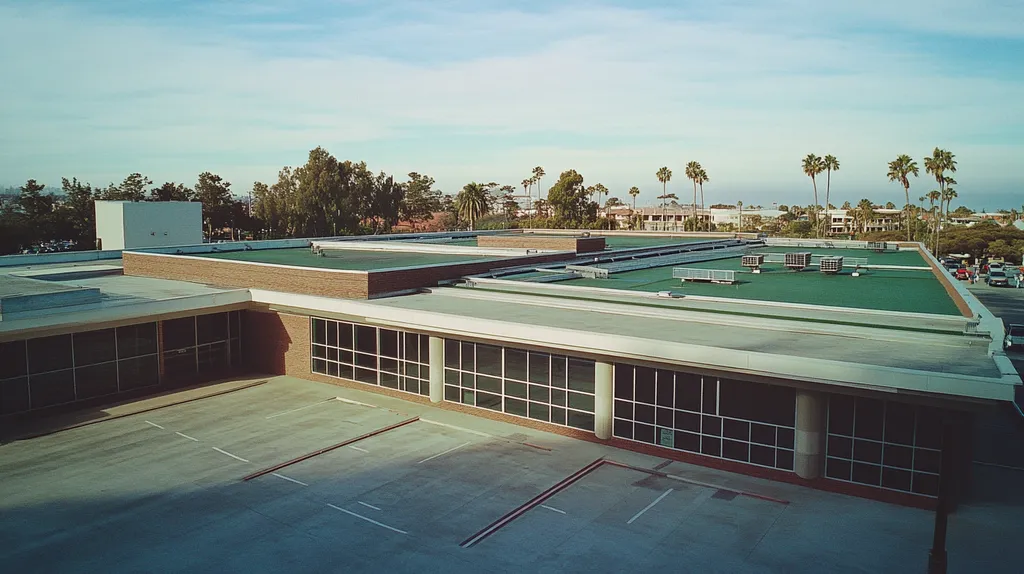
Flat roofs often get a bad rap for being leak-prone. Many property owners assume they are more susceptible to failure than sloped roofs, but this belief is misleading. Leaks generally stem from poor installation or inadequate maintenance rather than the roof’s design itself.
Flat roofs require specific drainage solutions. Failing to meet these needs can lead to standing water and an increased risk of leaks. Regular maintenance and prompt attention to drainage challenges are essential for protecting flat roofs from water damage.
Another myth is that flat roofs are less durable than their sloped counterparts. Thanks to advances in roofing materials, modern flat roofs can offer comparable longevity and performance. With the right installation and diligent maintenance, they hold up well over time.
Property owners should focus on proper assessments and maintenance of flat roofs. By dispelling these misconceptions and implementing sound practices, they can keep their roofs leak-free. A proactive approach not only safeguards facilities but also enhances their overall value.
SECTION 5: EVIDENCE-BASED ALTERNATIVES
In the high-stakes world of commercial roofing, the right choices can make all the difference. A staggering 30% of roofing failures stem from improper installation and material selection, leading to costly repairs and safety hazards. Armed with knowledge about professional services, optimal materials, and preventive maintenance, property owners and facility managers can confidently navigate the complexities of roofing.
Benefits of Professional Roofing Services
Turning to professional roofing services is a smart investment in safety and performance. Skilled roofing contractors are trained to comply with all safety regulations and building codes, drastically reducing the risk of accidents. This expertise ensures that installations are executed correctly from the get-go.
Additionally, professional roofers have access to advanced technology and high-quality materials, which boost the durability and lifespan of roofing systems. Many of these contracting companies back their work with warranties, providing property owners with essential financial protection against unexpected maintenance costs.
By hiring certified contractors, facility managers can rest easy knowing the job will be done right the first time—minimizing both downtime and disruptions to business operations. Simply put, the value of professional expertise isn’t just about getting the job done; it enhances the roof’s performance and the overall longevity of the building itself.
Choosing the Right Roofing Materials
The right roofing materials can greatly influence energy efficiency and overall safety. For example, reflective roofing options can significantly cut down on cooling costs by reducing heat absorption, a crucial factor in warmer climates.
Choosing durable materials like TPO or EPDM can ensure longer service life while providing excellent resistance to harsh weather conditions. These materials are specifically designed to withstand extreme environments, minimizing the chances of leaks or damage occurring.
When selecting roofing materials, it’s vital to think about local climate, building use, and potential hazards. Each of these factors can play a role in determining the effectiveness and lifespan of the roof.
Ultimately, intelligent material selection doesn’t just enhance safety; it also contributes to energy efficiency and long-term savings. Every choice made now could yield significant benefits down the line.
Preventative Maintenance Strategies
Preventative maintenance is critical for safeguarding roof health and extending longevity. Regular inspections can uncover minor issues—like small leaks—before they snowball into costly repairs and severe water damage.
Creating a structured maintenance plan that incorporates debris removal and periodic inspections is essential. This approach helps maintain the roof’s condition and adheres to warranty requirements, ensuring peak performance over time.
Engaging professionals for comprehensive health assessments can provide invaluable peace of mind. Expert roofers can identify specific needs and recommend tailored maintenance strategies based on the type of roofing system in use.
In summary, adopting a proactive maintenance lifestyle not only cuts long-term repair costs but also protects significant financial investments in commercial properties.
SECTION 6: TEST AND VERIFY
Safety during commercial roof installations doesn’t end when the last nail is hammered in. Ongoing vigilance through testing and verification is key to safeguarding your investment. Alarmingly, nearly 30% of premature roof failures arise from poor maintenance practices. Regular evaluations can catch potential issues before they snowball, extend the lifespan of roofing systems, and save property owners significant repair costs. This section explores the importance of biannual inspections, verifying contractor credentials, and monitoring roof performance over time.
Conducting Biannual Roof Inspections
Biannual roof inspections are vital for spotting issues early on, saving property owners from costly repairs later. Even a newly installed roof can face challenges from environmental factors like harsh weather, debris accumulation, and general wear and tear. Scheduling these assessments ensures leaks or damage are caught before they escalate into major headaches.
These inspections should go beyond just a surface glance. A qualified professional needs to examine drainage systems, flashings, and all roofing materials. Insights gained from these evaluations can prompt timely repairs, significantly prolonging the roof’s lifespan. The nominal costs associated with routine checks pale in comparison to the hefty price of major roof failures.
Experts estimate that consistent inspections can extend a roof’s life by up to 30%. This proactive approach is not only financially wise but also keeps properties safe and functional. Neglecting these inspections could open the door to serious issues like structural damage or safety risks.
Verifying Contractor Credentials
Selecting the right contractor is pivotal in ensuring a successful roofing project. Property owners should always verify credentials, including licensing, insurance, and experience. A competent contractor can significantly lower the chances of mishaps while upholding necessary safety standards.
Many roofing failures stem from hiring unqualified subcontractors, often without property owners realizing it. Confirming that a contractor has the right certifications and training is crucial for mitigating installation risks.
Requesting a portfolio showcasing prior work is also beneficial. Reviews and testimonials can offer valuable insight into a contractor’s reliability and workmanship quality. Taking these steps in contractor selection can have long-lasting benefits for building owners and their roofs.
Failing to conduct thorough checks can lead to poor workmanship, resulting in costly repairs and safety concerns later. Prioritizing contractor credentials helps protect investments and ensures a secure and effective roofing installation.
Monitoring Roof Performance Over Time
Many property owners overlook the importance of monitoring roof performance over time. After installation, consistently observing the roof’s condition can help identify emerging problems and assess the effectiveness of installed materials.
Keeping records of inspections and maintenance activities empowers property owners to track changes and gather crucial data about roof performance. This information is essential for making informed decisions about repairs and potential upgrades.
Environmental factors like temperature fluctuations and moisture levels can impact roofing systems significantly. Regular monitoring enables teams to be proactive and address concerns before they develop into larger issues.
Research indicates that roofs under regular observation achieved a 40% higher performance rating over time compared to those that weren’t monitored. Such findings highlight the critical role of ongoing performance assessments in maintaining the integrity and safety of roofing systems.
The Bottom Line
With 73% of roof-related accidents stemming from safety protocol misunderstandings, the stakes couldn’t be higher for commercial property owners.
The evidence is clear: professional installation, regular maintenance, and proper safety measures aren’t just best practices—they’re essential safeguards for your investment and building occupants.
Statistics show that buildings with properly installed and maintained roofs experience 40% fewer structural issues and enjoy energy savings of up to 20% annually.
By dispelling common myths, implementing rigorous safety protocols, and partnering with qualified professionals, property owners can protect their assets while ensuring the safety of everyone beneath their roofs.
Remember: when it comes to commercial roofing, cutting corners on safety today means paying a steep price tomorrow.
FREQUENTLY ASKED QUESTIONS
Q. Is it true that a commercial roof needs no maintenance?
A. It’s a common misconception! Even new roofs require regular maintenance to prevent leaks and structural damage. Proactive inspections can significantly extend a roof’s lifespan, saving you money in the long run.
Q. What happens if the installation of my industrial roof isn’t done correctly?
A. A poor installation can lead to critical leaks and structural damage, jeopardizing your entire building. It may also void warranties, which means you’ll cover any future repair costs yourself.
Q. Are DIY roof repairs safe for my commercial roof?
A. DIY fixes can be risky! Without professional knowledge, you might create unsafe conditions or worsen the problem. It’s best to hire experienced contractors who adhere to safety standards.
Q. How can safety during roof installation affect my business operations?
A. Safety issues during installation can lead to delays or even project shutdowns, impacting your workflow. Clear communication with your roofing contractor can help minimize disruption and keep business running smoothly.
Q. What costs can arise from ignoring roofing misinformation?
A. Ignoring safety measures can exponentially increase repair costs and profitability losses. Seeking the right roofing solutions early on can lead to significant long-term savings in maintenance and energy efficiency.
Q. Why are regular inspections critical for my commercial roof?
A. Regular inspections help catch hidden issues early, preventing costly damages. Over time, they can significantly extend the roof’s lifespan, saving you money and protecting your investment.
Q. How do I choose the right materials for my industrial roof?
A. Choosing materials depends on climate, building use, and performance needs. Opt for durable and energy-efficient options to enhance safety while also saving costs in the long run.






