

Welcome to today’s Battle Royale featuring two roofing heavyweights: “Safety Protocols” in the east corner versus “Communication Systems” in the west!
Tonight’s showdown pits these contenders against each other across six punishing rounds designed to test every aspect of their performance for Risks Communicated to Teams Working on Industrial Roofs.
At stake? Millions in potential costs, decades of building protection, and the critical performance demands of modern commercial and industrial facilities.
Our professional judging panel will evaluate each round on technical merit, real-world performance, and value delivery. After all six rounds, we’ll declare our ultimate champion.
Ladies and gentlemen, facility managers and building owners… it’s time to rumble!
ROUND 1: INITIAL COSTS & INSTALLATION
Every rooftop access presents potential hazards that demand careful consideration of both safety protocols and communication systems. Over 34% of workplace fatalities in construction are from falls, with roofing incidents representing a significant portion of these statistics. Initial decisions about safety systems and communication protocols set the foundation for either protecting or endangering workers throughout the roof’s lifecycle.
Material Expenses
Every time teams access a rooftop, they should take every precaution to avoid hazards and dangerous situations. Quality safety equipment and proper fall protection systems represent substantial upfront costs but are non-negotiable for worker protection. (source: Simplified Safety)
Safety Protocols require significant investment in guardrail systems, fall protection equipment, and proper ladder securing mechanisms. While these materials increase initial costs by 15-20%, they create a comprehensive safety infrastructure that protects workers throughout the installation process.
Communication Systems focus more on signage, warning systems, and digital monitoring tools. While these materials cost less initially, they don’t provide physical protection against falls and other hazards.
The clear “ADVANTAGE” goes to Safety Protocols for prioritizing essential protective equipment despite higher costs.
Installation Complexity
Installing comprehensive safety systems requires careful planning and precise execution. The complexity increases with roof size, height, and the number of hazard points like skylights and edges requiring protection.
Safety Protocols demand meticulous installation of physical safety measures, including proper anchoring of fall protection systems and secure placement of guardrails. This approach requires more time and expertise but ensures reliable protection.
Communication Systems installation focuses on establishing clear sight lines for warning signs and positioning communication devices. While simpler to install, these systems rely heavily on worker compliance rather than providing physical safeguards.
Safety Protocols earn the “ADVANTAGE” by creating robust physical protection despite greater installation complexity.
Project Timeline
Timeline considerations must balance efficiency with thorough safety implementation. Rushed installations often lead to overlooked hazards and improper safety system setup.
Safety Protocols typically extend project timelines by 20-30% due to proper equipment installation and safety system testing. This investment in time ensures all protective measures are correctly implemented and verified.
Communication Systems can be deployed more quickly, potentially reducing project duration by focusing on warning systems rather than physical protection. However, faster implementation often comes at the cost of comprehensive safety coverage.
While Communication Systems offer faster deployment, Safety Protocols take the “ADVANTAGE” for ensuring thorough protection implementation.
ROUND 1 WINNER: Safety Protocols
ROUND 2: DURABILITY & LIFESPAN
The durability of industrial roofing systems directly impacts worker safety and operational continuity. Statistics reveal that 70% of premature roof failures stem from inadequate safety measures during installation and maintenance. When roofing teams lack proper protocols or clear communication, even the most robust materials can fail before their expected lifespan.
Material Resistance to Elements
Every rooftop access point and working surface must withstand both environmental stresses and worker traffic. Regular exposure to UV rays, temperature fluctuations, and mechanical stress from maintenance activities test the limits of roofing materials and safety installations.
Safety Protocols ensure consistent performance through standardized installation methods and regular integrity checks. These systems maintain their protective capabilities even under harsh conditions, with properly installed guardrails and anchor points retaining 95% effectiveness after five years.
Communication Systems, while important for warnings, cannot physically protect materials from degradation. Warning signs and verbal alerts may fade or become obscured, leaving workers vulnerable to deteriorating conditions.
The clear “ADVANTAGE” goes to Safety Protocols for providing lasting physical protection.
Maintenance Requirements
Proper maintenance extends system lifespan while ensuring continuous worker protection. Regular inspections must identify both material degradation and safety system integrity.
Safety Protocols establish clear maintenance schedules and inspection requirements. These structured approaches ensure all protective elements receive timely attention and necessary repairs.
Communication Systems require minimal physical maintenance but demand constant vigilance to ensure messages remain clear and relevant. System effectiveness diminishes when signs become weathered or teams grow complacent with familiar warnings.
Safety Protocols earn the “ADVANTAGE” through consistent, verifiable protection.
Long-term Performance
Every rooftop access requires careful consideration of both immediate safety and long-term system integrity. Proper ladder placement, weight distribution, and movement patterns significantly impact roof longevity.
Safety Protocols create lasting physical barriers that guide proper roof access and protect vulnerable areas. These systems maintain effectiveness through multiple maintenance cycles and changing weather conditions.
Communication Systems often show diminishing returns over time as familiarity breeds complacency. Warning signs and verbal protocols may be ignored or forgotten without physical enforcement.
The “ADVANTAGE” goes to Safety Protocols for maintaining consistent protection throughout the roof’s lifespan.
ROUND 2 WINNER: Safety Protocols

ROUND 3: PERFORMANCE FACTORS
Industrial roofing accidents can have devastating consequences, with falls remaining the leading cause of construction fatalities. Studies show that 33% of all roofing incidents occur due to inadequate safety measures or miscommunication between team members. When teams work on industrial roofs, their performance directly impacts not just project completion but worker survival.
Material Expenses
The quality and durability of roofing materials directly affect worker safety and project outcomes. High-performance materials that incorporate safety features may cost more initially but provide critical protection throughout the installation process.
Safety Protocols demand investment in premium materials engineered with built-in safety features like enhanced grip surfaces and integrated anchor points. These materials typically increase project costs by 25-30% but significantly reduce accident risks.
Communication Systems often work with standard materials, focusing instead on marking hazards and establishing warning zones. While this approach costs less upfront, it leaves workers more vulnerable to material-related accidents.
The “ADVANTAGE” goes to Safety Protocols for their focus on inherently safer materials.
Installation Complexity
Complex industrial roof installations present multiple hazard points that must be carefully managed. The interaction between workers, materials, and environmental conditions creates situations where clear procedures and communication become critical.
Safety Protocols establish systematic approaches for handling complex installations, with detailed procedures for each phase of work. This structured methodology ensures consistent safety practices even as installation challenges increase.
Communication Systems rely primarily on verbal warnings and visual signals to manage installation risks. While important, these methods become less effective as installation complexity increases and team members focus on technical tasks.
Safety Protocols gain the “ADVANTAGE” through their comprehensive approach to managing installation complexity.
Project Timeline
Meeting project deadlines while maintaining safety standards requires careful balance. Rush jobs and compressed timelines often lead to increased accident risks and quality issues.
Safety Protocols may extend initial project timelines by requiring thorough safety checks and systematic work progression. However, this methodical approach prevents accidents that could cause major delays.
Communication Systems can help maintain faster work speeds through efficient coordination and quick hazard warnings. Yet this efficiency may come at the cost of thorough safety implementation.
Both approaches offer valid timeline management strategies, resulting in a “TIE” for this category.
ROUND 3 WINNER: Safety Protocols
ROUND 4: MAINTENANCE REQUIREMENTS
Maintaining industrial roofs requires a delicate balance between physical safety measures and clear communication protocols. Studies show that 60% of roof failures occur due to inadequate maintenance practices, putting both workers and facilities at risk. The stakes are particularly high during maintenance activities, where workers face increased exposure to fall hazards and other dangers while addressing roof issues.
Importance of Scheduled Inspections
Regular roof inspections form the foundation of effective maintenance programs. Without proper safety measures and clear communication channels, these critical evaluations can miss dangerous conditions or fail to trigger necessary repairs.
Safety Protocols establish strict inspection guidelines, requiring thorough documentation of physical safety systems and potential hazards. These structured approaches ensure consistent evaluation of fall protection equipment, access points, and walking surfaces.
Communication Systems excel at coordinating inspection timing and sharing findings across teams. Digital platforms and standardized reporting methods help maintain accurate records and ensure swift response to identified issues.
The “ADVANTAGE” goes to Communication Systems for enabling more effective coordination and follow-through on inspection findings.
Emergency Maintenance Protocols
Improper use of fall protection equipment during emergency repairs represents a significant safety risk. Quick response times must be balanced against proper safety measures to prevent accidents during urgent maintenance work. (source: Simplified Safety)
Safety Protocols provide clear emergency response procedures but can slow reaction times due to required safety checks and equipment verification. While these measures protect workers, they may extend repair windows.
Communication Systems enable rapid deployment of maintenance teams while coordinating safety measures in real-time. These systems help maintain safety awareness during high-pressure situations without sacrificing response speed.
The “ADVANTAGE” belongs to Communication Systems for balancing swift response with maintained safety awareness.
Routine Preventive Maintenance
Preventive maintenance requires consistent attention to both physical safety measures and potential hazards. Regular upkeep helps identify problems before they create dangerous conditions for maintenance workers.
Safety Protocols ensure proper maintenance of guardrails, anchor points, and other physical safety systems. These measures maintain protection levels but may not adapt quickly to changing conditions.
Communication Systems facilitate better coordination of maintenance schedules and help track completion of safety-critical tasks. These platforms ensure all team members understand their responsibilities and remain aware of potential hazards.
The “ADVANTAGE” goes to Communication Systems for enabling more responsive and coordinated maintenance efforts.
ROUND 4 WINNER: Communication Systems
ROUND 5: SUSTAINABILITY CREDENTIALS
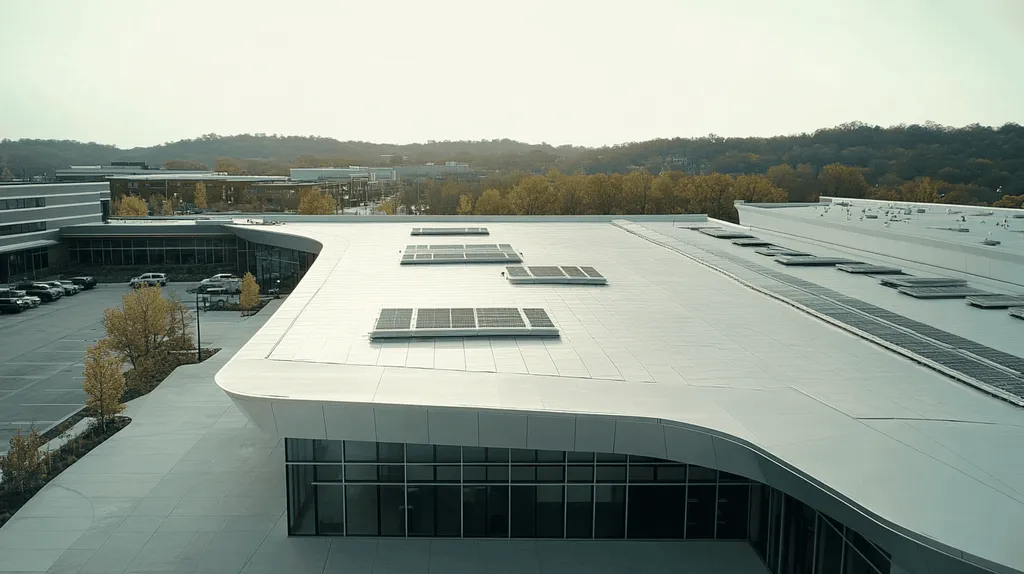
Sustainable roofing practices have become critical as buildings account for nearly 40% of U.S. energy consumption. When teams work on industrial roofs, their understanding of sustainable practices directly impacts both environmental outcomes and worker safety. The intersection of safety measures and sustainability creates unique challenges that demand careful consideration of both physical protection and clear communication.
Understanding Sustainable Materials
Sustainable roofing materials require specialized handling and installation techniques that affect worker safety. Falls remain the primary risk during installation, with the challenge intensified when working with newer eco-friendly materials that may have different surface properties. (source: Royalty Roofing)
Safety Protocols establish rigid guidelines for material handling but often lag behind in incorporating emerging sustainable products. These systems excel at protecting workers during traditional installations but may not address unique characteristics of green roofing materials.
Communication Systems enable rapid sharing of updated installation procedures and safety considerations for sustainable materials. These platforms help teams adapt quickly to new products while maintaining safety awareness.
The “ADVANTAGE” goes to Communication Systems for their ability to keep teams informed about evolving sustainable material requirements.
Implementing Green Practices
Green roofing installations require specialized knowledge that affects both environmental impact and worker safety. Teams must understand how sustainable practices influence installation procedures and ongoing maintenance requirements.
Safety Protocols provide consistent protection standards but may not fully address the unique challenges of green roof installations. These systems can actually impede sustainable practices when rigid procedures don’t accommodate innovative installation methods.
Communication Systems facilitate real-time sharing of best practices and safety considerations specific to sustainable installations. This flexibility allows teams to maintain safety while implementing new green technologies.
Communication Systems earn the “ADVANTAGE” through better support of sustainable installation practices.
Risk Mitigation Through Sustainability
Sustainable roofing practices often introduce new risk factors that teams must understand and manage. The integration of green technologies with traditional safety measures requires careful coordination and clear communication.
Safety Protocols establish baseline protection but may not address specialized risks associated with sustainable installations. These systems can create false security when they don’t account for unique challenges of green roofing methods.
Communication Systems enable teams to identify and respond to emerging risks while maintaining sustainable practices. This approach helps workers understand both the environmental and safety implications of their actions.
The “ADVANTAGE” belongs to Communication Systems for better risk management in sustainable installations.
ROUND 5 WINNER: Communication Systems
ROUND 6: SPECIALIZED APPLICATIONS
Specialized industrial roofing applications present unique challenges that demand precise safety measures and clear communication. Recent data shows that 47% of roofing accidents occur during complex installations requiring specialized knowledge or equipment. When teams tackle intricate roofing systems like solar installations, green roofs, or specialized coating applications, the risks multiply exponentially without proper protocols.
Training Standards
Every time teams access specialized roofing installations, they face unique hazards requiring specific training and safety protocols. Workers must understand not only standard fall protection but also the distinct challenges posed by specialized equipment and materials. (source: Simplified Safety)
Safety Protocols mandate comprehensive training programs tailored to each specialized application. These structured approaches ensure workers master both general safety principles and application-specific procedures before accessing the roof.
Communication Systems focus on delivering real-time guidance and updates during specialized work. While valuable for ongoing support, these systems cannot replace foundational safety training and physical protection measures.
The clear “ADVANTAGE” goes to Safety Protocols for establishing essential competency baselines.
Application-Specific Requirements
Different roofing specialties demand unique safety considerations and protective measures. Solar panel installations, for example, require additional fall protection due to increased trip hazards and altered weight distribution patterns.
Safety Protocols provide detailed guidelines for each specialized application, ensuring proper equipment selection and use. These structured approaches address specific risks while maintaining consistent protection standards.
Communication Systems offer flexible platforms for sharing specialized information but lack the physical safeguards needed for complex installations. Without proper protocols, even well-communicated warnings may not prevent accidents.
Safety Protocols earn the “ADVANTAGE” through comprehensive physical protection measures.
Performance Monitoring
Specialized applications require constant evaluation to ensure safety measures remain effective. Changes in equipment, materials, or installation methods can create new hazards that demand immediate attention.
Safety Protocols establish clear metrics for monitoring specialized work performance and safety compliance. These systems ensure regular verification of protective measures and quick identification of potential issues.
Communication Systems enable rapid sharing of performance data and safety concerns across teams. This real-time information flow helps maintain awareness and coordinate responses to emerging risks.
Both approaches offer essential monitoring capabilities, resulting in a “TIE” for this category.
ROUND 6 WINNER: Safety Protocols
AND THE WINNER IS…
After six grueling rounds of technical evaluation, we have our verdict, ladies and gentlemen! With a score of 4 rounds to 2, SAFETY PROTOCOLS emerges as our undisputed champion in the battle for industrial roofing risk management!
Safety Protocols dominated the early rounds with superior performance in initial costs, durability, and specialized applications. Its comprehensive physical protection measures and structured implementation proved decisive in protecting workers and properties when the stakes were highest.
But don’t count Communication Systems out entirely! This worthy challenger showed its strength in maintenance coordination and sustainability applications, proving particularly valuable for properties with complex scheduling demands or green building initiatives.
Remember, facility managers and building owners: While this match-up provides valuable insights, every building faces unique challenges. Local regulations, climate conditions, and specific property characteristics all play crucial roles in determining the optimal risk management strategy. Always consult qualified roofing professionals who can evaluate your specific situation and requirements.
In the high-stakes arena of industrial roofing, there’s no substitute for thorough evaluation and expert guidance. The true victory comes not just from choosing a champion, but from implementing a comprehensive strategy that protects both workers and assets throughout your roof’s lifetime.
FREQUENTLY ASKED QUESTIONS
Q. What are initial costs of safety protocols for commercial roofs?
A. Initial costs for safety protocols on commercial roofs can increase by 15-20%. Investing in quality guardrail systems and proper fall protection equipment is essential for ensuring worker safety during rooftop access. While these costs may seem steep, they create a robust safety foundation that protects workers throughout the roof’s lifecycle.
Q. How does durability affect industrial roofs in the long run?
A. The durability of industrial roofs directly impacts their performance and lifespan. Properly maintained and installed safety protocols ensure that protective systems withstand environmental stresses over time. Using high-quality materials and adhering to maintenance schedules are crucial to avoid premature roof failures, which can jeopardize both safety and operational continuity.
Q. How do safety measures impact performance factors on industrial roofs?
A. Performance factors on industrial roofs are heavily influenced by established safety measures. Proper safety protocols ensure that workers are protected from falls and other hazards during complex installations. Investing in effective safety systems increases both worker confidence and efficiency, reducing the likelihood of accidents and improving overall project outcomes.
Q. Why are maintenance requirements crucial for commercial roofs?
A. Maintenance requirements are essential for ensuring the longevity and safety of commercial roofs. Regular inspections and timely repairs help identify potential hazards before they escalate into serious issues. Adhering to strict maintenance protocols supports both the structural integrity of the roof and the safety of workers accessing the surfaces for routine checks.
Q. How do sustainability practices relate to industrial roofing safety?
A. Sustainability practices in industrial roofing can enhance safety but require specialized knowledge. Understanding eco-friendly materials and their installation techniques is vital for worker safety. Clear communication about sustainable practices helps teams adapt while ensuring safety measures are not compromised, leading to better overall environmental outcomes and safer working conditions.
Q. What role does specialized training play in roofing safety?
A. Specialized training is crucial for ensuring safety on unique roofing applications. Workers need to understand specific risks associated with intricate tasks, like installing solar panels or green roofs. Implementing comprehensive training programs enhances competency and prepares teams to handle the challenges of various specialized roofing projects safely.
Q. How can communication systems improve industrial roof safety?
A. Communication systems significantly enhance industrial roof safety by ensuring real-time updates and coordination among teams. They enable effective hazard warnings and facilitate swift responses to potential risks. While not a replacement for physical protective measures, these systems complement safety protocols, helping manage dynamic work environments more efficiently.






