

Welcome to today’s Battle Royale featuring two roofing heavyweights: “TPO” in the east corner versus “PVC” in the west!
Tonight’s showdown pits these contenders against each other across six punishing rounds designed to test every aspect of their performance for Extreme Heat Effects on Commercial Roof Materials Durability.
At stake? Millions in potential costs, decades of building protection, and the critical performance demands of modern commercial and industrial facilities.
Our professional judging panel will evaluate each round on technical merit, real-world performance, and value delivery. After all six rounds, we’ll declare our ultimate champion.
Ladies and gentlemen, facility managers and building owners… it’s time to rumble!
ROUND 1: INITIAL COSTS & INSTALLATION
With commercial roofing costs reaching historic highs and extreme heat events becoming more frequent, choosing between TPO and PVC roofing systems has never been more critical. A single misstep in material selection can result in hundreds of thousands in premature replacement costs, while proper selection can provide decades of reliable protection. Today’s decision-makers must carefully weigh initial expenses against long-term performance in increasingly harsh conditions.
Material Expenses
TPO membranes typically cost 15-25% less per square foot than PVC alternatives, making them an attractive option for budget-conscious projects. However, this initial savings must be carefully weighed against performance requirements, especially in high-temperature environments.
PVC membranes command premium pricing due to their advanced chemical formulation and higher manufacturing costs. The additional expense typically ranges from $1-2 more per square foot compared to TPO, representing a significant upfront investment.
When considering only material costs, TPO provides clear financial advantages for projects where immediate budget constraints take precedence. However, this advantage must be balanced against durability requirements for specific climate conditions.
Installation Complexity
TPO installation requires less specialized equipment and fewer steps than PVC, potentially reducing labor costs by 10-20%. The simplified welding process and lighter weight materials allow for faster completion times and lower crew requirements.
PVC installation demands more precise temperature control during welding and often requires additional surface preparation. These technical requirements typically result in higher labor costs and longer installation times.
The straightforward nature of TPO installation provides measurable advantages in both time and labor expenses. While proper installation remains critical for both materials, TPO’s simpler requirements give it a clear edge in this category.
Project Timeline
TPO projects typically complete 20-30% faster than equivalent PVC installations due to simpler welding requirements and faster curing times. This acceleration can significantly reduce business disruption and allow for quicker building occupancy.
PVC installations require more precise scheduling and longer curing periods between stages. While these additional steps contribute to long-term performance, they extend project timelines and increase coordination requirements.
The efficiency advantage clearly favors TPO, as its rapid installation capabilities directly translate to reduced downtime and faster project completion. This difference becomes particularly significant on larger commercial projects where time equals money.
ROUND 1 WINNER: TPO
ROUND 2: DURABILITY & LIFESPAN
With extreme temperatures becoming more frequent and intense, commercial roofing materials face unprecedented durability challenges. What previously lasted 20-30 years may now deteriorate in half that time when exposed to sustained high temperatures. This reality forces facility managers to carefully evaluate how TPO and PVC membranes perform under extreme heat conditions that can regularly exceed 160°F on roof surfaces.
Heat Resistance and Longevity
TPO roofing systems typically demonstrate good initial heat resistance, with surface temperatures remaining 30-40°F cooler than traditional black roofs. However, prolonged exposure to extreme heat can accelerate membrane degradation, leading to surface crazing and potential failure points at seams.
PVC membranes maintain their structural integrity even when subjected to sustained high temperatures. Their chemical composition allows them to resist heat-induced deterioration, with properly installed systems regularly achieving 25-30 year lifespans in hot climates.
The proven track record of PVC in extreme heat conditions gives it a clear advantage in this category, particularly for facilities in southern regions or urban heat islands.
Thermal Cycling Performance
TPO materials can become brittle and prone to cracking when subjected to repeated heating and cooling cycles. This vulnerability is particularly evident around roof penetrations and mechanical equipment where thermal stress concentrates.
PVC membranes excel at handling thermal cycling due to their superior molecular stability. Their enhanced flexibility allows them to expand and contract without compromising structural integrity or seam strength.
PVC demonstrates superior resilience against the damaging effects of thermal cycling, earning another significant advantage in long-term performance.
UV and Chemical Resistance
TPO roofing provides good initial UV protection but may show accelerated degradation in environments with intense solar exposure. Heat-induced chemical breakdown can compromise the membrane’s protective top layer, leading to premature aging.
PVC maintains exceptional resistance to both UV radiation and chemical exposure even under extreme heat conditions. Its inherent chemical stability prevents degradation of the membrane’s protective properties, ensuring consistent performance throughout its service life.
In the battle against UV and chemical deterioration, PVC demonstrates superior durability, securing a third advantage in this round.
ROUND 2 WINNER: PVC
ROUND 3: PERFORMANCE FACTORS
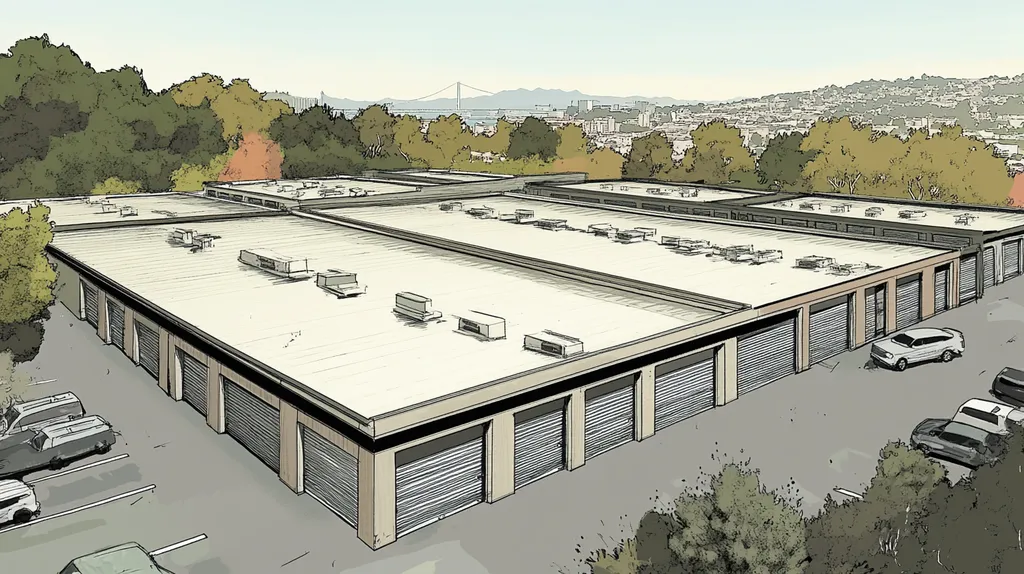
The impact of extreme heat on commercial roofing performance has become increasingly critical as temperatures continue to break records. Commercial roofs can experience temperatures exceeding 180°F during summer days, subjecting materials to severe thermal shock when temperatures drop at night. This dramatic cycling puts unprecedented stress on roofing systems, making performance factors more crucial than ever for long-term building protection. (source: L.A Roofing Materials)
Thermal Resistance
Thermal resistance determines how well roofing materials maintain their structural integrity under sustained high temperatures. This factor directly impacts energy efficiency, material longevity, and overall system performance.
TPO membranes offer good initial heat reflection and can reduce surface temperatures by up to 40°F compared to traditional roofing. However, prolonged exposure to extreme heat can lead to accelerated aging and potential material softening above certain temperature thresholds.
PVC membranes demonstrate superior thermal stability, maintaining their physical properties even under sustained high temperatures. Their advanced chemical composition prevents heat-induced degradation and helps preserve structural integrity throughout thermal cycles.
For thermal resistance capabilities, PVC holds the clear “ADVANTAGE” due to its superior stability and resistance to heat-induced deterioration.
Installation Integrity
Installation integrity becomes particularly critical when dealing with extreme heat conditions. Poor installation can lead to premature failure points and compromise the entire roofing system’s performance.
TPO installations can become challenging in high temperatures, as extreme heat affects weld quality and membrane flexibility. This sensitivity can result in weaker seams and potential failure points if proper temperature controls aren’t maintained.
PVC installations remain more stable in high-temperature conditions, with superior weld strength and consistent performance regardless of installation temperature. The material’s inherent stability helps ensure reliable seams and connections.
In terms of installation integrity, PVC demonstrates the “ADVANTAGE” through its more reliable installation characteristics under varying temperature conditions.
Overall Maintenance Needs
Maintenance requirements significantly impact the total cost of ownership for commercial roofing systems. Regular inspections and repairs become even more critical in extreme heat conditions.
TPO systems often require more frequent maintenance as extreme heat can accelerate wear patterns. Surface checking, seam separation, and material fatigue may necessitate additional maintenance interventions.
PVC roofing typically demands less maintenance attention, even in high-heat environments. Its superior chemical stability and heat resistance result in fewer repair needs and longer intervals between maintenance cycles.
For overall maintenance considerations, PVC earns the “ADVANTAGE” by offering lower maintenance requirements and better long-term reliability.
ROUND 3 WINNER: PVC
ROUND 4: MAINTENANCE REQUIREMENTS
As extreme temperatures continue to challenge commercial roofing systems, maintenance requirements have become a critical factor in material selection. High heat paired with humidity can cause roofs to absorb moisture, leading to potential structural failures and costly emergency repairs. Property owners must carefully evaluate how different roofing materials respond to these maintenance challenges to protect their long-term investments.
Inspection Requirements
Regular inspections become crucial when roofing materials face sustained high temperatures. High heat and humidity can lead to moisture absorption in roofing materials, potentially resulting in water patches, leaks, and structural compromises. (source: L.A Roofing Materials)
TPO systems require quarterly inspections in extreme heat conditions to monitor for potential seam separation and surface degradation. These inspections must carefully evaluate membrane flexibility and weld integrity, as heat stress can compromise these critical components.
PVC roofing typically maintains its integrity with semi-annual inspections, even in high-heat environments. The material’s superior chemical stability reduces the frequency of required evaluations while maintaining system reliability.
For inspection requirements, PVC demonstrates the ADVANTAGE through reduced frequency needs and better heat resistance.
Preventive Maintenance
Heat-induced stress makes preventive maintenance essential for protecting commercial roofing investments. Regular cleaning and membrane conditioning help prevent accelerated deterioration from extreme temperatures.
TPO systems demand more frequent preventive maintenance cycles to maintain their protective properties. Surface treatments and seam reinforcement may be needed every 2-3 years to combat heat-related degradation.
PVC roofing requires minimal preventive maintenance beyond basic cleaning and debris removal. Its inherent durability reduces the need for additional protective treatments or reinforcement.
In preventive maintenance considerations, PVC earns the ADVANTAGE through reduced intervention requirements.
Repair Frequency
The frequency and complexity of repairs directly impact both maintenance budgets and roof longevity. Heat-stressed systems often require more frequent interventions to maintain their protective capabilities.
TPO membranes may require more frequent repairs as extreme heat can accelerate wear patterns and create stress points. Seam repairs and patch applications become more common as the material ages under thermal stress.
PVC systems typically experience fewer repair needs due to their superior heat resistance and material stability. When repairs are necessary, they tend to be simpler and more permanent.
For repair frequency, PVC claims the ADVANTAGE through reduced repair requirements and better long-term durability.
ROUND 4 WINNER: PVC
ROUND 5: SUSTAINABILITY CREDENTIALS
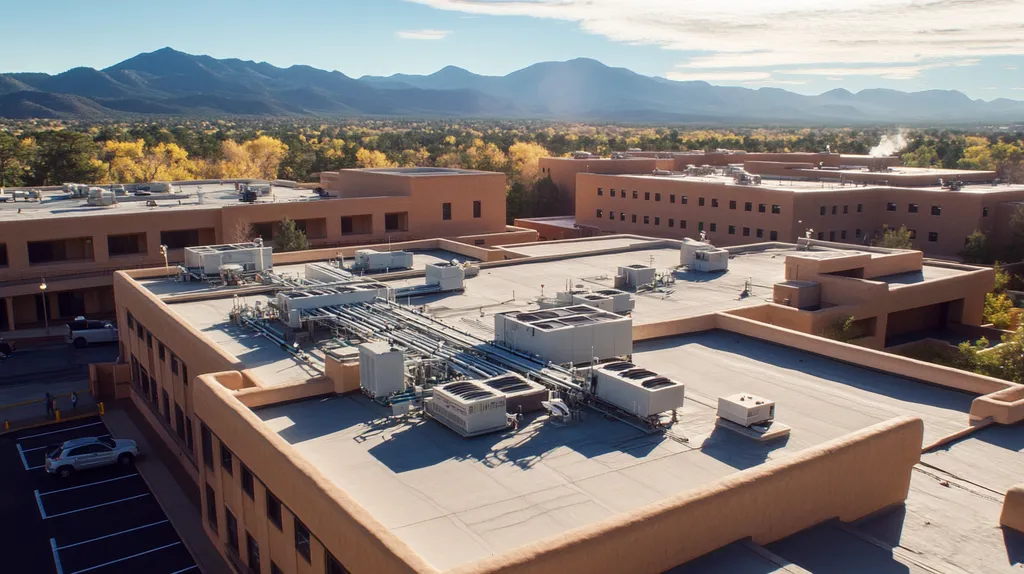
As extreme temperatures continue breaking records, the environmental impact of commercial roofing choices has never been more critical. Today’s roofing materials must balance durability against rising environmental concerns, while still delivering reliable protection in temperatures that regularly exceed 160°F at the roof surface.
Understanding how TPO and PVC materials perform under extreme heat conditions while meeting sustainability goals has become essential for responsible facility management.
Environmental Impact
Thermal expansion from extreme heat places unprecedented stress on roofing materials, directly affecting their environmental footprint. High temperatures can cause roofing materials to expand and contract dramatically, leading to potential structural compromises that shorten service life. (source: Parsons Roof)
TPO membranes offer excellent initial solar reflectance, reducing cooling loads and urban heat island effects. Their manufacturing process requires less energy than PVC production, resulting in a lower carbon footprint during material creation.
PVC production involves more energy-intensive processes and creates potentially harmful byproducts. However, its superior durability in extreme heat conditions means fewer replacement cycles over time, partially offsetting its higher initial environmental impact.
For environmental considerations, TPO claims the ADVANTAGE through its more environmentally friendly production process and excellent solar reflectance properties.
Recyclability and Waste Management
The recyclability of roofing materials becomes increasingly important as environmental regulations tighten and disposal costs rise. Heat-damaged materials often cannot be recycled, making initial material choice critical for waste reduction.
TPO membranes can be fully recycled at end-of-life, though heat damage may compromise this capability. Most manufacturers maintain recycling programs that accept clean TPO materials for processing into new products.
PVC offers limited recyclability, with many heat-damaged sections requiring disposal in landfills. While some specialized recycling programs exist, they are not widely available in all markets.
In terms of recyclability, TPO demonstrates the ADVANTAGE through its superior recycling capabilities and established material recovery programs.
Energy Efficiency Performance
Energy efficiency directly impacts both environmental performance and operating costs. As temperatures rise, the ability of roofing materials to maintain their reflective properties becomes increasingly critical.
TPO maintains excellent reflectivity even under extreme heat conditions, helping reduce cooling costs throughout its service life. This performance characteristic remains stable with proper maintenance and regular cleaning.
PVC systems also provide good reflectivity but may show more deterioration in extreme heat conditions. While still energy efficient, they typically require more maintenance to maintain optimal performance levels.
For energy efficiency considerations, TPO earns the ADVANTAGE through superior long-term reflective performance.
ROUND 5 WINNER: TPO
ROUND 6: SPECIALIZED APPLICATIONS
Rising global temperatures create unprecedented challenges for specialized commercial roofing applications. With surface temperatures regularly exceeding 180°F during summer heat waves, traditional installation approaches and material selections require careful reconsideration. The stakes are particularly high for facilities with unique requirements, where material failure can lead to catastrophic damage and operational disruptions.
Roofing Slope and Drainage
Commercial roofs can experience temperatures exceeding 180°F during summer days, making proper drainage critical to prevent material degradation and structural damage. Thermal shock from rapid temperature changes puts unprecedented stress on drainage systems and membrane integrity. (source: L.A Roofing Materials)
TPO membranes perform adequately on low-slope applications but can become vulnerable at seams and transitions when exposed to prolonged ponding. Their flexibility helps accommodate normal building movement, though extreme heat can accelerate deterioration in areas where water collects.
PVC demonstrates superior resistance to ponding water and maintains better structural integrity under prolonged exposure. Its enhanced chemical stability prevents water absorption and degradation, even in challenging drainage conditions.
For slope and drainage applications, PVC claims the ADVANTAGE through superior water resistance and structural stability.
Mechanical Attachment vs. Fully Adhered Systems
Extreme heat conditions place extraordinary demands on roofing attachment systems. As temperatures cycle between extremes, different attachment methods face varying degrees of stress and potential failure points.
TPO systems commonly utilize mechanical fastening, which can create stress points during thermal expansion and contraction. While this method offers installation efficiency, it may compromise long-term durability in high-heat conditions.
PVC membranes excel with both mechanical and fully adhered installations, offering superior dimensional stability. Their enhanced molecular structure better resists heat-induced movement, reducing strain on attachment points.
In attachment system performance, PVC demonstrates the ADVANTAGE through better thermal stability and attachment versatility.
Exposure Conditions and Additives
Specialized applications often face intense exposure conditions that can rapidly degrade roofing materials. Chemical exposure, UV radiation, and extreme temperature fluctuations create compound stresses that challenge material integrity.
TPO materials rely heavily on protective additives to resist UV degradation and maintain flexibility. While effective initially, these protective properties can diminish over time, particularly in high-heat environments.
PVC membranes feature inherent chemical resistance and UV stability that remain consistent throughout their service life. Their molecular structure provides natural protection against degradation without relying solely on surface treatments.
For exposure resistance, PVC earns the ADVANTAGE through superior inherent protection properties.
ROUND 6 WINNER: PVC
AND THE WINNER IS…
After six grueling rounds of technical evaluation, we have our verdict! With a commanding 4-2 victory, PVC emerges as our heavyweight champion in the battle against extreme heat effects!
PVC dominated the crucial categories of durability, performance, maintenance, and specialized applications, demonstrating superior thermal stability and chemical resistance that consistently outperformed its challenger. Its championship-caliber heat resistance and reduced maintenance requirements make it the undisputed leader for facilities facing extreme temperature challenges.
But don’t count TPO out completely! This scrappy contender proved its worth in initial costs and sustainability credentials, making it a strong choice for projects with tight budgets or aggressive environmental goals in moderate climate conditions.
Remember, folks – every building faces unique challenges in its own local climate arena. Surface temperatures, UV exposure, and regional weather patterns all influence how these materials perform in real-world conditions. While PVC claims the title belt today, property owners should always consult with qualified roofing professionals who can evaluate their specific situation and requirements.
In the high-stakes world of commercial roofing, there’s no substitute for matching your facility’s unique needs to the right material’s strengths. Choose your champion wisely – because when extreme heat steps into the ring, you want the right contender in your corner!
FREQUENTLY ASKED QUESTIONS
Q. What are the initial costs of commercial roof options?
A. TPO roofing systems are generally 15-25% less expensive compared to PVC options. However, cheaper initial costs can lead to higher long-term expenses if the material fails prematurely. It’s important to consider both upfront costs and expected longevity to make an informed decision.
Q. How do heat conditions affect commercial roof durability?
A. Extreme heat can significantly shorten the lifespan of commercial roofs. While TPO holds up to moderate temperatures, PVC is specifically designed to resist thermal degradation, making it a better choice for long-term durability in hot climates.
Q. What performance features matter most for an industrial roof?
A. Key performance features include thermal resistance, UV stability, and repair frequency. Industrial roofs exposed to extreme heat need materials that maintain their structural integrity and require less frequent maintenance to minimize disruption and costs.
Q. How often should I inspect my commercial roof?
A. TPO roofs require quarterly inspections, while PVC roofs can often manage with semi-annual checks. Regular inspections help identify potential weakness before they become larger issues, promoting long-term sustainability and performance.
Q. What are the sustainability benefits of TPO versus PVC roofing?
A. TPO roofing is known for its excellent solar reflectance, lowering cooling costs, and has a lower carbon footprint during production. In contrast, while PVC has higher energy-intensive manufacturing, its longevity helps reduce overall environmental impact over time.
Q. How does drainage impact commercial roof materials?
A. Proper drainage is critical in preventing water pooling, which can degrade roofing materials. PVC membranes are better suited for managing ponding water than TPO, preserving roof integrity and performance, especially in extreme heat conditions.
Q. Can extreme heat affect installation processes for commercial roofs?
A. Yes, high temperatures can adversely affect the quality of installations. TPO installations can suffer from decreased seam strength due to heat, whereas PVC installations remain stable, ensuring better long-term performance under varying temperature conditions.






