

When winter storms strike commercial buildings, emergency roof repairs can cost facilities up to $50,000 per incident and risk catastrophic structural failures. Studies show that 70% of winter roof emergencies could have been prevented through proper preparation and rapid response protocols.
For facility managers, understanding how to handle emergency repairs during freezing conditions is critical for protecting both assets and occupants. This comprehensive guide examines key factors including performance challenges, financial considerations, compliance requirements, and operational procedures.
By following these actionable solutions, managers can minimize emergency repair costs while maintaining safe, functional roofing systems throughout the winter season.
SECTION 1: PERFORMANCE FACTORS
Winter brings unique challenges for commercial roofs, making quick and effective emergency repairs critical. Snow accumulation can reach an astonishing 30 inches in certain areas, putting enormous stress on roofing structures. To uphold the integrity of their buildings, facility managers need to understand how snow, ice, and frigid temperatures affect roofing materials. This section explores essential performance factors, including the influence of snow and ice, the effects of freezing temperatures, and the importance of drainage management.
Impact of Snow and Ice Accumulation
Snow and ice can dramatically compromise a roof’s structural integrity. When accumulation becomes excessive, it can create hazardous conditions, leading to significant strain on the roofing system. Roofs are engineered to withstand designated snow loads, and surpassing this threshold may result in sagging or even total collapse.
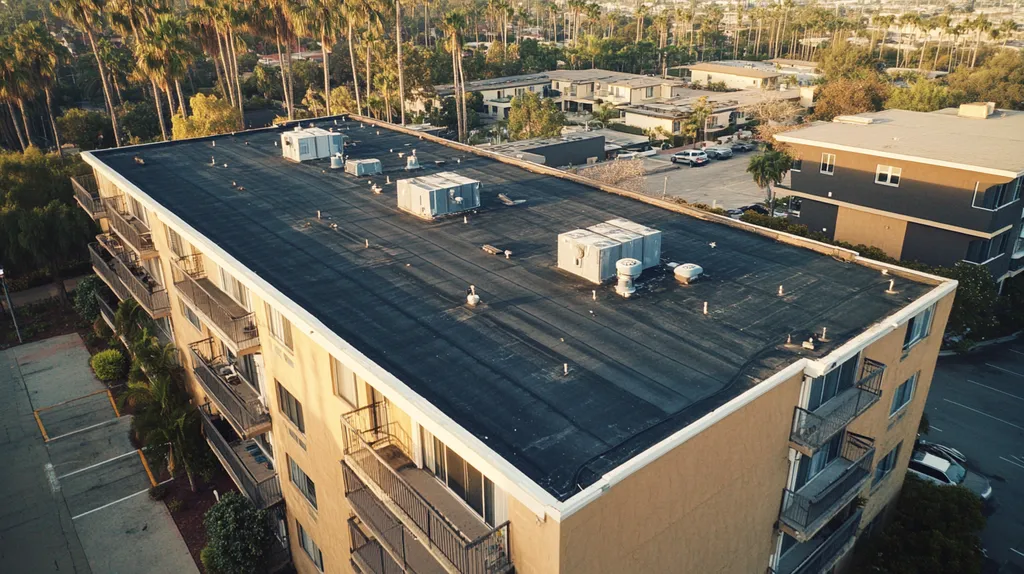
Flat roofs are particularly at risk, as they struggle to shed snow efficiently. This can foster the formation of dangerous ice dams that obstruct drainage systems, trapping melting snow and heightening the risk of leaks and interior damage.
For facility managers, it is crucial to monitor local weather patterns closely. Conducting regular assessments of snow loads and implementing proactive snow removal strategies can avert emergency repairs during winter. Integrating snow management with routine inspections will bolster overall roof performance.
Key Action Items
Effects of Freezing Temperatures on Materials
Freezing temperatures can wreak havoc on roofing materials. Many roofs, particularly those made from asphalt, become brittle in extreme cold, heightening the risk of cracking and breaks that can result in substantial leaks.
Moreover, fluctuating temperatures during winter can further exacerbate these issues. The constant expansion and contraction of materials create stress points, which can weaken the overall roofing structure over time.
Facility managers must prioritize the selection of roofing materials that can withstand winter conditions. Choosing materials that retain their elasticity in extreme cold is essential. Conducting regular evaluations of the roof can help identify damage linked to freezing before it escalates into major repairs.
Key Action Items
Drainage and Water Pooling Issues
Effective drainage is essential to prevent water pooling on the roof surface, especially after snow and ice melt. When standing water accumulates, it can lead to significant damage if not properly managed. Poor drainage causes water to collect in low-lying areas, increasing the possibility of leaks and long-term roof deterioration.
Ice can also obstruct gutters and downspouts, exacerbating drainage issues. This blockage can lead to overflow, which poses risks to both the roof’s integrity and the building itself. Regular inspections of drainage systems are crucial for ongoing maintenance.
Facility managers should ensure that all roof penetrations and flashings are free of debris. Keeping clear pathways for meltwater reduces the likelihood of pooling. Establishing a routine clearing process will enhance drainage efficiency throughout the winter months.
Key Action Items
SECTION 2: FINANCIAL CONSIDERATIONS
The financial implications of emergency roof repairs during winter can be significant. Property owners frequently face steep costs when severe weather causes rapid damage to roofing systems. Ignoring preventive maintenance can lead to repair expenses that surpass regular upkeep budgets by up to 50%. For facility managers, grasping these financial factors is crucial for making sound decisions, managing budgets effectively, and reducing financial risks.
Cost of Emergency Repairs vs. Preventive Maintenance
Emergency repairs often come with a hefty price tag, particularly during winter when contractor demand peaks. For example, a leaking roof may necessitate immediate repairs costing thousands, while a consistent maintenance routine could resolve the issue at a fraction of the cost. Regular maintenance, consisting of scheduled inspections and minor fixes, generally costs less than 10% of potential emergency expenses.
Investing in preventive measures extends the lifespan of roofing systems and enhances budget predictability. By proactively tackling potential issues before winter sets in, facility managers can avoid the higher costs associated with emergency repairs during peak demand seasons. This strategy leads to improved cash flow management and smarter financial planning.
The benefits of preventive maintenance reach beyond immediate cost savings. Well-maintained roofs minimize operational disruptions caused by leaks or failures, safeguarding revenue streams. Ultimately, the long-term financial rewards of consistent roof maintenance far outweigh the allure of postponing expenditures until an emergency arises.
Key Action Items
Budgeting for Winterization and Repairs
Effective budgeting for winterization and repairs is paramount for facility managers who aim to mitigate risks from severe weather conditions. Identifying specific needs, such as insulating upgrades or improved drainage systems, is essential for forming a comprehensive winterization strategy. Allocating funds for these enhancements may prevent significant costs in emergency repairs later on.
Furthermore, analyzing seasonal trends and historical weather data can guide budget planning. For instance, understanding regional snowfall averages may justify proactive investments in roof reinforcements. Adequate budgeting equips facilities to not only handle emergencies but also maintain the structural integrity of their roofs.
Establishing an “emergency fund” within the maintenance budget is also a prudent approach. This reserve can facilitate swift action during winter storms, ensuring that financial plans remain intact. Facilities that prepare in advance can respond efficiently when challenges arise.
Key Action Items
Insurance and Warranty Implications
Understanding insurance coverage and warranty agreements is essential for effective financial planning related to roof repairs. Many facility managers may neglect to review their insurance policies, especially regarding coverage for winter-related damages. Some policies may exclude certain types of damage, leaving facilities vulnerable in emergencies.
Awareness of the specifics within warranty agreements is equally crucial. Some storm-related damages might not be covered, leading to unexpected costs. Being informed of these limitations enables facility managers to make better decisions concerning roof maintenance and adequate protection against winter weather.
Additionally, proactive maintenance can positively influence insurance premiums. Facilities with strong preventive measures may qualify for discounts, providing further financial motivation to invest in roofing systems. Integrating insurance and warranty considerations into broader financial strategies aids in minimizing risk and fostering long-term financial stability.
Key Action Items

SECTION 3: COMPLIANCE REQUIREMENTS
During winter emergency roof repairs, adherence to compliance regulations is not just crucial—it’s non-negotiable. Property managers must navigate a landscape of building codes, safety standards, and environmental regulations to ensure safe and effective repairs. Failing to comply can lead to not only safety hazards but also potential legal liabilities and costly fines. Understanding these requirements is essential for maintaining accountability and safety in commercial roofing practices.
Building Codes and Regulations
Local building codes dictate the standards for repair and construction of commercial properties. These guidelines ensure that roofs can withstand specific weight limits, safeguarding against collapses due to heavy snowfall. It’s essential for facility managers to regularly check for updates from local building authorities to stay compliant.
Compliance with building codes affects not only the safety of structures but also the efficiency of repair timelines. Engaging with reputable suppliers for materials that meet these regulations prevents future issues and protects warranties. Accurate documentation of all repairs is essential for preserving compliance and defending against potential legal challenges.
Key Action Items
Safety Standards for Roof Access
Safety during roof access is vital, especially in winter. Adhering to safety standards requires implementing fall protection systems and ensuring safe paths for workers. Developing a solid safety plan helps minimize the risk of accidents, which are particularly common in icy conditions.
Facilities must comply with OSHA regulations by installing features like guardrails and personal fall arrest systems. Additionally, regular training and safety drills equip employees to handle emergencies effectively. Prioritizing safety not only protects workers but also fulfills compliance requirements that support a productive repair process.
Key Action Items
Environmental and Health Regulations
Understanding environmental regulations is crucial for any roofing project, especially in winter. These regulations cover the use and disposal of potentially hazardous materials, like sealants. Following these guidelines helps prevent environmental damage and avoids financial penalties.
Proper waste management is also vital. Facilities must ensure that discarded materials comply with environmental standards to protect public health. Moreover, facility managers should assess the impact of heating systems used during winter on indoor air quality, ensuring compliance with health regulations.
Staying informed about local, state, and federal environmental policies demonstrates a commitment to sustainability and enhances a company’s reputation. Proactive compliance helps mitigate risks and promotes responsible roofing practices.
Key Action Items
SECTION 4: RISK MANAGEMENT
Winter introduces substantial risks to commercial roofs, where the potential for structural failures can lead to repair costs soaring into the tens of thousands. Facility managers need to act swiftly to pinpoint hazards before they escalate into serious problems. The challenges of heavy snow accumulation and ice dam formation emphasize the necessity of a thorough risk management strategy. This section highlights the importance of identifying potential hazards, assessing structural integrity, and mitigating winter-related risks.
Identifying Potential Hazards and Weak Points
Identifying potential hazards is vital for facility managers during winter. Snow and ice can stack up in unexpected areas, putting immense stress on roofs. For instance, flat roofs are more prone to water pooling, often indicating drainage problems and structural weaknesses.
Hidden issues can go unnoticed until they cause significant damage. Regular inspections help uncover trouble areas, such as compromised flashing or deteriorating roofing materials. This proactive approach enables facility managers to fix weaknesses before they lead to larger, costly repairs.
It’s also essential to consider environmental risks, like tree branches that might fall during snowstorms. Regular tree pruning mitigates this hazard, safeguarding the building. By staying vigilant, managers can significantly lower the odds of needing emergency repairs.
Key Action Items
Assessing Structural Integrity and Stability
Assessing a roof’s structural integrity is essential to safeguard against catastrophic failures during winter. Experts recommend conducting a thorough roof evaluation as the season begins. This should include checking load-bearing components and making sure the roof is designed to handle heavy snow loads.
For example, roofs should have a proper slope to facilitate the runoff of snow and water. Roofs with insufficient slope may trap snow, increasing weight and heightening the risk of collapse. Engaging a reliable roofing contractor to conduct load assessments based on local weather patterns provides valuable insights.
Additionally, inspecting roof materials, such as membranes and seams, is vital. Any deterioration can increase vulnerability to leaks during melting and refreezing cycles. Consistent assessments and immediate repairs prevent further damage and protect building assets.
Key Action Items
Mitigating Ice Dam and Leak Risks
Ice dams are a serious concern in winter, often resulting in leaks and water damage within buildings. These formations occur when heat escapes from the building, melting the snow on the roof. As the water runs down and refreezes at the edge, ice dams block proper drainage.
To combat this risk, facility managers must ensure adequate insulation and ventilation. Proper insulation keeps heat contained, while sufficient ventilation helps maintain consistent roof temperatures. This combination prevents snow from melting too quickly.
Regular maintenance of gutters is also essential. Clogged gutters can worsen ice dam issues by obstructing water flow from the roof. Keeping gutters clear fosters better drainage during thaw cycles.
Key Action Items
SECTION 5: OPERATIONAL PROCEDURES
Winter poses serious risks to commercial roofs due to the weight of snow and the formation of ice. In some regions, a single snowstorm can deposit hundreds of pounds onto a roof, potentially leading to structural failures. For facility managers, implementing effective operational procedures is essential to maintain roof integrity and avoid costly emergency repairs. This section highlights the key tasks of routine inspections, regular gutter maintenance, and a robust snow management plan.
Scheduling and Conducting Roof Inspections
Regular inspections are vital for safeguarding commercial roofs during winter. Scheduling assessments before and after major weather events allows for early detection of potential issues. It’s important for facility managers to document these inspections to monitor the roof’s condition and identify trends over time.
Inspections should concentrate on critical areas such as seams, flashing, and roof penetrations. Inspectors must also assess insulation and look for any signs of water intrusion. Taking a proactive stance can help prevent minor issues from escalating into major repairs.
Establishing a routine inspection schedule—ideally on a monthly basis—ensures consistent monitoring of roof conditions. Following up with a reputable roofing contractor for in-depth evaluations adds professional insights into necessary repairs.
Key Action Items
Cleaning and Maintaining Gutters and Downspouts
Clogged gutters and downspouts can lead to significant water pooling on roofs, which increases the risk of leaks and structural issues. Therefore, facility managers should prioritize the regular cleaning of these drainage systems, particularly before the winter season begins.
Creating a set maintenance schedule for gutter cleaning can streamline this essential task. Managers should ensure that any debris, leaves, and ice are cleared out to promote proper drainage. Regular inspections also allow for early detection of signs of wear or potential damage.
Frozen gutters can worsen water drainage problems, so implementing measures like heat cables may prevent ice build-up and maintain clear drainage paths. A focused effort on gutter maintenance ultimately helps protect the entire roof system and extends its life.
Key Action Items
Implementing Snow Removal and Management Plans
Rapid snow accumulation on commercial roofs poses a serious threat to both structural integrity and safety. Thus, it is critical for facility managers to devise a comprehensive snow removal strategy well before winter hits.
These protocols should specify safe methods and schedules for removing snow effectively. Hiring expert snow removal services that possess the proper equipment and experience can enhance safety and efficiency during snowstorms.
Training in-house staff on safe snow removal techniques boosts both efficiency and safety. Depending on the situation, blending shoveled snow, snow rakes, and mechanical removal methods may be necessary for optimal results.
Proactive monitoring of weather forecasts enables facility managers to prepare for significant snowfall, helping to prevent overburdening the roof and minimizing the need for emergency repairs.
Key Action Items
SECTION 5: OPERATIONAL PROCEDURES
Winter imposes serious risks on commercial roofs, where heavy snow and ice can significantly compromise structural integrity. A single snowstorm might add hundreds of pounds of weight, potentially leading to catastrophic failures. Therefore, facility managers must adopt effective operational procedures to maintain roof integrity and prevent costly emergency repairs. This section highlights critical actions: routine inspections, maintaining drainage systems, and formulating a snow management plan.
Scheduling and Conducting Roof Inspections
Regular roof inspections are a must during the winter months. Scheduling these assessments before and after significant weather events ensures that potential issues are identified early. Facility managers should carefully document each inspection to track the roof’s condition over time for informed decision-making.
Key areas of focus during inspections include seams, flashing, and roof penetrations. Inspectors must also evaluate insulation and check for any signs of water intrusion. Being proactive about identifying vulnerabilities can prevent minor issues from escalating into costly repairs.
Establishing a routine inspection schedule—ideally every month—ensures prompt monitoring. Additionally, collaborating with a certified roofing contractor for comprehensive assessments enriches the evaluation process with expert insights. Taking quick action on identified issues is critical to extending the roof’s lifespan and avoiding significant expenses later.
Key Action Items
Cleaning and Maintaining Gutters and Downspouts
Clogged gutters and downspouts significantly increase the risk of water pooling on roofs, heightening the potential for leaks and structural damage. Therefore, facility managers should prioritize regular cleaning of these critical drainage systems, particularly before winter weather arrives.
Creating a maintenance schedule for gutter cleanings helps automate this crucial task. Facility managers should ensure that all debris, leaves, and ice are regularly removed to support proper drainage. Furthermore, routinely inspecting gutter systems aids in early detection of wear or damage.
Frozen gutters can exacerbate drainage problems, making it beneficial to implement proactive measures like heat cables. These cables help to prevent ice formation and maintain clear drainage pathways. A strong focus on gutter maintenance is essential for mitigating water damage risks and prolonging the lifespan of both the roof and its supporting structures.
Key Action Items
Implementing Snow Removal and Management Plans
Snow accumulation can escalate rapidly, posing threats to both structural integrity and safety. Thus, facility managers must develop a comprehensive snow removal plan well in advance of winter.
Establishing robust snow removal protocols includes defining safe methods and timelines for effective snow clearance. This plan may require hiring professional snow removal services equipped with the necessary tools and expertise to manage these tasks efficiently.
Additionally, training in-house staff on safe snow removal techniques enhances both efficiency and safety. Employing a mix of shoveling, snow rakes, and mechanical removal methods may prove necessary to adapt to varying conditions.
Moreover, monitoring weather forecasts will help facility managers prepare for significant snowfall events. Proactive snow management strategies play a crucial role in preventing excessive load on roofs and mitigating the need for emergency repairs.
Key Action Items
The Bottom Line
With winter storms causing up to $50,000 in emergency roof repairs and threatening catastrophic structural failures, facility managers cannot afford to ignore proper preparation and rapid response protocols.
Studies consistently show that 70% of winter roofing emergencies could be prevented through systematic maintenance and monitoring.
The key to minimizing winter repair costs lies in implementing comprehensive inspection schedules, maintaining clear drainage systems, and developing snow load management strategies before severe weather strikes.
As extreme winter weather events become more frequent, facilities must prioritize preventive maintenance, regulatory compliance, and risk mitigation to protect both assets and occupants.
By following established operational procedures and maintaining adequate emergency response plans, facility managers can significantly reduce repair costs while ensuring safe, functional roofing systems throughout the winter season.
FREQUENTLY ASKED QUESTIONS
Q. How does snow and ice impact commercial roofs?
A. Snow and ice can severely weaken the structural integrity of roofs. Excess accumulation may lead to sagging or even collapse, posing risks to safety and property.
Q. What are the costs associated with emergency repairs on an industrial roof?
A. Emergency repairs can be significantly more expensive than preventive maintenance, potentially exceeding your regular budget by 50%. Regular upkeep helps avoid these surprise expenses.
Q. Are there compliance regulations for commercial roof repairs in winter?
A. Yes, adherence to local building codes and safety standards is crucial during winter repairs. Compliance helps prevent legal issues and ensures worker safety.
Q. How can I mitigate risks associated with winter on my commercial roof?
A. Regular inspections and assessments help identify weaknesses and hazards. Taking proactive measures reduces the likelihood of significant damage or emergency repairs.
Q. What operational procedures should I implement for winter roof maintenance?
A. Implement routine inspections, maintain drainage systems, and formulate a snow management plan to preserve roof integrity and prevent costly emergency situations.
Q. How often should I inspect my commercial roof during winter?
A. Monthly inspections are recommended, focusing on critical areas to catch potential issues early. Regular monitoring helps maintain the roof’s condition over time.
Q. What additional precautions should I consider for industrial roofs in winter?
A. Consider installing insulation to reduce heat loss and using heat cables to prevent ice buildup. These precautions help maintain roof integrity and minimize risks during severe weather.






