

Ineffective cable maintenance threatens the $84 billion commercial solar industry, with studies showing that 30% of system failures stem from preventable cable issues. These failures cost property owners millions in repairs and lost energy production annually.
Despite increasing solar adoption on commercial buildings, widespread misconceptions about cable management continue to put investments at risk. From UV degradation to improper routing, these issues compromise system efficiency and safety.
This article examines the true cost of cable maintenance myths while providing evidence-based solutions for property owners and facility managers to protect their solar investments.
SECTION 1: COMMON MISCONCEPTIONS
Maintaining cables connected to solar systems on commercial roofs is often misunderstood, posing serious financial risks. Research indicates that nearly 30% of solar installations experience cable-related failures, which can result in costly downtime and repairs. It’s vital for property owners and facility managers to clear up these common misconceptions about cable maintenance, which is essential for safeguarding their investment and maximizing the efficiency of their solar systems.
Ignoring Cable Routing Best Practices
One widespread misconception is that the placement of cables doesn’t matter as long as connections are made correctly. In fact, improper cable routing can create serious problems, such as undue wear, overheating, and even short circuits. For example, cables that aren’t properly secured may chafe against rough surfaces, which can compromise their integrity over time.
Cables need to follow designated paths that facilitate airflow and avoid sharp edges. When routed haphazardly, they are prone to tangling or compression, which can cause failures. Following manufacturer guidelines during installation and maintenance is crucial to prevent these issues.
Regular audits of cable routes can reveal potential hazards. Facilities that overlook this important practice may encounter unexpected maintenance costs and significant production losses due to system downtime. Ensuring proper cable routing is vital for enhancing overall system reliability.
Therefore, it is essential for commercial roofing professionals to train their teams on effective cable routing techniques. Addressing this misconception not only safeguards the solar investment but also optimizes performance throughout the system’s lifespan.
Overlooking Environmental Factors
Another significant misunderstanding is the belief that cables are resistant to environmental influences. In reality, harsh weather conditions can drastically shorten the lifespan of solar cables. For instance, UV radiation can lead to the breakdown of insulation materials over time, making cables susceptible to failure.
Furthermore, moisture exposure can lead to corrosion if cables lack sufficient protection. Properties near coastal areas are particularly at risk, as saltwater can accelerate the deterioration of cable materials. Acknowledging these challenges enables property managers to develop more effective maintenance strategies.
Conducting regular assessments of cable conditions in relation to environmental exposure is critical. For example, in areas with extreme temperatures or high humidity, specialized cable management products can provide enhanced protection. Such a proactive approach can significantly reduce emergency repair costs.
Facilities should also consider installing protective coverings or conduits. These not only shield cables from direct environmental threats but also simplify maintenance in the future. Being aware of environmental impacts can greatly lessen long-term expenses.
Misusing Cable Management Products
Effective cable management is often hindered by the incorrect use of products designed to protect and organize cables. A common misconception is that any cable management solution will do. However, using inappropriate products can lead to inadequate support and increased chances of failure.
Cable ties are a common tool but can pose problems if overused, creating stress points on cables. Optimal performance requires appropriate spacing and securing techniques. Using low-quality materials may leave cables vulnerable to environmental hazards, resulting in premature wear.
Additionally, some facilities neglect proper labeling and identification of cables. This practice is crucial for effective troubleshooting and maintenance. Insufficient documentation can result in costly errors during repairs and exacerbate issues over time.
To maximize the effectiveness of cable management systems, facility managers should invest in high-quality products tailored to the specific needs of their solar setups. Informed decisions regarding cable management can significantly minimize risk, ultimately leading to a more reliable solar investment.
SECTION 2: PRACTICAL IMPLICATIONS
Maintaining cables connected to solar systems on commercial roofs is crucial not only for operational efficiency but also for financial stability. Poorly maintained cables can lead to significant electrical faults that result in unplanned downtime and costly repairs. Property owners and facility managers must recognize the severe impacts these issues can have on both the roof’s integrity and the performance of solar installations.
Increased Risk of Electrical Faults
Electrical faults pose one of the most significant risks linked to improper solar cable maintenance. Over time, exposure to the elements can cause cables to fray or sustain damage. This increases the likelihood of short circuits, which not only reduce system performance but also create potential fire hazards.
Conducting regular inspections is vital for catching early signs of wear. A proactive maintenance approach helps prevent electrical issues, protecting property owners from legal liabilities and expensive repairs. Cables that are neglected can fail unexpectedly, leading to extensive damage to other vital components of the solar system.
When electrical faults occur, system alerts may trigger, requiring immediate attention. Such incidents divert facility management resources from other critical tasks. Therefore, establishing a thorough cable maintenance schedule is essential for ensuring both safety and operational efficiency.
In conclusion, the risk of electrical faults associated with inadequate cable maintenance can seriously jeopardize the overall safety of the facility, highlighting the need for immediate action by property owners.
Reduced System Efficiency and Lifespan
Failure to maintain cables can significantly compromise both the efficiency and lifespan of solar systems. Poorly maintained cables may hinder energy transfer from solar panels to inverters, leading to decreased energy output. For commercial properties, this inefficiency directly translates to reduced returns on investment.
Even minor cable damage can result in energy losses that add up over time. Research indicates that neglected solar installations can experience efficiency drops of up to 20%. This inefficiency negatively impacts energy costs and the financial viability of ongoing energy initiatives.
The condition of solar cables is directly linked to the longevity of the systems they support. Cables that receive regular maintenance can extend the lifespan of solar equipment by multiple years, maximizing initial investments in solar technology.
Ultimately, the consequences of reduced efficiency and lifespan due to improper cable maintenance translate into increased operational costs. Facility managers should prioritize cable maintenance to ensure the optimal functioning and durability of solar systems.
Compromised Roof and Panel Integrity
Poorly maintained cables can jeopardize the physical integrity of both roofs and solar panels. Loose or improperly secured cables can abrade roofing membranes, potentially leading to leaks that threaten the building’s structure.
As roofing materials degrade, the likelihood of water intrusion grows, resulting in costly repairs and disruptions for tenants. The long-lasting consequences of roof damage can far outweigh the perceived savings from neglecting maintenance.
Additionally, solar panels themselves can suffer from inadequate cable management. Cables that are incorrectly routed or left hanging can create stress points on the panels, which may lead to cracks or complete breakage. Repairing or replacing damaged panels incurs steep costs and interrupts energy production.
In summary, neglecting cable maintenance can lead to a series of expensive consequences, underscoring the importance of safeguarding cable integrity to protect both the roof and the installed solar systems.
SECTION 3: COST OF MISINFORMATION
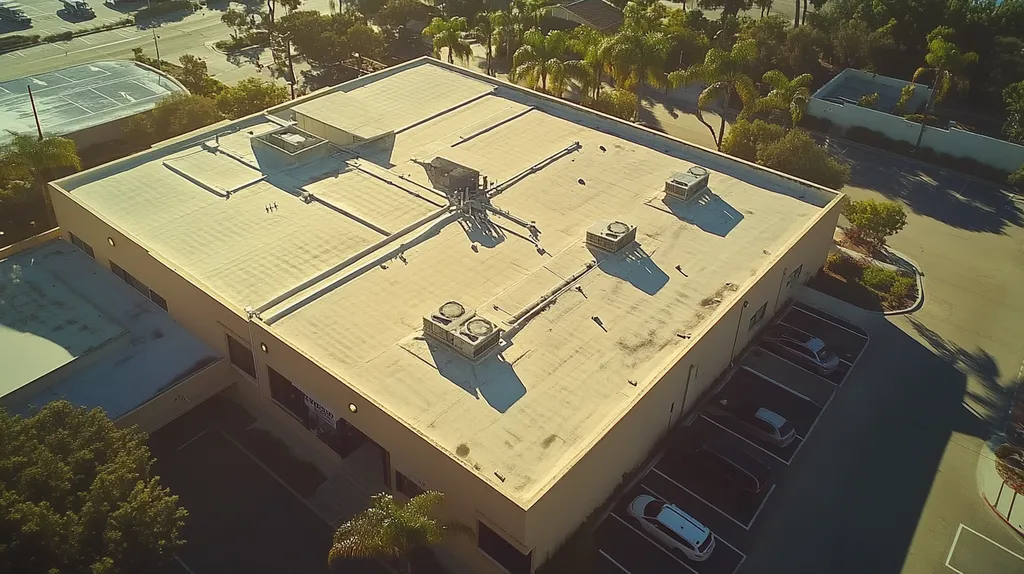
The consequences of misinformation about cable maintenance for solar systems on commercial roofs can be severe. Misunderstandings and inaccuracies can lead property owners to face higher maintenance costs and substantial energy losses. Research shows that ignoring proper cable inspections can inflate repair expenses by as much as 30%. Understanding these true costs is essential for making informed decisions that affect budgets, safety, and overall operational efficiency.
Higher Maintenance and Repair Costs
Relying on misleading information regarding cable upkeep can inflate maintenance expenses. Regular inspections are crucial; without them, minor issues can snowball into large, expensive repairs. For instance, a cable that suffers damage without prompt attention can lead to a system breakdown, incurring hefty replacement costs.
Moreover, improper installation or maintenance practices can accelerate wear and tear on cables. This often results in property owners replacing entire systems sooner than anticipated, nullifying any initial savings gained from neglecting maintenance. Ignorance can erode budgetary allocations for other necessary operating expenses.
Many stakeholders also underestimate the importance of using quality materials, opting instead for cheaper alternatives. While saving money upfront might seem appealing, this decision can result in costly and unanticipated maintenance challenges later on. The financial impact of misinformation can compound over time, straining the overall budget.
In summary, failing to understand the actual cost implications surrounding cable maintenance can lead to a cycle of escalating expenses that burden property owners and managers.
Loss of Energy Production and Revenue
Misinformation about cable maintenance can directly impact energy production levels from solar systems. Poorly maintained or damaged cables can obstruct energy flow, causing financial losses for property owners. A single damaged cable can reduce production by up to 30%, translating into thousands of dollars in lost revenue.
Energy efficiency is crucial for commercial properties designed to maximize solar investment returns. Neglected cables often lead to decreased energy output, which can subsequently increase utility expenses. Therefore, any drop in efficiency undermines the financial benefits of solar installations.
Understanding the critical role of cable maintenance is essential for long-term, sustainable energy strategies. Regular inspections and informed maintenance practices allow solar systems to operate efficiently, directly correlating to more consistent revenues for property owners. Ignoring these issues equates to leaving potential profits uncapitalized.
In the competitive commercial landscape, every kilowatt hour matters. Property owners must prioritize accurate cable maintenance to ensure the most significant benefits from their solar investments.
Potential Safety Hazards and Liabilities
Misconceptions regarding cable maintenance can introduce serious safety risks that often go unrecognized. Damaged or inadequate cables can lead to electrical shocks, fires, or equipment failures, putting the well-being of employees and visitors at risk. What was intended as a green energy solution could unwittingly transform into a hazardous liability.
Failure to address safety hazards due to misinformation can have serious repercussions. Property owners may face lawsuits, elevated insurance premiums, and regulatory fines if safety standards are compromised. Neglecting proven maintenance practices endangers individuals and the entire organization.
Facilities managers must prioritize education on the importance of proper cable maintenance. A thorough understanding promotes routine inspections that can drastically lower risks, thus creating a safer work environment.
In conclusion, the costs of misinformation about cable maintenance extend beyond financial implications. The potential for dangerous situations necessitates a proactive approach to risk mitigation, ensuring both safety and the protection of property investments.
SECTION 4: REALITY CHECK
Proper cable management on commercial roofs is critical to the longevity and safety of solar systems. Poor cable handling can lead to costly repairs, reduced efficiency, and serious safety risks. Statistics reveal that over 30% of solar system failures stem from cable-related issues, emphasizing the urgent need for diligent cable maintenance. This section addresses the importance of effective cable management, the negative impact of environmental factors, and the necessity for regular inspections.
Importance of Proper Cable Management
Proper cable management is essential for the operational efficiency of solar systems. Cables must be organized and secured to minimize wear and tear. Untidy or loose cables are more vulnerable to damage caused by wind, debris, or human activity on the roof.
Failure to manage cables effectively can lead to compromised electrical connections, decreasing energy production. This directly impacts the financial returns on solar investments, as systems with subpar performance produce less energy.
Additionally, organized cable management contributes to the safety of maintenance personnel. Poorly routed cables can create tripping hazards during service or inspections.
By prioritizing proper cable management practices, property owners can enhance the reliability and safety of their solar systems, ensuring optimal performance throughout their lifespan.
Impact of UV and Extreme Temperatures
Cables on commercial roofs face ongoing exposure to harsh environmental conditions, particularly UV radiation and extreme temperature fluctuations. UV exposure can deteriorate cable insulation, leading to potential failures and safety hazards over time.
Extreme heat can cause cables to expand and contract, introducing mechanical stress at connection points. This stress can cause intermittent faults or irreversible damage to the system.
Studies indicate that cables can suffer efficiency losses of up to 20% when their insulation is compromised by UV light. As a result, selecting UV-resistant cables and implementing protective measures, such as conduits or covers, is critical to mitigating these risks.
Regular inspection and timely replacement of worn or damaged cables are crucial to maintaining system integrity and avoiding costly downtime.
Need for Regular Cable Inspections
Routine cable inspections are a vital aspect of solar system maintenance. Without regular checks, property owners face the risk of overlooking potential issues that could impact system performance.
Inspections allow for the detection of common problems, such as frayed cables, loose connections, or corrosion, all of which can adversely affect solar energy generation. Catching these issues early can prevent them from escalating into major system failures.
It is recommended that inspections occur biannually or following significant weather events. This proactive approach enables maintenance teams to address issues swiftly, reducing both performance losses and repair costs.
In summary, regular inspections not only prolong the lifespan of solar systems but also safeguard the investment made by property owners.
SECTION 5: EVIDENCE-BASED ALTERNATIVES
As solar installations become increasingly common on commercial roofs, emphasizing reliable cable management has become essential. Inadequate cable management can not only diminish system performance but also result in costly repairs and safety liabilities. By adopting evidence-based alternatives, property owners can enhance the durability and efficiency of their solar systems. This section explores practical strategies such as using UV-stabilized cable ties, implementing integrated grounding systems, and customizing cable management solutions.
Using UV-Stabilised Cable Ties and Clips
Implementing UV-stabilized cable ties and clips can greatly strengthen the durability of solar cable installations. Traditional cable ties can degrade under prolonged exposure to sunlight, leading to failures over time. By using UV-stabilized alternatives, cables remain secure and intact even in harsh, sun-drenched environments.
These specialized ties are designed to withstand temperature fluctuations, which is vital for commercial roofs where temperatures can vary widely. This investment minimizes the need for frequent replacements, ultimately reducing maintenance and operational costs.
Moreover, UV-stabilized cable management tools elevate the overall presentation of solar arrays. A clean, organized installation is not just aesthetically pleasing; it also reduces the likelihood of accidents caused by loose or sagging cables. Compliance with safety standards is essential for risk management in commercial buildings.
In summary, prioritizing UV-stabilized cable ties and clips is a critical best practice in any solar roofing project. Such components are essential for ensuring the longevity and functionality of solar installations.
Implementing Integrated Grounding Systems
Integrated grounding systems are crucial for enhancing the safety of solar installations on commercial roofs. These systems protect solar arrays and the roof itself from electrical surges that may result from lightning strikes or equipment failures. For instance, a robust grounding system can significantly reduce the risk of costly damage, particularly in areas prone to severe weather.
Additionally, having grounding features built directly into the cable management setup simplifies the installation process. This approach can lower labor costs and the time needed for the installation of separate grounding systems. The holistic method improves reliability while streamlining future maintenance efforts.
Compliance with local regulations is another important advantage of integrated grounding systems. Many codes require specific grounding practices for solar installations to mitigate electrical hazards. Implementing these systems not only ensures adherence to legal requirements but also protects the property owner’s investment.
Therefore, integrated grounding systems serve as a proactive strategy against electrical risks on commercial roofs, ensuring improved safety and efficiency.
Utilizing Customized Cable Management Solutions
Customized cable management solutions play a vital role in extending the lifespan and efficiency of solar installations. Generic cable management products may not suit the unique layouts often found on commercial roofs. By creating tailored systems, facility managers can ensure that cables are properly routed, supported, and safeguarded against environmental damage.
For example, custom trays and conduits can be designed to accommodate specific roof configurations, minimizing cable exposure to harmful UV rays and physical stress. This approach not only enhances cable longevity but also optimizes the performance of the entire solar system, potentially improving energy output.
Moreover, tailored cable management solutions facilitate maintenance and troubleshooting. When cables are organized and accessible, technicians can quickly identify problems, thereby reducing downtime during repairs. This efficiency is crucial for maximizing energy production and meeting service contract obligations.
In conclusion, deploying customized cable management solutions is an essential strategy for commercial property owners looking to optimize their solar systems. This focused approach improves functionality, safety, and maintenance outcomes, making it a top priority for effective solar installation management.
SECTION 6: TEST AND VERIFY
Ensuring the integrity of cables connected to solar systems on commercial roofs is vital for operational efficiency and safety. Alarmingly, approximately 30% of solar system failures stem from faulty wiring and connections. Regular testing and verification are essential not just for extending the lifespan of solar installations, but also for preventing costly downtime and repairs. This section will explore the significance of conducting regular cable inspections, testing for electrical integrity, and documenting maintenance data.
Conducting Regular Cable Inspections
Regular cable inspections are fundamental to ensuring the long-term effectiveness of solar systems. These inspections should include visual checks for wear, damage, and environmental factors affecting cables. A quarterly inspection schedule allows property owners to identify potential issues before they escalate, thereby minimizing liabilities.
Cable inspections conducted during routine maintenance can prevent serious electrical hazards. Common issues like frayed insulation and loose connections can lead to shorts and energy losses. A comprehensive inspection process encompasses checking cable pathways, junction boxes, and connections.
Incorporating infrared thermography into the inspection process can significantly improve the detection of hot spots, indicating poor connections. This method allows facility managers to identify problems that may not be visible to the naked eye. Early detection through regular inspections translates to reduced repair costs and a safer operational environment.
To enhance the effectiveness of inspections, property managers should maintain a detailed log of findings. Documenting each inspection’s results helps track wear patterns and identifies recurring issues. This data enables future inspections to concentrate on high-risk areas and proactively address concerns.
Testing for Electrical Integrity
Implementing regular tests for electrical integrity is crucial for maintaining solar system cables. Utilizing megger tests can uncover insulation failures that jeopardize the safety and efficiency of electrical systems. This proactive approach allows facility managers to assess the overall health of the wiring before issues emerge.
Additionally, conducting routine performance testing enables the measurement of voltage output and current flow across connections. This data is vital for confirming that energy losses are minimized. Continuous monitoring of these factors allows for the swift identification and resolution of potential issues.
Documenting electrical performance is also essential. Creating a record of test results empowers management to recognize patterns and address recurring concerns. By tracking these details, overall system performance can be optimized, informing future upgrades or repairs.
A proactive stance on electrical testing can significantly reduce the risk of costly operational failures. By investing time and resources into regular testing, property managers ensure their solar systems operate at peak efficiency, ultimately benefiting the bottom line.
Documenting and Analyzing Maintenance Data
Documenting and analyzing maintenance data is critical for informed decision-making. Using a centralized system to record all inspection and testing outcomes simplifies solar system management. This ensures that key information is readily accessible for review and future planning.
Data analysis can reveal trends that may indicate underlying problems. By examining historical data closely, facility managers can make strategic decisions to preempt system failures. Such proactive measures can lead to significant savings on repairs and improved system reliability.
Moreover, employing software tools to track maintenance schedules enhances operational efficiency. These tools can automate reminders for inspections and testing, ensuring that no critical maintenance task is overlooked. Digitizing the process allows property owners to stay ahead of any potential issues.
Lastly, sharing maintenance data with stakeholders fosters transparency and accountability. This is particularly valuable when negotiating contracts or demonstrating compliance with regulatory requirements. A well-maintained record of activities also aids in securing warranties and insurance claims.
The Bottom Line
With 30% of solar system failures linked directly to preventable cable issues, the commercial solar industry faces mounting pressure to address maintenance misconceptions that cost property owners millions annually.
Evidence shows that implementing proper cable management protocols, including UV-stabilized components and regular testing, can extend system life by 5-10 years while maintaining peak efficiency.
The financial stakes are clear: neglected cable maintenance leads to an average 20% decrease in energy production and up to $50,000 in emergency repairs per incident.
As commercial solar adoption continues to grow, property owners must prioritize evidence-based cable maintenance strategies to protect their investments and ensure optimal system performance.
The future of commercial solar depends on replacing outdated practices with proven maintenance protocols that maximize both safety and returns.
FREQUENTLY ASKED QUESTIONS
Q. What are common misconceptions about commercial roofs and cable maintenance?
A. One major misconception is that cable placement does not impact system performance. In reality, improper cable routing can lead to wear, overheating, and potential failures. Ensuring cables are securely routed and avoiding sharp edges is crucial for maintaining cable integrity over time.
Q. How does inadequate cable maintenance affect the efficiency of commercial roofs?
A. Poor cable maintenance can hinder energy transfer from solar panels to inverters, lessening energy output. Even minor cable damage can result in efficiency losses, affecting energy costs and the overall financial returns on solar investments in commercial properties.
Q. What are the financial implications of misinformation regarding industrial roof cable maintenance?
A. Misinformation can lead to inflated maintenance expenses as minor issues escalate into larger repairs. Additionally, property owners may unknowingly use low-quality materials, increasing long-term maintenance challenges and financial burdens when dealing with cable failures.
Q. Why is regular cable inspection vital for solar systems on commercial roofs?
A. Regular cable inspections help detect wear, damage, or environmental hazards before they escalate. This proactive maintenance prevents costly downtimes and enhances safety by addressing issues like frayed cables or loose connections, thereby prolonging system lifespan.
Q. What are evidence-based alternatives for improving cable management on commercial roofs?
A. Employing UV-stabilized cable ties and implementing integrated grounding systems enhance durability and safety. Customized cable management solutions can also ensure cables are optimally routed, reducing exposure to damage and increasing overall system performance throughout their lifespan.
Q. How does electrical integrity testing benefit solar systems on commercial roofs?
A. Electrical integrity testing identifies insulation failures and poor connections that could jeopardize safety and efficiency. By measuring voltage output and current flow regularly, property managers can detect issues early, optimizing system performance and preventing costly operational failures.
Q. What role does documentation play in cable maintenance management?
A. Documenting maintenance data provides essential insights for decision-making, helps track wear patterns, and identifies recurring issues. A centralized system keeps records accessible for review and planning, fostering transparency and aiding in warranty and insurance claims.






