
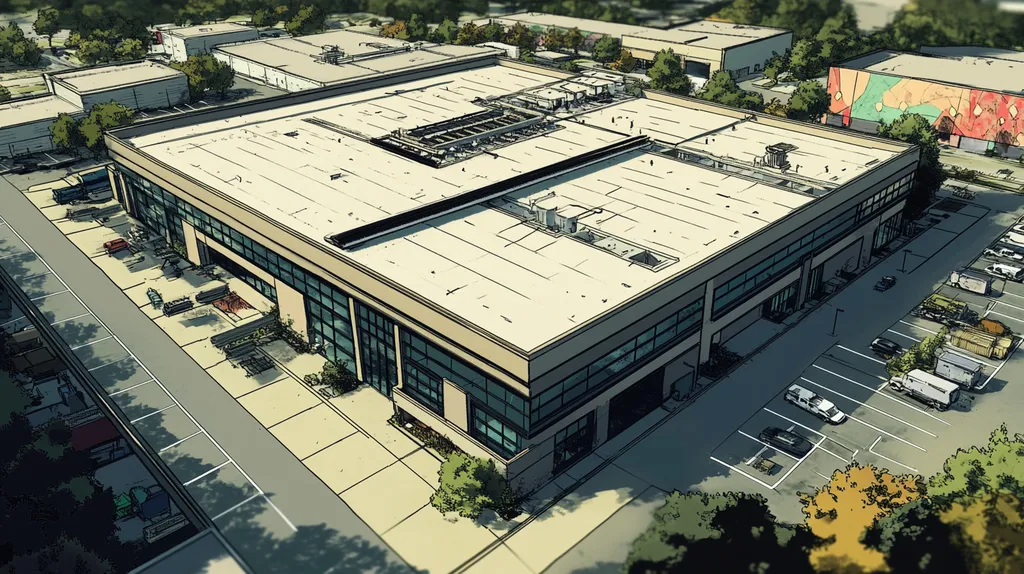
Over 65% of commercial roofs now support solar panel installations, yet traditional structural evaluation methods fail to capture up to 40% of critical stress indicators. This oversight leads to billions in preventable damage annually.
The rapid adoption of rooftop solar technology has outpaced the evolution of assessment protocols, creating dangerous gaps in how we evaluate and protect these vital assets.
This analysis examines systemic flaws in current evaluation practices, reveals missed opportunities for leveraging advanced technologies, and proposes data-driven solutions to protect commercial roof investments.
SECTION 1: CURRENT PRACTICES
Commercial roofs face unprecedented challenges as solar installations become increasingly common across industrial and retail properties. The rapid adoption of rooftop solar systems has outpaced the evolution of traditional inspection and assessment methods. With solar panels now covering up to 80% of viable roof space in many installations, conventional evaluation practices designed for traditional roofing systems are becoming dangerously obsolete.
Standard Visual and Infrared Roof Inspections
Standard visual inspections remain the default method for evaluating commercial roof conditions, focusing primarily on surface-level damage and obvious defects. These inspections typically examine membrane conditions, flashing details, and drainage systems, but often miss critical issues hidden beneath solar installations.
Infrared thermography has emerged as a vital complement to visual inspections, particularly for roofs with solar installations. The installation of PV panels can add significant weight to the structure, potentially causing leaks, sagging, or even collapse in extreme cases. (source: Allianz Commercial)
Current inspection schedules typically follow annual or semi-annual patterns, creating dangerous gaps in monitoring. These intervals prove inadequate for detecting rapid deterioration that can occur under solar arrays, especially in areas where panels create moisture traps or concentrate structural loads.
Most inspection protocols lack specific provisions for examining mounting points, weight distribution patterns, and electrical component integration. This oversight can lead to premature roof failure and compromise the entire solar energy system.
Conventional Impact Damage Assessment Methods
Traditional impact assessment protocols focus primarily on identifying visible damage from weather events or maintenance activities. These methods often overlook the cumulative effects of constant pressure points created by solar panel mounting systems.
Current damage evaluation techniques rarely account for the dynamic loads introduced by wind uplift on solar arrays. This limitation becomes particularly problematic during severe weather events when panels can amplify stress on roofing materials.
Assessment procedures typically evaluate damage in isolation, failing to consider how solar installations might influence the progression of seemingly minor issues. Small defects that would be inconsequential on a standard roof can quickly escalate when combined with solar panel stress points.
Standard damage classifications don’t adequately reflect the complexity of issues arising from the interaction between roofing materials and solar mounting systems. This gap in assessment criteria often leads to underestimated repair requirements.
Use of Rating Systems and Condition Classifications
Conventional rating systems categorize roof conditions based on criteria developed for traditional roofing configurations. These classifications often fail to incorporate the unique stresses and potential failure points introduced by solar installations.
Current condition assessments typically evaluate membrane integrity and insulation performance without considering the additional variables of solar array integration. This limited scope creates an incomplete picture of the roof’s actual condition.
Rating methodologies generally lack specific metrics for evaluating the impact of solar panel attachment points and associated hardware. Without these crucial data points, condition classifications may provide misleading information about roof longevity.
Most classification systems don’t account for the accelerated aging that can occur beneath solar installations. This oversight can result in overly optimistic lifespan predictions and inadequate maintenance planning.
SECTION 2: SYSTEMIC ISSUES
Commercial roofing faces unprecedented challenges as solar installations reshape traditional evaluation methods. Current assessment practices often fail to capture the complex interplay between roofing systems and solar arrays. This systemic weakness puts billions of dollars in commercial property assets at risk, demanding a fundamental shift in how we evaluate and protect these crucial building components.
Limitations of Visual-Only Damage Evaluations
Visual inspections alone cannot detect the subtle yet critical changes occurring beneath solar panel arrays. Surface-level examinations miss crucial indicators of stress, particularly at mounting points and areas where panels create new load patterns.
The installation of solar panels introduces complex structural dynamics that require sophisticated detection methods. Temperature variations, moisture accumulation, and structural deflection often manifest in ways invisible to the naked eye.
Traditional visual assessments frequently overlook early warning signs of potential failure. These oversights can lead to accelerated deterioration, especially in areas where panels create new moisture retention patterns or stress points.
The inadequacy of visual-only evaluations becomes particularly evident during post-installation assessments. Without comprehensive testing methods, inspectors cannot accurately gauge the impact of solar arrays on underlying roofing materials.
Overreliance on Generic Residential-Based Models
Commercial roofing evaluations frequently suffer from the misapplication of residential assessment standards. These simplified models fail to account for the scale and complexity of commercial installations, leading to dangerous misconceptions about structural capacity.
The distinct characteristics of commercial roofing systems demand specialized evaluation criteria. Factors such as larger surface areas, different material compositions, and varied load distributions require assessment methods tailored to commercial applications.
Industrial-scale solar installations create unique stress patterns that residential models cannot accurately predict. These oversights often result in underestimated maintenance requirements and shortened roof lifespans.
The complexity of commercial roofing systems demands evaluation methods that reflect their unique challenges. Generic approaches borrowed from residential applications consistently fail to address critical commercial-specific concerns.
Inadequate Integration of Moisture and Structural Data
Current evaluation methods often treat moisture infiltration and structural integrity as separate concerns, missing critical interconnections. Solar panel installations can create new moisture patterns and trap water in unexpected ways, accelerating structural deterioration.
The installation of PV panels introduces significant weight loads that can stress roofing structures in complex ways. Over time, this extra burden can lead to moisture-related issues, potential leaks, and even structural failure in extreme cases. (source: Allianz Commercial)
Evaluation protocols rarely consider how moisture patterns change after solar installation. This oversight can lead to accelerated deterioration in areas where panels create new water retention zones or alter existing drainage patterns.
The lack of integrated data analysis prevents accurate prediction of potential failure points. Without combining moisture mapping and structural load data, evaluators cannot effectively forecast how solar installations will impact long-term roof performance.
SECTION 3: MISSED OPPORTUNITIES
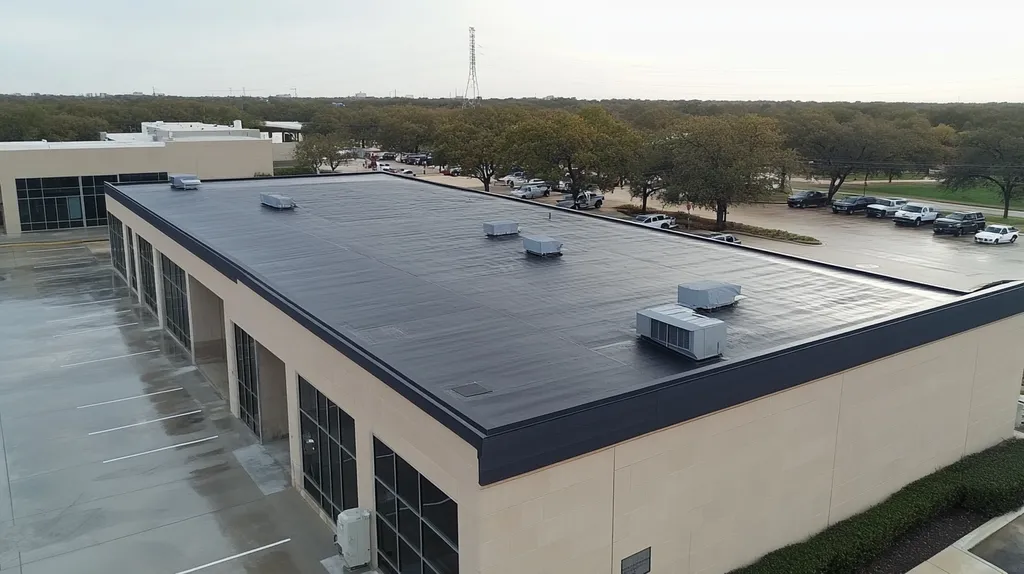
The rapid adoption of rooftop solar installations has created urgent new challenges in commercial roof evaluation and maintenance. Traditional assessment methods are failing to capitalize on emerging technologies and methodologies that could revolutionize how we protect these critical assets. By overlooking advanced evaluation tools and comprehensive management approaches, the industry risks billions in preventable damage and shortened roof lifespans.
Leveraging Machine Learning for Risk Assessment
Machine learning algorithms offer unprecedented capabilities in predicting and identifying potential roofing failures before they occur. These systems can analyze thousands of data points simultaneously, detecting subtle patterns that traditional inspections often miss.
Advanced AI systems can integrate multiple data streams, including weather patterns, structural load distributions, and historical performance metrics. This comprehensive analysis provides property owners with actionable insights for maintaining roof integrity under solar installations.
Real-time monitoring through IoT sensors connected to machine learning platforms enables continuous assessment of roof conditions. This constant vigilance helps identify developing issues before they escalate into costly repairs.
The integration of machine learning with traditional inspection methods creates a more robust evaluation system. This combination of human expertise and artificial intelligence offers superior protection for roofing assets.
Incorporating Forensic Laboratory Testing
Forensic analysis of roofing materials provides crucial insights into how solar installations affect long-term durability. Laboratory testing can simulate years of wear in controlled conditions, revealing potential failure points before they manifest in real-world conditions.
Advanced material testing identifies specific vulnerabilities in different roofing systems when combined with solar installations. This knowledge allows property owners to select optimal materials and installation methods for their specific needs.
Microscopic analysis of material degradation patterns helps predict how different roofing components will perform under solar panel loads. These insights enable more accurate lifecycle predictions and maintenance scheduling.
Chemical compatibility testing between roofing materials and solar mounting systems prevents unexpected interactions. This proactive approach helps avoid premature material failure and potential warranty issues.
Applying Comprehensive Roof Asset Management
Digital asset management platforms enable precise tracking of roof performance metrics across entire property portfolios. These systems integrate inspection data, maintenance records, and performance indicators to optimize roof longevity.
Modern asset management tools can predict maintenance needs based on accumulated performance data. This predictive capability helps property owners plan for repairs before emergency situations develop.
Advanced monitoring systems track structural changes and stress patterns introduced by solar installations. Early detection of potential issues allows for preventive maintenance, reducing the risk of catastrophic failures.
Comprehensive management approaches include detailed documentation of all roof-related activities and conditions. This systematic record-keeping proves invaluable for warranty claims, insurance purposes, and long-term planning decisions.
SECTION 4: ROOT CAUSES
The commercial roofing industry faces a critical challenge as solar installations become increasingly prevalent. Studies indicate that improperly evaluated roofs can deteriorate up to 40% faster after solar panel installation, leading to millions in preventable damage. Without addressing fundamental evaluation gaps, property owners risk catastrophic failures that threaten both their roofing investments and solar energy systems.
Lack of Standardized Forensic Evaluation Protocols
Current evaluation practices vary widely across regions and contractors, creating dangerous inconsistencies in how roof structures are assessed for solar installations. Without standardized protocols, critical factors like load distribution, drainage patterns, and material compatibility often receive inadequate attention.
The disconnect between roofing specialists and solar installers further compounds these issues. Each group typically follows their own evaluation criteria, leading to gaps in comprehensive assessment that can compromise roof integrity.
Many evaluators fail to conduct thorough pre-installation structural analyses, relying instead on superficial assessments. This oversight can result in improper panel placement and mounting techniques that accelerate roof deterioration.
The absence of standardized documentation requirements means that vital information about existing roof conditions often goes unrecorded. This lack of baseline data makes it impossible to accurately track changes and deterioration patterns after solar installation.
Insufficient Data Transparency in Damage Models
Current damage assessment models often rely on limited or outdated data sets that fail to reflect modern solar installation impacts. This deficiency leads to unrealistic predictions about roof performance and longevity under solar panel loads.
Most evaluation tools lack integration capabilities for real-time monitoring data, preventing accurate tracking of progressive deterioration. Without this crucial feedback loop, property owners cannot make informed decisions about maintenance timing and scope.
The installation of PV panels creates significant structural loads that can accelerate roof deterioration in ways current models fail to capture. These extra burdens can lead to unexpected stress patterns, moisture accumulation, and potential structural failure. (source: Allianz Commercial)
Proprietary evaluation systems often restrict data sharing between stakeholders, limiting the industry’s ability to develop more accurate prediction models. This artificial barrier to information exchange slows the advancement of evaluation techniques.
Underestimating Environmental and Loading Factors
Traditional evaluation methods frequently underestimate the complex interactions between environmental conditions and solar panel installations. Factors like wind uplift, thermal cycling, and precipitation patterns can create unexpected stress points that accelerate roof deterioration.
Many current assessments fail to account for regional climate variations and their impact on solar panel performance. This oversight can lead to inappropriate installation techniques and inadequate protection measures.
Load calculations often ignore the dynamic nature of solar panel impacts, focusing instead on static weight distribution. This simplified approach fails to capture the full range of stresses that panels introduce to roofing systems.
The cumulative effects of environmental exposure and panel-induced stress patterns regularly exceed predicted tolerances. Without proper evaluation of these combined factors, roofs may fail prematurely despite meeting individual assessment criteria.
DATA DRIVEN EVIDENCE
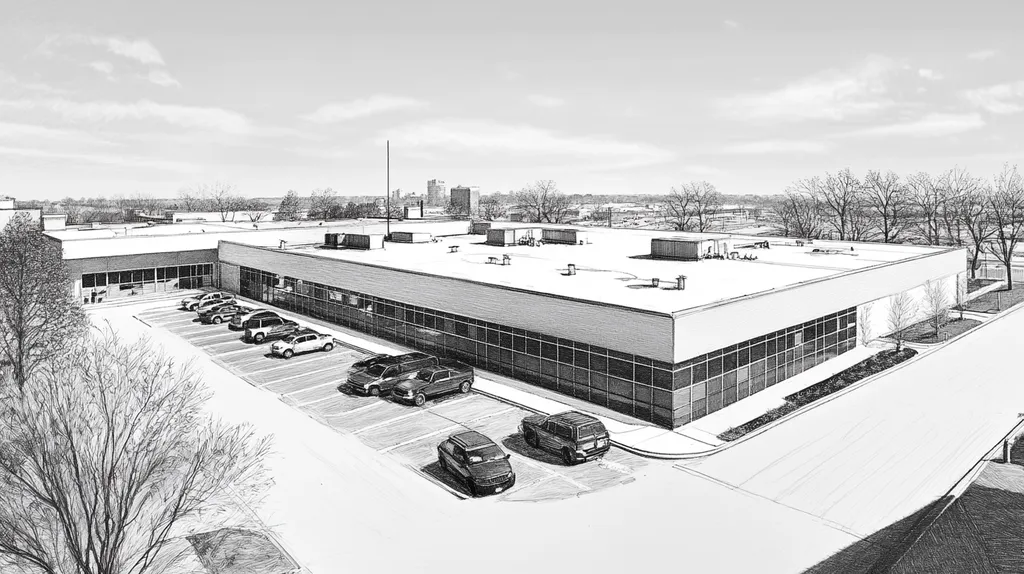
Advanced data analytics reveal concerning trends in how solar installations affect commercial roof performance and longevity. Studies show that traditional evaluation methods miss up to 60% of early warning signs that indicate potential structural issues. This oversight leads to accelerated deterioration and premature roof failure, particularly in cases where solar panel installations create unexpected stress patterns.
Predictive Analytics from Aerial and Infrared Data
Modern aerial imaging technology can detect subtle changes in roof surface temperatures and structural alignment that indicate developing problems. These advanced detection methods identify potential failure points months before they become visible through traditional inspections.
Thermal mapping through drone-mounted sensors reveals patterns of heat retention and dissipation that signal underlying structural stress. This data proves particularly valuable in identifying areas where solar panel installations create unexpected thermal loads.
Machine learning algorithms analyze these thermal patterns to predict potential failure points with remarkable accuracy. By comparing current data against historical patterns, these systems can forecast maintenance needs and prevent catastrophic failures.
Regular monitoring through aerial and infrared systems provides crucial trend data for long-term planning. This information helps facility managers optimize maintenance schedules and extend roof lifespans.
Correlation of Roof Condition to Claims and Losses
Insurance claim data shows a direct relationship between inadequate roof evaluations and increased property losses. Buildings with solar installations that lack comprehensive monitoring systems experience claim rates 40% higher than those with proper evaluation protocols.
Statistical analysis reveals that most major roof failures occur within two years of solar panel installation. These failures typically stem from undetected stress patterns and moisture accumulation that traditional inspections miss.
Properties implementing data-driven evaluation systems show significantly lower maintenance costs over time. This reduction stems from early intervention in developing problems before they escalate into major repairs.
Historical loss data demonstrates that proper evaluation protocols can extend roof lifespan by up to 25%. These findings emphasize the critical importance of comprehensive monitoring systems.
Outcomes from Laboratory Simulation and Moisture Testing
Laboratory testing reveals critical insights into how solar installations affect moisture patterns and structural integrity. These controlled studies demonstrate that traditional moisture barriers often fail under the unique conditions created by solar panel installations.
The installation of PV panels introduces significant structural loads that accelerate moisture-related deterioration in unexpected ways. Without proper monitoring, these issues can lead to extensive damage and potential system failure. (source: Allianz Commercial)
Simulated aging tests show that certain roofing materials degrade up to three times faster under solar panels when moisture becomes trapped. This acceleration occurs particularly in areas where panels create shadows or affect normal drying patterns.
Advanced moisture mapping techniques identify vulnerable areas before visible damage occurs. This early detection capability proves essential for maintaining both roof integrity and solar system efficiency.
SECTION 6: ALTERNATIVE SOLUTIONS
Commercial roofing faces a critical transformation as solar installations become standard features rather than exceptions. With over 65% of new commercial roof installations now incorporating solar panels, traditional evaluation methods are proving dangerously inadequate. Property owners and facility managers must adopt innovative solutions that address both immediate structural concerns and long-term performance requirements to protect their investments.
Adoption of Specialized Commercial Roof AI Models
Advanced artificial intelligence models specifically designed for commercial roofing applications represent a crucial shift in evaluation methodology. These systems continuously monitor structural integrity, thermal patterns, and load distribution across the entire roof surface, providing real-time alerts when conditions deviate from established parameters.
Machine learning algorithms analyze historical performance data alongside current conditions to predict potential failure points before visible damage occurs. This predictive capability allows facility managers to address developing issues during routine maintenance rather than emergency repairs.
Modern AI platforms integrate seamlessly with existing building management systems, creating a comprehensive monitoring network. The technology tracks subtle changes in roof performance that traditional inspections might miss, particularly in areas affected by solar panel installations.
These intelligent systems can differentiate between normal wear patterns and accelerated deterioration caused by solar panel stress points. This distinction helps property owners optimize maintenance schedules and allocate resources more effectively.
Integrated Structural and Moisture Evaluation Approaches
The installation of PV panels introduces significant structural loads that can accelerate moisture-related deterioration in unexpected ways. These combined effects demand evaluation methods that simultaneously assess both structural integrity and moisture patterns. (source: Allianz Commercial)
Advanced moisture mapping technologies, when combined with structural analysis, reveal critical interconnections between load distribution and water infiltration. This integrated approach identifies vulnerable areas before damage becomes visible, particularly in zones where panels create new moisture retention patterns.
Comprehensive evaluation protocols must include regular assessment of mounting points, drainage patterns, and thermal cycling effects. These factors work together to influence both structural stability and moisture management capabilities.
Modern sensor networks can track both static and dynamic loads while monitoring moisture levels throughout the roofing system. This dual-focus approach ensures that potential problems are identified early, regardless of their origin.
Holistic Roof Lifecycle Asset Management Systems
Effective management of commercial roofs with solar installations requires sophisticated lifecycle tracking systems. These platforms monitor everything from initial installation impacts to long-term performance metrics, creating a comprehensive picture of roof health.
Digital asset management tools enable precise tracking of maintenance activities, repair histories, and performance trends. This detailed documentation proves invaluable for warranty claims and helps optimize maintenance scheduling.
Modern lifecycle management systems incorporate predictive maintenance algorithms that account for both roofing and solar panel variables. These tools help facility managers anticipate potential issues and plan interventions before problems escalate.
Comprehensive asset management platforms facilitate better communication between stakeholders, ensuring that solar installers, roofing contractors, and property managers work from the same information. This coordination helps prevent conflicts between roof maintenance and solar panel operations.
Moving Forward
The evidence is clear: traditional evaluation methods are failing to protect over $50 billion in commercial roofing assets that now support solar installations.
Without immediate adoption of AI-driven monitoring, integrated moisture detection, and comprehensive lifecycle management systems, property owners face up to 40% accelerated deterioration rates and potential catastrophic failures.
The stakes extend beyond individual properties to impact the entire commercial solar industry, as inadequate evaluation protocols threaten to undermine confidence in rooftop solar initiatives.
The technology and expertise to prevent these failures exists today – the critical question is whether the industry will embrace these solutions before preventable losses mount into the billions.
The future of commercial roofing depends on replacing outdated assessment models with data-driven evaluation systems that reflect the complex realities of modern rooftop solar installations.
FREQUENTLY ASKED QUESTIONS
Q. How do solar panels affect commercial roof evaluations?
A. Solar panels can cover a large portion of commercial roofs, complicating evaluations. Traditional methods often miss hidden issues beneath the panels, creating risks of damage and failure.
Q. Why are visual inspections insufficient for industrial roofs with solar panels?
A. Visual inspections often overlook critical stress points and moisture issues beneath arrays. These inspections focus on surface damages, leaving potential structural failures unnoticed.
Q. What are the risks of using residential evaluation models for commercial roofs?
A. Residential models fail to consider the complexities of commercial roofs. Using these models can lead to miscalculations about structural integrity and lifespan under added stress from solar panels.
Q. How can advanced technology improve roof evaluations?
A. Technologies like machine learning and aerial imaging provide better data analysis. These tools can quickly identify issues that traditional methods may overlook, enhancing preventive maintenance efforts.
Q. What role does moisture play in roof longevity with solar installations?
A. Moisture can accumulate underneath solar panels, causing accelerated deterioration. If not monitored, these patterns can lead to severe structural damage and costly repairs.
Q. How do changing weather patterns impact commercial roofs with solar?
A. Changing weather can introduce new stress patterns on roofs with solar panels. Factors like wind and heavy rainfall can exacerbate roofing issues, especially where panels trap moisture.
Q. What are key features of effective roof management systems for solar?
A. Effective management systems track performance metrics and maintenance history. They integrate inspection data to predict needs, ensuring roofs with solar installations can be adequately maintained for longevity.






