

Commercial property owners face a critical decision point as solar energy costs drop 70% while electricity rates continue climbing 2.5% annually. Yet nearly 40% of commercial solar installations fail to deliver projected returns due to overlooked life-cycle costs.
Understanding the complete cost picture – from initial installation through decades of operation – has become essential for property professionals seeking to maximize their solar investments.
This actionable guide examines six core areas that drive life-cycle costs: performance factors, financial considerations, compliance requirements, risk management, operational procedures, and long-term planning.
SECTION 1: PERFORMANCE FACTORS
The push for adopting solar energy on commercial roofs has never been more critical. With energy costs climbing by an average of 2.5% each year, property owners need to look beyond the initial costs and focus on the long-term savings solar can provide. By evaluating essential performance factors, businesses can optimize life-cycle costs and maximize their returns on investment. This section highlights three pivotal elements: solar panel efficiency and output, roof condition and compatibility, and energy storage integration.
Solar Panel Efficiency and Output
Solar panel efficiency is vital for boosting energy output and overall financial viability. Higher efficiency panels transform more sunlight into electricity, which can significantly reduce energy bills over time. Modern solar panels can achieve efficiency ratings surpassing 20%, offering attractive returns on investment.
When assessing solar output, it’s important to evaluate how panels operate under different conditions, including temperature variations and shading. Panels that maintain performance in suboptimal conditions help minimize energy loss, giving property owners more reliability in energy production.
Geographical location and climate are also critical in selecting the right solar panels. For instance, regions with abundant solar insolation can achieve higher energy yields even with panels of moderate efficiency. This localized insight can dramatically influence overall returns on investment.
In choosing a solar system, aligning the selected panels with specific energy needs is essential. A customized approach guarantees that energy output meets or exceeds expectations, helping to avert costly upgrades and enhance system lifespan.
Key Action Items
Roof Condition and Compatibility
The existing roof’s condition is a fundamental consideration in the decision to install solar systems. Roofs in need of repairs or replacement can negatively impact the installation process and the overall efficiency of the solar system. Investing in solar on an aging roof may result in unanticipated life-cycle costs.
It’s equally important to assess how well the roofing material will integrate with solar panels. Certain materials, such as TPO and EPDM, are great for solar installations, while older built-up roofs may hinder efficient solar integration.
Conducting a comprehensive roof evaluation prior to installation allows property owners to identify and rectify potential problems early. Addressing these issues up front can minimize unplanned maintenance and repair costs in the future. Additionally, harmonizing both the roof and solar systems enhances structural stability and energy productivity.
Lastly, understanding local zoning laws and building codes is critical for ensuring compatibility. Compliance with regulations can help avoid costly delays or redesigns during installation, streamlining the overall project execution.
Key Action Items
Energy Storage Integration
Energy storage systems, such as batteries, are essential for maximizing the advantages of solar energy. By storing surplus energy generated during the day, property owners can utilize that energy in the evening or on overcast days. This versatility boosts energy independence and can yield substantial savings.
Investing in energy storage not only helps reduce demand charges but also safeguards against future increases in energy costs. With energy prices on the rise, accessing stored energy becomes increasingly advantageous.
When selecting a battery storage solution, ensuring compatibility with the solar system is paramount. Confirming that batteries can seamlessly integrate with current solar arrays will prevent operational challenges and enhance reliability.
Furthermore, energy storage enables participation in demand response programs, unlocking additional revenue streams. By strategically managing energy consumption, property owners can get the most out of their solar investments.
Key Action Items
SECTION 2: FINANCIAL CONSIDERATIONS
With energy costs consistently rising and sustainability regulations becoming more stringent, understanding the financial implications of solar energy is more crucial than ever for commercial property owners. In the past decade, solar installation costs have plummeted by over 70%, prompting property professionals to explore not just initial expenditures but also long-term savings and potential financial incentives. Recognizing these financial components can lead to improved decision-making and positive impacts on the bottom line.
Initial Installation Costs and Financing
The initial costs associated with solar installation can be daunting for many commercial property owners. With typical installations ranging from $2.50 to $3.50 per watt, expenses can skyrocket to tens of thousands of dollars depending on system size. However, financing options like solar loans, leasing, and Power Purchase Agreements (PPAs) can help alleviate these upfront burdens.
Solar loans enable property owners to benefit from lower interest rates, while leasing options often entail little or no upfront payment. This flexibility broadens access to solar energy for diverse commercial structures. It’s essential for property professionals to thoroughly assess these financing choices to find the right fit for their needs.
Beyond the immediate costs, it’s important to recognize the long-term financial security that comes with solar energy. By investing in solar, owners can stabilize their energy expenses and shield themselves from unpredictable price swings in traditional energy markets.
Key Action Items
Tax Incentives and Rebates
Tax incentives and rebates play a significant role in improving the financial viability of solar installations. The Federal Investment Tax Credit (ITC) currently allows property owners to deduct 30% of their solar installation costs from federal taxes, providing an incredible financial lift.
In addition to the federal credit, many states and local governments offer various incentives, such as cash rebates and exemptions from property and sales taxes. These can considerably lower the effective costs of going solar, making the investment even more attractive.
Unfortunately, many property owners underestimate these financial opportunities and may delay their solar initiatives, thinking they are financially out of reach. By diligently researching and taking advantage of all available incentives, property managers can substantially reduce upfront costs and enhance their return on investment.
Key Action Items
Long-Term Energy Savings and ROI
One of the most compelling reasons to invest in solar energy is the potential for long-term energy savings. Solar systems can yield reductions of up to 90% on electricity costs, providing a substantial boost to cash flow for businesses.
The return on investment (ROI) for solar systems is particularly noteworthy, with many installations seeing payback periods between 5 to 10 years. After this period, the generated electricity can be considered virtually free, enhancing property value while offering significant financial relief.
As energy prices continue their upward trend, the savings linked to solar energy become increasingly pronounced. The predictability of solar costs offers a buffer against market fluctuations, making solar installations a strategically sound investment.
Key Action Items
SECTION 3: COMPLIANCE REQUIREMENTS
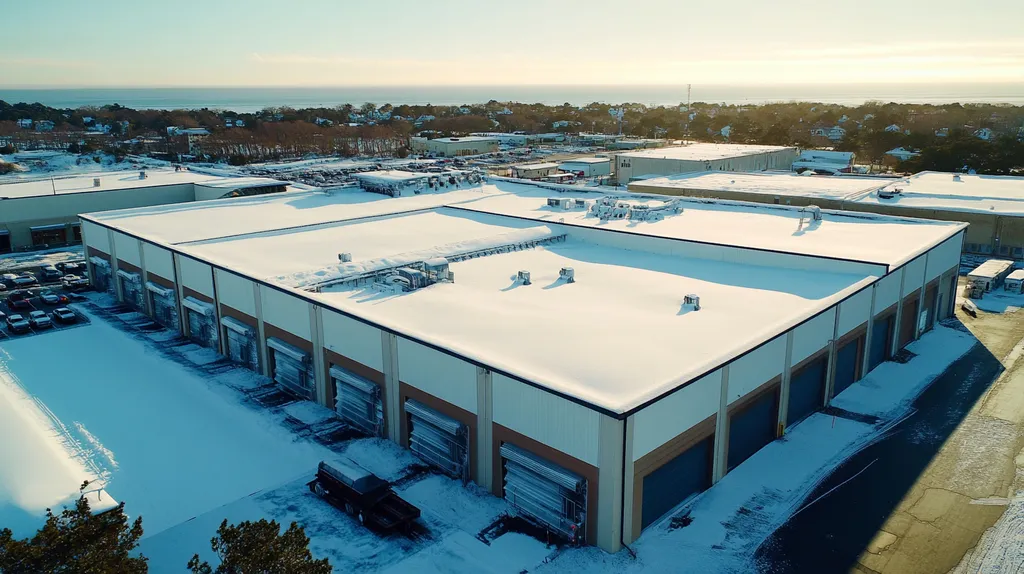
Navigating compliance requirements is essential for property owners who are embracing solar energy on commercial roofs. Ignoring these regulations can lead to costly project delays and increased expenses—sometimes adding as much as 30% to the total project costs. This section outlines the critical local regulations, building codes, and the permitting process necessary for a successful solar installation.
Local Regulations and Zoning Laws
Every municipality enforces its own set of rules that governs solar installations. Understanding these local regulations is vital to avoid fines and potential project cancellations. For example, some areas impose specific height restrictions or shading requirements for solar panels.
Moreover, property owners should carefully consider zoning laws as they dictate how the land can be developed. Some zones may permit commercial solar systems while others may not, necessitating proactive navigation of these laws to keep projects on the right path.
Engaging with local authorities early in the project can also uncover available incentives or subsidies that could significantly reduce costs, making compliance a financially savvy move.
Key Action Items
Building Codes and Safety Standards
Compliance with building codes is crucial for ensuring a successful solar installation. These codes exist to maintain the structural integrity of roofs when solar panels are added, which may require modifications to accommodate weight loads.
Additionally, property owners must adhere to safety standards set by organizations such as OSHA, ensuring safe working practices during installation. Non-compliance can result in serious legal and financial implications.
Ignoring these codes could jeopardize the safety of the building and its occupants. Regular consultations with solar and roofing professionals are vital for maintaining compliance.
Key Action Items
Permitting and Approval Process
The permitting process is a crucial but often overlooked aspect of solar installation. This process varies by locality and securing the necessary permits can take considerable time, often resulting in delays that inflate costs.
Each permit typically requires specific documentation, including engineering reports and site plans, which property owners should prepare in advance to expedite approval.
Some areas offer expedited permitting options for renewable energy projects, which can significantly shorten timelines. Understanding these processes is essential to ensure efficient project execution.
Key Action Items
SECTION 4: RISK MANAGEMENT
As solar energy gains traction on commercial roofs, understanding associated risks becomes paramount for property owners. Studies indicate that nearly 30% of solar installations face roof leaks within the first few years, highlighting the need for vigilant risk management. By addressing elements like roof durability, equipment failures, and policy changes, property owners can protect their investments and ensure sustainable operation.
Roof Durability and Maintenance Needs
The durability of a roof is critical to the successful integration of solar systems. Commercial roofs endure stresses from UV exposure, shifting weather patterns, and heavy installations. Inadequate maintenance can hasten deterioration and result in expensive repairs due to premature roof failure.
Implementing regular inspections allows property owners to catch potential issues early, enabling timely repairs that prevent costly leaks down the line. For instance, minor cracks discovered during routine checks can be addressed before escalating into significant water damage.
It’s also wise to select roofing materials that are not only durable but also compatible with solar installations. Some roofing types, such as TPO or EPDM, enhance both the stability of the building and the effectiveness of the solar system.
Key Action Items
Equipment Failure and Warranty Coverage
Equipment failures are a significant risk for solar systems, affecting inverters, panels, and mounting systems. These malfunctions can drastically reduce energy output and lead to financial losses. To mitigate this risk, securing robust warranty coverage for all components is essential.
Most solar panel manufacturers offer warranties ranging from 10 to 25 years, but these warranties can be voided if the installation or maintenance is handled improperly. Adhering to manufacturer guidelines and local building codes is crucial to keeping these warranties intact.
Additionally, exploring third-party insurance options can provide extra safeguards against high repair costs caused by unexpected equipment failures, ensuring financial impacts are minimized.
Key Action Items
Policy Changes and Market Risks
As the solar energy landscape evolves, property owners must stay alert to changing policies that could affect their investments. Legislative shifts can influence incentives, tariffs, and funding opportunities, making it vital for owners to remain informed.
For example, sudden reductions in federal solar tax credits may significantly influence a property’s return on investment. Proactively anticipating and adapting to these changes can help owners sustain project viability and financial returns.
Additionally, fluctuating prices for solar technology due to supply chain issues or market demand add another layer of risk. Monitoring market trends enables property professionals to act swiftly, optimizing their investment strategy.
Key Action Items
SECTION 5: OPERATIONAL PROCEDURES
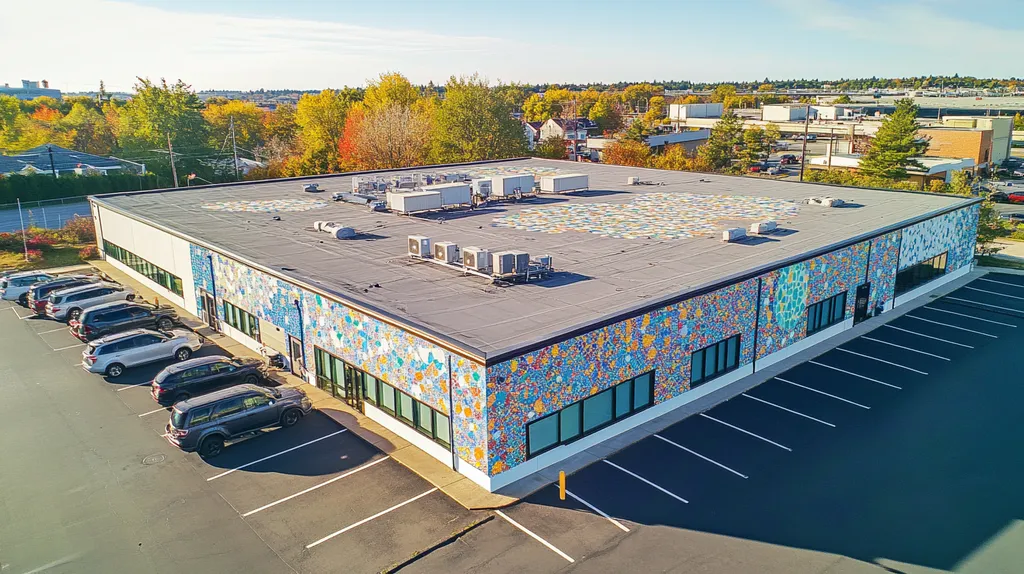
Operational procedures are essential for maximizing the life-cycle costs of solar systems on commercial roofs. As the adoption of solar energy accelerates, effective management becomes crucial to prevent financial losses. Studies show that neglected solar panels can lose up to 20% efficiency annually. This section focuses on the importance of systematic monitoring, maintenance, and performance optimization to help property owners and facility managers protect their investments.
System Monitoring and Management
Implementing a robust monitoring system is key for optimizing solar energy performance. Real-time data collection empowers property owners to track energy production and quickly identify potential issues. For instance, systems with advanced monitoring tools can send alerts about any declines in output, allowing for immediate action.
Automation plays a significant role here, as automated alerts and data reports lighten the operational load while ensuring constant oversight. Regular assessments of system performance enable informed decisions that can extend the operational life of the solar installation.
Additionally, integrating solar management systems with existing building management systems ensures unified oversight and control, maximizing energy efficiency across properties. Training staff on system capabilities and monitoring techniques is equally important to enhance operational effectiveness.
Key Action Items
Maintenance and Repair Protocols
Establishing a regular maintenance schedule is essential to ensure that solar systems operate effectively. Property owners should schedule inspections for panels, inverters, and batteries, with simple tasks like cleaning dirty panels increasing energy output by as much as 15% annually.
Proactive maintenance helps detect minor issues before they escalate into costly repairs. For example, identifying corrosion in electrical connections early on can save thousands. Regular professional assessments will help maintain system performance and longevity.
It’s also important to assess the roof’s structural integrity during maintenance tasks to confirm that the roof and solar installation remain secure. Keeping detailed maintenance logs can provide insights into system performance and support warranty claims.
Key Action Items
Performance Tracking and Optimization
Tracking performance is crucial for evaluating solar energy production and ensuring efficiency. To optimize output, establishing key performance indicators (KPIs) is vital. These may include metrics like energy yield per square foot and overall return on investment.
Analyzing historical data can highlight trends in performance and signal underperformance. For example, if energy output consistently dips during certain seasons, managers should investigate environmental factors or equipment issues that may affect productivity.
Leveraging advanced analytics can further enhance operational efficiency. Machine learning algorithms analyze vast data sets to forecast future performance, enabling timely adjustments. Engaging specialized energy consultants can lead to customized recommendations that optimize performance and improve financial outcomes.
Key Action Items
SECTION 5: OPERATIONAL PROCEDURES
Effective operational procedures are essential to maximize the life-cycle costs of solar systems installed on commercial roofs. As solar energy adoption accelerates, proper management becomes pivotal to avoid significant financial losses. Studies indicate that neglected solar panels can lose up to 20% of their efficiency annually. This section highlights the critical need for systematic monitoring, maintenance, and performance optimization, ensuring property owners and facility managers protect their investments.
System Monitoring and Management
Implementing a robust monitoring system is vital for optimizing solar energy performance. Real-time data collection allows property owners to track energy production and quickly identify potential issues. Advanced monitoring tools can alert managers to drops in output, enabling prompt intervention.
Automation plays a key role here, providing automated alerts and data reports that lessen the operational burden while ensuring continual oversight. Regular performance evaluations facilitate informed decisions, enhancing the operational lifespan of the solar installation.
Furthermore, integrating solar management systems with existing building management systems is crucial. This synergy enables comprehensive oversight and effective control, maximizing energy efficiency across properties.
Lastly, an effective management strategy should include comprehensive staff training, equipping teams with knowledge of system capabilities and monitoring techniques to optimize performance.
Key Action Items
Maintenance and Repair Protocols
Regular maintenance is key to ensuring solar systems operate effectively and preventing costly repairs. Property owners should establish a defined maintenance schedule to inspect panels, inverters, and batteries. For instance, routine cleaning of solar panels can boost energy output by up to 15% annually.
Proactive maintenance helps identify minor issues before they escalate. For example, early detection of corrosion in electrical connections can prevent costly repairs. Investing in periodic professional assessments helps maintain system performance and longevity.
Additionally, assessing the roof’s structural integrity during maintenance tasks is vital to ensure both the roof and solar installation remain secure. Keeping detailed maintenance logs can also offer insights into long-term performance and assist with warranty claims.
Key Action Items
Performance Tracking and Optimization
Performance tracking is essential for evaluating solar energy output and ensuring efficiency. Establishing key performance indicators (KPIs) is vital for optimizing energy production. These indicators may include metrics such as energy yield per square foot and overall return on investment.
Analyzing historical data can reveal performance trends and identify any underperformance patterns. For instance, if energy output consistently falls short during particular months, managers should investigate environmental factors or equipment issues impacting productivity.
Utilizing advanced analytics can enhance operational efficiency further. Machine learning algorithms can analyze large data sets to predict future performance and recommend timely adjustments. Collaborating with specialized energy consultants can yield tailored recommendations that drive performance improvements.
Key Action Items
Looking Ahead
With solar panel costs dropping 70% while electricity rates climb steadily higher, commercial property owners face a pivotal moment for solar adoption. Yet the difference between success and failure lies in understanding total lifecycle costs.
Property professionals who carefully evaluate all six core areas – from performance factors to long-term planning – position themselves to maximize returns while minimizing risks. Those who overlook key considerations often face 40% higher costs over time.
The data shows that proper planning and management of lifecycle costs leads to 25-35% better ROI on solar investments. This translates to hundreds of thousands in additional savings over a system’s lifetime.
As energy prices continue rising and sustainability pressures mount, taking a comprehensive approach to solar lifecycle costs has never been more critical for commercial property success.
FREQUENTLY ASKED QUESTIONS
Q. How does the condition of a commercial roof impact solar installation?
A. The existing condition of your commercial roof is crucial for a successful solar installation. Roofs needing repairs can hinder solar panel efficiency and lead to unexpected maintenance costs. A thorough evaluation before installation allows property owners to address issues that may affect system performance and longevity.
Q. What are the financing options for solar on an industrial roof?
A. Financing solar installations on industrial roofs includes choices like solar loans, leases, and Power Purchase Agreements (PPAs). These options often facilitate low or no upfront costs, allowing property owners to invest in solar energy while managing initial expenses effectively. Evaluating the best option can lead to substantial long-term savings.
Q. What local regulations should I consider for a commercial roof solar system?
A. Local regulations and zoning laws significantly influence solar installations on commercial roofs. Each area has specific restrictions, including height limitations and shading requirements. Researching these regulations early ensures compliance and helps avoid costly delays in your solar project.
Q. How can I manage risks associated with solar energy systems?
A. Managing risks in solar energy systems involves assessing roof durability, ensuring equipment reliability, and staying informed on policy changes. Regular inspections and maintenance are essential to prevent leaks and malfunctions. Adhering to warranties and considering insurance can provide additional protections against unexpected repair costs.
Q. What maintenance procedures are vital for solar systems on commercial roofs?
A. Establishing regular maintenance schedules is essential for solar systems on commercial roofs. Inspections should include panel cleaning and assessments of inverter functionality. Detecting issues early can save costs and ensure optimal performance, extending the life of the solar installation.
Q. How do energy storage systems enhance commercial solar efficiency?
A. Energy storage systems, like batteries, allow businesses to store excess energy generated during the day for later use. This capability enhances energy independence by supplying stored energy during evenings or cloudy days. Integration of energy storage with solar systems maximizes efficiency and can lead to significant savings on energy costs.
Q. What role do tax incentives play in solar for commercial properties?
A. Tax incentives such as the Federal Investment Tax Credit (ITC) significantly enhance the financial viability of solar installations for commercial properties. This credit allows property owners to deduct a percentage of their solar costs from federal taxes, leading to lower effective installation prices. Exploring all available incentives can greatly improve your return on investment.






