

As solar installations on commercial buildings surge past 100 gigawatts nationwide, a critical challenge emerges: nearly 40% of these systems underperform due to inadequate insulation beneath the panels. This oversight costs building owners millions in wasted energy and premature roof repairs annually.
The convergence of roofing technology and renewable energy demands a strategic approach to insulation that considers both immediate performance and long-term sustainability. From thermal efficiency to structural integrity, proper insulation becomes the foundation of successful solar installations.
This comprehensive guide examines the vital factors property owners must consider when optimizing insulation under commercial solar arrays, providing actionable solutions for enhanced building performance and energy conservation.
SECTION 1: PERFORMANCE FACTORS
As solar energy becomes more prevalent in commercial buildings, the implications of roofing decisions are increasingly significant. Insufficient insulation beneath solar installations can jeopardize both the integrity of the roof and the performance of the solar system. Alarmingly, nearly 30% of commercial roofs lack adequate insulation, leading to energy inefficiencies and higher operational costs. By addressing insulation factors, property owners can enhance energy savings and extend the lifespan of their roofing systems.
Insulation Thickness and R-Value
The thickness of insulation plays a crucial role in a roof’s thermal performance and overall efficiency. The R-value indicates how effectively insulation can resist heat flow; higher R-values signify better energy conservation. For optimal energy efficiency in commercial roofs, an R-value of at least 30 is recommended.
Yet, achieving the right R-value isn’t just about thickness alone. Property owners must also take into account the roof’s existing construction and the climate of their location. For instance, those in colder regions may need thicker insulation to combat heat loss and minimize energy consumption.
Ignoring appropriate insulation thickness can lead to fluctuating temperatures below solar panels, which in turn diminishes their efficiency. In severe cases, insufficient insulation contributes to condensation, threatening the roof’s integrity and the well-being of the building overall.
A well-insulated roof can stabilize energy costs, reducing the demands for heating and cooling. This not only enhances comfort within the building but also allows businesses to achieve substantial savings over time. Investing in proper insulation thickness and R-value is essential for any commercial property looking to embrace solar energy.
Key Action Items
Solar Panel Weight and Distribution
The weight and arrangement of solar panels are vital in maintaining roofing performance. These systems can weigh anywhere from 2 to 4 pounds per square foot, making it essential to factor in this added weight during the roofing design or modification phase.
If solar panels are unevenly distributed, they can create stress points on the roofing structure, leading to potential membrane failures and leaks. Ensuring an even load distribution protects the building’s structural integrity and avoids costly repairs and unexpected service disruptions.
A robust roofing system meant for solar installations should include reinforced areas where heavy panels are concentrated, ensuring safety and optimal solar performance without causing roof damage.
Regular roof inspections post-solar installation should assess any changes and maintain safety and functionality. This careful monitoring maximizes the advantages of solar energy while safeguarding the underlying roof structure.
Key Action Items
Waterproofing and Leak Prevention
Effective waterproofing is essential for roofs featuring solar installations. Solar panels can trap moisture, increasing the likelihood of leaks if not adequately managed. The placement of solar panels may obstruct natural drainage, leading to water pooling and resulting leaks.
Property owners should prioritize high-quality waterproofing membranes during solar system installations. These materials act as crucial barriers against moisture, protecting both the roof and underlying insulation from potential water damage.
Routine inspections should include assessments for signs of moisture accumulation around solar installations. Detecting issues early allows for remediation that can prevent extensive damage, thereby extending the lifespan of the roofing system.
Incorporating effective drainage solutions into the roof design further boosts performance. Appropriate slopes and drainage points help alleviate water accumulation around solar panels, ensuring optimal function and minimizing moisture-related risks.
Key Action Items
SECTION 2: FINANCIAL CONSIDERATIONS
When it comes to installing insulation under solar panels, the financial stakes are high for commercial property owners. Inadequate insulation not only leads to escalated energy bills but also diminishes system performance, ultimately hurting return on investment (ROI). A recent study revealed that businesses optimizing insulation can enjoy energy cost reductions of up to 30%. This section highlights essential financial considerations, including installation costs, potential energy savings, and maintenance expenses that property owners must take into account.
Installation Costs and ROI
The costs associated with installing insulation beneath solar panels can vary significantly depending on materials and the size of the building. While high-performance insulation might demand a higher initial investment, it pays off through enhanced energy efficiency and prolonged system longevity. Strategic planning can help achieve a return on investment within as little as five years, especially with rising energy prices.
Moreover, property owners should consider the potential uptick in property value. Buildings equipped with effective insulation beneath their solar systems often attract eco-conscious tenants willing to pay higher rents, thereby bolstering long-term ROI.
To maximize financial efficiency, conducting a thorough cost analysis that evaluates various insulation configurations is key. This analysis can reveal the most economically sound pathways, aligning immediate expenditures with enduring financial advantages.
Key Action Items
Energy Savings and Incentives
Insulating under solar panels can lead to substantial energy bill reductions over time. Facilities with high-quality insulation maintain comfortable temperatures year-round, significantly lowering reliance on heating and cooling systems. This energy efficiency translates into annual savings that can reach thousands of dollars.
In addition, numerous governmental and utility incentives are available for businesses investing in energy-efficient solutions. These may include tax credits, rebates, and grants specifically designed to support insulation and solar installations. Leveraging these incentives can alleviate initial costs and enhance the overall financial feasibility of such projects.
Many regions now promote energy efficiency programs that reward companies for reducing their carbon footprint. Participating in these programs not only offers financial perks but also elevates a company’s reputation as a green business.
Key Action Items
Maintenance and Repair Expenses
When evaluating insulation and solar systems, maintenance costs represent a crucial component. Quality insulation serves to extend the lifespan of the roofing system, averting costly repairs in the long run. Properly insulated roofs minimize moisture accumulation and prevent related damage, leading to even further reductions in maintenance costs.
Property owners must prioritize regular inspections to ensure the insulation continues to perform optimally. Setting aside budget provisions for periodic assessments can help identify and resolve minor issues before they escalate into costly repairs. Skipping these maintenance checks can result in greater expenses due to emergencies or premature system failures.
Furthermore, understanding the lifecycle of insulation materials is essential for planning replacements. Choosing durable options can significantly lower overall maintenance expenditures, reinforcing the idea that a well-thought-out installation is a long-term investment.
Key Action Items
SECTION 3: COMPLIANCE REQUIREMENTS
Compliance with various regulations is essential when installing insulation beneath solar systems on commercial roofs. Failing to adhere to these standards could result in costly fines and project delays. Alarmingly, the Department of Energy reports that around 30% of commercial buildings are non-compliant with energy efficiency regulations. Understanding building codes, energy efficiency mandates, and environmental regulations is vital for property owners and facility managers looking to integrate solar solutions successfully.
Building Codes and Standards
Building codes differ from one state and locality to another, impacting insulation installation under solar systems. Property owners must be aware of local requirements concerning material specifications, installation practices, and safety protocols. For instance, some jurisdictions require specific R-values for insulation, which are crucial for energy efficiency. Non-compliance can halt projects and incur expensive rework.
Abiding by building codes also ensures the safety of everyone involved in the installation process. Regulatory measures, such as OSHA’s safety guidelines, may necessitate the use of personal protective equipment (PPE) during installation, and failure to follow these protocols can lead to serious accidents and penalties.
It’s advisable for property owners to engage local building authorities early in the planning phases to ensure that their insulation plans comply with applicable codes. Involving a qualified contractor familiar with regional regulations can help mitigate risks and facilitate a smoother installation experience.
Key Action Items
Energy Efficiency Regulations
Energy efficiency regulations have tightened, influencing how insulation is utilized in solar installations. Legislation such as the Energy Policy Act encourages the adoption of energy-efficient materials, directly shaping insulation requirements for commercial buildings. Property owners who neglect these regulations risk losing valuable tax incentives and rebates.
To optimize energy savings, insulation must meet specified thermal performance standards. In some regions, new buildings are required to undergo energy modeling to confirm their compliance. Recognizing these requirements is crucial for owners intending to install solar systems while effectively reducing energy costs over time.
Conducting energy audits can help identify insulation needs and compliance challenges. Collaborating with energy consultants can enhance insulation strategies and better align them with current regulations.
Key Action Items
Environmental Compliance
Environmental compliance represents a vital aspect when incorporating insulation under solar systems. Regulations concerning the environmental impact of materials are growing more stringent. For example, to meet high-performance standards, building materials must often conform to LEED (Leadership in Energy and Environmental Design) guidelines.
Failing to adhere to these environmental standards can tarnish reputations and result in lost business opportunities. Increasingly, clients seek transparency regarding the sustainability of materials used in construction. Ensuring compliance in insulation demonstrates a commitment to eco-friendly practices, appealing to a broader audience.
Additionally, many states enforce strict regulations on waste management and disposal during installations. It’s crucial for property owners to understand and follow these guidelines to avoid penalties and promote responsible resource management.
Key Action Items
SECTION 4: RISK MANAGEMENT
Integrating solar systems into commercial roofs introduces various hazards, with structural integrity, electrical safety, and climate resilience being the most critical. Failures in rooftop solar installations have resulted in substantial financial losses and operational disruptions. Therefore, proactive risk management is imperative. Property owners and facility managers must navigate these complexities to protect their investments and ensure ongoing performance. This section delves into three essential areas: structural integrity, electrical safety, and weather resilience.
Structural Integrity and Weight Limits
Determining whether a roof can handle the added weight of solar panels is essential. Many commercial roofs were not designed for additional loads, and inadequate evaluations can result in structural failures. Such failures risk safety and operational efficiency.
Consulting roofing engineers to ascertain load capacity is vital. This process includes reviewing existing materials, assessing wear, and calculating the weight of the solar array. For example, while some flat roofs may only support 10 pounds per square foot, newer solar systems can considerably exceed that limit.
Reinforcing the roof might be necessary to accommodate the weight of solar panels. Planning reinforcement at the design phase ensures compliance with safety regulations and avoids unexpected costs post-installation. Ultimately, addressing structural integrity not only enhances safety but prolongs the lifespan of both the solar system and the roof itself.
Key Action Items
Electrical Safety and Shutdown Procedures
Electrical safety remains a top priority when installing solar systems. The high-voltage nature of solar energy equipment necessitates strict adherence to safety protocols to prevent accidents such as electric shocks or fires. Implementing sound electrical safety procedures is critical for protecting personnel and property.
Comprehensive shutdown procedures must be established, ensuring personnel know how to rapidly power down the system during an emergency. Regular training sessions on these protocols can greatly reduce accident risks.
Employing certified professionals with expertise in solar technologies is equally important. Experienced electricians can ensure proper installations that adhere to industry safety standards, greatly minimizing the potential for electrical errors and related hazards.
Key Action Items
Weather and Climate Resilience
Addressing weather resilience is crucial when installing solar panels on commercial roofs. Extreme weather—such as high winds, heavy snowfall, and intense heat—can jeopardize both roofing materials and solar panels. A lack of consideration for local climate conditions can lead to costly damage and increased replacement expenses.
Property owners should investigate local weather patterns and identify risks specific to their region. For instance, roofs in hurricane-prone areas should feature mounting structures with the capability to withstand high winds, while roofs in snowy regions must manage snow loads effectively.
Utilizing durable roofing materials and robust solar mounts enhances resilience against harsh environmental factors. Proactive maintenance and inspections around extreme weather events can prevent significant vulnerabilities and ensure long-term functionality of both the roof and solar panels.
Key Action Items
SECTION 5: OPERATIONAL PROCEDURES
Operational procedures form the backbone of effective solar insulation management on commercial rooftops. Insufficient attention to the maintenance of these systems can lead to decreased energy efficiency and increased operational costs. Research indicates that well-maintained installations can achieve energy efficiencies up to 20% higher than neglected counterparts. This section will address access and maintenance strategies, system shutdown and repair protocols, and the importance of regular inspections and monitoring.
Access and Maintenance Strategies
Effective access to insulation areas is paramount for routine maintenance and inspections. Roof hatches and designated pathways should be clearly marked and kept unobstructed to allow safe access for maintenance personnel.
Regular cleaning of solar panels is essential as dirt and debris can block sunlight, diminishing energy production. Including these cleanings as part of a maintenance strategy helps uphold optimal system performance.
In addition to cleaning, conducting routine checks for insulation damage is necessary. Identifying issues such as bulges from trapped moisture early can prevent larger, more costly problems down the line.
Key Action Items
System Shutdown and Repair Protocols
Implementing a systematic approach to shutting down the solar system is critical during repairs. Property managers should develop clear protocols to safely disconnect solar panels from the grid, minimizing electrical hazards.
All repair work should be conducted by qualified professionals familiar with both roofing and solar systems to ensure structural integrity and functionality remain intact.
Documenting repairs meticulously helps track recurring issues and can aid in warranty claims or insurance assessments, playing a crucial role in long-term management.
Key Action Items
Regular Inspection and Monitoring
Establishing a routine for inspections is essential for identifying insulation and solar system issues early on. Inspections should ideally occur at least twice a year, with increased frequency in regions prone to extreme weather conditions.
Utilizing advanced technologies such as thermal imaging can uncover hidden insulation failures, aiding in the proactive maintenance of the system’s performance.
Incorporating continuous monitoring systems can provide real-time updates on energy production, alerting managers to any performance anomalies as they arise.
Key Action Items
SECTION 5: OPERATIONAL PROCEDURES
Effective operational procedures are essential for enhancing the performance of insulation beneath solar installations on commercial rooftops. Without proper attention to maintenance, energy efficiency can plummet, yielding increased operational costs. Research highlights that well-maintained systems can achieve energy efficiencies up to 20% higher than their neglected counterparts. This section explores crucial access and maintenance strategies, systematic approaches to system shutdowns and repairs, as well as the importance of regular inspections and monitoring.
Access and Maintenance Strategies
Access to insulation areas should be practical and user-friendly for maintenance and inspection teams. Roof hatches and marked walkways must remain clear at all times, ensuring safe navigation for service personnel tackling inspections and repairs.
A regular cleaning schedule for solar panels is indispensable. Accumulated dirt, debris, and organic growth can significantly block sunlight, reducing energy generation. Incorporating these cleanings into a well-rounded maintenance strategy maintains optimal system performance.
Additionally, routine evaluations for insulation damage are paramount. Early detection of issues, such as bulges indicating trapped moisture, can avert larger complications in performance.
Establishing clear maintenance protocols ensures that all team members understand their roles. This clarity includes designated schedules for inspections and assigned responsibilities for specific tasks.
Key Action Items
System Shutdown and Repair Protocols
A structured method for shutting down the solar system is crucial during repairs. Property managers must implement a protocol that safely disconnects the solar panels from the grid to mitigate electrical hazards during maintenance.
Qualified professionals should conduct all repair work, ensuring that they are well-versed in both roofing and solar system specifications. This expertise helps maintain the integrity of both the roof and the solar installation during repairs.
Documenting all repairs is a prudent practice. A comprehensive log assists in tracking recurring issues and devising strategies to prevent future complications. This record can be invaluable for warranty claims or insurance evaluations.
Regular training sessions for maintenance staff foster an understanding of shutdown procedures, allowing for quick responses to repair needs while minimizing downtime.
Key Action Items
Regular Inspection and Monitoring
Implementing a routine inspection schedule is vital for early identification of insulation and solar system issues. It is advisable to conduct inspections at least twice a year, especially in locations susceptible to extreme weather.
Leveraging modern technology, such as thermal imaging, can be instrumental in uncovering hidden insulation failures that may not be apparent to the naked eye, allowing proactive maintenance.
Additionally, continuous monitoring systems can deliver real-time updates on energy production, providing alerts for any performance anomalies as they arise.
Regular reports summarizing inspection findings foster transparency, ensuring that all stakeholders are informed about the system’s condition, which supports data-driven decision-making.
Key Action Items
Looking Ahead
With solar installations projected to triple over the next decade, the stakes for proper insulation have never been higher – studies show up to 40% of commercial solar arrays underperform due to inadequate underlying insulation.
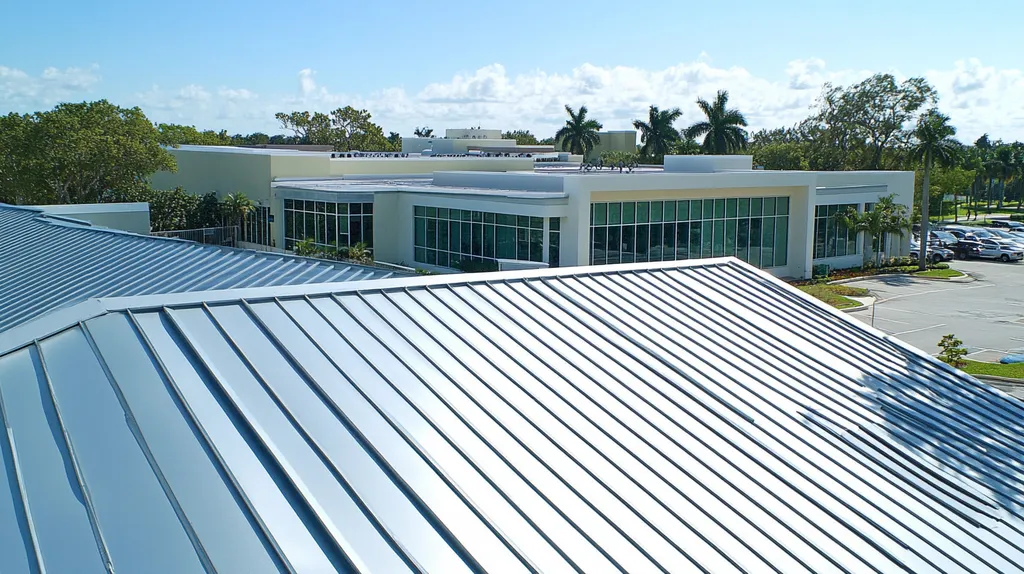
The evolution from traditional built-up roofing to today’s high-performance synthetic systems demonstrates how far commercial roofing technology has advanced, yet insulation remains the critical foundation.
Building owners who optimize insulation under solar installations can expect 20-30% better energy efficiency and up to 25% longer roof lifespans.
As regulations tighten and energy costs rise, those who fail to properly address insulation risk significant financial losses and compliance issues.
The future of commercial roofing lies in this integration of insulation and solar technology – the time for implementation is now.
FREQUENTLY ASKED QUESTIONS
Q. What are the performance factors for insulation under a commercial roof?
A. The performance of insulation under a commercial roof hinges on its thickness and R-value. Proper insulation minimizes energy costs and protects the system’s integrity, ensuring better performance and longevity.
Q. How does insulation impact energy costs for an industrial roof?
A. Insulation greatly affects energy costs on an industrial roof. Adequate insulation can lower bills significantly by improving thermal performance, reducing the need for heating and cooling.
Q. What building codes must I follow for commercial roof insulation?
A. Compliance with local building codes is critical when insulating commercial roofs. These codes dictate material specifications and installation practices, ensuring safety and efficiency.
Q. How can I ensure structural integrity on my commercial roof?
A. To ensure structural integrity, assess the load capacity of your commercial roof. Consulting with experts helps identify reinforcement needs to support any additional weight from solar systems.
Q. What are the best operational procedures for solar systems on commercial roofs?
A. Effective operational procedures include regular inspections, well-defined maintenance strategies, and proper access for cleaning solar panels. Consistency in these practices enhances system efficiency.
Q. How often should I inspect insulation on an industrial roof?
A. Inspections of insulation on an industrial roof should ideally occur at least bi-annually. Regular checks help identify and address issues before they compromise system performance and durability.
Q. What role does moisture management play in roof insulation?
A. Moisture management is crucial in roof insulation as trapped water can lead to leaks and damage. Proper waterproofing membranes and drainage solutions help mitigate these risks effectively.






