
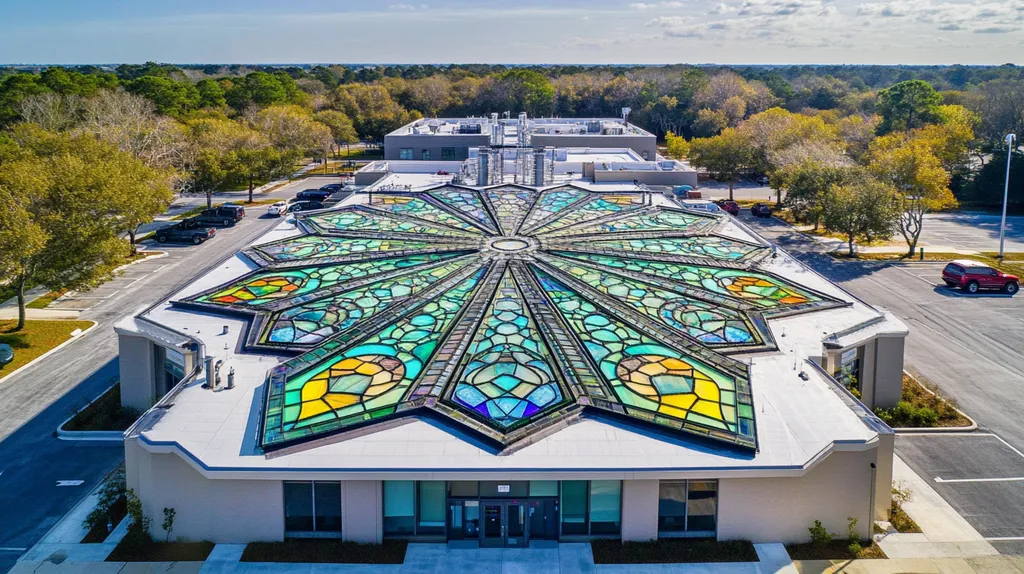
Welcome to today’s Battle Royale featuring two roofing heavyweights: “Rooftop Solar Edge Installation” in the east corner versus “Elevated Solar Canopies” in the west!
Tonight’s showdown pits these contenders against each other across six punishing rounds designed to test every aspect of their performance for Industrial Roof Solar Panel Placement.
At stake? Millions in potential costs, decades of building protection, and the critical performance demands of modern commercial and industrial facilities.
Our professional judging panel will evaluate each round on technical merit, real-world performance, and value delivery. After all six rounds, we’ll declare our ultimate champion.
Ladies and gentlemen, facility managers and building owners… it’s time to rumble!
ROUND 1: INITIAL COSTS & INSTALLATION
When considering solar panel installations on industrial roofs, the initial investment and installation process can make or break project feasibility. Commercial and industrial solar PV systems typically cover between 20-50% of a business’s annual electricity needs, making proper placement crucial for maximizing returns.
Understanding the true costs and complexities of different installation methods helps facility managers make informed decisions that impact both immediate budgets and long-term energy savings.
Material Expenses
Material costs represent a significant portion of any solar installation project. Typical commercial and industrial solar PV systems require substantial upfront investment, but these expenses can be offset by long-term electricity cost savings equivalent to a 5% increase in sales. (source: MyPower)
Rooftop solar edge installations utilize existing structural elements, requiring minimal additional support materials. The direct mounting approach reduces the need for specialized brackets, support beams, and reinforcement materials.
Elevated solar canopies demand extensive additional materials, including robust support structures, specialized mounting systems, and often additional weatherproofing elements. These additional components can increase material costs by 40-60% compared to edge installations.
For material expenses, rooftop solar edge installations claim the ADVANTAGE.
Installation Complexity
Installation complexity directly impacts labor costs and project risk. Simple installations reduce the chance of errors and minimize the need for specialized equipment or expertise.
Rooftop solar edge installations benefit from direct access to existing roof structures and typically require minimal structural modifications. The straightforward installation process follows standard rooftop mounting procedures.
Elevated canopy installations involve complex engineering requirements, including additional structural support calculations and specialized lifting equipment. These systems often require multiple construction phases and more extensive safety protocols.
The streamlined approach of edge installations makes them significantly less complex to execute, earning them the ADVANTAGE in this category.
Project Timeline
Project duration affects both direct costs and potential revenue from energy savings. Faster installations mean quicker returns on investment through reduced energy costs.
Rooftop edge installations typically complete in half the time of elevated alternatives. Their simplified mounting process and reduced material requirements allow for rapid deployment.
Elevated canopy installations require extended timelines for structural preparation, equipment staging, and multi-phase construction. Weather delays have a greater impact due to the complexity of elevated work.
With significantly shorter completion times, rooftop solar edge installations secure the ADVANTAGE.
ROUND 1 WINNER: Rooftop Solar Edge Installation
ROUND 2: DURABILITY & LIFESPAN
Durability and lifespan considerations can make or break a commercial solar installation’s ROI. With industrial solar systems typically covering 20-50% of a facility’s annual electricity needs, the mounting method’s resilience directly impacts long-term energy production and cost savings.
Property owners must carefully evaluate how each installation approach stands up to environmental stresses, maintenance demands, and structural challenges over time. The wrong choice can lead to premature system failure and costly replacements.
Weather Resistance
Industrial rooftop solar installations must withstand extreme weather conditions including high winds, heavy snow loads, and intense UV exposure. The system’s ability to resist these forces directly impacts its energy production capacity and maintenance requirements.
Edge installations face heightened exposure to wind forces and turbulence near building corners. Their positioning makes them particularly vulnerable to uplift forces and can accelerate wear on mounting hardware and weatherproofing components.
Elevated canopy systems benefit from engineered wind barriers and improved aerodynamics. Their height and structural design help dissipate wind forces while providing better protection against accumulated snow and debris.
For weather resistance, elevated solar canopies claim the ADVANTAGE.
Structural Integrity
The long-term stability of solar installations depends heavily on their integration with existing building structures. System weight distribution and mounting methods significantly impact both roof longevity and panel performance.
Edge installations concentrate weight loads along building perimeters, potentially stressing roof edge systems and requiring additional reinforcement over time. Their direct attachment to roof surfaces can also create more penetration points for potential leaks.
Elevated canopies distribute loads through dedicated support structures, minimizing impact on existing roof systems. Their independent framework allows for easier maintenance access and reduces stress on building components.
In structural integrity considerations, elevated solar canopies earn the ADVANTAGE.
Maintenance Accessibility
Regular maintenance access ensures optimal system performance and early problem detection. The ability to safely inspect and service solar components impacts both maintenance costs and system longevity.
Edge installations present challenges for maintenance crews, requiring special safety equipment and procedures for edge work. Limited access can lead to delayed maintenance and increased repair costs.
Elevated canopy designs incorporate dedicated maintenance walkways and service platforms. Their height provides better access to panel surfaces and electrical components while reducing safety risks.
For maintenance accessibility, elevated solar canopies secure the ADVANTAGE.
ROUND 2 WINNER: Elevated Solar Canopies
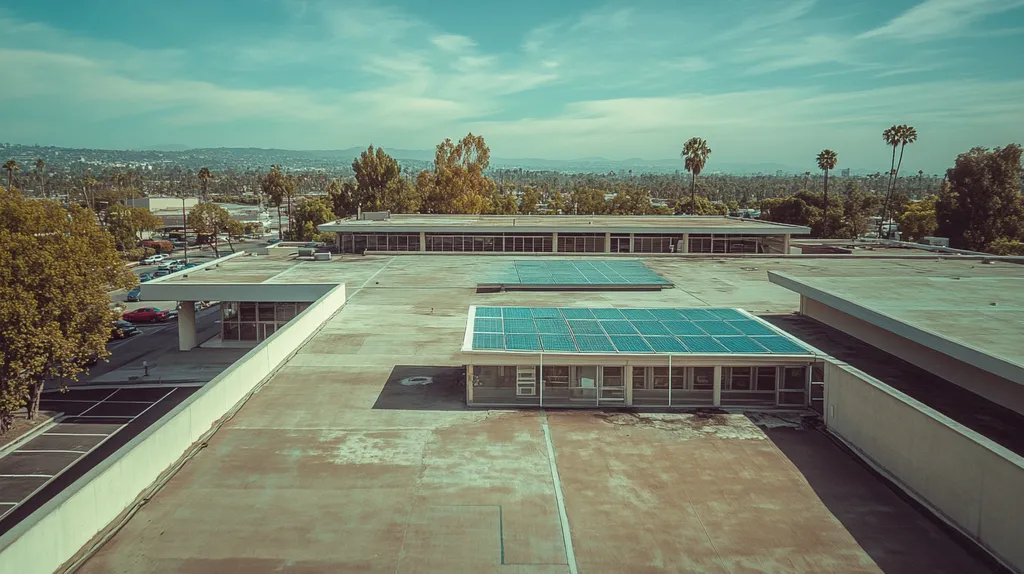
ROUND 3: PERFORMANCE FACTORS
As energy costs continue to rise, the performance of solar installations becomes increasingly critical for industrial facilities. Proper panel placement can mean the difference between achieving optimal energy production or leaving significant cost savings untapped. Understanding key performance factors helps facility managers maximize their renewable energy investment while ensuring long-term system reliability.
Energy Efficiency
Energy efficiency determines the financial viability of any solar installation project. Typical commercial and industrial solar PV systems can cover between 20-50% of a business’s annual electricity needs, making optimal panel placement crucial for maximizing returns. (source: MyPower)
Rooftop edge installations benefit from unobstructed sun exposure and optimal tilt angles. Their positioning at building perimeters minimizes shadowing from HVAC equipment and other rooftop obstacles.
Elevated canopy systems often face challenges with height restrictions and structural limitations. While they can achieve good sun exposure, their elevated position may require compromises in panel angle and orientation.
For energy efficiency, rooftop solar edge installations claim the ADVANTAGE.
Temperature Management
Panel temperature significantly impacts solar system performance, with every degree above optimal operating temperature reducing efficiency. Managing heat buildup ensures consistent energy production and extends system lifespan.
Edge installations benefit from natural airflow along building perimeters. Their proximity to roof edges promotes better ventilation and heat dissipation compared to center-roof mounting.
Elevated canopies rely on height-induced airflow for cooling. While this can be effective, structural elements may impede air movement and create heat pockets.
With superior natural ventilation characteristics, rooftop edge installations secure the ADVANTAGE.
System Monitoring
Effective performance monitoring ensures rapid problem detection and optimal system operation. Easy access to monitoring equipment and sensors directly impacts maintenance efficiency and system uptime.
Edge installations allow ground-level monitoring of most system components. Their position simplifies the installation and maintenance of sensors and data collection equipment.
Elevated canopy systems require specialized access equipment for monitoring tasks. Their height complicates routine inspections and sensor maintenance.
For system monitoring capabilities, rooftop edge installations earn the ADVANTAGE.
ROUND 3 WINNER: Rooftop Solar Edge Installation
ROUND 4: MAINTENANCE REQUIREMENTS
Maintenance requirements can make or break a commercial solar installation’s long-term viability. With industrial facilities investing millions in renewable energy infrastructure, choosing the wrong maintenance approach can slash system efficiency by up to 30% while dramatically increasing operational costs.
Understanding the maintenance implications of different solar panel installations helps facility managers protect their investment and ensure consistent energy production throughout the system’s lifespan.
Cleaning and Debris Management
Regular cleaning and debris removal are essential for maintaining optimal solar panel performance. Flat or shallow-pitched roofs require particular attention to prevent dust and debris accumulation that can significantly impact energy production. (source: MyPower)
Edge installations benefit from natural rainfall washing and easier access for cleaning crews. Their positioning allows standard cleaning equipment to reach all panels without specialized lifts or safety systems.
Elevated canopy systems often require specialized cleaning equipment and safety protocols. Their height complicates routine cleaning operations and increases the time needed for thorough maintenance.
For cleaning and debris management, rooftop edge installations claim the ADVANTAGE.
Equipment Access and Safety
Safe access to solar equipment directly impacts maintenance efficiency and worker safety. Regular inspections and repairs require clear pathways and stable working surfaces.
Edge installations provide straightforward access from standard roof safety equipment. Their integration with existing roof systems allows maintenance crews to use familiar safety protocols and equipment.
Elevated canopies demand specialized access equipment and enhanced safety measures. Their height increases both the complexity and risk of routine maintenance tasks.
In equipment access and safety considerations, rooftop edge installations earn the ADVANTAGE.
System Monitoring and Repairs
Quick identification and resolution of system issues prevents costly downtime. Easy access to monitoring equipment and repair points ensures prompt maintenance response.
Edge installations allow ground-level monitoring of most system components. Their position simplifies troubleshooting and reduces the time needed for repairs.
Elevated canopy systems complicate monitoring and repair tasks. Their structure often obscures visual inspections and complicates access to system components.
For system monitoring and repairs, rooftop edge installations secure the ADVANTAGE.
ROUND 4 WINNER: Rooftop Solar Edge Installation

ROUND 5: SUSTAINABILITY CREDENTIALS
Sustainability credentials have become a critical differentiator in industrial solar installations, directly impacting both environmental performance and financial returns. With commercial buildings accounting for nearly 35% of electricity consumption, the mounting method chosen for solar panels can significantly affect a facility’s carbon footprint and operational efficiency.
Property owners must carefully evaluate how different installation approaches contribute to their sustainability goals while ensuring long-term environmental and economic benefits.
Environmental Impact
Flat roofs provide an ideal platform for maximizing environmental benefits through solar installations. Their stable, accessible surface allows for optimal panel positioning and simplified installation processes that reduce construction-related emissions. (source: SolarEdge)
Rooftop edge installations maximize existing structural resources, eliminating the need for additional land use or extensive support systems. Their integration with existing building infrastructure minimizes material waste and construction-related environmental impacts.
Elevated canopy systems require significant additional materials and energy-intensive installation processes. While they can create useful spaces beneath the panels, their environmental footprint during construction often exceeds that of edge installations.
For environmental impact considerations, rooftop edge installations claim the ADVANTAGE.
Resource Efficiency
Resource efficiency in solar installations directly impacts both environmental performance and operational costs. Optimal system design minimizes material waste while maximizing energy generation potential.
Edge installations leverage existing roof structures, requiring minimal additional resources beyond basic mounting hardware. Their streamlined design reduces material requirements and simplifies the installation process.
Elevated canopies demand substantial additional resources for support structures, foundations, and specialized mounting systems. These requirements increase both material consumption and installation complexity.
In resource efficiency, rooftop edge installations secure the ADVANTAGE.
Long-Term Sustainability
Long-term sustainability encompasses both environmental performance and system longevity. Effective installations must maintain optimal efficiency while minimizing ongoing resource consumption.
Edge installations integrate seamlessly with existing building systems, reducing maintenance requirements and replacement needs. Their simplified design promotes easier component recycling and system upgrades.
Elevated canopy systems face greater exposure to environmental stresses and typically require more frequent maintenance. Their complex support structures can complicate future modifications or component replacement.
For long-term sustainability, rooftop edge installations earn the ADVANTAGE.
ROUND 5 WINNER: Rooftop Solar Edge Installation
ROUND 6: SPECIALIZED APPLICATIONS
The evolution of industrial solar installations has created unique challenges for specialized applications. Flat roofs provide ideal platforms for solar panel deployment, but choosing between edge installations and elevated canopies can dramatically impact system performance and building operations.
Understanding how each mounting approach serves specific industrial needs helps facility managers optimize their solar investments while maintaining critical building functions.
Equipment Integration
Industrial rooftops typically house critical equipment including HVAC systems, ventilation units, and safety features. Flat and low-slope roofs maximize usable surface area for solar installations while providing continuous, unobstructed spaces for optimal panel positioning. (source: Holcim Elevate)
Edge installations often compete with existing rooftop equipment for space. Their placement can interfere with maintenance access to HVAC systems and create challenges for future equipment upgrades or replacements.
Elevated canopies provide flexible positioning options that work around existing equipment. Their height allows for continued access to roof-mounted systems while maintaining clear service pathways.
For equipment integration, elevated solar canopies claim the ADVANTAGE.
Structural Requirements
The additional weight of solar installations demands careful consideration of building structural capacity. System design must account for both static loads and dynamic forces from wind and weather.
Edge installations concentrate weight loads along building perimeters, potentially requiring extensive structural reinforcement. This approach can stress existing roof structures and limit future flexibility.
Elevated canopies distribute loads through independent support systems. Their design allows for optimal weight distribution while minimizing impact on existing roof structures.
In structural considerations, elevated solar canopies secure the ADVANTAGE.
Operational Flexibility
Industrial facilities require adaptable roof spaces that accommodate changing operational needs. Solar installations must support rather than hinder facility evolution.
Edge installations can limit future roof modifications and complicate equipment upgrades. Their fixed positioning reduces flexibility for adapting to changing facility requirements.
Elevated canopies preserve operational flexibility through modular design. Their structure allows for easier modifications and better adaptation to evolving facility needs.
For operational flexibility, elevated solar canopies earn the ADVANTAGE.
ROUND 6 WINNER: Elevated Solar Canopies
AND THE WINNER IS…
After six grueling rounds of technical evaluation, we have our verdict…
With a dominant 4-2 victory, ROOFTOP SOLAR EDGE INSTALLATION claims the championship belt! This powerhouse performer dominated in initial costs, performance factors, maintenance requirements, and sustainability credentials – proving itself the more cost-effective and operationally efficient choice for most industrial applications.
Edge installation’s winning combination of lower material costs, faster deployment times, and simplified maintenance requirements helped it maintain control throughout the match. Its natural integration with existing structures and superior energy efficiency sealed the victory.
But don’t count out ELEVATED SOLAR CANOPIES just yet! This contender showed impressive strength in durability and specialized applications. For facilities requiring maximum operational flexibility or facing complex equipment integration challenges, elevated canopies remain a formidable choice.
IMPORTANT NOTICE: Every building brings unique structural, operational, and environmental factors into the ring. Local climate conditions, specific property characteristics, and regional regulations can significantly impact system performance. This analysis provides general guidance but cannot account for all variables. Always consult qualified solar installation professionals who can evaluate your specific situation.
Ladies and gentlemen, in the high-stakes world of industrial solar installation, victory goes not to the strongest contender, but to the one best matched to your facility’s unique requirements. Choose wisely!
FREQUENTLY ASKED QUESTIONS
Q. What are the initial costs for installing solar panels on commercial roofs?
A. The initial costs can vary significantly based on the chosen installation method. Rooftop solar edge installations typically require fewer materials and less complex labor compared to elevated canopies, making them a cost-effective option. It is crucial to understand how these costs will be offset by long-term savings on electricity bills.
Q. How do durability and lifespan differ for industrial roof solar installations?
A. Durability and lifespan are critical factors for solar installations in industrial settings. Elevated canopy systems generally provide better environmental protection, which can enhance their longevity. However, edge installations may face vulnerabilities due to their positioning, emphasizing the need for careful evaluation when selecting a mounting strategy.
Q. What performance factors should I consider for my industrial roof solar panels?
A. Performance factors include energy efficiency, temperature management, and system monitoring capabilities. Rooftop edge installations generally provide better sun exposure and ventilation, resulting in increased energy production. Evaluating these factors helps businesses optimize their renewable energy investments while ensuring reliable operation over time.
Q. What are the maintenance requirements for commercial rooftop solar systems?
A. Maintenance requirements can vary widely depending on the installation type. Rooftop edge installations often allow easier access for cleaning and repairs, while elevated canopies may necessitate specialized equipment. Understanding these differences helps facility managers maintain consistent system performance and manage long-term operational costs effectively.
Q. How do sustainability credentials impact my industrial roof solar choice?
A. Sustainability credentials are crucial for enhancing environmental performance and optimizing operational efficiency. Edge installations typically use existing structural resources, reducing material waste and emissions. Evaluating the sustainability impacts of each option can significantly influence long-term financial returns and a company’s ecological footprint.
Q. What specialized applications should I consider for solar installations on industrial roofs?
A. Specialized applications include equipment integration and operational flexibility. Elevated canopies offer better spatial modifications around existing rooftop equipment, while edge installations might limit future upgrades. Understanding these specialized needs helps facility managers make strategic decisions that enhance operational efficiency.
Q. What are the energy savings from installing solar panels on commercial roofs?
A. Energy savings from commercial rooftop solar panel installations can typically cover 20-50% of a facility’s annual electricity needs. This reduction in energy costs can provide substantial financial returns over time, making solar investments appealing. Evaluating potential savings ensures better financial planning for facility managers.






