

As energy costs surge past record highs and sustainability mandates tighten, commercial property owners can’t afford to overlook solar incentives any longer. Industry data shows businesses missing out on up to 30% in available tax credits and rebates for solar roofing projects.
From federal tax breaks to local utility programs, the landscape of solar incentives can seem overwhelming. Yet understanding these opportunities is crucial for maximizing cost savings while future-proofing commercial properties.
This guide decodes the essential elements of solar incentives, revealing how savvy property owners are slashing operational costs while boosting building value through strategic solar integration.
SECTION 1: THE BASICS EXPLAINED
As energy costs skyrocket and environmental worries escalate, commercial property owners can no longer afford to ignore the potential of solar energy. According to the Solar Energy Industries Association, the commercial solar market has surged by over 40% in just one year. Grasping the ins and outs of solar incentives is essential for maximizing cost savings on roofing projects and meeting sustainability goals head-on.
What It Is (In Plain Language)
Solar incentives are financial perks designed to promote the installation of solar energy systems. They come in various shapes and sizes—think tax credits, rebates, and grants. For commercial roofing projects, integrating solar technology can make a big dent in those hefty upfront costs.
Both federal and state programs are in place to encourage the use of renewable energy sources. From the Investment Tax Credit (ITC) to state-specific rebate initiatives, these incentives help property owners manage their investments effectively. They transform solar installation from a pipe dream into a financially sound reality.
Simply put, solar incentives lower the net installation costs, allowing property owners to concentrate on the long-term financial benefits of their roofing systems. This strategic mindset bolsters operational savings and elevates asset value.
By seizing these opportunities, businesses can not only lead the charge in sustainability but also enhance their bottom line. Therefore, understanding the specifics of available incentives is crucial for making informed decisions.
Why It Matters (To Your Building)
Integrating solar energy into commercial roofing can significantly reduce a building’s operational costs. With energy consumption making up a large chunk of overall expenses, cutting back on reliance on traditional energy sources opens the door to major financial relief.
Buildings equipped with solar technology often enjoy lower electricity bills, which translates into immediate savings. Additionally, properties that harness renewable energy tend to attract a wider range of tenants and buyers, making them more marketable.
Moreover, adopting solar technologies aligns perfectly with corporate sustainability commitments. As consumers increasingly gravitate toward eco-friendly practices, buildings with solar options stand to gain a competitive edge. This commitment to sustainability not only bolsters a brand’s reputation but also helps foster customer loyalty.
In short, capitalizing on solar incentives isn’t just about saving a few bucks; it’s a strategic move that ensures the future resilience of commercial properties. It’s about creating a forward-thinking business environment that stands the test of time.
How It Works
The mechanics of solar incentives can be surprisingly straightforward for commercial roofing projects. First and foremost, property owners need to assess their energy requirements and determine if solar energy is a good fit for them. Consulting with seasoned installers can carve out a clear path for this evaluation.
Next, property owners should dive into researching and applying for the relevant incentives. Every program has its own set of criteria, which means paying close attention during the application process is key. Technical assistance and expert advice can significantly ease the navigation of this complex landscape.
Once the solar system is up and running, the incentives kick in, slashing those initial out-of-pocket expenses. In many instances, property owners start seeing remarkable returns on their investment within just a few years thanks to energy savings.
Finally, regular maintenance and monitoring of the solar system ensure peak performance, allowing owners to fully capitalize on those initial savings. Staying informed about changes in laws and incentives can lead to further savings over time.
SECTION 2: PRACTICAL APPLICATIONS
The clock is ticking on businesses to leverage solar incentives in their commercial roofing projects. With energy prices climbing and regulations tightening around carbon emissions, ignoring the solar energy revolution could mean costly consequences. Embracing solar roofing technologies not only addresses these pressing issues but can lead to significant savings—some companies report energy savings exceeding 30%. This section will highlight common applications of solar incentives, critical timing for their deployment, and how these systems mesh with existing infrastructure.
Common Uses & Examples
Solar incentives are versatile tools that can greatly enhance commercial roofing projects. One of the most popular applications is the installation of photovoltaic (PV) panels. These marvels transform sunlight into electricity, powering operations without draining the grid.
Then there’s solar thermal technology, another powerful application. This is especially useful for buildings that require abundant hot water, like hotels or manufacturing facilities. Imagine a hotel slashing its hot water costs while captivating eco-conscious guests; it’s a win-win.
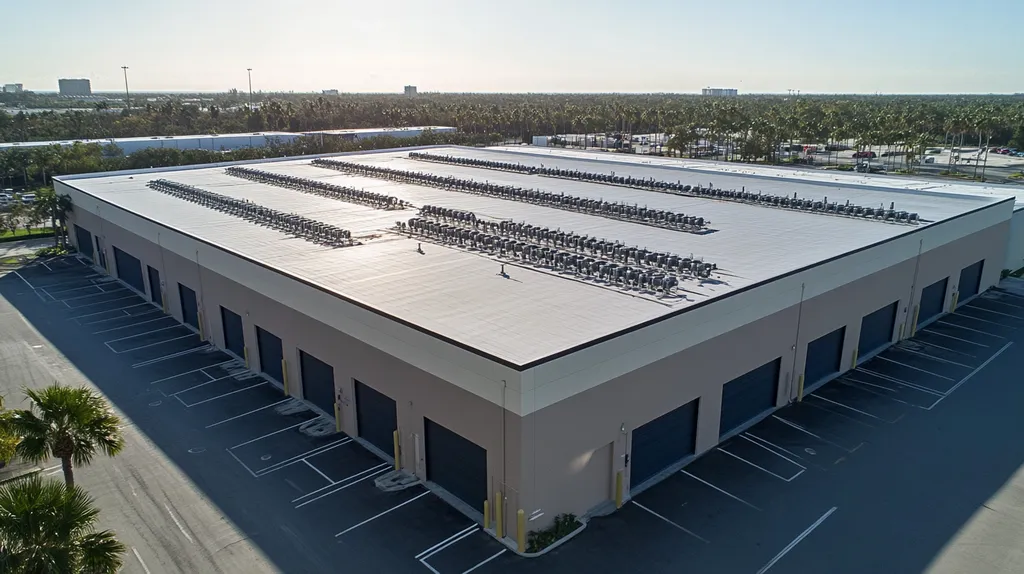
Take, for example, a warehouse outfitted with a roof-mounted solar PV system. This facility generates its own electricity, slashing operational costs and boosting property value at the same time.
Besides installations, solar incentives include tax credits and rebates, which are crucial in financing these systems. By tapping into these programs, property owners can significantly lower their initial investment while promoting long-term sustainability.
When You Need It Most
Timing is everything when it comes to implementing solar roofing solutions. New legislative measures or grant programs can create a rush of opportunities for businesses to act fast.
For instance, some states offer limited-time tax incentives for solar installations or rebates for energy-efficient upgrades. Timing the installation to align with these incentive deadlines can yield substantial savings.
Furthermore, businesses experiencing escalating energy costs should view solar solutions as a proactive strategy. Early adoption can dramatically cut overhead, freeing up funds for more growth-oriented initiatives.
Facility managers should keep an eye on rate hikes and changing energy usage patterns. This vigilance will help pinpoint the best moments to invest in solar technologies, ensuring maximal financial benefits.
Interactions With Other Systems
Integrating solar roofing systems with existing building infrastructure can yield impressive dividends. Many commercial properties already rely on energy management systems (EMS), which can complement solar installations to enhance energy performance.
By pairing solar panels with an EMS, facilities can monitor real-time energy usage and production, leading to more informed decision-making. This synergy enhances energy savings and supports demand response initiatives.
Additionally, combining solar roofing with green roofs or cool roofs further boosts energy efficiency. Cool roofs reflect sunlight, which undoubtedly helps reduce building temperatures, lowering overall energy needs while working harmoniously with solar technology.
Understanding these interactions enables property owners to maximize their investments, achieving cumulative savings and improved performance. Such integrated strategies not only benefit the bottom line but also advance sustainability goals significantly.
SECTION 3: KEY TERMINOLOGY DECODED
Time is of the essence, and understanding solar incentives is a game-changer for commercial property owners and facility managers. Those who are befuddled by terms like “tax credits,” “net metering,” and “power purchase agreements” risk missing out on significant savings. Demystifying this jargon isn’t just helpful; it’s essential for making savvy investments and ensuring projects run smoothly and efficiently.
Essential Terms Explained
Solar tax credits may sound like financial mumbo jumbo, but they’re really just the government’s way of saying, “We’ll help you pay for your solar installation.” The Investment Tax Credit (ITC) allows property owners to deduct a healthy chunk—26% of eligible expenses for projects installed through 2023—right off their federal taxes. This can provide significant financial relief, making solar energy a much more attractive option.
Next on the list is “net metering,” which is a nifty arrangement that allows property owners to cash in on excess energy produced by their solar systems. When your solar setup generates more electricity than you use, that surplus is sent back to the grid, and you get credits for it. This can dramatically shrink monthly utility bills and turbocharge your return on investment (ROI).
Let’s not forget “Power Purchase Agreements” or PPAs. These contracts let property owners buy electricity generated by a solar system at a predetermined rate, offering a way to reap the rewards of solar energy without the upfront costs. Many times, this means locking in lower rates than those painful conventional energy bills, making budgeting for the future a whole lot easier.
By understanding these essential terms, property owners can better navigate the landscape of federal and state incentives. Clarity in this jargon is crucial for everyone looking to optimize energy efficiency and maximize savings on their commercial roofing projects.
Industry Jargon Translated
Then there’s the “solar feasibility study,” an analysis that assesses whether a solar project is viable for a specific roof. This study looks at solar exposure, structural integrity, and local energy prices. Understanding these factors helps decision-makers spot potential savings and gauge return on investment with a clearer lens.
Lastly, “incentive programs” vary widely by state, offering everything from grants and rebates to low-interest loans for solar projects. These financial perks can slay overall project costs, making it essential to fully grasp what’s available to ensure top-notch financial planning.
Industry jargon can feel like a foreign language, but translating these terms into actionable insights arms property owners with the knowledge to keep projects on track. Being fluent in this lingo not only enhances communication with contractors but also makes the entire planning process far less painful.
Measurement & Units Simplified
Understanding how solar systems are measured is vital for making informed decisions. Solar panel output is typically measured in watts (W) or kilowatts (kW). For reference, a typical solar panel cranks out about 300 watts, while a 100 kW system has the power to support several commercial buildings.
An equally important measurement is the “kilowatt-hour” (kWh), which is the unit that measures energy usage. Utility bills reflect consumption in kWh, so knowing this helps property owners gauge how their generated solar energy stacks up against what they consume—illuminating potential savings.
Don’t overlook the “payback period,” which indicates how long it takes for savings from a solar system to equal the initial investment. Understanding this timeframe can be a crucial motivator for decision-makers considering solar projects; the sooner they act, the sooner they start saving.
Grasping these measurements equips property owners to assess solar offers with clarity. Armed with this knowledge, they are in a better position to calculate projected savings and evaluate the overall viability of solar roofing projects.
SECTION 4: DECISION FACTORS
In a world where sustainability isn’t just a buzzword but a necessity, commercial property owners are at a crossroads regarding roofing projects featuring solar integration. Ignoring key decision factors not only jeopardizes potential savings but also compromises long-term performance. It’s essential to weigh cost considerations, performance trade-offs, and lifespan and durability factors to make informed decisions that amplify both financial incentives and operational efficiency.
Cost Considerations
The prospect of upfront investment in solar roofing can initially raise eyebrows, but the reality is a bit friendlier. Federal tax credits, state rebates, and local utility incentives can often cover a hefty slice of installation costs—potentially as much as 30% of the expenses (source: Boston Solar). A thorough cost-benefit analysis is key to understanding how these incentives can stack up against traditional roofing options over the years.
Long-term energy savings should be front and center when weighing options. A well-executed solar system reduces dependence on conventional power sources, leading to substantial monthly savings. Property owners shouldn’t just fixate on upfront installation costs; they need to consider future operational savings as well.
Failing to leverage these incentives leaves property owners vulnerable to rising energy bills with no safety net. A comprehensive financial evaluation, including maintenance and operational costs, is vital for calculating the true cost of ownership.
For example, in California, adopting solar roofing can unlock up to 30% in federal tax credits—transforming a daunting investment into a practical option.
Performance Trade-offs
Integrating solar technology with roofing systems involves various performance considerations that can’t be ignored. Not every roofing material plays nicely with solar panels, which can impact energy capture efficiency. It’s essential for property owners to scrutinize how different roofing types will respond to solar installation.
Flat roofs, like those using TPO or EPDM, tend to be more compatible with solar systems compared to their sloped or tile counterparts. While these configurations offer excellent energy efficiency, they often come with unique installation demands and require specialized labor, which can affect both timelines and costs.
The orientation and pitch of the roof are also crucial factors. A poorly positioned solar setup can result in lackluster performance, driving costs up and diminishing expected savings. Evaluating building orientation and potential shading from surrounding structures or trees is essential for maximizing solar gains.
Ultimately, selecting the right mix of roofing materials and solar technology is instrumental in achieving optimal performance and maximizing returns on investment.
Lifespan & Durability Factors
The longevity of roofing and solar systems is a pivotal consideration for any commercial property owner. Most commercial roofing has a lifespan of 15 to 30 years, while solar panels generally last 25 years or longer. Ensuring compatibility and durability between these systems is crucial for seamless long-term operation.
Durability is also influenced by regional weather conditions. Coastal properties may need roofing materials that resist corrosion, whereas urban settings might require pollution-resistant systems. Understanding local environmental factors is essential when selecting appropriate roofing materials.
Don’t forget maintenance. Regular inspections and upkeep are critical for both roofing and solar technologies to perform optimally and fulfill their expected lifetimes. Neglecting maintenance can lead to premature failures and hefty replacement costs.
By aligning the durability of roofing systems with reliable solar technologies, property owners not only safeguard their investment but also enhance energy efficiency and sustainability for decades to come.
SECTION 5: COMMON CHALLENGES
In the rush to embrace solar incentives in commercial roofing, many businesses find themselves tripping over a series of hurdles that can lead to wasted time and lost money. Shockingly, studies suggest that around 30% of businesses miss out on valuable solar tax credits—money left on the table, completely ignored! Understanding the common challenges faced in solar integration is crucial for property owners and facility managers. This section explores significant issues, warning signs, and actionable strategies to navigate these obstacles.
Frequent Problems & Solutions
One of the top headaches in solar roofing projects is the daunting logistics of installation. Contractors may underplay the complexity of roofing setups, leading to inflated costs and longer timelines. Property owners should team up with seasoned contractors who can confidently manage the unique challenges of solar integration.
Structural inadequacies can also rear their ugly heads during project planning. Not every roof is built to hold the weight of solar panels, and overlooking this crucial step can set projects back significantly. Bringing a structural engineer on board early can save property owners from costly surprises down the road.
Mother Nature can be an unpredictable player in all this. Bad weather can derail installation schedules. Ready to counteract this? Establish flexibility in timelines and have contingency plans in place. Contractors who are familiar with local weather can help set realistic expectations, shielding the budget from nasty surprises.
And let’s not ignore the communication breakdowns between stakeholders. Misunderstandings can lead to costly mistakes. Regular check-ins and updates keep everyone aligned, maintaining a smooth workflow from start to finish.
Warning Signs To Watch For
Property owners need to keep their eyes peeled for warning signs that signal trouble ahead. An early indicator is a contractor who tosses around vague estimates. Proposals should be detailed, breaking down costs associated with materials, labor, and incentives. If it’s not clear, it’s likely going to get messy—watch out for unexpected expenses!
Another red flag? If a contractor is pushing for quick decisions, it’s time to hit the brakes. Good planning takes time, and rushing things can lead to costly mistakes that could have been avoided with a little patience.
Also, inadequate preparation can spell doom for a project. Signs like missing site evaluations or lack of engineering plans compromise success. Property owners must demand thorough assessments to tackle any structural concerns upfront.
If communication problems crop up, particularly in timely updates from the contractor, it’s a cue to reassess the partnership. Clear communication is vital to ensuring a successful installation—if that breaks down, so might the project!
Preventative Approaches
Taking a proactive stance can make a world of difference in fending off common pitfalls in solar roofing. Start by diving into comprehensive research on the solar incentives available for the specific project. Local government programs and utility rebates can mean substantial costs savings when leveraged effectively.
Your choice of contractor is crucial; align with knowledgeable firms specializing in solar roofing. They’ll have the right expertise to handle any challenges that arise during the project.
Creating a detailed project timeline with key milestones can significantly improve tracking and accountability. This visibility can catch issues early, allowing for tweaks before they balloon into larger headaches.
Lastly, investing in ongoing training for facility managers keeps teams up-to-date on advancements in roofing technologies and solar applications. A well-informed crew can strategize better decisions, setting the stage for successful solar integration.
SECTION 6: NEXT STEPS & RESOURCES
With the clock ticking on sustainable solutions in commercial roofing, grasping the ins and outs of solar incentives isn’t just smart—it’s essential. Businesses that adopted solar energy in 2022 saw average utility cost savings of 20%. Yet, navigating the maze of solar incentives can feel like deciphering ancient hieroglyphics. This section breaks down critical questions, industry guidelines, and accessible resources to empower informed choices.
Questions To Ask Providers
When vetting roofing providers, asking the right questions can clear up confusion regarding solar options. Start by probing their experience with solar installations. A contractor with a solid history knows how to maximize benefits and avoid pitfalls.
Next, clarify the warranty options available for both the roofing and solar components. Solid warranties are like insurance for your investment, ensuring it lasts longer and performs better.
Make sure to ask about financial incentives they can help you access, including tax breaks and local grants. Transparency is key; providers should clearly explain how these savings impact your upfront costs.
Finally, don’t overlook inquiries about ongoing maintenance services. Regular upkeep is the secret sauce for maintaining the efficiency of both roofing and solar systems, ensuring you get the most bang for your buck.
Industry Standards & Guidelines
Understanding industry standards is vital for making savvy decisions. The National Roofing Contractors Association (NRCA) offers essential guidelines on selecting roofing systems that suit solar integration. Following these recommendations can help you choose materials that enhance energy efficiency and comply with building codes.
The Solar Energy Industries Association (SEIA) also provides resources outlining best practices for solar installations. Familiarizing yourself with these standards ensures your project meets both safety and performance metrics.
Keep in mind that each state has unique building codes that can affect installations. Reviewing the local regulations beforehand can save you from compliance headaches later. Adhering to these industry standards not only protects your investment but also boosts the overall success of your solar initiatives.
Further Learning Simplified
Staying informed about solar incentives and commercial roofing trends is easier than ever with the right resources. Websites like the U.S. Department of Energy provide comprehensive guides on financial incentives for solar projects at both federal and state levels.
Participating in industry webinars and workshops can provide invaluable insights directly from the experts. Associations like NRCA and SEIA frequently host events covering the latest advancements in roofing and solar technologies. These forums are prime opportunities to expand your knowledge and connect with fellow professionals.
Lastly, subscribing to industry publications guarantees you stay updated on current information and innovative trends. Regularly reviewing these materials keeps property owners in the loop, ready to adapt and maximize their solar investments effectively.
The Bottom Line
With energy costs projected to rise 30% by 2025, commercial property owners can’t afford to ignore solar incentives any longer.
The data is clear: businesses that integrate solar technology into their roofing projects see average utility savings of 20-40% while increasing property values by up to 25%.
Yet incredibly, studies show nearly one-third of eligible commercial properties still miss out on valuable solar tax credits and rebates each year.
From federal incentives to local utility programs, the opportunities for cost savings are substantial and growing.
Smart facility managers are already leveraging these programs to slash operational costs while future-proofing their properties against rising energy prices and tightening sustainability regulations.
The time to act is now – before the best incentives expire and energy costs climb even higher.
FREQUENTLY ASKED QUESTIONS
Q. What are solar incentives for a commercial roof?
A. Solar incentives are financial benefits that reduce the installation costs of solar energy systems. These can include tax credits, rebates, and grants aimed at promoting renewable energy. For commercial roofing, these incentives help turn a costly endeavor into a more budget-friendly investment.
Q. How can businesses apply solar incentives to an industrial roof?
A. Businesses should first assess their energy needs and research applicable solar incentives available in their state. Collaborating with experienced contractors can streamline this process, ensuring all requirements and paperwork are managed effectively. Maintaining awareness of deadlines and eligibility criteria is crucial for optimizing benefits.
Q. How can commercial roofs maximize solar savings?
A. To maximize savings, commercial roofs should consider the timing of the installation to coincide with available incentives. Ensuring compatibility with energy management systems and utilizing high-performing materials can also enhance energy efficiency. Lastly, regular maintenance will optimize system performance and savings over time.
Q. What key terms should I know for my industrial roof project?
A. Important terms include “tax credits,” which help offset costs, and “net metering,” allowing users to benefit from excess energy produced. Understanding “Power Purchase Agreements” can also provide financial flexibility. Familiarity with these terms will aid in making informed decisions throughout the project.
Q. What costs should I consider for solar integration on a commercial roof?
A. While upfront costs can be daunting, consider potential tax credits and rebates that can significantly reduce expenses. Factor in long-term energy savings and ongoing maintenance when evaluating costs. A comprehensive cost-benefit analysis will provide clearer insights into the project’s overall financial impact.
Q. What challenges might arise when installing solar on commercial roofs?
A. Common challenges include structural limitations, installation complexity, and weather delays. Additionally, incomplete communication from contractors can exacerbate problems. Proactive planning and clear communication throughout the process are essential for overcoming these obstacles and ensuring a successful integration.
Q. What steps should I take after deciding to integrate solar?
A. Begin by researching providers with solid experience in solar installations. Ask about warranties, available financial incentives, and ongoing maintenance options. Familiarize yourself with industry standards and guidelines to ensure compliance and optimal performance. Continuous learning through workshops and publications will also enhance decision-making.






