
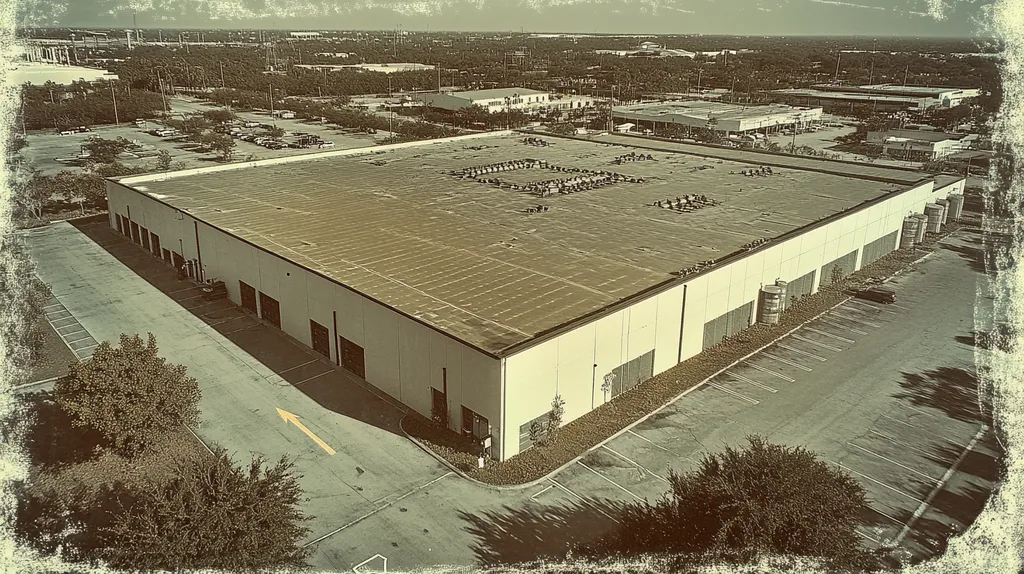
Welcome to today’s Battle Royale featuring two roofing heavyweights: “Cool Roof Technology” in the east corner versus “Photovoltaic Roof Systems” in the west!
Tonight’s showdown pits these contenders against each other across six punishing rounds designed to test every aspect of their performance for Industrial Roof Efficiency.
At stake? Millions in potential costs, decades of building protection, and the critical performance demands of modern commercial and industrial facilities.
Our professional judging panel will evaluate each round on technical merit, real-world performance, and value delivery. After all six rounds, we’ll declare our ultimate champion.
Ladies and gentlemen, facility managers and building owners… it’s time to rumble!
ROUND 1: INITIAL COSTS & INSTALLATION
In today’s competitive industrial market, roofing decisions have become increasingly complex and financially significant. With energy costs rising by an average of 8% annually, the choice between cool roof technology and photovoltaic systems can impact operational budgets for decades to come. Understanding the initial investment and installation requirements is crucial for making an informed decision that aligns with both immediate budget constraints and long-term facility goals.
Material Expenses
Cool roof technology typically requires specialized reflective coatings or single-ply membranes, with materials averaging $3-5 per square foot for industrial applications. These materials are widely available and have become increasingly cost-competitive as manufacturing processes improve.
Photovoltaic roof systems demand significantly higher material investments, with costs ranging from $15-25 per square foot before accounting for electrical components and mounting hardware. The sophisticated nature of PV panels and their supporting infrastructure drives these higher costs.
AI-powered roofing estimates now provide detailed cost calculations for both systems, helping facility managers better understand the full scope of material expenses. Modern estimation tools particularly benefit complex PV installations by improving cost predictability and reducing budget surprises. (source: ServiceTitan)
When comparing material expenses alone, cool roof technology holds a clear ADVANTAGE due to substantially lower upfront costs.
Installation Complexity
Cool roof installations follow traditional roofing procedures, requiring minimal specialized training beyond standard roofing practices. Most experienced roofing crews can complete these installations using familiar techniques and equipment.
Photovoltaic installations demand specialized expertise in both roofing and electrical systems. The process requires careful coordination between multiple trades and often necessitates structural modifications to support the additional weight.
The complexity of PV installations also increases the potential for errors and delays, requiring more rigorous quality control measures throughout the process.
Given the simpler installation requirements, cool roof technology demonstrates a clear ADVANTAGE in this category.
Project Timeline
Cool roof installations typically require 5-7 working days for an average industrial facility, with minimal disruption to daily operations. The straightforward nature of the installation allows for efficient project scheduling and predictable completion dates.
Photovoltaic installations often extend to 3-4 weeks or longer, depending on system size and complexity. This timeline includes necessary electrical work, inspections, and system testing before activation.
Weather dependencies affect both systems similarly, but PV installations face additional delays due to electrical permitting and utility company coordination requirements.
With significantly shorter implementation times, cool roof technology claims the ADVANTAGE in project timeline considerations.
ROUND 1 WINNER: COOL ROOF TECHNOLOGY
ROUND 2: DURABILITY & LIFESPAN
Industrial roofing decisions have long-lasting implications, with system durability directly impacting facility operations and maintenance costs. Recent data shows that premature roof failures cost U.S. businesses over $3.5 billion annually in repairs, lost productivity, and inventory damage. Understanding the lifespan characteristics of modern roofing technologies has become essential for protecting both facilities and bottom lines.
Material Resilience
Cool roof materials incorporate advanced polymer technologies and reflective compounds that actively resist environmental degradation. These specialized coatings and membranes maintain their protective properties even after years of UV exposure and temperature fluctuations.
Photovoltaic panels demonstrate excellent durability against normal weather conditions, with most manufacturers guaranteeing performance for 25+ years. However, the mounting systems and roof penetrations required for installation create additional potential failure points.
While both systems offer strong material durability, cool roof technology claims the ADVANTAGE due to fewer components and penetrations.
Maintenance Requirements
Cool roof systems typically need only basic annual inspections and occasional recoating to maintain peak performance. Their simple construction means fewer components that could potentially fail or require replacement.
PV systems demand more frequent specialized maintenance to ensure optimal energy production. Regular cleaning, electrical system checks, and monitoring of mounting hardware integrity all add to the maintenance burden.
The simpler maintenance profile of cool roof technology earns it the ADVANTAGE in this category.
Long-Term Performance
Cool roofs demonstrate consistent performance throughout their lifespan, with thermal protection capabilities declining only gradually over time. Their effectiveness can be restored through periodic recoating, extending functional life beyond initial expectations.
Photovoltaic systems show excellent energy generation longevity but face more complex aging challenges. Component replacements, particularly inverters, become necessary within the system’s lifetime, while panel efficiency naturally degrades at about 0.5% annually.
Due to its more predictable long-term performance and fewer replacement requirements, cool roof technology claims the ADVANTAGE.
ROUND 2 WINNER: Cool Roof Technology
ROUND 3: PERFORMANCE FACTORS
As energy costs continue to climb and environmental regulations tighten, the performance capabilities of industrial roofing systems have become increasingly crucial. Modern facilities face unprecedented pressure to maximize efficiency while minimizing environmental impact. The choice between cool roof technology and photovoltaic systems can mean the difference between meeting sustainability goals and falling short of regulatory requirements.
Energy Management
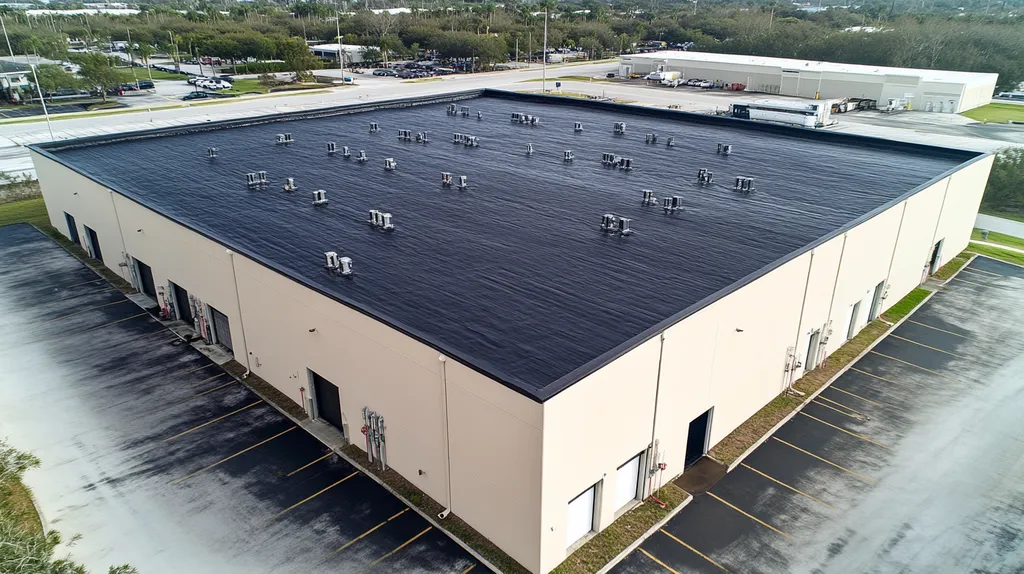
Cool roof technology relies on advanced reflective materials to reduce heat absorption and lower cooling demands. These systems reflect up to 80% of solar radiation, dramatically reducing the thermal load on HVAC systems during peak hours.
Low-sloped commercial roofs must maintain specific performance metrics to ensure optimal efficiency. The Cool Roof Rating Council requires a minimum 3-year aged solar reflectance of 0.68 and thermal emittance of 0.85 for maximum effectiveness. (source: Cool Roof Rating Council)
Photovoltaic systems take a more active approach by converting solar energy directly into electricity. Modern commercial PV installations can offset 60-75% of a facility’s electrical consumption, generating substantial utility savings.
While both technologies offer significant benefits, photovoltaic systems demonstrate superior overall energy management through direct power generation, earning the ADVANTAGE in this category.
Climate Adaptability
Cool roof performance varies significantly based on geographic location and seasonal changes. These systems deliver peak benefits in hot, sunny climates but offer reduced advantages in cooler regions or during winter months.
Photovoltaic systems maintain consistent energy generation across diverse climate conditions. While output may vary with weather patterns, modern panels continue producing power even in partial shade or overcast conditions.
The versatility of PV systems across different climate zones and throughout all seasons gives them a clear ADVANTAGE in adaptability.
Peak Load Management
Cool roofs provide passive load reduction by decreasing heat gain during peak demand periods. This helps stabilize energy consumption but offers limited control over timing and intensity.
Photovoltaic systems enable active load management through real-time power generation. Facilities can optimize energy production to coincide with peak demand periods, potentially eliminating expensive demand charges.
The ability to actively manage and reduce peak loads gives photovoltaic systems the ADVANTAGE in this crucial performance category.
ROUND 3 WINNER: Photovoltaic Roof Systems
ROUND 4: MAINTENANCE REQUIREMENTS
Industrial roofing maintenance directly impacts facility operations, energy efficiency, and long-term cost management. With maintenance-related expenses accounting for up to 30% of total roof ownership costs, choosing between Cool Roof Technology and Photovoltaic Systems requires careful consideration of ongoing care requirements. Understanding these maintenance demands helps facility managers allocate resources effectively and prevent costly emergency repairs.
Regular Inspection Requirements
Cool roof systems require bi-annual professional inspections to assess reflective coating integrity and surface wear. These inspections typically take 1-2 days and can be performed by standard roofing contractors.
Cool roofs maintain their Solar Reflectance Index (SRI) through proper maintenance, combining both reflectance and thermal emittance for optimal performance. Regular evaluations help ensure these properties remain within specified ranges for maximum energy efficiency. (source: Roof Source)
Photovoltaic systems demand quarterly inspections by specialized technicians who must evaluate both roofing components and electrical systems. These inspections typically require 2-3 days and often involve multiple contractors.
Given the simpler inspection protocols and lower specialist requirements, Cool Roof Technology claims the ADVANTAGE in this category.
Cleaning and Preventive Care
Cool roof surfaces need semi-annual cleaning to maintain reflective properties. Standard pressure washing equipment and non-abrasive cleaners are typically sufficient for this maintenance task.
Photovoltaic panels require monthly cleaning to prevent power generation losses from dust and debris accumulation. This process demands specialized equipment and careful handling to avoid damaging sensitive components.
Additional preventive measures for PV systems include monitoring electrical connections, checking mounting hardware tension, and testing backup systems. These tasks add significant complexity to routine maintenance schedules.
With lower cleaning frequency and simpler procedures, Cool Roof Technology demonstrates a clear ADVANTAGE.
Repair Protocols
Cool roof repairs typically involve straightforward procedures using readily available materials. Most repairs can be completed within 24-48 hours using standard roofing techniques.
Photovoltaic system repairs often require coordination between roofing and electrical specialists. Component replacement can take several days and may involve specialized parts with extended lead times.
The complexity of PV system repairs also increases diagnostic time and costs, as problems may stem from either roofing or electrical components.
The simpler repair requirements of Cool Roof Technology earn it the ADVANTAGE in this category.
ROUND 4 WINNER: Cool Roof Technology
ROUND 5: SUSTAINABILITY CREDENTIALS
The industrial sector accounts for nearly 30% of total U.S. energy consumption, making sustainable roofing choices more critical than ever. As regulations tighten and energy costs soar, facility managers face mounting pressure to adopt greener roofing solutions that deliver measurable environmental benefits while maintaining operational efficiency.
Modern roofing technologies now offer unprecedented opportunities to reduce carbon footprints while improving bottom-line performance. Understanding how different systems contribute to sustainability goals has become essential for making informed infrastructure decisions.
Environmental Impact
Cool roof technology directly addresses urban heat island effects by reflecting up to 80% of solar radiation. This passive approach helps reduce local air temperatures and improve air quality, particularly in densely developed industrial areas.
The manufacturing process for cool roof materials requires significantly less energy compared to solar panel production. The simplified material composition also means fewer environmental concerns at end-of-life disposal.
Photovoltaic systems actively combat climate change by generating clean, renewable energy throughout their operational life. Modern industrial installations can offset thousands of tons of CO2 emissions annually.
While both options offer environmental benefits, photovoltaic systems’ direct contribution to renewable energy generation earns them the ADVANTAGE in environmental impact.
Energy Savings
Cool roof systems reduce cooling loads by 15-25% during peak summer months. This passive efficiency helps stabilize energy consumption and reduces strain on HVAC systems.
The effectiveness of cool roofs diminishes over time as surfaces accumulate dirt and wear. Regular maintenance can help maintain performance, but gradual degradation is inevitable.
Photovoltaic systems generate consistent power throughout their 25+ year lifespan. Modern installations can offset 60-75% of a facility’s electrical consumption while providing protection from rising utility rates.
The active energy generation and long-term savings potential gives photovoltaic systems the ADVANTAGE in energy savings.
Government Incentives
Cool roof installations qualify for basic energy efficiency incentives in most regions. These typically include local rebates and potential tax deductions for commercial buildings.
The federal government offers limited support for cool roof technology, with most incentives coming from state and municipal programs. Available funding often varies significantly by location.
Photovoltaic installations benefit from substantial federal tax credits, accelerated depreciation, and numerous state-level incentives. Many utilities also offer additional rebates and performance-based incentives.
The broader range and higher value of available incentives gives photovoltaic systems the ADVANTAGE in this category.
ROUND 5 WINNER: Photovoltaic Roof Systems
ROUND 6: SPECIALIZED APPLICATIONS
Industrial facilities face increasing pressure to optimize their roofing systems for specialized applications, with studies showing up to 40% of facility energy loss occurs through poorly optimized roofs. The stakes are particularly high for buildings with unique requirements like cold storage, manufacturing processes, or data centers where temperature control directly impacts operational costs.
Modern roofing solutions must adapt to these demanding environments while delivering measurable performance improvements. Understanding how different technologies perform in specialized scenarios has become crucial for facility managers making long-term infrastructure decisions.
Temperature Control Applications
Temperature-sensitive industrial processes demand precise environmental control, making roofing choices critical for operational efficiency. The solar reflectance index (SRI) of roofing materials directly impacts interior temperatures, with higher values corresponding to better heat management. (source: Capital Roof Care)
Cool roof technology excels in maintaining stable temperatures, with surfaces remaining up to 50 degrees Fahrenheit cooler than traditional roofs. This passive temperature control particularly benefits cold storage facilities and temperature-sensitive manufacturing processes.
Photovoltaic systems provide minimal direct temperature control benefits, though their shade can offer some heat reduction. However, panel placement must be carefully planned to avoid creating hot spots or interfering with building ventilation.
For specialized temperature control applications, Cool Roof Technology claims the ADVANTAGE.
Process Integration Requirements
Modern industrial facilities often need roofing systems that integrate with existing processes and infrastructure. Cool roof installations generally require minimal modifications to existing building systems, making them highly adaptable to various facility configurations.
Photovoltaic systems offer unique opportunities for process integration, including direct power supply to critical equipment and the ability to supplement existing energy management systems. Their output can be precisely controlled and monitored to match facility demands.
The advanced integration capabilities and operational flexibility of photovoltaic systems earn them the ADVANTAGE in this category.
Load-Bearing Considerations
Many specialized industrial applications require roofs to support additional equipment or accommodate frequent maintenance access. Cool roof systems add minimal weight to existing structures and generally don’t require structural modifications.
These systems can easily accommodate HVAC equipment, ductwork, and other rooftop installations without compromising their performance or requiring special mounting considerations.
Photovoltaic installations significantly increase roof loading requirements and often necessitate structural reinforcement. Their mounting systems can also complicate access to other rooftop equipment and create maintenance challenges.
The superior flexibility and lighter weight of Cool Roof Technology gives it the ADVANTAGE in load-bearing applications.
ROUND 6 WINNER: Cool Roof Technology
AND THE WINNER IS…
Ladies and gentlemen, after six grueling rounds of technical analysis, we have our verdict! With a score of 4 rounds to 2, COOL ROOF TECHNOLOGY claims the Industrial Roof Efficiency Championship belt!
The champion dominated the early rounds with superior cost-effectiveness and simpler installation requirements. It continued to show its strength through maintenance efficiency and specialized application flexibility, proving why it remains a top contender in the industrial roofing arena.
However, don’t count Photovoltaic Systems out! This powerful challenger showed incredible performance in both energy management and sustainability credentials. For facilities prioritizing active power generation or maximum environmental impact, PV systems remain a formidable choice.
Remember, champions: Every facility faces unique challenges based on location, climate, and operational demands. Local building codes, structural requirements, and specific energy needs all influence roofing decisions. While this analysis highlights general strengths, it cannot account for all variables. Always consult qualified roofing professionals who can evaluate your specific situation.
In the high-stakes world of industrial roofing, there’s no substitute for careful analysis and expert guidance. Choose your champion wisely – because when it comes to protecting your facility and maximizing efficiency, you want the right contender in your corner!
FREQUENTLY ASKED QUESTIONS
Q. What are the initial costs of commercial roofs?
A. Initial costs for cool roofs range from $3-5 per square foot, while photovoltaic systems cost $15-25 per square foot. Choosing the right roof can significantly impact your operational budget for years. Understanding these costs is key to balancing your immediate budget with future savings.
Q. How durable are industrial roofs over time?
A. Cool roof technology tends to have fewer failure points and can resist environmental degradation effectively. Photovoltaic systems are durable but can experience issues at mounting points. Choosing a durable system helps prevent costly repairs and ensures long-term performance.
Q. Which commercial roof system offers better energy management?
A. Photovoltaic systems convert sunlight directly into electricity, offsetting significant energy costs. Cool roofs reduce heat absorption, lowering HVAC demands. While both improve energy efficiency, PV systems are directly tied to energy generation, providing more substantial long-term savings.
Q. What are the maintenance requirements for industrial roofs?
A. Cool roofs mostly require basic annual inspections and occasional cleaning. In contrast, photovoltaic systems need more frequent and specialized maintenance due to their electrical components. Understanding these maintenance demands aids in effective resource allocation for facilities.
Q. How do sustainability credentials compare between roofing options?
A. Cool roofs reflect solar radiation, mitigating urban heat islands and reducing cooling costs. Photovoltaic systems generate clean energy, significantly lowering carbon footprints. Each option contributes uniquely to sustainability goals, making this decision vital for environmentally conscious facilities.
Q. Which roof system is best for temperature-sensitive applications?
A. Cool roof technology excels in temperature regulation, maintaining cooler interior environments critical for sensitive processes. Photovoltaic systems provide some shading but don’t offer the same level of temperature control. Thus, for cold storage or manufacturing, cool roofs are preferred.
Q. Can commercial rooftops support additional equipment?
A. Cool roofs are lightweight and typically don’t require structural modifications, easily supporting rooftop units. Conversely, photovoltaic systems may necessitate reinforcements due to their added weight. Knowing your load-bearing needs can inform your roofing choice effectively.






