

As energy costs surge and climate regulations tighten, commercial building owners face mounting pressure to optimize their roofing systems. Studies show that traditional dark roofs can increase cooling costs by up to 25% while accelerating roof deterioration.
Cool roofing technology offers a proven solution, yet misconceptions about its effectiveness, costs, and aesthetics continue to hinder widespread adoption.
This comprehensive analysis separates fact from fiction, examining the science behind cool roofs, their practical benefits, and the real costs of outdated information that prevents businesses from capitalizing on this innovative technology.
SECTION 1: COMMON MISCONCEPTIONS
The reluctance to embrace cool roofing technology hinges on a handful of misconceptions that can affect a building’s efficiency and overall sustainability. Many property owners wrongly assume that cool roofs are exclusively advantageous in hot climates, thereby overlooking their potential benefits in diverse geographic areas. Concerns about high initial costs often discourage investment, despite the long-term financial savings they can yield. Furthermore, the belief that cool roofs lack aesthetic appeal prevents many from considering this innovative technology. Addressing these myths is essential for encouraging the wider adoption of cool roofing solutions.
Cool Roofs Are Only for Hot Climates
A prevalent myth is that cool roofs are solely effective in warmer areas. In reality, studies indicate that these roofs can offer energy-saving benefits across a variety of climates, including temperate and even colder regions.
Cool roofs work by reflecting more sunlight and absorbing less heat, leading to lower energy costs for both heating and cooling throughout the year, irrespective of local weather patterns.
In colder climates, cool roofs can help reduce the urban heat island effect, contributing to improved environmental conditions. They also play a significant role in enhancing air quality and curbing energy consumption during periods of peak demand.
Ignoring the advantages of cool roofs across different regions means property owners miss out on valuable cost savings and sustainability benefits. Changing this perspective is vital to harness the fuller potential of cool roofing technology.
High Initial Costs Are Prohibitive
Another misconception suggests that the high upfront costs related to cool roofing materials make them unfeasible. Many decision-makers hesitate to invest, not recognizing the significant long-term savings these roofs can provide.
Although the initial outlay for cool roofs may be higher than traditional roofing options, the energy savings over their lifespan can be substantial. Property owners often see reduced cooling bills, particularly during the heat of summer.
Additionally, various incentives and rebates for energy-efficient solutions can help lessen the initial investment burden. These financial benefits make transitioning to cool roofing more accessible for many property owners.
Understanding the return on investment associated with cool roofs is key to overcoming the myth that their upfront costs are prohibitive. The long-term savings frequently surpass the initial expenses, affirming cool roofs as a wise investment for commercial properties.
Cool Roofs Lack Aesthetic Appeal
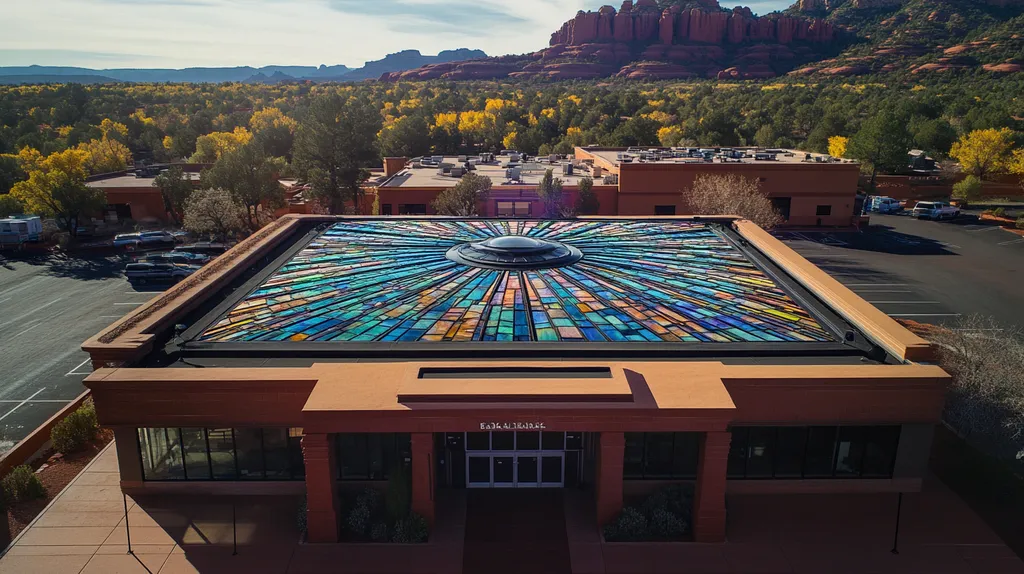
A concern about aesthetics also perpetuates misconceptions around cool roofs. Some property owners might think that reflective surfaces detract from their building’s visual appeal. However, advances in cool roofing technology offer a wide array of attractive options.
Today’s cool roofs come in various colors and materials, providing ample design choices without compromising energy efficiency. Property owners can choose roofing styles that reflect their branding while enjoying the benefits of reduced energy consumption.
Examples of appealing cool roofing options include modern garden roofs and reflective membrane technologies. These choices not only enhance the aesthetic appeal of buildings but also support environmental goals.
Raising awareness about the design possibilities of cool roofs can help shift the narrative, showcasing how style and function can coexist. This approach can motivate more commercial property owners to adopt cool roofing solutions.
SECTION 2: PRACTICAL IMPLICATIONS
Making the switch to cool roofing technology isn’t just an upgrade; it’s a smart business decision that responds to the pressing challenges of rising energy costs and environmental sustainability. With the potential to cut energy bills by as much as 30%, the financial implications are compelling. As the world continues to prioritize eco-friendly solutions, exploring the benefits of cool roofing becomes essential for property owners looking to make responsible investments. This section delves into how cool roofing positively impacts energy consumption, indoor comfort, and the urban heat island phenomenon.
Impact on Energy Consumption
Cool roofing technology can significantly lower energy consumption for commercial buildings. By reflecting sunlight and absorbing less heat, these roofs help reduce air conditioning demand. In hot climates, adopting a cool roofing system can lead to energy savings of 20% to 30% during peak temperatures.
This decrease in heat absorption not only lessens the strain on electricity grids but also diminishes the risk of outages during high-demand hours. With cooler roofs, businesses can operate more smoothly while reducing operational costs.
Moreover, implementing cool roofing supports energy efficiency incentives offered by utility companies. Many programs provide rebates for buildings that use energy-saving technologies, enhancing the financial reward for property owners.
In conclusion, the financial benefits of cool roofing reflect both immediate and long-term gains, promoting building longevity and resilience against climate change.
Effects on Indoor Comfort and HVAC Efficiency
A notable benefit of cool roofing technology is the enhancement of indoor comfort. With cooler roof temperatures, the interior of facilities remains more temperate and stable, fostering a pleasant atmosphere for employees and customers alike.
This improvement in comfort directly supports HVAC systems, allowing them to function more efficiently. Cooler roofs mean that air conditioning units don’t have to work as hard to maintain desired temperatures, thereby lessening wear and tear on the equipment.
As a result, facilities can expect longer lifespans for their HVAC systems and lower maintenance costs. Creating comfortable indoor environments also leads to increased productivity—content employees tend to be more efficient.
These advantages make cool roofing a strategic choice for not only immediate cost savings but also future-focused facility management.
Influence on Urban Heat Island Phenomenon
The urban heat island (UHI) effect worsens heat in densely populated areas, which leads to heightened energy consumption and health risks. Cool roofing technology plays a crucial role in mitigating this problem by reducing surface temperatures in urban settings.
When buildings use cool roofs, they reflect more solar energy, contributing to an overall decrease in ambient temperatures. Research shows that the widespread adoption of cool roofing can lower surface temperatures by 2°F to 5°F.
This drop in temperature is essential for urban planning and can foster improved air quality, which in turn helps alleviate health issues. As urban areas continue to expand, addressing the UHI effect becomes vital for both sustainability and public health.
Ultimately, by choosing cool roofing, property owners enhance the livability of urban landscapes, demonstrating their commitment to environmental stewardship and community well-being.
SECTION 3: COST OF MISINFORMATION
In the fast-paced world of commercial roofing, misinformation can severely impact both finances and efficiency. Property owners who overlook the advantages of cool roofing technology risk facing skyrocketing energy bills. Research reveals that roofs lacking cool coatings can thrust cooling costs up by as much as 15%. Recognizing the hidden costs tied to outdated roofing practices is crucial for making informed decisions that enhance operational efficiency.
Increased Energy Bills and Cooling Costs
Believing that traditional roofing solutions are adequate can result in unexpected increases in energy bills. Without reflective surfaces, conventional roofs absorb heat and transfer it indoors, compelling cooling systems to work harder. This inefficiency directly translates to greater energy consumption and expense.
In contrast, a cool roof reflects more sunlight, helping to significantly reduce heat absorption. Studies show that these roofs can lower cooling costs by up to 30%, providing substantial savings for commercial property owners. This financial relief is especially noticeable in warmer climates where effective cooling is essential.
Failure to adopt cool roofing not only escalates energy costs but also diminishes overall operational efficiency. The long-term financial implications emphasize the importance of selecting advanced roofing solutions. Elevating awareness of energy costs linked to roofing choices can foster better budgeting and planning for property owners.
Reduced Roof Lifespan and Maintenance Issues
Misunderstandings about roofing longevity can lead to premature and costly roof replacements. Traditional roofs are prone to quicker degradation when exposed to extreme heat and UV rays, resulting in cracks and wear. Without the protective features that cool roofing offers, property owners may face frequent repairs and unplanned expenses.
Cool roofing technology enhances durability by minimizing thermal stress, often extending the lifespan of roofs by an additional decade compared to conventional options. Failing to recognize this advantage can push owners into a cycle of continual repairs and replacements.
Additionally, inadequate roof technology leads to increased maintenance issues, with businesses incurring rising costs from leaks and structural weaknesses. In contrast, cool roofs generally require less upkeep, ultimately decreasing overall maintenance expenses. Understanding the early benefits of cool roofing can help property owners avoid unnecessary costs over time.
Non-Compliance with Energy Regulations
Not adopting cool roofing technology can put commercial buildings at risk of falling out of compliance with increasingly strict energy regulations. Local governments are tightening standards aimed at reducing energy consumption and minimizing carbon footprints.
Cities pushing for reflective roofing materials are enforcing stringent energy codes. Ignoring these regulations can lead to fines and potential legal ramifications for property owners. Compliance is essential not only for avoiding penalties but also for maintaining sustainable building practices.
Moreover, utilizing cool roofing materials can ensure adherence to these codes and may qualify buildings for various energy efficiency incentives, further offsetting installation costs. Navigating regulatory landscapes is crucial, as informed roofing choices not only prevent needless expenses but also support a more sustainable environment.
SECTION 4: REALITY CHECK
For commercial building owners, understanding cool roofing technology is more essential than ever as temperatures continue to rise and energy costs soar. Implementing effective roofing solutions can significantly reduce operational expenses. Research shows that buildings equipped with cool roofs can lower indoor temperatures by as much as 10°F, which translates to decreased air conditioning demands and reduced energy consumption. This section will explore the scientific principles that underpin cool roofs, clarify important concepts like solar reflectance and thermal emittance, and highlight real-world examples through compelling case studies.
Scientific Basis of Cool Roofing Technology
The effectiveness of cool roofing technology is rooted in scientific principles that leverage specific materials to reflect sunlight rather than absorb it. Key to this technology are solar reflectance and thermal emittance, which determine how much sunlight a surface reflects and how effectively it dissipates absorbed heat. Grasping these concepts is vital for optimizing the benefits of a cool roof.
Solar reflectance measures the percentage of solar energy reflected by a surface, while thermal emittance gauges how quickly the surface releases accumulated heat. Materials with high values for both properties dramatically reduce roof temperatures and limit heat transfer indoors.
Studies indicate that employing cool roofs can lead to energy savings ranging from 10% to 30% in air conditioning costs. This not only lowers operational expenditures but also extends the roof’s life by minimizing thermal stress.
By understanding these foundational principles, property managers can take significant strides toward enhancing their buildings’ energy efficiency and sustainability.
Solar Reflectance and Thermal Emittance Explained
Solar reflectance and thermal emittance are critical in assessing the performance of cool roofing systems. A roof with high solar reflectance reflects a substantial amount of the sun’s rays, preventing excessive heat accumulation. On the other hand, thermal emittance ensures that any heat absorbed is efficiently released back into the atmosphere.
For instance, traditional dark roofing materials often have low solar reflectance ratings, leading to heat absorption and elevated roof temperatures. In contrast, modern cool roofing materials boast solar reflectance values of up to 0.70, meaning they reflect 70% of incoming solar energy.
This effective combination not only mitigates the urban heat island effect but also promotes energy savings and enhances occupant comfort in commercial spaces. Additionally, reduced energy consumption supports sustainability initiatives, as it leads to lower greenhouse gas emissions.
By prioritizing roofing materials with high solar reflectance and thermal emittance, property managers can greatly improve their buildings’ performance and create more comfortable internal environments.
Real-World Applications and Case Studies
Several real-world applications of cool roofing demonstrate its effectiveness in various commercial settings. For example, a major retail chain that adopted cool roofing materials reported a staggering 25% reduction in cooling costs during peak summer months, resulting in not just financial savings but also increased customer comfort.
Another illuminating case involves a municipal office building that implemented cool roofing solutions. The building achieved a significant decline in energy usage, aligning with city-wide objectives for reduced consumption and sustainability. Moreover, the roof’s lifespan was extended due to decreased thermal stress, yielding considerable maintenance savings.
These examples emphasize the practicality and advantages of cool roofs. They resonate with property owners who seek a balanced approach to initial investment costs and long-term savings while meeting sustainability goals. Real data from these case studies strengthens the case for transitioning to cool roofing technology in commercial applications.
Ultimately, seeing tangible benefits in similar properties can motivate more building owners and facility managers to adopt this valuable technology.
SECTION 5: EVIDENCE-BASED ALTERNATIVES
As commercial property owners confront the dual challenges of rising energy costs and environmental concerns, exploring more effective roofing technologies is essential. The U.S. Department of Energy reports that conventional roofs can boost energy consumption by an alarming 15-25%. Innovative alternatives like reflective roofing materials and green roofs not only mitigate cooling costs but also enhance the sustainability of commercial buildings. This section will spotlight several compelling options that can yield these significant benefits.
Reflective Roofing Materials and Coatings
Reflective roofing materials are a game-changing alternative to traditional roofing solutions. Designed to reflect sunlight, these materials substantially reduce heat absorption. For instance, white roofing membranes can lower roof surface temperatures by as much as 50°F compared to darker options.
In urban settings, the coolness of reflective roofs helps counteract the urban heat island effect, leading to lower surrounding air temperatures. This translates to reduced energy consumption for cooling, offering significant cost savings throughout the year.
Moreover, many manufacturers produce Energy Star-rated reflective coatings that may qualify for various rebates and incentives. By choosing these materials, property owners are making a financially savvy investment that pays off through lower energy bills and a longer roof lifespan.
Ultimately, selecting reflective roofing options not only minimizes operational expenses but also supports broader sustainability objectives. These materials enhance a building’s energy efficiency profile and increase its marketability.
Green Roof Systems and Their Benefits
Green roof systems provide an innovative approach that marries aesthetics with functionality. By transforming rooftops into vegetative spaces, these systems offer immediate insulation and natural cooling effects. Research indicates that green roofs can cut a building’s heating and cooling costs by an impressive 20-30%.
Beyond energy savings, green roofs excel in stormwater management. They absorb rainfall, reducing runoff and lowering the risk of flooding during heavy rain events. This protects building integrity and contributes positively to local watershed health.
In addition, green roofs foster biodiversity by creating habitats for various species in urban environments. They can turn bland rooftops into vibrant green areas, benefiting tenants and employees.
In cities facing air quality challenges, green roofs act as natural air purifiers, absorbing pollutants and enhancing overall urban environments. These numerous advantages make green roof systems a compelling choice for modern commercial properties.
Infrared-Reflective Coatings and Their Advantages
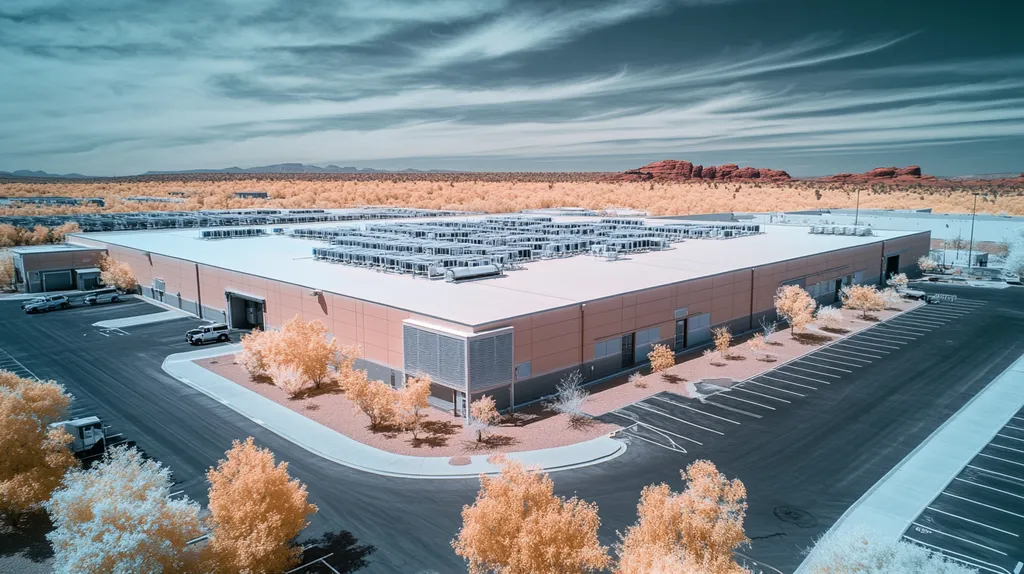
Infrared-reflective coatings offer a specialized solution that keeps roofs cooler while boosting overall energy efficiency. Unlike standard reflective materials, these coatings specifically target and deflect infrared radiation, which greatly contributes to heat build-up. This innovative technology can reduce energy costs by up to 20%, making it an appealing option for commercial roof upgrades.
These coatings can be easily applied over existing roofs, making retrofitting both straightforward and cost-effective. Buildings with infrared-reflective coatings often experience longer roof lifespans, leading to lower maintenance and replacement costs.
Since a cool roof helps maintain lower indoor temperatures, these coatings additionally promote comfort and productivity among occupants. As businesses increasingly prioritize employee well-being, these solutions become integral to smart building design and renovation plans.
Infrared-reflective coatings represent a significant advancement in roofing technology, providing an eco-friendly and economically viable option. By adopting these solutions, property owners can enhance building performance while lowering their environmental impact.
SECTION 6: TEST AND VERIFY
Verifying the effectiveness of cool roofing technology is crucial for commercial building owners who want to optimize energy efficiency and cost savings. Studies demonstrate that a reflective cool roof can lower surface temperatures by as much as 50 degrees Fahrenheit, resulting in impressive energy savings. However, property owners must conduct thorough testing to substantiate these claims. By understanding key performance metrics, they can make informed decisions that ensure long-term financial benefits while enhancing building sustainability.
Conducting Thermal Performance Tests
Conducting thermal performance tests is essential in assessing how effectively a cool roof reflects sunlight and dissipates heat. Testing methods, such as the ASTM C1549 standard, offer quantifiable metrics for solar reflectance and thermal emittance. These data points allow property owners to evaluate and compare a variety of roofing materials accurately.
For instance, a roof with high solar reflectance can significantly reduce cooling loads during the summer months. This reduction leads to lower energy bills and enhances comfort for occupants. Engaging in rigorous testing validates that the chosen materials meet established performance standards and promises reliable results.
Regular thermal performance evaluations using infrared thermography can also highlight any heat retention problems that may arise. By identifying these challenges early on, property owners can make the necessary adjustments to maintain optimal performance over time. In the competitive landscape of commercial real estate, having measurable thermal data enhances credibility and supports sound decision-making.
Ultimately, comprehensive thermal performance testing equips facility managers with valuable insights, ensuring they select the right cool roofing solutions for their buildings that yield long-term advantages.
Evaluating Energy Savings and Cost Efficiency
Evaluating potential energy savings is vital when implementing cool roofing technology. Research shows that an effective cool roof can reduce energy consumption by up to 20% annually, depending on local climate and building type. Understanding these savings is key to justifying the upfront investment in cool roofing systems.
This analysis should encompass not just direct energy savings but also include potential rebates and incentives available for energy-efficient upgrades. Collaborating with energy consultants offers deeper insights into financial implications, including projected returns on investment over time.
Furthermore, utilizing energy modeling software allows for simulations that predict how cool roofing will impact energy usage under various scenarios. These models enable property owners to make well-informed decisions regarding system configurations and operational strategies.
Continually monitoring energy bills against anticipated savings provides real-world validation of initial projections. This ongoing assessment ensures that any discrepancies are addressed, allowing property owners to optimize the cool roofing performance effectively.
Monitoring Long-Term Durability and Maintenance Needs
Monitoring the long-term durability of a cool roofing system is essential to maintaining its benefits over time. While many cool roofs are designed to last for decades, factors such as ultraviolet exposure and extreme weather conditions can affect their lifespan. Regular inspections are necessary to identify signs of wear and tear that may compromise energy efficiency.
Documenting maintenance activities alongside inspection findings offers valuable insights into the roof’s ongoing performance. This information can help inform future maintenance requirements and identify patterns that may necessitate additional actions, such as re-coating or repairs.
Engaging roofing professionals to establish a maintenance schedule is advisable. A well-structured maintenance routine should encompass guidance on cleaning and repairs. Preventive maintenance is crucial in extending the lifespan of cool roofing systems and ensuring sustained energy savings.
In summary, diligent monitoring of both durability and maintenance needs ensures that cool roofing systems operate at peak efficiency, delivering the financial and environmental advantages they are designed to provide.
The Bottom Line
With energy costs rising by up to 25% annually and new environmental regulations taking effect across major cities, commercial property owners can no longer afford to ignore cool roofing technology.
The evidence is clear: cool roofs can reduce cooling costs by 20-30% while extending roof lifespan by up to a decade.
Misconceptions about climate limitations, aesthetics, and initial costs continue to prevent widespread adoption, costing businesses millions in unnecessary energy expenses.
As urban temperatures climb and energy efficiency standards tighten, cool roofing represents not just an optional upgrade, but an essential investment in building sustainability and operational efficiency.
The technology exists, the benefits are proven, and the time to act is now.
FREQUENTLY ASKED QUESTIONS
Q. Are cool roofs only beneficial for commercial roofs in hot climates?
A. This is a common myth. Cool roofs offer benefits in various climates, including temperate and colder areas. They help lower energy costs year-round by reflecting sunlight and reducing heat absorption, making them a good choice for many environments.
Q. How does a cool roof impact energy consumption for an industrial roof?
A. Cool roofing can reduce energy consumption significantly by lowering the demand for air conditioning. Studies show energy savings of 20% to 30% during peak temperatures, which can lead to noticeable cost reductions for industrial facilities.
Q. What are the hidden costs of not using cool roofing technology?
A. Ignoring cool roofing can lead to increased energy bills, often up to 15% higher. Traditional roofs absorb heat, leading to more strain on cooling systems and higher operational costs, making it vital to consider energy-efficient upgrades.
Q. How does cool roofing technology improve indoor comfort?
A. Cool roofing lowers roof temperatures, maintaining a stable indoor climate. This reduces strain on HVAC systems, improving their efficiency and lifespan, ultimately enhancing comfort for both employees and customers in commercial spaces.
Q. What are some effective alternatives to cool roofing?
A. Alternatives include reflective roofing materials, green roofs, and infrared-reflective coatings. Each option offers unique benefits, such as reduced energy costs and improved environmental sustainability, making them valuable for modern commercial buildings.
Q. How can I verify the effectiveness of my cool roofing solution?
A. Conducting thermal performance tests and monitoring energy savings is essential. Regular assessments allow you to track the roof’s efficiency, ensuring it meets both performance and cost-saving expectations over time for your commercial property.
Q. Can cool roofing help with regulatory compliance?
A. Yes, adopting cool roofing systems can help you comply with local energy regulations. These roofs often meet strict energy efficiency standards, preventing potential fines and promoting environmentally friendly practices that align with community sustainability goals.






