
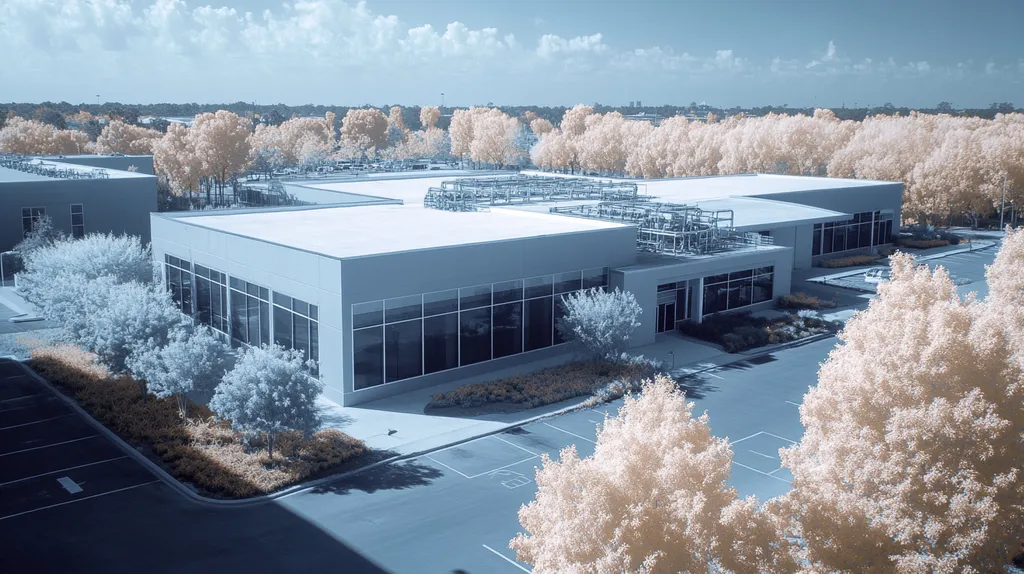
Industrial roofing stands at a technological crossroads, with innovations promising to revolutionize how buildings protect and perform. Yet amid the endless parade of “smart” solutions and “revolutionary” materials, property owners face a critical challenge: separating genuine advances from marketing hype.
From self-healing membranes to AI-powered monitoring systems, emerging technologies are transforming what’s possible in commercial roofing. Studies show these innovations can slash energy costs by up to 30% while extending roof lifespans by decades.
This guide cuts through the buzzwords to examine six key areas where technology is genuinely reshaping industrial roofing, offering practical insights for property owners and facility managers navigating this evolving landscape.
SECTION 1: THE BASICS EXPLAINED
The world of industrial roofing is undergoing a dramatic transformation as new technologies emerge. These innovations are not just tech buzzwords; they bring real benefits like enhanced durability, cost savings, and improved energy efficiency. Property owners and facility managers must grasp these advancements to safeguard their financial investments. Take reflective roofing materials, for instance—these can slash cooling costs by as much as 20%. This section breaks down these technologies, their significance, and their inner workings.
What It Is (In Plain Language)
Emerging technologies in industrial roofing refer to new materials and methods that elevate traditional roofing practices. Think of innovations like green roofs, cool roofs, and smart roofing systems equipped with sensors. Each of these advancements aims to boost functionality while tackling key issues plaguing commercial properties.
For example, green roofs add a layer of vegetation that increases insulation and manages stormwater runoff—pretty clever, right? Cool roofs reflect sunlight to keep buildings cooler, translating into lower energy bills as they minimize the need for air conditioning. Meanwhile, smart roofing systems utilize sensors to monitor real-time conditions, allowing for proactive maintenance before issues become costly repairs.
For property owners looking to enhance longevity and efficiency, staying informed about these technologies is imperative. Each new development opens the door to better performance and savings in the long run.
Why It Matters (To Your Building)
The choice of roofing technology can dramatically impact a building’s operational costs and overall lifespan. Outdated roofing often leads to constant repairs and inflated energy bills. In contrast, adopting newer technologies means enjoying enhanced durability and lower long-term expenses.
Take reflective roofs again—these can significantly reduce energy consumption and, by extension, greenhouse gas emissions. Similarly, smart roofing technologies offer predictive capabilities, helping you catch potential issues before they become costly disasters.
Additionally, buildings equipped with advanced roofing systems tend to appreciate in value. Energy efficiency and sustainability increasingly sway potential tenants and buyers’ decisions. Investing in these technologies isn’t merely a smart choice; it’s a vital strategy for maximizing efficiency and market appeal.
How It Works
Emerging roofing technologies operate through innovative materials and intelligent systems designed to optimize building performance. For instance, cool roofs utilize reflective surfaces to minimize heat absorption, resulting in impressive energy savings—especially beneficial in urban heat islands.
Green roofs add a lush layer of vegetation atop traditional roofing, providing insulation and capturing rainwater. This reduces runoff and mitigates strain on drainage systems. Who knew your roof could help with stormwater management?
Smart roofing systems incorporate sensors to monitor weather conditions, temperature fluctuations, and moisture levels. This insight allows facility managers to make data-driven decisions about maintenance and urgent repairs.
In summary, these technologies work in harmony to enhance the efficiency, sustainability, and lifespan of industrial roofing systems, addressing both current challenges and future demands.
SECTION 2: PRACTICAL APPLICATIONS
With roofs consuming up to 30% of a building’s energy, the shift toward smarter solutions isn’t just a trend—it’s a game-changer. Emerging technologies in industrial roofing bring tangible benefits, such as reducing costs and boosting sustainability. Recognizing where these innovations thrive can help property owners and facility managers make informed choices that enhance longevity and cut down maintenance headaches. This section dives into specific applications of these technologies, the optimal scenarios for their use, and how they integrate with other building systems.
Common Uses & Examples
The practical applications of emerging roofing technologies are making waves across the industry. Cool roofing systems, for example, use reflective materials that dramatically reduce heat absorption, leading to significant cooling cost reductions. This is especially valuable in regions where air conditioning feels more like a life support system than a luxury.
Green roofs are another standout application, combining nature with function. They not only provide insulation but also manage stormwater runoff effectively. Retail giant Walmart is utilizing green roofs in urban settings, proving that going green can enhance aesthetics and strengthen the structure against weather extremes.
Advancements in synthetic materials like thermoplastic polyolefin (TPO) and ethylene propylene diene monomer (EPDM) are also noteworthy. These resilient materials can outlast traditional options, slashing replacement and labor costs in the long run.
And let’s not forget about drone inspections, which are slated to replace dusty ladders and risky climbing. Drones, equipped with high-resolution cameras, can swiftly spot damage or wear, allowing for prompt repairs—cuz nobody likes an unexpected roof catastrophe.
When You Need It Most
Timing is everything when it comes to adopting emerging roofing technologies. Planning a new build or replacing an aging roof? That’s the perfect time to go for cutting-edge solutions. Properties in regions that frequently face extreme weather—think blizzards, torrential rains, or that relentless sun—should invest in materials designed to withstand the elements.
Budget concerns can tempt property managers to stick with outdated roofing—but that’s a false economy. A thermal insulation roof might seem pricey at first, but it pays back dividends in energy savings over the years.
Moreover, don’t fall into the trap of postponing replacements until disasters hit. Tackling roofing issues proactively can save time, money, and anxiety. It’s all about staying ahead of the game to prevent costly leaks or structural failures.
Routine assessments of new technologies should also be part of regular maintenance. Upgrading during inspections can lead to remarkable improvements in efficiency and durability.
Interactions With Other Systems
Emerging roofing technologies don’t operate in isolation; they interact with other systems in your building, amplifying their benefits. Take solar panels—installing them on advanced roofing not only allows for energy savings but shields the roof from harsh weather, essentially giving it a double duty.
Furthermore, well-designed roofs enhance HVAC system performance. Excellent insulation reduces the load on heating and cooling systems, ramping up their efficiency and extending their lifespan. Who wouldn’t want to squeeze a bit more life out of their HVAC investment?
Water management also plays a pivotal role. Modern roofing can be tailored to cooperate with rainwater harvesting systems, allowing facilities to reuse water and cut down on waste.
Lastly, integrating smart building technologies significantly boosts monitoring capabilities. Real-time data on roof performance makes it easier to plan for maintenance, ensuring the whole system runs like a well-oiled machine.
SECTION 3: KEY TERMINOLOGY DECODED
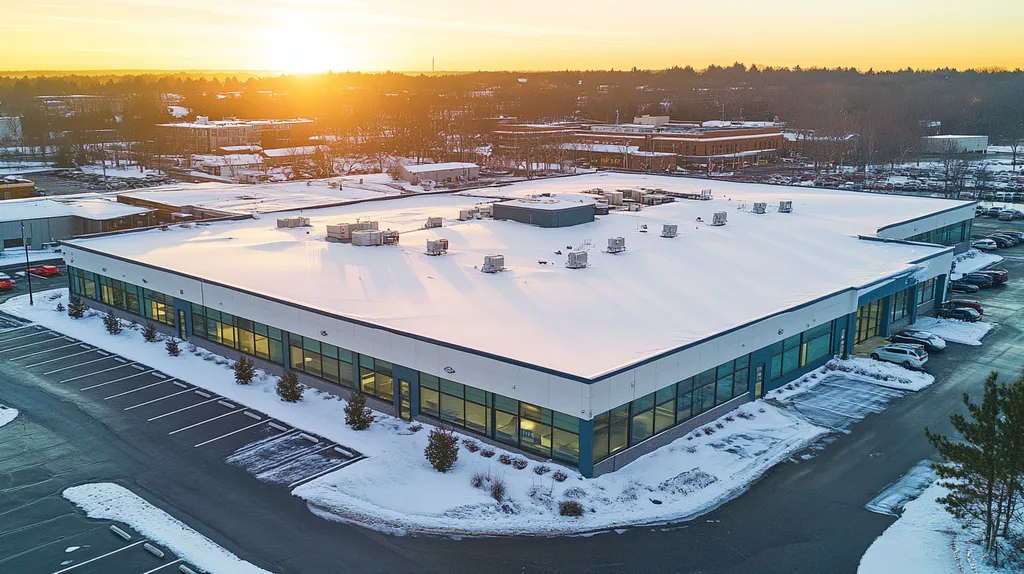
In the world of industrial roofing, grasping essential terminology isn’t just helpful—it’s essential for making wise decisions. With the rise of renewable materials and smart technologies, property owners must navigate this evolving landscape with precision. Miscommunication and misunderstandings can lead to costly blunders, often driven by sticking to outdated terms. This section demystifies key terms, interprets industry jargon, and clarifies measurements to empower informed choices.
Essential Terms Explained
Grasping crucial roofing terms has major implications for decision-making. For instance, “reflectivity” measures how effectively a material reflects sunlight, which impacts cooling costs and indoor temperatures. Then there’s “insulation value,” often denoted as R-value, which shows how well a roof resists heat transfer—vital for energy efficiency.
Also noteworthy is “membrane roofing,” which refers to a waterproof layer that shields the roof substrate. Common in commercial structures, these durable materials extend the lifespan of roofs. With roofs being a significant investment, comprehending these terms enables property owners to assess their options wisely.
Mastering the right vocabulary is vital during conversations with contractors and suppliers, aligning expectations and deliverables. Familiarity with these terms can mitigate misunderstandings, resulting in smoother project executions.
Incorporating this terminology into regular maintenance discussions further enriches decision-making over time, equipping property owners to adapt to emerging technologies effectively.
Industry Jargon Translated
Industry jargon can often feel like a foreign language. For example, “TPO” stands for thermoplastic olefin, a single-ply roofing membrane that’s gaining traction for its durability and energy efficiency. Knowing such terms helps property owners identify the best roofing options available.
“Green roofing,” another important term, refers to roofs covered with vegetation, which not only improves insulation but also aids in stormwater management. Understanding this jargon allows property owners to recognize the extra benefits these systems offer.
Similarly, “leak detection systems” are lifesavers, using sensors to catch water infiltration early, which cuts down on repair costs and damage risks. Familiarity with these technologies ensures facility managers are ready for potential challenges.
Equipping oneself with industry-specific vocabulary enhances engagement with contractors who might otherwise use a technical vernacular. Informed property owners can ask pointed questions and steer conversations toward innovative solutions.
Measurement & Units Simplified
Clarifying measurements in roofing can make or break project budgets. Roofing area is typically calculated in square feet or squares—where one square equals 100 square feet. This measurement is crucial for estimating material needs and costs, making it essential for precise budgeting.
It’s also important to understand weight metrics, typically rated by pounds per square. This knowledge impacts decisions regarding cost versus durability and helps assess structural load implications.
When it comes to insulation, R-values play a key role; a higher R-value means better thermal resistance. Familiarity with these values enables property owners to select materials that enhance energy efficiency, ultimately reducing operating costs.
Lastly, roof slope, expressed as a ratio, affects drainage performance. A steeper slope is better for water runoff, while a low slope may need specialized materials. Understanding these measurements delivers clear insights into roof performance characteristics.
SECTION 4: DECISION FACTORS
Choosing the right roofing system for industrial facilities isn’t just a casual choice; it’s a high-stakes game. Bad decisions can lead to a cascade of costly repairs, interruptions in operations, and hefty energy bills. Research shows that nearly 30% of commercial buildings experience roofing problems within the first five years. This section tackles the critical decision factors—cost considerations, performance trade-offs, and lifespan durability—that are vital for making smart roofing choices.
Cost Considerations
Cost often reigns supreme in roofing decisions, but it’s not just about the sticker price. Property owners must juggle upfront costs with long-term expenses. A cheap roofing material might look appealing on paper, but it typically compromises performance and lifespan.
Investing in quality materials may require a heftier initial outlay, but the payoffs are undeniable—think lower maintenance bills and fewer repairs over time. Energy-efficient options often offer substantial long-term savings, making them a savvy investment.
Energy savings should be included in budget assessments. Solutions like cool roofing reflect sunlight, slashing cooling expenses and helping to recoup that initial investment.
In the end, it’s crucial to consider the total cost of ownership instead of just the upfront tag. Recognizing long-term implications can lead to more strategic choices that align beautifully with your facility’s goals.
Performance Trade-offs
Each roofing technology comes with its own set of performance attributes that can alter how well it operates. For instance, single-ply membranes are lightweight and easy to toss onto a rooftop, but they might lack the longevity or resistance to the elements found in time-tested built-up roofing systems.
It’s essential for stakeholders to consider the specific needs of their building—do they face scorching summers or biting winters? High-performing materials with great thermal resistance are crucial in extreme climates, effectively preventing damage and associated costs.
When it comes to energy efficiency, innovative solutions like green roofs not only insulate buildings but also tackle stormwater issues and improve air quality. Each option’s insulation properties must be scrutinized and weighed carefully.
Finding the right blend of performance features will directly influence the functionality and durability of the building. A nuanced understanding of trade-offs is key to uncovering effective roofing solutions.
Lifespan & Durability Factors
The lifespan of a roofing system dramatically impacts its overall value and decision-making process. Many modern materials boast manufacturer warranties that last 20 to 30 years, but real-world longevity can vary widely depending on installation quality and environmental factors.
Durable options like metal and modified bitumen shine in extreme weather, making them stellar choices for industrial settings. Ensuring that the roofing system can withstand local climate challenges is crucial for longevity.
Regular maintenance is the unsung hero in extending a roof’s lifespan. Facilities that implement proactive inspections and routine maintenance avoid the dire consequences of neglect, thereby maximizing their roofing investment.
Ultimately, property owners must balance material durability with maintenance demands. A well-maintained roof doesn’t just protect a building; it can also significantly enhance its overall value.
SECTION 5: COMMON CHALLENGES
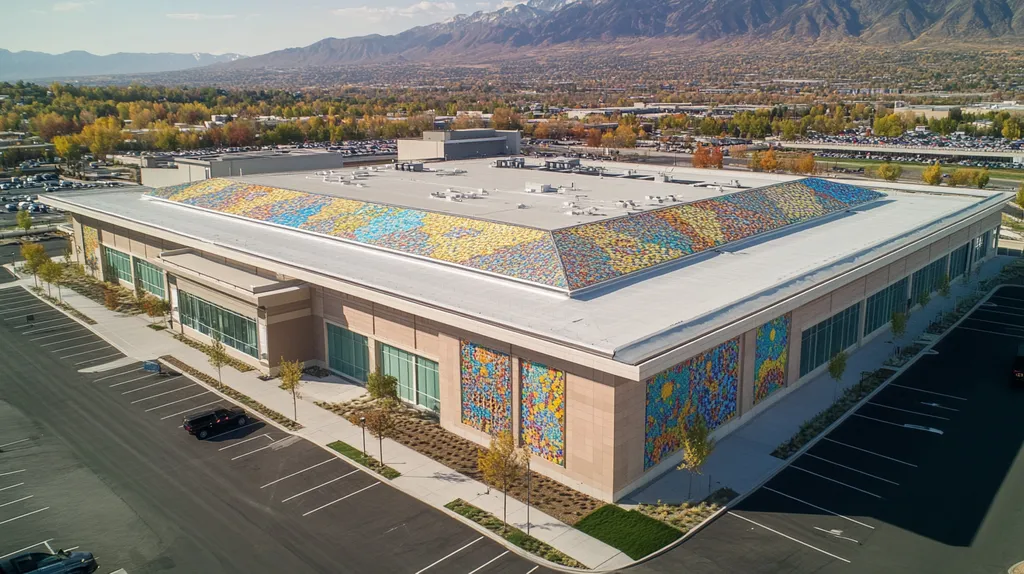
The industrial roofing landscape may be evolving, but that doesn’t mean challenges have vanished. Frequent issues like leaks, damaged membranes, and inadequate ventilation persist, posing real threats to both financial health and safety. Past data reveals that roughly 30% of all roofing problems stem from poorly executed installation and maintenance. For property owners and facility managers, recognizing these challenges is key to safeguarding their investments.
Frequent Problems & Solutions
Leaks, punctures, and insulation woes are rampant in industrial roofing systems, often fueled by harsh weather or shoddy installation practices. Tackling these issues requires a proactive approach; early identification and quick fixes can prevent small problems from turning into expensive repairs. Regular inspections are essential for catching leaks while they’re still manageable, enabling localized repairs that save time and money.
Poor drainage is another culprit, leading to standing water that degrades roof membranes over time. Property owners can counter this by installing advanced drainage systems specifically designed to handle water flow effectively. Incorporating durable materials, like reflective roof coatings, not only addresses current concerns but also bolsters resistance against future challenges.
Embracing modern technology, such as smart sensors, can also revolutionize maintenance strategies. These sensors can track a roof’s structural health and environmental conditions, alerting facilities managers to potential risks ahead of time. Leveraging such technology helps mitigate risks and extends roof longevity.
Warning Signs To Watch For
Identifying warning signs early is paramount for roof health. Common indicators include water stains on ceilings, spikes in energy bills, and visible blistering or cracks in roofing material. Each symptom could signal serious underlying issues that only worsen over time if ignored.
The discovery of mold or mildew presents another red flag. These growths typically signal moisture infiltration, jeopardizing insulation and overall roof efficacy. Facility managers should respond swiftly upon noticing such growths, as they introduce both health risks and heightened remediation costs.
Watch for structural changes as well. Sagging areas or uneven surfaces are often signs of significant underlying problems. Addressing these concerns with a roofing professional is vital to avoid expensive repairs down the road.
Preventative Approaches
A knowledgeable approach to preventative maintenance can greatly reduce common roofing challenges. Establishing a routine inspection schedule is critical; inspections should happen at least twice a year, especially after severe weather or maintenance work.
Investing in high-quality materials specifically designed for durability can save property owners from future headaches. Opting for roofing systems made from resilient and weather-resistant materials enhances a roof’s ability to withstand environmental stressors.
Moreover, empowering facility management staff with basic roofing maintenance training equips them to identify issues early. Education on essential inspections and maintenance tasks fosters long-term cost savings while simultaneously extending the roof’s lifespan.
SECTION 6: NEXT STEPS & RESOURCES
The rapid advancements in industrial roofing technologies are reshaping the industry, leaving outdated practices in the dust. With more than 30% of commercial roofs failing prematurely, the stakes for property owners and facility managers couldn’t be higher. Embracing new materials and techniques is no longer optional; it’s a matter of protecting investments and extending roof lifespans. This section highlights essential questions to ask roofing providers, outlines critical industry standards, and recommends resources for further exploration.
Questions To Ask Providers
Choosing the right roofing provider can feel like searching for a needle in a haystack. Start by probing their expertise with advanced materials like TPO or PVC membranes, which are beloved for their UV resistance. Don’t shy away from digging into their sustainability practices—understanding their approach to cool roofing systems will shed light on their commitment to eco-friendly solutions.
Installation techniques are another critical area to explore. A provider who knows their way around modular roofing systems can save you valuable time and labor costs. Also, clarify what kind of warranties and post-installation support they offer. Many new technologies demand specialized upkeep, and it’s best to know what you’re getting into.
Inquire about ongoing training and certifications. The roofing landscape evolves at breakneck speed, and working with a provider committed to staying current through continuous education is essential. Their ability to keep up with innovation could be a game-changer for your roofing project.
Lastly, always request references from previously completed projects involving emerging technologies. A reputable provider should be ready to share success stories that prove their competency and experience in deploying cutting-edge roofing solutions.
Industry Standards & Guidelines
Industry standards serve as the backbone of reliable roofing systems. The American Society for Testing and Materials (ASTM) lays down rigorous benchmarks to ensure quality in materials and installation techniques. A trustworthy provider will consistently adhere to these guidelines, which guarantees that the materials used meet performance specs.
The National Roofing Contractors Association (NRCA) offers best practice guidelines for installation and maintenance that are vital for keeping roofs in top shape. By following these guidelines, you minimize the risks associated with non-compliance, which often leads to leaks and structural headaches.
Being aware of local building codes is also essential when exploring new roofing technologies. Different regions impose specific requirements, and staying compliant not only keeps your investments safe but can also impact insurance premiums and property values.
Finally, keeping your finger on the pulse of evolving industry standards enables proactive decision-making regarding roofing investments. Joining trade organizations can provide key insights into upcoming regulations and advancements that will shape the future of roofing.
Further Learning Simplified
For property owners eager to get the lowdown on emerging roofing technologies, plenty of resources are at your fingertips. Online courses from professional organizations can simplify complex concepts, translating advancements in materials and installation methods into bite-sized nuggets of knowledge.
Webinars hosted by industry thought leaders offer excellent opportunities for real-world applications and case studies. These forums provide practical insights into effectively implementing new technologies, helping property owners feel more confident in their decisions.
Subscribing to leading industry publications keeps you informed about trends and innovations. Many of these sources publish white papers and guides that delve deep into specific technologies and their myriad benefits.
Lastly, joining industry discussion groups provides a platform for networking and exchanging knowledge. Sharing experiences with peers fosters a collaborative approach to tackling challenges and embracing new roofing technologies, creating a win-win for all involved.
Looking Ahead
The industrial roofing sector stands at a technological inflection point, with nearly 40% of commercial buildings expected to incorporate smart roofing systems by 2030.
While buzzword-heavy startups promise revolutionary solutions, the true innovations lie in proven technologies like self-monitoring membranes, AI-powered maintenance systems, and advanced thermal materials that can slash energy costs by up to 30%.
Property owners who ignore these emerging technologies risk being left behind with inefficient, costly systems requiring frequent repairs and premature replacement.
The future belongs to those who embrace these validated innovations – not as trendy upgrades, but as essential investments in building performance, sustainability, and long-term value protection.
The roofing revolution isn’t coming – it’s already here.
FREQUENTLY ASKED QUESTIONS
Q. What are emerging technologies in commercial roofs?
A. Emerging technologies in commercial roofs include advanced materials and methods, like green roofs and smart systems. These innovations improve energy efficiency, reduce maintenance costs, and enhance longevity. As a property owner, understanding these advancements allows for better decision-making and investment protection.
Q. How do I apply emerging technologies to industrial roofs?
A. Apply emerging technologies by assessing your building’s needs and exploring advanced options. Solutions like cool roofing and durable synthetic materials can save energy and cut long-term costs. Implement these technologies during new builds or replacements to maximize their benefits.
Q. What key terms should I know about commercial roofs?
A. Key terms include reflectivity, insulation value (R-value), and membrane roofing. Understanding these concepts helps in assessing materials and making informed decisions with contractors. Familiarity with terminology ensures clear communication and effective project execution.
Q. What factors should I consider for my industrial roof?
A. Consider cost, performance, and durability factors when selecting your roof. Weigh initial expenses against long-term maintenance and energy savings. Choosing a high-quality system can significantly reduce costs over time, enhancing the value of your investment.
Q. What are common challenges faced by commercial roofs?
A. Common challenges include leaks, poor drainage, and inadequate ventilation. Regular inspections and maintenance help identify issues early, saving money and preventing disaster. Using advanced materials and systems can also bolster your roof’s resilience against these challenges.
Q. How can I choose a reliable roofing provider?
A. Choose a reliable roofing provider by evaluating their expertise in modern materials, installation techniques, and sustainability practices. Ask for references and find out about their ongoing training. A reputable provider should have a proven record of successfully implementing advanced technologies.
Q. Where can I learn more about industrial roofing technologies?
A. Learn more by participating in online courses, webinars, and industry publications. Join discussion groups to share insights and experiences. Staying updated on advancements will empower you to make informed decisions about your commercial roof.






