
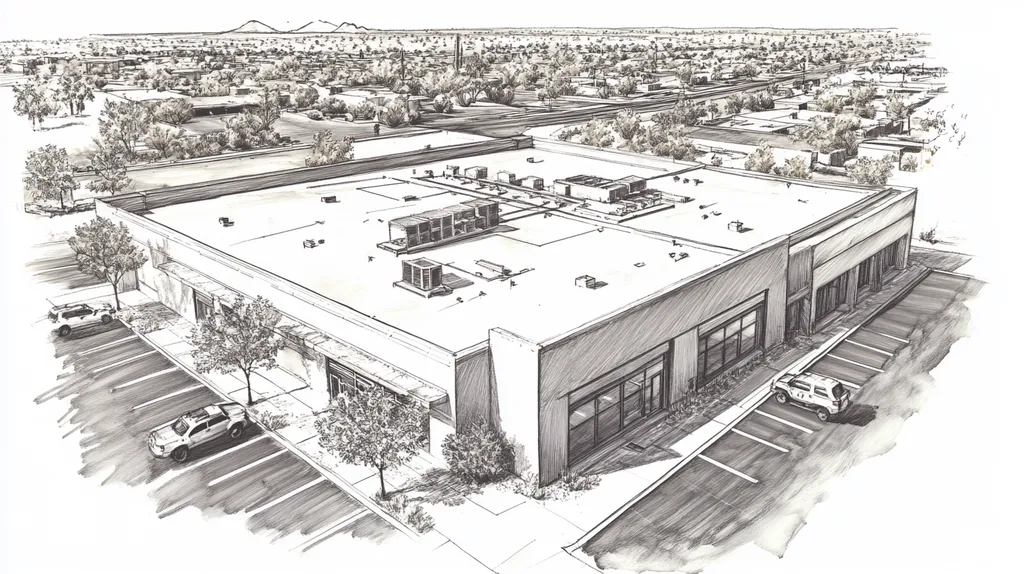
Every year, industrial facilities waste millions on sensor-based roof leak detection systems that promise the moon but deliver swiss cheese coverage. Recent studies show that over 40% of these installations fail to catch critical leaks until severe damage occurs.
While sensors seem like an appealing “set it and forget it” solution, the reality is far messier. False positives, maintenance headaches, and hefty operational costs plague many installations.
This analysis examines why widespread sensor deployment often backfires, explores systemic issues with current approaches, and presents data-driven alternatives that deliver superior results at a fraction of the cost.
SECTION 1: CURRENT PRACTICES
Leak detection in industrial roofing is more than a minor annoyance; it’s a looming crisis that threatens to hit property owners and facility managers right in the wallet. With incidents of water intrusion potentially costing upwards of $50,000 each, it’s essential to grasp the realities of current detection methods. This section breaks down traditional visual inspections, explores the landscape of sensor technologies, and highlights the significant shortcomings that plague these standard practices.
Traditional Visual Inspections
Let’s face it: visual inspections have been the go-to method for detecting roof leaks for far too long. Roofers inspect for visible signs of damage, such as worn membranes or suspicious water entry points. However, this hands-on approach is notorious for missing sneaky, hidden problems lurking beneath the surface.
Seasonal weather changes can exacerbate vulnerabilities, making it all the more critical to conduct inspections frequently. Relying on biannual or annual checks is like playing Russian roulette with your roof—inevitably, the damage could be quietly escalating between visits. Water damage isn’t always immediate; it often creeps in, and a lack of vigilance during inspections can lead to disastrous consequences.
Moreover, visual inspections are subjective, heavily reliant on the inspector’s experience. Without standardized procedures, quantifying a roof’s condition becomes a guessing game, leaving property owners second-guessing their maintenance strategies. This inconsistency can spark chaos when it comes to managing multiple facilities.
While it’s clear that visual inspections still hold value, they should really be viewed as just one piece of a larger, more comprehensive detection strategy. Failing to do so could jeopardize long-term roof integrity and performance.
Common Sensor Technologies Used
To jazz up leak detection efforts, various sensor technologies have popped up as the shiny new alternatives. Moisture sensors and thermal imaging cameras are crowd favorites for facility managers looking to elevate their inspection processes. Moisture sensors can detect hidden water lurking beneath roof membranes, giving a real-time pulse on potential leak points.
Meanwhile, thermal imaging cameras flaunt their ability to reveal moisture intrusion by identifying temperature differences. Sure, both technologies have their merits, but they aren’t silver bullets—implementing them effectively also requires a solid understanding of their limitations.
If used alongside traditional inspections, these sensors can provide invaluable insights. Yet, some property owners leap before they look, investing in tech without fully grasping its applications, leading to missed opportunities and diminished effectiveness.
Adding insult to injury, sensor technologies can be expensive to install and upkeep. With budget constraints always lurking, property managers must consider whether the return on investment makes sense—a crucial calculation in today’s tightening economic landscape.
Limitations of Standard Detection Methods
Despite all the hype around modern detection techniques, many still fall short. Traditional inspections can gloss over hidden issues, while sensor technologies often require ongoing calibration and maintenance to keep them effective. Inconsistent training among staff can compound these problems, leaving buildings vulnerable and creating a false sense of security.
Additionally, sticking to these methods often leads to a reactive stance on leak detection. Property owners might not realize that by the time a leak is spotted, significant damage has likely already unfolded. Delays in addressing leaks can quickly spiral into extensive repairs and prolonged operational downtimes.
Another pitfall is the lack of integration between different detection technologies, leaving potential gaps in the data gleaned from inspections. Without a cohesive strategy that weaves visual and technological methods together, identifying leaks becomes a fragmented affair, endangering the entire facility’s well-being.
Recognizing these shortcomings is essential for property owners and facility managers aiming for more effective leak detection. A shift toward comprehensive solutions and robust training will be necessary for a significant improvement in leak detection strategies.
SECTION 2: SYSTEMIC ISSUES
As industrial properties increasingly jump on the sensor technology bandwagon for roof leak detection, several critical systemic issues rise to the surface that simply can’t be ignored. False alerts and inaccuracies in sensor readings can lead to hasty repairs and squander precious resources. Moreover, the ongoing maintenance and operational costs of these systems can quickly balloon, tightening budgets to the breaking point. In addition, safety risks associated with inspection processes add another layer of complexity. Together, these challenges raise serious concerns about whether widespread sensor adoption is a wise move for effective leak detection.
Inaccuracy and False Positives
Sensors are not foolproof; they often generate false alarms that send property managers into a tailspin. Studies show that more than 30% of sensor alerts may be bogus, leading to unnecessary inspections and repairs. This level of inaccuracy fosters distrust in the system, forcing property owners to question the reliability of the technology they’ve invested in.
Worse yet, a flurry of indiscriminate alerts can draw attention away from real leaks that need immediate care. When management is swamped with false positives, genuine issues may fall through the cracks, resulting in more extensive damage and repair bills. All those expensive sensors start to feel like a wasted investment when they don’t deliver on their promise.
The financial impact of these inaccuracies can be staggering. Property owners must account not only for repair costs but also the labor and service fees incurred from unnecessary inspections. Without clarity on what the sensors are signaling, organizations run the risk of racking up hefty bills while neglecting real leak threats.
In essence, inaccurate readings tend to squander precious time that should be spent addressing actual problems. This reactive approach turns facilities into “firefighters,” scrambling to manage issues rather than proactively protecting roof integrity, which is a cornerstone of building maintenance.
High Maintenance and Operational Costs
The introduction of sensor-based leak detection systems isn’t just a one-time expense. The costs keep piling up long after installation. Regular maintenance, calibration, software updates, and system checks are necessary to maintain sensor accuracy and functionality.
Many organizations underestimate these ongoing financial commitments. Maintenance contracts for advanced sensor systems can climb into the thousands annually, stretching budgets tighter than a drum. Often, the costs associated with upkeep overshadow any projected savings from early leak detection.
Adding to this burden is the need for staff training to effectively interpret sensor data. Misinterpretations can muddy decision-making processes, leading to underutilization of the technology. Faced with confusion, teams may bypass the tools altogether, rendering investments ineffective.
Ultimately, skyrocketing maintenance and operational costs force facility managers to reconsider whether sensor solutions are worth the investment. It may be more prudent to channel that financial strain into traditional methods that consistently produce reliable results.
Safety Risks in Inspection Processes
As sensor technologies become more commonplace, safety risks during inspection processes surface as a major concern. Technicians often feel the pressure to respond quickly to sensor alerts, which can lead to rushed inspections and unsafe conditions. This hasty approach can increase the likelihood of accidents on rooftops or even cause property damage.
Furthermore, getting technicians to the roof for inspections isn’t without its perils. The physical risks tied to accessing elevated and complex environments contribute to a significant number of construction-related injuries annually. Falls from rooftops remain a leading cause of accidents in the industry.
Liability issues also rear their ugly heads whenever accidents occur during inspections driven by sensor alerts. Property owners may find themselves facing legal troubles stemming from unsafe conditions or injuries sustained on-site. Such incidents can tarnish a company’s reputation and balloon operational costs due to litigation woes.
In summary, while technology aims to enhance safety, the current execution often yields the opposite effect. High safety risks necessitate that property owners carefully weigh whether the benefits of sensor systems truly outweigh the dangers involved in their inspection protocols.
SECTION 3: MISSED OPPORTUNITIES
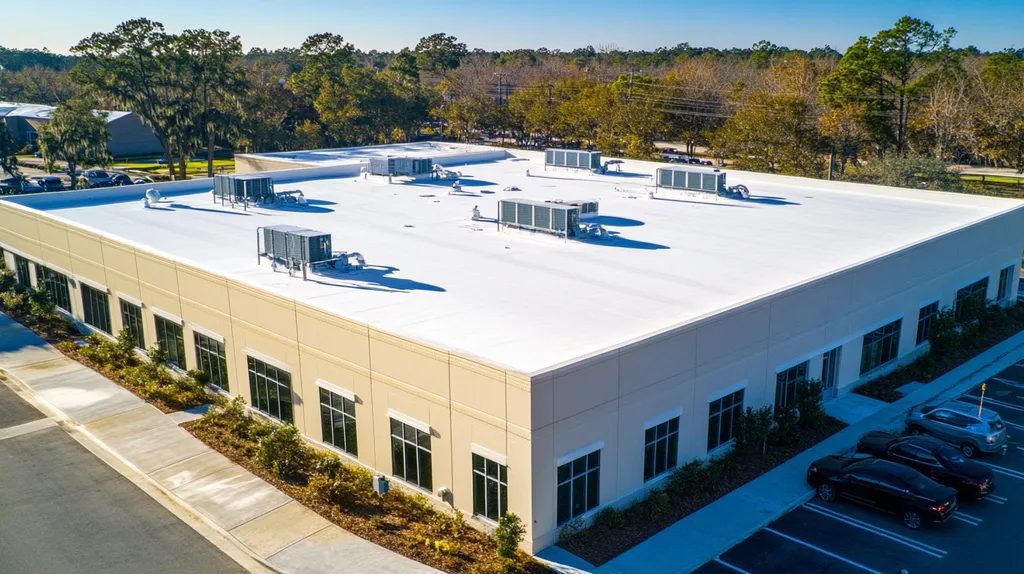
When it comes to industrial roof leak detection, the stakes are sky-high. An undetected leak can easily cost over $100,000 in repairs and lead to costly operational disruptions. Yet, despite these alarming figures, many property owners overlook vital opportunities for effective leak detection. In this section, we’ll shine a light on the dangers of hidden leaks, the importance of recognizing early warning signs, and the missed chances to harness advanced technologies.
Overlooking Hidden Leaks
Hidden leaks are like ticking time bombs for industrial roofs. Many property owners depend solely on visual inspections, missing those sneaky signs of moisture that can lurk beneath the surface. A roof might look perfectly fine, but issues like inadequate drainage or improper installation could be brewing unseen.
Proactive leak detection methods are essential to nip these hidden problems in the bud. If roof membranes fail visibly, you might already be facing extensive damage. This not only jeopardizes roof integrity but also threatens stored materials, machinery, and employee safety.
Certain roofing scenarios—like multiple-layer systems—are particularly good at hiding leaks. When moisture gets trapped, it creates a breeding ground for mold and mildew, driving up health concerns and repair costs. It’s time to transition away from traditional methods and adopt advanced detection techniques that can uncover these lurking threats before they escalate.
Neglecting Early Warning Signs
Early warning signs of leaks often fly under the radar, mainly because routine monitoring is neglected. Many facility managers wait for visible damage before springing into action, blinding themselves to subtle indicators like unusual humidity levels or odd odors. These signs can serve as critical breadcrumbs leading to potential leaks.
For instance, persistently high moisture readings from humidity sensors could indicate imminent leaks. If these early signals are ignored, the consequences can include serious structural damage and costly operational setbacks.
Regular maintenance schedules play a crucial role in catching these early warning signs. When such schedules slip through the cracks, opportunities for timely intervention dwindle, increasing the chances of leaks spiraling out of control. By integrating early leak indicators into routine inspections, property owners can save both time and money in the long run.
Failure to Utilize Advanced Technologies
The roofing industry boasts a growing array of advanced technologies for leak detection, yet many property owners remain skeptical or resistant to change. Sticking with traditional methods, like manual inspections, may seem easier, but they frequently overlook critical signs that advanced systems could catch.
Technologies such as thermal imaging and acoustic sensors can unveil moisture trapped within roofing materials—something the naked eye can’t detect. Ignoring these tools means risking small leaks turning into massive headaches down the line.
Smart sensor technologies also offer real-time monitoring and alerts, empowering facility managers to act swiftly on potential leaks. This proactive mindset not only minimizes damage but also maintains operational continuity. Failing to embrace these advanced solutions results in a reactive game of catch-up, which can come at a steep cost.
SECTION 4: ROOT CAUSES
Ignoring the root causes of industrial roof leaks can spell disaster for property owners and facility managers. Every year, businesses lose millions due to water damage, often caused by fundamental issues that remain hidden until it’s too late. Underlying problems such as material deterioration, poor installation, and environmental factors often contribute significantly. Tackling these root causes is essential for making informed decisions and developing effective long-term roofing strategies.
Material Deterioration and Aging
Roofing materials age like fine wine—only they don’t get better with time. As they age, materials lose their integrity, leading to cracks, tears, or even complete membrane failure. For instance, the widely used thermoplastic polyolefin (TPO) membrane can become brittle within a decade, making it a leak magnet.
Additionally, UV exposure speeds up this aging process, breaking down the materials’ protective elements. Often overlooked, this factor can unleash catastrophic failures during extreme weather events when roofs are least able to cope.
Proactive inspections focusing on material degradation can help spot weaknesses before they balloon into full-blown crises. Regular maintenance must include a keen eye for signs of material fatigue.
If not addressed promptly, material deterioration leads to costly repairs and interruptions in operations. Awareness and timely intervention are crucial for preventing leaks that threaten a building’s structural integrity.
Poor Installation and Maintenance
A shoddy installation can sabotage even the best roofing materials. Inexperienced contractors may resort to low-quality materials or questionable techniques that can’t withstand the elements. Take poorly sealed seams, for example; they’re a notorious source of leaks soon after installation.
Adding insult to injury, neglecting routine maintenance only turns minor hiccups into major headaches. Many property owners fail to realize that even small ponding areas can escalate into significant water intrusion if ignored.
Regular inspections from qualified professionals are essential for keeping roofing systems on track. These checks can uncover installation flaws and maintenance needs early, sparing property owners from a deluge of issues down the road.
By prioritizing skilled installation and ongoing maintenance, industrial property managers can dramatically reduce leak occurrences, ensuring their roofs remain reliable and robust.
Environmental Factors and Weathering
Let’s face it: Mother Nature isn’t always friendly to roofs. Environmental factors like extreme temperatures, heavy rains, and snow wear down roofing materials faster than a kid on a sugar high. In areas that experience severe freeze-thaw cycles, for example, membranes expand and contract, leading to cracks and vulnerabilities.
Moreover, localized weather conditions can wreak havoc. Roofs in coastal regions face saltwater exposure, which accelerates corrosion and shortens lifespan.
The cumulative effect of these environmental challenges can severely weaken roofs over time, increasing their susceptibility to leaks. Designing roofs to account for local weather conditions can help mitigate some of these risks.
Grasping the impact of environmental factors is essential for any roofing strategy. By anticipating these challenges, property owners can implement tailored solutions to enhance their roof’s resilience and longevity.
DATA DRIVEN EVIDENCE
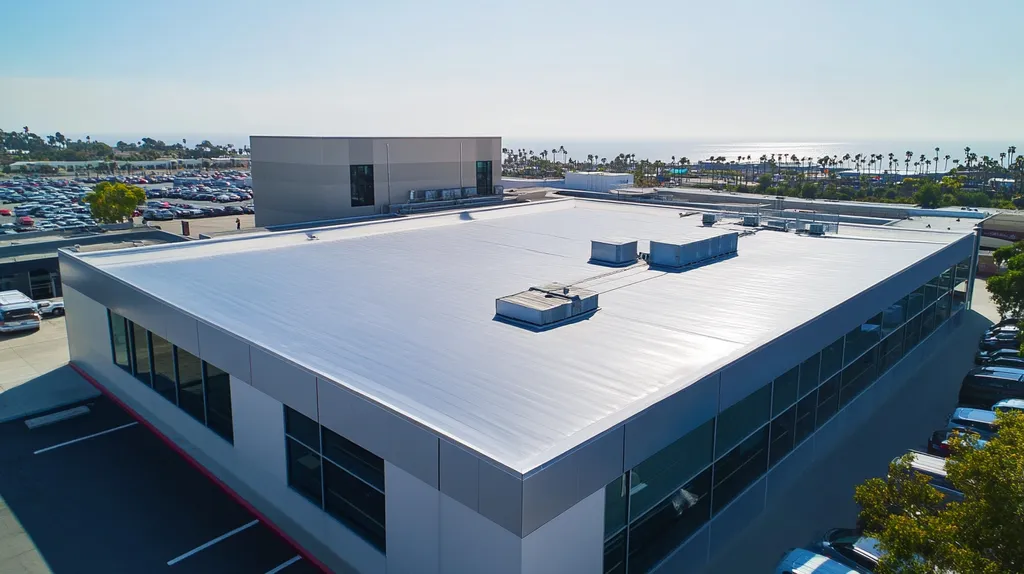
The consequences of undetected roof leaks in industrial settings are staggering. Research shows that water damage can lead to repair costs averaging between $5,000 and $10,000 per incident, and that’s just the tip of the iceberg. Prolonged moisture exposure can compromise a building’s structural integrity and trigger costly disruptions in operations. As property owners investigate effective solutions, it’s crucial to understand the financial impact of undetected leaks, the efficiency benefits of alternative detection methods, and valuable lessons from successful case studies.
Cost Analysis of Undetected Leaks
When leaks go undetected, they can unleash a cascade of financial burdens for industrial facilities. At first glance, the costs associated with a leak may seem manageable. However, as moisture seeps into insulation, damages can escalate dramatically, potentially resulting in a complete roof replacement—an investment that can easily breach six figures.
Business operations can also grind to a halt during extensive repairs, leading to productivity losses that hurt the bottom line. According to the National Electrical Manufacturers Association, just one day of downtime can set companies back anywhere from $5,000 to $100,000, depending on the scale of operations.
Neglecting preventative measures can even drive insurance premiums skyward. Facilities that don’t address leaks may be deemed high-risk, translating into even higher costs.
Data-driven analysis shows that investing in advanced leak detection solutions can significantly minimize these risks, ultimately reducing long-term expenditures.
Efficiency Gains from Advanced Methods
Switching to advanced leak detection methods can yield impressive efficiency gains for property owners. Traditional approaches often result in delayed responses to leaks, leading to wasted resources and rising costs.
New technologies, such as thermal imaging and acoustic sensors, can quickly identify moisture before it’s visible. Research indicates that integrating these tools can cut response times by up to 50%, allowing for faster resolutions and minimizing damage.
These advanced methods also facilitate improved preventative maintenance schedules, enabling targeted inspections based on real-time data. This approach reshapes resource management—staff can focus on critical tasks rather than spending valuable hours on manual inspections.
By investing in these high-efficiency systems, industrial facilities not only shield their assets but also enhance worker safety and productivity with a consistently dry work environment.
Case Studies of Successful Alternatives
Looking at successful case studies where alternative leak detection methods have been implemented paints a powerful picture. In Ohio, a manufacturing plant adopted an integrated sensor system that provided real-time leak detection. This proactive approach resulted in a remarkable 40% reduction in roof maintenance costs within just one year.
Another facility in California shifted from traditional methods to a digital monitoring system, leading to a nearly 30% drop in emergency repairs. This transition significantly bolstered operational continuity.
Moreover, feedback from facilities utilizing these advanced systems highlighted increased employee satisfaction, attributable to improved safety and working conditions. Managers reported a clear link between proactive measures and enhanced team morale.
These examples illustrate that alternative leak detection solutions not only safeguard facilities but also deliver significant financial returns over time, making a compelling case for their adoption.
SECTION 6: ALTERNATIVE SOLUTIONS
As the pressure mounts on industrial facilities to maintain roof integrity, relying solely on sensor technology for leak detection is proving to be a costly game of chance. Studies indicate that up to 30% of roofing failures fly under the radar until they inflict serious damage. The time has come to explore alternative solutions that deliver quicker and more reliable results. Methods like infrared thermography, electronic leak detection, and drone inspections stand out as proactive ways to catch roofing issues before they snowball into major headaches.
Infrared Thermography and Thermal Imaging
Infrared thermography has rapidly become an invaluable ally in the battle against roof leaks. This method identifies temperature variations on the roof’s surface, revealing hidden moisture that would otherwise slip through the cracks. By using specialized cameras to capture thermal images, facilities can analyze patterns and spot anomalies that indicate potential issues.
The real beauty of infrared imaging is its speed—covering large roofing areas in a snap. Regular thermography inspections empower facility managers to tackle problems proactively, preventing them from escalating into serious damage. Plus, since the inspections are non-destructive, there’s no need to compromise roof integrity just to check for trouble.
Winter months can be especially advantageous for this technique, as temperature differences are more pronounced. By incorporating infrared thermography, facilities can not only save on repair costs but also extend the lifespans of their roofing systems.
That said, operators must be adept at interpreting thermal images. Misreading data could lead to unnecessary repairs or, worse, missed issues, which highlights the need for trained professionals to get the most out of this technology.
Electronic Leak Detection Techniques
Electronic leak detection (ELD) offers another powerful method for identifying roof leaks. By employing electrical currents to locate breaches in the roofing membrane, ELD provides a more precise approach to leak detection. Operators apply electrodes to the roof surface and can pinpoint leaks based on variations in electrical resistance.
This precision eliminates the guesswork associated with broader inspection ideas, allowing for targeted repairs rather than haphazard patch-ups. Not only does this reduce waste, but it also streamlines budgeting for repairs—always a welcome benefit.
ELD is versatile, able to work on various roofing materials, from single-ply membranes to built-up roofs. That adaptability makes it a go-to choice for facility managers who crave reliability in leak detection solutions.
However, it’s crucial to note that ELD requires a dry roof surface to operate efficiently. For facilities prone to heavy moisture, scheduling inspections can be a logistical challenge, emphasizing the importance of meticulous planning.
Drone-Based Aerial Inspections and Moisture Scanning
Drone technology is changing the game for roof inspections, offering an aerial perspective that saves time and cuts costs. Drones equipped with high-res cameras can scan extensive rooftop areas, quickly spotting visible signs of wear, tear, and potential leaks.
Some drones even come fitted with moisture scanning tools, which assess roofing materials for moisture buildup, targeting areas that warrant deeper investigation. This capability significantly speeds up and enhances the thoroughness of roof inspections.
On top of that, using drones enhances safety—there’s no need for human inspectors to navigate risky roof conditions. Being able to access hard-to-reach spots reduces the risks traditionally associated with ladder work.
But drones aren’t a magic fix. Weather conditions can delay flights, and operating them requires skilled personnel. Still, the combination of speed, precision, and safety makes drone inspections an increasingly attractive option for modern roofing strategies.
The Bottom Line
With industrial roof leaks costing facilities an average of $50,000 per incident, the industry’s obsession with sensor-based detection is proving to be a costly misstep.
Studies show that relying solely on sensors leads to a 40% failure rate in catching critical leaks before severe damage occurs.
The evidence clearly points to a multi-pronged approach combining thermal imaging, electronic leak detection, and drone-based inspections as the most effective strategy.
Forward-thinking facility managers are already shifting away from sensor-heavy solutions, instead investing in these proven alternatives that deliver superior results at a fraction of the cost.
The future of industrial roof leak detection lies not in more sensors, but in smarter, integrated solutions that actually work.
FREQUENTLY ASKED QUESTIONS
Q. What are current practices for commercial roof leak detection?
A. Traditional inspections often miss hidden leaks, putting roofs at risk. While sensor technologies exist, they have their own limitations. A blend of methods is essential for comprehensive detection to prevent costly damage.
Q. Are there systemic issues with industrial roof sensors?
A. Yes, sensors can lead to false positives and skyrocketing maintenance costs. Relying on them can create a false sense of security, increasing safety risks during inspections. Awareness of these challenges is critical for property managers.
Q. What are the hidden leak threats for industrial roofs?
A. Hidden leaks can cause significant damage before they’re noticed. Relying on visual checks often misses early warning signs. Proactive monitoring and advanced technologies are vital for addressing these lurking threats before they escalate.
Q. What root causes lead to leaks in commercial roofs?
A. Material deterioration, poor installations, and environmental factors are primary causes of roof leaks. Ignoring these underlying issues can lead to severe financial losses. Regular maintenance and inspections can mitigate these risks effectively.
Q. How serious are the costs of undetected leaks in industrial roofs?
A. The costs can escalate dramatically. Undetected leaks can lead to extensive repair bills and substantial operational downtime. Failing to invest in timely detection increases overall financial risks for property owners.
Q. What alternative solutions exist for roof leak detection?
A. Alternatives like infrared thermography, electronic leak detection, and drone inspections are effective. These methods enhance accuracy and proactively address potential issues, ensuring better roof integrity than relying solely on sensors.
Q. Why should commercial property owners care about roof leaks?
A. Ignoring roof leaks can lead to significant financial losses, structural damage, and operational interruptions. Prioritizing leak detection and prevention is vital for protecting investments and ensuring smooth operations.






