
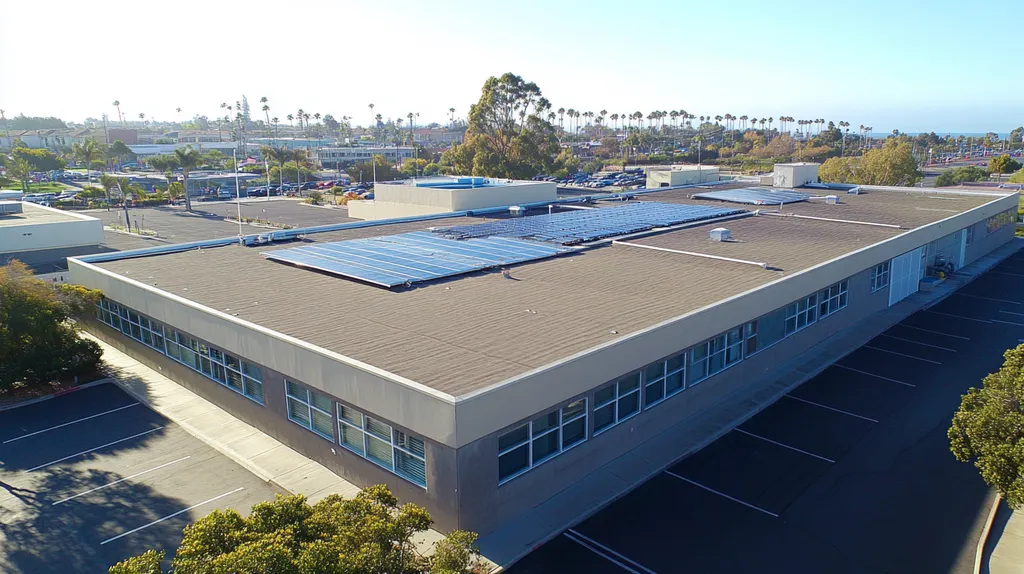
Industrial facilities face mounting pressure to upgrade aging roofing systems, with 40% of commercial roofs experiencing premature failure due to outdated materials. These failures cost U.S. businesses over $2.5 billion annually in repairs and operational disruptions.
Today’s innovative roofing materials offer dramatic improvements in durability, energy efficiency, and long-term cost savings. Yet many facility managers struggle to evaluate these options effectively.
This comprehensive guide examines the critical factors in selecting modern roofing materials, from performance metrics and financial considerations to compliance requirements and risk management strategies.
SECTION 1: PERFORMANCE FACTORS
Selecting the appropriate materials for industrial roofs is essential in today’s rapidly evolving market. A substandard roofing system can result in significant energy waste and increased operational expenses. According to the National Association of State Energy Officials, energy-efficient roofing can cut annual cooling costs by as much as 15%. Facility managers must focus on materials that enhance energy efficiency, weather resistance, and structural integrity.
Energy Efficiency and Insulation
Energy efficiency is now a crucial requirement for modern industrial facilities. Utilizing high-performance insulation materials can drastically minimize heat transfer, which translates to reduced energy consumption. For instance, reflective roof coatings and insulation boards significantly improve a building’s energy efficiency, resulting in considerable savings over the long haul.
Facility managers should seek out materials with high R-values, indicating superior insulating capabilities. Insulation systems such as polyiso foam or spray foam provide excellent thermal resistance, ensuring comfortable environments while also lowering energy expenses. Many of these materials contribute to sustainability goals, as a number are manufactured from recycled materials.
Additionally, implementing energy-efficient designs can unlock tax incentives and qualify for green building certifications. Investing in advanced materials today can lead to long-term financial and environmental payoffs. The right materials can not only protect roofs but also enhance their overall functionality.
A comprehensive energy strategy, combined with quality materials, allows for better climate control in industrial spaces. Facility managers are encouraged to perform regular energy audits to uncover potential improvements. This proactive approach not only saves money but also boosts the property’s overall value.
Key Action Items
Weather Resistance and Durability
Additionally, choosing the right roofing materials helps mitigate moisture-related issues, which are prevalent in various industrial sectors. Utilizing moisture-resistant options, like modified bitumen, can significantly reduce the likelihood of leaks and extend roof longevity. This leads to fewer emergency repairs and minimizes operational disruptions.
The warranties associated with roofing materials often depend on their quality. Higher-grade materials typically come with extended warranties, providing assurance of their durability. Facility managers should carefully evaluate warranty terms when selecting roofing systems, as these details offer valuable insights into potential long-term performance issues.
Ultimately, investing in weather-resistant materials represents not just immediate protection but also a commitment to the facility’s long-term health. Selecting the right materials can prevent expensive weather-related damage and maintain safe operating conditions throughout the year.
Key Action Items
Structural Integrity and Load Capacity
Grasping the concept of structural integrity is vital for a successful industrial roofing project. Modern materials must not only uphold the roof itself but also bear additional loads, such as equipment or solar arrays. Select materials like steel or reinforced concrete to ensure the roof can meet these demands without sacrificing safety.
The load capacity of roofing materials should be assessed in light of both current and future facility requirements. Flexible materials, such as membranes, can adapt more effectively to structural movements than conventional options. This adaptability is particularly important for facilities that may undergo renovations or change in usage over time.
Facility managers are advised to collaborate closely with structural engineers to define specific load criteria. Utilizing advanced simulation technologies can effectively predict how various materials respond to stressors, leading to well-informed decisions. This analytical approach can help prevent structural issues before they occur.
Apart from initial structural considerations, regular maintenance and inspections are crucial to uphold roofing integrity. Frequent checks can help identify wear and load distribution issues early on, allowing for timely repairs. Long-term planning ensures the roofing system remains safe and functional throughout its lifespan.
Key Action Items
SECTION 2: FINANCIAL CONSIDERATIONS
Selecting the right materials for industrial roof installations is a crucial financial decision. With average commercial roofing costs ranging from $3 to $6 per square foot, facility managers must weigh the long-term impact of their choices. By investing in innovative materials, facilities can achieve significant savings through lowered maintenance costs and enhanced energy efficiency. This section explores three key financial considerations: initial installation costs and ROI, long-term maintenance expenses, and potential energy savings.
Initial Installation Costs and ROI
The initial costs of installing new roofing materials can vary widely. Innovative options like thermoplastic polyolefin (TPO) or cool roofing systems may require a higher upfront investment, yet they often provide considerable returns on investment (ROI). Evaluating how long these materials last—some exceeding 30 years—can significantly influence budget decisions and minimize future replacement needs.
Facility managers should calculate the total cost of ownership, which includes initial costs along with expected longevity and performance. This comprehensive understanding helps in identifying which materials offer better long-term value.
For example, while traditional built-up roofs might seem more affordable initially, their quick degradation often leads to higher repair or replacement costs within a decade. Investing in durable materials may be pricier at first, but the resulting ROI—when factoring in longevity and maintenance—can be substantial.
Key Action Items
Long-Term Maintenance and Repair Costs
The type of roofing material chosen plays a crucial role in determining long-term maintenance and repair expenses. Innovative materials generally require less maintenance because of their advanced formulations. For instance, synthetic roofing membranes need less frequent inspections and repairs compared to older materials.
Many new options possess built-in features that enhance durability against harsh weather conditions, reducing the likelihood of damage. This durability can lead to lower repair costs, which can range from $1,000 to $5,000 annually for traditional roofing systems.
Furthermore, modern roofing products frequently come with extensive warranties that cover defects and performance issues, minimizing unplanned expenses. It’s essential for facility managers to thoroughly review these warranties to ensure they fit within the overall maintenance budget.
Key Action Items
Energy Savings and Operational Expenses
Energy efficiency is a key player in reducing operational costs for facilities. New roofing materials, particularly cool roofs and eco-friendly systems, can lead to substantial reductions in energy bills. These cooler surfaces reflect sunlight, decreasing heat absorption and subsequently lowering air conditioning demands during hot periods.
Research indicates that cool roofs can reduce cooling costs by as much as 30%, significantly helping to offset initial installation expenses over a few years, depending on facility size and local climate.
Moreover, energy-efficient roofing options contribute positively to sustainability initiatives, enhancing the facility’s public image and potentially qualifying for tax incentives. Facility managers should carefully assess the long-term energy savings that these materials provide as part of their financial planning.
Key Action Items
SECTION 3: COMPLIANCE REQUIREMENTS
As industrial roofing projects advance, adhering to compliance requirements is more crucial than ever. Non-compliance with local building codes can lead to expensive fines, delays, and serious safety risks. In fact, improper roofing installations accounted for 25% of reported construction problems in 2020. Facility managers must clearly understand compliance regulations that influence material choices and installation practices, ensuring safety, sustainability, and legal adherence.
Local Building Codes and Regulations
Local building codes set the standards for construction and materials used in roofing installations. These codes are designed to ensure that roofs can handle specific weather conditions, including wind and rain loads. For instance, California enforces Title 24 energy standards, which mandate enhanced thermal performance for roofing materials.
Facility managers should confirm that their selected materials comply with local codes. This verification involves reviewing material specifications, installation methods, and assessing if roofs can endure local weather conditions.
Failure to comply can result in structural failures, posing safety risks and leading to substantial financial losses due to repairs and potential legal actions. Regular compliance checks should be an integral aspect of any roofing project to minimize long-term costs and ensure legal adherence.
Key Action Items
Environmental and Sustainability Standards
With a growing emphasis on environmental impact, many areas have established sustainability standards for roofing materials. LEED certification encourages the use of eco-friendly materials and efficient energy systems to reduce the ecological footprint.
Facility managers must consider materials that align with sustainability goals, such as cool roofing systems that reflect sunlight and reduce heat absorption. Understanding local regulations regarding reflective surfaces and insulation properties is also important.
Failing to meet sustainability standards may lead to penalties and reduce property values, along with limiting eligibility for energy-saving incentives. Evaluating roofing options from an eco-friendly perspective allows facilities to stay compliant while leading in sustainable practices within the industry.
Key Action Items
Safety and Health Compliance
Safety regulations play a vital role in roofing projects, safeguarding both workers and the public. OSHA guidelines stipulate requirements for fall protection, material handling, and overall site safety that must be strictly followed during installation.
Compliance with health and safety standards begins with comprehensive training for all personnel involved in roofing tasks. Understanding safety protocols is essential to prioritize worker well-being and prevent accidents.
Ignoring these safety regulations not only puts lives at risk but can also cause project delays and incur high medical costs. Facilities may also face significant fines from regulatory organizations, straining budgets further. Establishing a culture of safety compliance enhances operational efficiency and demonstrates a commitment to responsible management.
Key Action Items
SECTION 4: RISK MANAGEMENT
Industrial facilities today must navigate a landscape fraught with risks from leaks, fire hazards, and natural disasters. Without effective risk management, these challenges can lead to costly damages and operational downtime. Alarmingly, up to 30% of commercial roof failures stem from insufficient leak detection and prevention efforts. Embracing modern materials and technologies is essential for bolstering a facility’s resilience. This section outlines critical strategies for leak detection, fire safety measures, and enhancing natural disaster preparedness.
Leak Detection and Prevention
Water leaks can wreak havoc on facilities, resulting in expensive repairs and potential business interruptions. Utilizing cutting-edge materials like thermoplastic polyolefin (TPO) significantly boosts leak resistance. These innovative materials can also integrate built-in detection systems, alerting managers to moisture before it escalates into serious damage.
Regular maintenance that includes infrared thermography can effectively identify hidden leaks, saving time and preserving the facility’s structural integrity. Additionally, facility managers should prioritize warranties that specifically cover leaks to safeguard against financial surprises.
Establishing routine inspections is another proactive measure, ensuring that vulnerabilities from flashings or seams are addressed swiftly. Investing in leak prevention technologies not only enhances durability but can also lead to lower insurance premiums.
Key Action Items
Fire Resistance and Safety Measures
Fire safety is a top priority in industrial environments where flammable materials may be present. Many conventional roofing materials can exacerbate fire risks; therefore, selecting fire-resistant alternatives like modified bitumen or metal roofing is critical in reducing these hazards.
In addition, implementing a robust fire management system with modern sensors can provide added safety. Such systems can detect heat and smoke, activating alarms and sprinklers in a matter of seconds. Regular staff training on emergency fire response procedures is vital to complement these technical safety measures.
Adherence to local building codes regarding fire-resistant materials is non-negotiable. Non-compliance can lead to hefty fines and increased risks during emergencies, making it imperative for facility managers to stay informed and prepared.
Key Action Items
Natural Disaster Resilience
Natural disasters present significant threats to industrial facilities, with events such as hurricanes, tornadoes, and earthquakes leading to catastrophic roof failures. To bolster disaster preparedness, utilizing impact-resistant materials is essential; these materials should be designed to withstand high winds and severe conditions.
Facility managers should also assess the area’s geographical risks to choose appropriate roofing materials. In flood-prone regions, waterproof and moisture-resistant options provide an added layer of security. Elevating roofing structures can further mitigate potential flooding issues.
Creating a comprehensive disaster response plan is crucial. This plan should outline procedures for rapidly addressing roof damage and minimizing downtime, while regular drills can help ensure that all staff members are aware of their roles in emergencies, contributing to overall safety and resilience.
Key Action Items
SECTION 5: OPERATIONAL PROCEDURES
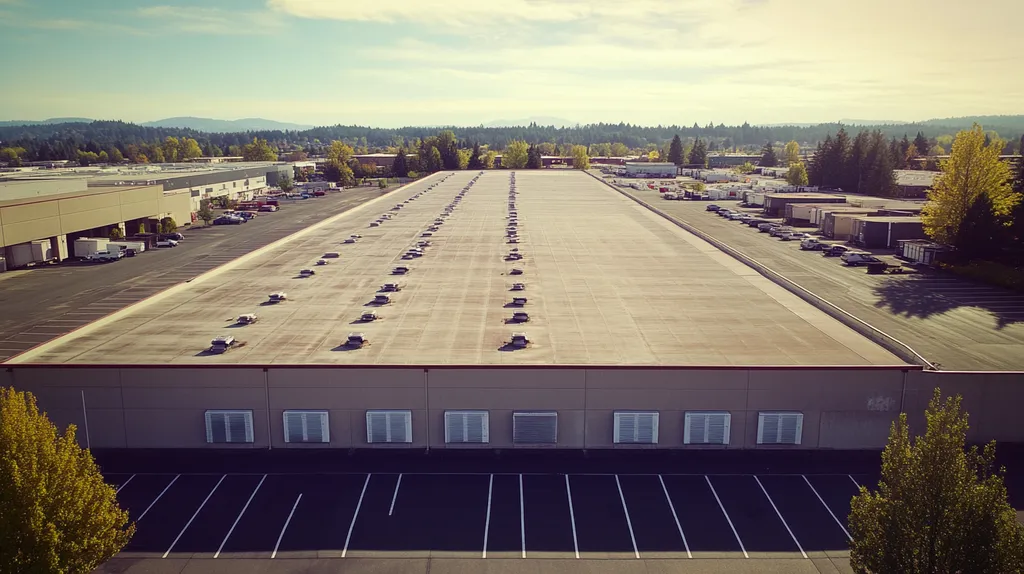
In the competitive world of industrial roofing, having the right operational procedures is crucial for project success. As innovative materials continue to emerge, effective installation techniques and maintenance protocols become increasingly important. Facility managers should prioritize these procedures to protect their assets and maximize the lifespan of roofing systems. Implementing rigorous inspection schedules helps catch potential issues before they escalate into costly repairs.
Installation Techniques and Best Practices
Today’s industrial roofs require specialized installation techniques to match the demands of new materials. For example, employing mechanically attached roofing systems significantly improves wind resistance compared to older methods. Facility managers need to ensure that installation crews are well-trained in the nuances of these materials to avoid common mistakes during application.
Following manufacturer recommendations is essential for each roofing material, such as thermoplastic polyolefin (TPO) or ethylene propylene diene monomer (EPDM). Adherence to these guidelines enhances both durability and warranty compliance, safeguarding against potential future issues.
Incorporating a comprehensive pre-installation checklist is vital. Verifying substrate conditions and ensuring all necessary tools are on-site can streamline the installation process and prevent delays. This proactive approach significantly reduces the chances of encountering issues down the line.
Key Action Items
Inspection and Maintenance Schedules
Regular inspections are key to preserving the lifespan of industrial roofs. Research shows that roofs with scheduled inspections can endure up to 25% longer than those without. Establishing a structured maintenance routine enables facility managers to detect small problems before they escalate into major issues.
Best practices recommend conducting inspections bi-annually, especially after severe weather conditions. During these assessments, focus on critical areas like seams, flashing, and drainage systems. Carefully documenting findings helps track product performance and informs future maintenance strategies.
Routine maintenance tasks, such as clearing debris and completing minor repairs, can greatly extend a roof’s life. Proactively maintaining the drainage systems and checking for early signs of wear can help mitigate repair costs and ensure long-term structural integrity.
Key Action Items
Drone and Technology-Assisted Assessments
Recent advancements in drone technology are revolutionizing how facility managers assess roofing conditions. Drones with high-resolution cameras can carry out detailed inspections safely and efficiently, eliminating the need for ladders or scaffolding.
Aerial assessments provide comprehensive data, enabling more accurate evaluations without disrupting everyday operations. This technology allows facility managers to capture visual evidence regarding roof conditions and make informed decisions about maintenance and repairs.
Furthermore, utilizing advanced software to analyze drone footage helps identify trends and anticipate future roof performance issues. This forward-thinking approach empowers facility managers to allocate budgets wisely and extend roof lifespans through timely interventions.
Key Action Items
SECTION 5: OPERATIONAL PROCEDURES
In the competitive landscape of industrial roofing, having efficient operational procedures is critical to the success of projects. With the emergence of innovative materials, effective installation techniques become increasingly essential. Facility managers must ensure that both installation and maintenance protocols are current to protect their assets and maximize the lifespan of roofing systems. Implementing rigorous inspection schedules is also vital to identify issues before they escalate into costly repairs.
Installation Techniques and Best Practices
Modern industrial roofs require advanced installation techniques tailored to new materials. Mechanically attached roofing systems, for example, offer superior wind resistance compared to traditional methods. Facility managers must ensure that installation crews are trained in the specifics of these materials to avoid common mistakes during application.
Additionally, following manufacturer guidelines is crucial. Each roofing material, like thermoplastic polyolefin (TPO) or ethylene propylene diene monomer (EPDM), comes with specific recommendations for installation that enhance performance and durability. Adherence to these instructions also helps avoid warranty violations.
Employing a detailed pre-installation checklist is key to improving installation outcomes. Items like verifying substrate integrity and ensuring that all necessary tools are present can minimize delays and contribute to a seamless workflow. This proactive measure significantly decreases the likelihood of problems in the future.
Continuous training and certification programs for roofing teams are essential. As new materials and techniques emerge, keeping the workforce informed helps cultivate a more reliable and efficient team.
Key Action Items
Inspection and Maintenance Schedules
Establishing regular inspections is crucial for preserving industrial roofs. Research indicates that roofs with scheduled inspections can last up to 25% longer than those without. A defined maintenance routine allows facility managers to spot minor issues before they evolve into larger, costly problems.
Best practices recommend conducting inspections bi-annually, particularly following severe weather events. Inspections should focus on critical areas like seams, flashing, and drainage systems. Documenting findings enables tracking of product performance and shapes future maintenance strategies.
Routine maintenance tasks, such as removing debris and performing minor repairs, can greatly extend a roof’s life. By keeping drainage systems clear and checking for early signs of wear, facility managers can reduce the likelihood of costly repairs and ensure long-term structural integrity.
Maintaining open communication with certified roofing contractors is vital. They can provide valuable insights on potential material failures and serve as essential resources when planning for major repairs or replacements.
Key Action Items
Drone and Technology-Assisted Assessments
The rise of drone technology is changing how facility managers evaluate roofing conditions. Drones equipped with high-resolution cameras can conduct detailed inspections swiftly and safely, reducing the need for more hazardous methods like ladders or scaffolding.
Aerial assessments yield comprehensive data that enables accurate evaluations without hindering daily operations. By leveraging this technology, facility managers can capture visual evidence of roof conditions and make informed decisions regarding maintenance and repairs.
Additionally, advanced software can analyze drone footage to uncover trends and anticipate future roof performance issues. This proactive strategy allows facility managers to budget more effectively and extend roofs’ lifespans through timely interventions.
Incorporating drone technology into routine maintenance also bolsters safety protocols by minimizing exposure to hazardous conditions and ensuring more frequent, efficient inspections.
Key Action Items
Looking Ahead
With 40% of commercial roofs experiencing premature failure, the stakes for selecting appropriate roofing materials have never been higher.
Modern materials now offer unprecedented advances in durability, energy efficiency, and long-term cost savings – yet require careful evaluation across multiple criteria to maximize their benefits.
Facility managers who embrace innovative materials while following proper installation and maintenance protocols can expect to see ROI improvements of 25-30% compared to traditional options.
By implementing comprehensive material selection strategies that address performance, financial, compliance, and risk factors, facilities can significantly reduce their exposure to costly failures and operational disruptions.
The future of industrial roofing lies in smart material choices backed by data-driven maintenance – making informed decisions today will determine roof performance for decades to come.
FREQUENTLY ASKED QUESTIONS
Q. What performance factors should I consider for my commercial roof?
A. Focus on materials that enhance energy efficiency, weather resistance, and structural integrity. High-performance insulation reduces energy consumption, while durable materials can withstand harsh weather, protecting your investment and reducing long-term costs.
Q. How do initial costs impact my commercial roof investment?
A. Initial installation costs vary significantly, but investing in higher-quality materials often results in greater long-term savings. Consider durability and reduced maintenance expenses when calculating potential ROI, as quality materials last longer and reduce overall costs.
Q. What compliance requirements apply to industrial roofs?
A. Facility managers must adhere to local building codes that dictate specific material standards and installation methods. Regular compliance checks help avoid fines and ensure safety, preserving the integrity and legality of the roofing project.
Q. How can I manage risks associated with my industrial roof?
A. Implement regular maintenance and advanced leak detection technologies to prevent serious issues. Focus on using materials designed for disaster resilience and ensure that you have a comprehensive emergency response plan in place.
Q. What operational procedures should I follow for industrial roof care?
A. Establish regular inspection schedules and maintenance tasks to catch issues early. Ensure that installation crews are well-trained in installation techniques for new materials to maximize efficiency and roof lifespan.
Q. How can drone technology assist my commercial roofing assessments?
A. Drones facilitate safe, efficient inspections and provide comprehensive aerial data on roofing conditions. By tracking trends and potential issues, facility managers can make informed decisions regarding maintenance and budget planning.
Q. What eco-friendly materials are available for industrial roofs?
A. Look for cool roofing systems and materials with recycled content to improve sustainability. These options can help reduce energy costs and qualify for green building certifications, aligning with environmental goals while enhancing your roof’s performance.






