

Welcome to today’s Battle Royale featuring two roofing heavyweights: “TPO” in the east corner versus “EPDM” in the west!
Tonight’s showdown pits these contenders against each other across six punishing rounds designed to test every aspect of their performance for airflow requirements for commercial roofs.
At stake? Millions in potential costs, decades of building protection, and the critical performance demands of modern commercial and industrial facilities.
Our professional judging panel will evaluate each round on technical merit, real-world performance, and value delivery. After all six rounds, we’ll declare our ultimate champion.
Ladies and gentlemen, facility managers and building owners… it’s time to rumble!
ROUND 1: INITIAL COSTS & INSTALLATION
When selecting a commercial roofing system, the initial investment and installation process can make or break your budget and timeline. Natural airflow requirements add another crucial layer of complexity to the TPO versus EPDM decision, directly impacting both immediate costs and long-term performance.
Understanding these factors is critical – according to industry data, choosing the wrong roofing system can increase your total project costs by up to 35% and extend installation timelines by weeks.
Material Expenses
TPO membranes typically cost $3.50-$5.50 per square foot for commercial applications, making them an economical choice for large-scale projects. The material’s lightweight nature also reduces structural support requirements and associated costs.
EPDM commands a premium price point of $4.50-$7.50 per square foot, primarily due to its enhanced durability and proven track record. However, these higher upfront costs often translate to longer service life.
Thanks to its natural thermal movement properties, TPO can work effectively with simpler ventilation systems, reducing additional material expenses. Well-balanced ventilation is achieved as cool air enters through lower vents while warm air naturally exhausts via higher points. (source: Metal-Era)
ADVANTAGE: TPO
Installation Complexity
TPO installation follows a straightforward process with mechanically fastened or fully adhered options. The material’s flexibility and lighter weight make it easier for crews to handle and position correctly.
EPDM requires more specialized installation techniques, particularly around seams and flashings. The material’s heavier weight and need for precise adhesive application can slow down the installation process.
The additional ventilation requirements for both systems add similar levels of complexity, though TPO’s lighter weight makes vent installation marginally easier.
ADVANTAGE: TPO
Project Timeline
TPO installations typically complete 20-30% faster than comparable EPDM projects. The streamlined application process and quicker seam welding contribute to reduced overall project duration.
EPDM installations demand more time for proper adhesive curing and seam preparation. Weather conditions can further impact these timing factors, potentially extending project timelines.
Both systems require similar timeframes for ventilation system integration, making this aspect neutral in the timeline comparison.
ADVANTAGE: TPO
ROUND 1 WINNER: TPO
ROUND 2: DURABILITY & LIFESPAN
When it comes to commercial roofing, durability and lifespan directly impact your bottom line. A premature roof failure can lead to extensive damage, business disruptions, and unexpected capital expenditures. Recent industry data shows that selecting the wrong roofing system can increase lifetime maintenance costs by up to 40% and reduce expected service life by a third.
The battle between TPO and EPDM in terms of longevity and durability is particularly crucial when considering proper airflow requirements, as ventilation directly affects material performance and lifespan.
Material Durability
TPO roofing systems typically offer 15-20 years of service life when properly installed and maintained. Their white surface reflects UV radiation effectively, helping to maintain material integrity in sunny climates.
However, TPO can be susceptible to premature aging if exposed to excessive heat buildup, making proper ventilation crucial. The material’s resistance to punctures and tears is moderate, requiring regular inspections to prevent damage progression.
EPDM demonstrates superior durability with a service life often exceeding 30 years. Its synthetic rubber composition provides excellent resistance to UV radiation, ozone, and extreme temperature fluctuations.
EPDM’s flexibility allows it to handle building movement and thermal cycling without compromising its integrity. The material also shows remarkable resistance to impacts and punctures.
ADVANTAGE: EPDM
Weather Resistance
TPO performs adequately in most weather conditions but can show signs of stress in extreme heat. The material’s seam strength may be compromised if proper ventilation isn’t maintained, especially in regions with high temperature variations.
Some TPO formulations have shown vulnerability to intense heat exposure, making adequate airflow essential for maintaining material stability. The membrane can become brittle over time if subjected to poor ventilation and heat buildup.
EPDM exhibits exceptional weather resistance across all climate zones. Its chemical composition allows it to maintain flexibility and structural integrity even under harsh conditions.
The material shows particular strength in handling thermal shock and maintains its properties regardless of temperature extremes. EPDM’s natural expansion and contraction capabilities help it adapt to changing weather conditions without degradation.
ADVANTAGE: EPDM
Maintenance Requirements
TPO roofs require regular maintenance to ensure optimal performance. Seam inspections, cleaning, and repairs must be conducted more frequently, especially in areas with poor ventilation or high heat exposure.
Annual inspections are crucial for TPO systems to identify and address potential issues before they escalate. The material’s lighter color makes damage identification easier but doesn’t reduce the frequency of required maintenance.
EPDM systems generally demand less frequent maintenance interventions. The material’s inherent durability and resistance to environmental factors result in fewer repair needs over its lifespan.
While EPDM still requires periodic inspections, its robust nature and resistance to degradation translate to lower long-term maintenance costs and fewer emergency repairs.
ADVANTAGE: EPDM
ROUND 2 WINNER: EPDM
ROUND 3: PERFORMANCE FACTORS
Understanding performance factors in commercial roofing systems can mean the difference between a thriving facility and a maintenance nightmare. Recent data shows that inadequate airflow in commercial roofs leads to a 40% increase in energy costs and can reduce indoor air quality by up to 60%.
The battle between TPO and EPDM intensifies when examining how each material handles critical performance metrics that directly impact building operations and occupant comfort.
Impact of Air Flow on Energy Efficiency
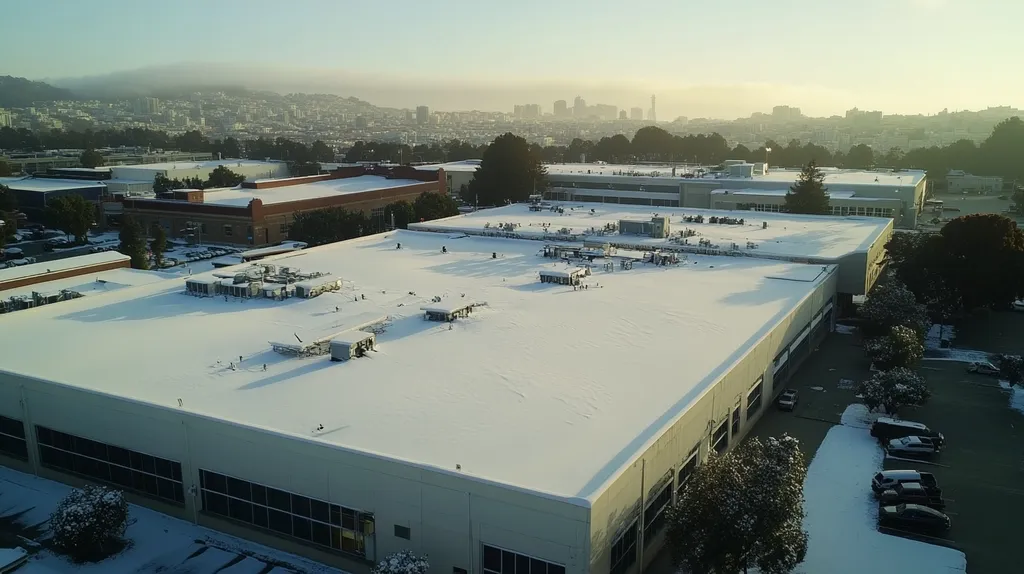
TPO’s highly reflective white surface naturally repels up to 85% of solar heat, reducing the workload on HVAC systems. This reflective property, combined with proper ventilation, creates an energy-efficient envelope that helps maintain consistent indoor temperatures.
The material’s thermal properties allow it to cool quickly after sunset, preventing heat buildup that could transfer into the building. TPO’s surface temperature can be up to 40 degrees cooler than traditional dark roofing materials during peak sunlight hours.
EPDM’s dark surface absorbs significant solar heat, which can increase cooling costs during summer months. While this heat absorption can be beneficial in colder climates, it often requires additional ventilation measures to prevent excessive heat transfer.
The material’s natural thermal absorption properties make it more dependent on proper ventilation systems to maintain energy efficiency. Without adequate airflow, EPDM roofs can contribute to increased cooling costs of up to 25%.
ADVANTAGE: TPO
Moisture Management and Air Circulation
TPO membranes excel at moisture management through their heat-welded seams and natural ability to prevent condensation. The material’s smooth surface allows moisture to flow freely toward drainage systems, reducing the risk of standing water.
When properly installed, TPO’s resistance to moisture penetration helps maintain the integrity of underlying insulation layers. This characteristic ensures consistent thermal performance and reduces the risk of moisture-related damage.
EPDM requires careful attention to seam adhesion and flashing details to prevent moisture infiltration. While the material itself is highly water-resistant, its installation method can create more potential entry points for moisture.
The rubber-based composition of EPDM can trap moisture between layers if ventilation is inadequate. This trapped moisture can compromise insulation effectiveness and potentially lead to structural issues over time.
ADVANTAGE: TPO
Longevity and Durability Factors
TPO’s performance in extreme temperatures depends heavily on proper ventilation and installation quality. The material can become stressed under prolonged high-temperature exposure if airflow is restricted.
Modern TPO formulations have improved heat resistance, but still require careful attention to ventilation design. Without adequate airflow, surface temperatures can exceed the material’s optimal performance range.
EPDM demonstrates exceptional stability across a wide temperature range, maintaining its flexibility and structural integrity. The material’s natural resistance to thermal shock helps it withstand dramatic temperature changes without degradation.
Even with minimal ventilation, EPDM continues to perform reliably, though proper airflow significantly extends its service life. The material’s proven track record of durability makes it less dependent on perfect ventilation conditions.
ADVANTAGE: EPDM
ROUND 3 WINNER: TPO
ROUND 4: MAINTENANCE REQUIREMENTS
The maintenance requirements of commercial roofing systems directly impact both operational costs and building performance. Industry data shows that inadequate maintenance can reduce a roof’s lifespan by 50% while increasing energy costs by up to 30%. Understanding these maintenance demands is crucial for making informed decisions between TPO and EPDM systems.
Maintenance Complexity
TPO roofing systems feature relatively straightforward maintenance requirements due to their heat-welded seams and uniform surface composition. Regular cleaning and debris removal help prevent drainage issues and maintain the membrane’s reflective properties.
Basic maintenance tasks for TPO roofs include biannual inspections, clearing drainage paths, and checking seam integrity. The material’s white surface makes it easier to spot potential issues during routine inspections.
EPDM systems require more complex maintenance procedures, particularly around seams and flashings where adhesives are used. The rubber-based material demands specialized cleaning methods and careful attention to prevent damage during maintenance activities.
The dark surface of EPDM can mask potential problems, making thorough inspections more time-consuming and challenging. Additionally, repairs often require specific adhesives and curing times.
ADVANTAGE: TPO
Inspection Frequency
TPO roofs typically require scheduled inspections twice per year, with additional checks after severe weather events. The material’s durability and visible surface characteristics allow for efficient visual assessments.
Between formal inspections, facility teams can easily monitor TPO roofs for obvious signs of damage or debris accumulation. This proactive approach helps prevent minor issues from escalating into major problems.
EPDM systems need more frequent inspections, often quarterly, to monitor seam integrity and check for potential adhesive failures. The material’s susceptibility to UV damage and thermal movement requires closer monitoring.
The higher inspection frequency for EPDM translates to increased maintenance costs and more frequent disruptions to building operations. Each inspection must be thorough to ensure no issues are overlooked.
ADVANTAGE: TPO
Repair Procedures
TPO repair procedures are typically straightforward and can be completed quickly using heat-welding techniques. Most repairs create permanent bonds that are as strong as the original membrane.
The material’s weldability means repairs can often be completed in a single visit, reducing downtime and labor costs. Small damages can usually be addressed with simple patch applications.
EPDM repairs tend to be more labor-intensive and time-consuming due to the need for proper adhesive application and curing times. Patches must be carefully sized and applied to ensure proper adhesion.
Weather conditions can significantly impact EPDM repair schedules, as moisture and temperature affect adhesive performance. Multiple visits may be required to complete a single repair properly.
ADVANTAGE: TPO
ROUND 4 WINNER: TPO
ROUND 5: SUSTAINABILITY CREDENTIALS
In today’s climate-conscious market, sustainable roofing choices directly impact both environmental footprint and operational costs. With commercial buildings accounting for nearly 40% of energy consumption in developed nations, choosing the right roofing system has never been more critical.
Beyond basic environmental considerations, proper ventilation in commercial roofing systems plays a vital role in sustainability by regulating temperature and moisture levels while maintaining comfortable indoor environments. Poor ventilation can lead to excess humidity, premature material aging, and reduced HVAC system efficiency. (source: Nations Roof)
Energy Performance and Heat Management
TPO roofing systems excel in energy performance through their highly reflective surface properties. These membranes can reflect up to 85% of solar radiation, significantly reducing cooling loads and energy consumption.
The material’s ability to maintain lower surface temperatures helps prevent heat transfer into the building envelope. This characteristic becomes particularly valuable in urban areas where heat island effects are significant.
EPDM’s dark surface absorbs considerably more solar heat, increasing cooling demands during warm seasons. While this heat absorption can benefit colder climates, it typically results in higher energy consumption overall.
Even with proper ventilation, EPDM systems generally require more energy to maintain comfortable indoor temperatures in warm climates.
ADVANTAGE: TPO
Material Lifecycle and Environmental Impact
TPO membranes offer significant environmental benefits through their recyclability and production efficiency. Most manufacturers now operate recycling programs that process old TPO materials into new roofing products.
The manufacturing process for TPO requires less energy and produces fewer emissions compared to other roofing materials. Additionally, TPO’s lightweight nature reduces transportation-related carbon emissions.
EPDM production involves more resource-intensive processes and generates higher levels of emissions. While durable, EPDM materials present greater challenges for recycling and often end up in landfills.
The rubber-based composition of EPDM makes it difficult to repurpose or recycle effectively at the end of its lifecycle.
ADVANTAGE: TPO
Long-term Sustainability Performance
TPO systems maintain their reflective properties and energy-saving benefits throughout their service life when properly maintained. Regular cleaning and inspection can help preserve these performance characteristics for 20+ years.
The material’s resistance to UV degradation and environmental pollutants contributes to consistent long-term performance. This stability reduces the need for premature replacement and associated waste.
EPDM shows excellent durability but may require more frequent maintenance to maintain optimal performance. The material’s heat absorption properties can accelerate aging and potentially reduce overall sustainability benefits.
While EPDM’s longer lifespan supports sustainability goals, its ongoing energy impact often outweighs this advantage in terms of total environmental impact.
ADVANTAGE: TPO
ROUND 5 WINNER: TPO
ROUND 6: SPECIALIZED APPLICATIONS
Commercial roofing decisions become particularly critical when dealing with specialized applications that demand precise airflow management. Industry data shows that improper material selection in these scenarios can increase HVAC costs by up to 45% while reducing operational efficiency by a third.
Understanding how TPO and EPDM perform in specialized settings is crucial for making informed decisions that protect both your facility and bottom line. A roof vent is an essential part of industrial ventilation systems, providing an avenue for hot air to escape while improving overall air quality. (source: Moffitt Corporation)
Facilities with Unique Ventilation Needs
Manufacturing facilities, data centers, and industrial processing plants require specialized ventilation systems to maintain optimal operational conditions. These environments often generate significant heat and moisture that must be efficiently managed through the roofing system.
TPO’s reflective surface and lightweight nature make it ideal for buildings requiring enhanced ventilation. The material’s smooth surface allows for easier installation of various vent types while maintaining excellent seal integrity around penetrations.
EPDM’s thickness and dark surface can complicate ventilation installations and reduce their efficiency. While the material offers excellent durability, its heat-absorption properties may work against ventilation goals in high-heat environments.
ADVANTAGE: TPO
Climate-Specific Requirements
Different climate zones demand specific roofing solutions that can maintain proper airflow while handling local weather challenges. Coastal areas with high humidity and salt exposure require materials that resist corrosion while managing moisture effectively.
TPO performs exceptionally well in hot, humid climates where heat reflection and moisture management are crucial. The material’s heat-welded seams and natural resistance to biological growth make it particularly suitable for tropical and subtropical regions.
EPDM struggles in extreme heat conditions, potentially requiring additional ventilation measures to maintain acceptable performance. While excellent in colder climates, its heat retention properties can work against ventilation efforts in warmer regions.
ADVANTAGE: TPO
Industrial Process Environments
Facilities housing industrial processes often generate unique combinations of heat, moisture, and chemical exposure. These environments require roofing systems that can maintain consistent performance while handling specialized ventilation requirements.
TPO offers good chemical resistance and maintains its reflective properties even in harsh industrial environments. The material’s ability to resist common industrial pollutants helps preserve ventilation efficiency over time.
EPDM demonstrates superior resistance to certain industrial chemicals and extreme temperature variations. Its thick membrane provides excellent protection against industrial pollutants, though ventilation efficiency may suffer in high-heat applications.
TIE
ROUND 6 WINNER: TPO
AND THE WINNER IS…
After six grueling rounds of technical evaluation, we have our verdict. With a commanding 4-2 victory over EPDM, TPO claims the championship belt in this commercial roofing showdown!
TPO dominated the competition with superior performance in initial costs, maintenance requirements, sustainability, and specialized applications. Its reflective surface, straightforward installation, and exceptional ventilation compatibility proved too much for the veteran EPDM to overcome.
But don’t count EPDM out completely, folks! This seasoned contender still reigns supreme in durability and weather resistance, making it the go-to choice for facilities in extreme climates or where maximum longevity is the top priority.
Remember, building owners and facility managers: While we’ve crowned our champion today, every facility brings its own unique challenges to the ring. Local climate conditions, building specifications, and operational requirements can all impact roofing system performance.
This analysis serves as your ringside guide, but the final decision should always involve consultation with qualified roofing professionals who can evaluate your specific situation.
In the high-stakes world of commercial roofing, victory doesn’t just come from picking the reigning champ – it comes from matching your building’s unique requirements with the right contender’s strengths. Now, get out there and make your choice count!
FREQUENTLY ASKED QUESTIONS
Q. What are the initial costs for a commercial roof?
A. The initial costs of a commercial roof depend on the material. TPO is generally more economical, costing $3.50 to $5.50 per square foot. In contrast, EPDM usually ranges from $4.50 to $7.50 per square foot due to its durability. Additionally, TPO’s lightweight properties can reduce structural support costs.
Q. How do durability and lifespan differ for industrial roofs?
A. TPO roofs typically last 15-20 years, while EPDM can exceed 30 years. The longevity of each material hinges on various factors such as installation quality and appropriate ventilation practices. Neglecting airflow management can shorten lifespan and increase lifetime maintenance costs.
Q. How does airflow impact energy efficiency in a commercial roof?
A. Airflow significantly affects energy efficiency. TPO reflects up to 85% of solar heat, reducing HVAC loads. In contrast, EPDM absorbs heat, which can raise cooling costs, especially in warm climates. Proper ventilation is crucial for maintaining optimal indoor temperatures and energy efficiency with both materials.
Q. What maintenance tasks are essential for a commercial roof?
A. Regular maintenance is vital. For TPO, tasks include biannual inspections, clearing debris, and checking seams. EPDM requires more intricate maintenance due to adhesive components. Without routine checks, both materials can suffer from increased issues that lead to costly repairs and premature replacements.
Q. How do sustainability credentials affect commercial roofing choices?
A. Sustainability is crucial. TPO’s reflective surface minimizes energy consumption, significantly reducing environmental impact. In contrast, EPDM typically requires more energy for cooling and lacks effective recycling options. Opting for the right roofing material can lead to lower operational costs and a reduced carbon footprint.
Q. What special applications require specific roofing materials?
A. Specialized applications like data centers need precise airflow management. TPO is ideal for facilities generating heat due to its lightweight and reflective properties, facilitating better ventilation. EPDM may struggle in these environments, as its heat retention can counteract ventilation goals.
Q. How should I choose a commercial roof for my property?
A. Consider factors such as climate, budget, and building use. Light-colored materials like TPO are beneficial in hot climates for energy savings. Assessing your property’s ventilation needs and maintenance capability is crucial in selecting the most efficient and cost-effective solution.






