

Welcome to today’s Battle Royale featuring two roofing heavyweights: “TPO” in the east corner versus “EPDM” in the west!
Tonight’s showdown pits these contenders against each other across six punishing rounds designed to test every aspect of their performance for Commercial Roof Project Warranties.
At stake? Millions in potential costs, decades of building protection, and the critical performance demands of modern commercial and industrial facilities.
Our professional judging panel will evaluate each round on technical merit, real-world performance, and value delivery. After all six rounds, we’ll declare our ultimate champion.
Ladies and gentlemen, facility managers and building owners… it’s time to rumble!
ROUND 1: INITIAL COSTS & INSTALLATION
When evaluating commercial roofing systems, initial costs and installation considerations can make or break a project’s success. The wrong choice can lead to budget overruns, extended facility disruptions, and compromised long-term performance. Understanding the key differences between TPO and EPDM in these areas is crucial for making an informed decision.
This analysis examines three critical factors: material costs, installation complexity, and project timeline impacts. Each factor significantly influences both immediate expenses and long-term value proposition.
Material Expenses
Material costs represent a significant portion of any commercial roofing project’s budget. TPO membranes typically cost between $3.50 to $5.50 per square foot installed, making them an economical choice for large-scale projects.
EPDM materials generally range from $4.00 to $6.50 per square foot installed. While slightly higher in initial cost, EPDM’s durability can offset this premium over time. No Dollar Limit (NDL) warranties for both materials can extend up to 30 years, with costs varying based on roof size and warranty duration. (source: DDP)
Given the lower initial material costs, TPO holds an “ADVANTAGE” in this category, particularly for budget-conscious projects.
Installation Complexity
Installation complexity directly impacts labor costs and project risk factors. TPO installation involves heat-welded seams, requiring specialized equipment but resulting in consistently strong joints. The process is straightforward and highly mechanized, reducing the likelihood of installation errors.
EPDM installation typically requires more manual labor, particularly around seams and flashings. The adhesive-based seaming process is more weather-dependent and requires longer curing times. Additionally, EPDM often needs more precise handling to prevent membrane damage during installation.
Due to its more streamlined installation process, TPO gains another “ADVANTAGE” in this category.
Project Timeline
Project duration affects both direct costs and business disruption. TPO installations generally progress faster due to mechanical attachment options and quick-curing heat-welded seams. A typical TPO project can often be completed in 25-30% less time than comparable EPDM installations.
EPDM installations require more time for adhesive curing and manual seaming processes. Weather conditions can significantly impact installation schedules, as temperature and humidity affect adhesive performance. This longer timeline increases both labor costs and facility disruption.
The faster installation capabilities of TPO create an “ADVANTAGE” in project timeline efficiency.
ROUND 1 WINNER: TPO
ROUND 2: DURABILITY & LIFESPAN
When evaluating commercial roofing systems, durability and lifespan directly impact total ownership costs and facility protection. A roofing system’s ability to withstand environmental stresses while maintaining its protective qualities can mean the difference between a sound investment and a costly liability.
Understanding how TPO and EPDM perform over time requires examining their core material properties, response to environmental factors, and maintenance requirements. These elements determine not just longevity, but also long-term cost effectiveness.
Material Composition Impact
TPO’s thermoplastic composition provides excellent resistance to ultraviolet radiation and chemical exposure. The material maintains flexibility while offering superior puncture resistance, particularly in newer formulations.
Heat-welded seams create a monolithic surface that resists separation and water infiltration. However, TPO can show signs of accelerated weathering in high-heat environments, potentially affecting its long-term performance.
EPDM’s synthetic rubber composition delivers exceptional weathering characteristics and remarkable flexibility. The material easily accommodates building movement and thermal cycling without compromising its integrity.
While seam strength historically presented challenges, modern EPDM adhesive technologies have largely resolved these concerns. EPDM earns an “ADVANTAGE” in this category due to its superior aging characteristics.
Environmental Response
TPO membranes excel in reflecting solar radiation, reducing roof surface temperatures and associated thermal stress. This reflective property helps maintain material integrity, particularly in warm climates.
However, TPO can experience accelerated degradation when exposed to extreme temperature fluctuations. The material may become more brittle over time, potentially leading to increased maintenance requirements.
EPDM demonstrates remarkable stability across diverse climate conditions. Its molecular structure remains stable through temperature extremes, offering consistent performance in both hot and cold environments.
The material’s natural resistance to ozone, UV radiation, and thermal shock gives EPDM an “ADVANTAGE” in environmental durability.
Maintenance Requirements
TPO roofing systems require regular inspection and maintenance to achieve their full lifespan potential. Particular attention must focus on seam integrity and surface examination for signs of material degradation.
Professional cleaning may be necessary to maintain reflective properties, though this process is generally straightforward. Repairs can be effectively made through heat welding when needed.
EPDM systems demonstrate lower maintenance requirements over their operational life. The material’s inherent durability and simple repair procedures contribute to reduced long-term maintenance costs.
With fewer maintenance interventions needed and simpler repair protocols, EPDM claims another “ADVANTAGE” in this category.
ROUND 2 WINNER: EPDM

ROUND 3: PERFORMANCE FACTORS
Performance factors in commercial roofing directly impact both immediate safety and long-term financial exposure. With potential repair and replacement costs ranging from $50,000 to $500,000 for commercial buildings, choosing the right roofing system becomes a critical business decision. Understanding how TPO and EPDM perform across key metrics helps protect both facilities and budgets.
Energy Efficiency
Energy efficiency significantly impacts both operational costs and environmental footprint. TPO’s highly reflective surface can reduce cooling costs by up to 30% in warm climates, making it an attractive option for energy-conscious facilities.
TPO membranes maintain their reflective properties throughout their lifespan with minimal maintenance. This consistent performance helps ensure predictable energy savings and steady indoor temperatures.
EPDM’s dark surface absorbs more solar radiation, potentially increasing cooling demands. While white-coated EPDM options exist, they typically don’t match TPO’s reflective performance and may require more frequent recoating.
Given its superior reflective properties and lower maintenance requirements, TPO claims the “ADVANTAGE” in energy efficiency.
Weather Resistance
A roof’s ability to withstand severe weather directly affects building protection and warranty claims. Without adequate warranty coverage, weather-related repairs can cost hundreds of thousands of dollars. (source: Equity Commercial Roofing)
TPO membranes excel in high-wind conditions and offer superior resistance to punctures and tears. Their heat-welded seams create monolithic surfaces that resist water infiltration even under extreme conditions.
EPDM provides excellent flexibility and hail resistance but may be more susceptible to damage from wind-blown debris. While both materials perform well overall, TPO’s superior seam strength gives it an “ADVANTAGE” in weather resistance.
Lifespan
Expected service life directly impacts total ownership costs and replacement planning. TPO roofs typically last 20-25 years when properly installed and maintained, with newer formulations showing promise for even longer lifespans.
EPDM systems demonstrate remarkable longevity, regularly achieving 25-30 year lifespans. The material’s simple molecular structure resists degradation and maintains flexibility throughout its service life.
While both materials offer impressive durability, EPDM’s longer track record and slightly better longevity earn it an “ADVANTAGE” in this category.
ROUND 3 WINNER: TPO
ROUND 4: MAINTENANCE REQUIREMENTS
Maintenance requirements significantly impact the total cost of ownership for commercial roofing systems. Without proper maintenance, even the highest quality roof can fail prematurely, leading to repair costs ranging from $50,000 to $500,000. Understanding the distinct maintenance needs of TPO and EPDM systems is crucial for protecting both the roof investment and facility operations. (source: Equity Commercial Roofing)
Regular Inspection Requirements
TPO roofing systems demand quarterly professional inspections to maintain warranty coverage. These inspections focus on seam integrity, membrane punctures, and drainage system functionality.
TPO’s heat-welded seams require specialized evaluation tools to verify continued watertight performance. The membrane’s reflective surface also needs regular cleaning to maintain energy efficiency benefits.
EPDM systems typically require bi-annual professional inspections. The rubber membrane’s durability reduces vulnerability to common damage, though seam adhesion requires careful monitoring.
Due to its lower inspection frequency and simpler evaluation protocols, EPDM claims an “ADVANTAGE” in this category.
Repair Procedures
TPO repairs must be performed by certified technicians using specialized heat-welding equipment. This requirement ensures seam integrity but can increase response time and repair costs.
The heat-welding process creates permanent, waterproof repairs when properly executed. However, finding qualified contractors for emergency repairs can be challenging in some regions.
EPDM repairs can often be completed using adhesive-based methods by a broader range of qualified contractors. The material’s flexibility and simple repair protocols reduce both complexity and cost.
EPDM’s more accessible repair options earn it an “ADVANTAGE” in this category.
Long-term Maintenance Costs
TPO maintenance costs typically increase over time as the membrane ages and becomes less flexible. Regular cleaning requirements to maintain reflectivity add to ongoing expenses.
The need for specialized repair equipment and certified technicians further impacts TPO’s long-term maintenance budget. However, proper maintenance significantly extends system lifespan.
EPDM maintenance costs remain relatively stable throughout the system’s life. The material’s durability and simpler repair requirements help control long-term expenses.
Given its more predictable and generally lower maintenance costs, EPDM secures another “ADVANTAGE” in this category.
ROUND 4 WINNER: EPDM
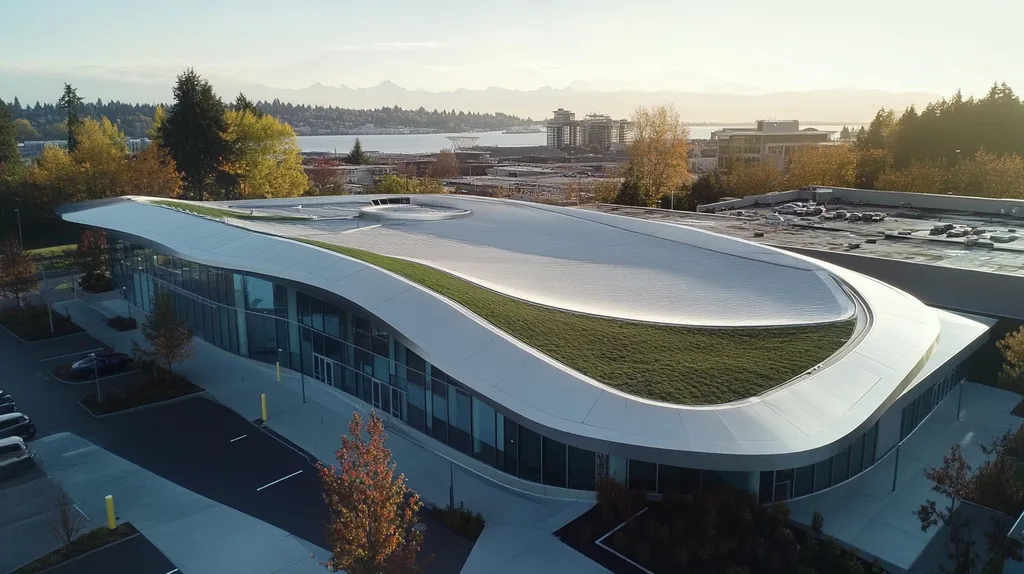
ROUND 5: SUSTAINABILITY CREDENTIALS
Sustainability credentials have become critical factors in commercial roofing decisions as environmental regulations tighten and energy costs soar. Poor material choices can result in regulatory non-compliance penalties and significantly higher operational expenses over a roof’s lifetime.
Understanding how TPO and EPDM roofing systems impact environmental performance helps facility managers make choices that align with both sustainability goals and financial objectives. Commercial roofing warranties provide varying levels of coverage for sustainable features, typically ranging from 10 to 30 years for materials and 1 to 5 years for workmanship. (source: CP Rankin)
Environmental Impact
TPO manufacturing processes have evolved to minimize environmental impact through reduced chemical usage and waste generation. The material’s production requires less energy compared to traditional roofing options, resulting in a smaller carbon footprint.
TPO’s complete recyclability at end-of-life further enhances its environmental credentials. The material can be repurposed into new roofing products, reducing landfill impact.
EPDM production involves more complex chemical processes and higher energy consumption. While the material itself is durable, its manufacturing creates more environmental concerns.
EPDM’s limited recyclability presents challenges for sustainable disposal. Given these factors, TPO claims the “ADVANTAGE” in environmental impact.
Energy Performance
TPO’s highly reflective surface significantly reduces cooling loads in warm climates. The material maintains its reflective properties throughout its lifespan with minimal maintenance requirements.
Advanced TPO formulations can reflect up to 85% of solar radiation, leading to substantial energy savings. This performance helps facilities meet increasingly stringent energy codes.
EPDM’s dark surface absorbs more solar radiation, potentially increasing cooling costs. While white EPDM options exist, they typically require regular recoating to maintain reflectivity.
TPO’s superior reflective properties and consistent performance earn it an “ADVANTAGE” in energy efficiency.
Life Cycle Assessment
TPO roofing systems demonstrate strong sustainability metrics across their complete life cycle. From production through installation and eventual disposal, TPO minimizes environmental impact while maximizing performance.
The material’s durability and maintainability contribute to extended service life, reducing replacement frequency and associated resource consumption.
EPDM offers comparable durability but faces challenges in disposal and recycling. While the material performs well during its service life, end-of-life environmental impacts remain a concern.
TPO’s superior recyclability and lower life-cycle impact secure another “ADVANTAGE” in this category.
ROUND 5 WINNER: TPO
ROUND 6: SPECIALIZED APPLICATIONS
Specialized roofing applications present unique challenges that can make or break long-term performance. Poor material selection for these demanding scenarios often leads to premature failure, with replacement costs exceeding $500,000 for large commercial facilities.
This analysis examines how TPO and EPDM perform in challenging applications where standard solutions may fall short. Understanding these performance differences helps facility managers avoid costly specification errors.
High-Temperature Environments
Roofing performance in extreme heat directly impacts both durability and energy costs. TPO’s advanced formulations maintain structural integrity even under intense solar exposure, with surface temperatures reaching 160°F.
The material’s heat-welded seams remain stable at high temperatures, reducing the risk of separation. Additionally, TPO’s reflective surface helps moderate membrane temperatures, extending service life.
EPDM demonstrates excellent heat resistance due to its synthetic rubber composition. However, dark surfaces can reach temperatures exceeding 180°F, accelerating aging and potentially reducing lifespan.
While both materials perform adequately, TPO’s superior temperature management earns an “ADVANTAGE” in high-temperature applications.
Chemical Exposure Resistance
Commercial roofs frequently encounter chemical exposure from HVAC emissions, industrial processes, and environmental pollutants. TPO membranes provide excellent resistance to common industrial chemicals and atmospheric contaminants.
The material’s thermoplastic composition prevents chemical absorption, maintaining membrane integrity even under sustained exposure. GAF offers warranties up to 35 years for TPO systems in chemical environments when installed by authorized contractors. (source: GAF)
EPDM demonstrates superior resistance to acids and bases but may show degradation when exposed to oils and petroleum products. The material’s porous surface can absorb certain chemicals, potentially compromising long-term performance.
Given its broader chemical resistance profile, TPO claims another “ADVANTAGE” in this category.
Complex Geometries
Modern commercial architecture often demands roofing solutions for unusual shapes and multiple penetrations. TPO installation on complex geometries requires precise heat welding and careful detailing around penetrations.
While achievable, these installations demand highly skilled technicians and specialized equipment. The resulting monolithic surface provides excellent protection when properly executed.
EPDM’s greater flexibility and simpler seaming requirements make it naturally suited for complex geometries. The material easily conforms to irregular shapes and accommodates multiple penetrations with less specialized labor.
EPDM’s superior adaptability earns an “ADVANTAGE” in complex geometry applications.
ROUND 6 WINNER: TPO
AND THE WINNER IS…
After six grueling rounds of technical analysis, with championships on the line in durability, performance, and specialized applications… we have our WINNER!
TPO claims victory in this heavyweight title bout, winning FOUR of the six rounds! Its dominance in initial costs, energy efficiency, environmental credentials, and specialized applications proved too much for the challenger to overcome.
TPO’s combination of economic value, installation efficiency, and superior sustainability credentials delivered a technical knockout that will reshape the commercial roofing landscape.
But don’t count EPDM out completely! This seasoned veteran showed its strength in durability and maintenance requirements, making it a formidable choice for projects where long-term stability and simplified repairs take priority over initial costs and energy performance.
*Important Notice to Property Owners and Managers*
Every building presents unique challenges based on local climate, usage patterns, and structural characteristics. While this analysis provides general guidance, it cannot account for all variables affecting roofing performance. Always consult qualified roofing professionals who can evaluate your specific situation before making final decisions.
Ladies and gentlemen, in the high-stakes world of commercial roofing, remember: The true champion isn’t the material that wins the most rounds – it’s the one that best protects YOUR facility for decades to come.
FREQUENTLY ASKED QUESTIONS
Q. What are the initial costs for a commercial roof project?
A. TPO membranes typically cost between $3.50 to $5.50 per square foot installed. In contrast, EPDM materials range from $4.00 to $6.50 per square foot installed. The choice between these materials can significantly affect the overall budget of your commercial roofing project.
Q. How do TPO and EPDM differ in durability for commercial roofs?
A. Durability is a crucial factor in roofing. TPO offers good resistance to UV radiation and punctures, while EPDM provides exceptional weathering characteristics and flexibility. EPDM tends to last longer under severe conditions, making it generally more durable in real-world applications.
Q. Which commercial roof material performs better in energy efficiency?
A. TPO roofs are highly reflective, which can reduce cooling costs by up to 30%. EPDM, being darker, absorbs heat, which may increase cooling demands. Thus, TPO generally has superior energy efficiency compared to EPDM roofing systems.
Q. What are the maintenance requirements for commercial roofing systems?
A. TPO roofs require quarterly inspections focusing on seam integrity and membrane punctures. EPDM systems, however, usually need bi-annual inspections due to their inherent durability. This difference in maintenance frequency can affect long-term ownership costs for your commercial roof.
Q. How do TPO and EPDM perform under extreme weather conditions?
A. TPO membranes excel in high-wind conditions, while EPDM showcases flexibility and hail resistance. However, TPO’s superior seam strength typically provides better overall performance under extreme weather conditions compared to EPDM.
Q. Which roofing material is more environmentally friendly for commercial roofs?
A. TPO has better sustainability credentials due to its lower energy production needs and complete recyclability. Meanwhile, EPDM’s manufacturing process involves higher energy consumption and limited recyclability, making TPO a more environmentally friendly choice.
Q. How do TPO and EPDM compare in specialized applications?
A. For specialized roofing applications, TPO performs better under high temperatures and in environments with chemical exposure. EPDM excels in unique shapes due to its flexibility. Choosing the right material depends on specific application requirements.






