

Welcome to today’s Battle Royale featuring two roofing heavyweights: “TPO” in the east corner versus “PVC” in the west!
Tonight’s showdown pits these contenders against each other across six punishing rounds designed to test every aspect of their performance for common exclusions in industrial roof warranties.
At stake? Millions in potential costs, decades of building protection, and the critical performance demands of modern commercial and industrial facilities.
Our professional judging panel will evaluate each round on technical merit, real-world performance, and value delivery. After all six rounds, we’ll declare our ultimate champion.
Ladies and gentlemen, facility managers and building owners… it’s time to rumble!
ROUND 1: INITIAL COSTS & INSTALLATION
When evaluating industrial roofing systems, the initial investment and installation process can impact operational budgets for decades. Recent market analysis shows that material and labor costs for commercial roofing projects have increased by 25% since 2020, making the choice between TPO and PVC more critical than ever.
Material Expenses
Material costs represent a significant portion of any industrial roofing project, often accounting for 40-50% of the total investment. TPO membranes typically cost 15-20% less per square foot than PVC alternatives, making them an attractive option for budget-conscious facility managers.
PVC materials command premium pricing due to their advanced chemical formulation and superior durability. While the upfront cost is higher, PVC’s enhanced resistance to chemicals, UV radiation, and physical stress often translates to longer service life.
Despite TPO’s lower initial cost, PVC’s superior durability and reduced maintenance requirements provide better long-term value. For material expenses, the “ADVANTAGE” goes to PVC.
Installation Complexity
The complexity of installation directly affects both project timeline and labor costs. TPO installations benefit from simpler welding requirements and more forgiving application temperatures, reducing the likelihood of installation errors.
PVC installations demand more precise temperature control during welding and require specialized expertise to ensure proper seam integrity. This complexity often results in higher labor costs and increased potential for installation-related issues.
With its more straightforward installation process and lower skill requirements, TPO gains the “ADVANTAGE” in this category.
Project Timeline
Time efficiency in roofing projects directly impacts facility operations and bottom-line costs. TPO installations typically complete 20-30% faster than comparable PVC projects due to simpler welding procedures and less stringent temperature requirements.
PVC installations require more precise scheduling around weather conditions and longer curing times for adhesives. These factors can extend project timelines and potentially disrupt facility operations.
Given TPO’s faster installation speed and fewer weather-related delays, TPO claims the “ADVANTAGE” for project timeline efficiency.
ROUND 1 WINNER: TPO
ROUND 2: DURABILITY & LIFESPAN
When evaluating industrial roofing systems, durability and lifespan directly impact facility protection and long-term costs. Recent market data shows that premature roof failures can cost businesses up to three times more than the initial installation, making material selection crucial for operational sustainability.
Weather Resistance
TPO membranes offer good baseline weather resistance but can show signs of deterioration after prolonged UV exposure. Their performance in extreme temperature fluctuations varies significantly between manufacturers, requiring careful consideration of regional climate patterns.
PVC membranes demonstrate superior resistance to weathering, maintaining their protective properties even after decades of sun exposure. Their chemical composition provides excellent resistance to both high temperatures and freeze-thaw cycles.
With consistently better performance across all weather conditions, PVC claims the “ADVANTAGE” in weather resistance.
Structural Integrity
Standing water presents a significant threat to roofing systems, potentially voiding warranties and causing extensive damage. Most manufacturers explicitly exclude coverage for ponding water and any resulting leaks or structural issues. (source: SPANN Roofing & Sheet Metal)
TPO membranes show adequate resistance to normal wear but can become compromised at seams and around penetrations. Their thinner profile makes them more susceptible to punctures from foot traffic and maintenance activities.
PVC systems offer greater puncture resistance and superior seam strength. Their enhanced molecular structure provides better resistance to physical stress and maintains structural integrity longer.
Given its superior physical properties, PVC earns the “ADVANTAGE” for structural integrity.
Maintenance Requirements
TPO roofs typically require more frequent inspections and maintenance to prevent warranty-voiding issues. Regular cleaning and seam inspection become critical to maintaining their protective capabilities.
PVC systems demonstrate lower maintenance needs due to their inherent durability and chemical resistance. Their superior seam strength and resistance to environmental factors reduce the frequency of required maintenance interventions.
Based on reduced maintenance frequency and costs, PVC takes the “ADVANTAGE” in this category.
ROUND 2 WINNER: PVC
ROUND 3: PERFORMANCE FACTORS
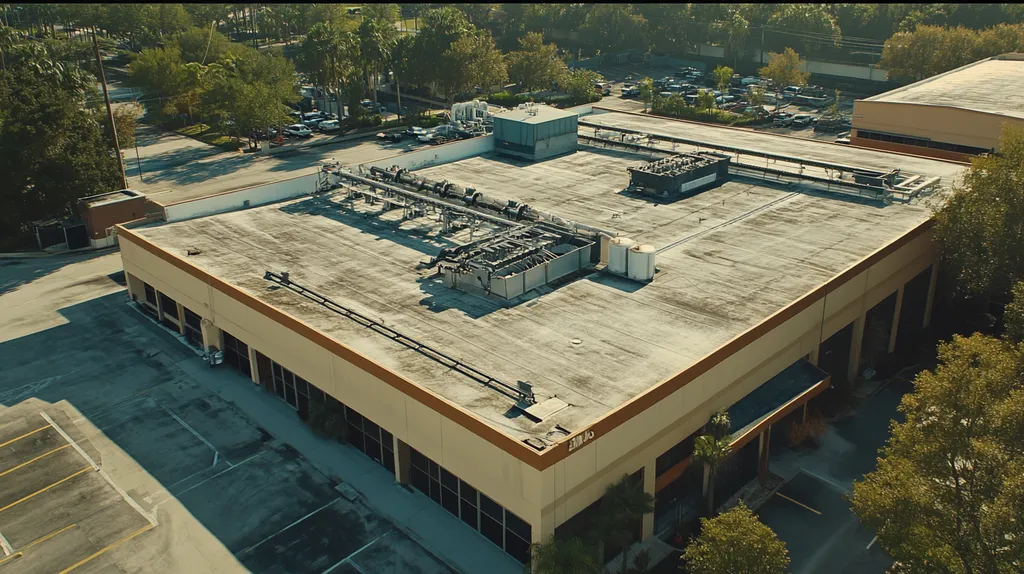
Performance factors in commercial roofing directly impact both operational costs and facility protection. Industry data indicates that roofing system failures account for over $5 billion in annual losses across commercial properties. For facility managers, understanding how TPO and PVC systems perform under real-world conditions is crucial for protecting their investment and avoiding costly replacements.
Chemical Resistance
Chemical exposure represents a significant threat to roofing system integrity, particularly in industrial settings. TPO membranes offer basic resistance to common chemicals but can degrade when exposed to industrial solvents or petroleum-based products.
PVC roofing systems demonstrate superior resistance to a broader range of chemicals, including acids, oils, and industrial pollutants. Their molecular structure provides inherent protection against chemical breakdown and maintains membrane integrity even under harsh conditions.
Due to its superior chemical resistance properties, PVC claims the clear “ADVANTAGE” in this category.
Temperature Performance
Extreme temperature fluctuations can significantly impact roofing system longevity. TPO membranes perform well in moderate climates but may show signs of accelerated aging when exposed to prolonged high temperatures or frequent thermal cycling.
PVC systems maintain their structural integrity across a wider temperature range. Their advanced formulation provides better resistance to thermal expansion and contraction, reducing the risk of membrane failure.
With superior thermal stability, PVC earns the “ADVANTAGE” for temperature performance.
Fire Resistance
Fire safety remains a critical concern for industrial facilities. TPO membranes provide good baseline fire resistance and typically meet standard building code requirements for commercial roofing.
PVC roofing systems offer enhanced fire resistance due to their inherent flame-retardant properties. Their chemical composition helps prevent fire spread and reduces the risk of structural damage during fire events.
Based on superior fire resistance capabilities, PVC takes the “ADVANTAGE” in this category.
ROUND 3 WINNER: PVC
ROUND 4: MAINTENANCE REQUIREMENTS
In industrial roofing, maintenance requirements directly impact warranty coverage and long-term performance. Studies show that over 35% of premature roof failures stem from inadequate maintenance practices. Understanding the specific maintenance demands of TPO and PVC systems is crucial for facility managers seeking to protect their roofing investment and maintain warranty coverage.
Inspection Frequency
Regular roof inspections serve as the foundation for maintaining warranty coverage and preventing system failure. Natural events can cause significant damage that may void warranty protection if not promptly addressed. Damage from high winds, tornadoes, hurricanes, and hail often falls outside standard warranty coverage, making timely inspections crucial. (source: Roof Observations)
TPO roofing systems require quarterly inspections to maintain warranty compliance. These inspections must focus on seam integrity, surface wear patterns, and drainage system functionality to prevent warranty-voiding issues.
PVC systems typically demand bi-annual professional inspections due to their enhanced durability. Their superior chemical resistance and seam strength contribute to reduced inspection requirements while maintaining warranty compliance.
Given its lower inspection frequency requirements, PVC claims the “ADVANTAGE” in this category.
Preventive Maintenance
TPO systems need regular preventive maintenance to maintain their reflective properties and structural integrity. This includes surface cleaning, seam inspection, and prompt repairs of any punctures or tears to prevent warranty invalidation.
PVC roofing requires less frequent preventive maintenance due to its inherent chemical resistance and durability. Its superior resistance to environmental factors and physical stress reduces the scope of required preventive measures.
The maintenance schedule for TPO typically involves monthly debris removal and quarterly system checks. In contrast, PVC systems can often maintain performance with bi-annual maintenance interventions.
With lower preventive maintenance requirements, PVC earns the “ADVANTAGE” in this category.
Repair Protocols
TPO repair protocols require careful attention to material compatibility and environmental conditions. Repairs must be performed promptly to prevent warranty violations, with specific documentation requirements for each intervention.
PVC systems offer more flexible repair options due to their enhanced weldability and material stability. Their chemical composition allows for easier long-term repairs while maintaining warranty compliance.
Both systems demand professional intervention for major repairs to maintain warranty coverage. However, PVC’s superior repair characteristics and longer-lasting fixes give it a clear edge.
Based on repair flexibility and longevity, PVC takes the “ADVANTAGE” in this category.
ROUND 4 WINNER: PVC
ROUND 5: SUSTAINABILITY CREDENTIALS
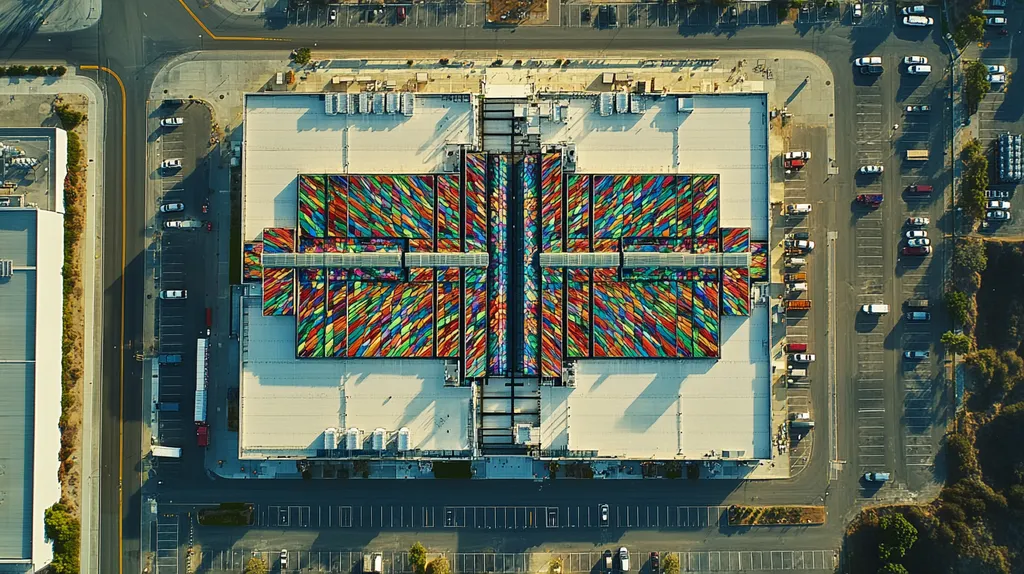
Environmental responsibility has become a decisive factor in industrial roofing decisions, with regulations and incentives driving market shifts. Recent industry data shows that sustainable roofing choices can reduce facility energy costs by up to 30% while enhancing corporate environmental credentials. As building codes evolve and energy prices rise, the environmental impact of roofing systems directly affects both operational costs and regulatory compliance.
Environmental Impact
The manufacturing process and lifecycle environmental impact of roofing materials significantly influence their sustainability ratings. TPO production generates fewer harmful emissions and requires less energy compared to traditional roofing materials.
While TPO membranes utilize eco-friendly manufacturing processes, they also deliver exceptional solar reflectance. This characteristic helps reduce urban heat island effects and decreases building cooling demands by up to 35%.
PVC manufacturing processes generate concerning levels of chlorine-based compounds and require higher energy inputs. Despite improvements in production methods, PVC’s environmental footprint remains substantially larger than TPO alternatives.
Given its cleaner production process and superior environmental performance, TPO claims the “ADVANTAGE” in this category.
Recyclability and Material Lifecycle
End-of-life management represents a critical sustainability consideration for industrial roofing systems. TPO membranes can be fully recycled into new roofing materials, reducing landfill impact and supporting circular economy initiatives.
The recycling process for TPO is straightforward and economically viable, with many manufacturers operating take-back programs. This characteristic significantly reduces waste management costs and environmental impact at replacement time.
PVC recycling faces significant challenges due to chemical additives and complex material composition. Most PVC roofing materials end up in landfills, where they can take centuries to decompose.
With superior recyclability and reduced lifecycle impact, TPO earns the “ADVANTAGE” in this category.
Energy Efficiency
Roofing system energy efficiency directly impacts facility operating costs and environmental footprint. TPO membranes maintain higher solar reflectance indices throughout their service life, reducing cooling loads and associated energy consumption.
White TPO membranes can reflect up to 87% of solar radiation, significantly outperforming traditional roofing materials. This performance level persists even after years of environmental exposure, maintaining energy savings throughout the roof’s lifecycle.
While PVC systems offer good initial reflectivity, they typically show faster degradation of these properties over time. This decline leads to reduced energy efficiency and increased cooling costs as the system ages.
Based on superior long-term energy performance, TPO takes the “ADVANTAGE” in this category.
ROUND 5 WINNER: TPO
ROUND 6: SPECIALIZED APPLICATIONS
The complexity of modern industrial roofing extends far beyond basic weatherproofing. Recent data indicates that specialized rooftop applications have increased by 65% since 2020, driven by sustainability initiatives and operational needs. However, these applications introduce significant warranty risks that can leave facility owners exposed to substantial financial liability if not properly addressed.
Rooftop Equipment Integration
Modern industrial facilities increasingly rely on rooftop equipment installations, from HVAC units to communication arrays. These installations create potential warranty complications through penetrations, added weight, and maintenance access requirements.
TPO systems offer excellent flexibility for equipment integration, with reinforced membranes that maintain integrity around penetrations. Their heat-weldable properties allow for secure flashing and superior water-tight seals around equipment mounts.
PVC installations demonstrate good performance with equipment integration but require more precise installation protocols. Their rigid nature can make custom flashing more challenging, potentially increasing the risk of warranty-voiding installation errors.
Due to its superior flexibility and easier integration capabilities, TPO claims the “ADVANTAGE” in this category.
Alternative Energy Applications
Solar panel installations and other renewable energy systems have become standard features on industrial roofs. These installations introduce unique challenges for membrane integrity and warranty compliance, particularly around mounting systems and electrical conduit penetrations.
TPO membranes provide excellent compatibility with most solar mounting systems. Their heat-welded seams and flexibility allow for secure attachment points while maintaining warranty coverage under proper installation protocols.
PVC systems can support solar installations but often require more specialized mounting solutions. Their chemical composition may react adversely to certain mounting adhesives, potentially compromising warranty coverage.
Given its better compatibility with renewable energy systems, TPO earns the “ADVANTAGE” in this category.
Specialized Surface Requirements
Modern industrial roofs often serve multiple purposes, from equipment platforms to green spaces. These varied surface requirements demand roofing systems that can maintain warranty coverage while supporting diverse applications.
TPO membranes excel in adapting to different surface requirements without compromising performance. Their balanced flexibility and strength characteristics make them ideal for varied applications while maintaining warranty compliance.
PVC systems show limitations when adapted to specialized surfaces. Their more rigid structure can create challenges for certain applications, potentially leading to warranty exclusions if not properly engineered.
Based on superior adaptability to varied surface requirements, TPO takes the “ADVANTAGE” in this category.
ROUND 6 WINNER: TPO
AND THE WINNER IS…
After six grueling rounds of technical evaluation, we have our verdict, and what a match it’s been, ladies and gentlemen!
With a final score of 3 rounds to 3, we declare this championship bout a DRAW! TPO dominated sustainability and specialized applications, while PVC proved unstoppable in durability and maintenance.
In this epic clash of titans, TPO emerged as the cost-effective champion of environmental performance and modern rooftop innovations. Meanwhile, PVC flexed its muscles with superior chemical resistance and legendary longevity.
For facilities prioritizing initial costs and sustainability, TPO stands ready to deliver. But when chemical exposure and maintenance concerns top the priority list, PVC proves why it’s been a heavyweight contender for decades.
However, folks, let’s remember the fine print: Every building faces unique challenges, and local conditions can shift these dynamics dramatically. Climate, regulations, and specific facility requirements all play crucial roles in determining the true champion for your property. Always consult with qualified roofing professionals who can evaluate your specific situation before making your final decision.
In the high-stakes arena of industrial roofing, victory doesn’t go to the strongest contender – it goes to the right contender for your specific facility. Choose wisely, building warriors. Your facility’s future depends on it!
FREQUENTLY ASKED QUESTIONS
Q. What are the initial costs of commercial roof systems?
A. The initial costs of commercial roof systems can vary significantly. TPO membranes often provide a more budget-friendly upfront cost compared to PVC options. However, it’s essential to balance immediate savings with long-term performance and maintenance factors to ensure you make the best decision for your facility.
Q. How does durability vary between TPO and industrial roof systems?
A. Durability is a crucial factor when selecting an industrial roof. While both TPO and PVC have their strengths, PVC generally offers superior resistance to weathering and physical changes over time. Choosing the right material can help extend the lifespan of your roof and minimize costly repairs.
Q. What performance factors should I consider for my commercial roof?
A. When evaluating your commercial roof’s performance, consider factors like chemical resistance, temperature fluctuations, and fire safety. Each material reacts differently to these conditions, affecting your roof’s integrity and overall performance. Assessing these factors can lead to more informed and successful choices.
Q. How often should I inspect my industrial roof?
A. Regular inspections are vital for maintaining your industrial roof’s warranty and performance. TPO systems typically require quarterly inspections, while PVC roofs may need bi-annual assessments. Keeping up with these schedules can prevent minor issues from becoming significant, costly problems.
Q. What role does sustainability play in roofing choices?
A. Sustainability is increasingly important in roofing decisions. Opting for eco-friendly materials can lead to energy savings and improved corporate responsibility. Additionally, understanding the environmental impact of materials can help businesses comply with regulations and improve their overall image.
Q. How can I integrate rooftop equipment with my commercial roof?
A. Integrating rooftop equipment is essential for modern facilities. TPO membranes offer flexibility and ease of installation for equipment, ensuring the integrity of your roof. However, you need to follow precise installation protocols to maintain warranty coverage and prevent potential issues down the line.
Q. What should I know about warranty exclusions for industrial roofs?
A. Understanding warranty exclusions is vital for protecting your investment. Common exclusions often include damage due to lack of maintenance or improper installation. Familiarize yourself with these terms to ensure that you don’t unintentionally void your warranty and face unexpected repair costs.






