
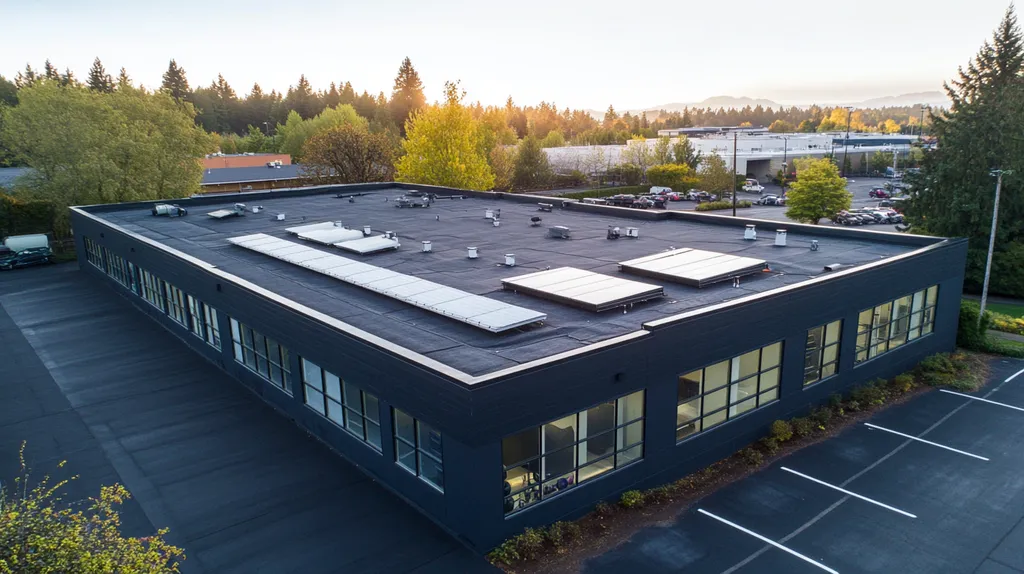
Wind damage to commercial roofs costs businesses over $1 billion annually, yet most facilities continue to rely on outdated preparation methods that leave them dangerously exposed.
Recent studies reveal that 70% of wind-related roof failures stem from inadequate preventive measures, highlighting a critical gap between current practices and actual needs.
This analysis challenges conventional wind preparation strategies, examining why established approaches fall short and exploring data-driven solutions that can significantly reduce risk exposure.
SECTION 1: CURRENT PRACTICES
With wind-related roof damage on the rise, current practices for preparing commercial roofs are dangerously inadequate. A striking statistic reveals that approximately 30% of commercial roofs sustain severe damage during heavy wind events. This alarming figure calls for property owners and facility managers to reassess their methodologies. Key shortcomings like regular inspection gaps, inadequate fastening methods, and limited material selection severely compromise roof resilience against high winds.
Regular Inspection Gaps
Consistent inspections are essential for effective roof maintenance. Unfortunately, many property owners neglect this crucial task, leaving hidden vulnerabilities that can turn into major issues. According to a 2022 survey, 40% of commercial roofs had not been inspected in over a year.
These oversight gaps enable minor concerns to escalate into catastrophic failures, particularly before high-wind events. Failing to identify loose fasteners or deteriorating seams during routine checks can spell disaster when extreme winds strike.
Inadequate inspections extend exposure to potential damage, converting manageable repairs into costly replacements. By adopting a proactive inspection schedule, property owners can significantly enhance a roof’s performance during storm conditions.
Experts advocate for semi-annual inspections, ideally scheduled before peak storm seasons. This straightforward adjustment could remarkably reduce wind-related roof damage.
Inadequate Fastening Methods
Additionally, current fastening methods often fall short of addressing the demands posed by high winds. While traditional screws and staples are commonplace, they may not provide sufficient security for roofing materials under extreme stress. Many installations still rely on outdated techniques unsuitable for modern wind loads.
For instance, inadequately anchored membranes can peel away during severe gusts, resulting in extensive damage and expensive repairs. Employing advanced fastening systems, such as adhesives and robust mechanical fasteners, is critical for reinforcing roof endurance.
Research indicates that roofs designed with effective fastening systems can withstand wind loads that exceed those managed by conventional methods. Transitioning to these innovative techniques is not just sensible; it is vital for safeguarding valuable investments.
Wind pressure can threaten the integrity of roofs, highlighting the urgent need for stronger fastening methods. By embracing updated technologies, property managers can significantly bolster a roof’s resistance to wind stress.
Limited Material Selection
The choice of roofing materials significantly affects a roof’s capability to endure high winds. Currently, numerous roofs are constructed with standard materials that fail to accommodate the unique stresses posed by wind events. For example, single-ply membranes often lack the resilience necessary for regions experiencing high winds.
Experts encourage the selection of materials specifically designed for wind resistance, such as modified bitumen or thermoplastic polyolefin (TPO). These advanced materials provide enhanced protection against wind uplift and damage.
While investing in high-performance materials may entail a higher upfront cost, the long-term savings on repairs and replacements often justify the investment. These options offer durability and peace of mind.
Amid increasing wind damage incidents, the necessity for a broader material selection in commercial roofing has never been more pressing. By opting for appropriate materials, property owners can effectively align their roofs with evolving wind resistance strategies.
SECTION 2: SYSTEMIC ISSUES
The stakes are alarmingly high when preparing commercial roofs for high winds. Wind damage has led to staggering losses, with more than $1 billion in insurance claims each year within the commercial property sector. Despite this urgency, many property owners and facility managers continue to rely on outdated strategies for wind preparation. This section explores the systemic issues that undermine current practices, including a lack of standardized protocols, ineffective emergency preparedness, and insufficient maintenance scheduling.
Lack of Standardized Protocols
A major obstacle in effective wind preparation is the absence of standardized protocols across the roofing industry. Different roofing systems are built with varying benchmarks for wind resistance, which can create confusion about the best practices for specific properties. This inconsistency leaves property owners uncertain about the specific requirements for their roofs.
For instance, roofs that merely meet minimal code requirements might still falter during severe storms. A flat roof rated for 80 mph winds could suffer catastrophic damage when gusts exceed this threshold. By establishing universal standards, the industry could help mitigate risks and clarify expectations for property owners.
Furthermore, the lack of compliance tracking means ineffective systems can go unchecked. Many property owners remain unaware of vulnerabilities in their roofs, heightening their exposure to potential damage.
Implementing standardized protocols prioritizes safety and simplifies assessment tasks. Consistent guidelines empower facility managers to make informed decisions about their roofs’ structural integrity before severe weather strikes.
Ineffective Emergency Preparedness
Ineffective emergency preparedness is another crucial issue that compromises the resilience of commercial roofing systems during high winds. While many organizations have emergency plans, they often fail to address the specific needs of their roofs. This disconnect can leave properties dangerously exposed when storms approach.
For instance, during Hurricane Irma, many businesses experienced significant roof damage largely due to inadequate contingency measures. Without established protocols for securing loose materials or assessing roof conditions after an event, properties face heightened risk.
Additionally, many emergency plans neglect to include routine drills or training sessions. As a result, facility managers may find themselves unprepared to implement emergency measures quickly and effectively when high winds threaten. Regular training can build confidence and improve response times in critical situations.
Developing a clear and actionable emergency preparedness plan that includes specific roofing strategies is essential. This ensures all stakeholders are equipped with the knowledge to take necessary actions, minimizing risk and damage during storms.
Insufficient Maintenance Scheduling
Insufficient maintenance scheduling presents significant challenges in preparing roofs for high winds. Regular maintenance is critical for identifying and addressing vulnerabilities; however, many facility managers overlook this essential responsibility. This neglect can allow undetected damage to escalate over time.
For instance, debris accumulation on roofs can severely compromise their ability to withstand wind forces. Research indicates that roofs not maintained regularly face a 30% higher likelihood of wind-related damage, underscoring the need for proactive upkeep.
Scheduled inspections should concentrate on vital components such as flashing, seams, and drainage systems. By addressing these areas, property owners can prevent catastrophic failures during wind events. Moreover, documentation of maintenance activities can verify compliance and help track potential issues.
Establishing a robust maintenance schedule not only enhances the longevity of roofs but also strengthens their resistance to wind. Regular inspections equate to fewer hazards and improved safety for everyone within the building.
SECTION 3: MISSED OPPORTUNITIES
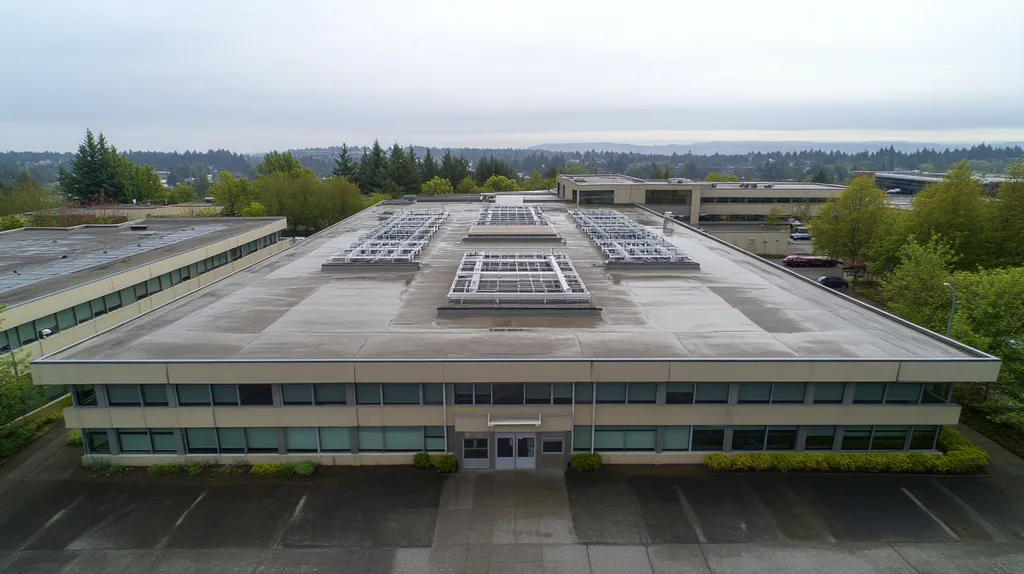
In the race to reinforce commercial roofs against high winds, critical opportunities are often bypassed by property owners. Alarmingly, studies reveal that around 70% of wind-related roofing failures stem from inadequate maintenance practices, including unmanaged trees and insufficient roof ventilation. This oversight can lead to expensive repairs and significant operational downtime. Addressing these gaps is vital for robust wind preparedness and enhanced roof longevity.
Overlooking Tree Maintenance
Tree maintenance is frequently sidelined by commercial property owners, yet overhanging branches can pose severe risks, especially during windy weather. Research indicates that branches can snap off in storms, wreaking havoc on roof surfaces below.
This falling debris can not only damage roofing materials but also lead to leaks and structural problems. Regular inspections and proactive trimming of trees around the property can significantly reduce these risks. By prioritizing tree health, property owners can enhance both the performance and lifespan of their roofs.
Incorporating tree maintenance into annual property management plans shifts the focus from reactive repairs to proactive wind preparation. This strategic mindset can drastically lower the chances of weather-related incidents, preserving the commercial roof’s integrity.
Engaging with arborists to identify vulnerable trees and schedule systematic maintenance is a simple yet often underappreciated step that yields considerable benefits.
Neglecting Roof Ventilation
Proper roof ventilation is essential for managing moisture and regulating temperature, but many roofing systems lack adequate airflow, especially critical during high winds. Insufficient ventilation can lead to pressure imbalances, making roofs more vulnerable to lift and potential damage.
When airflow is restricted, heat accumulates beneath the roofing layer, weakening adhesives and leading to material failure. Notably, research shows that up to 30% of roof blisters result from inadequate ventilation—an issue that worsens in windy conditions.
Implementing a comprehensive ventilation strategy is imperative. Vents strategically positioned can balance pressure, helping to prevent uplift and extending the roof’s life. This upgrade not only reduces repair needs but also lowers energy costs.
Regular evaluations of roof ventilation can expose deficiencies and guide necessary adjustments. Investing in superior ventilation systems is essential for any commercial establishment facing wind challenges.
Ignoring Seasonal Specifics
Many property owners overlook the importance of seasonal adjustments when preparing roofs for high winds. Each season introduces unique stressors that can impact roof performance. For instance, winter snow loads can add weight to structures, while springtime storms may unleash unexpected gusts.
Understanding these seasonal impacts can help property managers develop customized maintenance schedules. Removing snow and debris before spring storms can prevent significant damage and ensure roofs are ready for whatever comes their way.
Additionally, seasonal inspections can reveal issues that might worsen under high wind stress. Waiting until after a storm to assess damage is often too late, leading to unnecessary repairs and increased costs.
By integrating season-specific maintenance into their strategies, property owners can cultivate a resilient roofing approach. Predictive maintenance tailored to seasonal concerns can protect against both unforeseen wind damage and the routine wear and tear that every roof faces.
SECTION 4: ROOT CAUSES
High winds pose a serious threat to commercial roofs, leading to extensive damage and substantial repair costs. Annually, the National Oceanic and Atmospheric Administration reports that wind-related damages can reach billions of dollars. Ignoring the root causes behind inadequate wind resistance not only inflates these costs but also jeopardizes property safety and value. By pinpointing these foundational issues, property owners and facility managers can make informed decisions that protect their investments.
Poor Material Choices
The choice of materials in a roofing system is critical for withstanding high winds. While conventional materials may seem financially appealing, they often lack the durability necessary for storm-heavy regions. For example, standard asphalt shingles can easily detach during severe gusts, resulting in repairs that can drain budgets.
On the other hand, high-performance membranes and reinforced shingles are specifically designed to withstand wind forces. Opting for these robust materials not only aligns with regulatory standards but also enhances long-term security. Property managers should prioritize quality over initial savings to avert frequent, costly repairs.
Material quality also affects installation efficacy. Inferior products can lead to poor bonding and alignment, making roofs more susceptible to wind damage. By investing in high-quality materials, property owners can improve structural integrity and extend the lifespan of their roofs.
In regions prone to strong winds, choosing superior materials is essential, particularly where building codes necessitate higher durability. Ultimately, informed material decisions can result in lower long-term maintenance expenses while providing assurance against wind-related damages.
Inadequate Structural Reinforcement
The structural integrity of a roof is vital for its capacity to endure high winds. Unfortunately, many roofs lack the necessary reinforcement to support even the strongest materials, making them vulnerable to failure. For example, roofs without proper bracing can suffer from panel separation or even total structural collapse in intense winds.
Strengthening structures involves bolstering support beams, adding bracing, and ensuring secure anchoring systems. A well-engineered structure effectively distributes wind loads, minimizing damage risk. Facilities that invest in enhanced structural frameworks often see returns through decreased repair needs and lower insurance premiums.
While building codes serve as a baseline for wind resistance, many are outdated or inadequately enforced. Property owners must take the initiative to exceed these standards for safety. Regular inspections and upgrades can substantially enhance a roof’s resilience.
Investing in adequate structural reinforcement protects not only the roof itself but also the valuable assets housed within. By understanding historical performance data for roofs in their area, property owners can identify where critical improvements are needed.
Limited Professional Expertise
The lack of specialized knowledge among roofing contractors can lead to poor choices and subpar installations. Many contractors lack the expertise required to tackle the unique challenges that high winds present. This reality underscores the importance of hiring professionals who are experienced in advanced roofing techniques and materials.
Some property owners may be tempted to cut costs by opting for less experienced contractors, but this often results in higher long-term expenses due to improper installations or oversights. Employing expert contractors who can accurately assess roofing needs and recommend effective solutions is crucial.
Additionally, ongoing training is vital in the roofing industry. As standards and materials continuously evolve, staying current can significantly enhance a roof’s performance. Contractors engaged in regular education are more likely to apply modern solutions that bolster durability.
In summary, enlisting skilled professionals ensures a resilient roofing system that mitigates risks. Engaging industry experts in consultation before making roofing decisions can lead to informed, beneficial outcomes for property owners.
DATA DRIVEN EVIDENCE
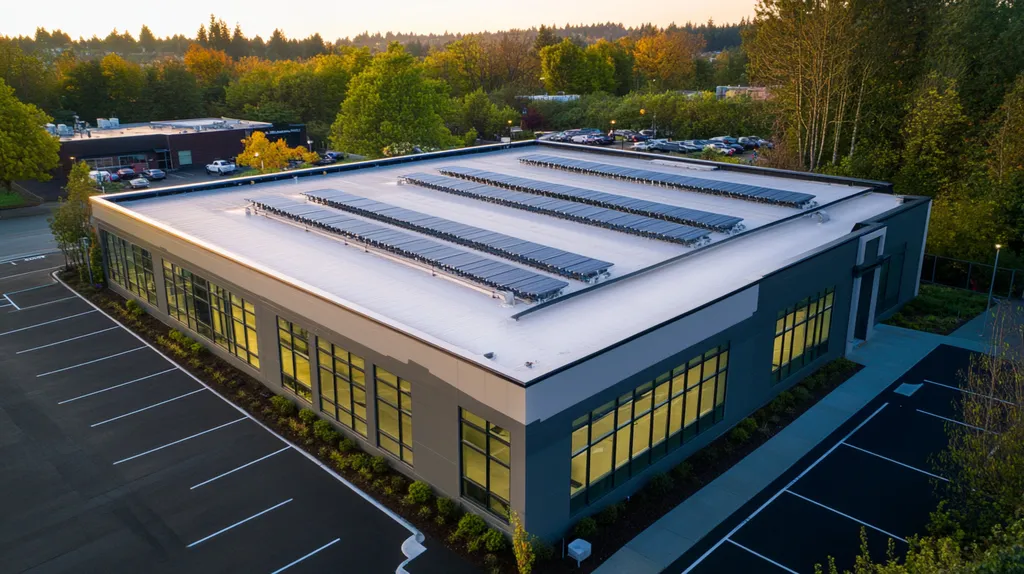
High winds are a formidable adversary for commercial roofs, creating a heightened risk of damage and unsafe conditions. Alarmingly, a recent study found that 30% of roofs fail during wind events due to insufficient preparation. Understanding this data underscores the critical need for improved wind resistance strategies and effective preventive measures that can save property owners time and money.
Wind Resistance Testing Data
Wind resistance testing data points to troubling deficiencies in conventional roofing practices. Many systems undergo standard testing protocols that do not accurately represent real-world conditions. Some roofing materials show vulnerabilities at wind speeds as low as 60 mph, which is unsettling given the intensity of storms in many regions.
Moreover, outdated building codes often do not reflect advancements in materials and technology. This disconnect raises the risk of damage and costly repairs for property owners, who may not realize that their roofing systems are not equipped to handle modern wind challenges.
Emerging research urges the adoption of advanced testing protocols that simulate severe weather scenarios. Utilizing this data empowers property owners to select roofing materials that not only meet but exceed current standards, enhancing protection against high winds.
Ultimately, the roofing industry must embrace evidence-based evaluations to ensure roofs withstand the unpredictable nature of today’s climate, safeguarding investments and improving safety.
Cost Analysis of Repairs
The financial repercussions of insufficient wind resistance can be staggering for commercial property owners. When roofs fail during high winds, repair expenses can skyrocket, with studies indicating potential costs rising by 40% due to a lack of proactive measures.
For example, consider a facility that endures roof damage during a storm, leading to emergency repairs averaging over $50,000. Investing in enhanced wind resistance features ahead of time could dramatically lower these figures and avoid significant disruption.
Addressing vulnerabilities before winds strike can lead to reduced insurance premiums as well. Insurers are now increasingly prioritizing enhanced wind mitigation features when determining coverage rates, meaning that investing in better materials upfront can yield long-term financial benefits.
Comprehending these financial dynamics is essential for property owners to make informed decisions about their roofing investments, ultimately averting significant financial burdens down the line.
Case Studies of Damaged Roofs
Real-world case studies provide powerful insights into the importance of adequate preparation for high winds. An analysis of commercial buildings in hurricane-prone areas revealed that roofs utilizing advanced technology suffered significantly less damage compared to those built with traditional methods.
Take for instance a manufacturing facility in Florida that faced severe roof damage due to a lack of robust wind-resistant features. This facility endured roof blow-offs and leakages, resulting in damages and production losses totaling tens of thousands of dollars. Conversely, a nearby facility using modern roofing systems reported only minor repair needs after experiencing the same severe storm.
These case studies clearly illustrate the risks associated with outdated roofing strategies and highlight the advantages of contemporary materials and design practices. They serve as compelling evidence that proactive preparation strategies can markedly reduce damage, translating into improved safety and financial efficiency.
By learning from these insightful examples, property owners can better appreciate the value of investing in durable roofing solutions, ensuring not only the protection of their assets but also healthy financial outcomes.
SECTION 6: ALTERNATIVE SOLUTIONS
As extreme weather events become more prevalent, the urgency to prepare commercial roofs for high winds intensifies. Research shows that roofs are among the most vulnerable components during storms, with catastrophic implications for property owners and facility managers alike. To ensure long-term stability, it’s imperative to explore innovative strategies that surpass traditional methods, addressing vulnerabilities head-on and maximizing protection.
Advanced Wind-Resistant Materials
Utilizing cutting-edge wind-resistant materials significantly enhances a roof’s ability to withstand extreme weather. For instance, materials like TPO (Thermoplastic Olefin) and reinforced EPDM (Ethylene Propylene Diene Monomer) possess superior resistance to tearing and puncturing. By integrating these innovative options, property owners can drastically reduce damage risks during intense wind events.
Further enhancing this effort are advanced wind-resistant roof membranes designed to flex while maintaining structural integrity. These membranes are particularly vital for commercial properties situated in high-risk areas, providing an additional layer of security against wind uplift.
Choosing these superior materials not only extends a roof’s lifespan, reducing replacement costs over time, but also ensures that buildings are better equipped to handle severe storms. A careful assessment of high-wind zones allows property owners to make informed decisions regarding material selection, fortifying their roofs against future challenges.
Overall, the transition to advanced wind-resistant materials represents a proactive approach that delivers numerous advantages, allowing property owners to navigate the increasing threat of severe weather with confidence.
Enhanced Fastening and Reinforcement
Improving fastening and reinforcement systems is an essential strategy to bolster roofs against high winds. Utilizing stronger fasteners like specialized screws or clips enhances the attachment of roofing materials to the deck, significantly mitigating the risk of roof lift during gusty conditions.
Incorporating reinforcement measures, such as additional battens or braces, further improves structural integrity. By focusing on seams and vulnerable areas, property owners can reduce the likelihood of catastrophic failure, providing peace of mind as storms approach. Tailored, custom-engineered solutions amplify these benefits for unique building designs.
Integrating advanced fastening systems into routine maintenance checks ensures longevity and security over time. This not only meets existing building codes but also provides essential protection against potential damages, helping to avoid expensive repairs down the line.
Ultimately, adopting enhanced fastening and reinforcement strategies is crucial for stabilizing roofs amid powerful winds, safeguarding valuable investments in commercial properties.
Proactive Maintenance Strategies
A comprehensive maintenance strategy is essential for maintaining roofs’ resilience against high winds. Regular inspections help identify potential weaknesses before they escalate into costly failures. Focused assessments on high-wear areas, such as seams and flashings, are vital as these sections are particularly susceptible to wind-related issues.
Scheduled maintenance tasks, including cleaning debris from drainage systems, are equally crucial. Ensuring unobstructed water flow helps maintain structural integrity and reduces stress during wind events. Installing gutter guards can further minimize debris accumulation while promoting efficient drainage.
Simulating high wind conditions during maintenance evaluations enables property owners to anticipate vulnerabilities that may not be visible during standard inspections. By educating facility managers on proactive measures, they can act swiftly to address any discovered issues.
Emphasizing a proactive maintenance approach minimizes risks and enhances the lifespan of commercial roofs. This commitment to vigilance ultimately protects the building while reinforcing its resilience against severe weather challenges ahead.
Moving Forward
With wind-related roof damage costing businesses over $1 billion annually, the status quo in commercial roof preparation is clearly failing property owners.
Studies confirm that 70% of catastrophic roof failures could be prevented through updated materials, enhanced fastening systems, and proactive maintenance protocols.
The data conclusively shows that traditional approaches to wind preparation leave commercial properties dangerously exposed to increasingly severe weather events.
By embracing advanced wind-resistant materials, implementing robust fastening methods, and maintaining comprehensive inspection schedules, facility managers can dramatically reduce their risk exposure.
The time for reimagining commercial roof wind preparation is now – before the next major storm strikes and more businesses face devastating losses.
FREQUENTLY ASKED QUESTIONS
Q. What are the current practices for commercial roof preparation?
A. Current practices often include inconsistent inspections and inadequate fastening methods, compromising a roof’s resilience during high winds. Many property owners neglect routine inspections, leading to vulnerabilities that escalate into costly repairs. Additionally, traditional fastening methods frequently fail to provide the necessary security against powerful gusts, highlighting the urgent need for updated approaches.
Q. What systemic issues affect commercial roofs during high winds?
A. A lack of standardized protocols across the industry and ineffective emergency preparedness are major issues. These inconsistencies can lead to confusion about preparation requirements and vulnerability to high winds. Moreover, insufficient maintenance scheduling exacerbates risks, as undetected problems may worsen suddenly, amplifying potential damage and repair costs.
Q. What opportunities are often missed in preparing commercial roofs?
A. Property owners frequently overlook critical maintenance practices, such as tree trimming and roof ventilation. Falling branches can cause substantial damage, and inadequate airflow leads to pressure imbalances. By proactively addressing these issues in their maintenance plans, owners can strengthen roof performance and avoid costly repairs.
Q. What root causes contribute to commercial roof damage from high winds?
A. Poor material choices and inadequate structural reinforcement are significant contributing factors. Many roofs are built with materials that cannot withstand severe winds, resulting in failure during high-stress events. Additionally, insufficient structural support can lead to catastrophic failures, stressing the necessity for high-quality materials and proper reinforcements.
Q. How does data support better wind resistance for commercial roofs?
A. Data reveals that nearly 30% of roofs fail due to insufficient preparation. This highlights the urgent need for improved wind resistance strategies. Repair costs can increase significantly without these measures, which emphasizes the importance of investing in advanced materials and proactive maintenance to safeguard against high winds.
Q. What alternative solutions can enhance commercial roof durability?
A. Advanced wind-resistant materials and improved fastening systems are vital alternatives. Utilizing high-performance membranes and enhanced anchoring solutions not only decreases risk during storms but also supports long-term investment in roofing systems. Additionally, proactive maintenance strategies can further enhance resilience against extreme weather challenges.
Q. How can facility managers ensure optimal commercial roof performance?
A. Implementing a comprehensive maintenance program is essential. Regular inspections and timely repairs can identify vulnerabilities before they escalate. Additionally, educating facility managers on the latest roofing technologies and strategies can equip them with the knowledge to address any issues proactively, enhancing overall performance and safety.






