

In the commercial roofing industry, coating failures account for over $3.7 billion in annual repair costs – a staggering figure that highlights the critical importance of proper testing protocols.
From primitive tar applications to today’s advanced polymer systems, the evolution of roof coatings has been marked by increasingly sophisticated testing methods designed to prevent catastrophic failures.
Understanding and implementing proper testing procedures for commercial roof coatings has become essential for property owners and facility managers who aim to protect their investments and ensure regulatory compliance.
This comprehensive guide examines the fundamental concepts, testing methodologies, and quality control measures that define modern roof coating applications.
SECTION 1: FUNDAMENTAL CONCEPTS
The quality of roof coatings plays a pivotal role in determining the longevity and effectiveness of commercial properties. Alarmingly, studies indicate that as many as 30% of roofing failures stem from insufficient or inadequate coatings. By adopting rigorous testing protocols, property owners can significantly reduce risks, ensure regulatory compliance, and protect their valuable investments. This section will delve into the purpose of roofing material testing, the different types of tests performed, and the industry standards that uphold quality assurance.
Purpose of Roofing Material Testing
Roofing material testing serves as a fundamental protective measure for property owners and facility managers. Its primary goal is to confirm that the materials used meet essential performance criteria for durability and function, safeguarding against future issues.
Regular testing enables early identification of potential flaws, making it possible to address issues before they escalate into significant damage. For example, a coating that fails prematurely can lead to serious water infiltration, incurring hefty internal repair costs.
Furthermore, testing provides valuable insights into a material’s lifecycle and expected maintenance needs. Understanding the longevity of a coating assists in budget planning for necessary repairs or replacements down the line.
In essence, effective testing cultivates trust in both the materials and the contractors installing them. It lays the groundwork for informed decision-making regarding the choice of roof coatings.
Types of Roof Coating Tests
A variety of tests are crucial for assessing the quality of roof coatings, ensuring they function as intended under diverse conditions. Adhesion tests, for instance, gauge how well a coating adheres to the underlying surface, a fundamental aspect of long-term performance.
Elasticity testing is another essential evaluation, measuring a coating’s ability to stretch without cracking. Coatings that lack elasticity may succumb to temperature fluctuations, resulting in premature deterioration.
Thermal performance tests are also pivotal, as they gauge how effectively a coating reflects heat. Coatings that excel in this area can lead to lower energy costs by reducing roof temperatures and enhancing energy efficiency.
In addition, weather resistance tests simulate harsh environmental conditions to validate a coating’s durability. These tests reassure property owners that their roofs can endure elements such as UV radiation and heavy rainfall.
Industry Standards and Regulations
The quality of roof coatings is shaped by industry standards and regulations that prioritize safety and performance. Organizations like ASTM International establish benchmarks for testing methodologies and material specifications, ensuring consistency across the industry.
Compliance with these standards is vital for manufacturers and contractors alike, providing property owners with the assurance that their chosen products have undergone thorough evaluation.
Moreover, adherence to local building codes is essential for maintaining legality and safety. Failing to comply can lead to fines and increased liability for property owners, a risk that can easily be avoided.
By understanding these regulations, facility managers are better equipped to make informed decisions about roofing solutions. Selecting contractors who are knowledgeable about compliance requirements emphasizes the importance of quality throughout the roofing process.
SECTION 2: SYSTEM COMPONENTS
The integrity of a commercial roof coating depends on several crucial components. Neglecting proper substrate preparation, choosing the wrong coating, or ensuring poor adhesion can lead to severe issues like leaks and early failure. Understanding these components is vital for maintaining the building’s structural integrity. By prioritizing thorough preparation, aligning material compatibility, and focusing on adhesion properties, facility managers can secure a roof that stands the test of time. This section will explore these essential elements, emphasizing their role in quality roofing testing.
Substrate Preparation and Inspection
Proper substrate preparation lays the groundwork for an effective roof coating application. A clean, prepared surface is crucial for optimal adhesion and performance of coatings. This involves a meticulous inspection for debris, moisture, and remnants of previous coatings that could jeopardize the bond.
Facility managers should conduct thorough inspections, looking for cracks or irregularities that may compromise the system. For instance, failure to address cracks can permit water infiltration, leading to serious structural damage that escalates repair costs.
The substrate type—be it metal, concrete, or modified bitumen—also determines the necessary preparation techniques. Each material comes with specific cleaning agents and methods to ensure a conducive surface for the coating application.
Ultimately, diligent substrate preparation and inspection form a critical foundation for a robust roofing system. This investment of time and resources pays off by preventing more significant issues and costs down the line.
Coating Material Selection and Compatibility
Choosing the right coating material is essential for meeting performance expectations. Different roofs possess unique characteristics requiring coatings tailored to their specific needs and the environmental challenges they face. For example, a reflective coating can enhance energy efficiency in regions with high sun exposure.
Moreover, ensuring compatibility between the substrate and the coating is vital for maximizing durability. Utilizing materials that do not work well together can lead to issues like peeling or blistering, ultimately shortening the lifespan of the coating. Always verify with manufacturer specifications to confirm the suitability of the materials.
Understanding the performance attributes—such as UV resistance, flexibility, and chemical resistance—can inform wiser coating selections. Facility managers must align these characteristics with their building demands to achieve optimal performance.
In essence, meticulous attention to coating material selection and compatibility represents a forward-thinking strategy that promotes long-term roofing solutions.
Adhesion and Mechanical Properties
Adhesion stands as a critical factor for ensuring the lasting success of roof coatings. Insufficient adhesion can lead to premature failure, exposing the structure to vulnerabilities. It is advisable to conduct adhesion strength tests—such as the pull-off test—before applying the full coating.
Understanding the mechanical properties of the coating, such as tensile strength and elongation, also sheds light on its performance in various conditions. A flexible coating that can stretch without cracking is better equipped to handle temperature fluctuations and mechanical stress.
Coatings with high adhesion and robust mechanical properties better resist environmental strains, thereby increasing their longevity. Regularly testing these characteristics can help identify potential problems before they escalate into costly repairs.
In conclusion, prioritizing both adhesion and mechanical properties during testing fosters a proactive approach, enhancing the durability and effectiveness of commercial roof coatings.
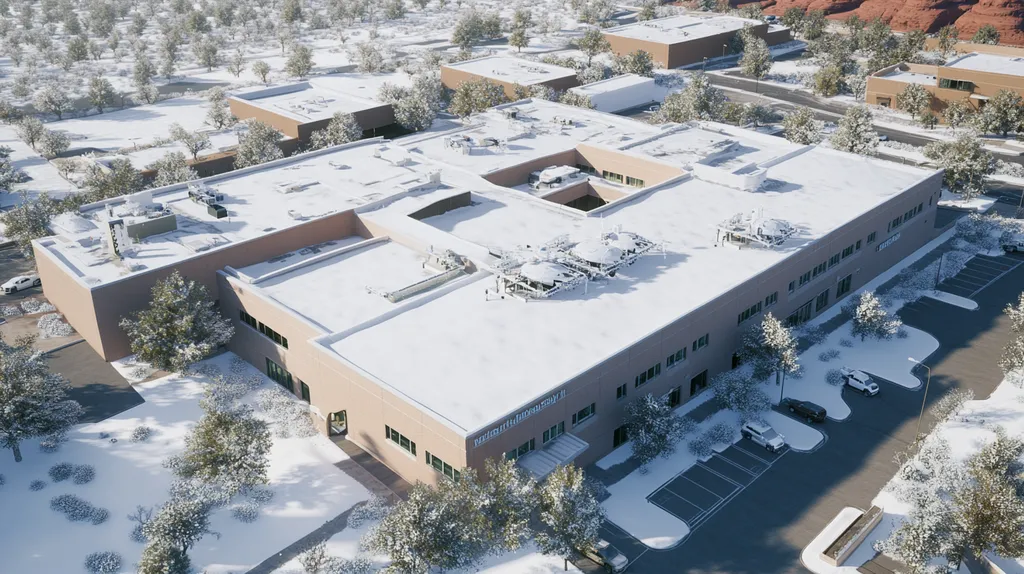
SECTION 3: IMPLEMENTATION METHODS
The effective execution of roof coating techniques is vital for ensuring the durability and performance of a commercial roof. Failing to follow correct application methods may lead to serious consequences, such as leaks, premature deterioration, and substantial repair costs. Research indicates that improperly applied coatings can reduce a roof’s lifespan significantly. This section will discuss essential application guidelines, the impact of weather conditions, and the necessary tools and equipment to achieve successful roof coating.
Application Guidelines and Procedures
Adhering to strict application guidelines is paramount for successful roof coating projects. Before applying a coating, the surface must be meticulously cleaned and prepared to ensure optimal adhesion—is vital for achieving the desired performance.
Coatings should be applied in layers according to the manufacturer’s recommended thickness. This not only promotes uniform coverage but also prevents common issues like pooling or bubbling. Ensuring that application occurs during the best times enhances the coating’s effectiveness.
The application technique—whether rolling, spraying, or brushing—should be selected based on the specific type of coating used. Property owners must refer to product specifications for detailed application instructions to achieve the best results.
Finally, documenting the entire application process enhances quality control and provides a valuable reference for any future maintenance. This documentation can include photos, condition notes, and adherence to application guidelines that serve as a record for accountability.
Weather Condition Considerations
Weather conditions critically influence roof coating applications. Ideal conditions typically involve dry and moderate weather, which allow for optimal curing and adhesion of the coating. High humidity levels can adversely affect the coating’s performance, leading to unanticipated failures.
Consulting local weather forecasts before initiating the application is essential. Conditions like high winds or forecasted rain can compromise the coating’s integrity, leading to uneven surfaces or even product loss.
Temperature also plays a significant role, as it affects the viscosity and curing time of coatings. Manufacturers usually provide specific temperature ranges necessary for effective application and drying. Adhering to these guidelines is crucial to avoid long-term issues.
In extreme weather conditions, postponing the application might be the best decision. Taking a proactive approach in these situations not only reduces risks but can also prolong the lifespan of the roof, ultimately saving costs.
Tools and Equipment Requirements
Utilizing the correct tools and equipment is essential for the successful application of roof coatings. The right tools ensure even and efficient application, directly contributing to the longevity of the roof. Key equipment includes sprayers, rollers, brushes, and necessary safety gear.
Contractors should utilize high-quality sprayers, particularly for larger areas, while rollers are particularly useful for touch-ups and difficult-to-access spaces. Safety equipment like harnesses, helmets, and goggles is necessary to safeguard workers during the application process.
Reviewing the coating’s specifications will provide insights into the required tools for your project; some coatings may necessitate specific sprayers capable of managing their unique viscosity and chemical properties.
Lastly, regularly maintaining and calibrating equipment is crucial for avoiding application errors. Keeping tools in excellent condition is vital to achieve the desired finish and overall quality of the coating.
SECTION 4: MAINTENANCE REQUIREMENTS
The maintenance of commercial roof coatings is a critical factor in prolonging their lifespan and ensuring reliable performance. Neglecting routine inspections can result in significant expenses, with studies showing that nearly 40% of roof issues lead to early system failures. This section details the vital maintenance practices necessary for safeguarding these investments, including regular inspections, effective responses to adhesion failures, and the proper handling of materials.
Regular Inspection and Testing Protocols
Implementing a schedule for regular inspections is vital for assessing the condition of roof coatings. At a minimum, inspections should occur twice a year, focusing on critical areas such as seams, flashings, and exposed surfaces for signs of wear or damage.
Adhesion testing, moisture checks, and assessments for ultraviolet degradation should also be incorporated into every inspection. For example, a straightforward pull test can determine if the coating has properly bonded, which is crucial for preventing leaks and potential water damage over time.
Meticulous documentation of these inspections is essential. Detailed reports create a reliable record of any failures or trends and provide actionable data to guide future repairs. Employing trained professional inspectors enhances the likelihood that no issues will go unnoticed.
Consider adopting a digital maintenance log to simplify the inspection process. This tool allows property owners to easily access historical data about their roof’s condition, facilitating informed decisions for maintenance and improvements.
Addressing Adhesion Failures and Repairs
Adhesion failures rank among the most prevalent issues affecting roof coatings, often due to improper application or adverse environmental factors. Timely identification of these problems can often allow for targeted repairs rather than complete system overhauls.
When adhesion issues are suspected, a thorough cleaning of the affected area is mandatory. Applying suitable primers can significantly boost bonding, ensuring that subsequent coatings adhere properly. Adhering to manufacturer specifications is indispensable for minimizing future risks.
In instances where repairs do not suffice, a comprehensive re-coating may be the best solution. This method can revitalize performance and extend the roof’s lifespan but requires careful evaluation to select the most appropriate course of action.
Employing skilled contractors for any necessary repairs is crucial. Experienced professionals are adept at diagnosing adhesion problems and can recommend preventative techniques to enhance overall roofing performance.
Storage and Handling of Materials
The integrity of roofing materials begins with their storage and handling. To prevent degradation, materials should be stored in a clean, dry environment, shielded from direct sunlight. Extreme heat or moisture can negatively affect coating performance even before application.
Equally important is careful handling during transportation and application. Damaged materials can jeopardize overall performance, while improper application techniques can lead to inconsistencies. Establishing protocols for transporting materials to job sites is essential for maintaining quality.
Following manufacturer guidelines for storage ensures materials remain viable for use. Routine inventory checks can also help confirm that all materials are within their suggested shelf life.
Providing training for crews on proper application and handling techniques can yield significant savings and enhance the durability of the roofing system. This foundational investment underscores the importance of quality from the outset.
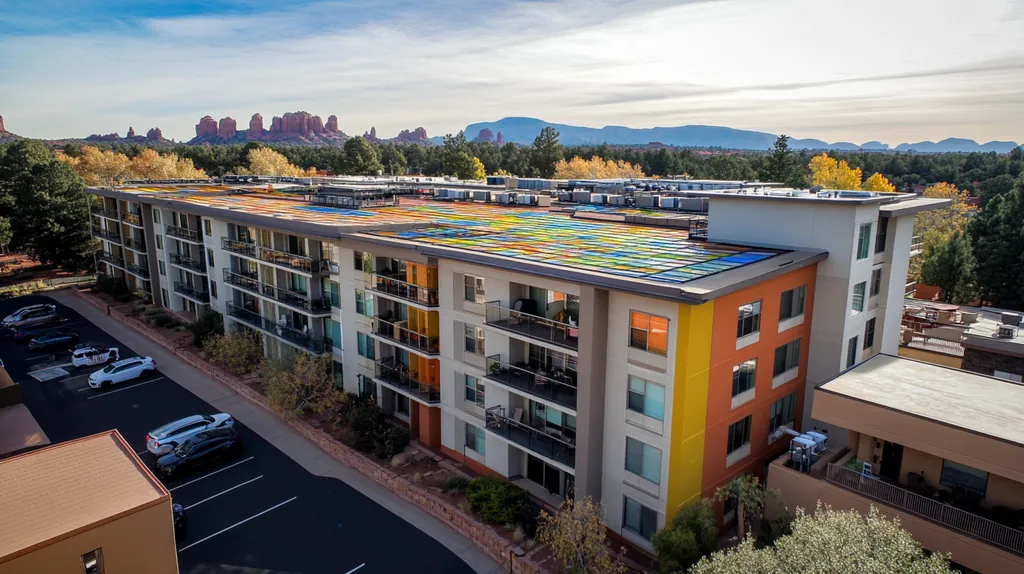
SECTION 5: PERFORMANCE METRICS
The performance metrics of roof coatings are not just numbers; they are essential indicators of a building’s vitality and efficiency. Poorly chosen or applied coatings can precipitate early failures, potentially costing property owners millions in unwarranted repairs. Understanding critical benchmarks like solar reflectance, adhesion strength, and durability empowers decision-makers. This section provides a concise exploration of these testing parameters to promote long-lasting roof systems.
Solar Reflectance and Emittance Testing
Solar reflectance indicates how effectively a roofing material can bounce back sunlight, while emittance measures its ability to shed absorbed heat. High reflectance can lead to considerable cooling cost reductions, especially in hotter regions. Research shows that roofs with reflectance values above 0.7 can notably decrease indoor temperatures, resulting in energy savings of up to 30%.
Testing protocols typically follow established methods like ASTM C1549 for solar reflectance and ASTM C1371 for emittance. These tests ensure that the selected coatings not only meet energy efficiency standards but also comply with green building regulations. Property owners should prioritize materials with superior reflectance to enhance durability and lower ongoing energy costs.
The outcomes of these tests may influence warranty conditions. Coatings with subpar reflectance and emittance are less likely to qualify for enhanced warranties, leading to higher replacement expenses in the future. Additionally, consistent monitoring of reflectance can inform maintenance schedules, further extending the life of the roofing system.
In summary, grasping solar reflectance and emittance metrics is crucial for implementing sustainable roofing strategies. The emphasis should remain on high-performing materials that drive both economic savings and environmental benefits.
Accelerated Weathering and Durability Tests
Given that roof coatings endure severe weather conditions, durability assessments become paramount. Accelerated weathering tests replicate years of environmental exposure in a condensed timeframe, yielding vital insights into the coating’s resilience. These tests factor in elements like UV radiation, thermal fluctuations, and moisture levels.
Industry standards, such as ASTM G155, guide these durability assessments, ensuring that coatings retain their functional properties under duress. Coatings that fail these accelerated tests risk issues like cracking, peeling, and discoloration, which can lead to costly repairs. Robust durability testing is a proactive measure against premature coating failures, promoting an extended lifecycle for the overall roofing system.
The results from weathering tests can influence decisions regarding materials for roof replacements or refurbishments. Property managers are urged to advocate for stringent quality control practices, including durability testing, as part of the procurement process to achieve better performance and reduced lifecycle costs.
Ultimately, incorporating thorough weathering tests in the quality assessment process leads to stronger roofing solutions that optimally support building performance.
Adhesion Strength and Cohesive Performance
Adhesion strength is a pivotal performance metric that indicates how well a coating bonds to its substrate. Weak adhesion can result in problems such as blistering, peeling, and complete system failure. Adhering to testing standards like ASTM D903 ensures that the chosen coatings deliver dependable performance.
Cohesive performance evaluates the material’s structural integrity to ensure that the coating stands up to everyday stresses. If a coating fails cohesive tests, it often signifies inadequate resistance to daily wear and environmental impacts. Property owners need to recognize that coatings passing adhesion tests are far more likely to uphold their protective roles effectively.
Regularly assessing adhesion strength not only aids in selecting a robust coating but also acts as a preventive strategy. Poor adhesion can lead to unplanned expenses and shorter lifespans for roofs. Therefore, an understanding of this metric becomes essential for effective long-term asset management.
In conclusion, both adhesion strength and cohesive performance must be focal points in the selection of high-quality roof coatings, ensuring that they provide lasting protection and stability to roofing systems.
SECTION 5: PERFORMANCE METRICS
Understanding the performance metrics of roof coatings is vital for safeguarding a building’s integrity and enhancing energy efficiency. Statistics reveal that poorly chosen or applied coatings often lead to premature roof failures, resulting in renovation costs that can soar into the millions. Essential metrics such as solar reflectance, adhesive strength, and durability guide property owners in making informed decisions. This section unpacks these critical testing parameters to facilitate the longevity of roof systems.
Solar Reflectance and Emittance Testing
Solar reflectance signifies how effectively a roofing material can bounce back sunlight, while emittance refers to its ability to release absorbed heat. High reflectance can significantly lower cooling costs, making it crucial for roofs in warmer climates; research indicates that roofs with a reflectance value exceeding 0.7 can reduce indoor temperatures considerably, resulting in energy savings as high as 30%.
Testing for these metrics often employs standardized methods like ASTM C1549 for reflectance and ASTM C1371 for emittance. Proper testing ensures that the chosen coatings meet energy efficiency targets and comply with green building standards. Property owners should prioritize high reflectance materials to not only enhance durability but also reduce ongoing energy costs.
The outcomes of these tests can influence warranty options. Coatings with lower reflectance and emittance may not qualify for enhanced warranties, leaving property owners vulnerable to higher replacement costs down the line. Additionally, regular monitoring of reflectance supports effective preventive maintenance strategies.
In conclusion, grasping the significance of solar reflectance and emittance metrics is essential for implementing sustainable roofing solutions. The focus should remain on high-performing materials that yield both cost savings and environmental benefits.
Accelerated Weathering and Durability Tests
Given that roof coatings are constantly subjected to challenging weather conditions, durability assessments are essential. Accelerated weathering tests artificially replicate years of environmental exposure in a short timeframe, offering valuable insights into a coating’s long-term resilience. These assessments factor in UV radiation, temperature variations, and moisture levels, which are pivotal for real-world performance.
Standards like ASTM G155 guide these durability tests, ensuring that coatings maintain their intended properties under stress. When coatings fail these tests, they face risks of cracking, peeling, or discoloration—issues that can lead to costly repairs. Hence, rigorous durability testing serves as a proactive approach against premature coating failures, ultimately prolonging the roof’s lifespan.
The test results can also inform strategic decisions during roof replacements or refurbishments. Property managers should advocate for stringent quality control practices, including durability testing in the procurement process. Such diligence translates to improved performance and lower lifecycle costs for the roofing system.
Ultimately, incorporating thorough weathering tests into quality assessments leads to stronger roofing solutions that enhance overall building performance.
Adhesion Strength and Cohesive Performance
Adhesion strength is a critical performance metric that determines how well a coating bonds to its substrate. Inadequate adhesion can trigger problems like blistering, peeling, and eventual system failure. Testing standards such as ASTM D903 are foundational in assessing adhesion strength to ensure selected coatings deliver reliable performance.
Cohesive performance evaluates the material’s structural integrity, confirming that the coating can withstand daily stresses. Failures in cohesive tests often indicate insufficient resilience against everyday wear and environmental factors. Property owners should recognize that coatings passing adhesion tests are far more likely to provide effective protection.
Regular adhesion strength testing not only aids in selecting robust coatings but also acts as a preventive measure against future issues. Poor adhesion results in unplanned expenses and shorter lifespans for roofing systems. Thus, a solid understanding of this metric is essential for long-term asset management.
In summary, prioritizing both adhesion strength and cohesive performance in coating selection is indispensable. These metrics ensure high-performing materials that protect investments while guaranteeing the stability and durability of roofing systems.
Looking Ahead
With coating failures driving over $3.7 billion in annual repair costs, the imperative for rigorous testing has never been clearer for commercial property owners.
The evolution from basic adhesion tests to today’s comprehensive analysis protocols reflects how far the industry has progressed in protecting these critical investments.
Property managers who implement systematic testing programs consistently report 40-60% longer coating lifespans and significantly reduced maintenance costs.
As environmental regulations tighten and energy efficiency demands increase, testing will play an even more vital role in verifying coating performance and compliance.
The future of commercial roofing depends on embracing these testing protocols not as optional measures, but as fundamental requirements for protecting valuable real estate assets.
FREQUENTLY ASKED QUESTIONS
Q. Why is testing for commercial roof coatings important?
A. Testing confirms that roof coatings meet essential performance criteria, preventing early failures. It helps identify flaws early, reducing costly repairs and ensuring compliance with industry standards, ultimately safeguarding your investment.
Q. What components impact the quality of an industrial roof coating?
A. Key components include proper substrate preparation, material compatibility, and strong adhesion. Neglecting any of these can lead to severe issues like leaks, making understanding these elements crucial for a durable roofing solution.
Q. How do weather conditions affect commercial roof applications?
A. Weather plays a vital role, as optimal conditions like dry and moderate temperatures support adhesion and curing. High humidity and adverse weather may compromise coating integrity, leading to issues that shorten the roof’s lifespan.
Q. What should I include in a regular roof inspection schedule?
A. Your inspection should include checking seams, flashings, and surfaces for wear or damage. Incorporating tests for adhesion, moisture levels, and UV degradation ensures proactive maintenance that extends your roof’s lifespan.
Q. What are essential performance metrics for roof coatings?
A. Critical metrics include solar reflectance, adhesion strength, and durability against weathering. These parameters help property owners choose high-quality coatings that enhance energy efficiency and extend the lifecycle of their roofs.
Q. What is the role of solar reflectance in roof coatings?
A. Solar reflectance measures how well a roofing material reflects sunlight, reducing cooling costs. Higher reflectance ratings lead to a cooler indoor environment, significantly impacting energy savings and overall roof performance.
Q. How should materials for roof coatings be stored?
A. Materials should be stored in a clean, dry environment and protected from extreme temperatures. Proper handling during transportation and application prevents damage, ensuring that coatings perform as intended when applied to your roof.






