

Every year, thousands of commercial properties face premature roof failures due to misaligned substrate choices, resulting in billions in repair costs and business disruptions.
While conventional wisdom suggests selecting roofing materials based on broad climate zones, mounting evidence reveals this approach frequently leads to underperforming systems and shortened lifespans.
This analysis challenges traditional climate-based substrate selection methods, examining how oversimplified guidelines, ignored microclimates, and overlooked building-specific factors contribute to systematic roofing failures across North America.
SECTION 1: CURRENT PRACTICES
In today’s rapidly changing world of commercial roofing, making informed choices about substrate materials is crucial. A poor selection can lead to soaring repair costs, decreased energy efficiency, and potential safety risks. Research indicates that poorly designed roofs contribute significantly to urban heat islands, which affect local climates and energy consumption patterns. This section will explore the prevailing practices regarding climate-based material selection, standard substrate recommendations, and the types of substrates frequently used, shedding light on the disparities between established practices and actual environmental conditions.
Climate-Based Material Selection
Many roofing practices today prioritize climate-based material selection, typically relying on broad geographical zones that categorize regions according to temperature and precipitation patterns. While these guidelines aim to direct property owners toward appropriate materials, they often fall short by ignoring local variations, such as microclimates, urban heat islands, and unique weather events.
For instance, a roofing system designed for a temperate zone may fail to perform effectively in cities that experience sudden downpours or rapid shifts in temperature. Neglecting these critical variables can jeopardize a roof’s structural integrity and longevity, leading to unexpected failures. This underscores a significant gap in the industry’s standards that needs to be addressed.
Ultimately, climate-based selections should move beyond a one-size-fits-all philosophy. By incorporating detailed local data and historical weather trends, property owners can make more informed choices that will enhance their roofs’ performance and lifespan.
To improve reliability across various contexts, the industry should transition from generalized climate categorizations to a more tailored approach that considers specific environmental factors.
Standard Substrate Recommendations
Current practices often lean on standard substrate recommendations that favor traditional materials like concrete, asphalt, and metal. These choices have been developed from broad climatic zones and conventional engineering practices. While effective historically, their suitability for diverse climates is increasingly questionable.
Standard recommendations frequently overlook critical factors, including local rainfall intensity and extreme temperatures. For example, asphalt-based substrates might perform well in dryer regions, yet they become vulnerable in areas with heavy rainfall and high humidity. This oversight can lead to increased maintenance costs and shorten the roofing lifespan.
Moreover, these recommendations tend to exclude newer materials that could perform better in specific environments. Innovative options, such as reflective membranes or advanced composites, have the potential to significantly enhance durability and energy efficiency across varying climates.
Given these limitations, it is crucial for the industry to reassess its reliance on standard substrate guidelines. By embracing advanced materials and localized assessments, property owners can select roofing options that are better suited to their unique environmental challenges.
Commonly Used Substrate Types
Common substrate types include EPDM (ethylene propylene diene monomer), TPO (thermoplastic polyolefin), and PVC (polyvinyl chloride). Each material boasts its own set of advantages and limitations based on typical climatic conditions. For example, EPDM is praised for its durability and robust resistance to UV light.
However, the effectiveness of these substrates can wane when local climate factors are disregarded. For instance, TPO, renowned for its reflective qualities, may not be fully utilized in cooler climates where heat retention is beneficial. This misalignment can lead to higher energy costs and decreased indoor comfort.
Another crucial aspect of this discussion is the life-cycle cost associated with commonly used substrates. Failing to analyze how climatic conditions will impact substrate performance over time can lead to misguided decisions, ultimately driving up operational costs. Without this critical knowledge, property owners may find themselves frequently replacing their roofing systems.
In summary, the prevalent use of certain substrate types demands a reevaluation through the lens of localized environmental considerations. By aligning substrate selections with actual climatic conditions, the industry can better serve property owners, fostering greater efficiency and sustainability in commercial roofing practices.
SECTION 2: SYSTEMIC ISSUES
In the face of escalating climate challenges, selecting the right commercial roof substrates is more critical than ever. Overreliance on outdated guidelines can lead to significant financial losses and operational disruptions. For example, facilities in high-moisture areas often install substrates unsuitable for effective moisture management, resulting in accelerated wear and tear. This section highlights key systemic issues, focusing on the dangers of general guidelines, the necessity of recognizing regional microclimates, and the importance of addressing specific building requirements.
Overreliance on General Guidelines
Many roof substrate guidelines stem from broad national averages that overlook local specifics. This one-size-fits-all strategy can mislead property owners, causing them to choose unsuitable materials. For instance, businesses in humid coastal regions may unwittingly select the same substrate as establishments in dry inland settings, risking significant structural failures.
This mismatch often results in roofs underperforming, triggering costly repairs or early replacements. Research shows that properties relying on generic roofing data are at a far greater risk for leaks and structural complications. The implications go beyond financial loss; they compromise occupant safety and hinder business continuity.
Moreover, some roofing professionals adhere to these traditional guidelines without considering their relevance to specific conditions. This stagnation limits innovation and discourages exploration into alternative materials that may better address unique climate challenges.
The industry urgently needs to evolve its guidelines, placing greater emphasis on customized solutions that genuinely reflect local environmental factors and material capabilities.
Ignoring Regional Microclimates
Geographical areas are seldom homogenous; microclimates can significantly influence roofing performance. Elements such as elevation, proximity to water bodies, and urban heat islands introduce distinct environmental dynamics that should not be overlooked. Ignoring these factors can lead to inappropriate substrate choices and poor roof performance.
For instance, a facility near the ocean faces higher salt exposure than similar structures located further inland. This increased salinity necessitates materials designed to withstand corrosion, aspects often neglected when relying on broad climatological data.
Additionally, temperature differences within microclimates can affect how materials perform thermally. A location that seems appropriate for standard membranes may actually experience dramatic temperature shifts that jeopardize material integrity over time. Adopting a tailored approach that factors in these microclimate influences is essential for ensuring long-lasting roofing solutions.
By recognizing the complexities of local microclimates, property owners can make informed decisions that ultimately extend the lifespan of their roofs and enhance the overall functionality of their buildings.
Neglecting Building-Specific Needs
Each building has its unique requirements, yet many property owners overlook specific architectural features and usage patterns during substrate selection. Characteristics like building height, roof slope, and anticipated foot traffic are crucial in determining the most suitable materials.
For example, a flat commercial roof subjected to regular foot traffic needs a more resilient substrate than a sloped building with limited access. Failing to account for these specific conditions can lead to increased wear and maintenance headaches in the future.
Furthermore, considerations regarding energy efficiency and insulation play a critical role in substrate selection. Building owners who choose materials without evaluating these aspects may face soaring energy costs due to inadequate thermal performance.
Ultimately, adopting a customized approach to roof substrate selection—one that accounts for unique building characteristics—can result in improved durability, reduced maintenance costs, and enhanced energy efficiency, all essential for maximizing property value.
SECTION 3: MISSED OPPORTUNITIES
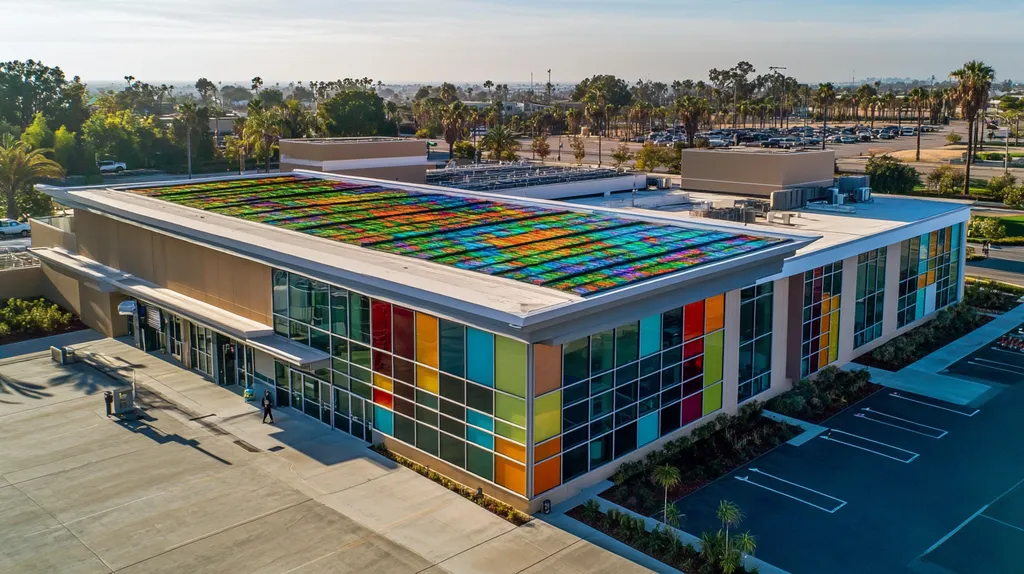
As climate patterns continue to evolve unpredictably, the roofing industry faces unparalleled challenges that demand urgent attention. These shifts jeopardize the longevity and performance of commercial roofs, yet many property owners remain unaware of transformative materials and strategies that could enhance their roofs against climate variations. Embracing advanced materials, green roof innovations, and energy efficiency measures is essential for improving roof performance and sustainability.
Advanced Material Options Overlooked
Many property owners still rely on traditional roofing materials, missing out on advanced options that can significantly improve roof resilience. New synthetic and composite substrates offer greater durability and resistance to extreme weather conditions. For instance, materials like PVC and TPO have superior UV resistance and reflectivity, which can help extend the lifespan of a roof.
These innovative materials not only provide longevity but also enhanced performance across diverse climates. They excel in withstanding high winds, heavy rains, and extreme temperatures, making them ideal for properties experiencing severe weather fluctuations.
In addition, many of these advanced materials boast better thermal performance, contributing to reduced heating and cooling costs. This means that property owners can achieve substantial long-term savings often exceeding their initial investments.
However, without a shift in mindset toward embracing these advanced materials, facilities risk incurring increased maintenance and replacement costs. This represents a pivotal opportunity that should not be overlooked.
Green Roof Potential Undervalued
Green roofs stand out as an underutilized asset for commercial properties aiming to adapt to climate challenges. Not only do these roofs provide exceptional insulation, but they are also effective in managing stormwater—a crucial feature for urban spaces prone to flooding during heavy rainfall.
Investing in green roofs can significantly elevate property value and attractiveness. Buildings equipped with green roofs often experience higher occupancy rates and improved tenant satisfaction. Furthermore, they play a vital role in enhancing the urban ecosystem by improving air quality and mitigating the urban heat island effect.
Moreover, green roofs contribute to energy savings by offering natural insulation, which can lower utility bills. Unfortunately, many property owners overlook this option, focusing narrowly on upfront costs rather than the sustainable long-term benefits.
Embracing green roofs is not only an environmental initiative but also an economic strategy. Ignoring this potential leads to missed opportunities and higher costs down the line.
Energy Efficiency Gaps
Energy efficiency has become critical in commercial roofing discussions, yet many property owners underestimate how substrate selection can significantly impact energy consumption. Traditional materials often absorb heat, considerably raising air conditioning costs during warmer months.
In contrast, energy-efficient roofing systems—such as reflective coatings or lighter-colored materials—mitigate these rising expenses. These roofs reflect sunlight rather than absorbing it, maintaining cooler indoor environments and reducing overall energy usage. This is particularly crucial for facilities located in hotter climates, where cooling costs can quickly escalate.
Additionally, as advancements in energy-efficient technologies continue to emerge, integrating these systems can yield substantial long-term savings. Some studies suggest that proper selection can lead to up to a 30% reduction in energy costs. However, many owners remain unaware of these significant benefits.
Ultimately, without addressing these energy efficiency gaps, property owners may face unexpected expenses and decreased building performance. Taking a proactive stance now will help avert substantial consequences in the future.
SECTION 4: ROOT CAUSES
In the landscape of commercial roofing, overlooking climate considerations can lead to dire consequences for property owners. Many stakeholders are unaware that choosing the wrong roofing substrate can result in costly repairs and a shorter lifespan. For example, roofs with insufficient insulation may suffer from thermal inefficiencies, draining energy and increasing utility costs. This section delves into the root causes of these oversights, focusing on the absence of local climate data, inadequate adherence to building codes, and limited contractor expertise.
Lack of Local Climate Data
The absence of localized climate data significantly obstructs effective decision-making for roofing projects. Many property owners depend on broad weather information that fails to capture regional specifics. For instance, a roofing system crafted for a dry area may struggle under the demands of a region known for heavy rainfall.
This lack of specificity turns substrate selection into a gamble. Misunderstanding average temperatures, wind patterns, and precipitation can culminate in severe problems like leaks or even structural failure. According to the National Roofing Contractors Association, improper climate assessments account for 30% of early roof replacements.
Moreover, stakeholders often underestimate how climate affects material performance. Different substrates react uniquely to factors such as thermal expansion, moisture, and UV exposure. Neglecting local climate data risks choosing roofing systems that won’t perform effectively.
As the drive for energy-efficient buildings intensifies, incorporating local climate data into roof selection is essential. This alignment guarantees that properties can meet today’s standards and proactively confront future climate challenges.
Inadequate Building Code Compliance
Ensuring compliance with building codes is vital, yet many properties fail to meet up-to-date standards. Inadequate compliance often arises from outdated regulations that don’t address contemporary climate upheavals. For example, a building code that overlooks extreme weather patterns can result in insufficient roofing support in at-risk areas.
Many property owners mistakenly believe that meeting basic codes is enough, neglecting the influence that local climate can have on material selection. A property situated in a hail-prone region may require enhanced materials to withstand impacts effectively. Disregarding updated codes exposes these properties to significant risks and potential liabilities.
The consequences of non-compliance can be severe. Climate-related roofing failures can lead to soaring insurance claims if they originate from inadequate adherence to safety standards. Additionally, property owners may face legal repercussions if their roofs do not embody current performance expectations.
Realigning building code standards with actual climate conditions is crucial for safeguarding investments in roofing systems. This change will raise industry standards and protect property owners from avoidable risks and financial burdens.
Limited Contractor Expertise
Many roofing contractors lack the specialized training needed to tackle the complexities tied to climate-sensitive roofing decisions. Although general roofing knowledge is commonplace, expertise in how local weather elements affect material performance is often lacking. This knowledge gap can result in recommending systems that may falter under specific environmental conditions.
For example, a contractor from a different climate zone may be unaware of the particular needs of materials suited for high humidity, jeopardizing the installation’s quality. This oversight can lead to premature failures, resulting in expensive repairs or replacements.
Additionally, some contractors may cling to outdated practices and materials that don’t address modern roofs’ climatic pressures. Without ongoing education in the latest roofing technology, property owners risk investing in inferior solutions.
Enhancing contractor training programs to include climate-related considerations can yield better project results. Property owners should emphasize hiring contractors with up-to-date knowledge of localized climate impacts to ensure durable, efficient roofing solutions.
DATA DRIVEN EVIDENCE
In today’s rapidly evolving climate landscape, understanding how climate impacts roof substrate performance is vital for property owners and facility managers. A startling 31% of commercial roofs fail prematurely due to improper substrate selection. This statistic underlines the urgent necessity for data-driven choices that align with local climatic conditions. The following sections will present compelling research and case studies that illustrate the repercussions of neglecting climate relevance in roof substrate decisions.
Studies on Climate-Specific Performance
Numerous studies underscore the critical importance of aligning roof substrates with local climate conditions. Research conducted by the National Roofing Contractors Association highlights that roofs built for arid climates deteriorate rapidly when subjected to high humidity. This misalignment not only results in elevated maintenance costs but also significantly shortens the lifespan of the roofing system.
Furthermore, a study from the University of Massachusetts pointed out that while reflective roof coatings can be beneficial in hot climates, their effectiveness diminishes in cooler regions. Findings revealed that over 25% of buildings in appropriate climates utilizing reflective coatings failed to achieve anticipated energy savings.
These studies emphasize the pressing need for decision-makers to leverage climate-specific data when selecting roofing materials. Ignoring these factors not only raises risks but also leads to costly missteps.
Case Studies of Substrate Failures
Case studies highlight the real-world consequences of improper substrate choices based on climate considerations. In Houston, Texas, a commercial facility suffered significant roof failures due to inadequate moisture management. The EPDM membranes installed were not meant to handle the area’s high humidity, which resulted in extensive leaks within five years.
Conversely, a similar facility in Phoenix, Arizona, successfully selected a polyvinyl chloride (PVC) roof system. Despite dealing with extreme heat, the roof performed exceptionally, lasting over 20 years without major repairs. Such contrasting examples reveal how understanding local climate can play a pivotal role in preventing premature failures.
It is essential for property owners to recognize the risks associated with ignoring environmental factors during substrate selection. The right choice can extend the roof’s longevity and reduce overall costs.
Statistical Analysis of Roof Longevity
A statistical analysis carried out by the Roofing Industry Committee on Weather Issues highlights stark differences in roof longevity across varying climates. It found that roofs in temperate climates averaged a lifespan of 25 years, while those in tropical environments commonly lasted only 15 years.
Additionally, a state-by-state review revealed that 60% of roofs in cold climates endure winter-related stress, leading to premature degradation. In contrast, roofs situated in desert regions often perform well, frequently exceeding expected lifespans.
Such statistics reinforce the critical need for informed decisions that account for climate impact. By prioritizing climate considerations, property owners can significantly enhance roof longevity and minimize operational disruptions.
SECTION 6: ALTERNATIVE SOLUTIONS
As climate patterns grow increasingly unpredictable, the urgency for innovative roofing solutions cannot be overstated. Traditional substrate selections often fall short of effectively addressing these evolving climate challenges. Properties that continue to rely on outdated materials risk losing structural integrity and incurring substantial repair costs. This section will explore the advantages of tailored substrate selection models, innovative material choices, and integrated roofing system designs that can significantly enhance resilience against climate pressures.
Tailored Substrate Selection Models
Tailored substrate selection models empower property owners to customize their roofing systems, specifically addressing unique climate challenges they face. By leveraging localized climate data, these models can recommend substrates designed to endure extremes such as heavy rainfall and intense heat. This proactive methodology is essential in mitigating costly repairs that arise from weather-related damage.
For instance, buildings situated in hurricane-prone areas may benefit from roofing materials providing superior wind resistance and waterproofing features. Meanwhile, properties in arid regions can incorporate substrates that reflect solar radiation, minimizing heat absorption. The appropriate substrate choice directly impacts a roof’s longevity and overall performance.
Integrating predictive analytics during substrate selection further enhances this approach. It allows facilities managers to anticipate and adapt to future climatic changes, ensuring that roofing solutions remain effective over time.
Ultimately, tailored substrate selection models facilitate the construction of roofs that are not just functional but resilient, significantly extending the operational lifespan of commercial and industrial structures.
Innovative Material Choices
The commercial roofing landscape is evolving with the emergence of innovative materials that offer sustainable and resilient solutions. Biodegradable and recycled materials are paving the way for eco-friendly roofing options, significantly reducing environmental impact while still providing robust protection against the elements.
Materials such as thermoplastic olefin (TPO) and ethylene propylene diene monomer (EPDM) not only ensure durability but also improve energy efficiency. Their reflective properties can combat urban heat islands in densely populated areas, leading to lower energy consumption and reduced operational costs.
Furthermore, cutting-edge technologies like self-healing materials and transparent solar panels are increasingly becoming available. These innovations not only resist typical climate stressors but also harness renewable energy, transforming rooftops into valuable energy assets.
By investing in these innovative materials, facilities managers position themselves at the forefront of a forward-thinking roofing strategy. This proactive approach can yield enhanced performance, lower maintenance costs, and substantial environmental benefits.
Integrated Roofing System Designs
Integrated roofing system designs offer a cohesive approach, where multiple roofing elements function in harmony to enhance durability and overall performance. These systems can combine advanced membranes, insulation, and specialized drainage solutions tailored to the specific climatic conditions faced by a property.
For example, roofs equipped with improved insulation can significantly lower energy costs while also providing protection from harsh weather. Additionally, integrating green roofing options can effectively manage stormwater by enhancing rainfall absorption and utilization.
Moreover, combining features such as photovoltaic panels with strong waterproofing can maximize energy efficiency while safeguarding the roofing system’s integrity. Using integrated designs allows property owners to create multifunctional systems that effectively tackle various climate challenges.
In conclusion, integrated roofing system designs provide comprehensive solutions to meet the demands of modern climates. This holistic approach ensures that each aspect of the roof contributes to resilience and performance, thus safeguarding investment over the long term.
Moving Forward
Each year, over $3.3 billion is lost to premature commercial roof failures stemming from misaligned substrate choices based on outdated climate assumptions.
The evidence clearly demonstrates that traditional climate-based substrate selection methods are increasingly inadequate for modern environmental challenges.
Property owners and facility managers must transition from generalized guidelines to data-driven, location-specific substrate solutions that incorporate microclimate analysis, advanced materials, and integrated system designs.
Without this evolution in approach, commercial properties will continue facing escalating maintenance costs, reduced energy efficiency, and shortened roof lifespans.
The future of commercial roofing depends on embracing innovative technologies and assessment models that respond to both current conditions and anticipated climate shifts, ensuring sustainable, resilient, and cost-effective roofing solutions.
FREQUENTLY ASKED QUESTIONS
Q. What are current practices in commercial roof substrate selection?
A. Current practices often rely on general climate-based material selection, which can overlook local variations. Substrate recommendations are frequently based on broad geographical zones, ignoring specific conditions like microclimates and urban heat. Understanding local climate data improves roofing durability and efficiency.
Q. How does the overreliance on general guidelines affect industrial roofs?
A. Overreliance on general guidelines leads to unsuitable substrate choices, risking structural integrity. Facilities might employ the same substrates for different climates, resulting in costly repairs and potential safety hazards. Customized solutions should be prioritized to ensure longevity and efficiency.
Q. What are some missed opportunities in commercial roof substrate decisions?
A. Many property owners miss the chance to utilize advanced materials and technologies that enhance roof performance. Options like green roofs and energy-efficient solutions are often overlooked, resulting in higher costs and reduced sustainability. Embracing these can lead to significant long-term savings.
Q. What root causes contribute to poor commercial roofing choices?
A. Key root causes include a lack of localized climate data and inadequate adherence to updated building codes. Many contractors also lack expertise in climate-sensitive roofing decisions, leading to premature failures. Understanding these factors can mitigate costly outcomes.
Q. How can data-driven evidence improve commercial roof selection?
A. Data-driven evidence can guide substrate selection by aligning materials with local climatic conditions. Studies show that improperly selected substrates contribute to premature failures. Understanding these influences allows property owners to make informed choices that enhance durability and performance.
Q. What alternative solutions exist for climate-sensitive roofing?
A. Tailored substrate selection models and innovative materials can address climate challenges effectively. Utilizing integrated roofing system designs optimizes durability and efficiency. Investing in these alternatives enhances resilience in the face of climate pressures, safeguarding property investments.
Q. Why is roofing insulation important for commercial properties?
A. Roofing insulation plays a critical role in energy efficiency and thermal regulation. Proper insulation minimizes energy costs and enhances indoor comfort, which is vital for commercial properties. Insufficient insulation can lead to significant energy losses and increased operational expenses.






