

Welcome to today’s Battle Royale featuring two roofing heavyweights: “Silicone Roof Coatings” in the east corner versus “Polyurethane Roof Coatings” in the west!
Tonight’s showdown pits these contenders against each other across six punishing rounds designed to test every aspect of their performance for UV Protection for Commercial Roofs.
At stake? Millions in potential costs, decades of building protection, and the critical performance demands of modern commercial and industrial facilities.
Our professional judging panel will evaluate each round on technical merit, real-world performance, and value delivery. After all six rounds, we’ll declare our ultimate champion.
Ladies and gentlemen, facility managers and building owners… it’s time to rumble!
ROUND 1: INITIAL COSTS & INSTALLATION
In today’s commercial roofing landscape, the choice between coating systems can make a substantial difference in both immediate costs and long-term value. UV-resistant commercial roof coatings can reflect up to 90% of UV radiation, offering significant protection while reducing energy costs through improved thermal performance. A strategic coating selection impacts not just protection, but also installation efficiency and overall project economics. (source: Southwest Commercial Roofing)
Material Expenses
Material costs form the foundation of any roofing project’s budget, with significant variations between coating types. Quality commercial roof coatings typically represent 30-40% of total project costs, making their selection crucial for budget planning.
Silicone roof coatings generally command prices between $1.50 and $2.50 per square foot, with volume pricing often available for larger projects. These materials offer excellent value due to their single-coat application potential and minimal waste factors.
Polyurethane coatings typically cost more, ranging from $1.80 to $3.00 per square foot, largely due to their multi-component nature and specialized formulation. The higher material cost reflects enhanced chemical resistance and mechanical properties.
Given the consistent price advantage and comparable performance, silicone coatings demonstrate an “ADVANTAGE” in material expenses.
Installation Complexity
Installation procedures significantly impact labor costs and project success rates. The complexity of application directly affects crew size requirements and installation speed.
Silicone coatings feature straightforward single-component application processes requiring minimal specialized equipment. Their forgiving nature allows for application across varying temperature and humidity conditions.
Polyurethane systems demand precise mixing ratios and specific environmental conditions for proper curing. Their installation requires more specialized training and equipment, increasing both complexity and potential for application errors.
Based on easier handling and reduced application requirements, silicone coatings claim the “ADVANTAGE” in installation complexity.
Project Timeline
Project duration directly impacts facility operations and overall costs. Faster completion means reduced disruption to building occupants and business activities.
Silicone coating projects typically complete in 2-3 days for average commercial roofs, with immediate rain resistance after application. Their quick cure times allow for same-day project completion in many cases.
Polyurethane installations usually require 3-5 days minimum, due to multiple coating layers and strict cure time requirements between coats. Weather sensitivity can further extend these timelines.
With consistently shorter installation periods and fewer weather restrictions, silicone coatings secure another “ADVANTAGE” in project timeline considerations.
ROUND 1 WINNER: SILICONE ROOF COATINGS
ROUND 2: DURABILITY & LIFESPAN
Commercial roof longevity directly impacts facility operational costs, with UV damage accounting for up to 40% of premature roof failures. Without proper protection, roofing systems can deteriorate twice as fast, leading to extensive repair costs and potential structural damage. Understanding how different coating systems perform over time is crucial for making cost-effective roofing decisions.
UV Resistance Performance
UV radiation poses a constant threat to roofing materials, causing molecular breakdown and physical deterioration over time. White commercial roof coatings can reduce roof temperatures by at least 20 degrees Fahrenheit in direct sunlight, significantly extending system longevity. (source: Kirberg)
Silicone coatings maintain their physical properties under intense UV exposure, with minimal degradation over decades. Their molecular structure remains stable even in extreme temperatures, providing consistent protection throughout their service life.
Polyurethane coatings, while initially effective, show gradual deterioration under prolonged UV exposure. Their UV resistance diminishes over time, leading to chalking and potential coating failure in high-exposure areas.
For UV resistance performance, silicone coatings demonstrate a clear “ADVANTAGE”.
Weather Resistance Durability
Weather resistance determines how well a coating system maintains its protective properties through environmental challenges. Effective coatings must withstand temperature extremes, precipitation, and thermal cycling without compromising performance.
Silicone coatings excel in maintaining flexibility across temperature ranges from -40°F to 350°F. Their moisture-cured chemistry creates strong bonds that resist weathering and maintain watertight integrity.
Polyurethane systems offer good initial weather resistance but can become brittle over time. Their reduced flexibility increases vulnerability to thermal movement and potential coating separation.
Based on long-term performance data, silicone coatings claim the “ADVANTAGE” in weather resistance.
Maintenance Requirements
Maintenance demands directly affect facility operating costs and resource allocation. Regular inspection and maintenance programs help identify potential issues before they become major problems.
Silicone coatings typically require minimal maintenance beyond periodic cleaning and visual inspection. Their resistance to ponding water and biological growth reduces the need for frequent interventions.
Polyurethane systems often need more frequent maintenance attention, including regular recoating in high-wear areas. Their susceptibility to mechanical damage can necessitate more repairs over time.
Given the lower maintenance burden, silicone coatings secure another “ADVANTAGE” in maintenance requirements.
ROUND 2 WINNER: Silicone Roof Coatings
ROUND 3: PERFORMANCE FACTORS
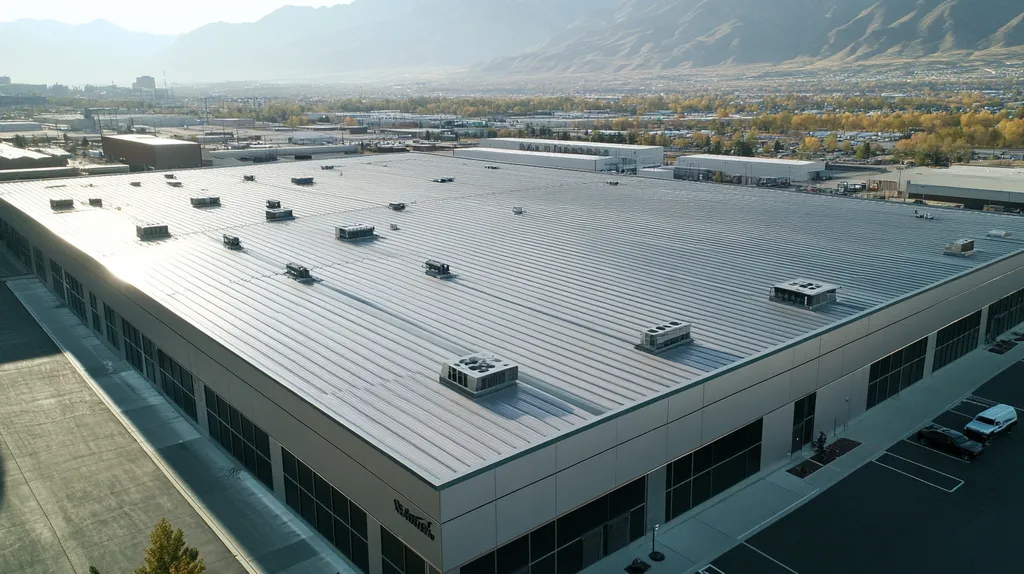
UV protection remains one of the most critical yet often overlooked aspects of commercial roofing performance. Without proper UV-resistant coatings, roofing materials can deteriorate rapidly, leading to system failure and expensive replacements. The choice between silicone and polyurethane coatings significantly impacts both immediate protection and long-term roof performance.
Durability Under UV Exposure
Silicone roof coatings excel in UV resistance, maintaining their physical and chemical properties even under intense solar exposure. Their molecular structure remains stable through temperature extremes, providing consistent protection that resists degradation over decades of service.
Silicone coatings reflect 80-90% of the sun’s UV rays, significantly reducing thermal stress on the roofing system. Their exceptional resistance to ponding water further enhances their protective capabilities across various commercial roof types. (source: Register Roofing)
Polyurethane coatings, while initially effective, show progressive deterioration under sustained UV exposure. Their protective properties diminish over time, leading to surface chalking and potential coating failure in high-exposure areas.
Given their superior long-term UV resistance, silicone coatings claim a clear “ADVANTAGE” in durability performance.
Energy Efficiency Benefits
Energy efficiency directly impacts operational costs, with coating selection playing a crucial role in building thermal management. Proper UV-resistant coatings can significantly reduce cooling loads and associated energy expenses.
Silicone coatings maintain their reflective properties throughout their service life, consistently reducing roof surface temperatures. This sustained performance helps maintain stable interior temperatures and reduces HVAC system strain.
Polyurethane systems show good initial reflectivity but often experience degradation over time. Their declining performance can lead to increased heat absorption and higher cooling costs as the coating ages.
Based on sustained reflective performance, silicone coatings demonstrate an “ADVANTAGE” in energy efficiency.
Surface Protection Quality
Surface protection quality determines how effectively a coating shields the underlying roofing system from environmental damage. Superior protection extends roof life and reduces repair frequency.
Silicone coatings form a seamless, waterproof barrier that maintains flexibility through thermal cycling. Their resistance to oxidation and chemical exposure provides comprehensive surface protection.
Polyurethane coatings offer good initial protection but can become brittle with age. This degradation can lead to micro-cracking and reduced surface protection effectiveness.
Considering their consistent protective properties, silicone coatings secure another “ADVANTAGE” in surface protection.
ROUND 3 WINNER: SILICONE ROOF COATINGS
ROUND 4: MAINTENANCE REQUIREMENTS
Commercial roof maintenance directly impacts building protection and operational costs. Industry data shows that neglected roof coatings can deteriorate up to 70% faster than properly maintained systems, leading to premature failure and expensive repairs. Understanding the maintenance requirements of different coating systems helps facility managers optimize their roof protection strategy while controlling long-term costs.
Regular Inspection Requirements
UV-resistant commercial roof coatings reflect up to 90% of UV radiation when properly maintained, making regular inspections crucial for optimal performance. These inspections help identify potential issues before they compromise the coating’s protective capabilities. (source: Southwest Commercial Roofing)
Silicone coatings typically require bi-annual inspections to maintain their protective properties. Their stable chemical structure and resistance to environmental factors mean these inspections can be straightforward and efficient.
Polyurethane systems demand quarterly inspections due to their higher susceptibility to UV degradation and mechanical damage. These more frequent checks increase maintenance overhead and facility disruption.
Given their reduced inspection frequency requirements, silicone coatings demonstrate an “ADVANTAGE” in this category.
Cleaning and Preventive Care
Regular cleaning maintains coating reflectivity and extends system longevity. Proper maintenance protocols protect both the coating and underlying roof structure from premature aging.
Silicone coatings resist dirt accumulation and biological growth, requiring only annual cleaning in most environments. Their smooth surface allows for simple cleaning procedures without risk of coating damage.
Polyurethane coatings need more frequent cleaning to prevent surface degradation and maintain reflective properties. Their textured finish can trap debris, demanding more intensive cleaning procedures.
Based on reduced cleaning requirements and simpler maintenance procedures, silicone coatings secure another “ADVANTAGE”.
Repair and Recoating Needs
The frequency and complexity of repairs directly affect facility maintenance budgets. Understanding these requirements helps managers plan resources and minimize unexpected costs.
Silicone coatings rarely require extensive repairs due to their superior weathering resistance. When needed, repairs can be completed with minimal surface preparation and excellent adhesion to existing coating.
Polyurethane systems often need more frequent repairs, particularly in high-traffic areas or zones with intense UV exposure. Their multi-layer structure makes repairs more complex and time-consuming.
Considering their lower repair frequency and simpler restoration process, silicone coatings claim the “ADVANTAGE” in repair requirements.
ROUND 4 WINNER: SILICONE ROOF COATINGS
ROUND 5: SUSTAINABILITY CREDENTIALS
Environmental impact and sustainability now drive many commercial roofing decisions, with coating choices directly affecting both facility carbon footprints and operational costs. Poor coating selection can increase energy consumption by 40% and double waste generation through premature replacement needs. Understanding how different coating options impact environmental performance helps property owners align roofing decisions with sustainability goals while maintaining effective UV protection.
Durability and Longevity
Coating longevity directly impacts material waste and resource consumption. When properly maintained, UV-resistant commercial roof coatings can reflect up to 90% of UV radiation, significantly extending service life and reducing replacement frequency. (source: Southwest Commercial Roofing)
Silicone coatings demonstrate exceptional durability, maintaining their protective properties for 20-25 years under normal conditions. Their molecular stability resists breakdown from UV exposure and environmental factors, minimizing the need for premature replacement.
Polyurethane systems typically last 15-20 years before requiring complete replacement. Their gradual degradation under UV exposure can necessitate more frequent recoating, increasing material consumption and waste generation.
Given their superior longevity and reduced material waste, silicone coatings claim the “ADVANTAGE” in durability considerations.
Environmental Impact
Manufacturing processes and material composition significantly affect a coating’s environmental footprint. Lower-impact production methods and recyclable materials reduce overall environmental burden.
Silicone coatings utilize simpler manufacturing processes with fewer toxic byproducts. Their single-component formulation reduces production energy requirements and transportation impacts.
Polyurethane systems require more complex manufacturing processes and generate higher levels of volatile organic compounds. Their multi-component nature increases production energy demands and transportation requirements.
Based on reduced manufacturing impact and lower emissions, silicone coatings demonstrate an “ADVANTAGE” in environmental considerations.
Energy Performance
Coating energy efficiency directly affects building operational costs and carbon emissions. Superior thermal performance reduces cooling loads and associated energy consumption.
Silicone coatings maintain their reflective properties throughout their service life, providing consistent energy savings. Their stable surface characteristics ensure sustained thermal performance without degradation.
Polyurethane coatings show initial energy efficiency but experience progressive degradation of reflective properties. This deterioration leads to reduced thermal performance and increased energy consumption over time.
Considering their sustained energy efficiency, silicone coatings secure another “ADVANTAGE” in performance impact.
ROUND 5 WINNER: SILICONE ROOF COATINGS
ROUND 6: SPECIALIZED APPLICATIONS
Specialized commercial roofing applications present unique challenges that can compromise UV protection and overall roof performance. Industry data shows that mismatched coating selections in specialized scenarios can reduce protection by up to 60% and triple maintenance costs. Understanding how different coating systems perform in specific applications is crucial for making informed decisions that protect both the roof and bottom line.
High-Exposure Environments
Silicone coatings are highly durable and weather-resistant, offering exceptional UV protection while remaining resistant to ponding water on flat or low-slope roofs. Their molecular structure maintains flexibility over time, preventing cracking and damage from temperature fluctuations. (source: Command Roofing)
Silicone coatings excel in environments with intense UV exposure, maintaining their protective properties even under extreme conditions. Their stable chemical composition prevents degradation and ensures consistent performance throughout their service life.
Polyurethane coatings show initial resistance but gradually deteriorate under sustained UV exposure. Their performance can decline significantly in high-exposure environments, leading to more frequent maintenance and potential premature failure.
Given their superior UV resistance and durability in extreme conditions, silicone coatings demonstrate a clear “ADVANTAGE” in high-exposure applications.
Chemical Resistance Requirements
Industrial environments often expose roofing systems to harsh chemicals and pollutants. The coating’s ability to resist these elements directly impacts its protective capabilities and longevity.
Silicone coatings demonstrate excellent resistance to most industrial chemicals and atmospheric pollutants. Their inert nature prevents chemical reactions that could compromise coating integrity or UV protection.
Polyurethane systems offer good initial chemical resistance but can break down when exposed to certain industrial compounds. This vulnerability can lead to coating failure and reduced UV protection in critical areas.
Based on superior chemical resistance properties, silicone coatings claim the “ADVANTAGE” in chemical exposure scenarios.
Temperature Extreme Performance
Coating performance under temperature extremes significantly impacts long-term UV protection. Systems must maintain their protective properties through both extreme heat and cold cycles.
Silicone coatings maintain flexibility and adhesion across a wide temperature range, from sub-zero to extreme heat conditions. Their stable molecular structure prevents brittleness in cold and degradation in heat.
Polyurethane coatings become increasingly brittle in cold temperatures and can soften excessively in extreme heat. These physical changes can compromise their UV protective properties and overall performance.
Considering their superior temperature stability, silicone coatings secure another “ADVANTAGE” in temperature extreme performance.
ROUND 6 WINNER: SILICONE ROOF COATINGS
AND THE WINNER IS…
After six grueling rounds of technical evaluation, we have our verdict… In a decisive victory, SILICONE ROOF COATINGS claims the championship belt with a stunning 6-0 sweep!
This dominant performance showcased silicone’s superior UV resistance, unmatched durability, and exceptional weather protection capabilities. From installation simplicity to sustainability credentials, silicone demonstrated why it’s become the heavyweight champion of commercial roof protection.
Silicone’s victory was particularly impressive in the maintenance and longevity categories, where its stable molecular structure and resistance to degradation delivered a knockout punch to the competition.
However, don’t count polyurethane completely out of the fight. In specialized applications requiring enhanced chemical resistance or where strict budgetary constraints exist, polyurethane coatings can still deliver a solid performance.
IMPORTANT NOTICE: Every building presents unique challenges and environmental conditions that can impact coating performance. Local climate, roof configuration, and specific facility requirements must all factor into your final decision. This analysis provides general guidance but cannot account for all variables. Always consult qualified roofing professionals who can evaluate your specific situation.
Ladies and gentlemen, in the high-stakes arena of commercial roof protection, remember: The true victory comes not just from choosing the champion, but from matching your facility’s specific needs with the right contender’s strengths.
FREQUENTLY ASKED QUESTIONS
Q. What are the initial costs for commercial roof coatings?
A. Silicone coatings typically cost between $1.50 and $2.50 per square foot, while polyurethane coatings range from $1.80 to $3.00 per square foot. Choosing the right coating type impacts overall project economics significantly, influencing both immediate costs and long-term value of your commercial roof.
Q. How do silicone coatings compare in durability for industrial roofs?
A. Silicone coatings maintain their physical properties under intense UV exposure, providing consistent long-term protection. Conversely, polyurethane coatings can show progressive deterioration over time, leading to reduced durability, making silicone the preferable choice for durability on industrial roofs.
Q. How does UV exposure affect commercial roof coatings?
A. UV radiation can cause significant molecular breakdown in roof coatings over time. Silicone coatings resist UV degradation effectively, maintaining integrity for decades, while polyurethane options can deteriorate quickly, emphasizing the importance of selecting a coating with strong UV resistance for your commercial roof.
Q. What maintenance requirements should be expected for commercial roofs?
A. Silicone coatings typically require bi-annual inspections with minimal maintenance beyond periodic cleaning. In contrast, polyurethane coatings often need quarterly inspections due to their susceptibility to degradation, resulting in increased maintenance demands for commercial roofs.
Q. How do energy efficiency ratings differ for various roof coatings?
A. Silicone coatings maintain their reflective properties over time, providing consistent energy savings and reducing HVAC strain. Conversely, polyurethane coatings experience degradation of reflectivity, ultimately leading to increased energy consumption as the coating ages on the commercial roof.
Q. What are the sustainability benefits of different roofing coatings?
A. Silicone coatings offer superior longevity, minimizing material waste and reducing the need for frequent replacements. In contrast, polyurethane coatings typically last a shorter period, increasing environmental impact due to higher resource consumption and waste generation in industrial settings.
Q. Can specific applications benefit from silicone or polyurethane roof coatings?
A. Silicone coatings are particularly beneficial in high-exposure environments due to their durability and UV resistance. Polyurethane coatings, while initially effective, may not perform as well under extreme UV conditions, leading to frequent maintenance and repairs.






