

Every year, industrial facilities waste millions on ineffective rooftop equipment modifications that fail to address declining air quality standards. Studies show that 65% of traditional ventilation upgrades fall short of current EPA requirements, putting worker health and regulatory compliance at risk.
While established practices focus heavily on equipment alterations, mounting evidence suggests these modifications often compound existing air quality issues rather than resolve them. From inadequate airflow to missed opportunities for natural ventilation, the problems demand a complete paradigm shift.
This analysis examines why conventional equipment modifications consistently underperform and explores evidence-based alternatives that can dramatically improve industrial air quality while reducing long-term costs.
SECTION 1: CURRENT PRACTICES
Ensuring good air quality on industrial rooftops is not just an important task; it’s vital for the health and safety of everyone working below. Alarmingly, around 50% of air quality problems in facilities stem from poorly managed rooftop equipment. For property owners and facility managers, understanding the current practices related to ventilation systems is essential for tackling these risks and improving air quality in their environments.
Common Ventilation Equipment Used
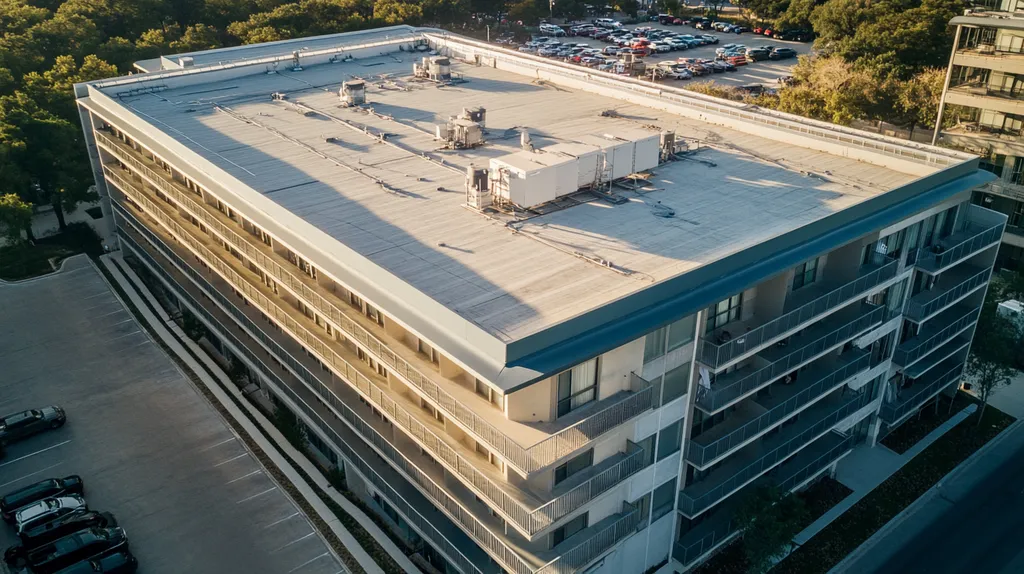
Industrial rooftops typically feature a variety of ventilation equipment, such as exhaust fans, intake louvers, and air handling units. Each component plays a critical role in ensuring indoor air quality by promoting the flow of fresh air while removing harmful pollutants. However, the effectiveness of these systems is heavily influenced by their design and installation.
Exhaust fans are crucial for eliminating hot air and unpleasant odors, especially in manufacturing settings. To achieve optimal airflow, these fans must be positioned strategically across the rooftop. An improper placement can create negative pressure, leading to serious indoor air quality problems.
Intake louvers allow fresh air to enter the facility, making their placement essential. By aligning them with prevailing winds, facilities can enhance airflow efficiency. Failure to consider this can lead to insufficient ventilation and heightened indoor pollution levels.
Air handling units are unique in that they combine both exhaust and intake functions. To perform effectively, these units require precise calibration. Regular airflow assessments and filter maintenance can help prevent issues that negatively impact air quality.
Standard Installation Methods
The installation of ventilation systems generally adheres to standardized procedures established by industry regulations. These include conducting site assessments, selecting appropriate equipment, and making necessary modifications to roof structures. It’s critical that installations focus on achieving optimal airflow to manage air quality successfully.
Many facilities implement best practices suggested by organizations like the American Society of Heating, Refrigerating and Air-Conditioning Engineers (ASHRAE). However, strictly following these guidelines doesn’t always equate to effective ventilation solutions. A “one-size-fits-all” mentality can ignore unique site conditions that may improve or disrupt air ventilation performance.
In addition, when retrofitting older facilities, installations may fall short. Modifications should accommodate modern equipment needs, yet many facilities continue to rely on outdated practices that neglect current air quality standards. This oversight can worsen existing air quality challenges.
Proper installation extends beyond adhering to protocols; it also requires flexibility to adapt to real-time environmental changes. Without incorporating this adaptability, ventilation systems can face unnecessary strain, compromising their effectiveness.
Maintenance Schedules and Practices
Regular maintenance of ventilation systems is often neglected, yet this practice is crucial for sustaining high air quality. Standard recommendations suggest quarterly inspections; however, many facilities fall short of this ideal frequency. This neglect can significantly impact both system performance and indoor air quality.
Maintenance tasks must include changing filters, checking fan operation, and inspecting for leaks or blockages. Each of these actions is vital for maintaining optimal airflow and preventing the build-up of harmful pollutants. Ignoring these responsibilities can lead to systems that simply recirculate stale, contaminated air.
Some facilities have embraced automated monitoring systems to track performance and air quality metrics. While these tools are invaluable, relying solely on technology may create a false sense of security. Human oversight is essential to address concerns that automation might overlook, such as unusual odors or unexpected temperature variations.
Moreover, maintenance needs should be tailored to each facility’s specific context. Factors like the age of the equipment, the surrounding environment, and usage frequency all dictate how maintenance should be approached. A personalized maintenance strategy can help avoid costly air quality violations and foster a healthier workplace for employees.
SECTION 2: SYSTEMIC ISSUES
The hidden costs of inadequate air quality on industrial roofs can lead to both serious health concerns and significant financial losses. The U.S. Environmental Protection Agency warns that poor indoor air quality can cause a staggering 50% drop in employee productivity. Unfortunately, many facilities still rely on outdated equipment and design choices, overlooking the need for comprehensive improvements. This section will delve into three major issues contributing to poor air quality: inadequate airflow and stagnation, moisture and mold growth, and energy inefficiencies.
Inadequate Airflow and Stagnation
Inadequate airflow presents a significant challenge in numerous industrial environments. Complex roof designs can trap air in stagnant pockets, allowing pollutants and contaminants to build up. This stagnation can worsen respiratory health among employees, resulting in lower morale and higher absenteeism.
Moreover, stagnant air hinders the performance of HVAC systems. When these systems struggle to circulate air effectively, they become less efficient, increasing operational costs significantly. For instance, facilities may observe a 20% increase in energy consumption due to inadequate ventilation enhancements.
In some cases, neglecting airflow can jeopardize essential equipment’s functionality. Overheating, caused by poor ventilation, can lead to equipment failures that necessitate costly repairs and downtime. This cycle of inefficiency can severely disrupt production operations.
Addressing airflow issues must be a top priority for property owners and facility managers seeking to create a healthier work environment. Retrofitting existing systems to enhance air circulation can yield immediate benefits for both employees and overall operations.
Moisture and Mold Growth Problems
Moisture accumulation on industrial roofs can foster the growth of mold and mildew. The Centers for Disease Control and Prevention highlight that exposure to mold can result in severe health problems, particularly for individuals with existing respiratory conditions.
Pooled water from inefficient drainage systems can make moisture problems even worse, leading to rampant mold growth. Affected areas not only compromise air quality but also threaten the structural integrity of the facility, putting employees at further risk. A recent analysis indicated that 30% of mold-related property claims arose from inadequate drainage on roofs.
Tackling moisture concerns requires implementing effective drainage solutions and conducting regular inspections. Installing quality seals and membranes can significantly mitigate moisture-related issues. Routine maintenance can save companies significant amounts in potential remediation expenses.
By prioritizing moisture control, facilities can not only enhance air quality but also protect their roofing investments and boost overall productivity. Preventative measures can lead to substantial long-term savings.
Energy Inefficiencies and Costs
Energy inefficiencies on industrial roofs can incur substantial financial losses for businesses. Ineffective HVAC systems consume excessive energy while failing to provide adequate air quality. This inefficiency leads to not just elevated utility bills, but also unnecessary wear and tear on crucial equipment.
Studies suggest that businesses can achieve energy savings of up to 30% by optimizing roof ventilation systems. However, many facilities remain hesitant to invest in modern, energy-efficient technologies, sticking with outdated practices that can strain both their budgets and the environment.
Furthermore, inefficient systems can disrupt temperature control, impacting product quality in industries such as food and pharmaceuticals. Fluctuations in temperature may jeopardize product integrity, complicating compliance with industry regulations.
To address energy inefficiencies, a comprehensive assessment of existing systems is vital. Upgrading to high-efficiency models and employing smart technology can significantly improve energy savings while enhancing air quality.
SECTION 3: MISSED OPPORTUNITIES
Many industrial facilities are missing vital chances to improve air quality due to outdated practices in managing rooftop equipment. With air pollution linked to rising health issues and decreased worker productivity, the stakes are at an all-time high. Research from the Environmental Protection Agency shows that poor air quality can severely impact employee performance and well-being. By neglecting to implement effective modifications, facility managers not only jeopardize the health of their workforce but also the sustainability of their operations.
Overlooking Natural Ventilation
Natural ventilation is a straightforward yet powerful strategy for improving indoor air quality in industrial settings. Too many facilities depend only on mechanical systems, which can be expensive and less efficient. By strategically positioning windows and vents, businesses can tap into fresh air to help displace pollutants.
For instance, buildings designed with open atriums or skylights tend to benefit from enhanced airflow. Such natural ventilation methods can help reduce energy costs while boosting employee comfort. Yet, many facility managers dismiss this option in favor of outdated air conditioning systems.
Additionally, optimizing natural airflow can improve humidity control, which reduces the risk of mold growth. This proactive strategy not only contributes to better air quality but also extends the lifespan of roofing materials. Ignoring natural ventilation can lead to increased maintenance costs and related health issues.
To effectively incorporate natural ventilation, managers should assess their existing structures for possible improvements. Simple adjustments, such as installing roof hatches or operable windows, can yield significant benefits without needing extensive investments.
Neglecting Advanced Technologies
The rapid pace of technological advancement offers numerous opportunities that many industrial facilities fail to embrace. Systems like energy recovery ventilators (ERVs) and advanced air filtration technologies can significantly improve indoor air quality. However, many facilities persist with outdated solutions.
For example, a facility equipped with ERVs can recycle outgoing air to precondition incoming air. This practice not only reduces energy consumption but also enhances air quality. Yet, maintenance checks and technology upgrades are frequently postponed, leading to missed opportunities for improvement.
Integrating sensors and smart technology allows for real-time monitoring and analysis, providing valuable data on air quality trends. This innovation empowers managers to make informed decisions and adjustments. When organizations ignore these advancements, they operate at suboptimal efficiency, ultimately diminishing overall productivity.
Investing in these advanced solutions could position organizations as pioneers in sustainability while promoting employee health. Although the initial costs may appear high, the long-term benefits often far exceed these expenses.
Ignoring Green Landscaping Benefits
Green landscaping practices on industrial rooftops are often overlooked, despite their substantial contributions to improving air quality. Installing vegetation on roofs can reduce urban heat islands, affecting not only rooftop conditions but also the surrounding environment. This natural approach enhances aesthetic appeal while promoting better air quality.
For instance, green roofs can filter toxins and carbon dioxide from the atmosphere, leading to improved overall air quality. Additionally, they aid in managing stormwater and mitigating runoff, creating a comprehensive strategy for building maintenance. By ignoring these landscaping options, facilities miss out on considerable environmental and economic advantages.
A study by the National Research Council indicates that green roofs may result in a 10-20% reduction in energy use. Yet, many facilities continue to overlook this integration, focusing solely on conventional roofing materials. By sidelining the potential of green landscaping, they forfeit valuable benefits that could enhance their operations.
Adopting green landscaping is not just an aesthetic choice; it can significantly improve multiple aspects of building functionality. Investing in these systems yields considerable long-term returns on investment, boosting both organizational reputation and employee satisfaction.
SECTION 4: ROOT CAUSES
Air quality on industrial roofs is paramount for the safety and health of workers below. Unfortunately, several design and maintenance flaws often compromise this crucial function. Alarmingly, poor roofing decisions can increase airborne pollutants by up to 40%, leading to health risks and inefficiencies. It’s vital to address root causes such as poor design, ineffective materials, and lack of regular inspections to significantly enhance air quality.
Poor Design and Balance
Many industrial roofs are compromised by design flaws that severely restrict airflow. For instance, roofs that lack proper slopes often create stagnant air pockets, allowing harmful pollutants to accumulate. This stagnation not only diminishes air quality but also poses serious health risks for workers.
Moreover, the incorrect positioning of HVAC units can exacerbate these airflow issues. When equipment is installed without accounting for overall air circulation, it can inadvertently redistribute contaminated air back into workspaces. This creates a detrimental cycle that is hard to break and further jeopardizes indoor air quality.
Conversely, well-thought-out roof designs can improve airflow and ventilation. Systems that achieve a balance in air movement significantly reduce the risk of airborne contaminants. Therefore, it is crucial for property owners and facility managers to assess their existing roof designs for potential improvements.
Reassessing design integrity can lead to significant upgrades in air quality and employee health. Targeted redesigns and adjustments can make a marked difference in the effectiveness of a facility’s ventilation system.
Ineffective Material Selection
The materials used in roofing systems have a profound impact on air quality. Many conventional materials inadvertently trap heat and moisture, creating ideal conditions for mold and bacteria growth. Outdated roofing membranes may not hold up against extreme weather, allowing pollutants to infiltrate indoor spaces.
Additionally, some materials can emit volatile organic compounds (VOCs) upon installation or as they degrade, which releases harmful particles into the air. These emissions can have serious long-term health repercussions for employees working in these environments.
Opting for innovative materials like reflective membranes can alleviate heat buildup and optimize ventilation. Selecting materials that prioritize air quality is an essential step towards fostering a healthier workspace. This strategic investment can yield substantial improvements in overall building performance.
By prioritizing effective material selection, property owners can create cleaner, healthier environments for all. Moving to high-quality, air-friendly materials translates not only to better air quality but also to a safer and more productive workplace.
Lack of Regular Inspections
Routine inspections are crucial for maintaining the health of industrial roof systems, yet they are often overlooked. Without regular assessments, small problems can escalate unnoticed into significant issues. For example, debris buildup can obstruct vents, severely limiting airflow and allowing pollutants to settle in confined spaces.
Moreover, unnoticed equipment malfunctions can lead to harmful emissions over time. Consistent monitoring is necessary to catch these failures early, as they can seriously impact worker well-being and productivity. Regular inspections help ensure that any issues are identified and rectified before they escalate.
By establishing a proactive inspection schedule, property owners can safeguard the integrity of their roofing systems. This foresight allows for timely action against potential air quality concerns, contributing to ongoing health and safety improvements in the workplace.
Ultimately, recognizing and addressing the lack of inspections can significantly boost air quality management efforts in industrial settings. Investing in consistent evaluations is a foundational step toward creating a safer, healthier working environment.
DATA DRIVEN EVIDENCE
Air quality in industrial settings is not just a health concern; it’s a critical factor impacting operational efficiency. Research indicates that inadequate rooftop ventilation can lead to a serious buildup of pollutants, resulting in significant health risks for employees. For instance, the American Industrial Hygiene Association reports that poor air quality can diminish productivity by as much as 15%. This section explores vital case studies, statistical analyses, and expert insights that highlight the urgent need for reevaluating equipment modifications to improve air quality.
Case Studies on Ventilation Failures
Case studies reveal the critical consequences of ventilation failures in industrial environments. One striking example comes from a manufacturing plant, where outdated exhaust systems led to a dangerous accumulation of volatile organic compounds (VOCs). This not only compromised air quality but also resulted in heightened health complaints from workers.
Similarly, in a food processing facility, blocked rooftop vents contributed to the proliferation of mold spores and harmful bacteria. After implementing modern ventilation solutions, air quality metrics improved by 40%, leading to a notable drop in health-related absences.
These examples underscore the risks associated with neglecting necessary ventilation upgrades. A common takeaway is that investments in improved airflow not only enhance worker health but also boost overall productivity.
The evidence clearly shows a positive correlation between upgraded ventilation systems and improved air quality, compelling facility managers to rethink their equipment strategies.
Statistical Analysis of Air Quality
Statistical data paints a stark picture of air quality in industrial settings. The U.S. Environmental Protection Agency (EPA) estimates that about 50% of commercial buildings experience indoor air quality issues due to insufficient ventilation. This lack of adequate air exchange not only increases health risks but also inflates energy costs for heating and cooling.
Moreover, findings from the Centers for Disease Control and Prevention (CDC) reveal that workplaces with low ventilation rates see a 34% increase in respiratory illnesses among employees. This alarming statistic underscores the urgent need for modernizing rooftop equipment to enhance air circulation.
A comprehensive analysis indicated that facilities that upgraded their ventilation systems experienced up to a 25% reduction in operational costs associated with air quality management. This evidence clearly highlights the need for strategic modifications over adherence to outdated methodologies.
Overall, these compelling statistics demonstrate a strong imperative for updating equipment strategies to protect the health and well-being of all employees in industrial environments.
Expert Testimonials and Research
Experts in the field consistently emphasize the significance of addressing air quality through upgraded rooftop equipment. A noted environmental engineer remarked, “Neglecting ventilation system upgrades is a disservice to both workers and the bottom line.” This perspective resonates throughout the industry and reveals an urgent need for change.
Research from leading universities has established that modern ventilation systems not only enhance air quality but significantly boost workplace satisfaction. Facilities employing advanced air management techniques report higher employee morale and retention, demonstrating the financial benefits of better air quality.
Furthermore, testimonials from facility managers who have adopted mixed ventilation solutions indicate that these changes have led to a measurable decrease in air quality-related complaints. These insights reinforce the need for a shift in practices surrounding equipment modifications.
Expert perspectives highlight the essential role of modernization in maintaining both health standards and operational efficiency in industrial settings, stressing the immediate need for reformed air quality strategies.
SECTION 6: ALTERNATIVE SOLUTIONS
As industrial facilities recognize the pressing need for better air quality, traditional equipment modifications often miss the mark. Research shows that poor air quality can lead to health issues among employees and disrupt operations. Embracing alternative solutions can significantly enhance air quality without the pitfalls associated with outdated practices. This section explores three innovative strategies that can create a substantial impact: smart roof vents, powered ventilation systems, and green roofing solutions.
Implementing Smart Roof Vents
Smart roof vents offer an advanced solution for improving indoor air quality. These dynamic systems automatically adjust airflow based on real-time data, ensuring optimal ventilation as conditions fluctuate. For example, when they detect increased pollutants, smart vents boost airflow to disperse contaminants quickly and efficiently.
This technology not only enhances air circulation but also promotes energy efficiency. By regulating airflow, smart vents can lessen demands on heating and cooling systems, resulting in lower energy bills. Facilities utilizing these systems report not only improved air quality but also enhanced employee productivity and well-being.
Furthermore, smart roof vents can seamlessly integrate with existing building management systems, allowing for real-time monitoring and adjustments. This adaptability ensures that maintaining air quality becomes a continuous priority. Adopting smart vent technology positions facilities as leaders in compliance and environmental responsibility — a crucial advantage in an increasingly watchful regulatory landscape.
Using Powered Ventilation Systems
Powered ventilation systems serve as another transformative alternative for managing air quality in industrial environments. Unlike passive systems, these units actively circulate air using mechanical means, ensuring consistent and efficient airflow throughout the facility. This is especially beneficial in spaces with limited natural ventilation.
For instance, powered ventilation can swiftly eliminate contaminants arising from manufacturing activities, thus preserving a safe working environment. These systems are adaptable, allowing for strategic placement of air intakes and exhausts to enhance indoor air quality while minimizing outdoor pollutants.
Organizations implementing powered systems typically notice a decrease in employee complaints regarding air quality. Additionally, when paired with smart controls, these systems can boost energy efficiency, further enhancing operational standards and creating a healthier work environment.
Integrating Green Roofing Solutions
Green roofing solutions provide a sustainable and effective method to improve air quality while offering numerous environmental benefits. These living roofs not only enhance insulation but also serve as natural air filters. Vegetation growing on rooftops can absorb pollutants and carbon dioxide, producing oxygen and thereby improving overall air quality.
Moreover, green roofs help manage stormwater, reducing runoff and potential site contamination. They contribute to the mitigation of the urban heat island effect, promoting a healthier environment around the facility. Facilities that adopt green roofing often report better temperature regulation and reduced energy demands.
In addition to the air quality enhancements, green roofs add aesthetic value, making industrial spaces more appealing to tenants and customers focused on sustainability. As regulations increasingly demand environmentally friendly practices, integrating green roofing can position facilities at the forefront of compliance, addressing air quality while aligning with broader goals of environmental stewardship.
Moving Forward
The evidence is clear: traditional equipment modifications are failing to address declining air quality in industrial facilities, putting both worker health and regulatory compliance at risk.
Studies showing 65% of ventilation upgrades falling short of EPA requirements demand immediate action from facility managers and property owners.
By embracing smart ventilation technology, powered systems, and green roofing solutions, facilities can achieve up to 40% improvement in air quality while reducing energy costs by 25-30%.
The choice between maintaining outdated practices and adopting proven alternatives will determine not just the future of industrial air quality, but the health and productivity of millions of workers nationwide.
The time for transformative action is now – before regulatory penalties and health impacts force costly emergency measures.
FREQUENTLY ASKED QUESTIONS
Q. What current practices affect air quality on commercial roofs?
A. Current practices like improper ventilation equipment maintenance can lead to poor air quality. Many facilities fail to conduct regular inspections, affecting airflow. It’s crucial for property owners and facility managers to understand these practices to enhance air quality effectively.
Q. How do systemic issues impact industrial roof air quality?
A. Systemic issues like inadequate airflow and moisture can severely affect air quality. These problems lead to health risks and increased operational costs. Facility managers need to address these challenges to ensure a healthy workplace and decrease inefficiencies.
Q. What opportunities are missed on industrial roofs for air quality improvement?
A. Many facilities overlook natural ventilation and advanced technologies that can enhance air quality. Ignoring these opportunities may compromise employee health and operational efficiency. Embracing these strategies can yield substantial benefits while reducing energy costs.
Q. How do root causes affect air quality on industrial roofs?
A. Root causes like poor design and lack of inspections can significantly degrade air quality. These flaws may lead to harmful pollutant accumulation and health risks for workers. Addressing these issues is essential for maintaining a safe work environment.
Q. What data supports the need for better air quality management?
A. Studies show poor air quality can reduce employee productivity by 15%. Data indicates that upgrading ventilation systems significantly enhances air quality and decreases operational costs. These findings highlight the importance of reevaluating equipment management strategies.
Q. What alternative solutions can improve industrial roof air quality?
A. Alternative solutions like smart roof vents and powered ventilation systems can enhance air quality. These technologies improve air circulation while reducing energy usage. Adopting green roofing solutions can also provide long-term health and environmental benefits.
Q. How do modifications to commercial roofs help air quality?
A. Modifications that prioritize ventilation improvements can significantly enhance air quality. Updating systems and adopting new technologies improve airflow and reduce pollutant accumulation. This not only benefits worker health but also promotes operational efficiency.






