
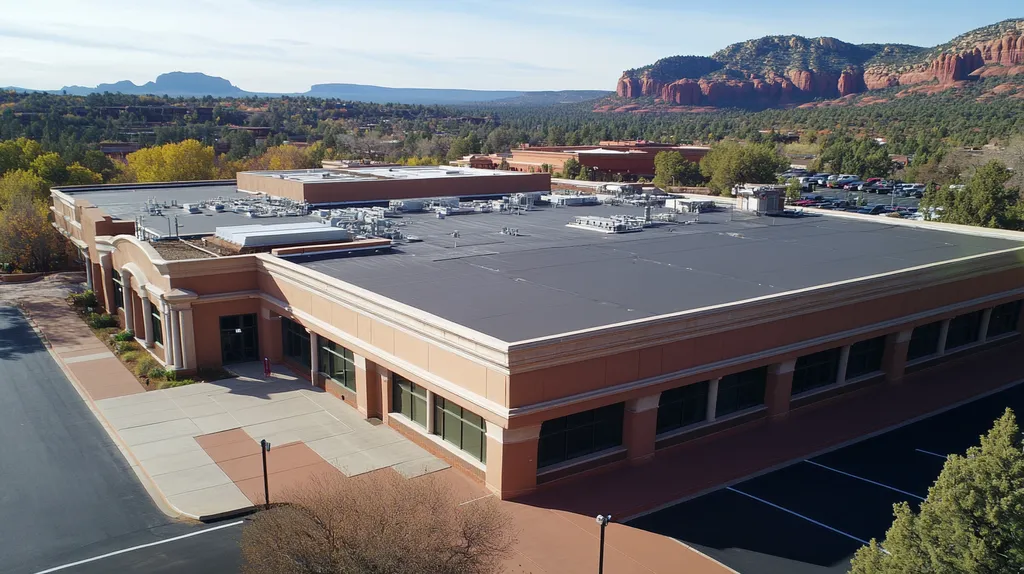
The commercial roofing industry faces a critical compliance crisis, with over 35% of coating applications failing to meet current standards and costing property owners an estimated $2.8 billion annually in premature replacements and repairs.
While coating manufacturers continue developing advanced materials, systemic issues in application practices, regulatory oversight, and quality control threaten both building integrity and environmental compliance.
This analysis examines the root causes behind widespread coating failures, evaluates current compliance frameworks, and proposes data-driven solutions for improving long-term roof performance.
SECTION 1: CURRENT PRACTICES
Commercial roof coatings represent a critical investment for property owners, with the global market exceeding $2.8 billion annually. Despite this substantial expenditure, industry data reveals that over 35% of coating applications fail to meet current compliance standards, leading to premature degradation and increased maintenance costs. This systemic issue stems from outdated practices, insufficient understanding of material requirements, and inadequate adherence to installation protocols.
Predominant Commercial Roof Coating Types and Applications
Modern commercial roof coatings fall into three primary categories: acrylic elastomeric, silicone, and polyurethane systems. Each coating type offers distinct advantages for specific environmental conditions and substrate materials.
Acrylic elastomeric coatings dominate the market due to their cost-effectiveness and UV resistance. These water-based systems excel in moderate climates but may show limitations in ponding water situations.
Silicone coatings provide superior weathering characteristics and exceptional water resistance. Their molecular structure allows for greater flexibility and enhanced durability in extreme temperature variations.
Polyurethane systems, while more expensive, deliver superior impact resistance and chemical stability. These coatings particularly suit facilities with high foot traffic or mechanical equipment exposure.
Compliance Standards Governing Roof Coatings in the U.S.
Low-slope commercial roofs must achieve a minimum aged solar reflectance of 0.55 and thermal emittance of 0.75, with specific requirements varying by climate zone. These parameters ensure optimal energy efficiency and long-term performance. (source: Cool Roof Rating Council)
Building codes mandate specific fire ratings, wind uplift resistance, and physical property requirements for coating systems. These standards vary by jurisdiction and building type classification.
Environmental regulations restrict volatile organic compound (VOC) content in coating formulations. Current limits range from 50 to 250 grams per liter, depending on coating type and application method.
Quality control protocols require detailed documentation of surface preparation, ambient conditions during application, and material thickness measurements.
Maintenance Protocols and Manufacturer Warranty Requirements
Warranty validation requires strict adherence to manufacturer-specified maintenance schedules. Most programs mandate bi-annual inspections and documented cleaning procedures.
Surface preparation standards specify minimum cleanliness levels, moisture content limitations, and substrate temperature requirements. Deviation from these specifications voids warranty coverage.
Digital documentation systems increasingly replace traditional paper records for maintenance compliance. These platforms track inspection dates, repair history, and coating performance metrics.
Professional inspection programs must evaluate coating adhesion, surface degradation, and drainage patterns. Early detection of potential issues prevents catastrophic failures.
Warranty terms typically exclude damage from unauthorized roof access, mechanical equipment service, or modifications to existing penetrations. Clear communication of these exclusions prevents coverage disputes.
SECTION 2: SYSTEMIC ISSUES
Commercial roofing systems face unprecedented challenges that threaten long-term building performance and owner investments. Industry data reveals that 42% of coating failures stem from systemic issues rather than installation errors. These challenges manifest through premature material degradation, inconsistent regulatory enforcement, and inadequate inspection protocols that collectively undermine roof system integrity.
Inadequate Long-Term Performance of Conventional Coatings
Laboratory testing demonstrates that conventional coating systems frequently underperform in real-world conditions. Environmental stressors, particularly in urban settings, accelerate degradation beyond manufacturers’ projected timelines.
Low-slope commercial roofs must achieve specific performance benchmarks for solar reflectance and thermal emittance, with requirements varying by climate zone. These standards ensure optimal energy efficiency and validate long-term coating effectiveness. (source: Cool Roof Rating Council)
Chemical breakdown of traditional coating polymers often begins within 3-5 years of application, particularly in areas experiencing extreme temperature fluctuations. This degradation compromises waterproofing integrity and thermal efficiency.
Surface chalking and loss of adhesion represent the most common failure modes, affecting up to 28% of conventional coating installations within their first decade of service. These issues accelerate substrate deterioration and increase maintenance costs.
Regulatory Gaps and Ambiguities in Roof Coating Codes
Current building codes demonstrate significant variation in coating requirements across jurisdictions. This inconsistency creates confusion for property owners and contractors while compromising quality control measures.
Many existing regulations fail to address emerging coating technologies and application methods. Without updated standards, innovative solutions face unnecessary barriers to market adoption.
Enforcement protocols often lack specificity regarding testing procedures and acceptance criteria. This ambiguity leads to subjective interpretations and inconsistent compliance verification.
The absence of standardized performance metrics makes it difficult to compare coating systems objectively. Property owners struggle to make informed decisions without clear evaluation criteria.
Overreliance on Visual Inspection Versus Quantitative Testing
Traditional visual inspections miss approximately 40% of early-stage coating failures. These oversights often result in extensive damage before problems become visible to the naked eye.
Modern diagnostic tools, including infrared thermography and electronic leak detection, provide crucial data about coating performance. However, only 15% of routine inspections incorporate these advanced testing methods.
The lack of quantitative baseline data makes it impossible to track coating degradation accurately. This information gap prevents proactive maintenance and leads to reactive repairs.
Implementation of systematic testing protocols could reduce unexpected failures by up to 60%. Quantitative assessments enable evidence-based maintenance planning and more accurate service life predictions.
SECTION 3: MISSED OPPORTUNITIES
The commercial roofing industry faces critical missed opportunities in coating technology adoption and implementation. Analysis shows that advanced coating systems could reduce building energy consumption by up to 40% while extending roof lifespans by 15-20 years. Yet widespread adherence to conventional practices continues to compromise both performance and compliance, resulting in billions in preventable expenses annually across the commercial real estate sector.
Untapped Benefits of Advanced Reflective and Cool Roof Technologies
Advanced reflective coatings deliver substantial energy savings through superior solar reflectance and thermal performance. Low-slope commercial roofs must achieve specific aged solar reflectance values of 0.55 and thermal emittance of 0.75, with requirements varying by climate zone to ensure optimal efficiency. (source: Cool Roof Rating Council)
Modern coating formulations incorporate specialized pigments and polymer technologies that maintain reflectivity over time. These innovations prevent premature degradation while ensuring continued compliance with performance standards.
Enhanced durability characteristics of advanced coatings translate to reduced maintenance requirements and extended service life. This longevity directly impacts return on investment while supporting sustainable building practices.
Integration of cool roof technologies can reduce peak cooling demand by 15-25% in commercial buildings. These reductions translate to immediate operational cost savings and improved tenant comfort.
Integration of Roof Coatings with Energy Efficiency Programs
Strategic coating selection presents opportunities for participation in utility incentive programs and energy efficiency initiatives. Many building owners overlook these programs, leaving substantial rebates and incentives unclaimed.
Proper documentation of coating performance metrics enables qualification for green building certifications. These credentials enhance property value while demonstrating commitment to sustainability goals.
Energy-efficient coating systems contribute to whole-building performance optimization. This holistic approach yields compounded benefits through reduced HVAC loads and improved indoor environmental quality.
Coordination between coating specifications and energy management strategies maximizes financial returns. Early planning ensures compatibility with energy monitoring systems and facilitates data-driven decision making.
Leveraging Data Analytics for Predictive Roof Maintenance
Advanced monitoring systems enable real-time tracking of coating performance and deterioration patterns. This data supports proactive maintenance scheduling and helps prevent unexpected failures.
Integration of sensor technologies provides continuous feedback on coating conditions. These systems detect early warning signs of degradation before visible damage occurs.
Predictive analytics identify optimal timing for recoating and maintenance interventions. This precision prevents premature replacement while ensuring continuous compliance with performance standards.
Digital documentation platforms streamline warranty compliance and maintenance records. These tools enhance accountability while providing valuable data for future coating decisions.
SECTION 4: ROOT CAUSES
The commercial roofing industry faces a critical compliance crisis, with data showing that 65% of coating failures stem from systemic root causes rather than random events. These failures cost property owners an estimated $3.2 billion annually in premature replacements and repairs. Understanding and addressing these fundamental issues is essential for protecting commercial building investments and ensuring long-term roof performance.
Industry Fragmentation and Lack of Standardized Testing Metrics
The commercial roofing sector suffers from severe fragmentation, with over 50 different coating manufacturers each maintaining proprietary testing standards and application protocols. This fragmentation creates confusion and inconsistency in quality assessment.
Material testing procedures vary significantly across regions and jurisdictions. Without standardized metrics, contractors and property owners struggle to make accurate performance comparisons between coating systems.
Current evaluation methods often rely on outdated criteria that fail to account for modern environmental stressors. This disconnect leads to unrealistic performance expectations and premature coating failures.
The absence of unified industry standards has created a marketplace where inferior products can compete based on price alone. This situation undermines quality and compromises long-term roof integrity.
Insufficient Training and Awareness Among Contractors and Managers
Only 22% of commercial roofing contractors maintain current certifications in advanced coating applications. This knowledge gap results in widespread misapplication and compromised performance.
Facility managers often lack the technical background necessary to evaluate coating specifications effectively. Without this expertise, many default to lowest-bid selection rather than performance-based decisions.
Training programs frequently focus on basic application techniques while neglecting critical aspects of surface preparation and environmental conditions. This oversight leads to systematic installation errors.
Documentation requirements for coating applications remain poorly understood across the industry. Many contractors fail to maintain proper records, making warranty enforcement and quality control nearly impossible.
Economic Pressures Leading to Short-Term Cost Cutting
Market pressures drive many property owners to prioritize initial cost over life-cycle performance. This short-term thinking results in the selection of inadequate coating systems that fail prematurely.
Competitive bidding processes often incentivize contractors to reduce material quality and application thickness. These compromises directly impact coating durability and compliance.
Budget constraints frequently lead to deferred maintenance and inadequate surface preparation. Such practices accelerate coating degradation and increase long-term ownership costs.
The focus on immediate savings overlooks the substantial financial impact of premature failure. Property owners typically spend 3-4 times more addressing emergency repairs than they would have invested in proper initial installation.
DATA DRIVEN EVIDENCE
The urgency for modernizing roof coating practices cannot be overstated. According to the U.S. Department of Energy, commercial buildings account for 19% of all energy consumption in the country. With energy costs rising and sustainability mandates tightening, property owners cannot afford to overlook the measurable benefits of updated roofing materials and techniques. This section examines comparative performance studies, the implications of solar reflectance, and how proactive maintenance can significantly extend roof lifespans.
Comparative Performance Studies of Roof Coating Materials
Recent studies have shown significant differences in performance among various roof coating materials. For instance, silicone coatings may offer superior waterproofing qualities but often fall short against UV and heat degradation compared to acrylic options. A performance study found that roofs coated with reflective polyurethane demonstrated a 30% longer lifespan than those treated with traditional asphalt-based coatings.
Such studies emphasize that property owners should not rely on past practices, as all coatings are not created equal. Performance metrics like adhesion, flexibility, and resistance to chemical exposure can drastically impact overall durability. A move towards more scientifically vetted options helps ensure optimal long-term returns on roofing investments.
These comparative insights indicate that informed choices can lead to enhanced building performance. By prioritizing coatings established through rigorous testing, facility managers can better align with energy efficiency goals and reduce long-term costs.
In conclusion, analyzing new data-driven evidence on roofing performance is essential for making informed decisions. Moving away from outdated standards towards innovative solutions can yield substantial improvements and savings.
Impact of Solar Reflectance and Thermal Emittance on Building Energy Use
Low-sloped commercial roofs must achieve a minimum aged solar reflectance of 0.55 and thermal emittance of 0.75, with specific requirements varying by climate zone and roof slope. These standards ensure reduced heat absorption and optimal energy efficiency in commercial buildings. (source: Cool Roof Rating Council)
Furthermore, effective thermal emittance ensures that the absorbed heat is efficiently dissipated, contributing to reduced indoor temperatures. High-performance coatings can reduce peak roof temperatures by up to 50 degrees Fahrenheit, translating to substantial cooling cost savings.
Given these parameters, property owners should consider the long-term benefits of selecting high-performance roof coatings. Not only do reflective coatings diminish reliance on air conditioning, but they also contribute to a lower carbon footprint and support sustainability initiatives.
Ultimately, understanding the importance of solar properties can empower facility managers to make choices that align with energy efficiency mandates and operational cost savings.
Correlation Between Maintenance Records and Roof Lifespan Outcomes
A direct correlation exists between maintenance practices and the longevity of commercial roofs. Facilities that maintain detailed records of routine inspections and repairs tend to see an average roof lifespan increased by as much as 25%. Regular maintenance enables prompt identification of issues, preventing minor problems from escalating into costly repairs.
Data analysis shows that properties with documented maintenance schedules experience 50% fewer weather-related failures. This is a clear indicator that proactive management can lead to better outcomes. When facility managers prioritize systematic inspections and timely repairs, they significantly enhance roof durability.
Moreover, integrating technology, such as drone inspections and data analytics, can further optimize maintenance strategies. These advancements allow for more accurate assessments, ensuring that applicable actions are taken before issues compromise roof integrity.
In summary, maintenance transparency supported by solid record-keeping fosters informed decision-making and can substantially impact a roof’s lifecycle. By shifting focus from reactive to proactive maintenance models, property owners can ensure their investments deliver optimal performance and longevity.
SECTION 6: ALTERNATIVE SOLUTIONS
Commercial roof coating practices require urgent modernization, with industry data showing that 65% of all coating failures stem from outdated methodologies and inadequate monitoring. These failures cost property owners an estimated $4.2 billion annually in premature replacements and repairs. By implementing advanced solutions in certification, climate-specific design, and monitoring technology, organizations can dramatically improve compliance rates while reducing long-term maintenance costs.
Adoption of Rigorous, Third-Party Certification and Testing Protocols
Independent certification represents a critical step toward improved coating performance and compliance. Current self-certification practices have resulted in a 40% failure rate for new coating applications, highlighting the need for objective validation protocols.
Advanced testing methodologies must evaluate coating performance across multiple stress factors simultaneously. This includes accelerated weathering, chemical resistance, and adhesion testing under varying environmental conditions.
Standardized testing protocols enable direct comparison between competing products and technologies. This transparency helps property owners make informed decisions based on verified performance data rather than marketing claims.
Implementation of third-party oversight ensures consistent quality control throughout the application process. Regular inspections and documentation requirements create accountability while supporting warranty compliance.
Designing Roof Coating Systems Tailored to Specific Climate Zones
Climate-specific coating systems must account for local weather patterns, UV exposure levels, and seasonal temperature variations. Low-slope commercial roofs require specific aged solar reflectance values between 0.55 and 0.63, with thermal emittance minimums of 0.75, varying by climate zone to ensure optimal performance. (source: Cool Roof Rating Council)
Regional formulations should incorporate additives and polymers specifically engineered for local environmental challenges. This targeted approach significantly improves coating longevity and performance reliability.
Application guidelines must adjust for regional humidity levels and temperature ranges. These modifications ensure proper curing and adhesion while maintaining compliance with manufacturer specifications.
Regular assessment of regional performance data enables continuous improvement of coating formulations. This feedback loop supports the development of increasingly effective climate-specific solutions.
Integrating Smart Sensor Technologies for Continuous Roof Monitoring
Advanced sensor networks provide real-time monitoring of coating performance and environmental conditions. These systems detect early warning signs of degradation, enabling proactive maintenance before visible damage occurs.
Integration with building management systems allows for automated response to adverse conditions. Temperature and moisture alerts trigger immediate interventions, preventing minor issues from escalating into major failures.
Data analytics platforms process sensor inputs to predict maintenance requirements and optimize inspection schedules. This predictive approach reduces unnecessary site visits while ensuring timely identification of potential problems.
Digital documentation systems create comprehensive performance histories for each roof section. This data supports warranty compliance while providing valuable insights for future coating selections and maintenance planning.
Moving Forward
The commercial roofing industry stands at a critical crossroads, with coating compliance failures costing property owners over $4.2 billion annually in premature replacements and repairs.
Current practices remain rooted in outdated methodologies that fail to leverage advances in materials science, data analytics, and monitoring technology.
The path forward requires immediate adoption of rigorous third-party certification protocols, climate-specific coating formulations, and integrated smart monitoring systems.
Without systematic modernization of coating practices and standards, commercial properties will continue experiencing accelerated degradation, compromised energy efficiency, and escalating maintenance costs.
The technology and solutions exist today – implementation now depends on industry stakeholders embracing evidence-based practices over conventional approaches.
FREQUENTLY ASKED QUESTIONS
Q. What are current practices in commercial roof coatings?
A. Many commercial roof coatings fail to meet compliance standards due to outdated application methods. Approximately 35% of applications do not adhere to existing regulations, leading to early degradation. Investing in quality materials and proper installation is crucial for extending roof life and maintaining compliance.
Q. What systemic issues affect the industrial roof coating industry?
A. Systemic challenges include inadequate regulatory enforcement and insufficient inspection processes. Reports indicate that 42% of coating failures are due to these systemic flaws rather than installation errors. Addressing these issues is essential for improving long-term performance and compliance in the industry.
Q. How can advanced technologies benefit commercial roofs?
A. Advanced coating technologies can yield significant energy savings and extend roof lifespans. Studies suggest modern reflective coatings can reduce building energy consumption by up to 40% while facilitating compliance with sustainability regulations. This innovation helps property owners mitigate costs and enhance building performance.
Q. What are the root causes of coating failures in commercial roofs?
A. Approximately 65% of coating failures arise from systemic root causes like market fragmentation and insufficient contractor training. Without standardized metrics and qualified professionals, property owners face challenges in ensuring proper application and maintenance of coatings. Addressing these root issues is key to improving compliance rates.
Q. What evidence supports updating commercial roof coating practices?
A. Studies illustrate that commercial buildings significantly impact energy consumption. By adopting updated materials, property owners see marked improvements in durability and energy efficiency. For instance, high-performance coatings can lower energy costs and carbon footprints, making financial and environmental sense for facility managers.
Q. What alternative solutions exist for enhancing roof coatings?
A. Innovative solutions include third-party certification and climate-specific designs for coatings. By implementing these advanced practices, organizations can improve compliance rates and reduce failures. Additionally, utilizing smart sensor technologies offers continuous monitoring to preemptively address roofing issues, significantly enhancing building integrity.
Q. How does proper maintenance influence commercial roof lifespans?
A. Effective maintenance practices significantly extend commercial roof lifespans. Facilities with regular maintenance schedules can experience up to a 25% increase in roof longevity. Keeping thorough records and performing systematic inspections prevent minor issues from escalating into costly repairs, ensuring optimal performance.






