
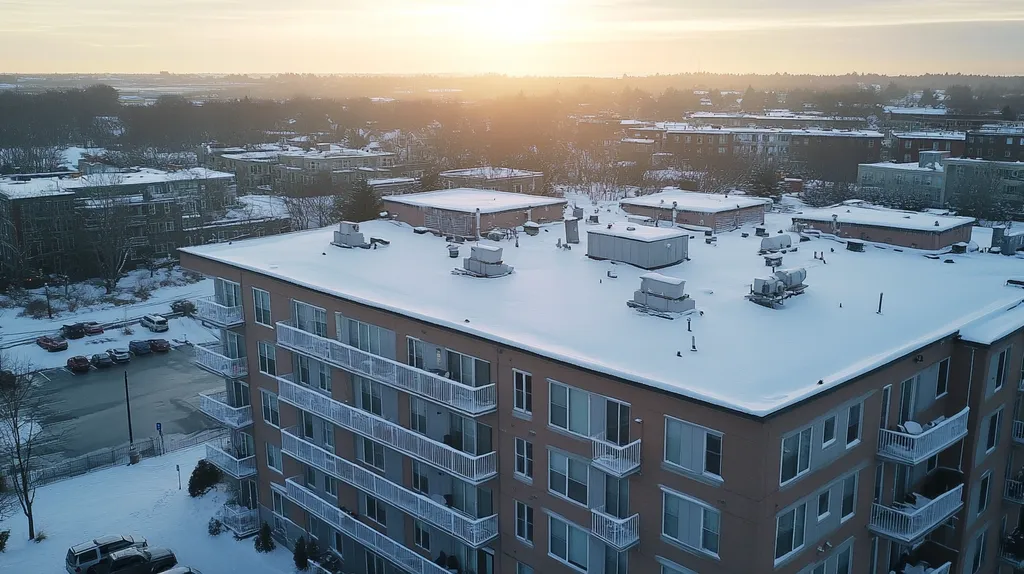
In commercial roofing, getting an occupied building project wrong can cost facility owners up to 40% more in repairs and trigger devastating disruptions to business operations. With tenant safety, business continuity, and structural integrity all hanging in the balance, understanding proper occupied roof management is crucial.
From coordinating installation schedules around peak business hours to protecting sensitive equipment, occupied roof projects demand specialized knowledge and careful planning.
This comprehensive guide breaks down the essential components of successful occupied roof installations, equipping property owners and facility managers with actionable insights for seamless project execution.
SECTION 1: THE BASICS EXPLAINED
When it comes to commercial roofing, occupied roof projects carry unique challenges that can’t be overlooked. With studies indicating that faulty installations can lead to hefty maintenance costs and unhappy tenants, property managers must make informed decisions. Grasping the basics of occupied roofs not only safeguards investments but also prioritizes tenant safety and operational continuity. This section will break down what occupied roof projects entail, why they matter, and the nitty-gritty of how they are effectively managed.
What It Is (In Plain Language)
Occupied roof projects encompass roofing work on buildings that are actively in use—think bustling offices, busy warehouses, and vibrant retail spaces. Unlike standard roofing jobs, these projects require careful navigation around the daily operations happening below.
To make it all work, there’s a constant collaboration between installation workers and facility managers. This teamwork is essential for minimizing disruptions, allowing tenants to continue their activities without a hitch. Techniques like staging materials ahead of time and timing work for off-peak hours are key strategies for success.
Moreover, it’s not just the roof undergoing change. Existing infrastructure like HVAC systems, ventilation units, and solar panels must also be safeguarded during the process, further complicating the project landscape.
Recognizing the complexities of occupied roof projects enables property owners to appreciate the nuances involved and underscores the need for selecting qualified professionals who can ensure both safety and high-quality results.
Why It Matters (To Your Building)
Occupied roof projects wield significant influence over a building’s overall health and longevity. A well-maintained roof plays a crucial role in energy efficiency, effective water management, and tenant comfort. A newly installed roof can contribute to lower energy bills and prevent damaging leaks that jeopardize valuable assets.
When these projects are executed smoothly, they significantly reduce the risk of workplace interruptions. On the flip side, sloppy roofing can lead to accidents or financial setbacks that can shake any business’s bottom line. Numerous surveys indicate that tenant satisfaction is closely linked to the quality of building conditions, roofing included.
Moreover, addressing roofing issues promptly can head off major structural dilemmas down the line. A proactive mindset not only extends the roof’s lifespan but also minimizes the overall cost of ownership.
In short, understanding the significance of occupied roof projects is an essential part of efficient facility management. It equips property owners to make sound, data-driven choices that benefit both their investments and the well-being of tenants.
How It Works
Occupied roof projects unfold through a structured process with an emphasis on safety and efficiency. Initially, comprehensive inspections are conducted to spot any existing issues and assess the potential risks of ongoing activities below.
Next, planning sessions with facility managers set the groundwork for the entire project. This phase includes scheduling, establishing safety protocols, and crafting communication plans to ensure coordination throughout the process.
During installation, specialized equipment is employed to minimize noise and vibrations, which protects tenants from disturbances and safeguards sensitive operations within the building.
Continuous progress checks are vital to ensure that work stays on track with timelines and quality benchmarks. These assessments allow for rapid adjustments to tackle any challenges posed by the occupied environment.
Finally, a comprehensive inspection confirms the durability of the installation and assures compliance with all safety regulations. Maintaining clear communication with building occupants throughout the process fosters transparency and builds trust—two key ingredients for solid relationships.
SECTION 2: PRACTICAL APPLICATIONS
The stakes in occupied commercial roof projects can be sky-high; damage to the roof can lead to significant financial loss and safety hazards for both tenants and businesses. Did you know that 40% of roof failures occur due to improper installation and maintenance? Understanding the common uses, ideal scenarios, and interactions with other systems can significantly boost the success rates of these projects. This section delves into practical applications that are essential for property owners and facility managers aiming to make informed, strategic decisions.
Common Uses & Examples
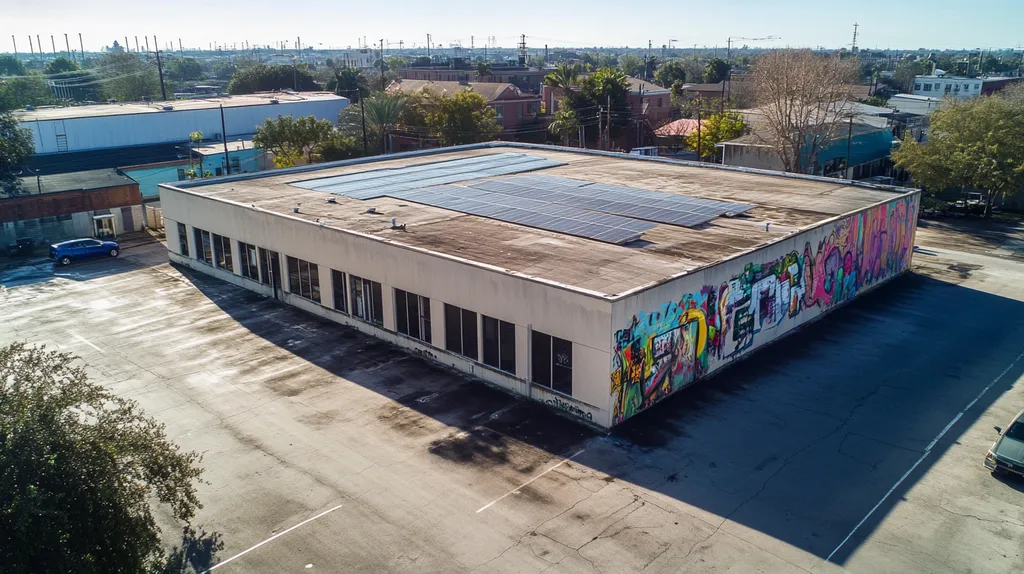
Occupied roofs do far more than simply shield buildings from the elements. They can support critical systems like HVAC units, solar panels, and even green roofing systems. Imagine a rooftop equipped with solar panels that generate energy, offsetting operational costs while contributing to a greener planet.
Another valuable use for occupied roofs is providing maintenance access to vital building systems. Thoughtfully designed walkways keep foot traffic from damaging roofing materials while ensuring that services run smoothly. Some owners go even further by creating rooftop gardens, which not only promote environmental benefits but also elevate the aesthetics of the building.
These applications highlight the multifunctional nature of occupied roofs, making careful installation vital to avoid downtime and safety hazards. Engaging experienced roofing professionals ensures that these systems integrate seamlessly, maximizing the utility of every inch of the roof.
When You Need It Most
Occupied roof projects are especially crucial during facility expansions or renovations. As businesses grow, their demands for space and infrastructure evolve. Upgrading the roof might become essential to support new systems or improve energy efficiency.
Certain seasons also call for extra vigilance, particularly in areas susceptible to heavy snow or rain. Being proactive can mitigate risks associated with leaks and structural damage. Scheduling such projects during off-peak hours can significantly minimize disruptions for tenants.
In some industries, specific regulations may necessitate tailored roofing solutions, especially for facilities dealing with sensitive materials. Extra insulation or specialized coatings might be required to ensure compliance. Understanding the timing and urgency of these projects empowers owners to make informed decisions that enhance safety and compliance.
Interactions With Other Systems
An efficiently designed roof interacts closely with various building systems, including HVAC, plumbing, and electrical setups. Misalignment between these systems can lead to significant challenges, including costly repairs and unsafe conditions. For instance, placing an HVAC unit incorrectly can obstruct drainage pathways, resulting in water accumulation and roof damage.
Additionally, sealing penetration points for ducts and vents is essential to prevent leaks and air quality issues. Property owners must ensure that both design and retrofit projects account for the overall system performance. Regular collaboration between roofers, engineers, and facilities managers ensures optimal functionality.
Ultimately, a comprehensive understanding of these interactions enhances overall performance. A collaborative approach ensures that the roof fulfills its intended purposes while safely coexisting with other building systems, driving successful business operations for years to come.
SECTION 3: KEY TERMINOLOGY DECODED
When diving into occupied commercial roof projects, it’s vital to grasp the terminology that shapes every conversation and decision. Misunderstandings can lead to costly delays or even safety issues, turning planned upgrades into headaches. Terms like “load-bearing” and “membrane” are not just buzzwords; they have real implications for how roofs function and how they are maintained. This section illuminates essential terms, enhancing collaboration among property owners, facility managers, and roofing experts for seamless project execution.
Essential Terms Explained
In the roofing world, every term has significance that can impact project success. For example, “load-bearing” elements are those parts of the roof capable of supporting substantial weight, crucial when positioning heavy equipment like HVAC systems. Then there’s “membrane,” which represents the waterproof layer acting as a protective shield against the elements. Don’t forget about “flashing”—these critical pieces are installed to guide water away from potential leak points. Misunderstanding these terms could lead to improperly executed installations that compromise the building’s structural integrity.
Industry Jargon Translated
Navigating roofing terminology can be daunting, especially for those new to the field. Consider “thermal expansion”—this term refers to how roofing materials expand and contract with temperature changes, potentially leading to buckling if ignored. Another key phrase is “drainage system,” a fundamental component needed to prevent standing water, which can lead to premature roof degradation. Clarity on these concepts empowers property owners and managers to effectively oversee their projects, ensuring smooth sailing from start to finish.
Measurement & Units Simplified
Measurements and units are the backbone of roof assessments and installations. In roofing, one “square” signifies an area of 100 square feet, a standard metric used when estimating material quantities. The term “pitched roof” refers to roofs with a slope, influencing both water flow and the overall strength of the structure. Additionally, metrics like R-value, which measures insulation effectiveness, are vital for achieving energy efficiency. By simplifying these measurement concepts, property owners gain essential insights into the technical aspects tied to their roofing projects.
SECTION 4: DECISION FACTORS
Embarking on an occupied roof project involves navigating a maze of decision factors that are crucial to ensuring safety, efficiency, and the longevity of your roofing system. A study revealed that poor planning could inflate costs and prolong downtime, making it essential for property owners to consider cost implications, performance trade-offs, and durability factors. Each element plays a pivotal role in shaping the success of the roofing project.
Cost Considerations
Cost is a heavyweight contender in the ring of commercial roofing decisions, especially in occupied environments. Property owners need to keep a sharp eye on both direct and indirect expenses. Direct costs include materials and labor, while indirect costs can stem from potential disruptions to ongoing business activities.
The selection of roofing materials can significantly affect budgeting. For example, while a single-ply membrane may appear budget-friendly at first glance, it could lead to more frequent repairs down the line compared to a built-up roof that may be pricier upfront but offers long-term savings through increased durability.
Timing is another cost influencer. Choosing to coordinate installations during off-peak hours might come with higher labor expenses, yet it minimizes disruptions and shields you from extra costs related to lost productivity.
Exploring financing options or municipal incentives could also be beneficial in managing costs effectively. Smart financial planning is your safety net against unexpected expenses that could jeopardize the project.
Performance Trade-offs
Performance trade-offs are essential to consider when selecting roofing systems in occupied settings. Different materials bring diverse benefits such as insulation, reflectivity, and weather resistance, all of which play significant roles in the building’s overall energy efficiency.
Take reflective roof coatings, for instance. They can optimize energy performance, but might compromise short-term durability. Property managers need to assess these trade-offs carefully, weighing options against their unique climate and operational demands to achieve the best possible performance.
The chosen installation method can also create performance variations. Systems designed for minimal disruptions might forfeit some long-term benefits in exchange for a speedy setup. Striking the right balance between immediate performance needs and long-term outcomes is crucial for a sustainable roofing solution.
Thoroughly evaluating each option not only leads to informed choices but also ensures that your roofing strategy aligns seamlessly with your facility’s overall management goals.
Lifespan & Durability Factors
Lifespan and durability are the unsung heroes in the decision-making process for roofing options, especially in occupied spaces. The longevity of a roofing system directly influences ongoing maintenance costs and daily operations.
High-quality materials such as TPO or PVC membranes often outlast cheaper alternatives like tar-based systems. This longevity translates to fewer replacements and repairs over time, saving both money and hassle.
A roofing system’s ability to withstand weather extremes can also affect its lifespan. Regular maintenance, including inspections and timely repairs, plays a crucial part in extending that lifespan, ensuring operations remain uninterrupted and safe.
Ultimately, selecting a roofing system that balances initial installation costs with long-term durability is essential. A well-informed decision can not only lower the total cost of ownership but also foster peace of mind through fewer service disruptions.
SECTION 5: COMMON CHALLENGES
Occupied commercial roof projects come with a unique set of challenges that can impact both safety and workflow if not managed properly. Ignoring these challenges can result in severe safety hazards, stretching project timelines, and inflating budgets, all of which can hinder productivity and profit. To navigate these issues effectively, property owners and facility managers need to stay informed about prevalent problems, spot early warning signs, and adopt preventative measures. This section unpacks common challenges and offers practical solutions to keep projects running smoothly.
Frequent Problems & Solutions
One common headache during occupied roof projects is scheduling conflicts. Roofing work often creates noise and can disrupt the everyday rhythm of business activities, frustrating employees and management alike. To tackle this, effective communication is key. Schedule work during off-peak hours when possible to minimize disruptions and keep everyone happy.
Safety is another imperative concern; installations on occupied roofs must prioritize the well-being of both workers and tenants. Essential safety measures, such as installing protective barriers and ensuring workers wear appropriate gear like helmets and harnesses, must be implemented to mitigate risks.
Water leakage is a persistent issue that can lead to significant interior damage if left unaddressed. Regular inspections combined with high-quality waterproofing techniques can help identify and prevent leaks before they escalate into costly repairs.
Finally, the presence of rooftop equipment—such as HVAC systems or solar panels—can complicate installation work. Careful planning and coordination with existing equipment maintenance schedules can streamline processes and ensure smoother project executions.
Warning Signs To Watch For
Staying vigilant for early warning signs can help avoid major problems down the line. One indicator to be on the lookout for is unusual employee complaints, whether about increased noise levels or safety concerns. Addressing these concerns promptly can prevent small issues from transforming into significant disruptions.
Visible wear and tear, such as cracks or blisters on the roof surface, should not go unnoticed. Regular inspections help catch these red flags before they require extensive repairs, saving both time and money.
Pooling water on the roof is another concerning sign, hinting at improper drainage that could introduce leaks or even structural damage. Routine monitoring of drainage systems is crucial to maintain roof integrity.
Lastly, chronic maintenance issues with rooftop equipment might slow down ongoing roofing projects. Keeping consistent maintenance logs helps managers identify equipment-related challenges before they interfere with other operations.
Preventative Approaches
Implementing preventative measures can significantly reduce the likelihood of encountering common challenges. Regular roof inspections are essential; establishing a routine for these check-ups ensures that issues are detected early and dealt with promptly.
Training staff on safety protocols is equally vital. Conducting training sessions on proper equipment usage and emergency procedures fosters a safer work environment for everyone involved.
Moreover, cultivating strong communication lines with contractors enhances project collaboration. Regular updates and joint meetings can facilitate a proactive approach to address emerging problems swiftly.
Lastly, investing in high-quality materials during installations can help avoid long-term headaches. Although the upfront costs may be higher, well-made roofing systems often reduce maintenance needs and extend lifespan, ultimately saving money in the long run.
SECTION 6: NEXT STEPS & RESOURCES
For commercial property owners and facility managers eyeing occupied roof projects, knowing the next steps is crucial. Asking the right questions is not just good practice; it can prevent significant delays, safety hazards, and budget overruns. Prior to embarking on a project, decision-makers should arm themselves with relevant information to guide their choices and ensure successful outcomes.
Questions To Ask Providers
Before committing to a roofing contractor, property owners should ask pointed questions. Begin by inquiring about the contractor’s experience with occupied roof projects. Request examples of past successes and challenges faced. A reputable provider will be open about their methods for keeping operations running smoothly during installation.
Next, ask how they manage potential safety hazards and disruptions. Understanding their strategies for noise control and debris management can help keep the work environment safe for everyone inside. It’s also essential to ask for an outline of the project timeline, highlighting any critical milestones that might impact tenants.
Be sure to evaluate their understanding of local regulations and building codes. Adherence to these guidelines is vital for avoiding penalties and ensuring overall safety. By collecting this information, property owners can gauge the suitability of a roofing contractor.
Lastly, don’t hesitate to request references from former clients. Feedback from those who have previously worked with the provider can offer critical insights, helping to lower the risk of potential issues and set the stage for a successful project.
Industry Standards & Guidelines
Familiarity with industry standards and guidelines is vital for any roofing endeavor. Organizations like the National Roofing Contractors Association (NRCA) offer invaluable resources, including best practices for installation and safety to ensure projects meet essential quality benchmarks.
Understanding OSHA regulations is also crucial. Compliance not only protects workers but also shields property owners from liability. Following these guidelines can lead to efficient project execution, minimizing complications along the way.
Additionally, tapping into existing industry research provides insights into current trends and innovations. Staying informed about advancements in roofing materials and technologies can significantly enhance durability and performance, ultimately protecting your investment.
Finally, property owners should keep an eye on evolving standards in the roofing sector. Staying proactive about regulatory changes can enhance overall project success and ensure compliance throughout every stage of the project lifecycle.
Further Learning Simplified
Continuous learning is essential for navigating occupied roof projects with ease. Numerous online resources and webinars focus on roofing best practices. Many industry associations also host workshops and events focused on relevant topics in roofing.
Furthermore, subscribing to roofing magazines and journals can keep property owners up-to-date on innovations and case studies that showcase effective project strategies. These publications frequently highlight common pitfalls and success stories, serving as effective educational tools.
Networking with peers can additionally facilitate the sharing of knowledge. Joining industry forums and local chapters can connect property owners with experienced professionals who have tackled similar roofing projects.
Lastly, utilizing reputable websites and blogs ensures access to the latest information. The insights gained from these resources can significantly shape decision-making processes and positively impact project outcomes.
The Bottom Line
With occupied roof projects accounting for over 60% of commercial roofing installations, the stakes couldn’t be higher for property owners and facility managers.
Success hinges on understanding key concepts, from scheduling logistics to safety protocols, while keeping daily operations running smoothly.
Proper planning and communication remain crucial, as studies show that preventable errors in occupied roof projects can increase total costs by up to 40% and extend completion timelines by weeks.
By leveraging industry standards, selecting qualified contractors, and implementing preventative maintenance, property owners can ensure their occupied roof projects deliver lasting value while protecting tenant safety and business continuity.
The future of commercial roofing depends on getting these critical details right – there’s simply too much at stake to leave anything to chance.
FREQUENTLY ASKED QUESTIONS
Q. What are occupied roof projects in commercial roofing?
A. Occupied roof projects involve roofing work on buildings that are actively used. This requires careful coordination to ensure ongoing activities are minimally disrupted, with collaboration between roofing teams and facility managers essential for success.
Q. What practical applications exist for industrial roofs?
A. Industrial roofs can support HVAC units, solar panels, and even rooftop gardens. These multifunctional elements can enhance energy efficiency and provide aesthetic or operational advantages, making proper installation critical to avoid safety hazards.
Q. What key terminology should I know about commercial roofs?
A. Terms like “load-bearing,” “membrane,” and “flashing” are crucial in roofing conversations. Understanding these terms helps ensure success in installations and avoids potential safety and maintenance issues due to miscommunication.
Q. What important decision factors affect commercial roof projects?
A. Cost, performance trade-offs, and durability are critical factors to consider. Each decision shapes the outcome of a roofing project and can impact both timing and safety, making thorough evaluation essential to success.
Q. What common challenges arise in occupied commercial roof installations?
A. Scheduling conflicts, safety concerns, and water leakage are frequent challenges. Addressing these issues with effective communication and high-quality materials can mitigate risks and ensure smoother project execution.
Q. What next steps should I take for my commercial roof project?
A. Start by asking contractors about their experience, safety precautions, and project timelines. Familiarizing yourself with industry standards will empower your decision-making and yield a more successful roofing project.
Q. How can I ensure the safety of my commercial roof project?
A. Ensure safety by implementing protective measures such as barriers and proper worker gear. Regular inspections and maintaining clear communication with contractors also foster a safer work environment for everyone involved.






