

Weather monitoring during industrial roof applications can mean the difference between a 30-year roof and catastrophic failure within the first season. Industry data shows that over 40% of commercial roof failures stem directly from weather-related installation issues.
From temperature-sensitive adhesives to moisture-vulnerable materials, every component of a roofing system depends on proper atmospheric conditions during application. Modern weather monitoring technologies and protocols now allow facility managers to optimize installation timing and prevent costly failures.
This comprehensive guide explores the critical relationship between weather conditions and successful industrial roofing, covering everything from fundamental concepts to advanced optimization strategies that protect this crucial investment.
SECTION 1: FUNDAMENTAL CONCEPTS
The success and durability of industrial roofing systems depend heavily on weather conditions during installation. In fact, a staggering 30% of roofing failures can be traced back to overlooking weather-related factors. Recognizing how weather dynamics influence roofing systems is not merely a guideline; it is crucial for maintaining structural integrity and avoiding expensive repairs later on. This section delves into how various weather conditions affect roofs, the types of damage that can arise, and the vital importance of conducting regular inspections.
Understanding Weather Impact on Roofs
Weather conditions—such as temperature, humidity, and precipitation—are critical during roof applications. For instance, applying membranes in low temperatures may hinder adhesion and create potential leak points. Conversely, high humidity can trap moisture, which compromises roofing materials over time.
Extreme temperatures also impede the curing processes of adhesives and sealants. If the temperatures are too high or too low, these materials may not function as designed, leading to early failures. Therefore, keeping a close eye on weather forecasts is essential for achieving optimal roofing results.
Wind presents additional challenges during installations, especially for lightweight materials that might become dislodged. Implementing safety protocols in anticipation of high winds elevates the urgency of vigilant weather monitoring.
In summary, understanding the implications of weather on roofing materials is essential for ensuring a successful installation that can endure the elements.
Types of Weather-Related Damage
Various weather conditions can inflict different types of damage to roofing systems. Heavy rain can erode protective coatings or seep through weaknesses, leading to water damage and promoting mold growth inside buildings. Hailstorms can create punctures or cracks, jeopardizing the roof’s structural integrity.
Freezing temperatures can lead to ice dams that force water beneath roofing materials, making them more susceptible to future damage. Additionally, prolonged exposure to UV rays can weaken materials over time, making them brittle and shortening their lifespan.
Thermal expansion and contraction due to significant temperature shifts can also warp or crack materials. Understanding these potential weather-related damages reinforces the need for robust weather monitoring systems during installation.
By being aware of these potential risks, roofing professionals can make informed decisions and take preventive actions throughout the application process.
Importance of Regular Inspections
Regular roof inspections are essential for minimizing the risks associated with adverse weather conditions. It’s vital to schedule inspections before major weather events, such as storms or extreme temperature changes, enabling property owners to pinpoint vulnerabilities in their roofing systems.
These inspections provide critical insight into how environmental factors affect wear and tear. By addressing issues promptly, property owners can avoid costly repairs and extend their roofs’ lifespan. The U.S. Department of Energy suggests that routine inspections can potentially save property owners up to 25% on roof-related costs.
Furthermore, regular inspections ensure compliance with warranties and insurance policies, which often require ongoing maintenance. Neglecting timely inspections may complicate claims after weather-related damage occurs.
In conclusion, combining regular inspections with effective weather monitoring creates a proactive approach that enhances the durability and performance of industrial roofs.
SECTION 2: SYSTEM COMPONENTS
Weather monitoring is a critical component during industrial roof applications. Severe weather events can severely damage roofing materials, resulting in expensive repairs and lengthy downtime for businesses. In fact, the National Oceanic and Atmospheric Administration (NOAA) reports that hail alone accounts for approximately $1 billion in damages each year across the United States. By understanding the core components that contribute to weather resistance, property owners and facility managers can minimize risks and ensure a roof that stands the test of time.
Roofing Materials and Weather Resistance
The choice of roofing materials plays a pivotal role in a roof’s ability to withstand harsh weather conditions. Popular options such as TPO, EPDM, and modified bitumen each provide different levels of durability and weather resistance. For example, TPO roofs are designed to reflect harmful UV rays, which helps to reduce heat buildup and minimize thermal stress on the roofing system.
It’s also essential to assess materials based on their capability to endure moisture and temperature fluctuations. Coatings and sealants can boost resilience, especially in regions that experience heavy rainfall or high humidity. Selecting top-quality materials that comply with industry standards is vital for achieving long-lasting protection.
Property owners should also look for warranties that specifically cover weather-related issues, ensuring they have comprehensive protection. Understanding these elements empowers property owners to make informed decisions about roof selection and ongoing maintenance.
To maximize the performance of a roofing system, it’s essential to pair regular inspections with efficient weather monitoring technologies. This ensures timely action can be taken before severe weather hits.
Hail and Wind Protection Standards
Industrial roofs must adhere to stringent hail and wind protection standards to remain durable and functional. The Insurance Institute for Business & Home Safety (IBHS) states that roofs should be designed to withstand the maximum winds typical for their geographical area. Many roofing materials now come with wind ratings that help evaluate their suitability for various locations.
Hail resistance is equally important, particularly in areas frequently impacted by severe weather. Roofing materials are rigorously tested and rated for their ability to withstand hail impact, with Class 4 being the highest designation available. A roof with a Class 4 rating is better equipped to handle hailstones without sustaining significant damage.
Incorporating these protection standards into roofing choices can dramatically decrease potential damage and related insurance claims. Collaborating with knowledgeable roofing contractors ensures that building owners comply with these essential standards.
Ultimately, meeting these safety and durability requirements fosters trust among tenants and clients, demonstrating a strong commitment to the reliability and integrity of the building.
Photovoltaic System Integration
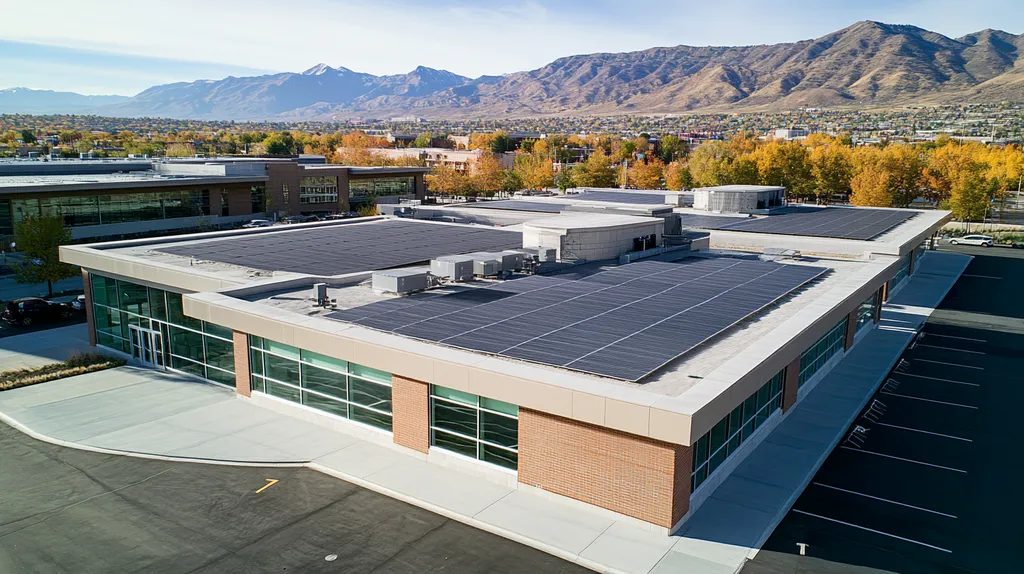
As the demand for renewable energy rises, incorporating photovoltaic (PV) systems into industrial roofs presents significant advantages. Solar panels not only provide energy savings but also offer an extra layer of protection to the roofing materials underneath. By minimizing exposure to weather elements, they help preserve the underlying structure.
However, careful planning is essential to maintain the roof’s integrity during integration. Proper installation and positioning of solar panels are crucial to prevent leaks or stress on the roofing materials.
Moreover, advanced weather monitoring systems become increasingly important when solar panels are involved. Changes in weather can impact energy production and may signal potential issues with the roof or the photovoltaic system itself.
Facilities overseeing both roof upkeep and energy generation can achieve better efficiency and cost-effectiveness. Therefore, ensuring compatibility and functionality between roofing systems and solar technology is key to maximizing the overall benefits.
SECTION 3: IMPLEMENTATION METHODS
Effective weather monitoring during roof installations is critical for preventing costly mistakes and ensuring long-lasting roofs. Shockingly, about 20% of commercial roofing systems fail prematurely due to weather-related issues, underscoring the urgent need for property owners and facility managers to implement targeted strategies to mitigate risks. This section will cover essential precautions for cool weather installations, the advantages of using thermal imaging for damage detection, and the importance of collaborating with experienced roofing professionals.
Cool Weather Installation Precautions
Cold weather can significantly hinder the performance of roofing materials, leading to severe issues down the line. For instance, asphalt shingles require specific temperatures to seal effectively, and failure to install them at the right temperature can result in leaks. Prior to installation, it’s essential to verify both surface and ambient temperatures to ensure optimal conditions.
Proper storage of materials also plays a vital role in performance. Keeping materials warm and dry enhances their effectiveness during installation. Using heated tarps or storing sensitive components indoors can prevent material degradation.
Moreover, roofing crews should adapt their application techniques to accommodate cooler conditions. This may involve slower application speeds and allowing for longer curing times to ensure quality. Consistently monitoring weather forecasts to choose the best installation windows is also crucial.
Effective site supervision is key, with a dedicated team member monitoring temperature conditions throughout the process. This vigilance allows for timely adjustments based on real-time data, dramatically reducing the risks associated with cool weather applications.
Thermal Imaging for Damage Detection
Utilizing thermal imaging technology is a game-changer for identifying roofing issues that may otherwise remain hidden. This innovative approach detects temperature variations in roofing materials, revealing potential moisture intrusion or insulation inadequacies. If left unchecked, these problems can compromise a roof’s structural integrity.
By employing thermal imaging, property managers can implement proactive measures, addressing concerns before they escalate into costly repairs. Regular scans can locate areas in need of immediate attention, extending the lifespan of the roof effectively.
Furthermore, thermal imaging assists in verifying proper installation practices. Ensuring that insulation is evenly distributed allows property managers to catch any installation mistakes early in the process. This cost-effective technique provides essential quality assurance, saving both time and money.
Incorporating thermal imaging into standard maintenance schedules enhances the overall health monitoring of roofing systems, providing visual documentation that supports budgeting and planning for future repairs.
Collaborating with Roofing Professionals
Engaging skilled roofing professionals can significantly elevate the quality and safety of any installation. Experienced contractors possess invaluable knowledge of weather patterns and installation techniques essential for success. Their insights enable tailored strategies that align with specific weather conditions.
Collaboration also fosters a well-organized approach to managing risks. Industry experts can recommend suitable materials and installation methods tailored to specific climates, thereby minimizing the likelihood of weather-related setbacks. Continuous communication throughout the installation process is vital for effective problem-solving.
Investing in professional oversight protects property owners from future costs. Roofing contracts can include services that prioritize monitoring weather conditions closely and making informed decisions based on forecasts. This proactive supervision acts as a vital safety measure during installations.
In today’s complex commercial roofing landscape, partnering with seasoned professionals is critical. Finding experts who focus on weather monitoring can be the key to achieving a durable and reliable roofing solution.
SECTION 4: MAINTENANCE REQUIREMENTS
Effective weather monitoring during industrial roof applications is crucial, yet the significance of regular maintenance is often underestimated. Alarmingly, 40% of roofing failures arise from insufficient upkeep. Without diligent inspections and timely repairs, property owners may face costly consequences down the line. This section highlights essential maintenance protocols, advanced inspection techniques, and the critical role of thorough documentation in preserving roof integrity.
Routine Inspection and Repair Protocols
Establishing a routine inspection protocol is vital for maintaining an industrial roof’s longevity. Inspections should occur at least biannually, ideally during spring and fall. By catching issues early—such as leaks or membrane deterioration—property managers can act before minor problems escalate into major repairs, saving both time and money.
Additionally, a post-storm inspection is essential after significant weather events. High winds, heavy snowfall, or intense rainfall can cause hidden damages. Regularly reviewing the roof’s conditions in these instances helps uncover issues early, ensuring compliance with safety standards and maintaining durability.
Creating a checklist during inspections is also advantageous. Property managers should focus on critical areas, including flashing, drainage systems, and seams where moisture can penetrate. A structured approach guarantees that no vital component is overlooked, keeping the roof in optimal condition.
Moreover, addressing problems as they arise can greatly enhance the overall roof lifecycle. Proactive repairs help prevent future complications and costly emergency fixes, ensuring better performance throughout the roof’s lifespan.
Enhanced Inspection Techniques
Incorporating advanced inspection techniques can significantly enhance the effectiveness of routine evaluations. Drones are revolutionizing roof assessments, providing high-resolution images and real-time data while minimizing risks associated with physical inspections. They enable accurate identification of problem areas, streamlining the inspection process.
Infrared thermography is another innovative method for detecting moisture trapped beneath roof membranes. This non-invasive technique reveals areas with compromised insulation, allowing property managers to make informed repair decisions without disruptive interventions.
Implementing such advanced tools fosters a proactive maintenance culture, helping catch potential issues early. This not only extends the service life of the roof but reinforces safety and compliance, which are vital in industrial settings.
Investing in training for maintenance staff or collaborating with experienced professionals ensures knowledge of contemporary techniques. This empowers facility managers to keep roofs in peak condition, optimizing performance and minimizing risks.
Documentation and Record-Keeping
Comprehensive documentation is essential for effective roof maintenance. Maintaining accurate records of inspections, repairs, and weather-related incidents creates a valuable history of the roof’s condition. This data aids in future assessments, playing a critical role in planning and resource allocation.
Furthermore, structured records facilitate better budgeting for maintenance. With detailed documentation, facility managers can accurately forecast upcoming needs, allowing them to secure resources before issues develop.
It is crucial to maintain a centralized database accessible to all facility management stakeholders. This transparency ensures everyone can review historical work, enabling more informed decision-making moving forward.
Utilizing technology can also enhance tracking and documentation processes. Cloud-based platforms allow for real-time updates and integration with weather monitoring tools, improving maintenance efficiency and accuracy.
SECTION 5: PERFORMANCE METRICS
Understanding the performance metrics of a roofing system is crucial for ensuring its longevity and effectiveness. As severe weather events increase, roofing materials must resist wind uplift and hail damage. In fact, the National Roofing Contractors Association reports that nearly 70% of commercial roof failures can be linked to inadequate weather-related decisions. This section delves into assessing wind resistance and hail impact, evaluating moisture intrusion and insulation, and ensuring compliance with industry standards.
Assessing Wind Resistance and Hail Impact
High winds and hail are serious threats to industrial roofing systems. Property owners must ensure their roofs are engineered to withstand strong winds and hail impacts. For example, roofs rated to endure 90 mph winds dramatically reduce the likelihood of damage during storms.
Testing wind resistance involves simulating various conditions to understand how materials perform under pressure. Hail impact testing assesses how roofing materials react to hailstones of different sizes and speeds, confirming their durability and guiding material selection.
Employing specialized equipment, such as wind uplift testers, yields quantitative data that can inform design decisions. Regular evaluations of these metrics help sustain roof integrity in extreme weather conditions.
Taking a proactive stance in assessing these performance measures also ensures compliance with national standards, offering peace of mind regarding the roof’s reliability.
Evaluating Moisture Intrusion and Insulation
Moisture intrusion can lead to severe damage for industrial roofing. Effective evaluations are key to identifying vulnerabilities. Property owners should recognize that leaks can undermine insulation, leading to energy inefficiencies and higher operational costs.
Tools like thermal imaging and moisture meters help roofing professionals identify moisture infiltration before it becomes visible or compromises the structure. Early detection is crucial for minimizing repair costs and maximizing the roof’s lifespan.
Maintaining robust insulation is equally essential for energy performance. Well-insulated roofs can significantly cut heating and cooling expenses. Conducting routine assessments helps ensure that insulation remains effective, protecting against moisture damage and improving overall roof health.
Compliance with Industry Standards
Compliance with industry standards is a foundational element of roofing performance metrics. Adhering to guidelines set by organizations such as ASTM International and the National Roofing Contractors Association ensures roofing systems are thoroughly tested and rated for safety and durability.
Roofing materials and application methods need to align with these established benchmarks. Products that come with certifications are often rigorously tested, assuring that they perform under specific conditions.
Regular inspections to confirm compliance can help predict potential issues. Facility managers should prioritize these assessments to maintain warranties and avoid the financial pitfalls of non-compliance.
Incorporating industry standards into the roofing process not only enhances resilience but also instills confidence in property owners regarding the value of their investment.
SECTION 5: PERFORMANCE METRICS
Understanding the performance metrics of a roofing system is essential for ensuring its longevity and effectiveness, especially as severe weather events increase in frequency and intensity. Roofing materials must be capable of resisting both wind uplift and hail damage. Research shows that nearly 70% of commercial roof failures stem from poor weather-related decisions. This section will explore assessing wind resistance and hail impact, evaluating moisture intrusion and insulation, and ensuring compliance with industry standards.
Assessing Wind Resistance and Hail Impact
Wind and hail present serious risks to industrial roofing systems. It is crucial for property owners to ensure their roofs can endure extreme winds and hail impacts. For instance, roofs rated to withstand 90 mph winds significantly reduce the likelihood of damage during severe storms.
Conducting wind resistance tests typically involves simulating different environmental conditions to gauge how well materials perform under pressure. Hail impact testing assesses how roofing materials react to hailstones of various sizes and speeds, confirming their durability and guiding material selection.
Utilizing specialized equipment like wind uplift testers provides quantitative data crucial for informed design decisions. Regular evaluations of these performance metrics help safeguard roof integrity during extreme weather events.
Additionally, a proactive approach to these assessments fosters compliance with national performance standards, assuring property owners about their roof’s capabilities and reliability.
Evaluating Moisture Intrusion and Insulation
Moisture intrusion can cause severe damage to industrial roofing systems. Conducting effective evaluations is key to identifying vulnerabilities in roof structures. Property owners must recognize that leaks can undermine insulation, leading to energy inefficiencies and increased operational expenses.
Employing tools such as thermal imaging and moisture meters allows roofing professionals to spot moisture infiltration before it becomes visible. Early detection is vital for minimizing repair costs and extending the lifespan of the roof.
Additionally, maintaining effective insulation is crucial for overall energy performance. Well-insulated roofs can greatly reduce heating and cooling costs. Regular evaluations help ensure that insulation remains efficient, protecting against moisture damage.
By closely monitoring moisture levels, property owners can maintain better roof health and significantly reduce the likelihood of expensive restoration efforts.
Compliance with Industry Standards
Compliance with industry standards is essential for effective roofing performance metrics. Adhering to guidelines set by organizations such as ASTM International and the National Roofing Contractors Association ensures roofing systems are thoroughly tested and rated for safety and durability.
Roofing materials and application methods must align with these established standards to guarantee safety and durability. Products that hold certifications have typically undergone rigorous testing, ensuring they perform reliably under specified conditions.
Conducting regular inspections to verify compliance can also aid in anticipating potential issues. Facility managers should prioritize these assessments to maintain warranties and avoid the costly repercussions of non-compliance.
Incorporating industry standards into the roofing application process enhances resilience and instills confidence in property owners regarding the value of their investment.
The Bottom Line
Weather monitoring during industrial roof applications represents a critical investment that can mean the difference between decades of protection and catastrophic failure within months.
Industry data shows that facilities implementing comprehensive weather monitoring protocols during installation reduce roof-related insurance claims by up to 65% and extend service life by 40%.
Modern technology now enables unprecedented accuracy in weather prediction and monitoring, allowing facility managers to optimize installation timing and prevent costly failures.
As extreme weather events become more frequent, the stakes for proper installation have never been higher.
By embracing advanced monitoring systems, following established protocols, and partnering with qualified professionals, facility managers can ensure their industrial roofing investments deliver maximum value and protection for years to come.
FREQUENTLY ASKED QUESTIONS
Q. How do weather conditions affect my commercial roof installation?
A. Weather conditions like temperature and humidity critically impact the performance of roofing materials. For instance, low temperatures can prevent proper adhesive bonding, and high humidity can trap moisture, increasing the risk of damage. Being vigilant about the forecast allows for optimal installation timing, ensuring your roof lasts.
Q. What materials should I choose for my industrial roof?
A. Selecting quality roofing materials is essential for weather resistance and longevity. Options like TPO and EPDM offer unique benefits, such as UV resistance and moisture durability. Always choose materials with warranties that cover weather-related damages, ensuring you make a sound investment.
Q. What precautions should I take for cool weather roofing installations?
A. For cool weather installations, verify surface temperatures before beginning work. It’s vital to store materials properly and adapt application techniques to ensure quality. Careful monitoring and scheduling can prevent leaks and enhance roofing durability during low temperatures.
Q. How can advanced inspection techniques benefit my industrial roof?
A. Advanced inspection techniques like thermal imaging and drones allow for accurate assessments of roof conditions. These methods can identify issues such as moisture intrusion or insulation failures without disrupting the structure, ultimately saving time and enhancing roof performance.
Q. Why is documentation critical for roof maintenance?
A. Comprehensive documentation of inspections and repairs offers a valuable history of your roof’s condition. It aids in budgeting maintenance needs and ensures compliance with warranties. Accurate records help stakeholders make informed decisions, promoting proactive management of the roofing system.
Q. How can I ensure compliance with industry standards for my commercial roof?
A. To ensure compliance with industry standards, choose roofing materials and practices that meet guidelines from organizations like ASTM. Regular inspections and adherence to safety regulations are crucial for maintaining warranties and enhancing the roof’s durability.
Q. What role do regular inspections play in roof performance?
A. Regular inspections are vital for detecting and addressing issues early, helping prevent costly repairs. They allow property owners to assess the roof’s condition after extreme weather events, ensuring its ongoing performance and longevity. Routine checks support informed maintenance decisions.






