

In commercial roofing, poor communication leads to an average cost overrun of 28% and extends project timelines by up to four months, according to industry studies. These delays and budget impacts can devastate business operations and compromise building integrity.
Establishing clear, consistent communication protocols throughout a roofing project is no longer optional—it’s essential for success in today’s complex construction environment.
This comprehensive guide examines proven strategies for maintaining effective communication channels, from initial planning through project completion, ensuring transparency and accountability at every stage.
SECTION 1: FUNDAMENTAL CONCEPTS
Effective communication during a commercial roof project is more than a necessity; it’s the backbone of success. When communication falters, it can lead to misunderstandings, unexpected costs, and significant delays. In fact, studies show that 70% of construction complaints stem from communication breakdowns. To navigate these challenges and ensure a seamless project flow, establishing clear communication channels, setting defined expectations, and understanding stakeholder roles are essential. This section explores these foundational elements for superior project management.
Establishing Clear Communication Channels
Effective communication channels are crucial for the success of any commercial roofing project. Without clear lines of communication, vital information can be misinterpreted or even lost. Property owners should designate a primary point of contact who can effectively relay updates and insights.
Scheduling regular meetings—whether in person or online—is essential for discussing project progress. These meetings create a space for stakeholders to raise questions and voice concerns. Additionally, utilizing project management software can help streamline communications, ensuring that everyone remains informed and aligned.
Complementing verbal updates with written reports is another key practice. Documentation serves as a reliable reference for all stakeholders, promoting transparency and accountability and reducing the likelihood of disputes.
Moreover, fostering an environment where feedback is welcomed can greatly enhance communication. Stakeholders should feel encouraged to share their perspectives, as this can lead to process improvements and better project outcomes.
Setting Project Expectations and Goals
Clearly defined project expectations and goals are pivotal in managing a roofing project effectively. Property owners must articulate their objectives and desired outcomes right at the beginning of the project. This clarity minimizes the risk of scope creep—unexpected changes that can disrupt timelines and inflate budgets.
Establishing measurable milestones throughout the project enables stakeholders to monitor progress. These milestones not only help track timelines but also foster accountability, motivating teams to meet deadlines.
Moreover, proactively discussing potential challenges builds trust. Property owners should prepare for possible disruptions, such as adverse weather or shipping delays. By transparently communicating these risks, roofing contractors can better manage expectations.
Ultimately, setting clear expectations empowers everyone involved to collaborate effectively towards shared goals. It creates a unified vision of success, reinforcing commitment to completing the project successfully.
Understanding Stakeholder Roles
A thorough understanding of stakeholder roles is fundamental for effective communication in a roofing project. Each participant, from property owners to contractors, has specific responsibilities that are crucial for ensuring project success.
Property owners primarily shape the vision, budget, and timeline. Their ability to communicate needs clearly can significantly influence the project’s outcome. On the flip side, roofing contractors oversee the execution, ensuring everything aligns with the project specifications.
Additionally, subcontractors play specialized roles—such as waterproofing or insulation installation. Recognizing each segment’s contributions is vital, as it clarifies responsibility for specific tasks. When everyone understands their role, it minimizes overlaps and fills gaps in accountability.
Furthermore, appointing designated project managers can bridge communication among all stakeholders. They facilitate information flow, helping to navigate challenges that may arise and ensuring continuity throughout the project.
SECTION 2: SYSTEM COMPONENTS
Effective communication is not just important; it is critical for the success of any commercial roofing project. Misunderstandings can lead to costly delays and budget overruns, which can compromise the final results. Research indicates that a staggering 58% of roofing projects fall short due to poor collaboration and a lack of timely updates. This section delves into the essential components necessary for streamlining communication: coordinating with suppliers and subcontractors, understanding the key roles of project managers and supervisors, and leveraging technology to enhance information sharing.
Coordination with Suppliers and Subcontractors
Coordination among suppliers and subcontractors is essential for ensuring a smooth construction process. An organized supply chain directly influences both the quality and timing of the roofing project. For example, aligning the delivery of materials with subcontractor schedules can significantly reduce the risk of delays.
Adopting a centralized communication platform assists in tracking product orders and labor timelines efficiently. This approach not only provides clarity but also keeps everyone in the loop regarding any modifications. A practice of weekly updates ensures all parties remain aligned throughout the project.
Effective communication minimizes misunderstandings that can lead to construction setbacks. Consistent dialogue fosters accountability among all players involved. By maintaining open channels of communication, project managers can tackle potential issues proactively before they escalate into larger problems.
Engaging suppliers early in the planning stages proves beneficial as well. They can lend valuable insights into lead times and the compatibility of materials, which helps in developing a practical project timeline. Ultimately, coordinating efforts amongst all stakeholders leads to a more streamlined workflow and successful roofing outcomes.
Role of Project Managers and Supervisors
Project managers and supervisors are pivotal in ensuring seamless communication during a roofing project. Their leadership ensures that all elements align for effective project execution. They act as the central point of contact for everyone involved, including property owners, contractors, and suppliers.
Regular site meetings provide an opportunity for managers to evaluate progress and directly address any emerging concerns. Such interactions cultivate a culture of teamwork and collaboration, reducing the possibility of miscommunication. Project managers should also document every conversation to uphold accountability and serve as future references.
Proactive management, which involves anticipating potential issues, can save considerable time and resources. Spotting risks early allows teams to develop contingency plans. For example, should adverse weather be predicted, the project manager can rearrange schedules to limit downtime.
Clearly defining expectations and responsibilities for each team member enhances overall efficiency. When everyone knows their role and deadlines, projects can advance more smoothly. Strong leadership throughout the lifecycle of the project contributes to effective and precise communication.
Integrating Technology for Communication
In our digital age, incorporating technology into communication processes can transform how project updates are shared. Tools like project management software and mobile apps facilitate real-time information sharing between teams, increasing efficiency and ensuring all stakeholders are up-to-date.
Cloud-based platforms offer easy access for document sharing and version control. By providing straightforward access to blueprints and schedules, teams can make informed decisions quickly. These innovations create a scalable way to communicate project progress.
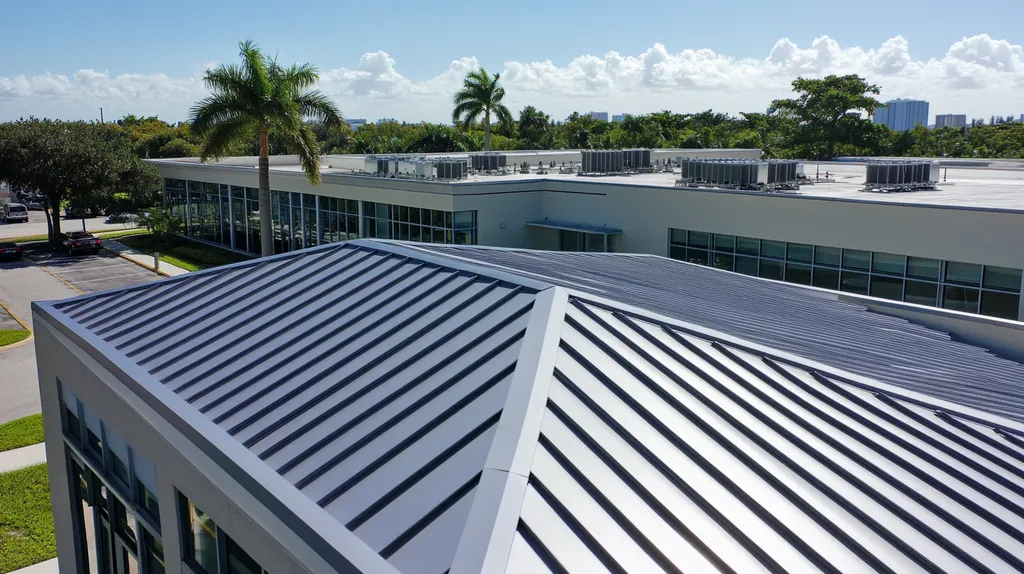
Drones are becoming invaluable for site inspections, offering real-time visuals of completed work. This technology keeps stakeholders updated without necessitating physical attendance on-site, significantly enhancing transparency and accelerating decision-making.
Embracing these technological advancements cultivates a more rapid communication culture. Timely updates mitigate the risks of isolated information among contractors and supervisors. Ultimately, integrating technology into communication strategies yields a more efficient roofing project and satisfied stakeholders.
SECTION 3: IMPLEMENTATION METHODS
Effective communication during a commercial roofing project is not just important; it is critical to its success. Inadequate communication can create misunderstandings, leading to delays and unexpected costs. Data shows that projects with established communication strategies experience a 30% increase in stakeholder satisfaction, emphasizing the need to prioritize these methods early. This section will delve into the significance of conducting initial project meetings, providing regular updates, and managing unexpected delays.
Conducting Initial Project Meetings
Kickstarting effective communication begins with conducting an initial project meeting. This pivotal gathering brings all key stakeholders together, including property owners, facility managers, and the roofing team. Engaging everyone from the outset fosters a clear understanding of project expectations, timelines, and budget constraints.
During this meeting, it’s essential to cover major topics such as safety protocols and contingency plans for unforeseen circumstances. Establishing a clear agenda helps keep discussions focused and allows all participants to voice their concerns, setting the stage for a collaborative environment.
Utilizing visual aids like project timelines, blueprints, and risk management charts enhances comprehension. This ensures stakeholders leave the meeting with a solid understanding of the project’s scope and their respective responsibilities. Scheduling regular accountability checks within this initial framework further reinforces commitment among team members.
Finally, thoroughly documenting discussions and decisions made during the meeting is crucial. Sharing these meeting minutes with all participants ensures everyone remains aligned and accountable throughout the roofing project’s lifecycle.
Regular Updates and Progress Reports
Regular updates and progress reports hold the key to maintaining transparency in any commercial roofing project. Providing stakeholders with weekly or bi-weekly updates keeps them informed about progress, emerging challenges, and upcoming steps. These updates should highlight clear metrics such as milestones achieved and completed tasks against the project timeline.
Visual tools like Gantt charts or dashboards can simplify complex information, making it easily digestible for everyone involved. This allows property owners and facility managers to assess the project status quickly, even without an extensive technical background.
Utilizing email or dedicated project management software facilitates efficient communication, allowing stakeholders to revisit updates effortlessly. Encouraging open channels for feedback during these updates fosters a dialogue that helps address potential issues promptly.
Moreover, regular reports serve as key documentation for accountability, ensuring that the project stays on track to meet scheduled deadlines. This proactive approach effectively manages expectations and builds trust throughout the roofing process.
Handling Unexpected Delays and Issues
Unexpected challenges are a reality in any roofing project, and how these are addressed can significantly impact overall success. When delays arise, quick and transparent communication is essential for maintaining stakeholder trust. Informing all relevant parties about the nature of the delay can help prevent unnecessary speculation and frustration.
Having a predefined protocol in place for managing issues—including a designated point person for updates—can streamline the communication process. This individual should provide consistent insights into the steps being taken to resolve the issue, along with any modifications to the project timeline. For instance, if adverse weather conditions threaten progress, stakeholders should be alerted immediately.
Offering alternative solutions showcases proactive problem-solving. Stakeholders appreciate knowing options are available, whether it’s rescheduling tasks, reallocating resources, or making budget adjustments. Such transparency assures them that their project remains a top priority.
Finally, conducting a post-issue review can extract valuable lessons for future projects. Documenting insights gained from unexpected challenges can enhance a company’s ability to communicate effectively in similar situations down the road.
SECTION 4: MAINTENANCE REQUIREMENTS
Efficient maintenance is vital for enhancing the longevity and functionality of a commercial roof. Regular upkeep not only helps the roof endure the rigors of weather but also minimizes the chances of leaks and structural failures. In fact, proactive maintenance can extend the lifespan of a commercial roof by over 25%. This section highlights essential safety protocols, strategies for safeguarding building occupants, and the significance of coordinating equipment and material logistics.
Safety Protocols and Emergency Procedures
Implementing stringent safety protocols is essential on any roofing project. Neglecting these measures can result in severe accidents and injuries. For instance, utilizing proper fall protection systems and maintaining secure working conditions greatly mitigates risks.
It’s equally important to establish clear emergency procedures and communicate them to all crew members. This includes defining escape routes, ensuring access to first-aid kits, and outlining how to report incidents swiftly. Regular safety meetings can significantly raise awareness and prepare teams for unexpected situations.
Investing in comprehensive safety training is not just a regulatory requirement; it is a strategic approach to safeguard the workforce. Keeping crew members informed about potential hazards helps reduce risks and fosters a culture of safety on-site.
Focusing on safety creates smoother project operations and builds trust with clients and facility managers. A secure work environment reduces disruptions, helping roofing projects stay on schedule and within budget.
Protecting Building Occupants and Contents
Ensuring the safety of building occupants during a roofing project is crucial. Disruptions can negatively impact business operations, especially in high-traffic areas. Implementing barriers, noise control measures, and clear signage informs occupants about ongoing work and minimizes disturbances.
Protective coverings, such as tarps, are essential for safeguarding sensitive materials and machinery from debris and environmental exposure. These proactive steps mitigate potential liability for property owners and create a safer interface between construction activities and daily operations.
Open communication plays a key role in safeguarding occupants. Regular updates about project timelines and anticipated disruptions keep everyone informed. Providing a designated contact person for concerns strengthens the organization’s commitment to safety and transparency.
Ultimately, prioritizing occupant protection fosters a collaborative environment, ensuring that roofing projects do not impede regular building functions. This strategy cultivates goodwill among tenants and clients, promoting a positive atmosphere.
Coordinating Equipment and Material Logistics
Efficient coordination of equipment and materials is crucial for successful roofing projects. Delays or miscommunication can lead to material shortages, extending timelines and inflating costs. A well-organized logistics plan can mitigate these risks effectively.
Leveraging technology, such as scheduling software, streamlines the procurement process. Anticipating material needs ahead of time ensures that supplies are readily available, reducing downtime—especially during peak construction seasons when material availability can fluctuate.
Establishing clear communication channels between suppliers, contractors, and site managers is essential. Regular check-ins and timely updates can prevent misunderstandings and ensure that teams can adapt quickly to changing project requirements.
By honing in on logistics, project managers can keep workflow consistent and meet deadlines. A well-coordinated approach not only curtails costs but also elevates the quality of workmanship, ensuring the roofing system performs effectively for years to come.
SECTION 5: PERFORMANCE METRICS
In the high-stakes realm of commercial roofing, tracking performance metrics is not just important; it’s essential for successful project management. Delays and budget overruns can lead to substantial losses that ripple through business operations. A staggering 70% of projects encounter time overruns, which can inflate costs by up to 30%. Establishing clear and consistent metrics enables property owners to stay on course, manage budgets proactively, and address any feedback promptly. This section dives into crucial aspects like tracking project timelines, financial transparency, and responding to client concerns.
Tracking Project Timelines and Deadlines
Timely execution is the lifeblood of commercial roofing projects. Keeping to established timelines not only guarantees project completion but also sustains client trust. Research shows that setting clear milestones can cut project delays by 40%. Property owners should require regular updates and a detailed timeline from their contractors.
Project management software can dramatically enhance monitoring capabilities. These tools allow for real-time tracking of various project phases, helping identify potential delays early on. With features like Gantt charts and deadline alerts, property owners can remain informed and proactive throughout the project.
Additionally, establishing open communication channels is vital for addressing any unexpected issues effectively. Regular meetings and updates between the roofing team and property owners foster collaboration, ensuring that the project keeps moving forward toward its deadlines.
Creating contingency plans for possible setbacks will further prepare all involved parties for unforeseen circumstances. This proactive strategy minimizes disruption and instills confidence in property owners, reassuring them that their project is in capable hands.
Monitoring Budget and Financial Transparency
Effective financial management is paramount in roofing projects. Cost overruns can jeopardize not just the project’s viability but the overall health of business operations. It’s vital for property owners to establish a clear budget at the outset and to demand ongoing financial disclosures throughout the project.
Regular budget updates enable property owners to track their expenditures effectively, ensuring the project remains within budget. Industry standards often recommend weekly cost reports detailing labor, materials, and project expenses. This level of financial transparency builds trust between property owners and contractors, minimizing disputes down the line.
Moreover, a transparent budgeting framework opens the door for better negotiations. When property owners have an informed understanding of their spending patterns, they’re more equipped to make strategic adjustments or allocate additional resources if necessary. This proactive approach can prevent financial strain as the project progresses.
Addressing financial discrepancies promptly is crucial for maintaining smooth operations. Engaging in immediate discussions regarding any budget concerns helps to resolve issues quickly, thereby enhancing client satisfaction and fortifying long-term relationships.
Addressing Client Concerns and Feedback
Open lines of communication are critical to effectively addressing client concerns. Feedback from property owners serves as valuable insights that can significantly improve project outcomes. Regular check-ins and feedback sessions encourage property owners to voice their concerns and help align expectations across the board.
Contractors should prioritize quick incorporation of feedback into ongoing work. This responsiveness not only resolves emerging issues but also fosters a culture of collaboration, strengthening the contractor-client relationship. In the industry, responding to client concerns within 24 hours is widely regarded as best practice.
Additionally, maintaining detailed documentation of client feedback ensures that all issues are thoroughly addressed. This practice creates a valuable reference throughout the project, benefiting both the contractor and the property owner. Reviewing the history of client communications also assists in enhancing processes for future projects.
Ultimately, placing a high priority on client feedback showcases a commitment to quality service. When property owners feel heard and valued, they are more likely to invest in future projects and endorse contractors to others in the industry.
SECTION 5: PERFORMANCE METRICS
In the competitive landscape of commercial roofing, diligently tracking performance metrics is not just beneficial; it’s essential for safeguarding project success. Delays and budget overruns can result in significant losses, adversely affecting overall business operations. Alarmingly, research shows that 70% of roofing projects face time overruns, which can balloon costs by 30%. By establishing clear and consistent performance metrics, property owners can navigate these potential pitfalls, manage budgets effectively, and respond to feedback swiftly. This section highlights crucial areas such as tracking project timelines, maintaining budgetary transparency, and addressing client communication.
Tracking Project Timelines and Deadlines
Timely execution is crucial in commercial roofing projects. Sticking to prescribed timelines not only ensures project completion but also helps maintain client trust. Research indicates that setting clear milestones can reduce project delays by up to 40%. Property owners should insist on receiving regular updates and detailed timelines from their contractors.
Utilizing project management software can significantly enhance tracking capabilities. These tools facilitate real-time monitoring of various project phases, aiding in the early identification of potential delays. With features like Gantt charts and deadline alerts, property owners can stay informed and proactive throughout the project.
Open communication channels play a vital role in quickly addressing any unforeseen issues. Regular meetings and updates between the roofing team and property owners foster a spirit of collaboration, helping to keep projects on track. This cooperative approach is instrumental for maintaining momentum and meeting deadlines.
Finally, preparing a contingency plan for possible setbacks equips all parties involved to handle unforeseen circumstances effectively. This proactive strategy minimizes disruption and reassures property owners that their projects are in capable hands.
Monitoring Budget and Financial Transparency
Effective financial management is fundamental to the success of roofing projects. Cost overruns can jeopardize not only the project’s viability but also the overall health of business operations. Property owners must establish a clear budget at the outset and demand continuous financial updates throughout the project.
Frequent budget updates empower property owners to track their expenditures accurately and evaluate whether the project aligns with the allocated budget. Industry standards often recommend weekly cost reports detailing labor, materials, and expenses incurred. This level of financial transparency fosters trust between property owners and contractors, minimizing the risk of disputes.
A comprehensive budgeting framework also allows for strategic cost negotiations. When property owners have a clear understanding of their spending patterns, they are better positioned to make informed adjustments or allocate additional resources as necessary. This proactive management approach can help prevent financial strain as the project unfolds.
Lastly, addressing financial discrepancies promptly ensures minimal disruptions. Engaging in immediate discussions about any budget concerns raised by property owners enables timely resolutions. Such transparency not only enhances client satisfaction but also fortifies long-term relationships.
Addressing Client Concerns and Feedback
Open lines of communication are vital for effectively addressing client concerns. Regular feedback from property owners can provide critical insights that enhance project outcomes. Scheduling consistent check-ins and feedback sessions invites property owners to express their concerns, aligning expectations among all parties involved.
Contractors should prioritize the prompt incorporation of feedback into ongoing work. This responsiveness not only resolves issues but also nurtures a collaborative atmosphere that bolsters contractor-client relationships. In the industry, responding to client concerns within 24 hours is regarded as a best practice.
Additionally, meticulously documenting client feedback is essential for ensuring thorough resolution of all issues. This practice creates a valuable record that can be referenced throughout the project’s lifecycle, benefiting both parties involved. Reviewing the history of client communications helps inform strategies for future projects.
Ultimately, prioritizing client feedback illustrates a commitment to quality service. Property owners who feel heard and valued are more likely to invest in future projects and recommend contractors to their network, fostering long-term success.
The Bottom Line
With project delays costing commercial property owners an average of $45,000 per month and communication failures accounting for 70% of construction disputes, establishing robust progress reporting systems is no longer optional.
The future of successful commercial roofing depends on transparent, technology-enabled communication protocols that keep all stakeholders informed and aligned.
Property owners who implement comprehensive communication strategies – including clear channels, regular updates, and measured performance metrics – see 40% fewer delays and 30% lower cost overruns.
By prioritizing effective progress communication throughout the project lifecycle, commercial roofing contractors and property owners can ensure successful outcomes while building lasting partnerships based on trust and transparency.
FREQUENTLY ASKED QUESTIONS
Q. Why is communication important in a commercial roof project?
A. Communication is vital as it helps prevent misunderstandings that lead to delays and costs. Studies indicate that many construction complaints arise from poor communication. By establishing clear channels and setting defined goals, all stakeholders can work together smoothly, enhancing project success.
Q. How can I coordinate with subcontractors for my industrial roof project?
A. Coordination involves establishing a centralized communication platform to track schedules and delivery. Regular updates between subcontractors, suppliers, and project managers ensure all are aligned, minimizing delays. By involving all parties early in the planning, you can improve project efficiency and quality.
Q. What should be included in the initial project meeting for a commercial roof?
A. The initial meeting should cover project timelines, budgets, and key responsibilities. Engaging all stakeholders fosters clarity on expectations. Visual aids can enhance understanding, and documenting discussions ensures everyone is aligned throughout the project’s lifecycle.
Q. How often should I receive updates during a commercial roofing project?
A. Receiving updates weekly or bi-weekly is advisable to maintain transparency. Regular updates keep all stakeholders informed about progress, upcoming tasks, and any issues. Using project management tools can make these updates clearer and more efficient, enhancing collaboration.
Q. What safety protocols should I communicate during a roofing project?
A. Safety protocols should include fall protection measures, emergency procedures, and first-aid access. Communicating these protocols ensures all crew members are aware of their responsibilities and procedures, reducing the risk of accidents and promoting a safe working environment.
Q. How can I address client feedback effectively in roofing projects?
A. Address feedback promptly by scheduling regular check-ins and incorporating suggestions into your work. Documenting all concerns and resolutions builds trust and shows commitment to quality service. Quick responses to feedback can enhance client satisfaction and lead to future project opportunities.
Q. What metrics should I track for a successful commercial roofing project?
A. Tracking metrics like project timelines, budget adherence, and stakeholder feedback is essential. Using project management software can streamline monitoring, helping identify delays and financial discrepancies early. Clear metrics empower property owners to make informed decisions throughout the project.






